From over 100,000 films, discover the handful you'll love.
Free or premium access to the world's largest documentary library.
7227 films(Page 62 of 151)
Alleged alien autopsy footage from 1995, performed by military scientists, ignites debate over the existence of extraterrestrial life and government secrecy.
The moon serves as a crucial testing ground for future manned missions to Mars, addressing technological challenges and advancing reusable rocket technology.
Orangutans face imminent extinction due to the destructive palm oil industry, which devastates their rainforest habitat and contributes significantly to carbon emissions.
Six Hungarian scientists, driven from Europe by persecution, played crucial roles in developing the atomic bomb at Los Alamos during World War II.
In the Brazilian Pantanal, a lack of rainfall alters the behavior of alligators, howling monkeys, and diverse wildlife in a fragile ecosystem facing severe threats.
70 percent of Iceland's power comes from clean and renewable sources, primarily geothermal energy harnessed from deep underground steam reservoirs.
Camels and llamas, two resilient mammals, have shaped ancient trade routes and cultures, from the Silk Road to the Andes Mountains.
Özlem Türeci and Uğur Şahin, co-founders of BioNTech, are honored with the Axel Springer Award in 2021 for their contributions to cancer research and the COVID-19 vaccine.
The evolution of humans and the development of societies are explored, highlighting how these factors shaped modern civilization on Earth after the rise of mammals.
The Dogon people of Mali have developed sustainable agricultural practices in the harsh landscape at the edge of the Sahara, deeply rooted in their cosmological beliefs.
Locals in Tahiti allege that exposure to radiation from France's nuclear tests has poisoned them, straining relations with the French government.
Bluefin tuna, once abundant, now faces extinction due to sushi demand, prompting efforts to balance industry jobs with sustainable fishing practices.
Georges Mougin and a team of glaciologists aim to tow a 7-million-ton iceberg from Canada to the Canary Islands, harnessing its ancient water resources.
Recent scientific advancements in longevity research, featuring insights from Edward Norton and experts like Tony Robbins and Wim Hof, explore potential methods to slow aging and extend human lifespan.
Neotropical forests in South America are home to a remarkable array of biodiversity, featuring species like jaguars, monkeys, and toucans.
Hartlepool Nuclear Power Station's emergency preparedness is scrutinized, revealing a dangerous reliance on a minimal safety zone amid global evacuation standards.
Predators like lions, taipans, and alligator snapping turtles exhibit specialized adaptations such as night vision and electroreception to thrive in low-light environments.
Nick embarks on a mission in Thailand to locate the common krait, a highly venomous snake known for its neurotoxins and lethal potential.
Cane toads, originally from Central and South America, have become a controversial invasive species in Australia, prompting discussions on environmental impact and ecosystem changes.
Nuclear energy is presented as a potential solution to the global energy crisis, yet its high costs, delays, and safety concerns raise significant doubts.
Leading neuroscientists and technologists discuss the ethical considerations of merging human cognition with artificial intelligence and brain-computer interfaces.
The 2002 "500-Year Flood" devastated Prague and Central Europe, leading to mass evacuations and testing the limits of medieval engineering and modern forecasting.
The Sun, a 4.7-billion-year-old nuclear fusion reactor, has a life cycle that spans 10 billion years, influencing the solar system's past, present, and future.
Cryptozoology involves field research in forests, lakes, and mountains, while ufology focuses on historical cases and document analysis.
Dinosaurs' extinction significantly impacted the evolution of sharks, birds, and turtles, as explored through rare wildlife footage from around the globe.
Since the launch of the first Sputnik satellite in 1957, more than 10,000 satellites have been sent into space, with half still active today.
Three Harris Hawks hunt together in Arizona, demonstrating their unique pack hunting techniques that resemble those of wolves.
Only 5% of male mammals actively engage in caregiving, a fact examined through the experiences of fathers during pregnancy and early parenting.
The influenza pandemic of 1918 killed more people worldwide than the total number of military deaths in World War I.
The second space race is fueled by private ambition and profit, showcasing advanced propulsion technologies capable of transporting over 100 tons.
Insects engage in complex mating rituals, as seen in the male emperor moth's scent tracking and fireflies' coded flashes, highlighting their survival strategies.
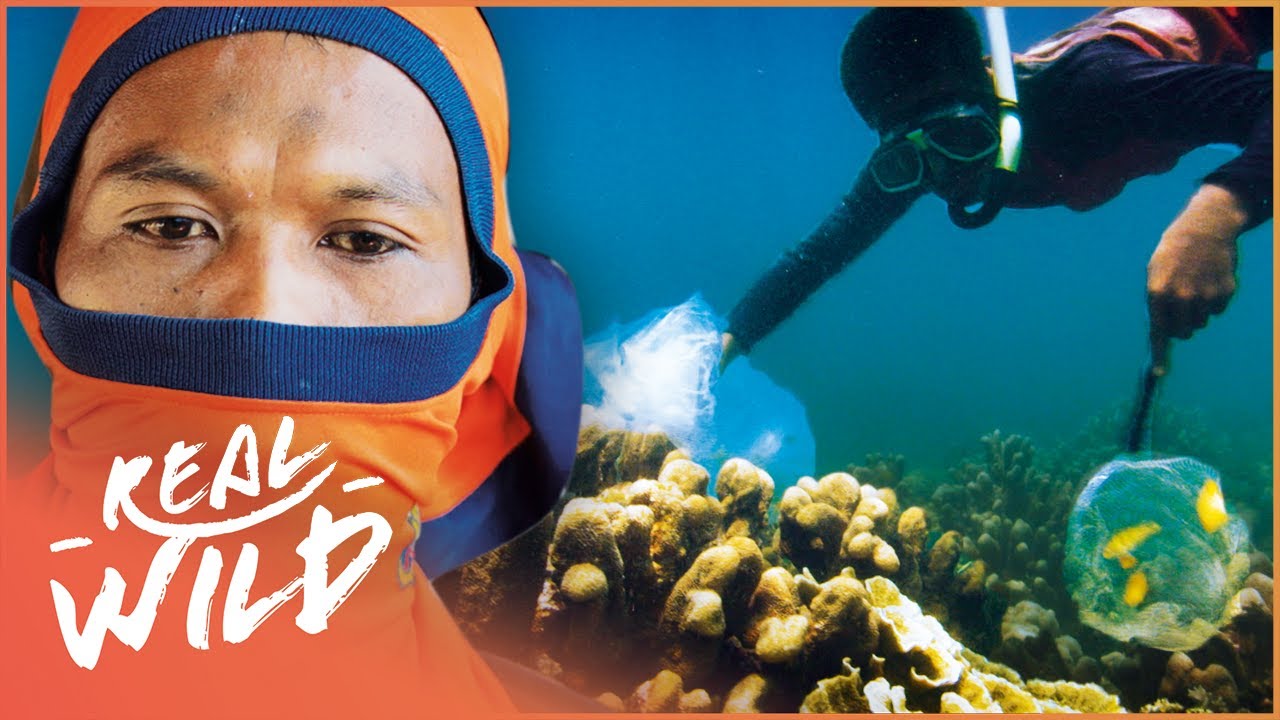
Indonesia's coral reefs are threatened by illegal fishing practices like blast fishing and cyanide fishing, as explored by the crew of the Sedna IV.
Australia's invasive cane toad, the Tasmanian devil, and the Goliath bird-eater tarantula are among the extraordinary creatures showcased for their unique adaptations and survival challenges.
Neuroscientists explain the mechanisms of facial recognition in humans while tech experts highlight the implications of AI and biometric surveillance, including the Algorithmic Justice League's audits.
Blue is nature's most predominant color, found in minerals, birds, and the first life forms like blue-green algae.
Elephant populations in Africa are rapidly declining due to a well-organized black-market ivory trade, driven by soaring demand from China's affluent middle class.
Titan, Saturn's largest moon, was the site of the first successful landing in the outer Solar System by the Cassini-Huygens spacecraft in 2005.
The 1918 influenza pandemic killed more people worldwide than combat during World War One.
In Puerto Rico, a rare sighting of the endangered Black Boa hunting bats from cave vines is documented by the Python Hunters team.
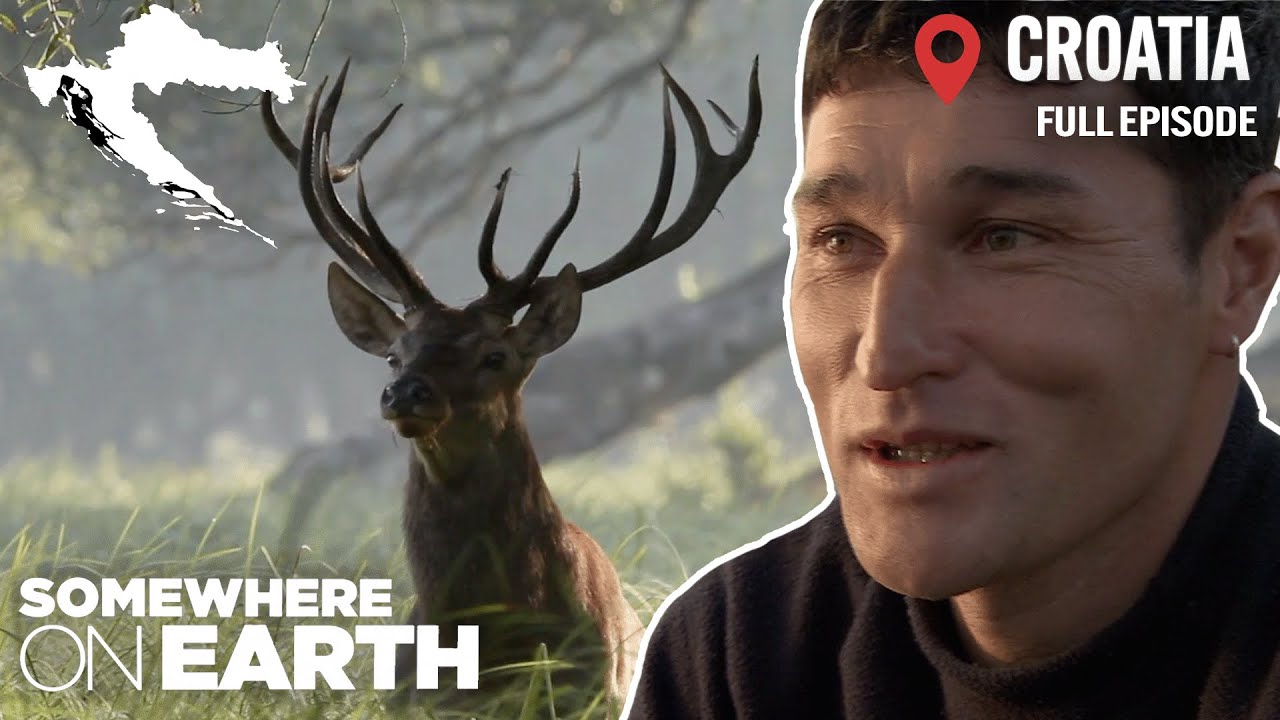
Croatia, a land of contrasts, showcases its rich natural wonders through the eyes of a biologist, a geologist, and an adventurous sailor.
Forensic identification techniques, including earprints and footprints, play a crucial role in solving complex criminal cases and securing convictions.
Taiwan's controversial fourth nuclear power plant, located near an active fault line, raises fears of a catastrophic disaster that could claim over a million lives.
Forests and jungles, as Earth's most diverse ecosystems, showcase a remarkable array of wildlife and their adaptations to these rich environments.
Pumas, which nearly became extinct 10,000 years ago, now number about 50,000 and inhabit diverse environments across the Americas.
Suez Canal expansion and the construction of the Meraviglia cruise ship showcase groundbreaking engineering feats that transformed maritime capabilities and technology.
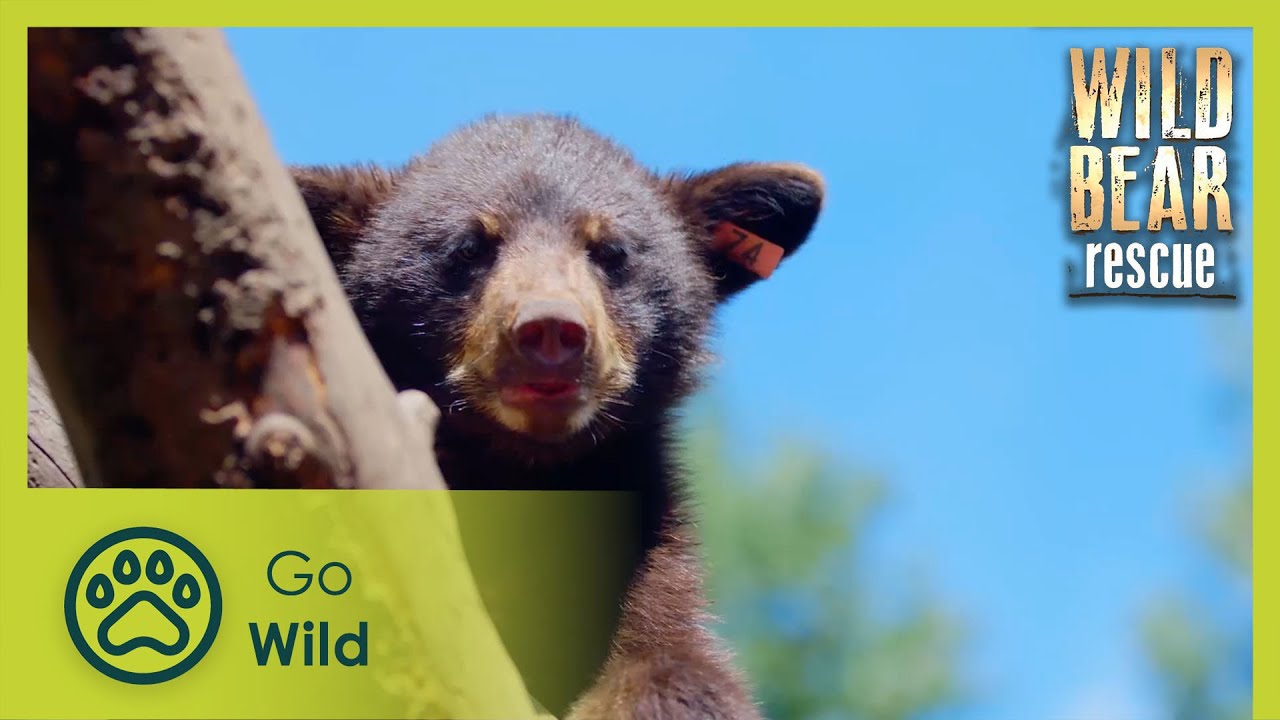
Angelika prepares to move the cubs into a larger cage while addressing the needs of two newly arrived traumatized black bears at the rescue.
Water scarcity in regions of France and Switzerland is intensifying due to climate change, causing severe impacts on communities and infrastructure.
Virtual reality, developed by Kiwi scientists, is transforming entertainment, medical research, and sports, showcasing advancements since the 1980s.