From over 100,000 films, discover the handful you'll love.
Free or premium access to the world's largest documentary library.
7227 films(Page 74 of 151)
Chemist Gabriel Walker explores the composition and significance of the atmosphere, answering the fundamental question of what air truly is.
Tanja rescues fragile newborn moose calves, while Yukon and Taku, two brawling yearlings, navigate the challenges of survival in the bear pen.
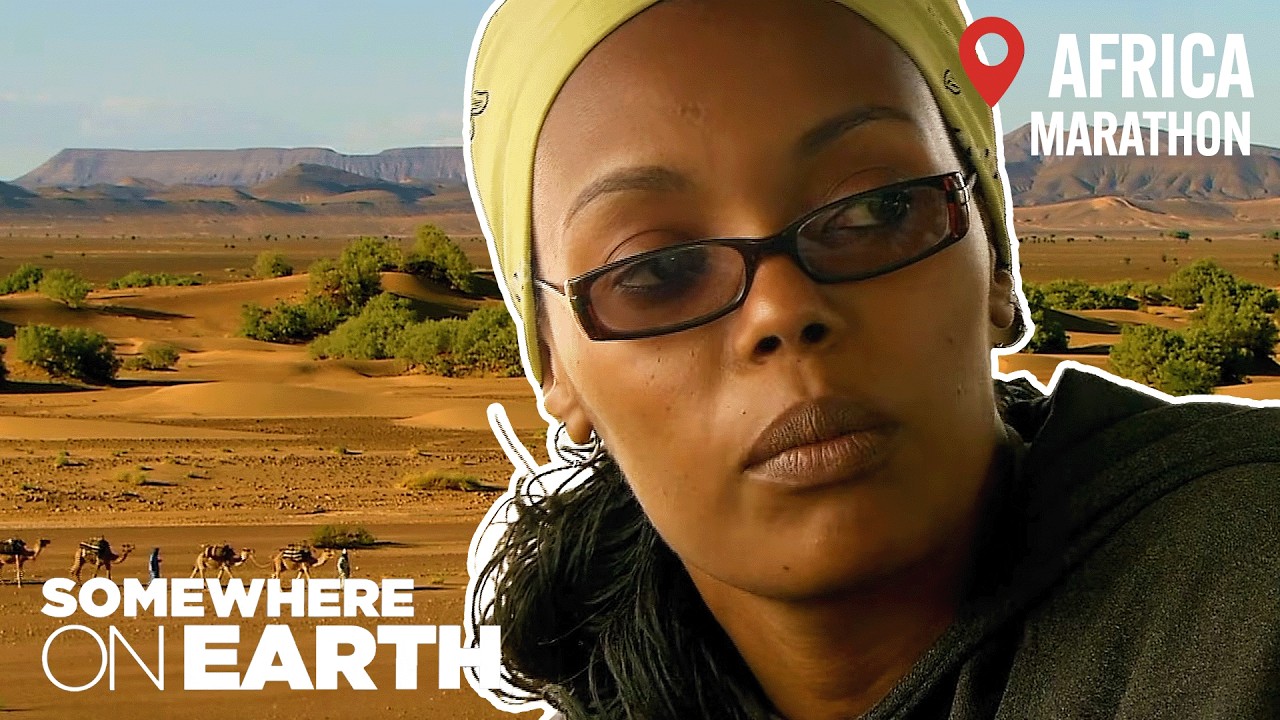
Tanzania, Morocco, and Malawi showcase breathtaking landscapes and resilient individuals, from wildlife photographers to champion runners, thriving in nature's embrace.
Ellen Bialystok, a Professor of Psychology at York University, discusses the cognitive effects of bilingualism throughout the human lifespan in a conversation with Howard Burton.
Bubble wrap, originally designed as wallpaper in 1957, and the Hubble Space Telescope, launched in 1990, showcase innovative designs with unexpected uses.
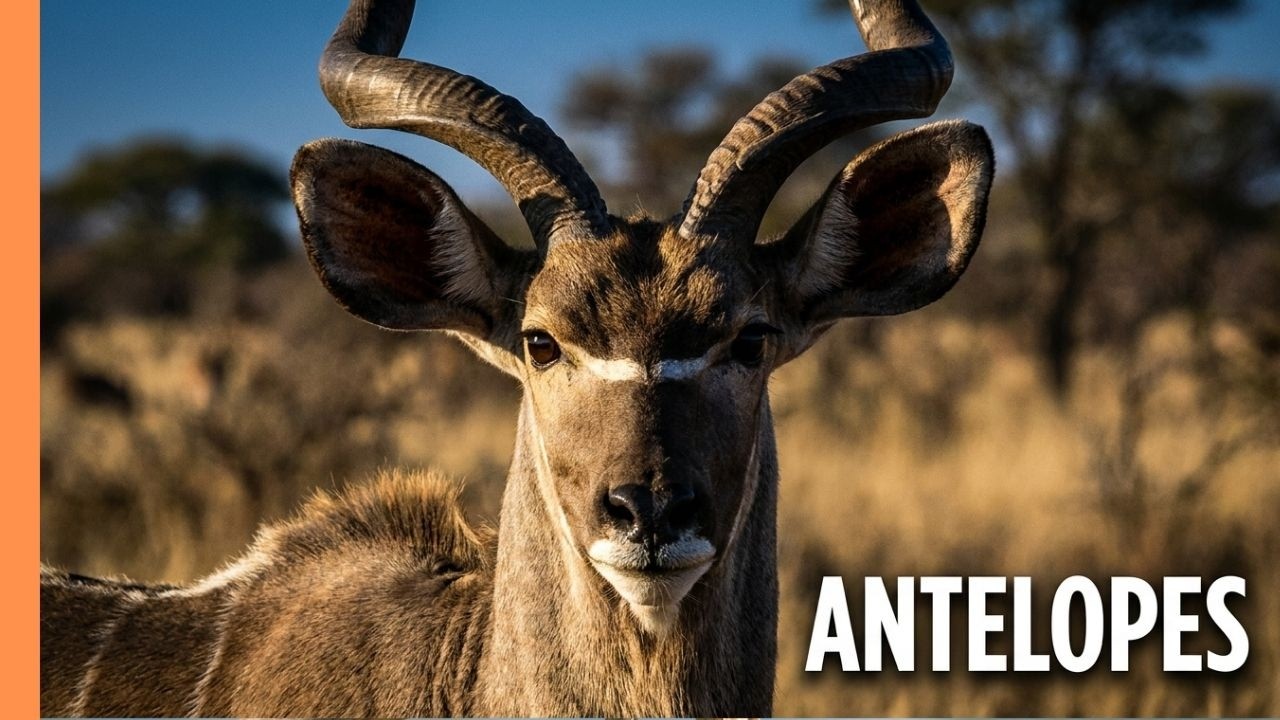
Seventy-four species of antelopes in Africa showcase remarkable diversity in size, diet, and survival strategies across various ecosystems.
Behavioral differences between men and women are examined through scientific studies on brain structure, prenatal influences, and developmental psychology.
Primate evolution, spanning 65 million years from Madagascar to modern humans, highlights the diverse adaptations and significance of these species in understanding human ancestry.
Albert Einstein, portrayed by actor Beau Solley, is explored through his life as a physicist and immigrant to America during the rise of Nazi Germany.
Oceans, covering over 70% of the Earth, contain vast currents that regulate climate and ecosystems, raising concerns about their stability amid climate change.
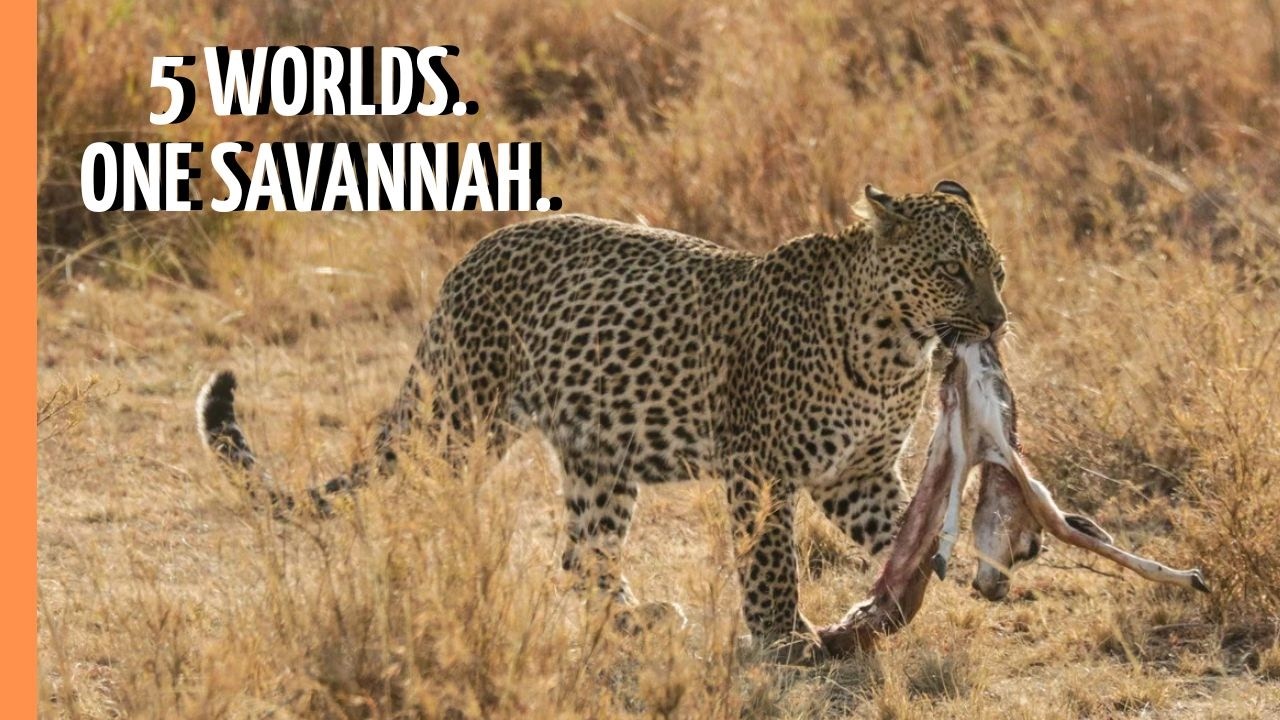
In the African savannah, diverse species from mammals to insects navigate distinct ecological niches, competing for resources in a complex vertical habitat.
ALMA, the largest radio telescope in the world, conducts research in Chile to explore the origins of the universe while examining life in extreme conditions.
In an age of constant notifications and digital distractions, experts examine the effects on attention spans and whether the brain has adapted to modern challenges.
Tanja must lure three unruly yearling cubs into transport boxes while Kim fights to save a moose named Dante from a deadly disease.
Air transport faces a crisis as it grapples with environmental pressures, rising costs, and changing passenger expectations in a post-pandemic world.
In the Wolong Nature Reserve, Sichuan, veterinary teams employ innovative techniques to save giant panda cubs from extinction through complex care methods.
Chile's Atacama Desert, the driest in the world, hosts rich marine biodiversity along its coasts, including sea lions, sharks, and unique inland species like Fabian's lizard.
Endangered manatees and dugongs face critical threats from human activity and environmental challenges, prompting urgent conservation efforts to prevent their extinction.
Saccharine, LEDs, and Kevlar highlight how accidents and ingenuity can lead to revolutionary inventions that transform industries and everyday life.
Dennis Lamont holds the record for the largest amateur rocket ever flown, which stands the height of a four-story building.
A mother whale can carry her calf's small carcass over 1,000 miles, demonstrating the deep emotional bonds shared among cetaceans.
Annual estimates indicate 35,000 deaths in the United States and 700,000 fatalities worldwide are linked to antibiotic-resistant bacteria.
Images and data from the James Webb Space Telescope reveal insights into the Cosmic Dawn, marking a significant advancement in astronomical observation.
Over 10,000 bird species are examined, highlighting avian predators like eagles and falcons, as well as unique seabirds and flightless birds such as ostriches.
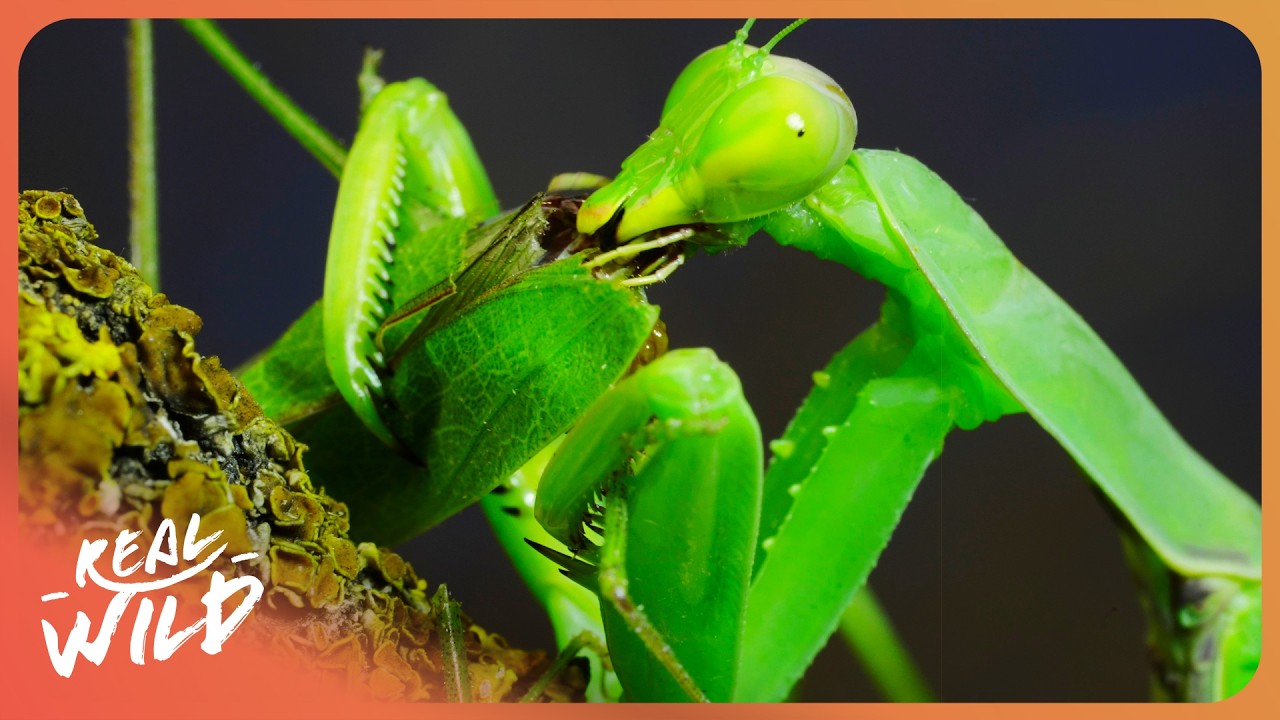
Various mantis species, from Germany's vineyards to Thailand's jungles, exhibit lethal hunting strategies and remarkable camouflage techniques for survival.
In the Sonoran Desert, Harris's hawks hunt cooperatively like wolves, while diverse species like the Gila monster and elf owl adapt to extreme conditions.
Reptiles, often perceived as primitive, showcase remarkable diversity and adaptability, having existed for over 300 million years alongside Earth's changing ecosystems.
Vatnajökull, Iceland's largest glacier, is rapidly melting, reshaping landscapes, revealing ancient life, and prompting scientific inquiry into emerging ecosystems.
Volcanologists in countries like the Philippines, Colombia, and Italy monitor active volcanoes to protect communities from potential eruptions and hazards.
Marcelle, Nikki, and Michael each embrace the rugged beauty of Western Canada, finding purpose and self-discovery through sled dog racing, harmonious living, and cross-country skiing.
Burkina Faso's innovative recycling project, led by women's cooperatives, has transformed its capital into Africa's cleanest city while combating poverty and environmental issues.
In Britain, a group of extraordinary animals, including Gable the Border Collie and Melanie the North American Raccoon, showcases remarkable intelligence and problem-solving skills.
Dr. Jennifer Gardy tests various health claims, including whether exercise can reverse aging and if high-intensity training is as effective as longer workouts.
Cassini's observations of Saturn and its moons provided insights into the potential for life and revealed the unique characteristics of these celestial bodies.
Two Australian scientists have developed innovative nano cells that target cancer cells directly, potentially revolutionizing cancer treatment with fewer side effects.
Paris Metro, over a century old, features 220 km of rail and 302 stations, serving over five million daily riders and connecting to the Grand Paris Express.
In the Tonga archipelago, the sooty tern and the Alvin crustacean adapt to the transient islands formed by tectonic activity and underwater volcanoes.
The internet, as the fifth largest consumer of electricity globally, raises critical questions about energy consumption, pollution, and the responsibility of big tech companies.
Giraffes' unique adaptations, such as their long necks and blood pressure regulation, offer insights for innovative solutions in human space exploration.
SpaceX's ambitious plans for Mars highlight the innovative technology and visionary leadership driving humanity's quest for interplanetary exploration.
In the Spanish Canary Islands and North Chile, astrophotography sessions and the VISTA infrared telescope reveal the Milky Way's beauty while exploring indigenous connections in Brazil.
Campi Flegrei, a 20 km wide caldera near Pozzuoli, poses a significant volcanic risk to densely populated areas around Naples, despite its last eruption in 1538.
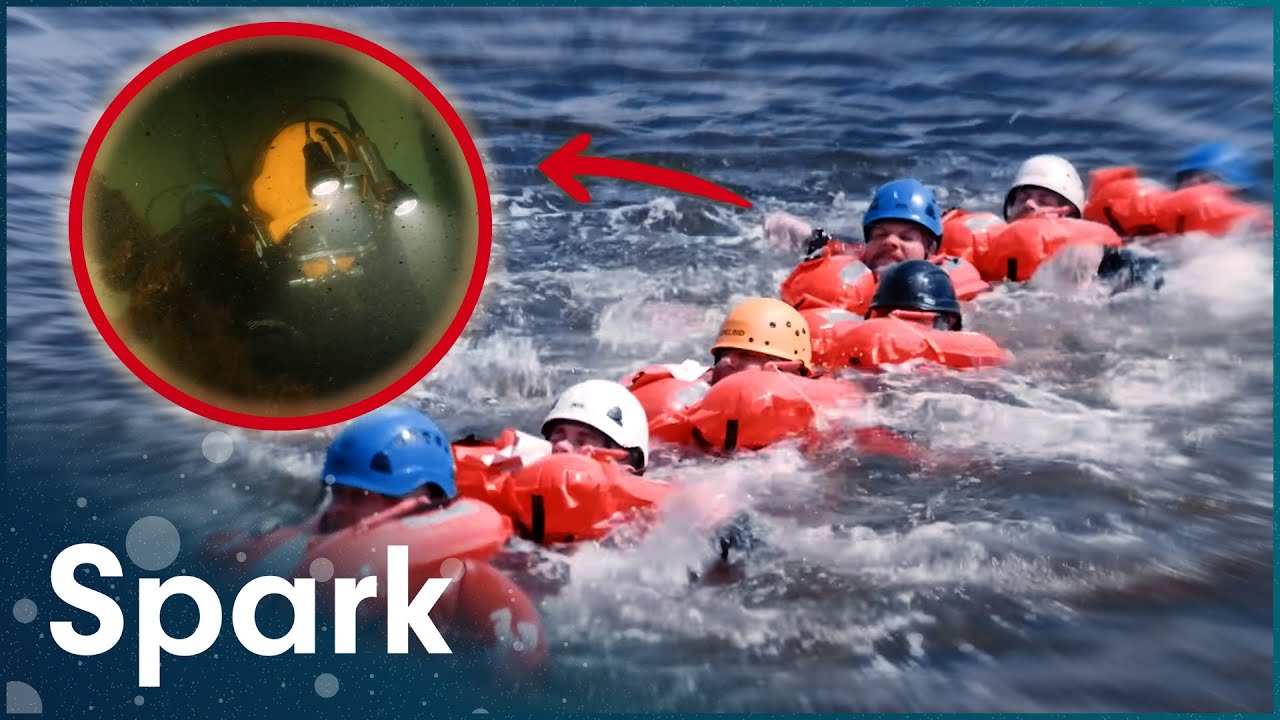
Intense training and real-world challenges define the life of Baltic Sea Divers, as trainees face underwater navigation and critical survival exercises.
The black spitting cobra, one of the three Siamese varieties, can accurately spit venom up to two metres, causing severe eye irritation and potential blindness.
Deforestation in Sumatra threatens the survival of the endangered Sumatran tiger, with over sixty percent of Riau's forests cleared for industrial plantations.
Swarm intelligence, exhibited by fish, birds, and insects, inspires scientists and engineers to develop autonomous robot swarms for applications in space exploration and medical operations.
Linfen, a mining hub in China's Shanxi Province, suffers from extreme air pollution, leading to severe health issues and environmental degradation for its residents.
Mathematics is explored as a potential reflection of the universe's fundamental structures, illustrated through the golden ratio, Fibonacci sequence, and natural phenomena.