From over 100,000 films, discover the handful you'll love.
Free or premium access to the world's largest documentary library.
7227 films(Page 31 of 151)
Chris Horsley investigates a dangerous fracture in Congo after Mount Nyiragongo's eruption.
The Black Sea reveals three shipwrecks that hold secrets of its storied past, while advances in maritime technology lead to awe-inspiring wrecks and the heroism of three Black sailors during the Pearl Harbor attack.
Bill Gates' philanthropic efforts in Africa promote GMO food as a solution to famine and malaria, raising concerns about corporate influence and potential risks.
A janitor in Vancouver discovered a burned body in a dumpster in July 1991, leading to a complex investigation involving DNA evidence.
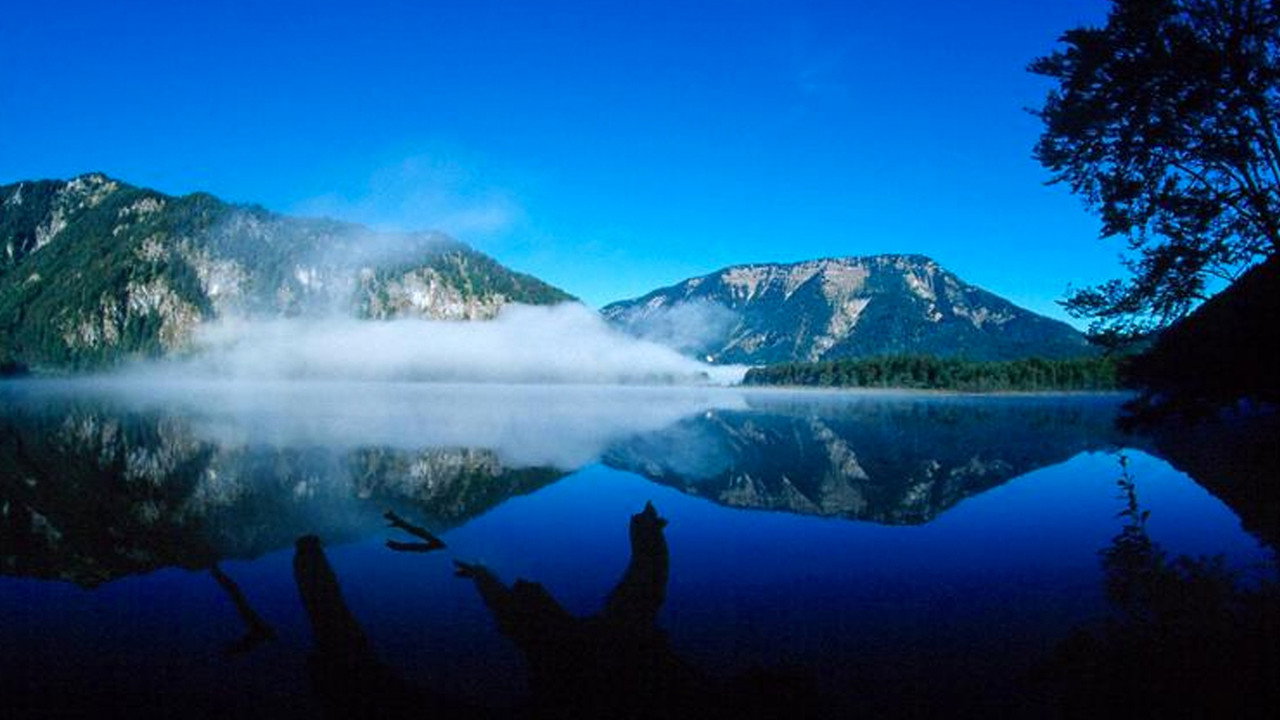
The film illustrates the beauty of Austria's smaller lakes, featuring their flora and fauna, underwater worlds, and the work of speleologists and scientists.
The Mekong River's dynamic landscape in central Cambodia transforms during the dry season, revealing islands and tiny villages amidst cracked, dusty fields.
Compelling theories and evidence suggest extraterrestrial influence on human genetics, including topics like mystery blood types and Peter Khoury's hybrid DNA.
An Indonesian legend claims monkeys can speak, yet they choose silence over communication.
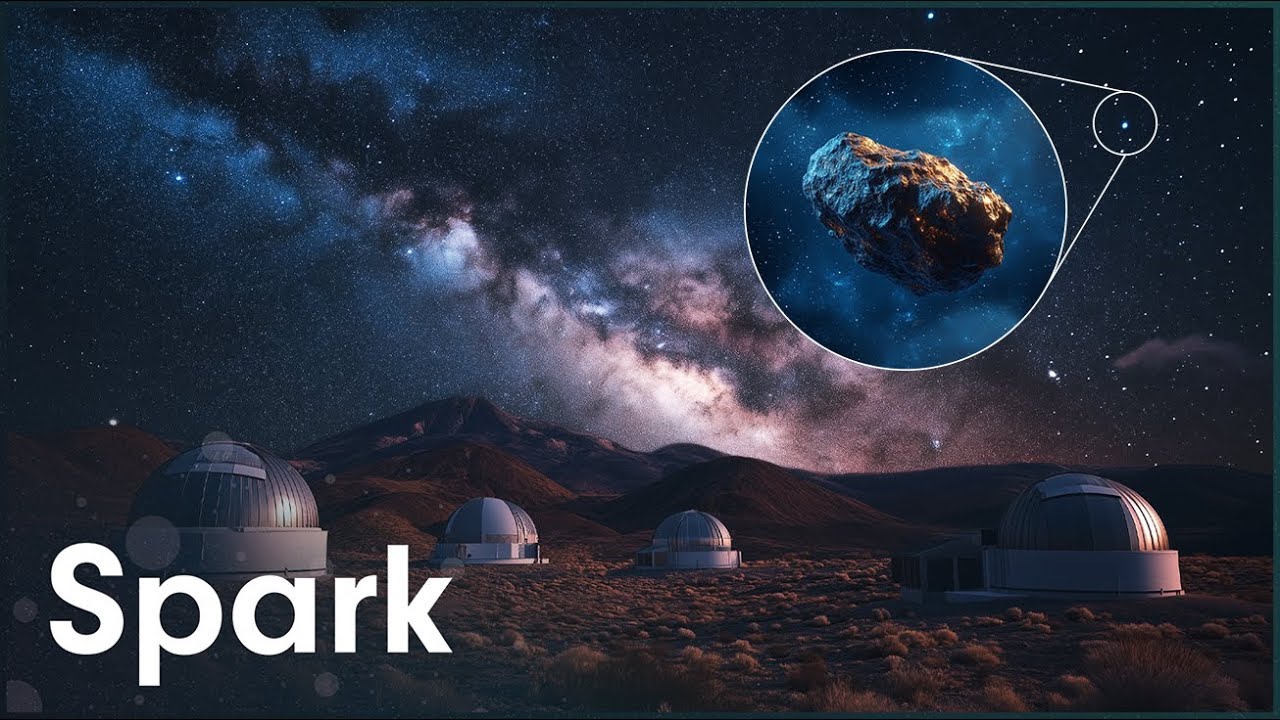
Asteroids present both a potential resource frontier and a threat to Earth, prompting advancements in detection and diversion technologies by private companies.
Provocative theories suggest that extraterrestrial beings may have influenced human evolution and sought Earth's resources, as explored through various topics including space mining and the origins of the Milky Way.
Extraterrestrial mysteries are explored through episodes on alleged alien breeders, Mars' hidden secrets, and mountains linked to ancient visitors.
517 V2 rockets struck London during World War II, killing 110 people in a single attack on Smithfield Market in March 1945.
In diverse ecosystems from the Iguazu Falls to the Arctic, animals demonstrate remarkable intelligence and adaptability through hunting, camouflage, and teamwork.
On April 27, 2011, Alabama experienced its worst tornado outbreak on record, with 62 tornadoes touching down and 252 fatalities in less than 24 hours.
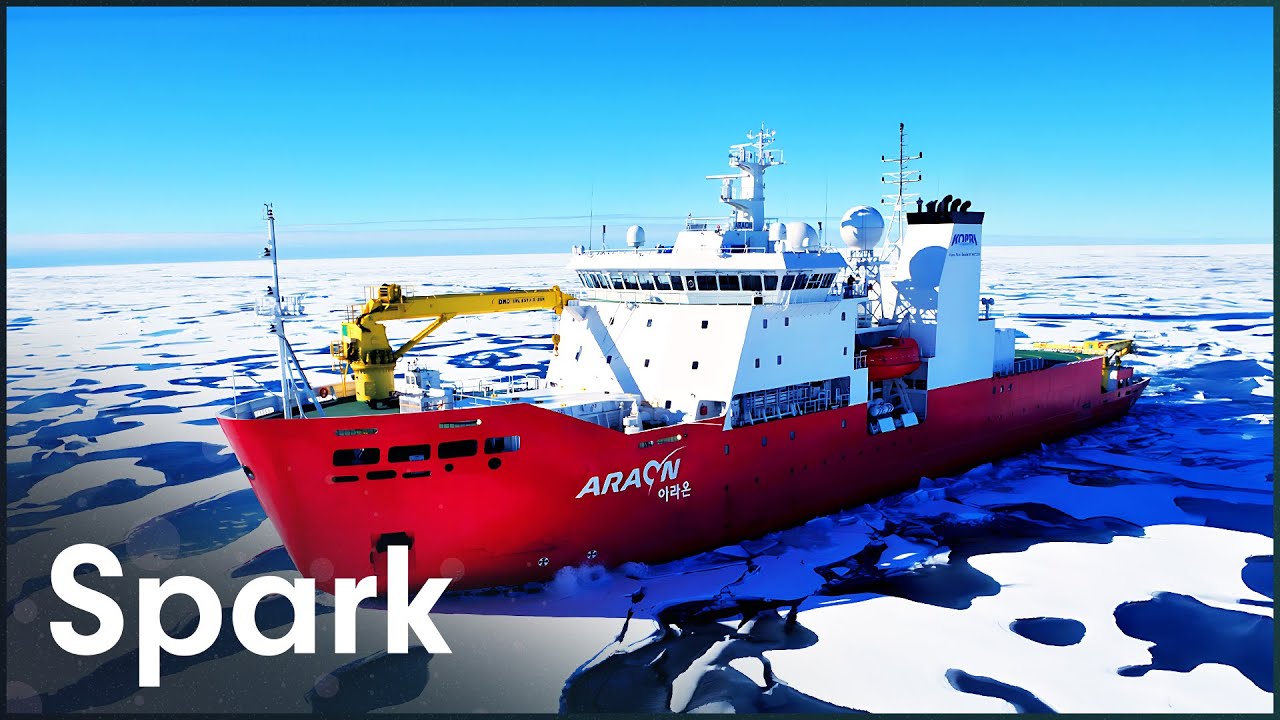
Building the Korean Jang Bogo Antarctic Station involved five years of site investigations and two seasons of challenging construction in extreme conditions.
Olympus Mons on Mars rises to a height of 24 kilometers from its base, making it the tallest peak in the solar system.
Owls, known for their exceptional hunting skills, utilize silent flight and unique first strike capabilities to capture prey in complete darkness.
Bees, ants, termites, storks, and ground squirrels exemplify the remarkable building skills of various animal species, showcasing their adaptations and survival strategies.
Australia has the largest population of wild camels in the world, with nearly one million roaming its arid interior.
Non-verbal communication reveals our inner emotions and intentions, influencing interactions in law enforcement, romance, commerce, and beyond.
Peter Springall, a London beekeeper, believes in communicating with his bees, using gentle techniques to maintain thriving colonies while accepting the occasional sting.
Hundreds of rusting shipwrecks in the North Sea pose significant threats to modern shipping routes, necessitating urgent underwater cleanup operations.
The James Webb Space Telescope, launched by NASA in December 2021, captures images of the Cosmic Dawn, revealing insights into the universe's early history.
Planetary alignments and biblical prophecies fuel interpretations of an impending apocalypse, prompting individuals to confront their fears and preparedness.
Around 3.5 to 3.7 billion years ago, primitive anaerobic bacteria emerged on Earth, marking one of the earliest forms of life known to scientists.
Mercury, Venus, and Mars are examined for their unique characteristics and the insights they provide into the formation of the Solar System and potential off-world colonies.
Mammoths, once dominant in the northern hemisphere, faced extinction due to a combination of climate change and human activity, raising questions about their demise.
The evolution of the jet engine revolutionized air travel, enabling mass transportation and playing a crucial role in the Cold War and the space race.
Whistleblowers reveal secret government operations involving UFO crash retrieval teams and non-human entities, raising questions about extraterrestrial encounters and transparency.
Giant manta rays in the Socorro Islands off Mexico's Pacific coast are studied by Dr. Robert Rubin, highlighting their interactions with divers and marine life.
Water is the most valuable material found on asteroids, which could serve as refueling stations for spacecraft in future deep space missions.
Britain has nearly three in 10 adults classified as obese, with rising rates of type 2 diabetes linked to carbohydrate consumption.
In the Transantarctic Mountains, palaeontologists explore Antarctica's prehistoric subtropical environment, revealing ancient reptiles and lush forests that thrived millions of years ago.
Hyenas can crush bones with jaws that exert pressure comparable to a vice, allowing them to consume everything from skin to horns.
Lara, a student in Munich, explores the science of sexual arousal with psychotherapist Dania Schiftan, revealing how conditioning and social narratives shape desire.
Extraterrestrial encounters have raised questions about their purpose and hidden agenda, revealing motives that may provoke fear and intrigue.
Titanosaur fossils, submerged Mayan caves, and a thirty-two-ship whaling disaster are explored by 's Drain the Oceans team using advanced technology.
Andrés Ruzo, a Explorer, investigates the legendary boiling river of the Amazon, inspired by his grandfather's tales from Peru.
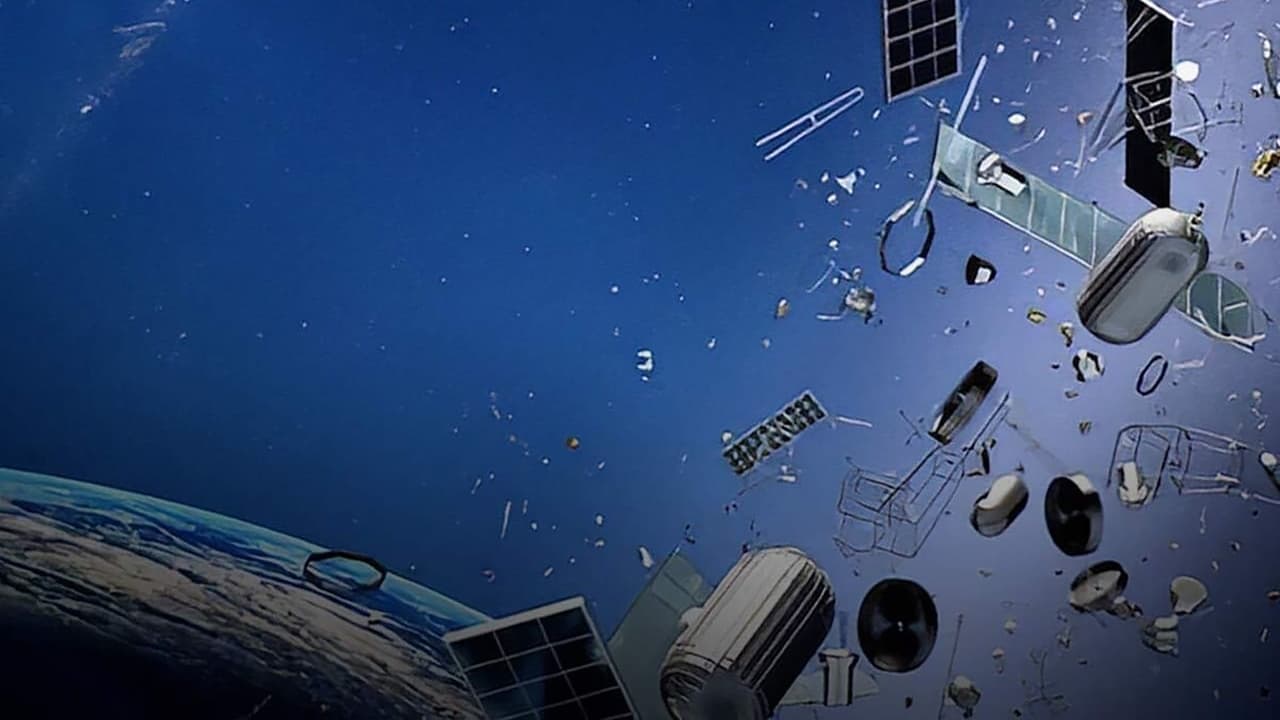
Over the past two decades, fragments from missiles and satellites have accumulated in space, threatening vital infrastructure and future missions.
NASA's Kepler space probe has identified billions of Earthlike exoplanets in our galaxy, suggesting that life beyond Earth is a possibility.
Automation in Britain is transforming industries, as seen in a mechanised laundry and an advanced bakery, raising questions about its impact on the workforce.
Mutualism in nature is explored through various animal partnerships, such as manta rays and remoras, highlighting their cooperative survival strategies across diverse environments.
Coral reefs serve as a vibrant ecosystem where species like trumpet fish, gobies, and lionfish exhibit unique survival strategies and behaviors.
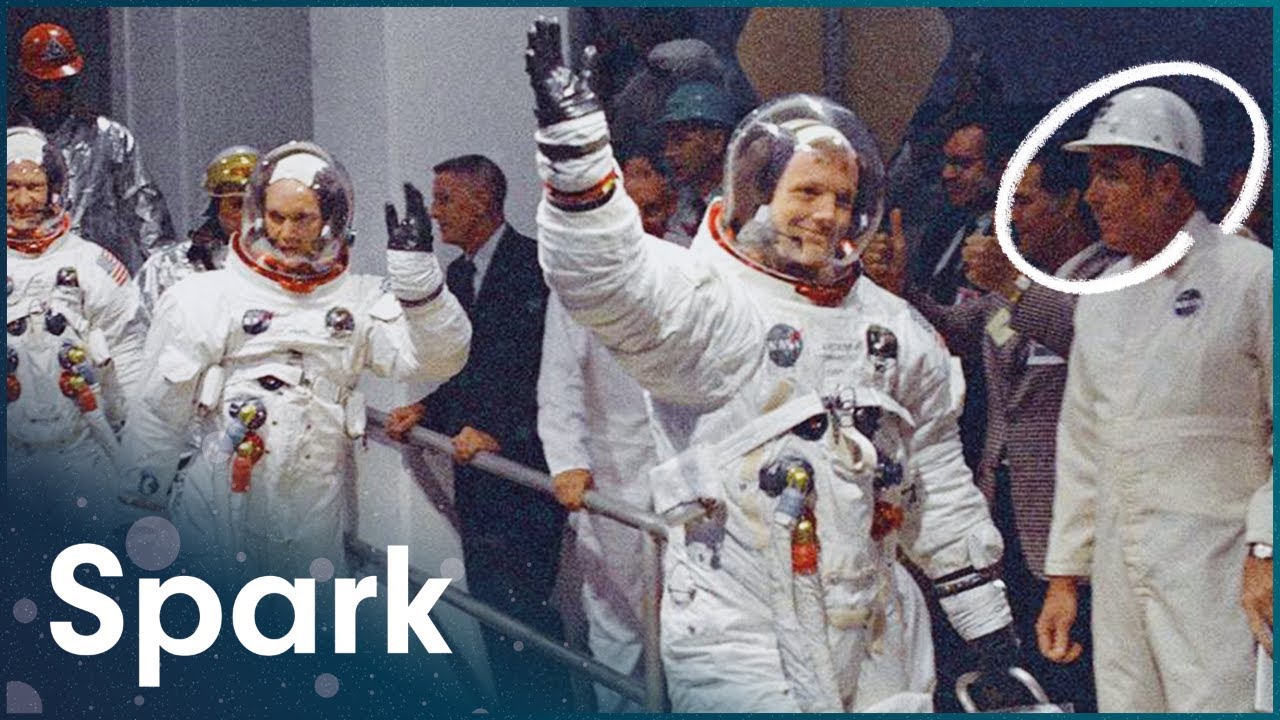
Half a million people contributed to the Apollo program, a monumental effort that reshaped space exploration and technology in the 20th century.
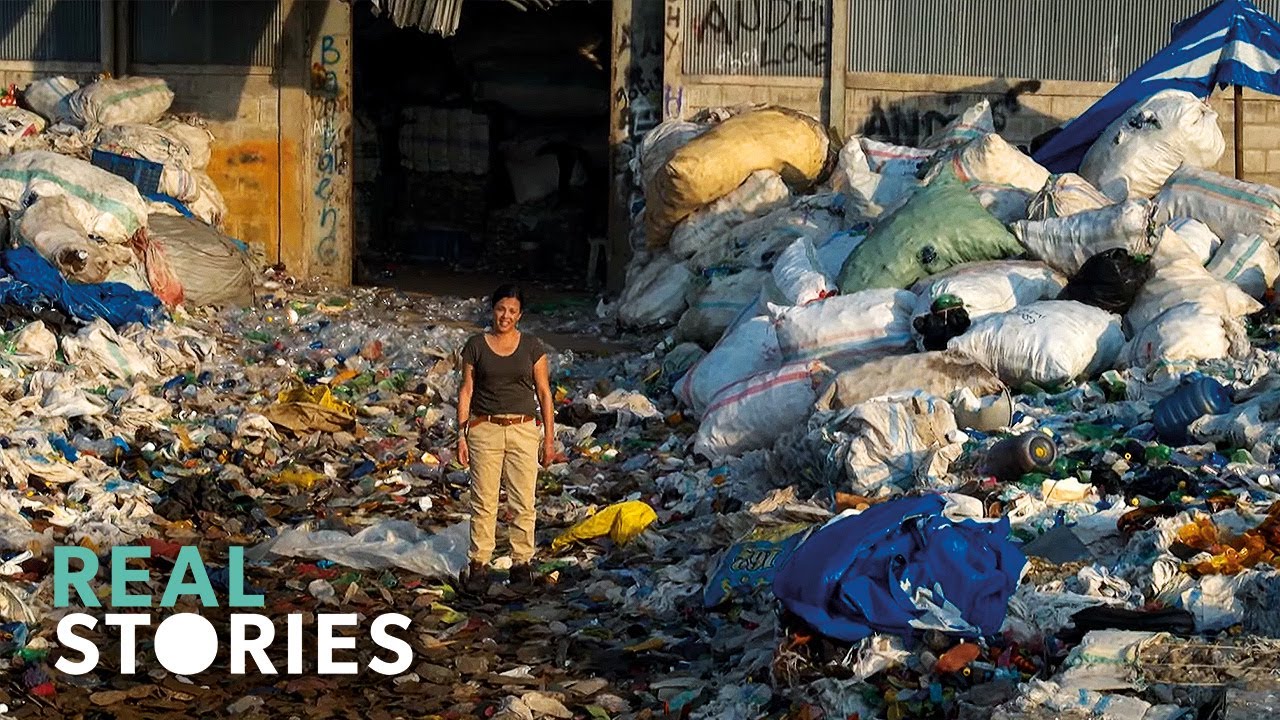
Trillions of plastic pieces threaten marine life and ecosystems, prompting wildlife biologist Liz Bonnin to explore the urgent implications for all living beings.
Eyam, a village in Derbyshire, is examined for its potential genetic mutation that may have enabled its residents to survive the Black Death and could inform AIDS research.
Skunks, often misunderstood due to their notorious scent, exhibit a range of fascinating traits that highlight their unique role in the ecosystem.
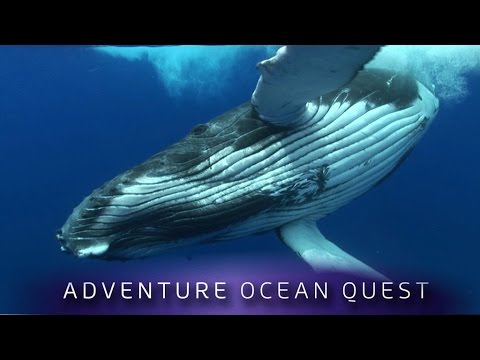
Humpback whales around Rurutu in Polynesia are studied by Dr Michael Poole and Dr Cecile Gaspar, utilizing freediver Frederic to enhance population monitoring efforts.