From over 100,000 films, discover the handful you'll love.
Free or premium access to the world's largest documentary library.
7235 films(Page 151 of 151)
Ten comedians advocate for the world's ugliest endangered species in a campaign to raise awareness for their conservation.
A variant in the TCF7L2 gene can double the risk of type 2 diabetes if inherited from both parents.
Dr. Nehemiah Mabry hosts a livestream event where Justin "Mr. Fascinate" Shaifer demonstrates the creation of virtual avatars in a VR environment.
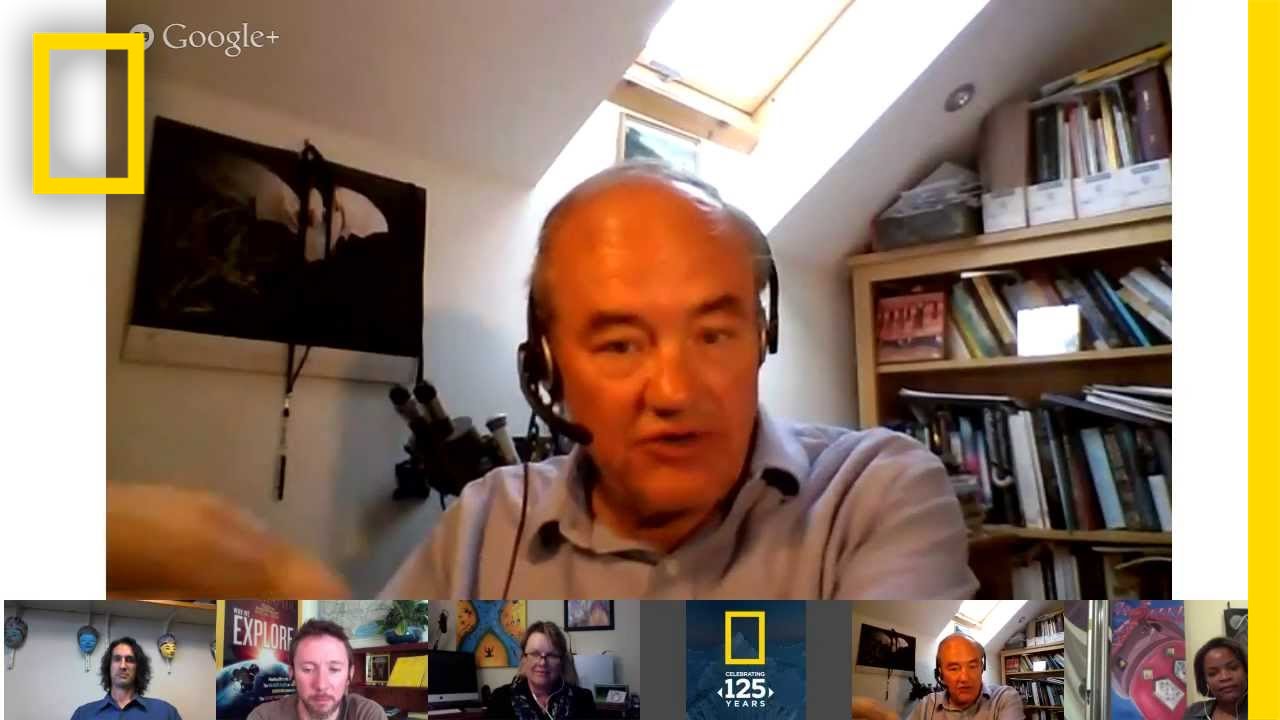
In a Google+ Hangout hosted by , deep-sea diver Jill Heinerth, primatologist Agustin Fuentes, and conservation biologist Paul Racey share stories of exploration failures.
Dr. Nate hosts a livestream from MIT's Plasma Science and Fusion Center, where graduate students study fusion energy and plasma physics.
Jay Flores discusses his experiences on American Ninja Warrior and the science behind his performance in a livestream with Dr.
Dr. Eden Tanner and her team at the University of Mississippi are developing nanoparticles to enhance drug delivery systems for treating and preventing aggressive diseases.
The Higgs boson, proposed in 1964, was discovered in 2012 at CERN's Large Hadron Collider after nearly 50 years of research.
Bob Mankoff discusses innovation and creativity in The New Yorker magazine's cartoon lounge.
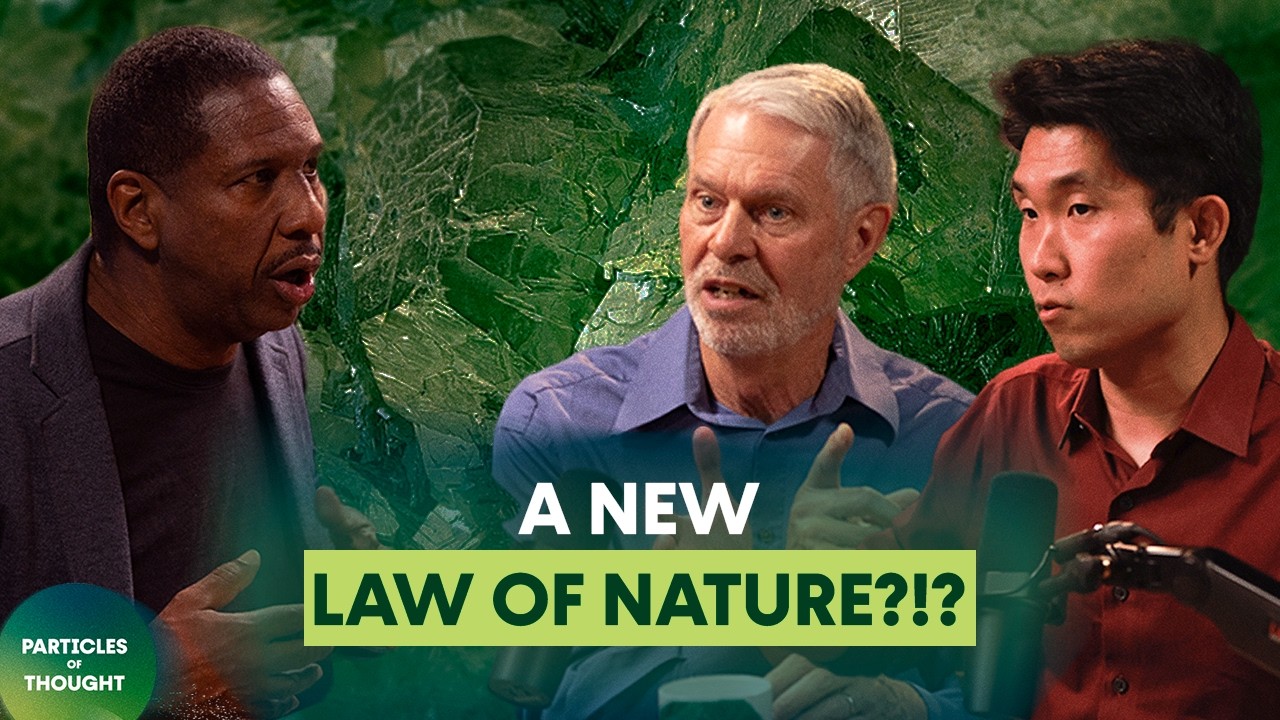
Bob Hazen and Mike Wong propose a new law of nature, the law of increasing functional information, which they discuss in their upcoming book set for release on February 10, 2026.
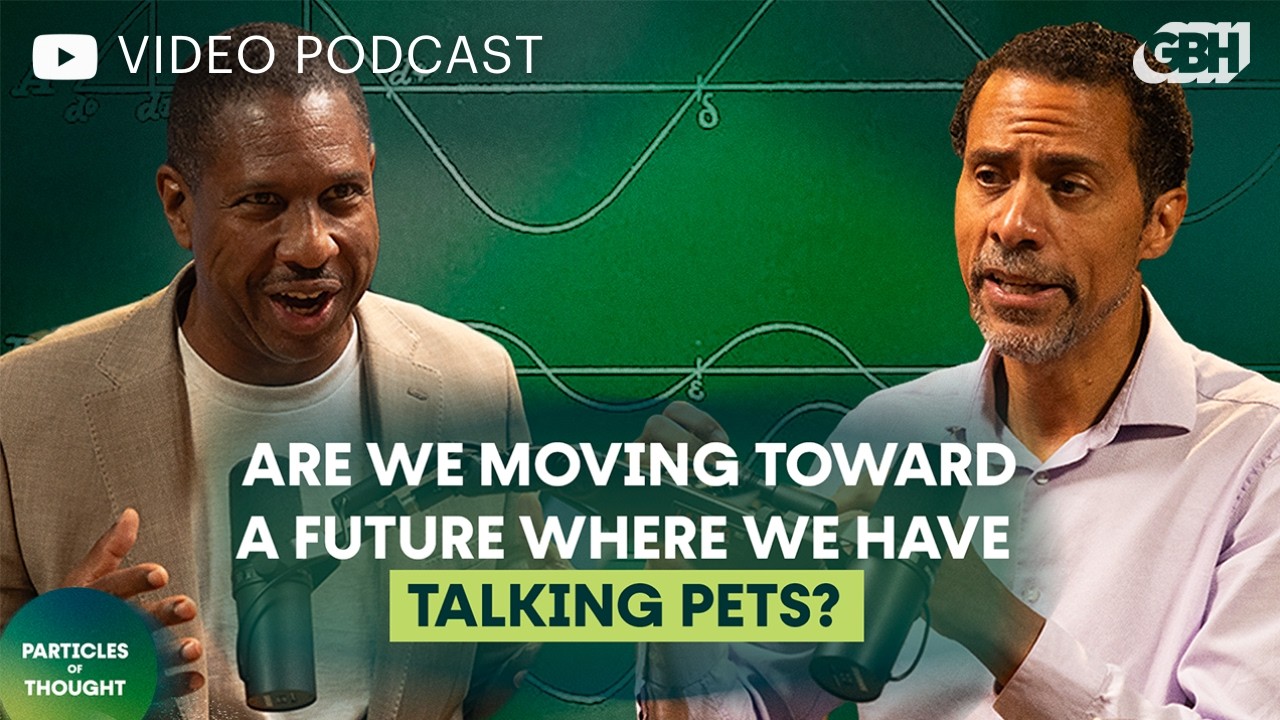
Dogs can understand several hundred words and commands, but they cannot vocalize them, according to neuroscientist Erich Jarvis.
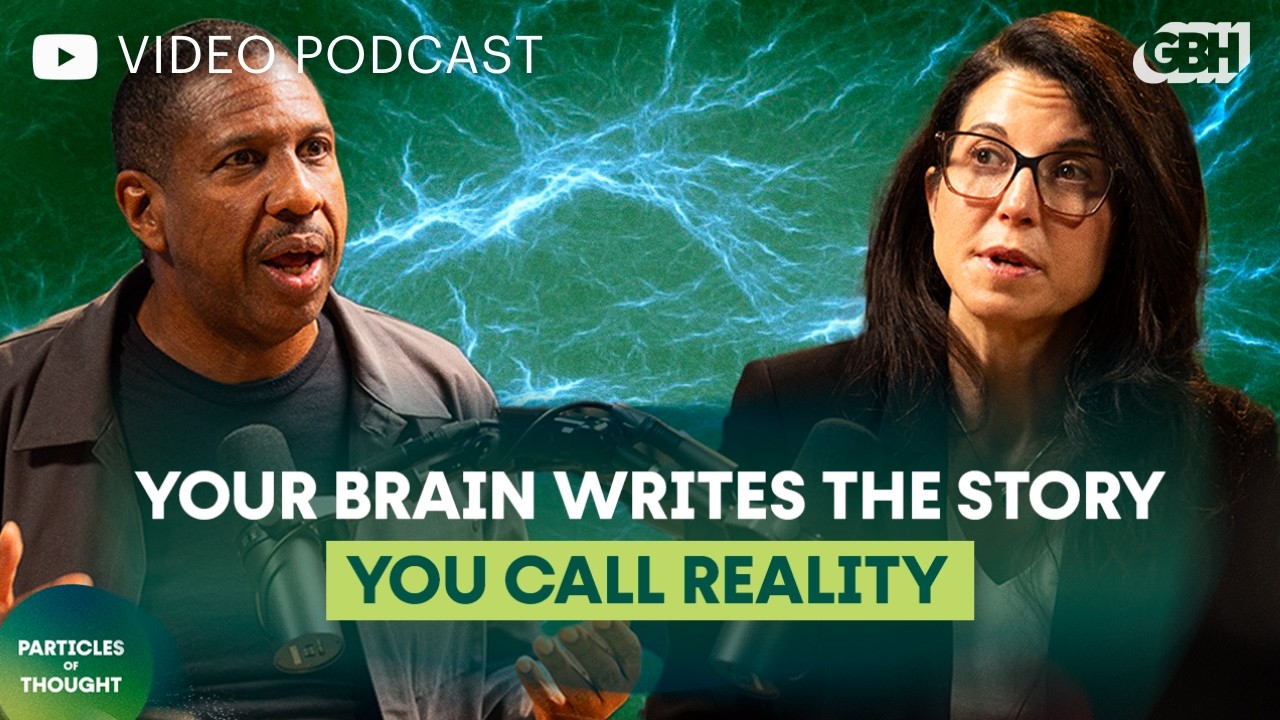
Neuroscientist Heather Berlin says that defining consciousness requires understanding first-person subjective experience, which is only accessible to the individual.
Romulus and Remus, two dire wolves, are approaching their first birthdays, having been born in October 2024 and January 2025, respectively.
99% of human DNA is identical to that of chimpanzees, a fact discussed by Jane Goodall in her interview with Neil deGrasse Tyson on StarTalk.
Marc Kaufman, author of "Mars Up Close," discusses the history of Mars exploration and insights gained from the Mars rovers at a Live event.
150 is the number of stable social relationships humans can maintain, according to evolutionary anthropologist Robin Dunbar.
STEM content creator Ayonnah Tinsley discusses engineering and education with Dr.
French artist Noémie Goudal explores the intricate relationship between humans and nature through staged installations that merge photography, film, and scientific inquiry.
Lord Winston discusses the dual nature of innovation and the need for better communication in science.
Ten thousand scientists collaborated on the Large Hadron Collider, which helped confirm the existence of the Higgs boson in 2012.
The debate questions if enough evidence supports the safety and economic benefits of GM food.
Humans have explored the potential for living in space, examining technological advancements and philosophical questions about existence in the universe.
10 million copies of Stephen Hawking's book A Brief History of Time have been sold, making cosmology accessible to a wider audience.
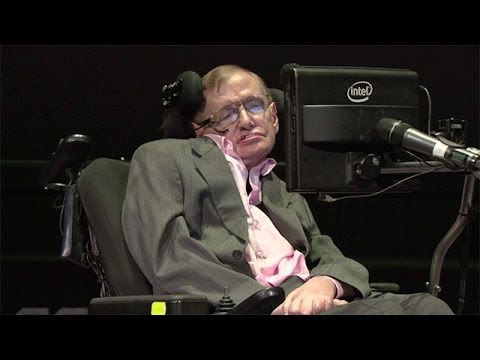
Stephen Hawking became the longest known survivor with ALS at age 71, reflecting on his life and contributions to theoretical physics during a talk on black holes.
Tad Friend discusses asteroids hitting Earth and planetary defense in this week's New Yorker.
Artificial Intelligence mirrors human learning through key branches like Computer Vision and Natural Language Processing, emphasizing trial and error in machine development.
Notable figures from culture, science, and politics express their gratitude for the Guardian's impact on their lives in celebration of its 200th birthday.
Eva Pel, Under Secretary for Science at the Smithsonian, recalls her early passion for genetics and the shift to plant science during her college years.
Her Excellency Sarah Al Amiri discusses the UAE's Hope Mars Mission and space program goals.
Matt answers space time community questions on February 10th at 5pm EST.
Prof. Nasir Raza Awan discusses reality and perception through neuroscience and philosophy.
Bob Man from The New Yorker discusses work tools and personal anecdotes in the cartoon lounge.
Tim Flannery examines the effects of human activity on Earth and questions the future survival of humanity in this Live presentation.
Natural history enthusiasts engage in a watch party and Q&A for the second episode of the PBS series exploring life on the supercontinent Pangea.
Amir Siraj, a Harvard astrophysics student, discusses his research on panspermia and the potential for life exchange between Mars and Earth.