From over 100,000 films, discover the handful you'll love.
Free or premium access to the world's largest documentary library.
7227 films(Page 124 of 151)
A young male astronaut may lose 15% of his bone density after one year in space, raising concerns about long-term survival in zero gravity.
Michelle Jewell documents the return of mega-shark El Diablo to South Africa's waters.
Lemurs are unique primates from Madagascar known for their vocalizations and nocturnal habits.
At 15, Oliver Faulstich lost his hearing due to a rare form of meningitis, but cochlear implants now allow him to participate fully in life.
Cassini Project scientist Dr.
Planetary scientist Kevin Hand explores the potential for life in the ocean worlds of the solar system, focusing on Jupiter's moon Europa.
Dr.
Speleologist Penelope Boston examines unique life-forms in Earth's extreme environments to gain insights into potential extraterrestrial life.
Dr. Edwin Powell Hubble's work decades before the Hubble Space Telescope revolutionizes astronomy.
NASA studies Mars' inhospitable conditions and prepares for human exploration challenges.
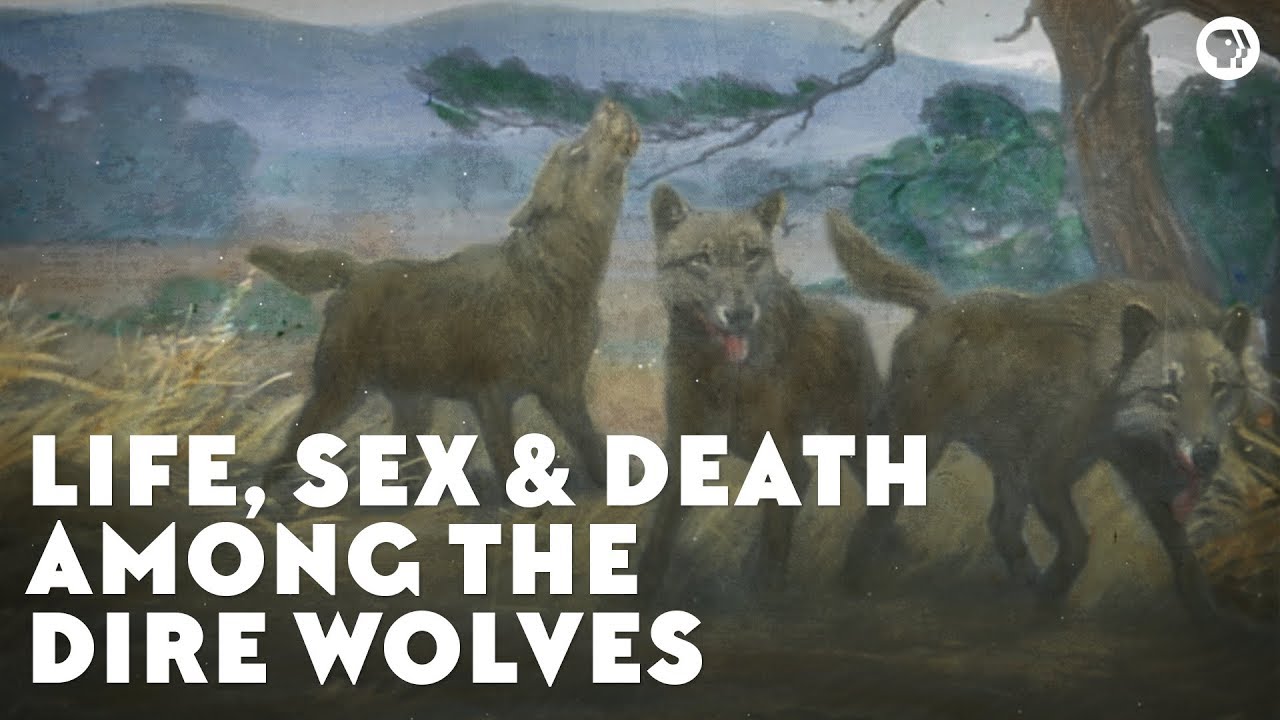
Dire wolves, once prevalent in California, left behind thousands of remains that reveal insights into their lives, hunting practices, and reproductive behaviors.
In Tennessee, the Paddlefish, a prehistoric species that has existed for over 100 million years, is highlighted alongside efforts to save the Giant Panda and study Komodo Dragon parthenogenesis.
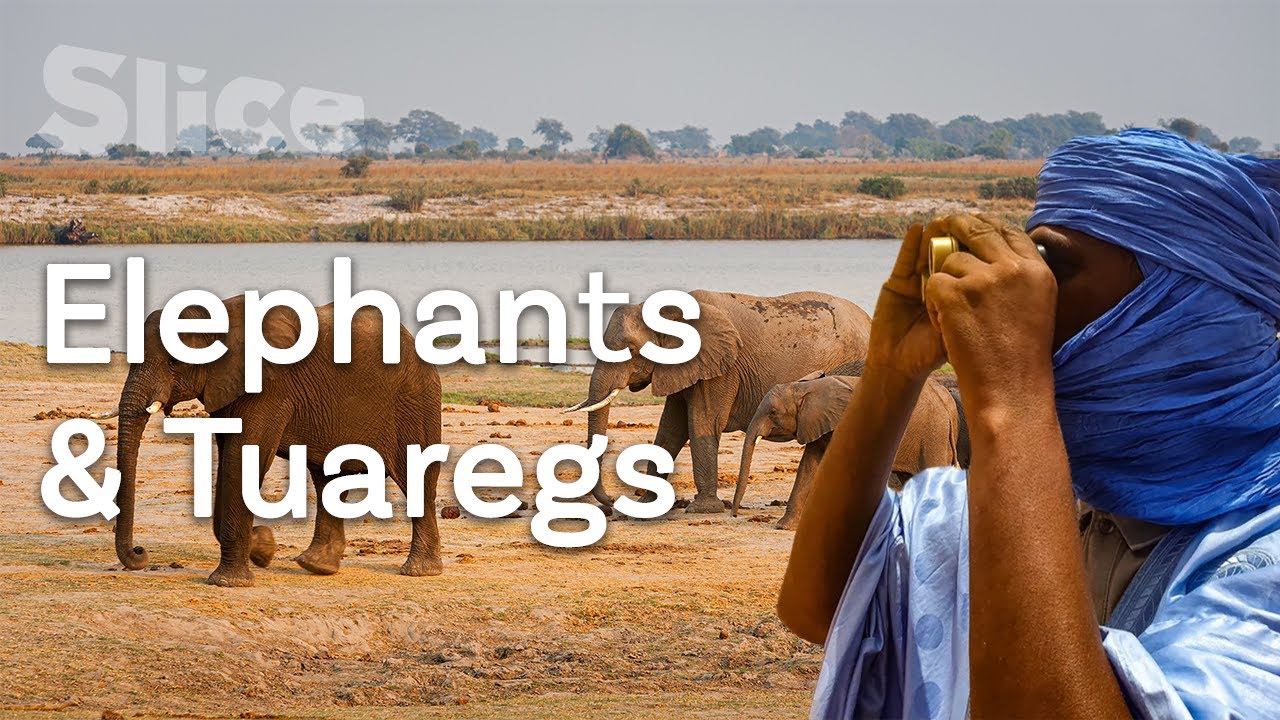
Tuareg people in Mali navigate coexistence with elephants, balancing safety and tradition in a territory increasingly challenged by environmental changes.
The population of Orinoco crocodiles in the Los Llanos region of Venezuela has begun a slow recovery due to conservation efforts on cattle ranches.
Hubert Gillet's exploration of the Ennedi Massif in Chad reveals a hidden ecosystem of unique flora and fauna thriving in the Sahara's secret canyons.
Zoologist Lucy Cooke advocates for the importance of often-overlooked and misunderstood species, highlighting their critical role in Earth's biodiversity.
Six species of sharks swim in the Ocean Voyager exhibit at the Georgia Aquarium, where Luke Tipple surprises his daughter Aria with a dive experience.
Madagascar, an island in the Indian Ocean, is home to unique lemurs and rich biodiversity.
Dinga-dinga, a prized sea cucumber in Madagascar, drives local divers like Amad to brave dangerous depths, seeking ancestral protection for their harvest.
Scientists have created the Illustris simulation to model 13 billion years of cosmic evolution.
A tiger shark can grow between 12 and 14 feet in length and is often found in the shallow waters of Tiger Beach in the Northern Bahamas.
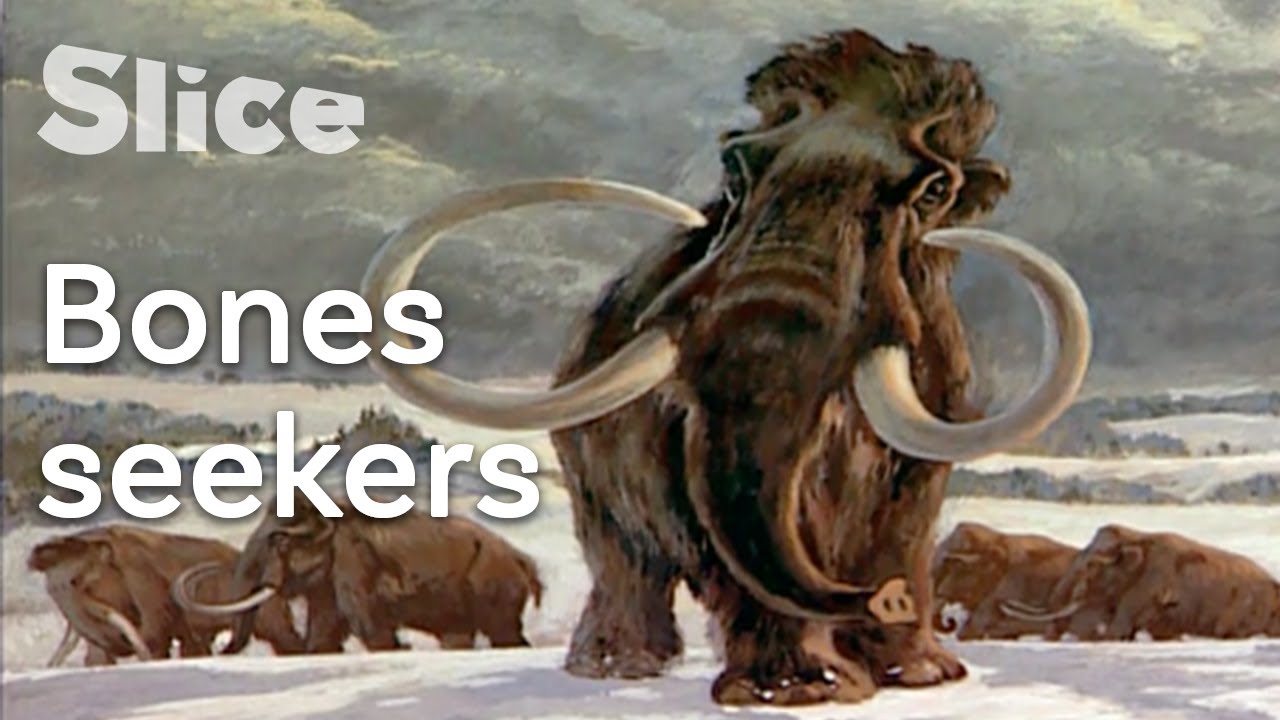
Mammoth remains, including tusks and skeletons, are regularly unearthed in Siberia's permafrost, prompting summer expeditions to extract these ancient treasures.
The crew discovers more evidence of a wall in Season 12, Episode 20, 'Just Bead It'.
On February 20, 1962, astronaut John Glenn orbited the Earth three times, marking a significant milestone in the early years of NASA's manned space flight program.
Technicians at NASA's Lyndon B. Johnson Space Center in Webster, Texas, demonstrate the use of space foods alongside a clock and barber shop.
Astronomers use the Great Observatories Origins Deep Survey to study the Universe more effectively.
Kenny Broad explores the submerged cave system of the Blue Holes in the Bahamas, seeking insights into evolution and climate change.
Adam Riess, awarded the Nobel Prize in Physics, explains the accelerating expansion of the universe and its connection to dark energy.
Nobel Laureate Adam Riess and Nat Geo Explorer Kenny Broad explore the scientific significance of blue holes and dark energy in their presentation.
The Mariana Trench, a crescent-shaped fracture in the Pacific Ocean, reaches depths of 11,033 metres and hosts unique deep-sea creatures and geological formations.
In a visual exploration of the cosmos, the film showcases Earth's atmosphere, neighboring planets, and the vastness of the universe using advanced CGI.
Mars Express has been operational for 20 years, providing critical data on the Martian surface and atmosphere.
A $125 million Mars climate orbiter disintegrated in 1999 due to a simple unit conversion error, illustrating the risks of space exploration.
NASA geologist John Grant examines Martian rocks for evidence of past life on the red planet in a presentation from Live.
Geologist Ken Edgett from Malin Space Science Systems analyzes Martian rock layers using the Curiosity rover to reveal insights about Mars and Earth.
NASA scientist Pan Conrad analyzes findings from the Curiosity rover to address the mysteries of Mars and enhance understanding of the red planet.
A discovery made on St. Patrick's Day reveals Mars' vulnerability to solar activity.
Researchers detect a massive creature in the Atlantic Ocean, possibly a living megalodon.
1 + 2 + 3 all the way to 100 equals 5,050, illustrating how mathematics provides solutions to complex problems in everyday life.
The Mediterranean Sea formed over 5 million years ago when the collapse of the rock dike in the Strait of Gibraltar flooded a vast desert valley.
This video showcases Italian craftsmanship through Bertoni, cheese banks, and violin makers.
A 20-ton rock sits at Sacsayhuaman, where ancient people may have built massive stone structures with the help of unknown technology.
Tom Wagner discusses alarming changes at Earth's North and South Pole due to climate change.
Meta has achieved the ability to read thoughts by utilizing artificial intelligence, marking a significant advancement in brain-computer interface research.
Michael Lombardi's portable underwater habitat enables scientists to conduct extended research on marine environments, advancing underwater exploration technology.
A pound of jellyfish can turn a pound of hamburger into £2 of hamburger, according to Mike Rowe in this episode of Dirty Jobs.
Mike Rowe tackles the challenge of cleaning the dirtiest escalator, highlighting the essential yet overlooked work of American laborers in Dirty Jobs.
Mike Rowe visits AZZ galvanizing in Nashville, Tennessee, to learn about steel protection.