From over 100,000 films, discover the handful you'll love.
Free or premium access to the world's largest documentary library.
7227 films(Page 104 of 151)
The video showcases a 26,000 light year zoom into Sagittarius A*, revealing its mass and significance.
The PzH 2000 is unmatched in modern artillery with its powerful and fast capabilities.
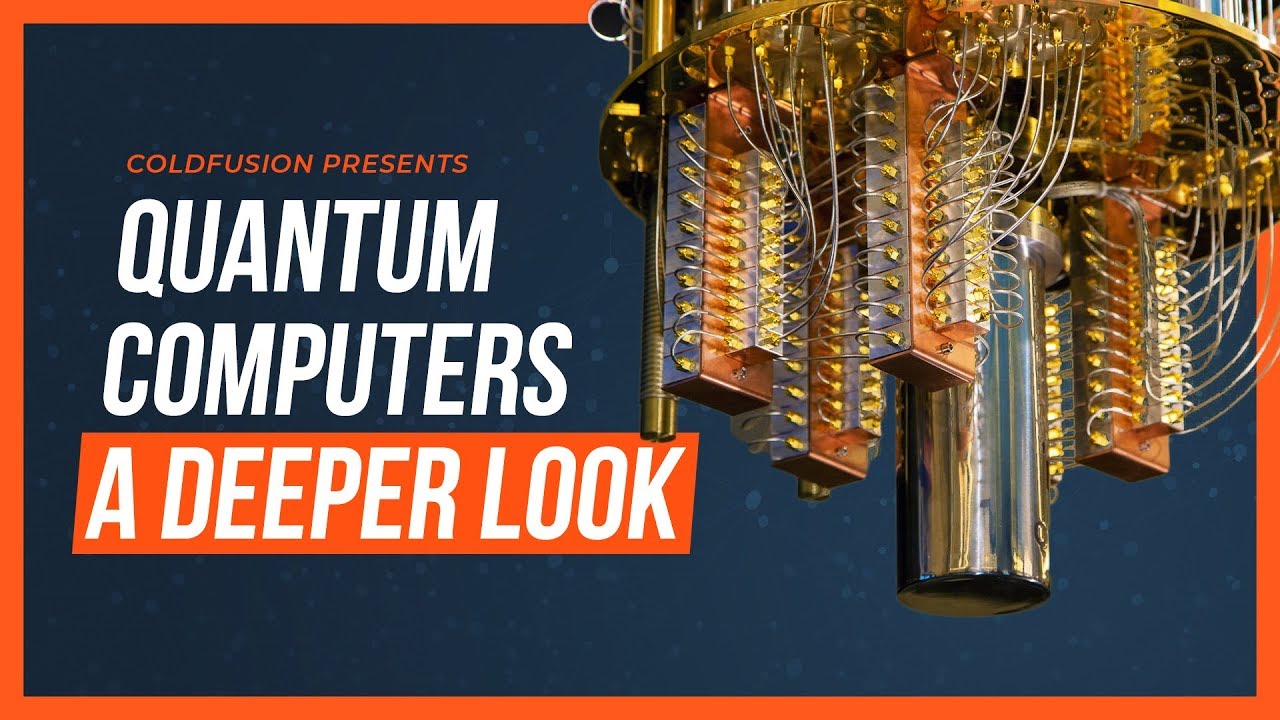
Quantum computers operate on principles of quantum mechanics, enabling unprecedented processing power and efficiency compared to classical computers.
Quasars, powered by supermassive black holes, emit energy brighter than 100 galaxies and provide insights into the early universe's formation.
Growing skepticism about evolution in American classrooms highlights the tension between scientific principles and religious beliefs, impacting education policies nationwide.
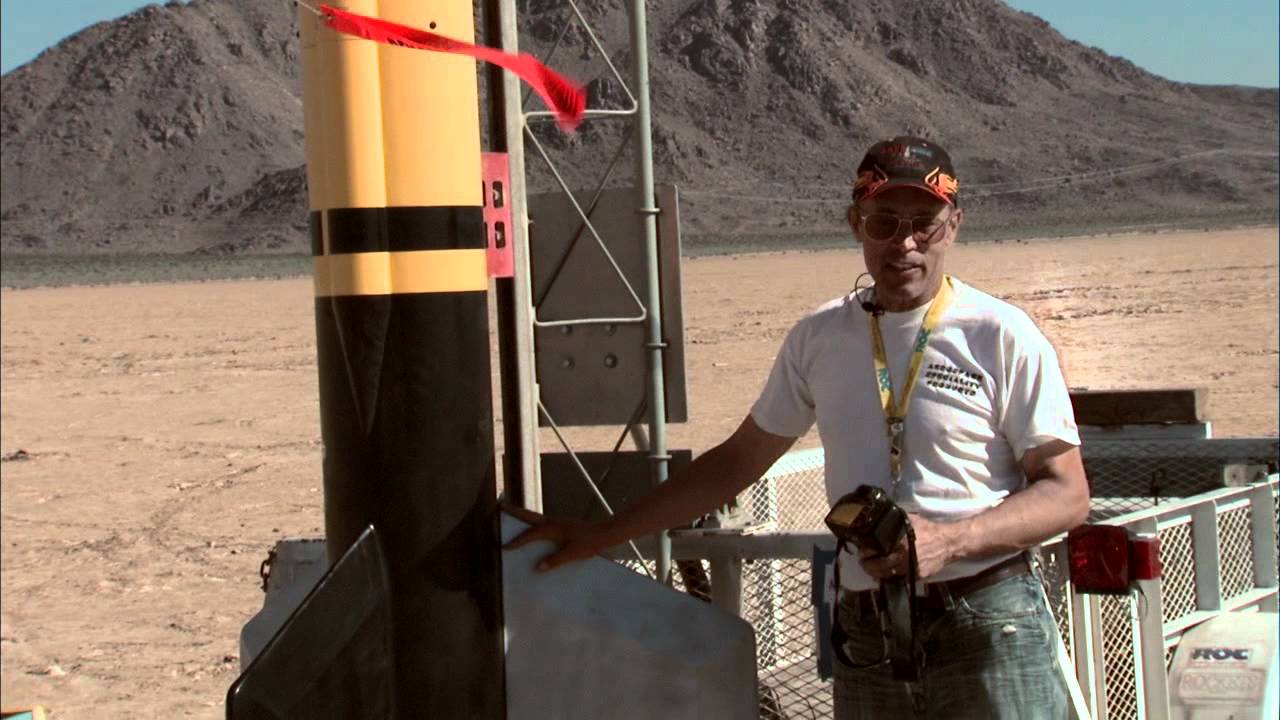
A NASA scientist recreates Frank Malina's historic WAC Corporal rocket launched in 1945.
Freddy and Juan reflect on their gold mining careers, sharing insights on challenges and innovations that shaped their experiences in the industry.
Comets represent leftover materials from the solar system's formation, crucial for Jupiter and Saturn.
The Pyramid of Giza's secret passages and intricate architecture are explored by Josh Gates, highlighting the historical significance of this ancient wonder.
A 17-minute presentation outlines the evidence for evolution and discusses the relationship between science and religion.
In Appalachia, a mishap with Daniel's still highlights the unpredictable challenges faced by moonshiners, contrasting their craft with store-bought liquor.
A rocket-powered golf club swings at 150 miles per hour, presenting unique engineering challenges and requiring multiple design iterations.
To reach escape velocity, a rocket must travel at 40,000 kilometers per hour, significantly faster than the 28,000 kilometers per hour needed for orbit.
Superconductors have the potential to transform technology and energy efficiency dramatically.
This video steps viewers through the landing sequence of NASA's Curiosity rover on Mars.
Mars rovers, including Perseverance, gather crucial data about the planet's surface and environment to support future human colonization efforts.
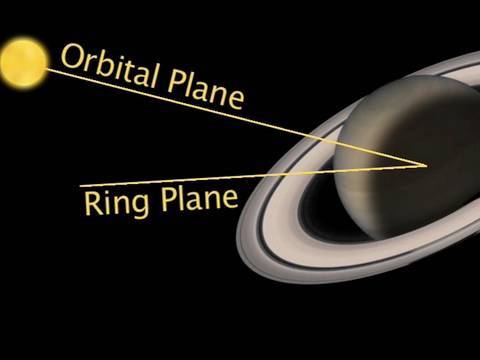
Last year, Saturn moved into a position allowing Hubble to image its dual aurorae simultaneously.
NASA's Jet Propulsion Lab team discusses lightning observations in Saturn's atmosphere.
NASA's Cassini observes Saturn's rings and the influence of moon Prometheus on icy particles.
Discover the surprising truth behind a common myth - can farting actually make you weigh less?
Astronauts aboard the International Space Station face unique challenges in measuring their weight due to the principles of inertia and Newton's first law in a weightless environment.
Surface tension is explored through demonstrations that show how to waterproof hands and discuss the challenges of weightlessness faced by astronauts.
What happens to our world when everyone flushes their toilet at the same time - a surprising twist awaits!
Helium's unique properties cause a higher pitch in the human voice, while also exploring the impact of farting on body weight through interactive experiments.
The science behind the blue appearance of the sky is explained through light scattering and atmospheric phenomena, enhancing understanding of natural optics.
Epidemiologists track the coronavirus spread from bats to New Yorkers in this informative video.
At 5:54 PM on March 10, 1933, an earthquake struck the Los Angeles area, affecting 75,000 square miles and resulting in 120 deaths.
New research reveals how faith may influence Joan of Arc's miraculous recovery from injury.
A scientist recreates a Stone Age cremation, achieving temperatures like a modern crematorium.
NASA defines potentially hazardous Near Earth Objects that threaten Earth.
After Albert Einstein's death, pathologist Thomas Harvey at Princeton Hospital removes his brain for study, sparking ethical debates about intelligence and genius.
Scientists explore parts of the ocean floor for the first time using the RV Investigator.
Eight episodes explore cosmic phenomena and significant mysteries of the Universe, offering insights into space and existence.
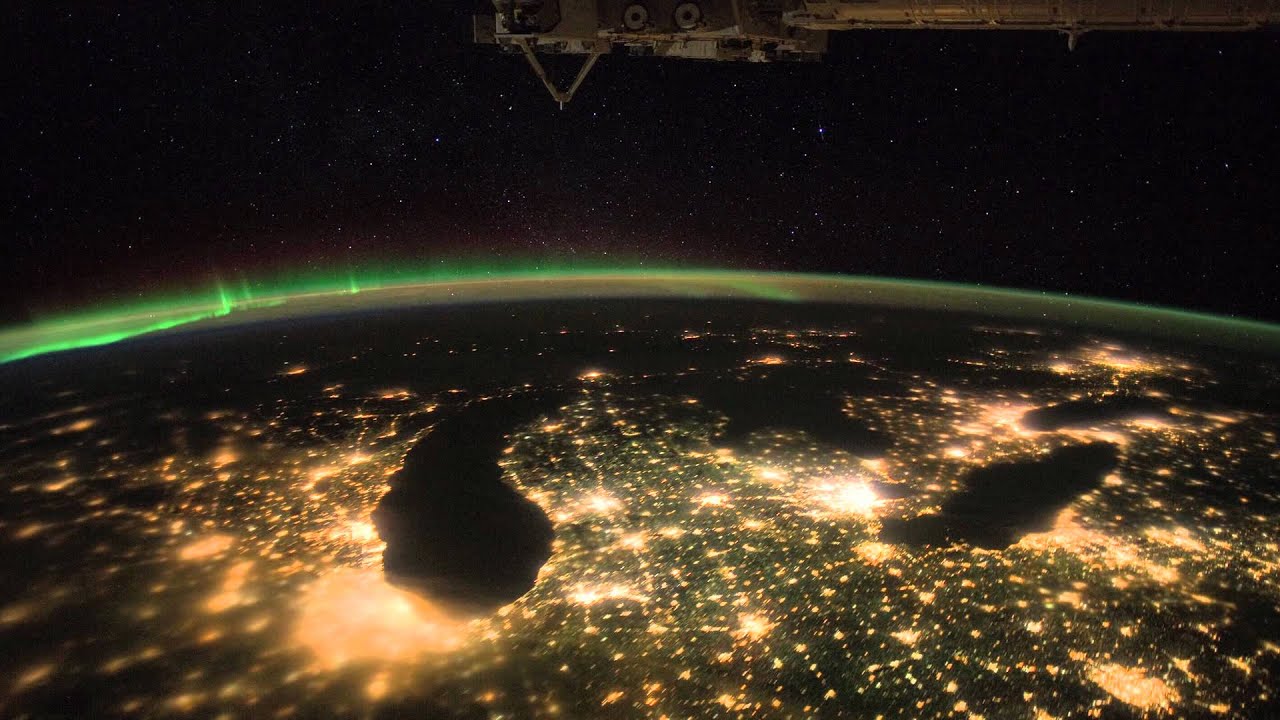
View stunning pictures of Earth from space against the Milky Way galaxy's backdrop.
15 drops of human blood per minute were pumped into the water during an experiment to test shark reactions to different blood types.
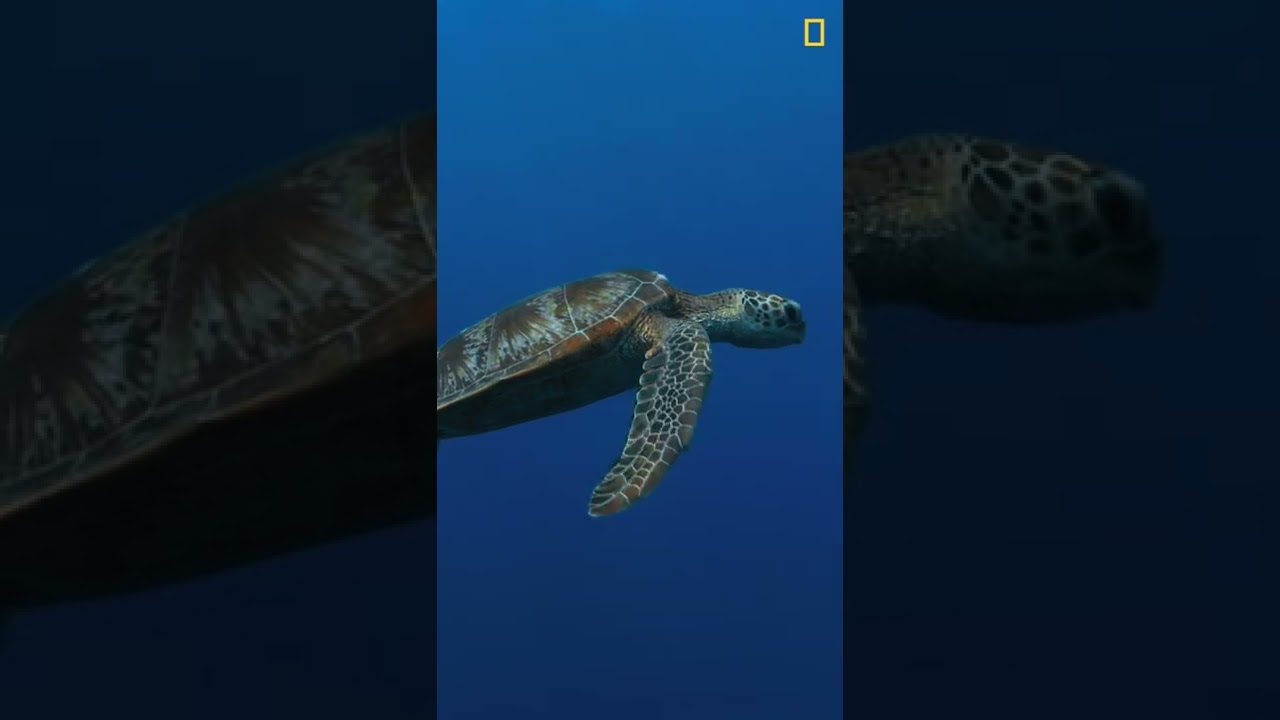
A tiger shark off the coast of Hawaii Volcanoes National Park attempts to catch a green sea turtle, which cleverly turns on its side to evade capture.
Mark and Noah test whether sharks attack GoPro cameras while conducting experiments in the Bermuda Triangle, a region known for its myths and legends.
Scientists consider reviving the woolly mammoth using preserved genetic material.
CRISPR technology allows for precise DNA modifications, enabling the elimination of diseases like muscular dystrophy and Alzheimer's.
In the Florida Everglades, Phil and Heather set up trail cameras to investigate the presence of the elusive Skunk Ape, encountering strange sounds and heat signatures.
The video discusses silent film influences on The New Yorker cartoons, featuring a Butler and Pirkle.
Smithsonian Channel features a diverse range of programming, including "Aerial America," which highlights the United States' landscapes, and "Secrets," focusing on historical mysteries.
Our Sun's solar dynamics are monitored at the Solar Dynamics Observatory for significant events.
Stratospheric aerosol injection could potentially cool the planet by reflecting sunlight, similar to the cooling effect observed after the 1991 Pinatubo eruption.
The SOHO spacecraft captures immense solar energy and gas patterns on the sun's surface.
Tsar Bomba, the thermonuclear H-bomb developed by the Soviet Union, is one thousand times more powerful than the bombs dropped on Hiroshima and Nagasaki.
More than half a million objects now orbit the Earth, increasing the risk of collisions in space and posing a serious threat to satellites.
Five companies in the Mojave Desert are competing to send humans into space, marking a new chapter in commercial space travel.