
How Did Life Begin?
Synopsis
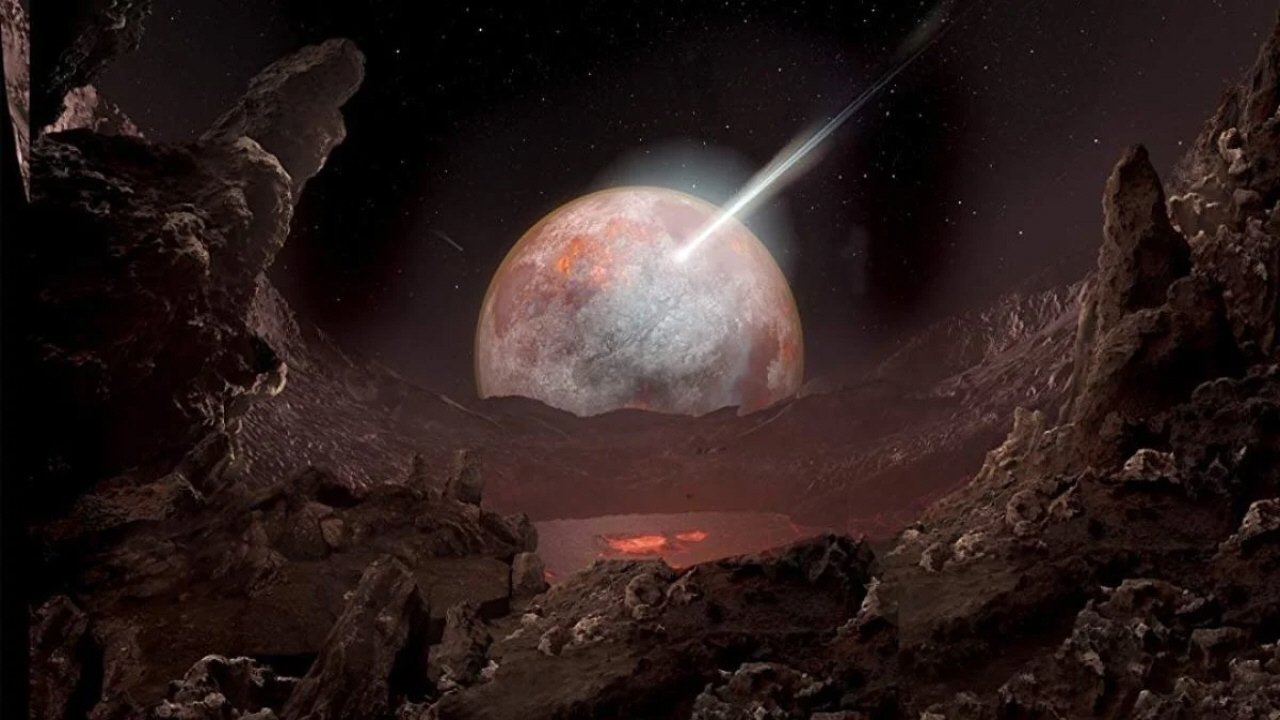
1903 marked the year when Swedish chemist Svante Arrhenius proposed the theory of panspermia, suggesting life may have originated in space.
Synopsis
Svante Arrhenius proposed the theory of panspermia in 1903, suggesting that life may have originated in space. This documentary investigates various theories about the beginnings of life on Earth, featuring insights from NASA scientist Scott Sanford. Sanford discusses how comets could deliver the building blocks of life, while researcher Shak aims to create a self-replicating RNA molecule. The film presents a range of scientific perspectives, addressing the ongoing quest to understand how non-living matter transformed into living organisms.
Deep Dive
Why Watch
- Find out how life might have started in space.
- Meet scientists investigating the origins of life.
- See how RNA could lead to the creation of simple cells.
Did You Know
- Svante Arrhenius proposed the panspermia theory in 1903.
- NASA scientist Scott Sanford believes comets deliver building blocks of life.
- Shastak aims to create a self-replicating RNA molecule to study life's origins.
- Life may have started in warm volcanic pools or deep ocean floors.
Perfect For
Frequently Asked Questions
What is the theory of panspermia?
Panspermia is the idea that life was created in space or on another planet and the seeds of life dispersed to new worlds.
What do comets deliver that is related to the origin of life?
Comets deliver building blocks of life, including water, dust, carbon dioxide, methanol, and ammonia.
What is Shastak's goal in his research on the origins of life?
Shastak aims to create a simple self-replicating RNA molecule that could eventually form a simple cell capable of duplicating itself.
What are people saying?
Play More Like This




Browse more like this



Related Films
Is this your film?
If you made this film or hold the rights to it, we'd like to talk. We can license it and pay you a share of what it earns.
Comments