From over 100,000 films, discover the handful you'll love.
Free or premium access to the world's largest documentary library.
132 films(Page 1 of 3)
In 1836, astronomer Franz von Gruithuisen proposed that wildfires on Venus were ignited by its inhabitants, despite the planet having no moons.
Percival Lowell established the first high-altitude observatory on Mars Hill in 1909, using a 24-inch telescope to study the planet's surface.
Apollo 8 astronauts Frank Borman, James Lovell, and William Anders became the first humans to escape Earth's orbit in December 1968.
NASA's Mariner 9 became the first probe to orbit another planet in 1971, revealing Mars' surface features after months of dust storms.
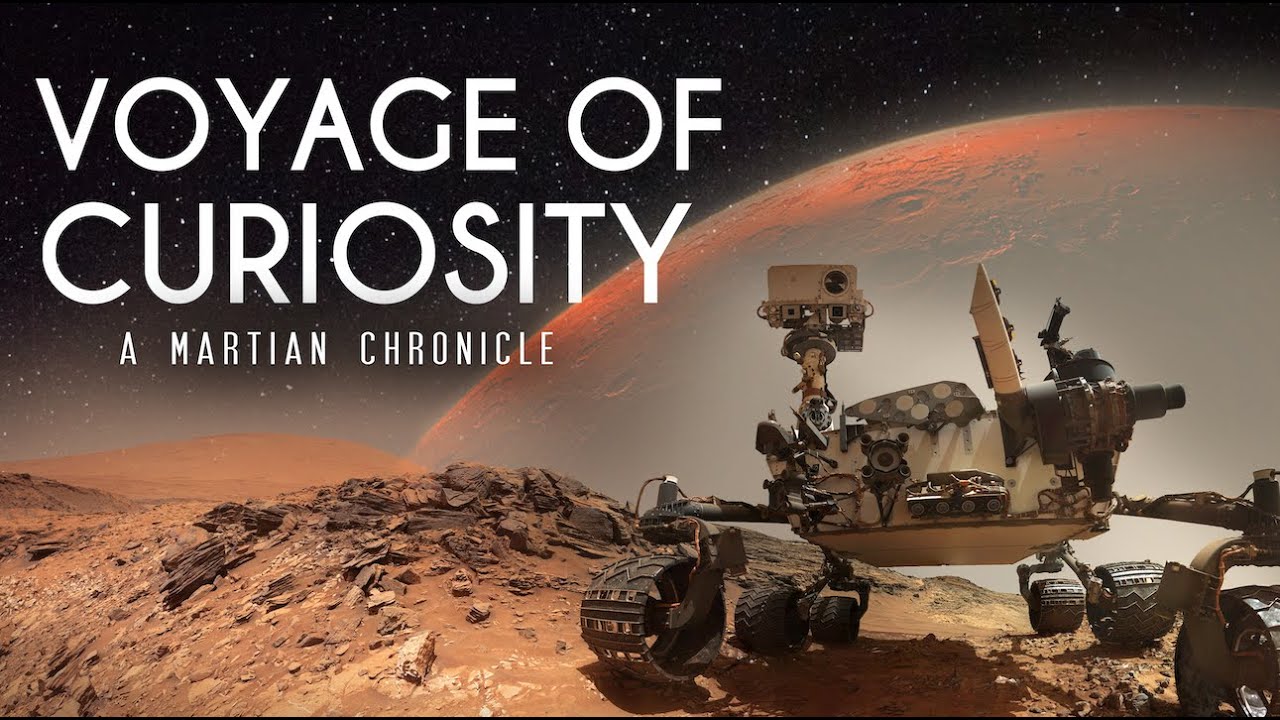
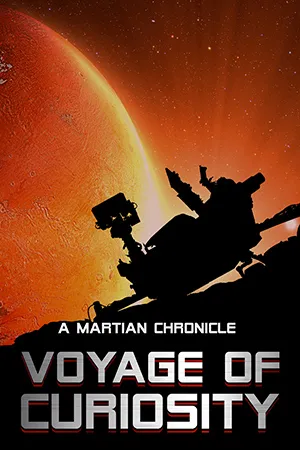
Curiosity's landing in Gale Crater marked the most accurate Mars landing yet achieved, positioning the rover to analyze the planet's geological history.
More than 10,000 galaxies exist, each containing up to 100 million solar systems, raising questions about the potential for extraterrestrial life.
Conspiracy theories surrounding space travel, including the moon landing and UFO sightings, are examined alongside scientific insights into human survival in space.
In 1957, the launch of Sputnik marked the beginning of the Space Age, prompting the United States to establish NASA within a year.
Mars has a thin atmosphere that can melt spacecraft hitting at speeds over 16,000 km an hour, complicating plans for human landings.
Perseverance entered the Martian atmosphere at a speed of 5.3 km/s in February 2021, marking a significant milestone in space exploration.
Since the early 1960s, scientists have attempted 46 missions to Mars, with over half failing at launch or upon arrival.
On August 2, 2048, a spacecraft lands on Mars, marking a fictional milestone in human exploration nearly 79 years after the first moon landing.
Over 20 tons of space debris enter Earth's atmosphere each day, including meteorites that provide insight into the origins of planets and life.
99% of all species that ever lived were wiped out in global catastrophes, but these events also set the stage for the evolution of life on Earth.
The sun, a massive nuclear reactor at the center of our solar system, will eventually expand into a red giant, leading to the end of life on Earth in approximately 900 million years.
NASA's Cassini spacecraft detected water vapor above Enceladus' South Pole during its 2005 flyby, revealing unique geological activity on the moon.
Astrophysicist Gernot Grömer leads the Austrian Space Forum's AMADEE-24 mission in 2024, simulating Mars conditions to prepare for future space travel.
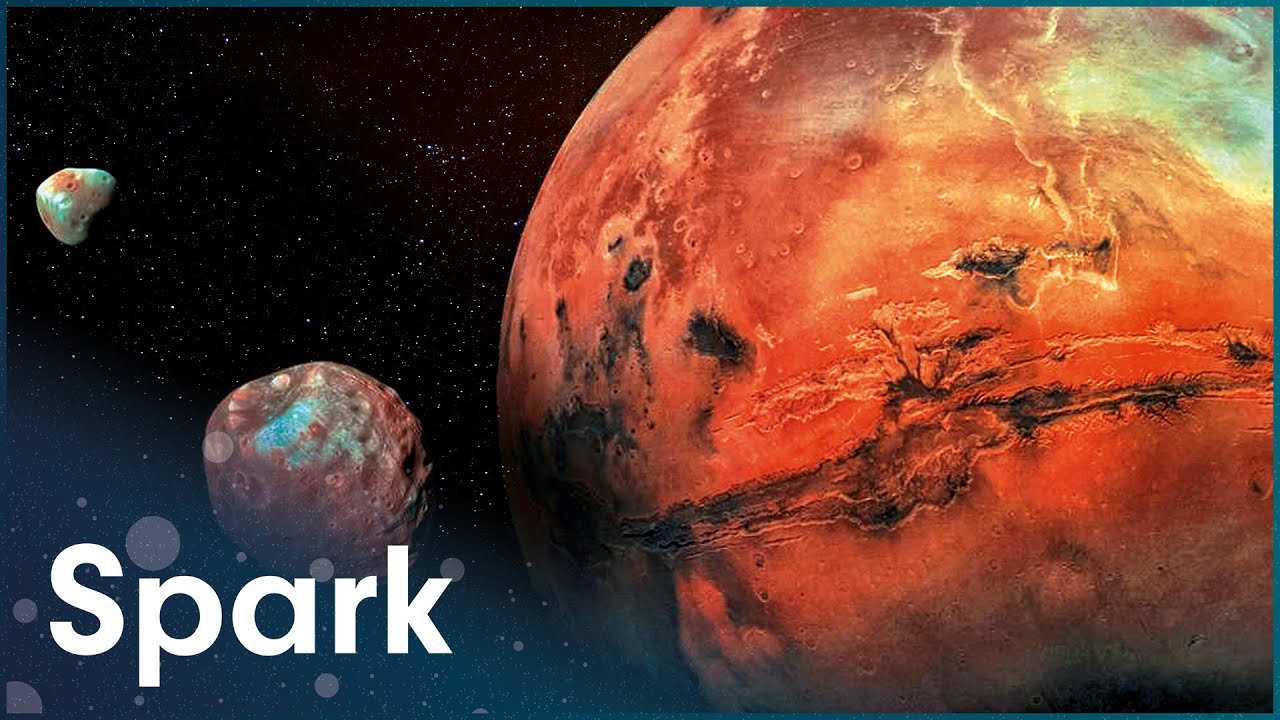
Mars, the most Earth-like planet, holds secrets yet to be revealed after fifty years of exploration.
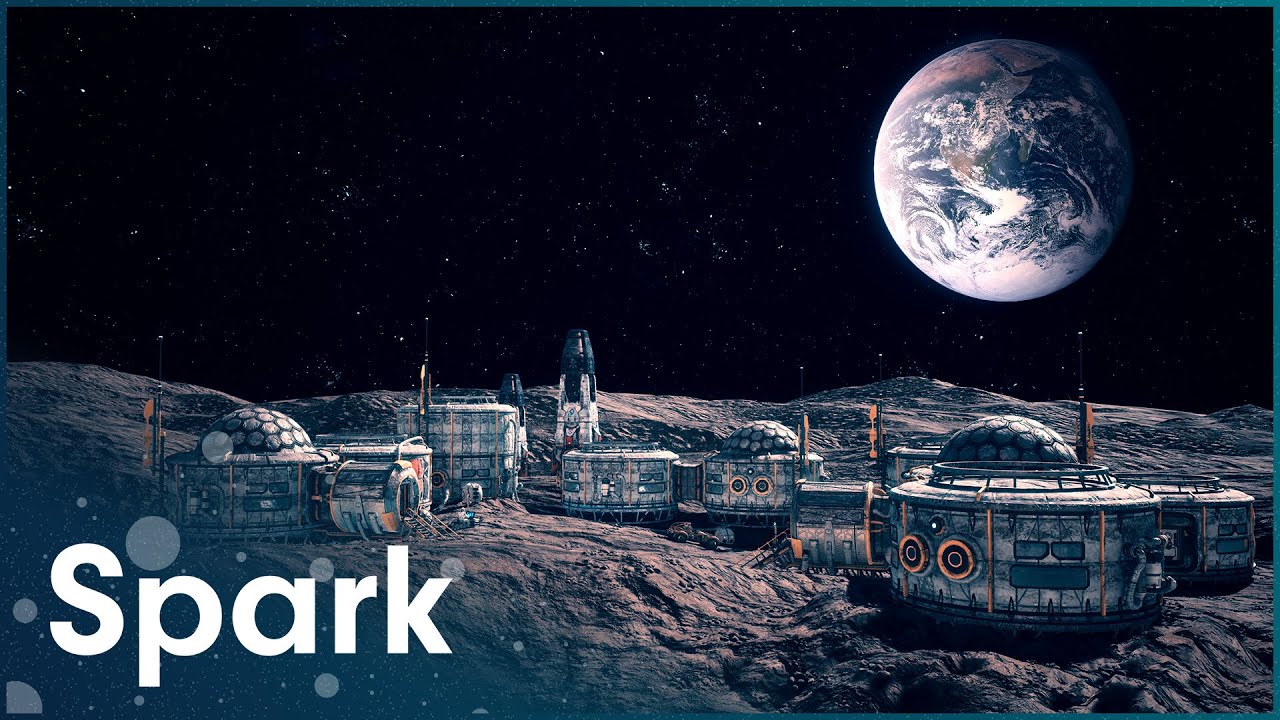
Humanity prepares to return to the Moon as a stepping stone for Mars exploration.
Mankind's deep curiosity drives exploration of Mars and the universe through technology like Hubble.
In 1971, the Mariner 9 spacecraft transmitted over 7,000 photographs of Mars, revealing a cratered surface and suggesting past water flow.
Astrophysicists, including Michel Mayor and David Charbonneau, explore the search for exoplanets and the conditions necessary for extraterrestrial life.
There are about 10 to the 27th microbes on Earth, which Dr. Peter Girguis argues are essential for understanding potential life on other planets.
A lander intended for Mars crashed 3.7 kilometers above the surface due to a false altitude reading, illustrating the challenges of space exploration.
Mars presents extreme challenges for human survival, prompting discussions on genetic evolution and technological advancements from figures like Nikola Tesla and NASA's robotic missions.
Ceres, the largest asteroid, measures nearly 1,000 kilometers across and is visible to the Hubble Space Telescope, revealing its rotation and surface features.
Over 200 robotic probes have been sent into space since the 1950s, providing critical data about Mars and Saturn's moon Titan.
Milton Hershey and the Mars family emerge as key figures in the early 20th-century chocolate industry, igniting fierce competition and innovation.
The Perseverance rover travels through space at over 50,000 miles per hour, aiming to collect samples and search for signs of past life on Mars.
Olympus Mons on Mars rises to a height of 24 kilometers from its base, making it the tallest peak in the solar system.
Mercury, Venus, and Mars are examined for their unique characteristics and the insights they provide into the formation of the Solar System and potential off-world colonies.
Asteroid mining is emerging as a potential solution to the demand for rare metals, with Luxembourg positioning itself as a financial hub for space operations.
Curiosity's landing on Mars on August 5, 2012, marked the most accurate Mars landing yet achieved, with the rover now 10 kilometers from Mount Sharp.
New projects advance slowly, moving hardware into testing for Mars exploration missions.
Colonel Joseph Kittinger ascended nearly 20 miles into the atmosphere in 1960 to test human endurance at high altitudes during a key military mission.
NASA's Phoenix Lander successfully touched down on Mars on May 25, 2008, to search for signs of water and the potential for life on the planet.
Alleged alien abductions are examined through expert interviews and eyewitness testimonies, highlighting psychological, cultural, and scientific perspectives.
Competing nations and private companies race to colonize the Red Planet with bold technologies.
A day on Mercury lasts 58 Earth days, with temperatures ranging from minus 300°F to 840°F, making it an inhospitable candidate for human life.
The first permanent settlers of Mars arrive to self-building habitats that produce air, water, and food for future generations born on alien planets.
The Rosetta mission, launched by the European Space Agency, successfully landed on comet 67P/Churyumov-Gerasimenko to study the origins of the solar system and life.
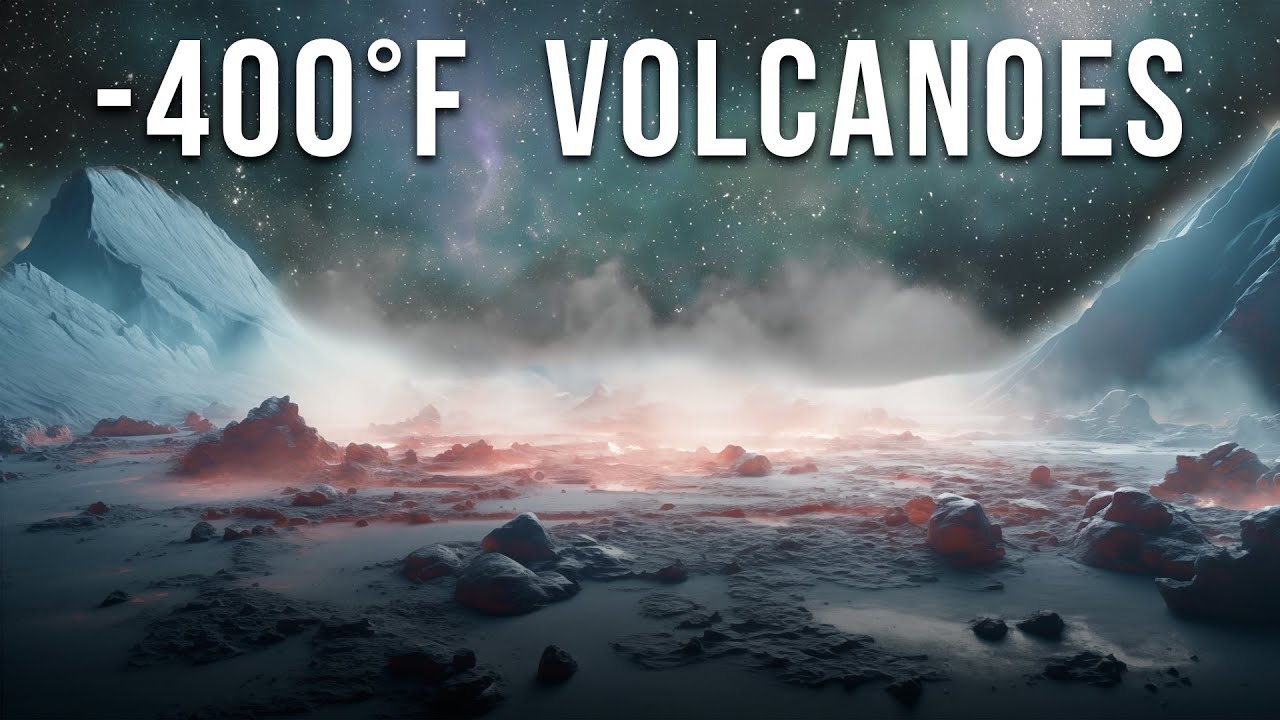
Triton, a moon of Neptune, has geysers that erupt a mixture of liquid nitrogen and dust at temperatures nearly 400 degrees below zero.
Luna 1, the first robotic emissary to the Moon, missed its target by nearly 6,000 km but became the first spacecraft to orbit the sun.
4.7 billion years ago, a tumultuous event led to the formation of the inner solar system's planets, including Mercury, Venus, Earth, and Mars.
Curiosity Rover has driven over 13 kilometers on Mars, sending back images and data to aid in future human exploration of the planet.
A Martian dust storm can reach speeds of over 160 km an hour, posing a suffocating threat to life on Earth if it were to occur here.
1.56 million children work in cocoa plantations in Ghana and the Ivory Coast, often trafficked and forced into labor for the chocolate industry.
Water in the main belt of asteroids may explain how Earth acquired its water, which is essential for the emergence of life.