From over 100,000 films, discover the handful you'll love.
Free or premium access to the world's largest documentary library.
17 films
A Soviet space probe named Luna 3 captured the first images of the Moon in 1959, marking a significant milestone in space exploration.
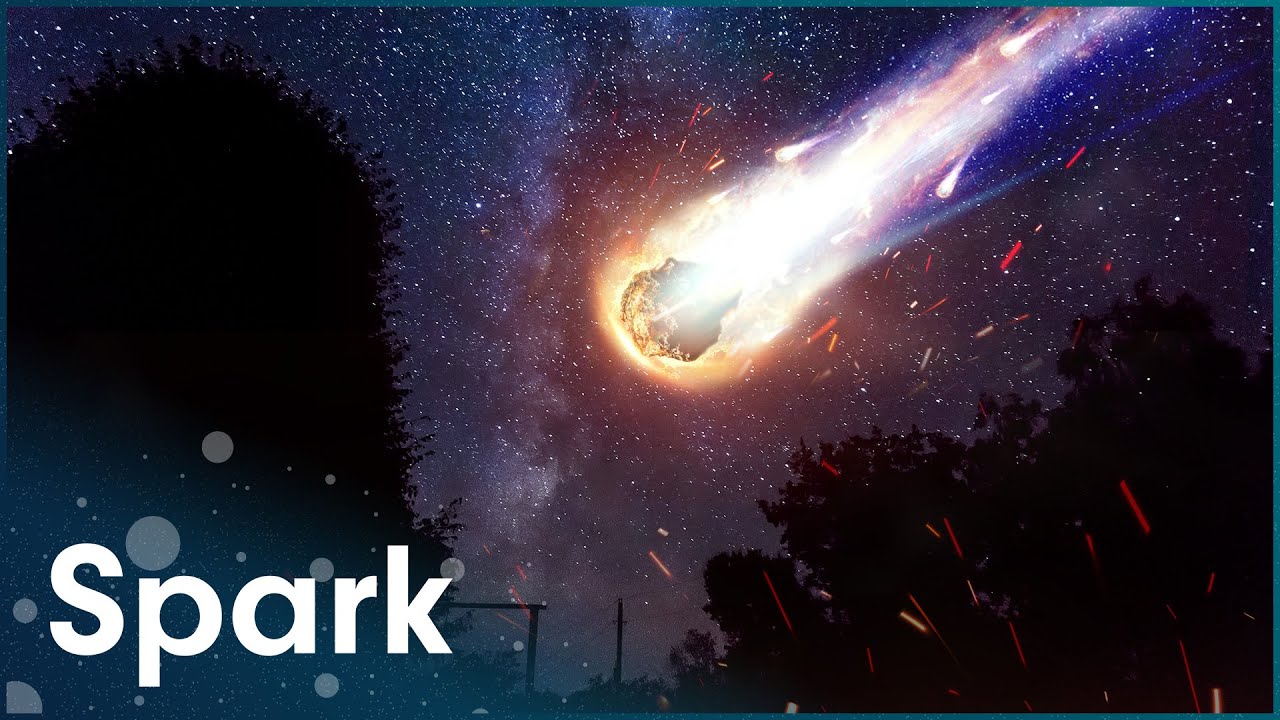
A one-mile-wide comet crashing into Earth at over 20,000 miles an hour could cause catastrophic damage, as evidenced by the extinction of the dinosaurs.
1903 marked the year when Swedish chemist Svante Arrhenius proposed the theory of panspermia, suggesting life may have originated in space.
A beam of light takes one year to travel 10 trillion kilometers, illustrating the vast distances in interstellar space.
Earth contains 330 million cubic miles of water, yet the origins of this vital resource remain one of science's greatest mysteries.
Comets serve as both potential sources of life-sustaining water and organic materials, and as threats capable of catastrophic impacts on Earth.
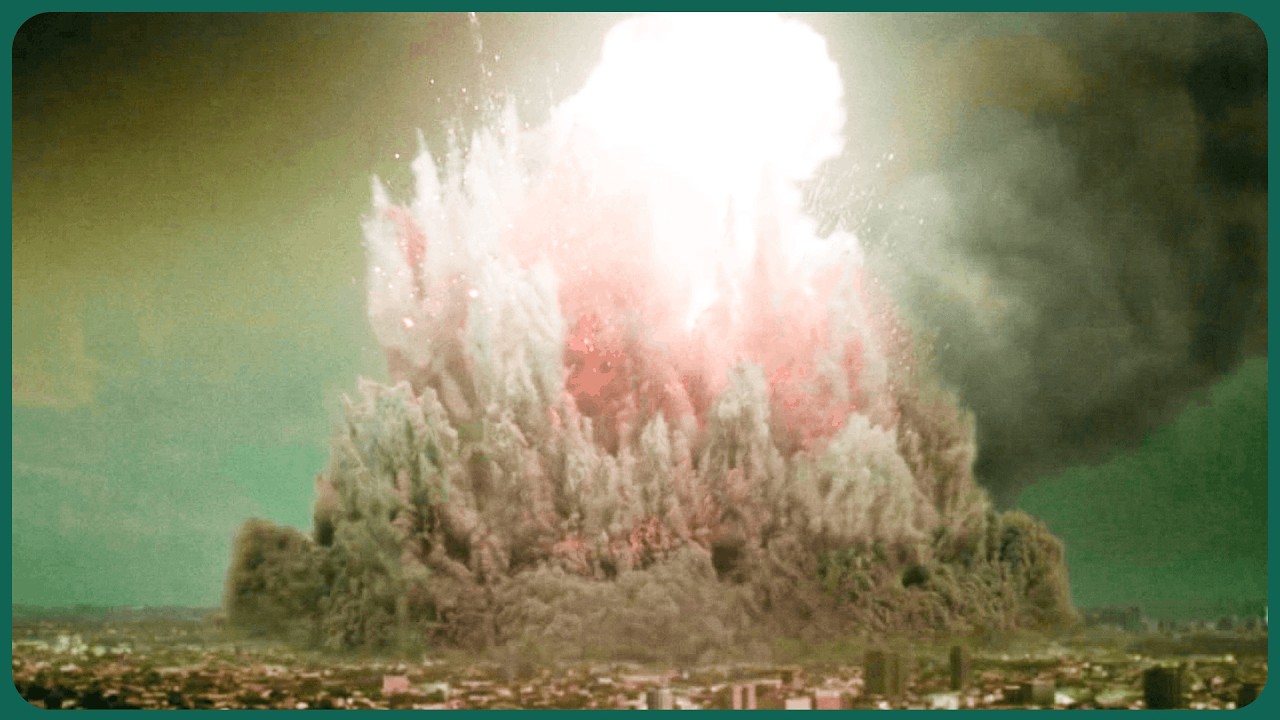
An asteroid weighing 200 million tons could strike Earth at 50 times the speed of sound, unleashing an explosive force of 100 million megatons of TNT.
Water in the main belt of asteroids may explain how Earth acquired its water, which is essential for the emergence of life.
15,000 asteroids larger than 100 meters remain to be found, prompting plans for intervention missions to protect Earth from potential impacts.
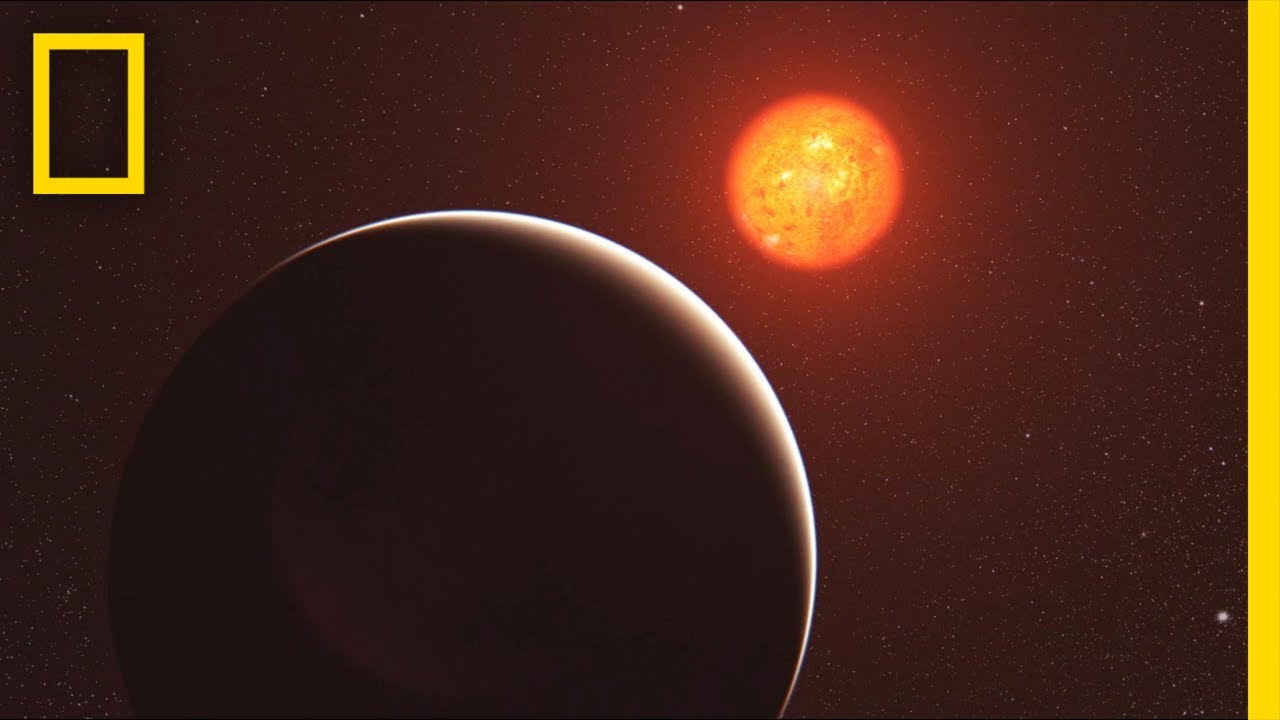
One out of every two stars has a potentially habitable planet, according to findings from the Kepler mission, which has transformed the field of astronomy.
Astronomers use ALMA to reveal how dust grows into planets around young stars.
Scheila's dust cloud is 10,000 times more massive than Tempel 1's from Deep Impact.
The Late Heavy Bombardment bombards Earth with comets and space debris for 200 million years.
Panspermia suggests life spreads through the Universe via comets and other celestial bodies.
Comets represent leftover materials from the solar system's formation, crucial for Jupiter and Saturn.
Asteroids, comets, and meteors are distinct celestial bodies that have significantly influenced our understanding of the solar system and Earth's potential risks.
Comets, such as Hale-Bopp and Halley's Comet, are small icy bodies in the Solar System that form visible comas and tails as they approach the Sun, with significant insights gained from missions like ESA's Rosetta.