
Toxic Propellant Hazards
Synopsis
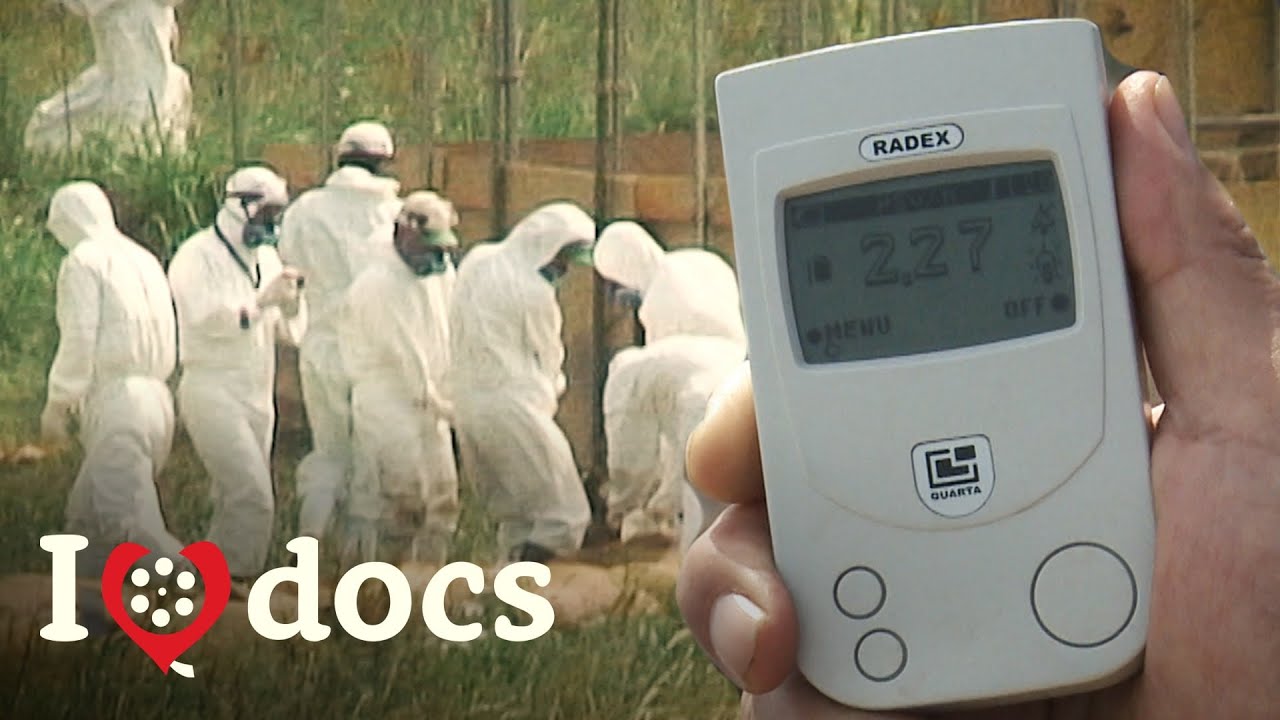
Three personnel were exposed to oxidizer during a major spill at a test cell, prompting immediate evacuation and medical support.
Synopsis
At NASA's Kennedy Space Center, workers handle toxic propellants like hydrazine and nitrogen tetroxide. These chemicals are essential for rocket propulsion but pose serious health risks. The film details the dangers of exposure, including inhalation and skin contact. It shows a major oxidizer spill during a test, prompting an immediate evacuation and medical response. The documentary stresses the need for strict safety protocols and proper training to prevent accidents in environments where these hazardous materials are used.
Deep Dive
Why Watch
- Find out why hydrazine is crucial for rocket propulsion.
- See the strict safety measures at NASA's Kennedy Space Center.
- Learn about the dangers of toxic propellants in space missions.
Did You Know
- Hydrazine was first used in 1887.
- NASA's Kennedy Space Center uses large quantities of hydrazine and nitrogen tetroxide.
- Three personnel were exposed to oxidizer during a major spill incident.
Perfect For
Frequently Asked Questions
What toxic compounds are commonly used as rocket propellants?
Commonly used toxic compounds as rocket propellants include hydrazine, monomethyl hydrazine, unsymmetrical dimethyl hydrazine (UDMH), and nitrogen tetroxide.
What are the characteristics of hydrazine and nitrogen tetroxide?
Hydrazine and nitrogen tetroxide are highly toxic, hygroscopic, water-miscible, insensitive to shock, and hypergolic.
What happened during the major spill at the test cell?
During the major spill at the test cell, three personnel were exposed to oxidizer and medical support was sent immediately, although later examinations showed the exposure was slight.
What are people saying?
Play More Like This







Browse more like this














Related Films
Is this your film?
If you made this film or hold the rights to it, we'd like to talk. We can license it and pay you a share of what it earns.
Comments