From over 100,000 films, discover the handful you'll love.
Free or premium access to the world's largest documentary library.
405 films(Page 1 of 9)
Four scientists, an engineer, and an architect participate in a year-long isolation experiment on an active volcano in Hawai'i to prepare for Mars missions.
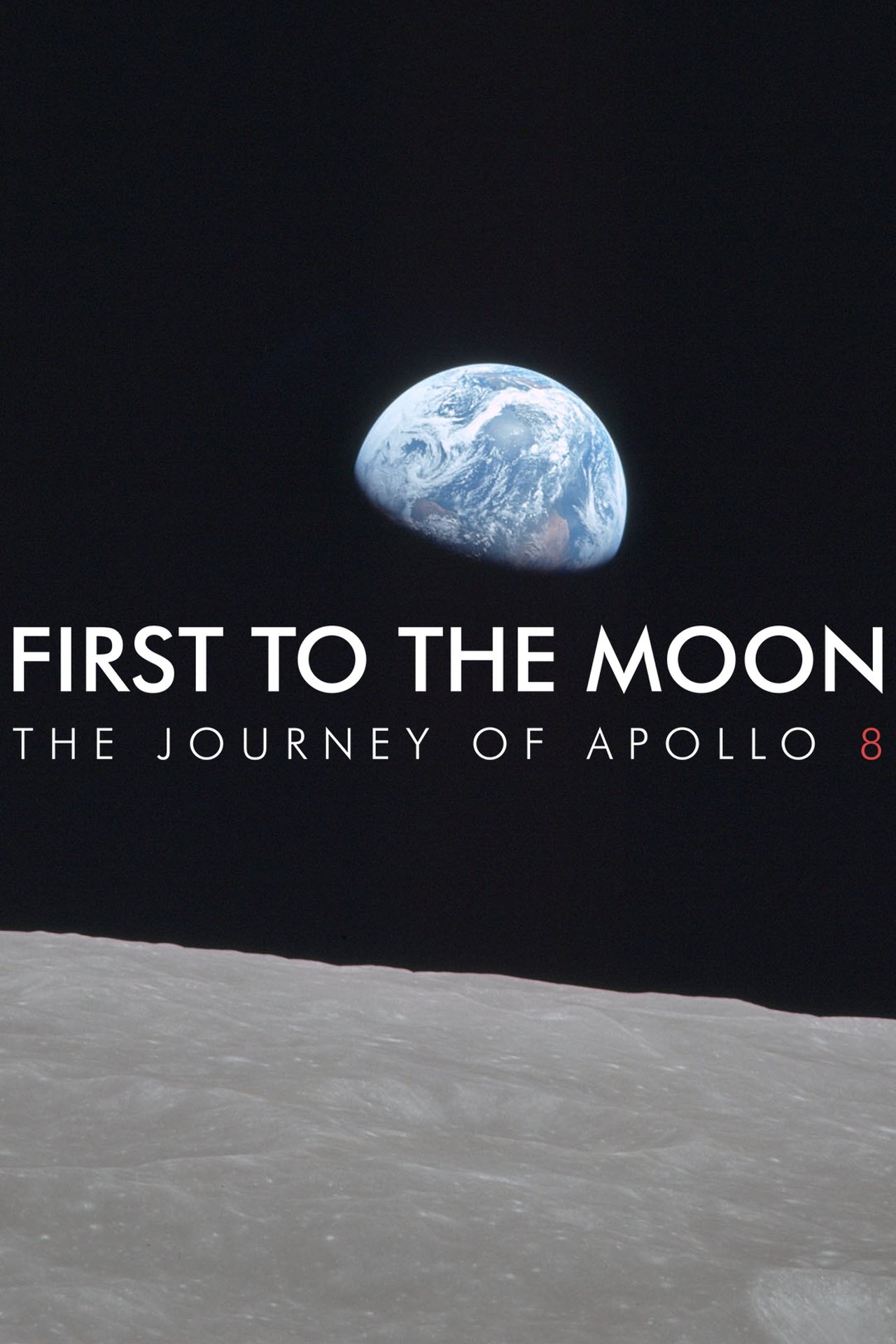
Apollo 8 launched on December 21, 1968, becoming the first crewed spacecraft to leave low Earth orbit and orbit the Moon before returning safely to Earth.
Ancient skywatchers and modern astronomers reveal the Milky Way's evolution, exploring its mythology and the scientific methods used to map its structure.
On August 15, 1977, the Big Ear radio telescope received a signal from the constellation Sagittarius that lasted 72 seconds and was 30 times more intense than usual.
The Planck length measures 1.6 times 10 to the minus 35 meters, a fundamental unit that helps define the universe's physical laws.
On December 12, 1970, NASA launched the Uhuru satellite, the first space telescope dedicated to observing X-rays from a platform off Kenya's coast.
Twelve astronauts from the United States walked on the moon during NASA's Apollo missions from 1969 to 1972, marking a significant achievement in space exploration.
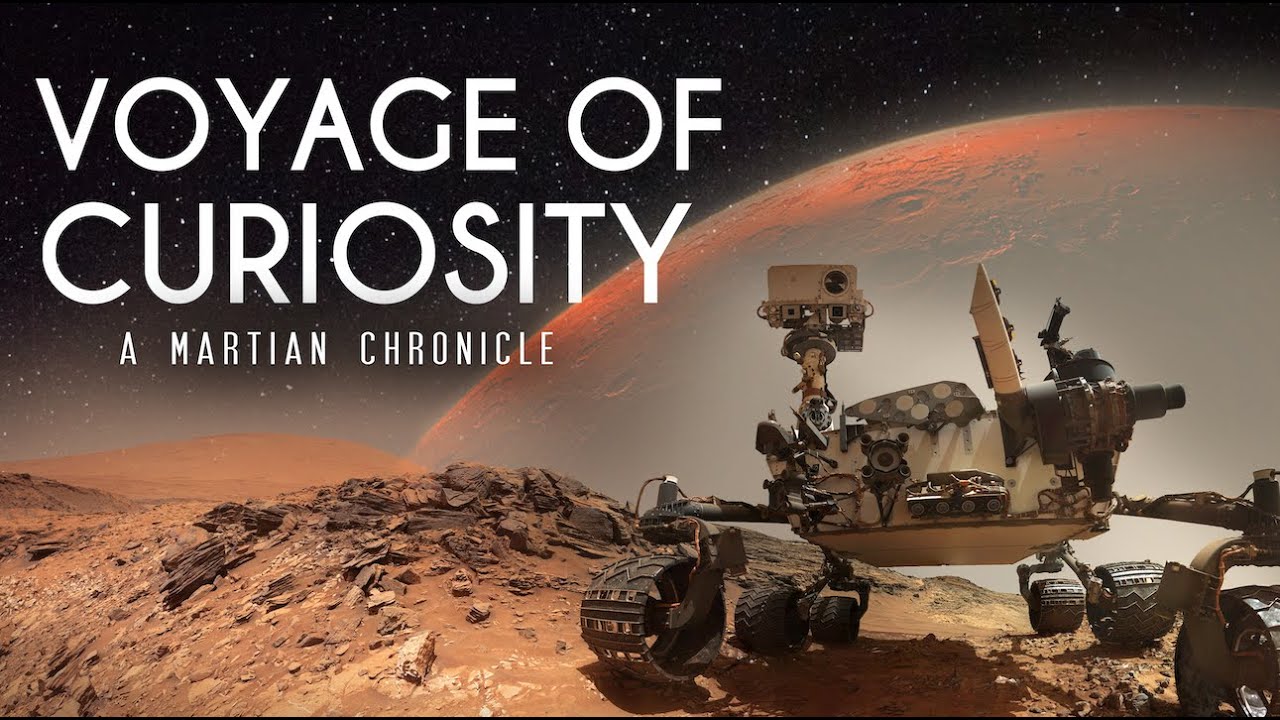
Curiosity's landing in Gale Crater marked the most accurate Mars landing yet achieved, positioning the rover to analyze the planet's geological history.
NASA's Project Gemini used the Titan 2 missile to develop techniques for orbital rendezvous, crucial for the success of the Apollo moon landing.
50 years after the Apollo moon landings, conspiracy theories continue to question whether the historic event was a hoax orchestrated by NASA.
Katherine Johnson was born on August 26, 1918, and her calculations were essential for NASA's early manned space missions and the Space Shuttle program.
Orson Welles quotes H.G. Wells, stating that in the early 20th century, Earth was being watched by intelligences greater than man's.
In December 2019, the establishment of the United States Space Force marked a significant escalation in the global arms race in Earth orbit amid rising geopolitical tensions.
Perseverance entered the Martian atmosphere at a speed of 5.3 km/s in February 2021, marking a significant milestone in space exploration.
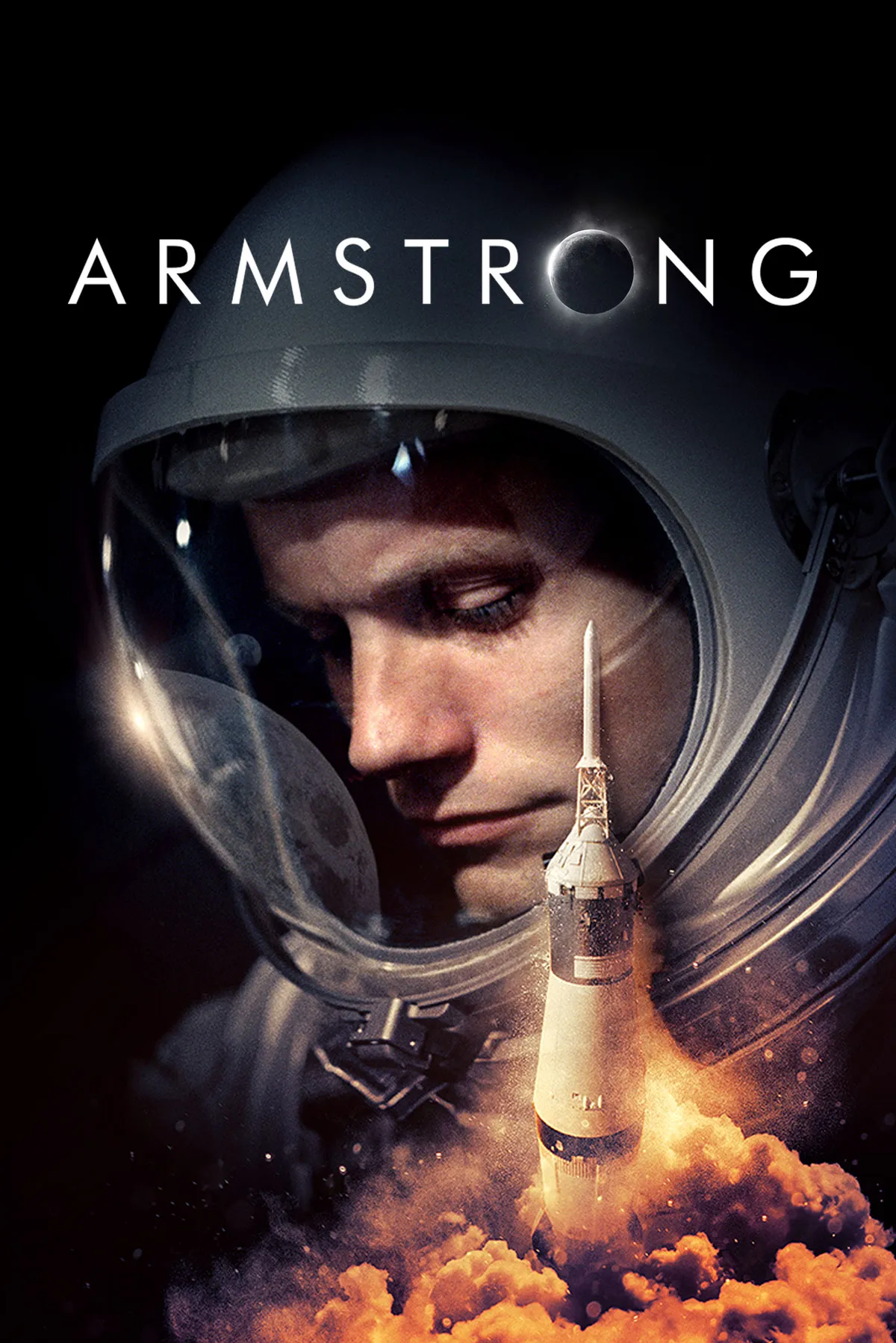
Neil Armstrong, the first person to walk on the Moon during NASA's Apollo 11 mission in 1969, is explored through archival footage and personal stories.
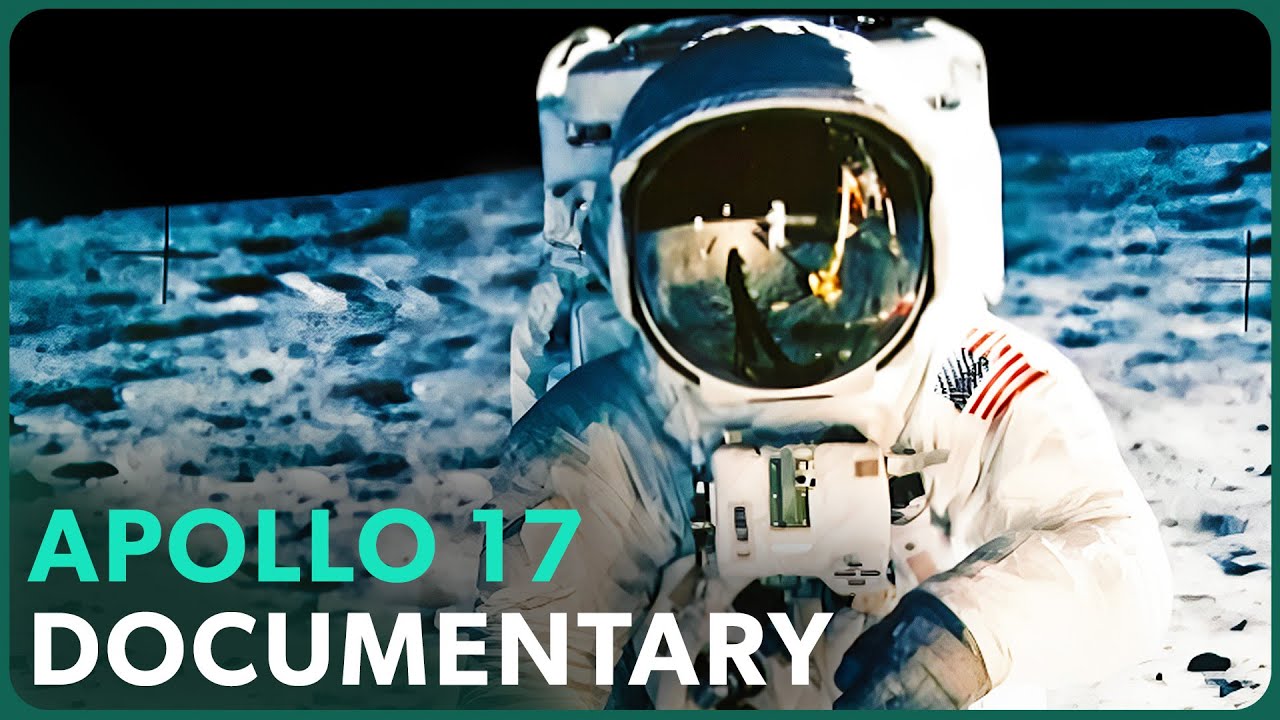
Apollo 17, the final mission of NASA's Apollo program, showcases the achievements of astronauts Eugene Cernan, Harrison Schmitt, and Ronald Evans in lunar exploration.
Billionaires Elon Musk, Richard Branson, and Jeff Bezos race to dominate the space industry.
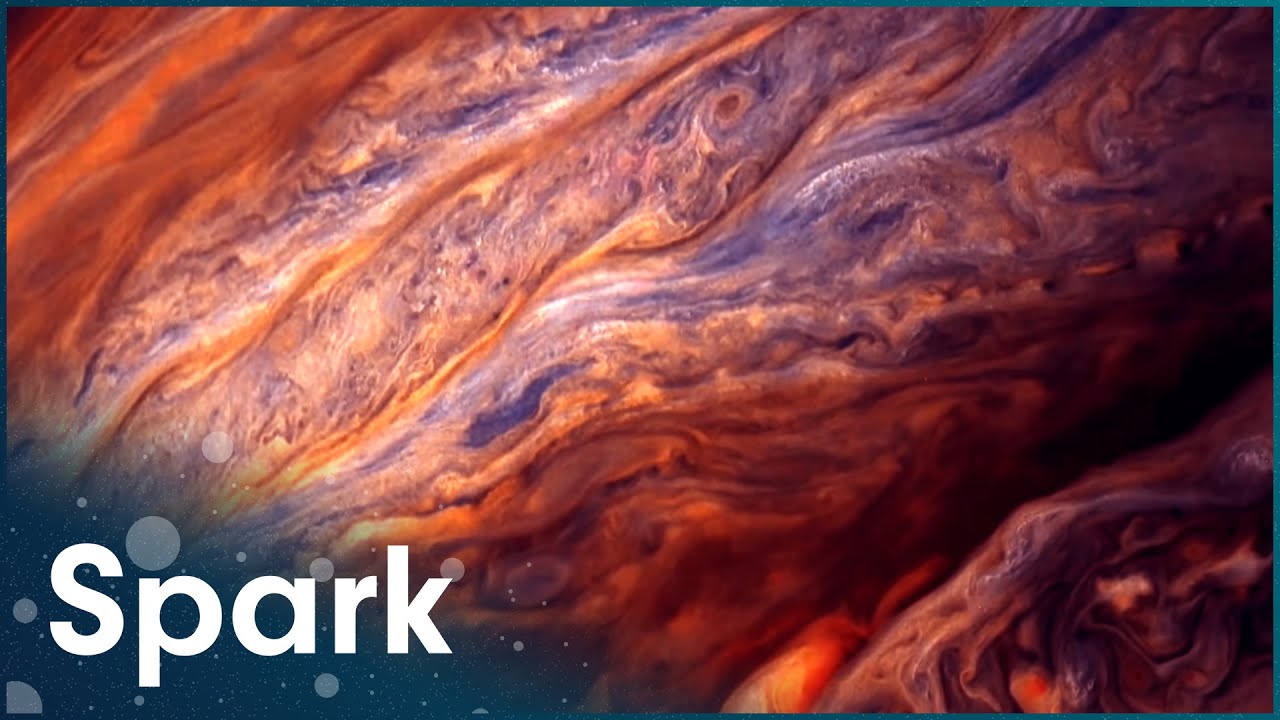
NASA's Juno mission explores Jupiter's extreme environment, revealing its massive ocean of liquid metallic hydrogen and the technology that enables this research.
A delta 4 heavy rocket, with a thrust equivalent to around 50 million horsepower, successfully launched the Orion spacecraft into Earth orbit.
Twelve astronauts walked on the moon between 1969 and 1972, leaving behind footprints and equipment that will last for millennia.
Billions of Earthlike exoplanets are believed to exist in our galaxy, raising the possibility of life beyond our planet.
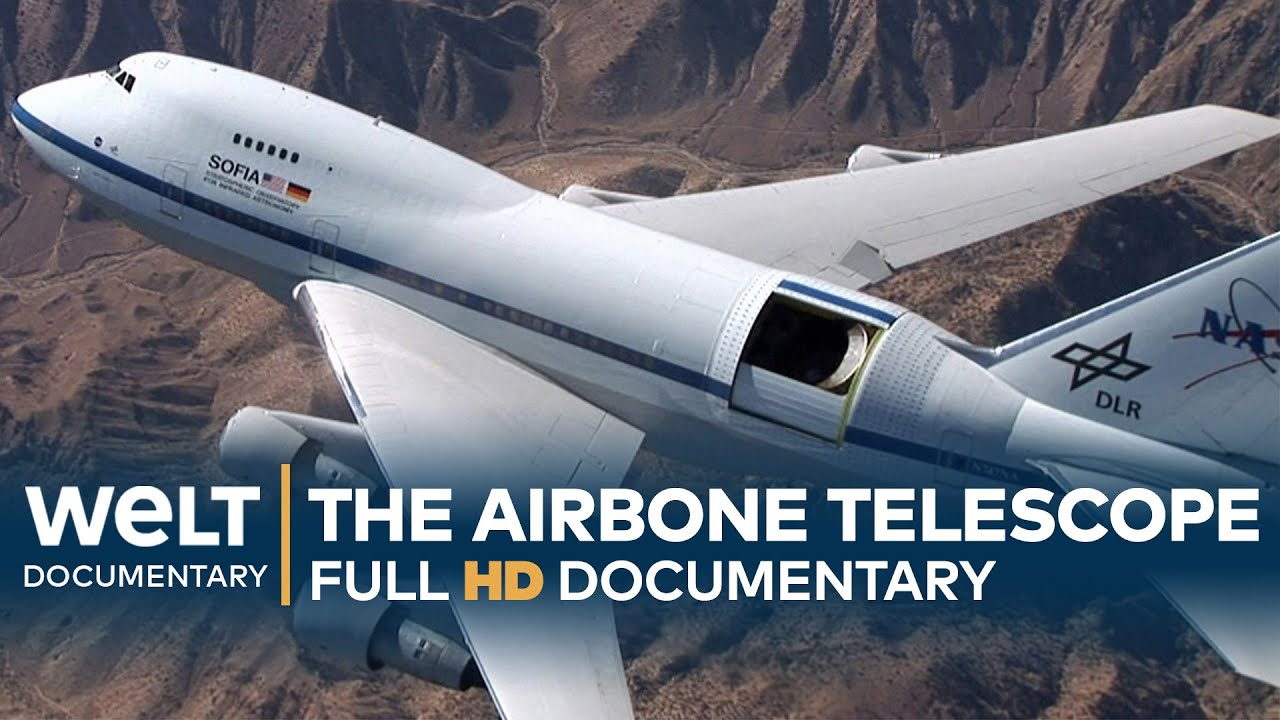
A 17-ton telescope aboard a modified Boeing 747 conducts infrared astronomy from the stratosphere, aiming to answer fundamental questions about the universe.
On July 21, 2011, the space shuttle Atlantis landed at Kennedy Space Center, marking the end of America's ability to send astronauts into space.
On August 2, 2048, a spacecraft lands on Mars, marking a fictional milestone in human exploration nearly 79 years after the first moon landing.
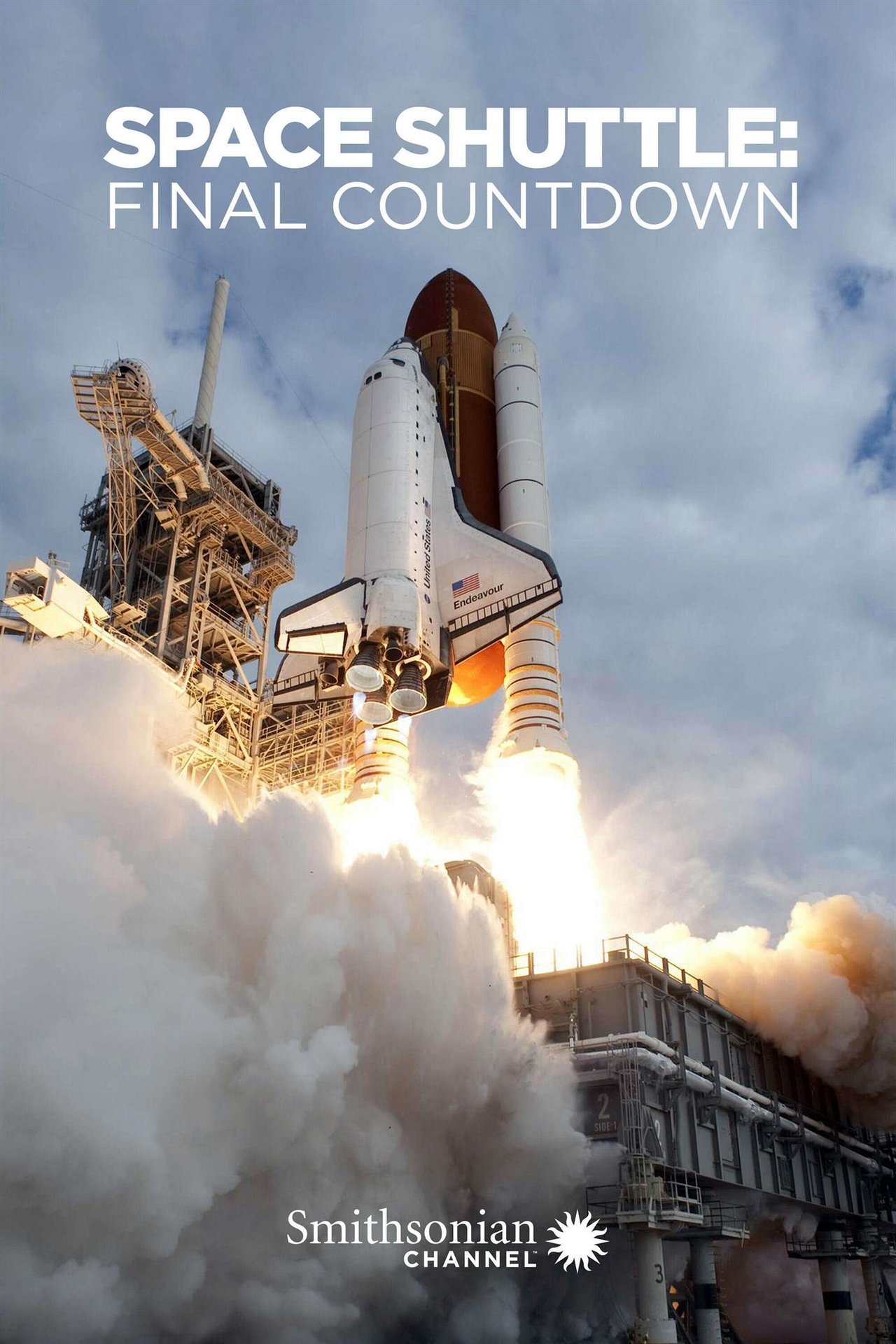
Over 30 years, NASA's Space Shuttle program completed 135 missions, featuring rare footage and testimonies from those involved in its historic achievements.
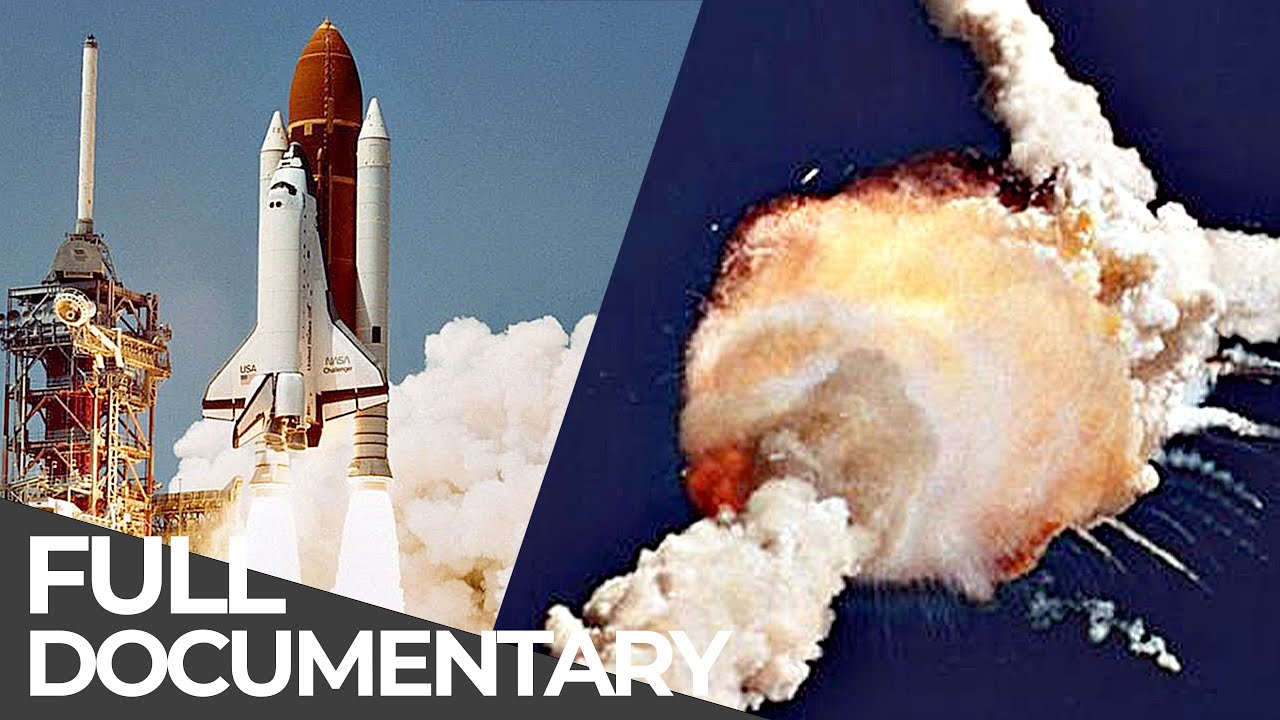
On January 28, 1986, NASA's Space Shuttle Challenger disaster resulted from critical decisions made despite warnings from Morton Thiokol engineers about faulty 'O' rings.
NASA's enhanced film footage of the Apollo moon landings provides a new perspective on lunar exploration and the evidence collected about Earth's origins.
World's largest civil airplanes, including the Airbus A380 and Antonov An-124, showcase advancements in aviation technology and luxury travel.
Apollo 13's 1970 mission faced a life-threatening oxygen leak, prompting NASA teams to innovate solutions for the crew's safe return to Earth.
Kevin Fong gains exclusive access to the final preparations of the last space shuttle mission.
Pentagon and NASA officials reveal a top-secret program from the 2000s that investigates unidentified flying objects and their implications for society.
On February 1, 2003, Space Shuttle Columbia disintegrated into thousands of pieces during re-entry, killing all seven crew members aboard.
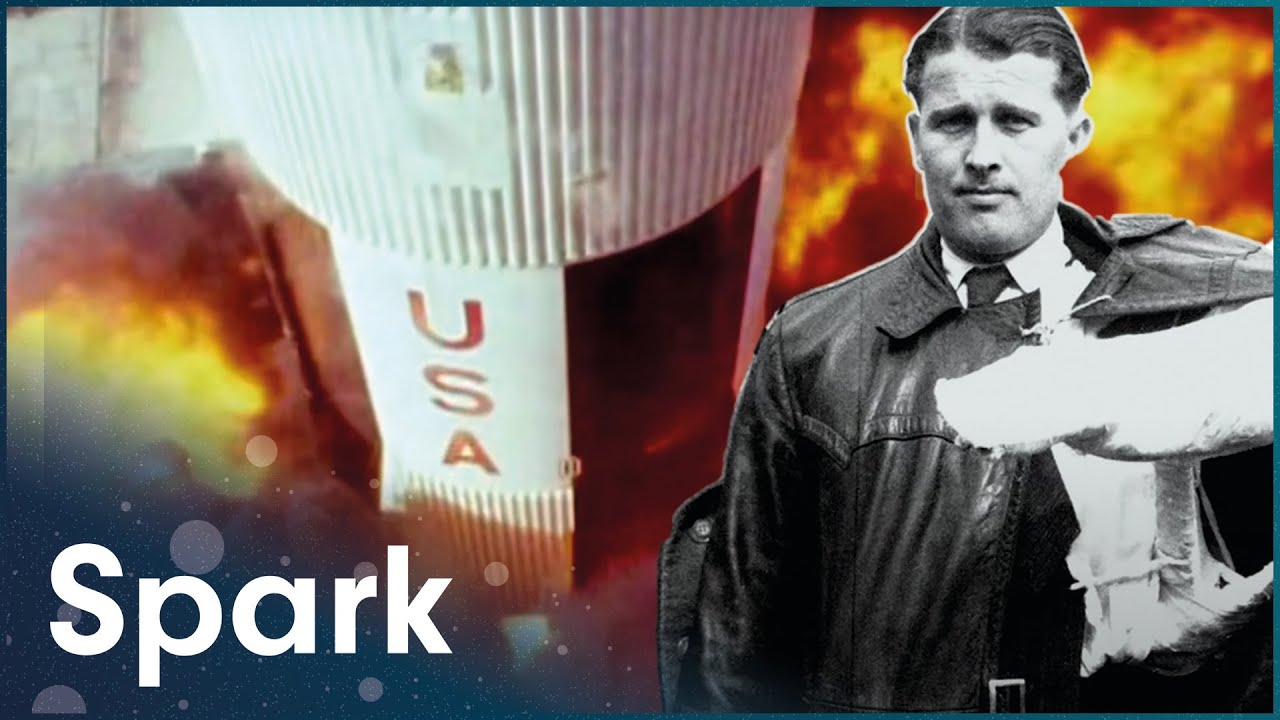
Over 200,000 scientists and engineers contributed to the development of the Saturn V rocket, which remains the most powerful vehicle ever built.
Apollo 8 orbited the Moon ten times, becoming the first manned mission to do so on December 24, 1968, amid significant risks and national challenges.
NASA's Space Launch System and the James Webb Space Telescope are highlighted alongside the Skylab space station and the Artemis Program in this informative series.
Mariner 2 successfully transmitted data from Venus after 100 days in deep space, marking a significant achievement in early interplanetary exploration.
Apollo missions from 1968 to 1972 are explored through firsthand testimonials and archival footage from the astronauts who walked on the moon.
Since the Apollo 8 mission in 1968, Earth's population has more than doubled, raising concerns about the planet's delicate balance and environmental threats.
Astrophysicists, including Michel Mayor and David Charbonneau, explore the search for exoplanets and the conditions necessary for extraterrestrial life.
A lander intended for Mars crashed 3.7 kilometers above the surface due to a false altitude reading, illustrating the challenges of space exploration.
Ice Cube, a neutrino telescope at the South Pole, consists of over 5,000 detectors spread out in a cube about a kilometer on each side.
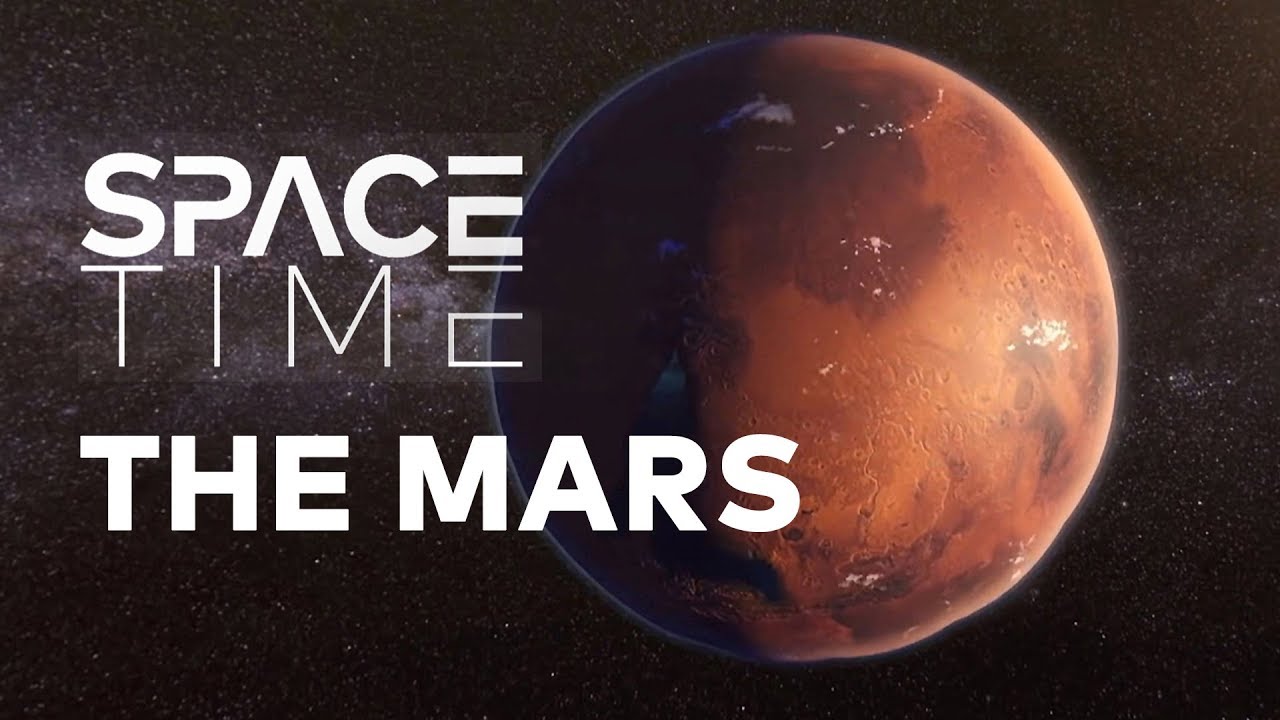
Mars presents extreme challenges for human survival, prompting discussions on genetic evolution and technological advancements from figures like Nikola Tesla and NASA's robotic missions.
There are an estimated one trillion planets in the Milky Way galaxy, many of which could potentially support life.
Over 200 robotic probes have been sent into space since the 1950s, providing critical data about Mars and Saturn's moon Titan.
Droughts, exacerbated by climate change, have historically reshaped human migration and agriculture, with recent impacts highlighted by former California Governor Jerry Brown.
In 2020, North America reported 8,500 UFO sightings, with modern technology enabling the capture of compelling visual evidence and personal accounts from witnesses.
NASA's food scientists develop ingredients and recipes for astronauts to consume in microgravity, aiming to enhance food security on Earth.
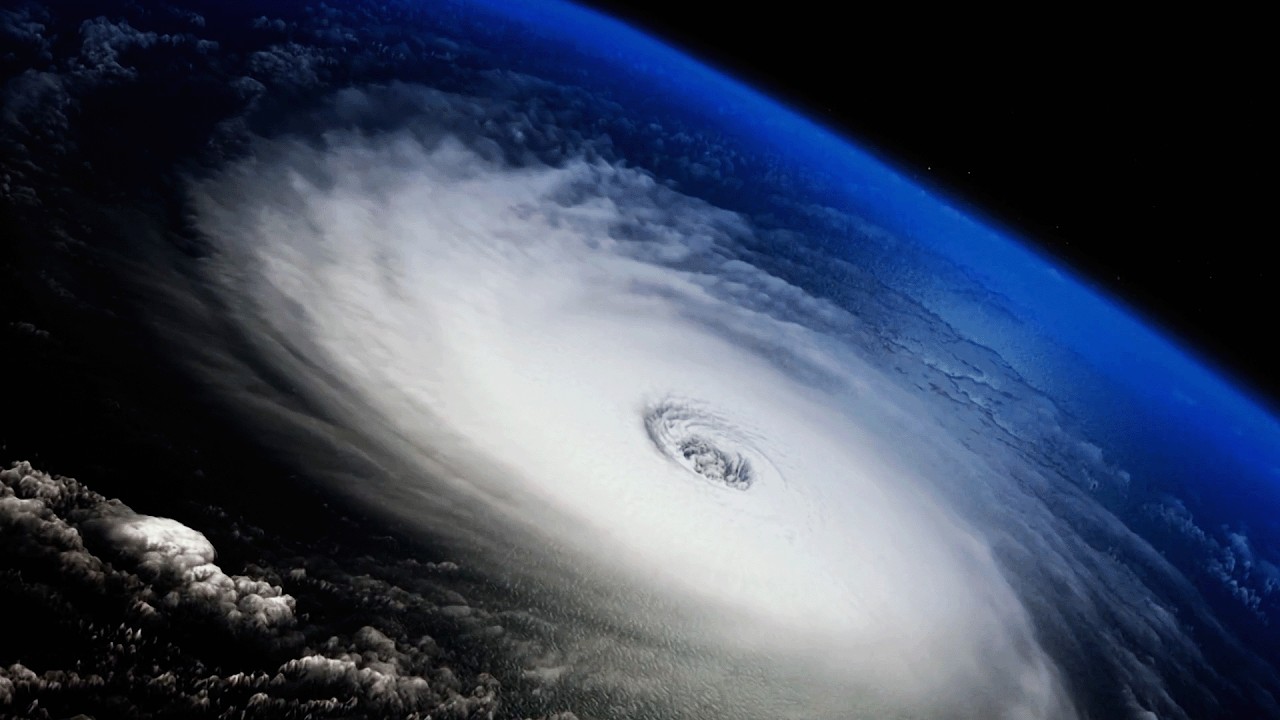
Hurricane Sandy caused an economic loss of over $68 billion in the United States, illustrating the severe impact of these powerful storms.