From over 100,000 films, discover the handful you'll love.
Free or premium access to the world's largest documentary library.
405 films(Page 4 of 9)
The violent birth of a black hole occurs when a massive star's core collapses, resulting in a supernova and emitting ultra-high energy light.
NASA's Apollo program, following the Gemini missions and marked by the Apollo 1 tragedy, culminated in Neil Armstrong's historic Moon landing on July 20, 1969.
23 days is the total time former NASA astronaut Dr. Catherine Sullivan spent in space, discussing the future of human life on Mars and the Moon.
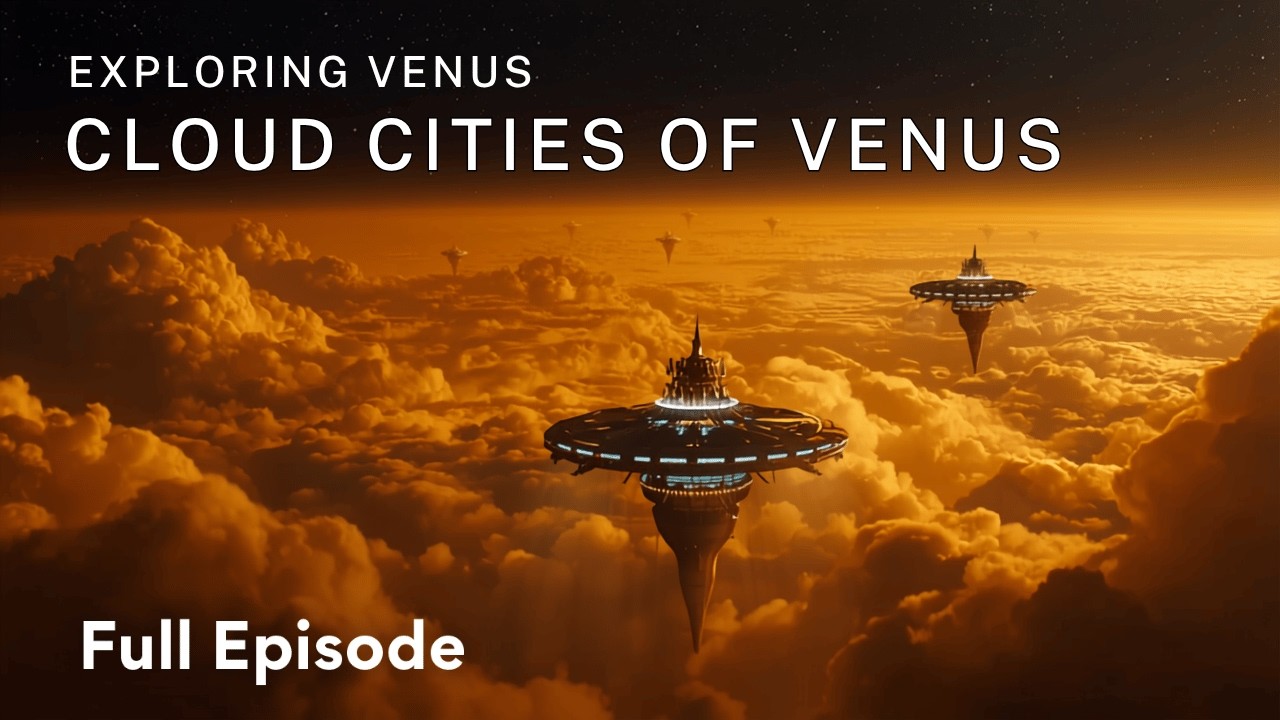
Venus' extreme conditions, with its carbon dioxide-rich atmosphere and temperatures reaching 870 degrees Fahrenheit, raise questions about the potential for human habitation in its clouds.
NASA's space shuttle fleet was grounded for two and a half years following the Columbia disaster, which resulted in the loss of the vehicle and its crew.
Infinity, a concept that has perplexed thinkers from Pythagoras to Aristotle, is explored through modern astronomical discoveries and mathematical theories about the universe's limits.
Dark energy, a mysterious force shaping the universe, is examined through advanced telescopes and cameras that analyze galaxy movements.
On December 26, 1980, servicemen Jim Penniston and John Burroughs encountered a UFO near RAF Woodbridge, leading to radiation readings and documentation by Lieutenant Colonel Charles Halt.
Lightning strikes the Earth approximately 300 million times each year, creating essential ozone while also causing around 4,000 fatalities globally.
In Chile's Atacama Desert, advancements in infrared light and gamma radiation allow astronomers to explore the universe beyond the capabilities of the Hubble Space Telescope.
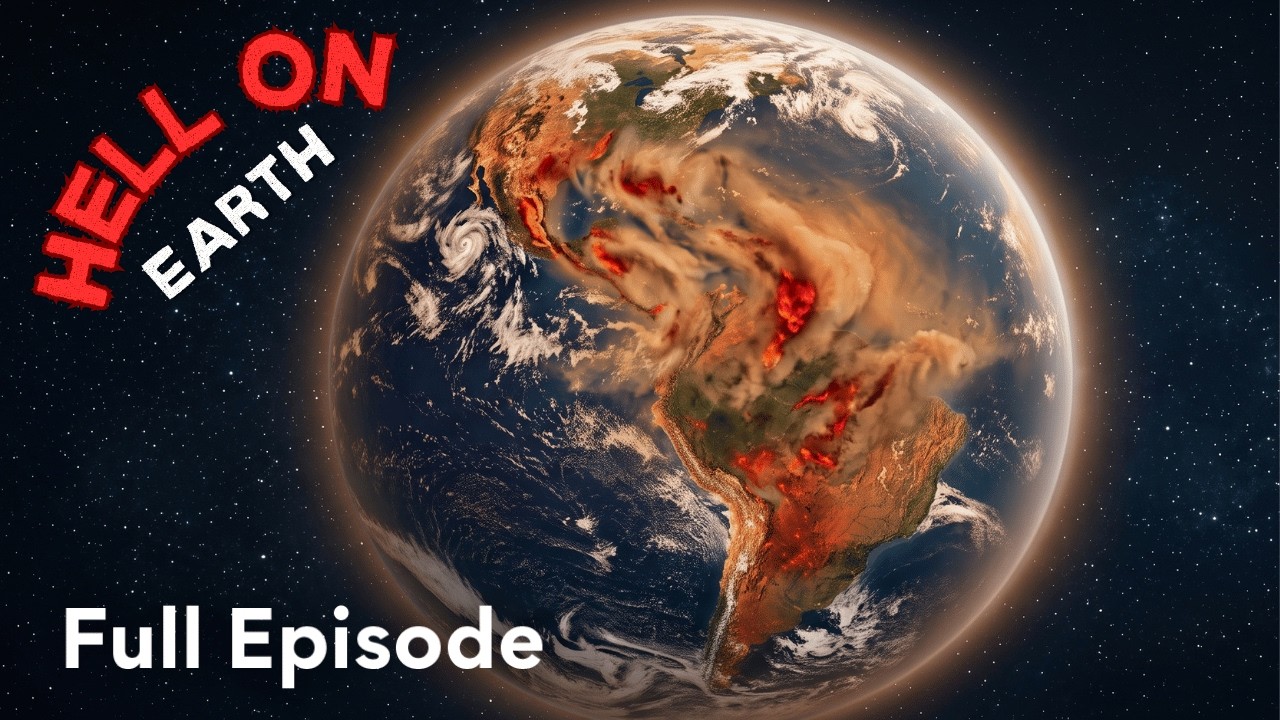
In 2019 and 2020, record-breaking global temperatures highlighted the alarming rise of heat waves, driven by human-induced carbon emissions and climate change.
NASA's Curiosity rover achieved a successful touchdown on Mars after a peak deceleration of 90 meters per second at an altitude of 6.5 kilometers.
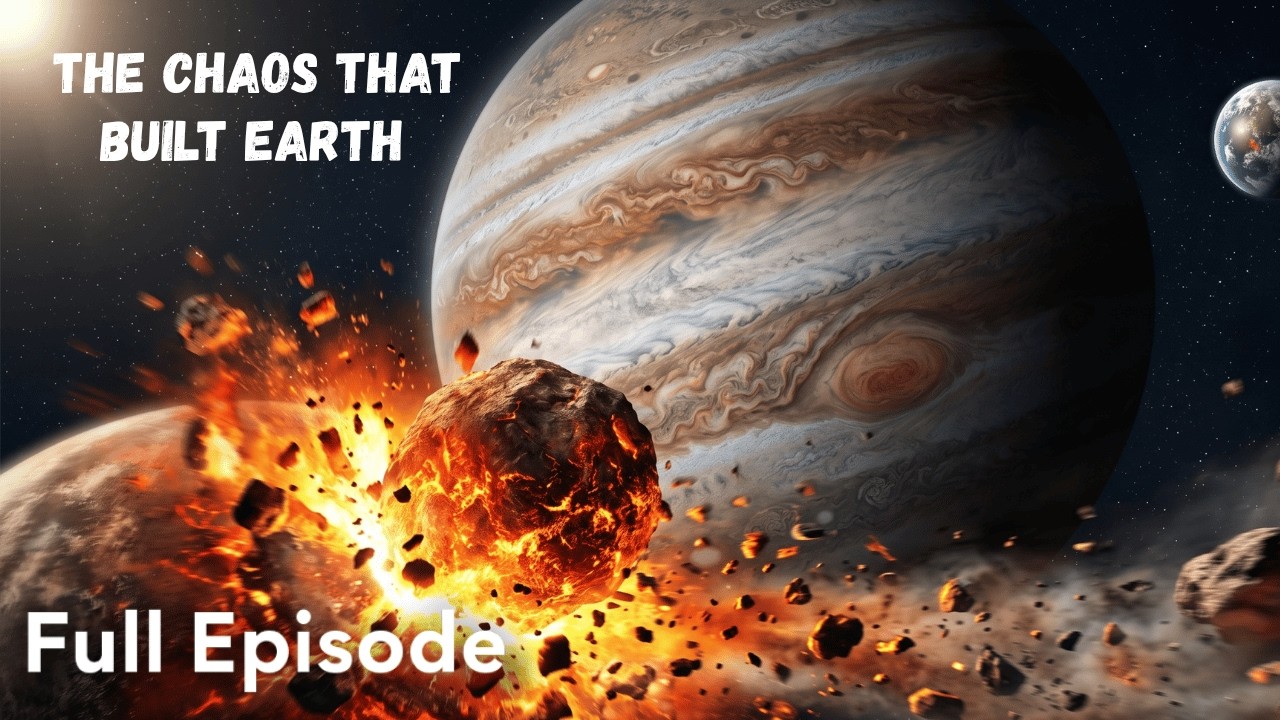
Jupiter's storms, studied through NASA's Juno mission, provide insights into the chaotic origins of the solar system and the early conditions that shaped Earth.
Modern space telescopes, including the Webb Telescope, utilize Artificial Intelligence to analyze over 5,000 exoplanets for signs of extraterrestrial life.
Images and data from the James Webb Space Telescope reveal insights into the Cosmic Dawn, marking a significant advancement in astronomical observation.
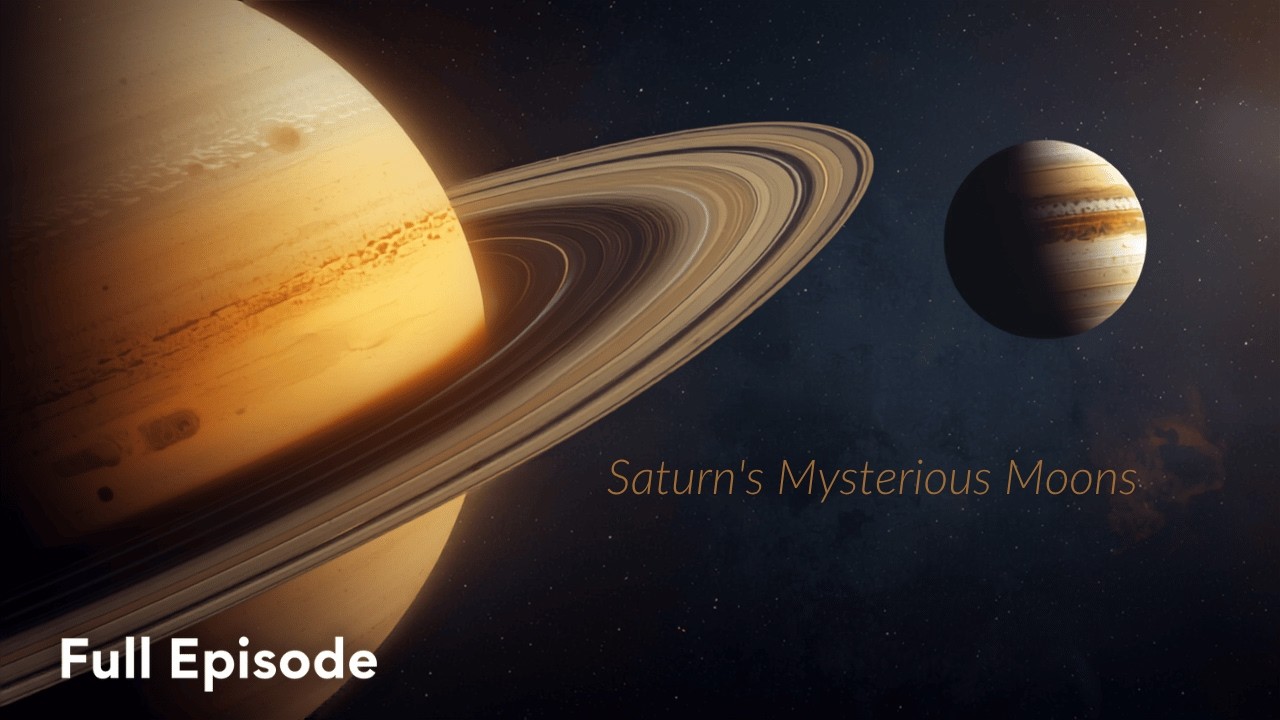
Cassini's observations of Saturn and its moons provided insights into the potential for life and revealed the unique characteristics of these celestial bodies.
Nicole Stott spent over 100 days in space aboard the International Space Station and performed a spacewalk as the 10th woman to do so.
In the search for liquid water beyond Earth, scientists explore Saturn's moon Enceladus and investigate gravity waves to map its unique gravitational patterns.
Stars exhibit different colors based on their temperature and composition, while exploring the anthropic principle and the concept of a multiverse.
Chile's Atacama Desert, with its vast salt flats and high-altitude landscapes, serves as a crucial site for scientists studying the cosmos and its origins.
Venus, shrouded in acid clouds and volcanic activity, has become a focal point for scientists exploring its mysterious past and potential for life.
Mars is examined through advanced spacecraft, revealing its precarious position between potential life and desolation, alongside three prospects for human habitation.
The Sun, as the central star of our solar system, influences the formation and characteristics of planets like Mercury and Venus, revealing insights into cosmic origins.
Antimatter, a mysterious counterpart to matter, poses significant questions for scientists investigating its role in the universe's formation and existence.
Energy extremes in the universe are explored, ranging from cold atoms in space to the violent environments of black holes and nuclear explosions.
Saturn, with its 60 moons and iconic rings, serves as a focal point for exploring recent findings from NASA's Dawn mission on asteroids and celestial bodies.
In Belgium from late 1989, thousands reported sightings of silent, triangular crafts that evaded radar detection and prompted Air Force F-16 intercepts.
Astrophysicists, microbiologists, and anthropologists examine how the sun has influenced human evolution, culture, and science over 4.6 billion years.
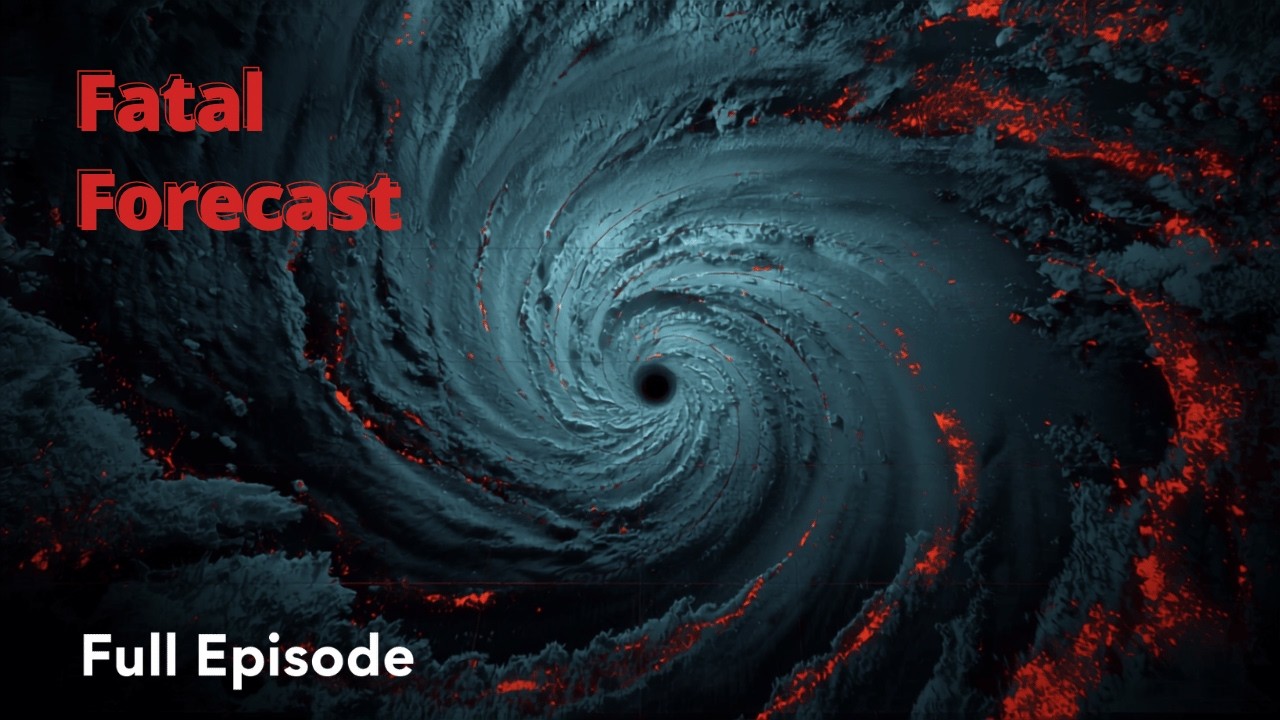
Hurricanes like Irma and Katrina are examined for their destructive power and the role of global warming in intensifying these violent storms.
All four pages of the Constitution will be on display permanently for the first time at the National Archives following a two-year renovation.
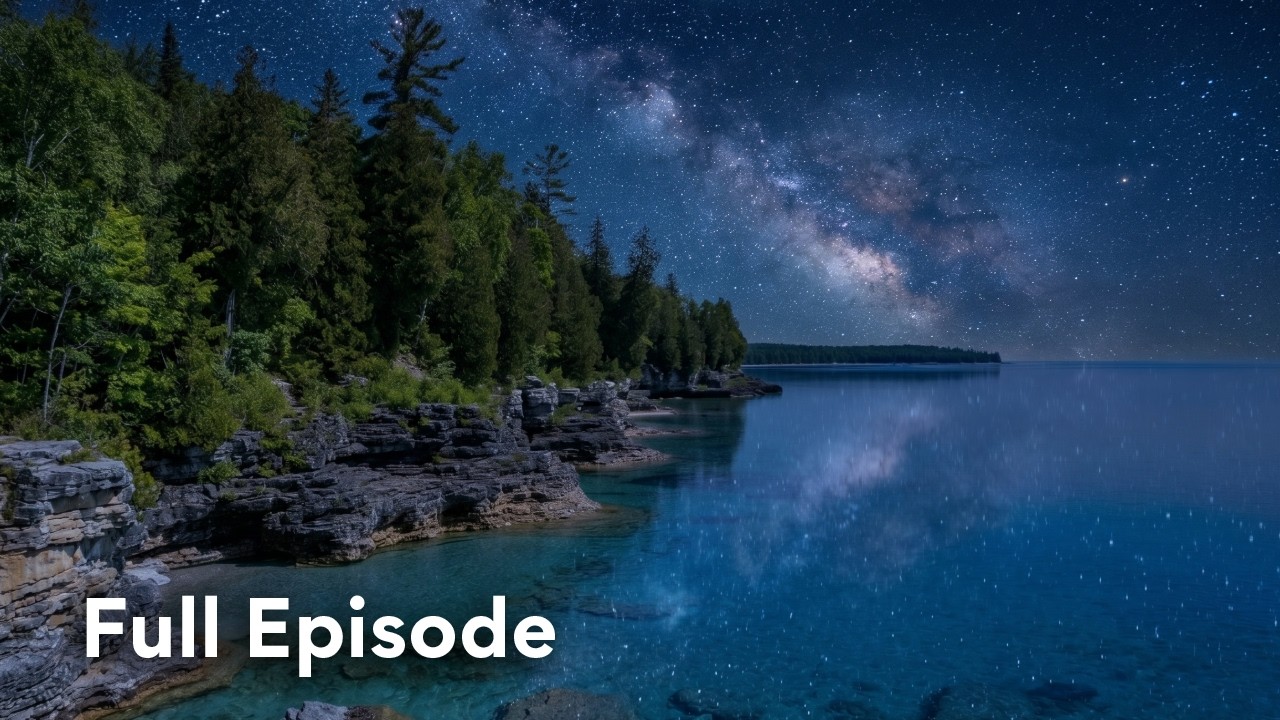
Niagara Escarpment, a fossil-rich sedimentary rock formation, features 1,900-year-old cedar trees, ancient settlements, and Flowerpot Island in the Great Lakes region.
Europa, Titan, and Io are key moons of the outer planets that may hold the potential for alien life and provide insights into the solar system's formation.
In Zimbabwe, a 1994 schoolyard encounter involving over 60 children sparked intense debate between UFO believers and skeptics who labeled the event as mass hysteria.
A team of innovative scientists is developing new methods for space travel, including balloon flights into geomagnetic storms.
The space race between the United States and the Soviet Union in the late 1950s led to the formation of NASA and the Mercury program, aiming to send astronauts into space.
In the Andean Altiplano of Bolivia, unique ecosystems thrive amidst surreal deserts, active volcanoes, and ancient landscapes shaped by millennia of natural forces.
In the remote desert of the American southwest, the Paria Plateau showcases geological marvels, including sweeping canyons and fossilized dunes.
Apollo 12's mission in November 1969 faced unexpected challenges, including lightning strikes that jeopardized the astronauts' safe return from the moon.
Zion National Park in Utah showcases its dramatic geological features, including towering spires and narrow canyons, revealing the Earth's complex history.
In November 2016, astronauts Thomas Pesquet, Peggy Whitson, and Oleg Novitsky prepare for a six-month mission aboard the International Space Station.
Gros Morne's unique landscape, shaped by a continental collision nearly 500 million years ago, features stunning aerial views of its fjords and cliffs.
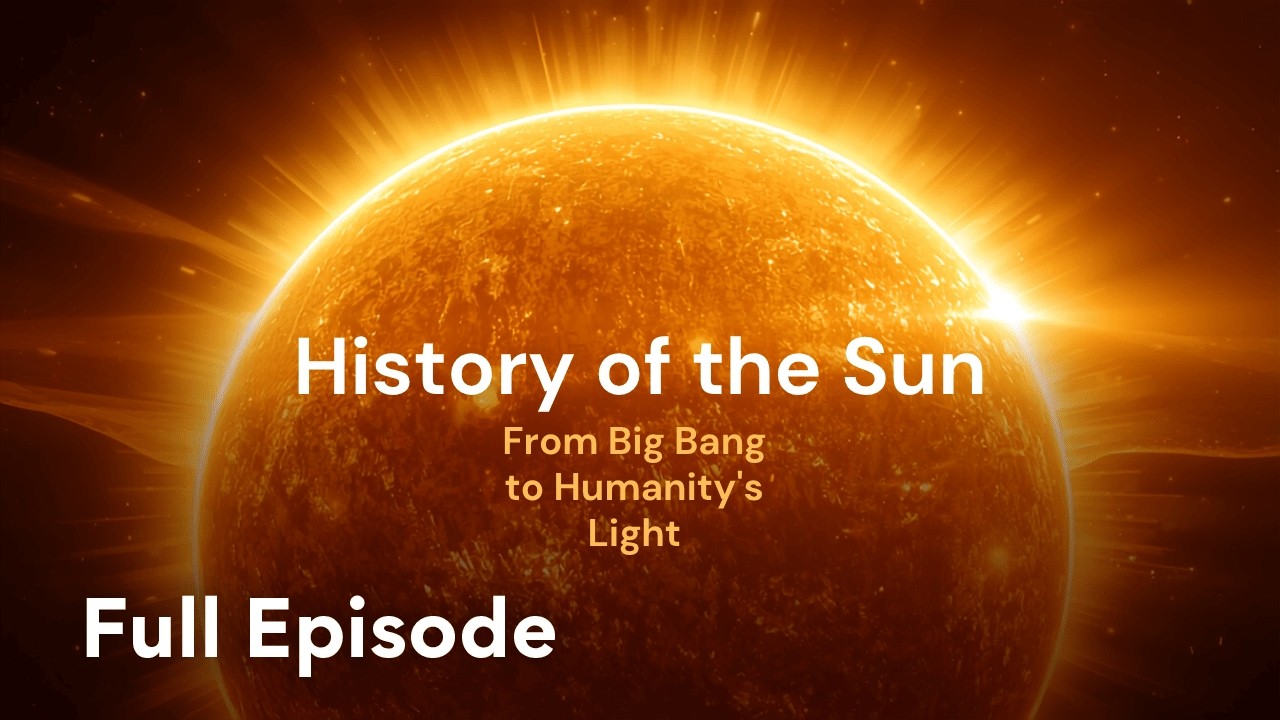
The sun has influenced human existence through its impact on air quality, skin color, time perception, religion, and scientific development since the Big Bang.
Hurricanes are becoming increasingly powerful due to climate change, with warmer ocean waters contributing to wind speeds that can reach up to 300 km per hour.
Dark energy, a mysterious force believed to shape the universe, is examined through advanced telescopes and cameras that track galaxy movements.
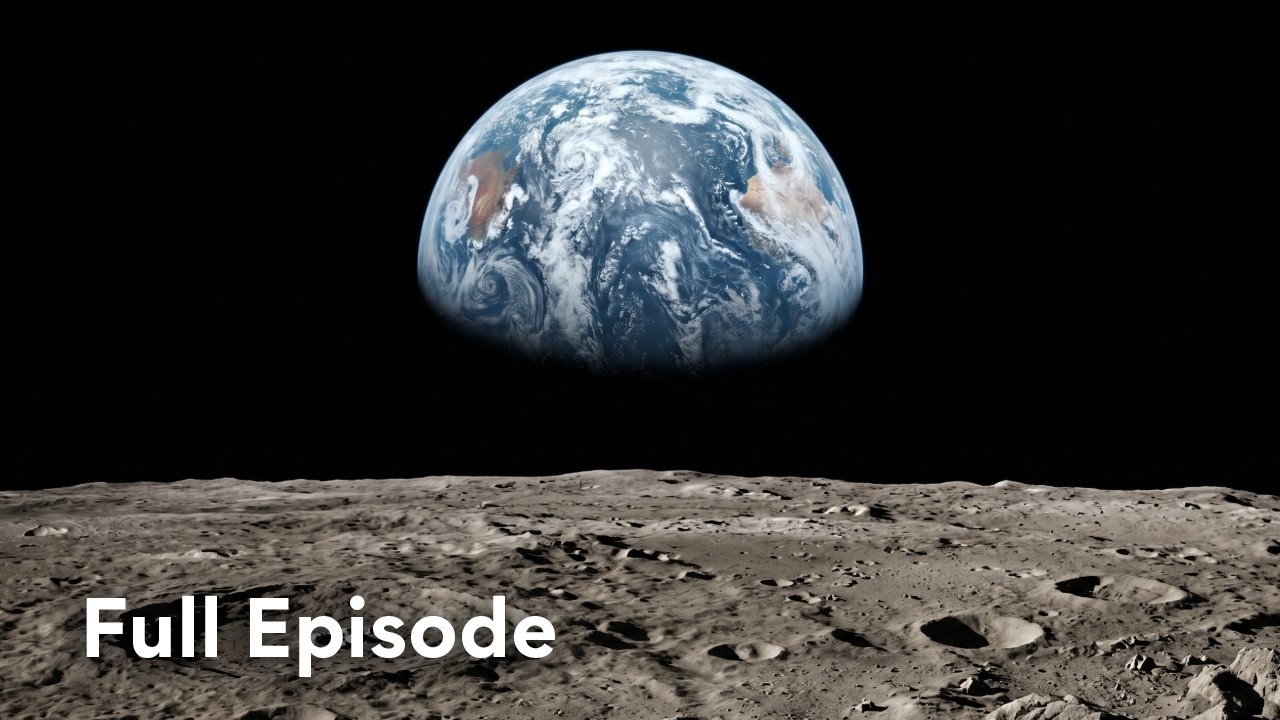
Apollo astronauts collected lunar rocks that have provided crucial insights into the moon's origins and its connection to Earth's formation.
Mercury, the closest planet to Earth, has long eluded exploration, but missions like Mariner and Messenger have revealed significant new findings about its extreme environment.
Given the vastness of the universe and the potential for life, the absence of contact with extraterrestrial civilizations raises critical questions about existence beyond Earth.
NASA's Kepler space telescope focuses on 150,000 stars in the Milky Way to detect Earth-like exoplanets by measuring light dimming during planetary transits.