From over 100,000 films, discover the handful you'll love.
Free or premium access to the world's largest documentary library.
405 films(Page 3 of 9)
Five children were drowned by their mother, Andrea Yates, in a case that sparked national outrage and intense media coverage.
Astronauts have burned to death during tests, and others have perished upon launch, revealing the dangers of space exploration.
NASA's Apollo program is examined through its engineering challenges and the historic lunar landing that marked a pivotal achievement in space exploration.
Earth's unique features and optimal position in the Milky Way are illustrated through stunning visuals from NASA and the Hubble Space Telescope Institute.
More than 100 astronauts have lived and worked on the International Space Station since 2000, conducting research under unique conditions.
Seven astronauts, including Christa McAuliffe, died when the space shuttle Challenger broke apart 73 seconds after launch on January 28, 1986.
The 2018 Palu tsunami in Indonesia highlights the urgent need for improved tsunami prediction and mitigation strategies by the scientific community.
Six police officers chase a UFO across state lines into the radar path of Pittsburgh International Airport, while a flying pyramid incapacitates a veteran in a Florida swamp.
Apollo 13's 1970 mission faced a critical crisis when an oxygen tank explosion forced Jim Lovell and his crew to rely on NASA's innovative problem-solving for their survival.
Heavy rainfall and extreme flooding in the southern US are displacing families and causing significant economic losses as climate change intensifies weather patterns.
Air pollution is exacerbated by industrial emissions and melting permafrost, while a warming Polar Vortex disrupts weather patterns, leading to extreme winter storms.
In the Solar System, over 200 moons, including Io's active volcanoes and Titan's methane rivers, reveal the hidden complexities of these celestial bodies.
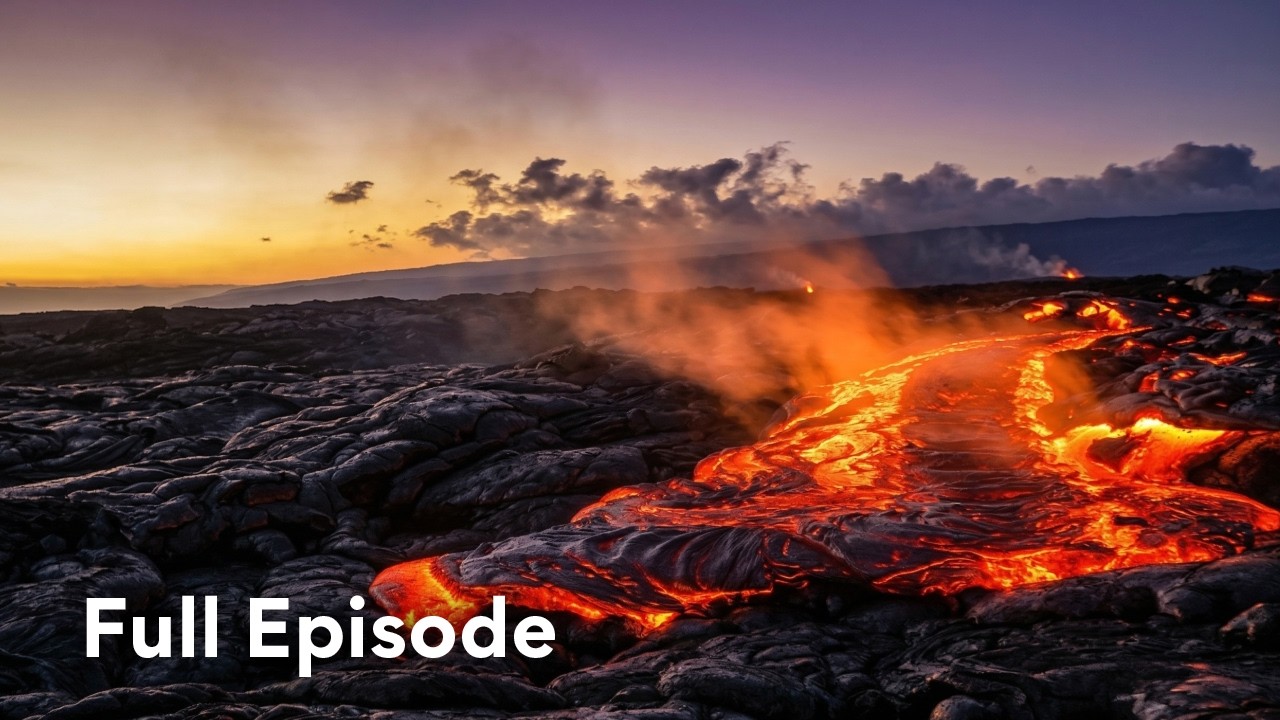
Volcanoes erupt across the globe, from Iceland to Indonesia, revealing the science behind their power and the advancements in monitoring technology since Mount St. Helens in 1980.
Artemis II aims to set a new record as astronauts aboard the Orion spacecraft travel farther from Earth than ever before during a lunar flyby.
In Alaska, residents face the imminent threat of becoming climate refugees as melting permafrost and rising sea levels endanger their coastal communities.
Launched aboard an Ariane 5 rocket, the James Webb Telescope orbits one million kilometers from Earth, aiming to reveal the universe's early galaxies.
Volcano Discovery, led by volcanologist Thomas Pfeiffer, offers adventurous tours to some of the world's most active volcanoes, including Krakatoa and Ethiopia's Danakil Depression.
Everyday locations around the world, from beaches to military bases, are becoming sites for UFO sightings that challenge our understanding of reality.
Seismic forces cause devastating earthquakes in regions like California, Haiti, and New Zealand, while scientists explore new technologies for prediction and safety.
Extreme weather events, including powerful hurricanes and unprecedented wildfires, are intensifying due to accelerated climate change, posing significant threats to life on Earth.
The International Space Station orbits the Earth every 90 minutes, serving as a platform for scientific research and international collaboration.
Astronomers are studying the supermassive black hole at the center of the Milky Way galaxy by tracking stars orbiting it at extraordinary speeds.
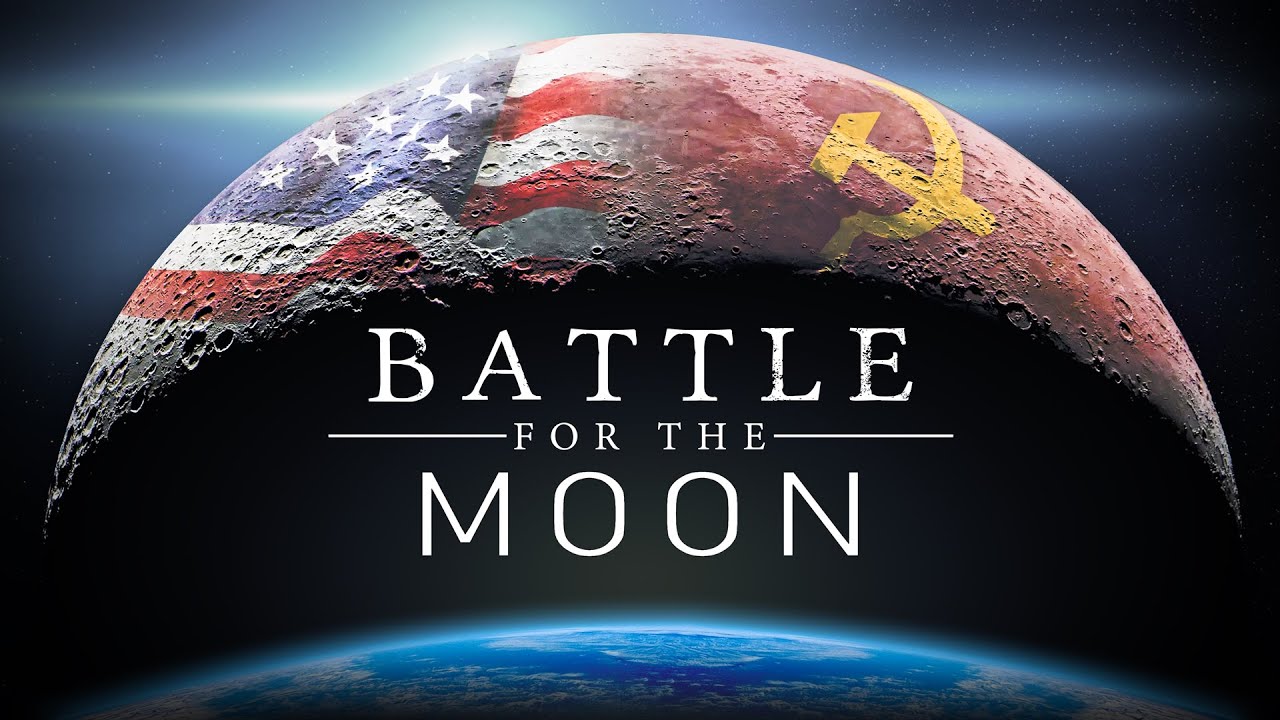
A rocket 30 meters high launched the first Sputnik on October 4, 1957, marking the start of the intense space race between the USSR and the United States.
NASA's Apollo missions returned lunar samples that revealed enough water locked inside the moon to cover its surface in a layer 1 meter deep.
Severe winter weather, including blizzards in New York and Chicago and the collapse of the Marmolada Glacier in Italy, highlights the power and impact of storms.
NASA successfully concludes the Apollo Program with the December 1972 Apollo 17 mission.
Twelve Americans walked on the moon during six successful lunar landing missions between 1969 and 1972, marking a key achievement in the space race.
Space exploration encompasses distant galaxies, black holes, and the Solar System, providing a soothing backdrop for relaxation and imagination.
Every day, thousands of satellites equipped with advanced sensors monitor Earth's surface, providing critical data for climate change, disaster response, and urban planning.
California's San Andreas Fault is analyzed for its potential to trigger a catastrophic earthquake, while advanced technology aids in predicting seismic events.
Tornadoes, particularly in Tornado Alley, are increasingly frequent and destructive, prompting storm trackers Val and Amy Castor to enhance public safety through advanced forecasting.
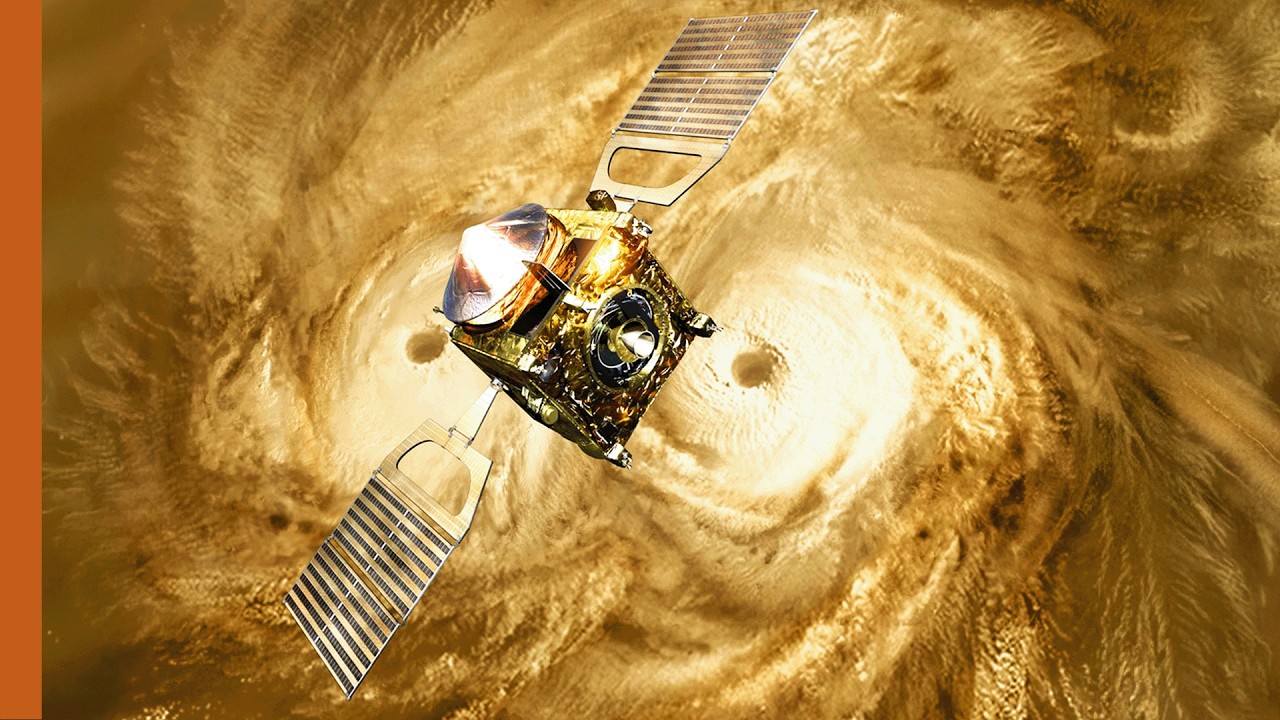
Venus, Earth's hellish counterpart, features a lethal atmosphere of carbon dioxide and acid rain, prompting scientists to explore the potential for similar conditions on Earth.
Chronic disease rates are rising as modern lifestyles lead to increased sitting and decreased physical activity among many adults.
Recent advancements in astronomy, including Edwin Hubble's discoveries and data from the Hubble Space Telescope, reveal that the universe spans nearly 46 billion light years.
Space exploration reveals fascinating facts about black holes, exoplanets, and star formation, providing a calming backdrop for relaxation and sleep.
Mars presents a complex environment for potential human settlement, revealing both its stunning beauty and hidden challenges as technology advances.
In 2014, the polar vortex, weakened by climate change, caused extreme cold and severe weather across North America and Europe, impacting cities like Cleveland, Ohio.
A Navy training mission reveals a squadron leader's claims of persistent UFO sightings on radar, prompting an investigation into their authenticity.
The search for extraterrestrial life examines the reasons behind the absence of contact with alien civilizations despite advanced technologies like the $900-million planetary explorer.
Greenland's melting ice is contributing to rising sea levels, prompting scientists to analyze potential future impacts on global ecosystems and communities.
Climate change is leading to more frequent and intense wildfires and hurricanes, as seen in recent megafires in California and hurricanes in Florida and Texas.
Astronomers are using advanced telescopes and instruments to study massive black holes and cosmic eruptions that reshape galaxies and influence the universe's evolution.
Paul Bennewith claims to have found a secret underground lab in Dulce, New Mexico, while facing disinformation tactics from the US Military's COINTELPRO program.
NASA's Solid Rocket Boosters were left hanging by a thread, endangering civilians near over a million pounds of explosive rocket fuel.
Mars, a barren planet with a carbon dioxide-rich atmosphere, raises questions about the potential for past life and the existence of underground micro creatures.
Since its launch in 1990, the Hubble Space Telescope has provided groundbreaking images that have transformed the understanding of the universe.
Kilauea, one of the world's most active volcanoes in Hawaii, experiences a sudden collapse of its crater floor, leading to a significant lava drainage and new exploration opportunities.
On May 25, 2008, NASA's Phoenix lander successfully touched down on Mars to search for signs of water and the potential for life.