From over 100,000 films, discover the handful you'll love.
Free or premium access to the world's largest documentary library.
405 films(Page 8 of 9)
This video steps viewers through the landing sequence of NASA's Curiosity rover on Mars.
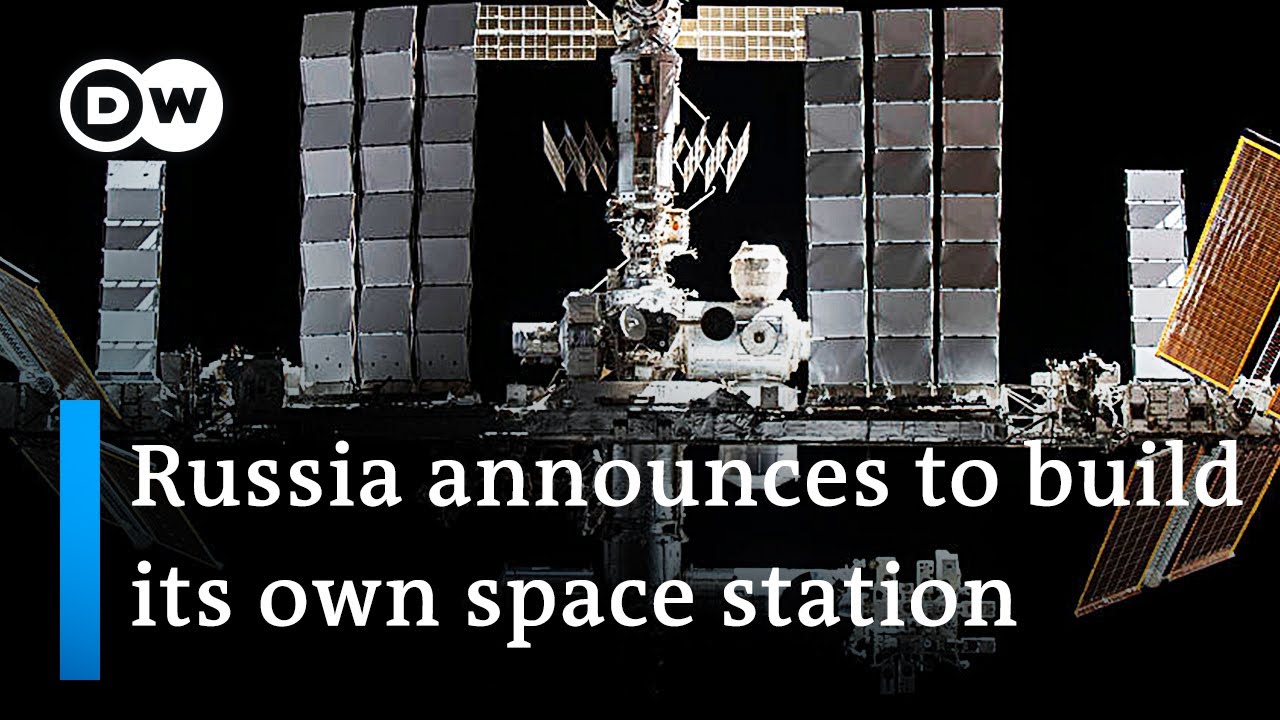
Russia says it will leave the International Space Station after 2024, impacting operations.
NASA's Jet Propulsion Lab team discusses lightning observations in Saturn's atmosphere.
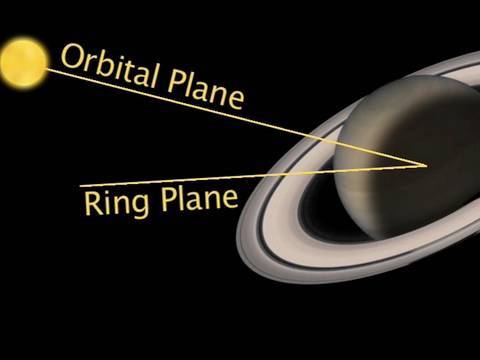
NASA's Cassini observes Saturn's rings and the influence of moon Prometheus on icy particles.
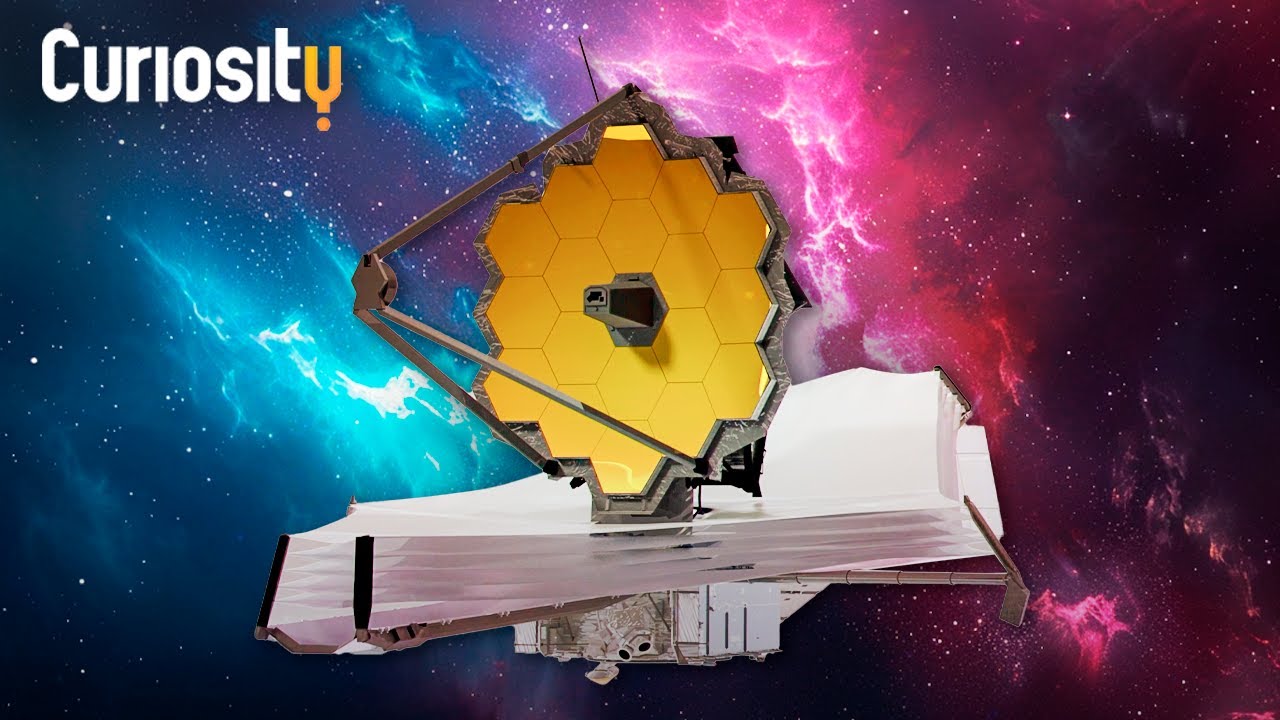
An 8-meter diameter mirror allows the James Webb Space Telescope to collect six times more light than the Hubble Space Telescope.
NASA defines potentially hazardous Near Earth Objects that threaten Earth.
NASA's Dawn mission began on September 17, 2007, to study the two largest asteroids, Ceres and Vesta, in the asteroid belt.
NASA's Operation IceBridge collects data on ice thickness and glacier discharge speeds during its 2017 flights over the Greenland ice sheet.
Skylab's three missions conducted a series of scientific experiments, including studies of the universe and human cells, from 1973 to 1974.
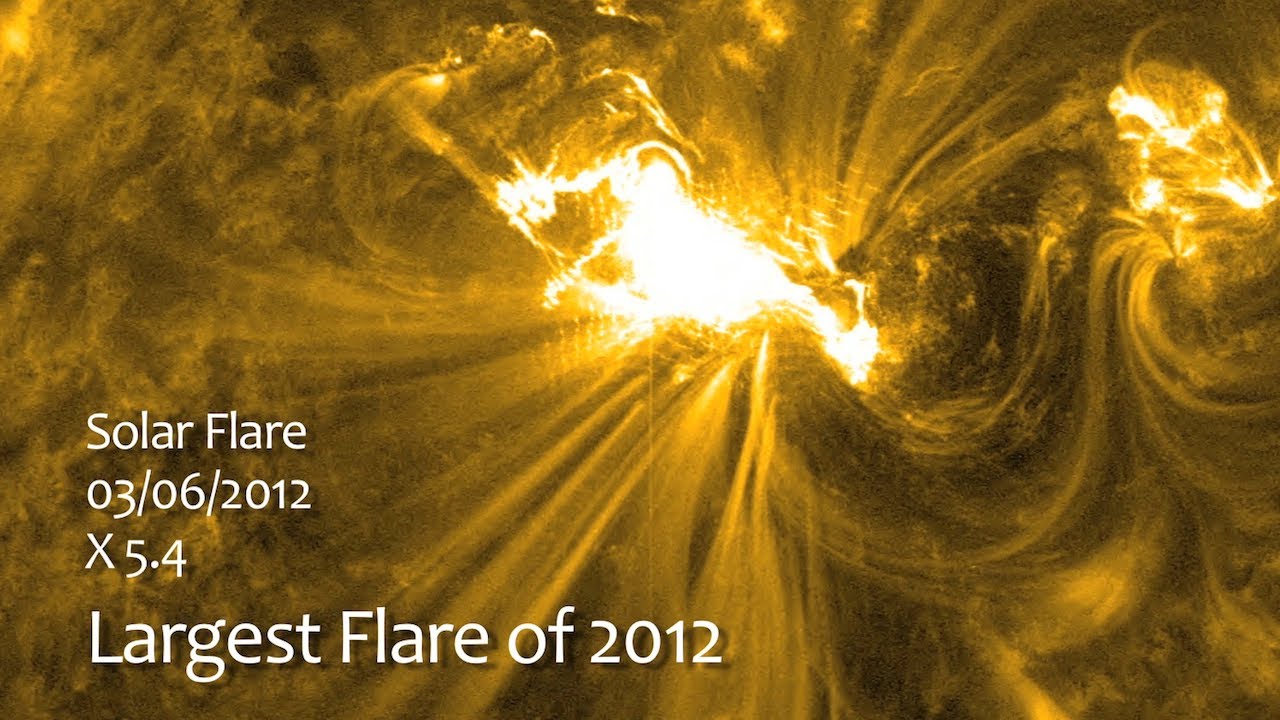
Our Sun's solar dynamics are monitored at the Solar Dynamics Observatory for significant events.
Solar forecasters predict the Sun will reach its peak cycle in 2013 with exciting activity ahead.
More than 700 asteroids could be worth over 100 trillion dollars, raising questions about wealth distribution and tax implications in space.
Private money is transforming space exploration through companies like SpaceX and Blue Origin.
Space Shuttle Discovery's final landing at the Smithsonian National Air and Space Museum in 2012 marks the end of NASA's Space Shuttle program and reflects on its legacy.
This episode covers space tourism, NASA's spacesuits, and the Artemis project updates.
Artemis I splashes down after 1.4 million miles, reminding many of past ocean landings.
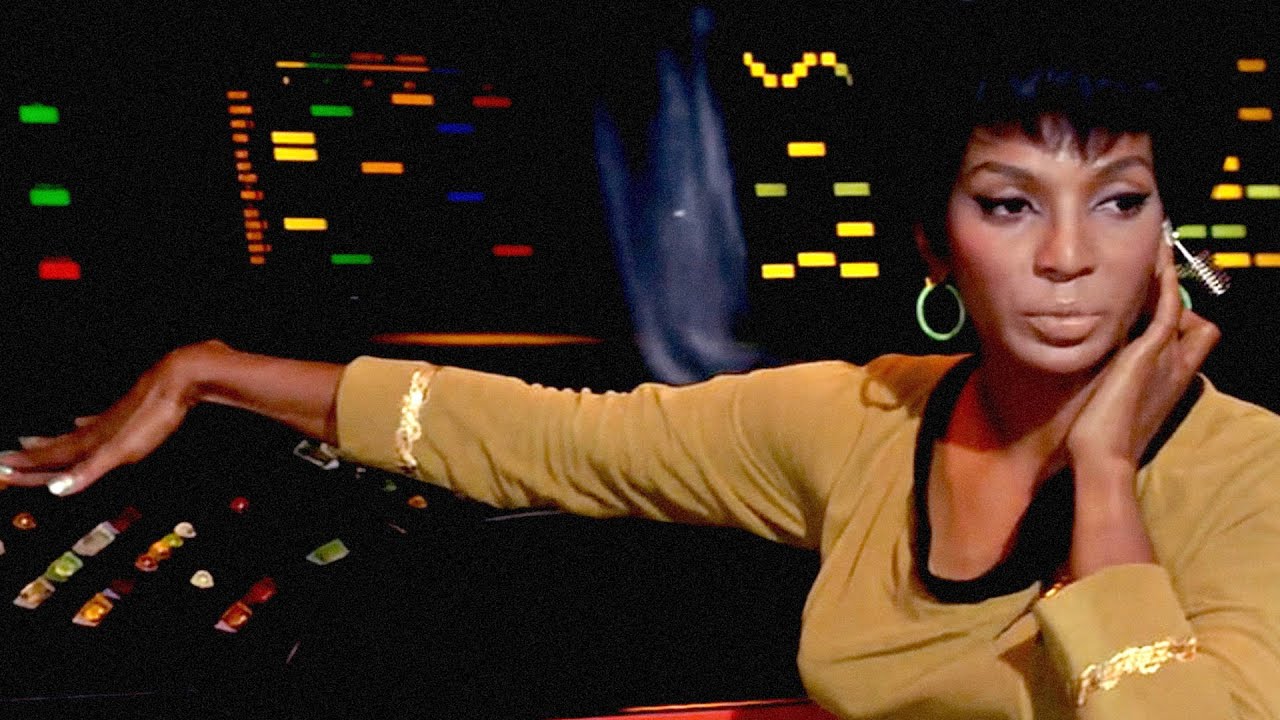
One of the first interracial kisses on television aired in 1968, featuring Nichelle Nichols as Lieutenant Uhura alongside William Shatner's Captain Kirk.
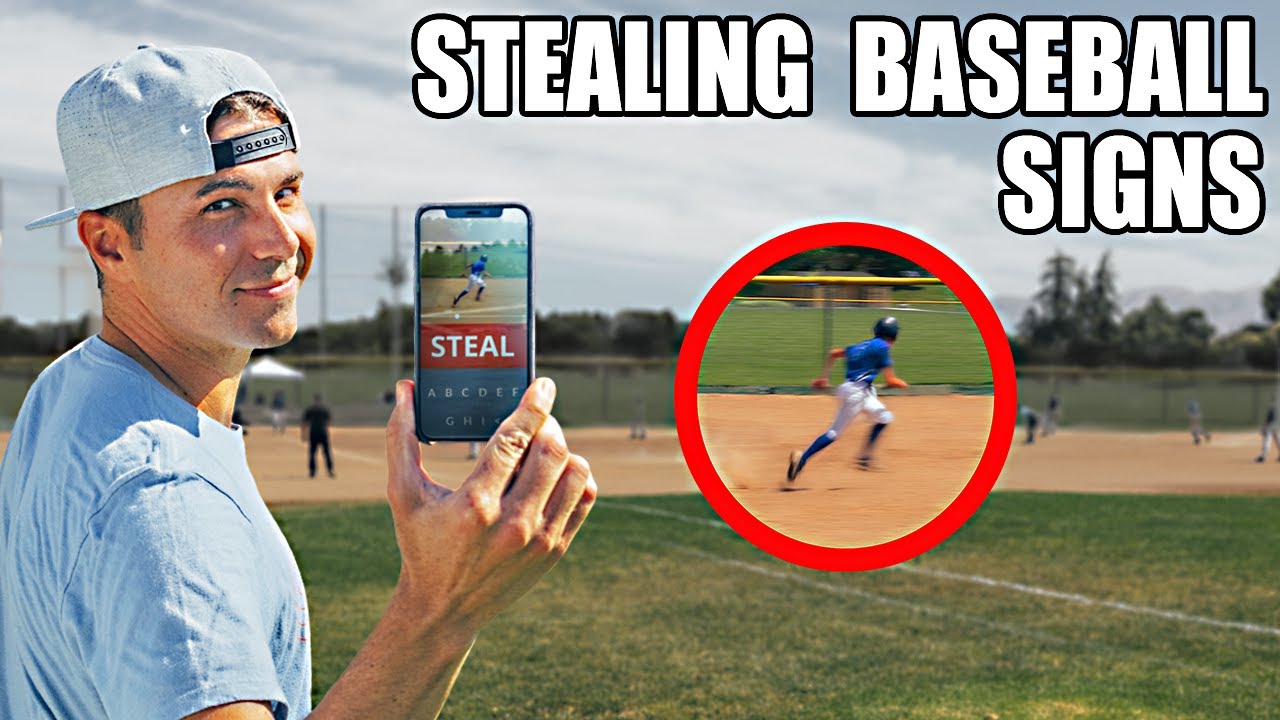
A web-based tool utilizing machine learning and artificial intelligence reveals how technology can decode baseball signs and transform the game.
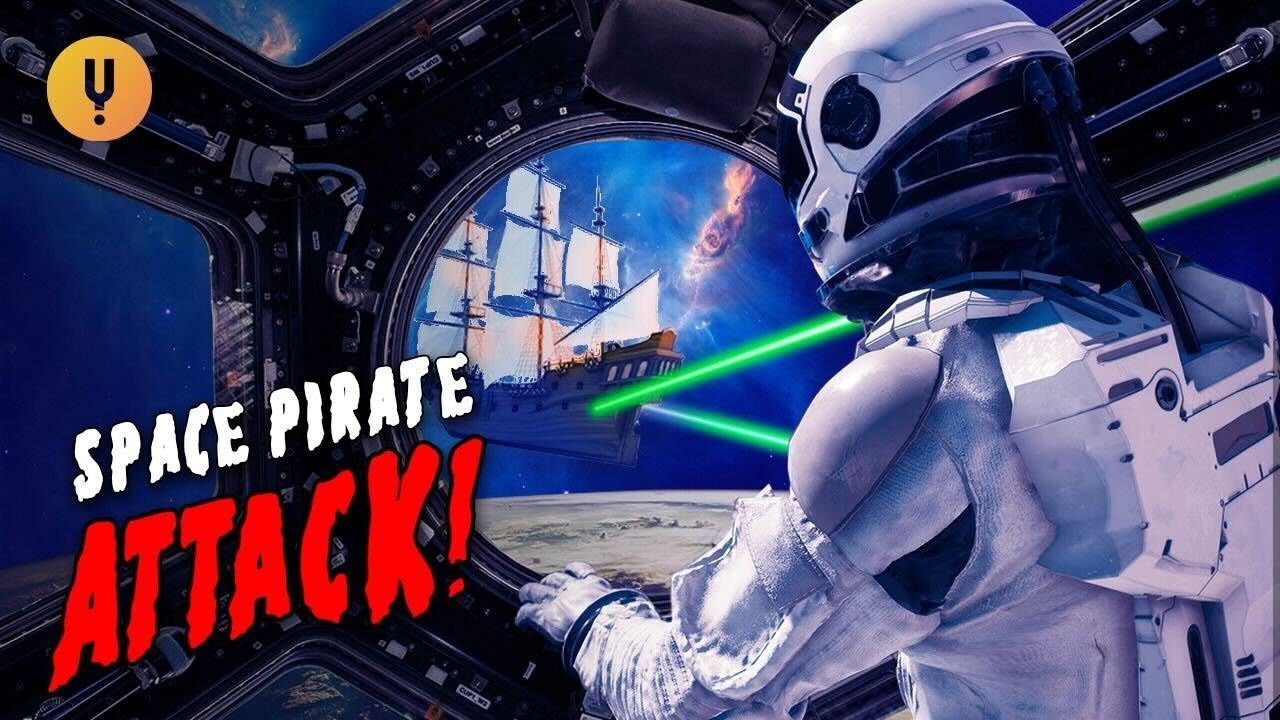
At the height of the golden age of piracy, there were at least 10,000 pirates operating worldwide, ambushing merchant ships and establishing a republic in the Bahamas.
The Crab Nebula shows unexpected brightness variations, challenging its status as a standard candle.
The Artemis I mission achieves a successful liftoff to the moon, exciting viewers worldwide.
Tad Friend discusses asteroids hitting Earth and planetary defense in this week's New Yorker.
Apollo 13's crew repurposes the lunar module to return safely to Earth after an emergency.
25 years and $10 billion later, the James Webb Space Telescope is set to launch from French Guiana in December to study the universe's earliest light.
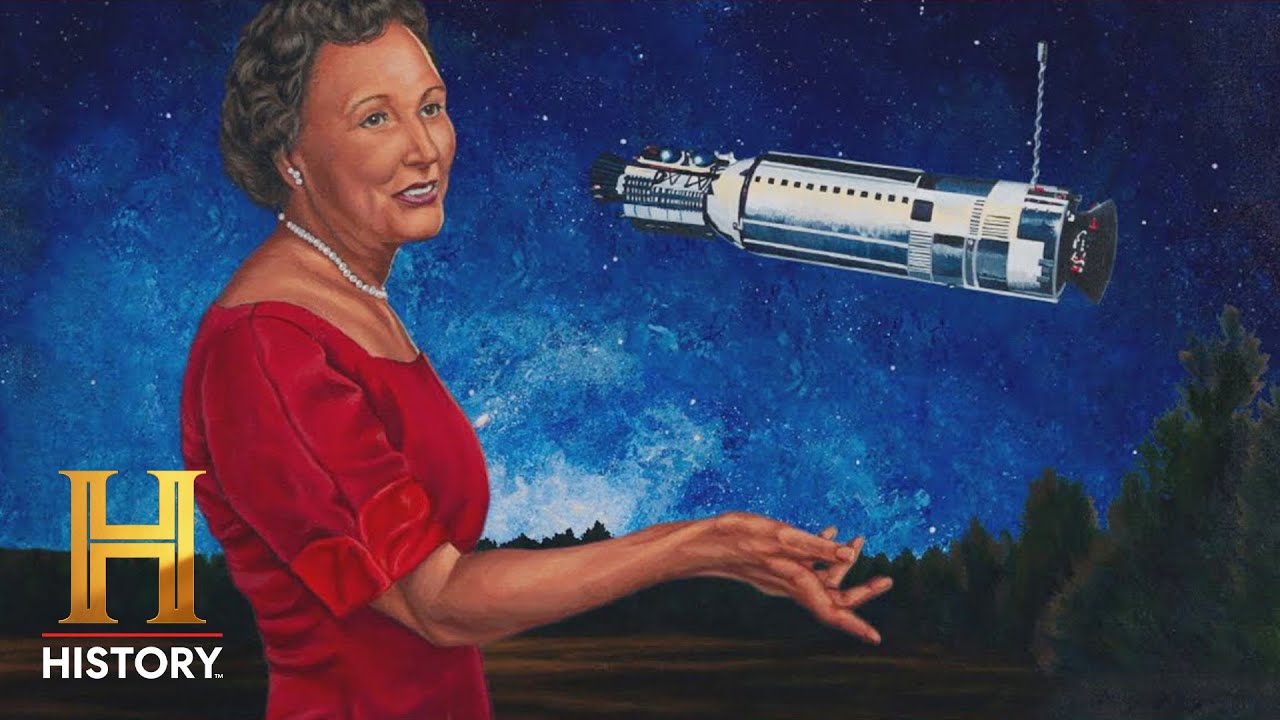
Mary Ross was the only female engineer at Lockheed Skunk Works, where she calculated the feasibility of ballistic missiles during the Cold War.
Wernher von Braun, a Nazi scientist, aids Americans in rocket technology after WWII.
NASA's lunar rover design in the 1960s relies on guesswork and innovation for the Apollo mission.
NASA’s MAVEN spacecraft studies Mars' atmosphere and its history of water flow.
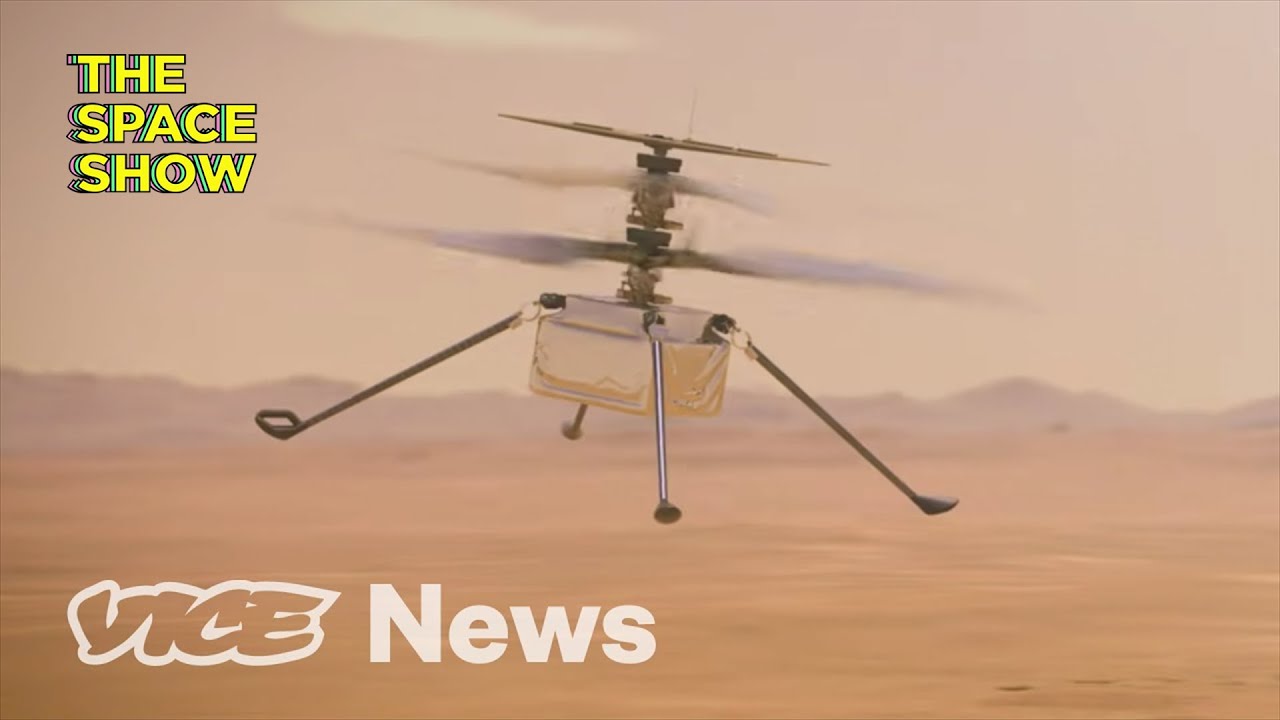
NASA's Ingenuity helicopter, weighing about four pounds with four-foot-long blades, prepares for the first powered flight on Mars, over 160 million miles from Earth.
48 individual galaxies are observed simultaneously by the James Webb Space Telescope, revealing new details about cosmic interactions and star formation.
Dr. Farouk el-Baz, an Egyptian American, helps NASA with the Apollo program and lunar studies.
Hubble Space Telescope reveals new details about the complex structure of the Ring Nebula.
NASA seeks companies to mine the moon, while people buy lunar land deeds online.
Neil Armstrong manually controls Apollo 11's lunar module to land on the Moon after a misdirection.
The National Air and Space Museum features the Space Shuttle Discovery and Pam Melroy's scrunchie.
Skepticism surrounding the Apollo 11 moon landing on July 20, 1969, is examined through viewer comments questioning the authenticity of the historic event.
In Phoenix, Arizona, a mass UFO sighting in 1997 captivated thousands of witnesses, raising questions about the nature of these unexplained phenomena.
NASA's images show the moon's crust stretching, revealing recent geological activity.
Voyager 1 became the only spacecraft to travel beyond the solar system and into interstellar space, now nearly 13 billion miles from the Sun.
A fire broke out inside the Apollo capsule during a critical test, leading to the tragic loss of three astronauts in January 1967.
NASA's study shows galaxies evolve over 8 billion years, challenging previous beliefs.
Lonnie Johnson invented the Super Soaker in 1982 while working on a stealth bomber program for NASA, holding over 100 patents in total.
Apollo 8 astronaut William Anders captures the iconic 'Earthrise' photo during the space race.
NASA's new exploration vehicle enhances astronaut mobility for missions to Mars and beyond.
The pregnant guppy is the only plane that transported NASA rockets for the Apollo missions.
Next week, an Ariane 5 rocket will scream skyward with the James Webb Space Telescope on board.
The Hubble Space Telescope reveals galaxies billions of light years away with new star formations.
Dust devils form on Earth and Mars, visible due to the dust they lift from the ground.