Skylab High School in Space
Synopsis
Skylab's three missions conducted a series of scientific experiments, including studies of the universe and human cells, from 1973 to 1974.
Synopsis
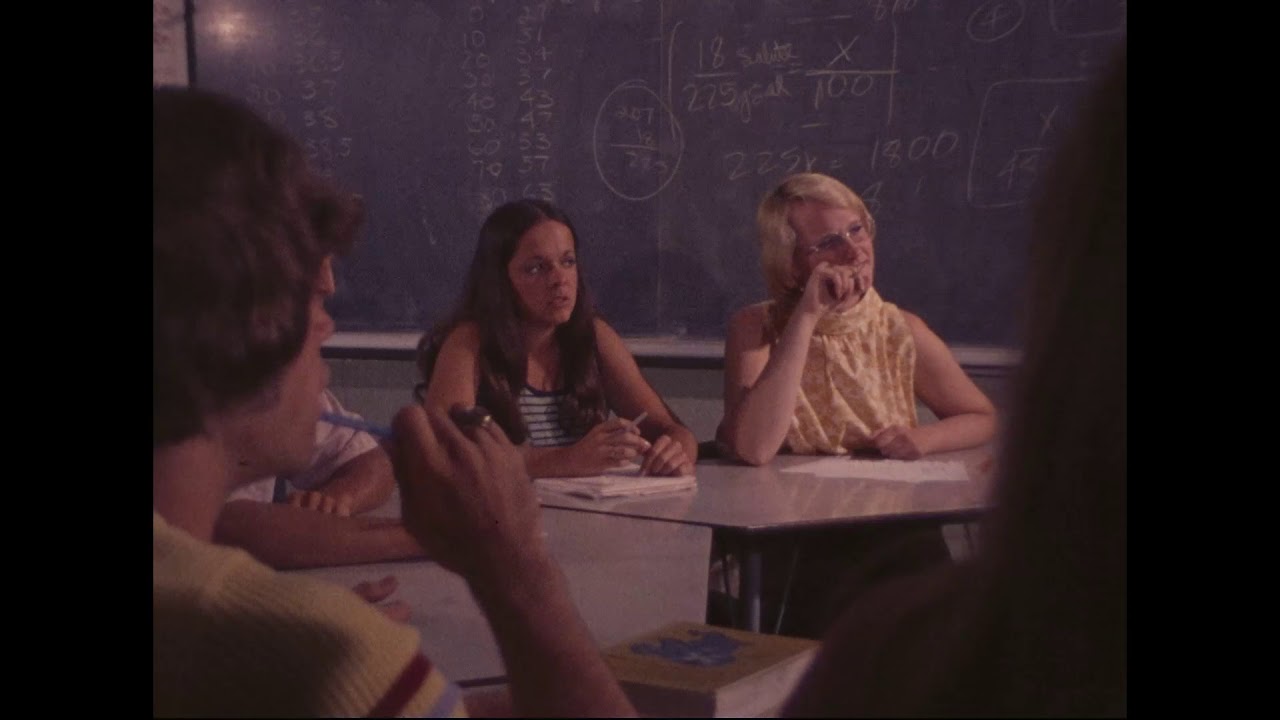
Dr. William R. Lucas reflects on the evolution of high school science education, contrasting his own experience with the opportunities available to today's students. The documentary details how Skylab, the United States' first space station, transformed science learning by providing real-time experiments from space. Students engage with demonstrations on topics like fluid mechanics and zero gravity, facilitated by NASA's educational outreach. As Skylab's missions concluded in the 1970s, the program rapidly integrated findings into classrooms, shaping a new generation of scientists.
Deep Dive
Why Watch
- See Skylab experiments that changed science education.
- Meet Dr. William R. Lucas and hear his perspective.
- Find out how Skylab influenced modern high school science.
Did You Know
- Skylab's three missions allowed for long-term work in space.
- High school science students could observe Skylab experiments within months of the program's end.
- Dr. William R. Lucas attended high school 35 years before the documentary was made.
Perfect For
Frequently Asked Questions
What advancements have high school science students made compared to 30 years ago?
High school science students today have access to much more information and diversified fields of application than those 30 years ago.
What was the impact of Skylab on high school science education?
Skylab allowed high school students to observe science demonstrations from space, which were designed for classroom use and circulated by NASA.
What types of experiments were conducted on Skylab?
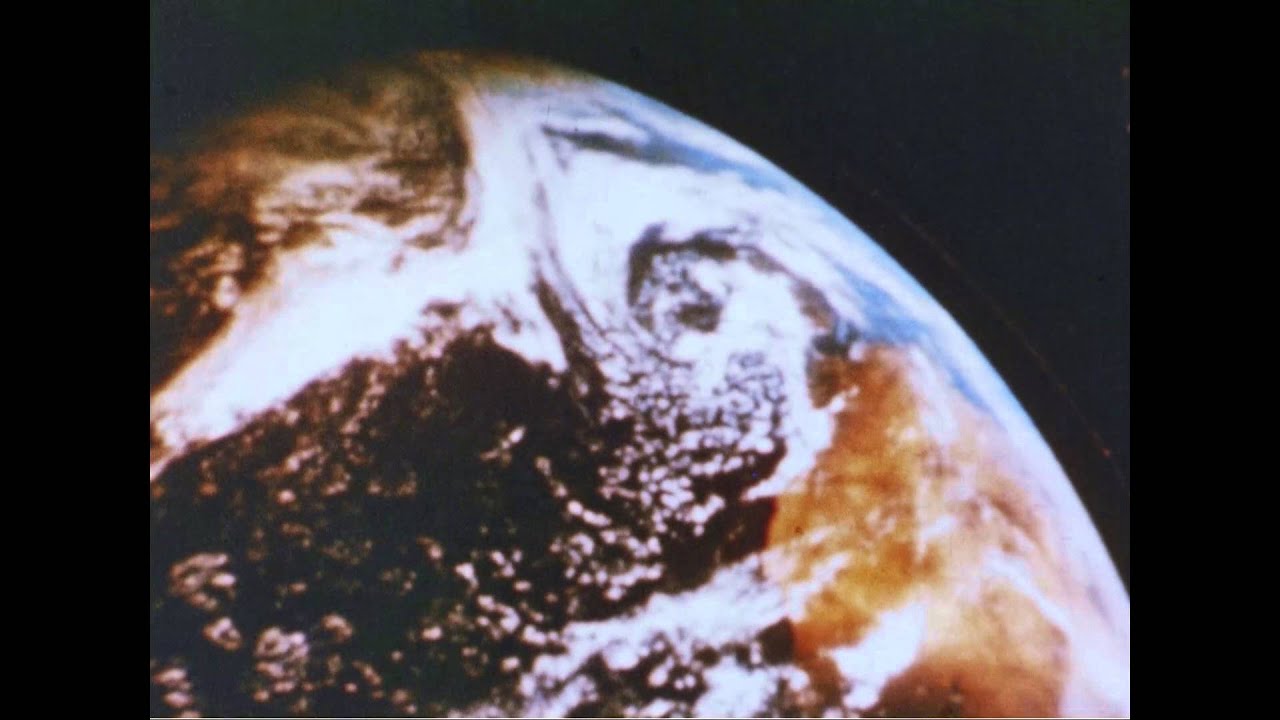
Skylab conducted a series of scientific experiments ranging from the nature of the universe to studies of Earth and the structure of a single human cell.
What are people saying?
Play More Like This


Where else to watch
Browse more like this

Related Films
Is this your film?
If you made this film or hold the rights to it, we'd like to talk. We can license it and pay you a share of what it earns.
Comments