From over 100,000 films, discover the handful you'll love.
Free or premium access to the world's largest documentary library.
405 films(Page 7 of 9)
NASA's James Webb Telescope visualizes star formation in the Eagle Nebula's dense clouds.
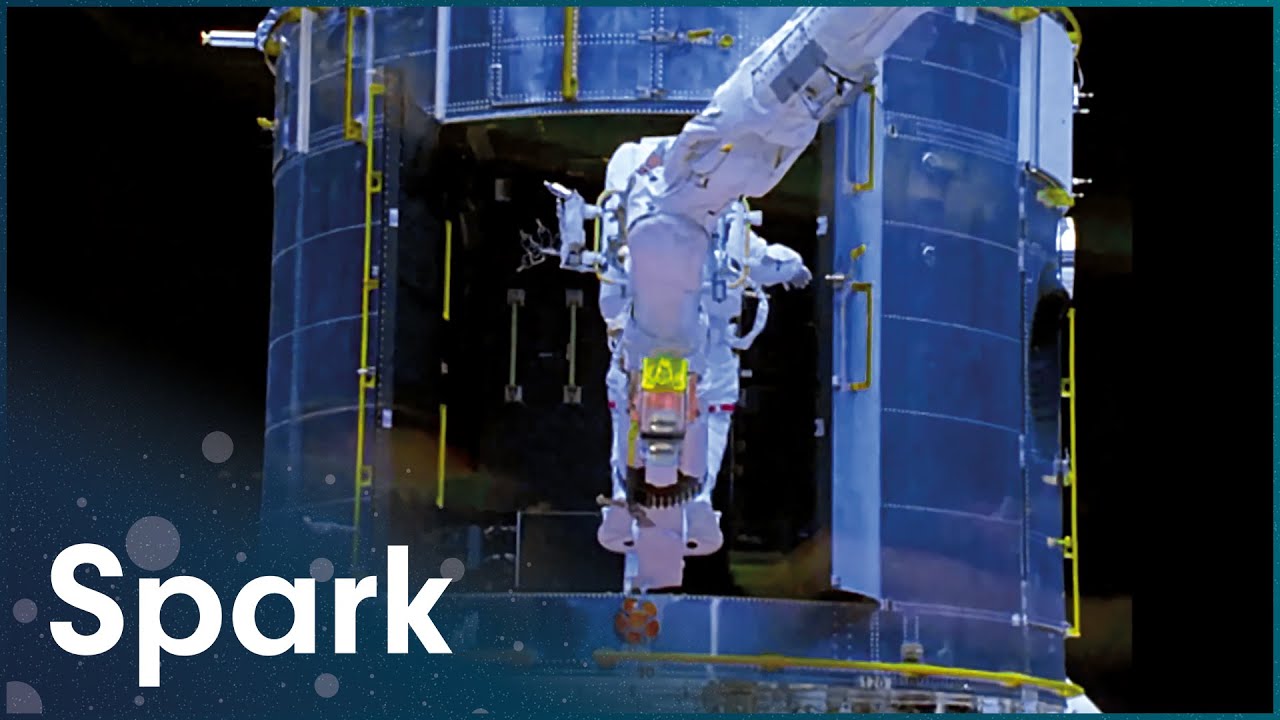
In May 2009, Atlantis completed five spacewalks to refurbish the Hubble Space Telescope, restoring its functionality after years of critical repairs.
The Hubble Legacy Field reveals one of the most important images in human history.
Hubble Space Telescope marks 25 years of revealing the Universe's secrets with stunning images.
Hubble Space Telescope engages in ambitious projects to enhance astronomical data collection.
Hubble reveals key discoveries about Pluto before New Horizons' flyby in July 2015.
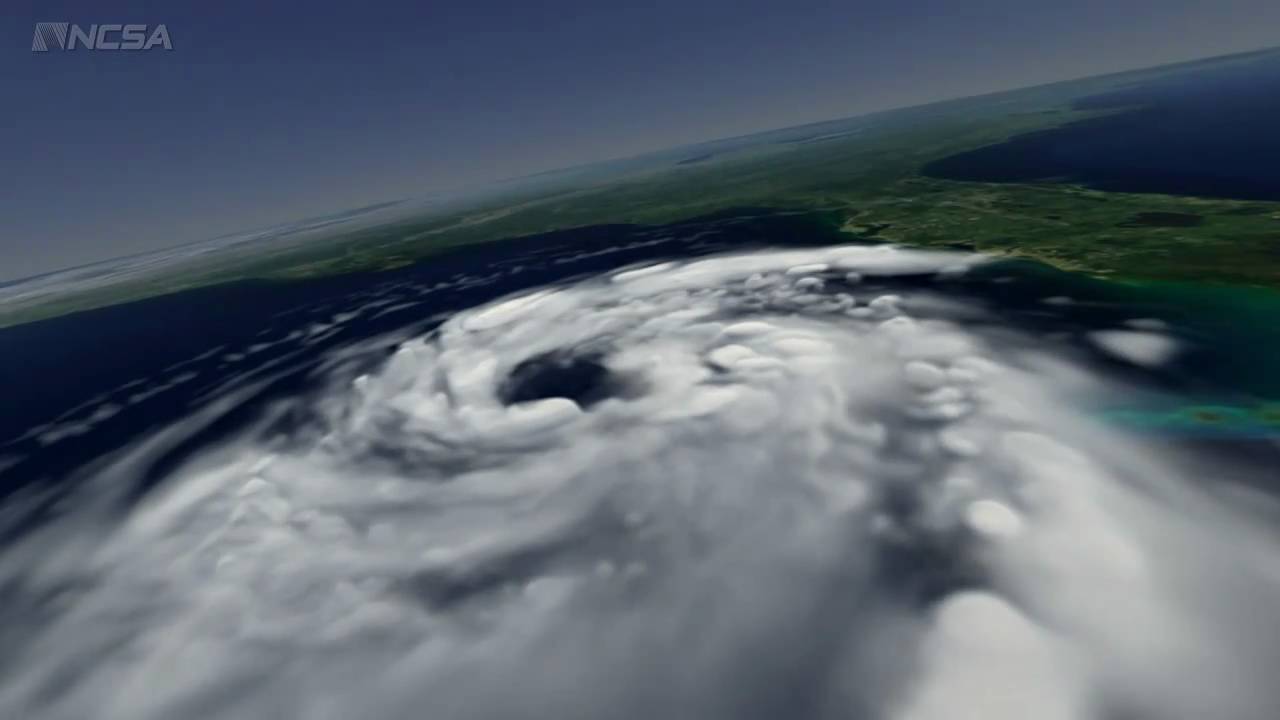
Hurricane Katrina's peak intensity in 2005 is visualized through a computer simulation created by the Advanced Visualization Lab at the University of Illinois.
Hydrogen is hailed as a future fuel that could reduce reliance on fossil fuels.
Cassini reveals possible ice volcanoes on Titan, resembling those on Earth.
An Indian amateur astronomer locates the Vikram lander crash site nearly three months after its loss.
Nora AlMatrooshi and Mohammed Al Mulla train with NASA for future space missions.
The International Space Station has been occupied since the year 2000, serving as a hub for scientific research and international collaboration in space.
NASA's decision to launch the Challenger on January 28, 1986, despite concerns about O-ring failure, exemplifies the normalization of deviance in high-risk environments.
NASA's Kepler telescope has identified thousands of exoplanets, with one in five potentially capable of supporting life.
NASA studies Mars' inhospitable conditions and prepares for human exploration challenges.
Mars Express has been operational for 20 years, providing critical data on the Martian surface and atmosphere.
Images from the Mars Reconnaissance Orbiter's HIRISE camera reveal frost patches and crater floors, showcasing the collaboration between NASA, JPL, and the University of Arizona.
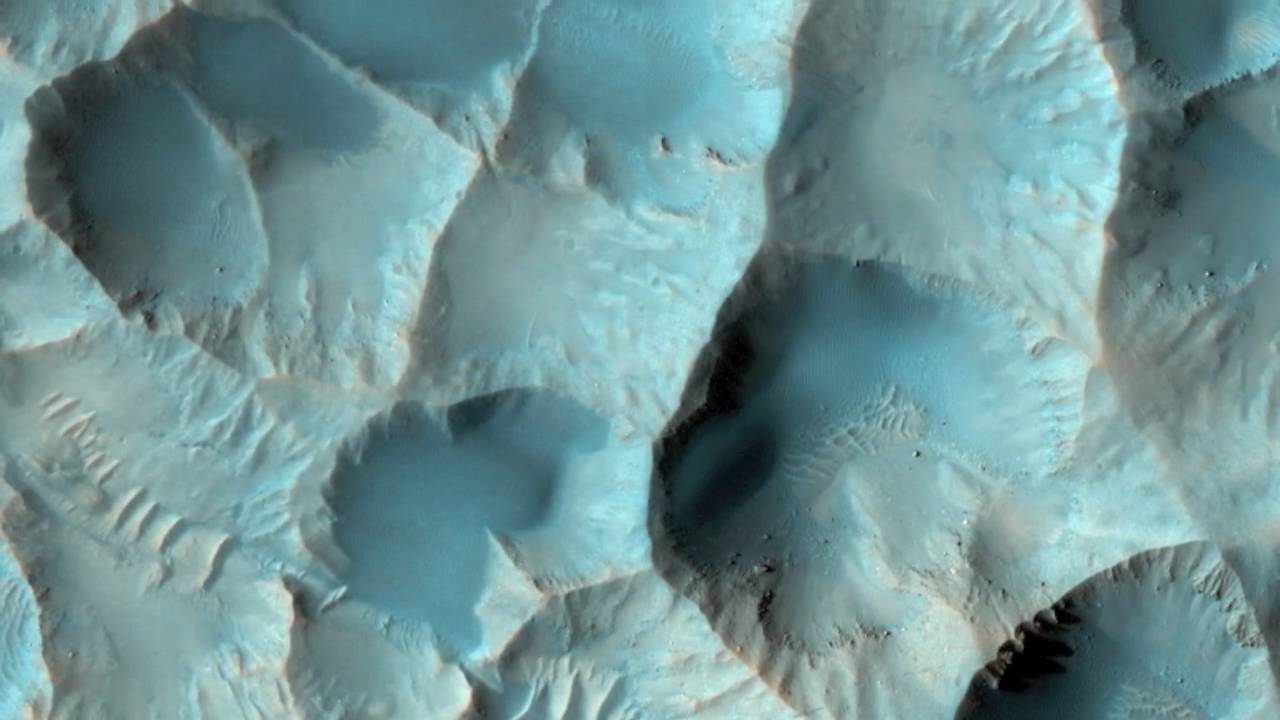
Mars Reconnaissance Orbiter's HiRISE camera captures high-definition images that reveal the intricate geological features and vibrant landscapes of the Red Planet.
Charlie Bolden, former NASA chief, advocates for Mars exploration, highlighting its significance for understanding the solar system and the need for ongoing investment in space technology.
NASA's rover Opportunity, initially intended for a nine-month mission, has spent over six years exploring Mars, analyzing craters and rocks.
A $125 million Mars climate orbiter disintegrated in 1999 due to a simple unit conversion error, illustrating the risks of space exploration.
The Mars rover Opportunity operates for Nine Years, exploring Endeavour Crater's geology.
Mars Odyssey, operational since 2001, has mapped the planet and detected hydrogen, leading to the confirmation of frozen water by NASA's Phoenix mission in 2008.
The HIRISE camera on the Mars Reconnaissance Orbiter captures unusual volcanic and impact features on Mars, showcasing unique shapes and patterns.
A discovery made on St. Patrick's Day reveals Mars' vulnerability to solar activity.
NASA and private companies aim to send astronauts to Mars despite daunting challenges.
NASA's MAVEN orbiter shows how solar wind erodes Mars' atmosphere in real-time.
Engineers at Johnson Space Center design a Deep Space Habitat for living on Mars.
A meteor impact on the moon creates a flash 10 times brighter than previous NASA observations.
NASA analyzes the meteor explosion over Chelyabinsk, Russia, on February 15, 2013.
The US and China aim to establish permanent bases on the Moon, creating a new lunar economy.
The moon's rare earths and Helium 3 present lucrative opportunities for future mining ventures.
Astronauts capture a mysterious object near the International Space Station in December 1998.
Scientists narrow the search for dark matter using NASA's Fermi Gamma-ray Space Telescope.
NASA confirms InSight probe's touchdown on Mars, celebrating with music and applause.
Saturn 5 engines missing their serial numbers are restored for public display after recovery.
NASA's Kepler telescope observes Neptune's rotation and cloud movements in this video.
NASA Astrophysics reveals gamma-ray bursts are the universe's brightest explosions.
75% of the samples collected from asteroid Bennu will be archived for future analysis by scientists.
Oumuamua, the first known interstellar object to pass through the Solar System, has sparked debates among scientists regarding its origins and implications for extraterrestrial life.
Watch as a paint-filled showdown unfolds in a pure white room, featuring epic battles and creative chaos!
Watch as an inventive creator brings a long-held dream to life with jaw-dropping card-throwing tricks!
NASA makes an astonishing discovery about Yellowstone in Season 1, Episode 6, 'Killer Finds.'
NASA's Fermi Gamma-ray Space Telescope detects a young pulsar in NGC 6624's hidden depths.
Ray Bradbury shares insights at Caltech during the Mariner 9 launch in 1971.
A NASA scientist recreates Frank Malina's historic WAC Corporal rocket launched in 1945.
SpaceX's launch sent four astronauts to the ISS, highlighting social issues back on Earth.
Two million people in southern Sudan depend on United Nations aid due to famine and violence linked to tribal conflicts and civil strife.