From over 100,000 films, discover the handful you'll love.
Free or premium access to the world's largest documentary library.
405 films(Page 2 of 9)
Twelve Americans walked on the moon during six successful Apollo missions, marking a significant achievement in the Cold War space race.
On January 31, 1961, a four-year-old chimpanzee named Ham launched into space aboard a Mercury Redstone rocket, marking a milestone in the space race.
More than 100 astronauts have lived and worked on the International Space Station since 2000, conducting research under unique conditions.
NASA's Parker Solar Probe investigates unpredictable solar storms threatening our power supply.
Katherine Johnson was born on August 26, 1918, and her mathematical skills were crucial to NASA's early manned space flights and the Space Shuttle program.
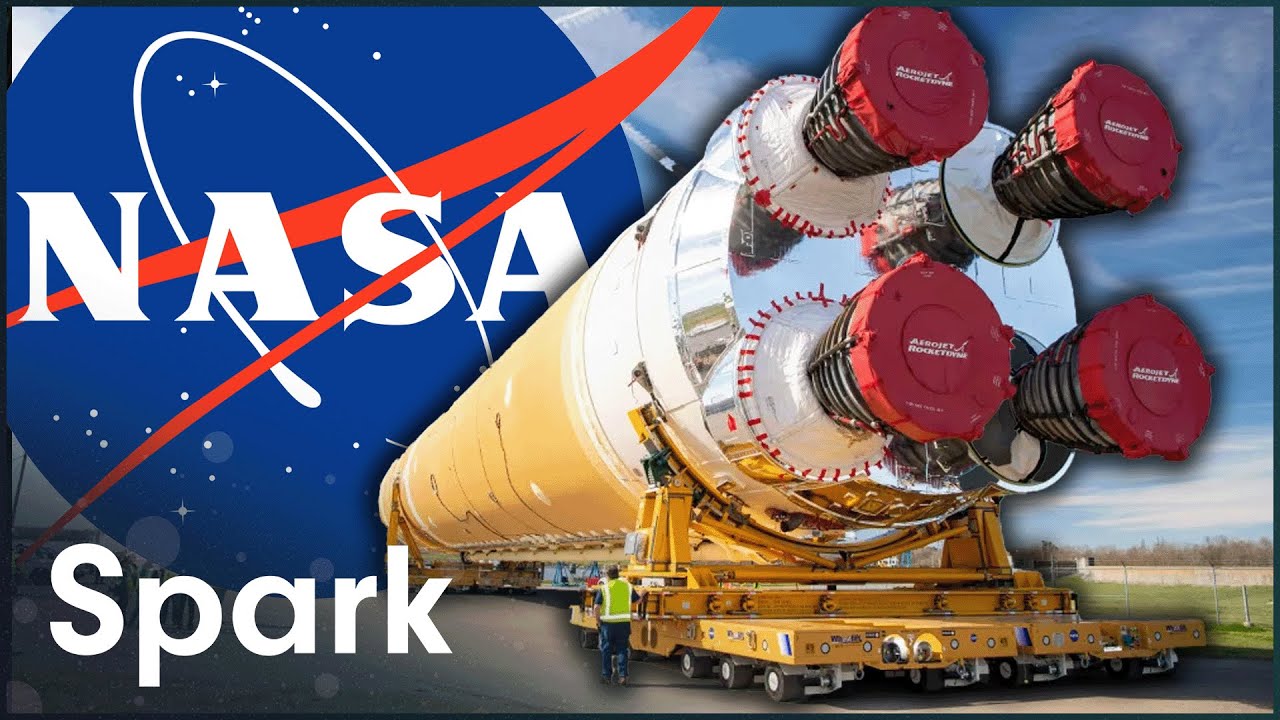
The SLS is designed to advance human space exploration and support the Artemis program.
On July 17, 1975, one billion viewers watched as American astronaut Thomas Stafford and Soviet cosmonaut Alexey Leonov shook hands in space.
A barn-size UFO aggressively approaches a teenager hitchhiking, while a retired French engineer encounters a crashed flying saucer that emits a high-pitched whistle.
As global temperatures rise, tornadoes are increasingly striking densely populated areas outside Tornado Alley, posing greater risks to communities and industries.
US Air Force pilots recount encounters with a 60-foot metallic UFO, while a police constable describes a beam of light from a mysterious crash site.
Asteroid mining is emerging as a potential solution to the demand for rare metals, with Luxembourg positioning itself as a financial hub for space operations.
Comets, asteroids, and meteoroids, remnants from the solar system's formation, pose both scientific interest and potential danger to Earth.
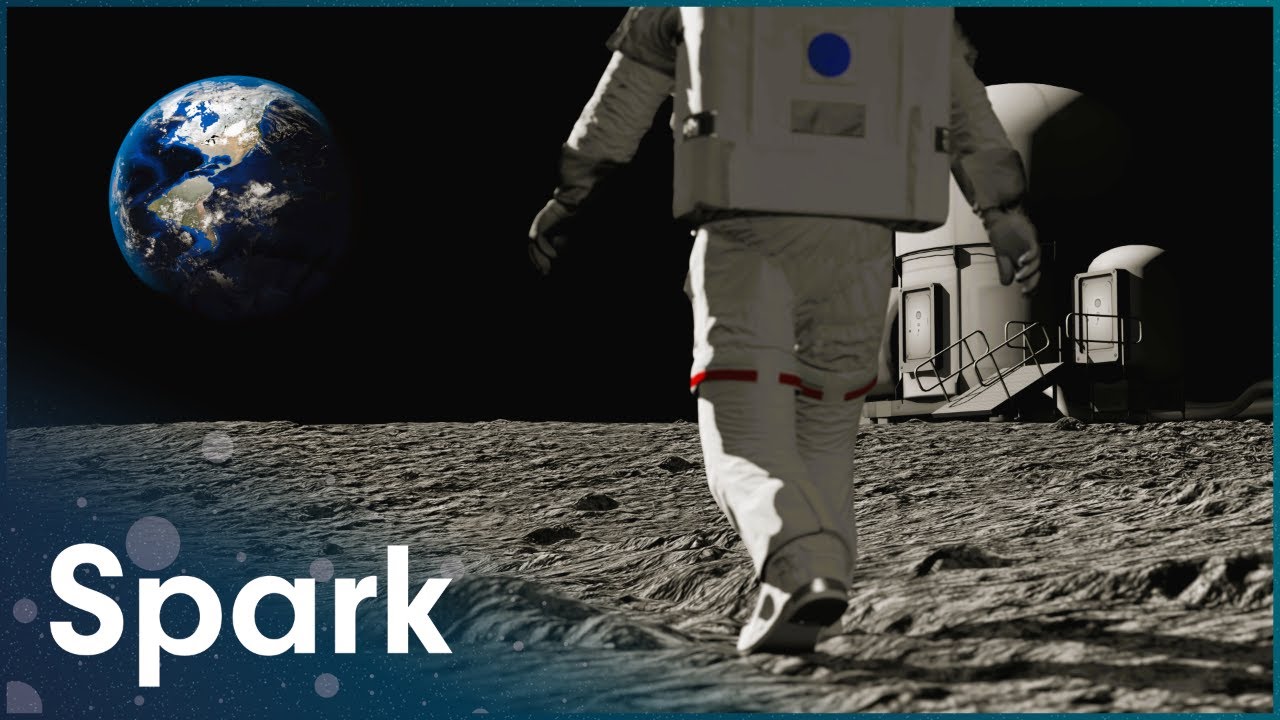
Twelve astronauts walked on the moon during the Apollo program, conducting scientific studies that provided new insights into the lunar surface.
Carp, Ontario, has gained notoriety as a UFO hotspot, raising questions about the legitimacy of sightings and the mysterious entity known as Guardian.
Countless UFO sightings reported globally each year include a select few that remain unexplained, captivating experts and researchers from Alberta to Australia.
In rural Australia, a farmer encounters a mysterious 25-foot-wide object emerging from a swamp, while similar phenomena occur in New Mexico and Germany.
Seventy-five years of UFO encounters are examined through expert analysis, revealing the interplay of government disinformation, cultural beliefs, and technological secrecy.
In Texas, residents report a series of mysterious flashing lights on New Year's Eve, while a French doctor claims an alien craft healed his injury without contact.
In Missouri, a group of 500 residents reports sightings of bright lights and strange crafts, while a cigar-shaped object targets a family in Nova Scotia.
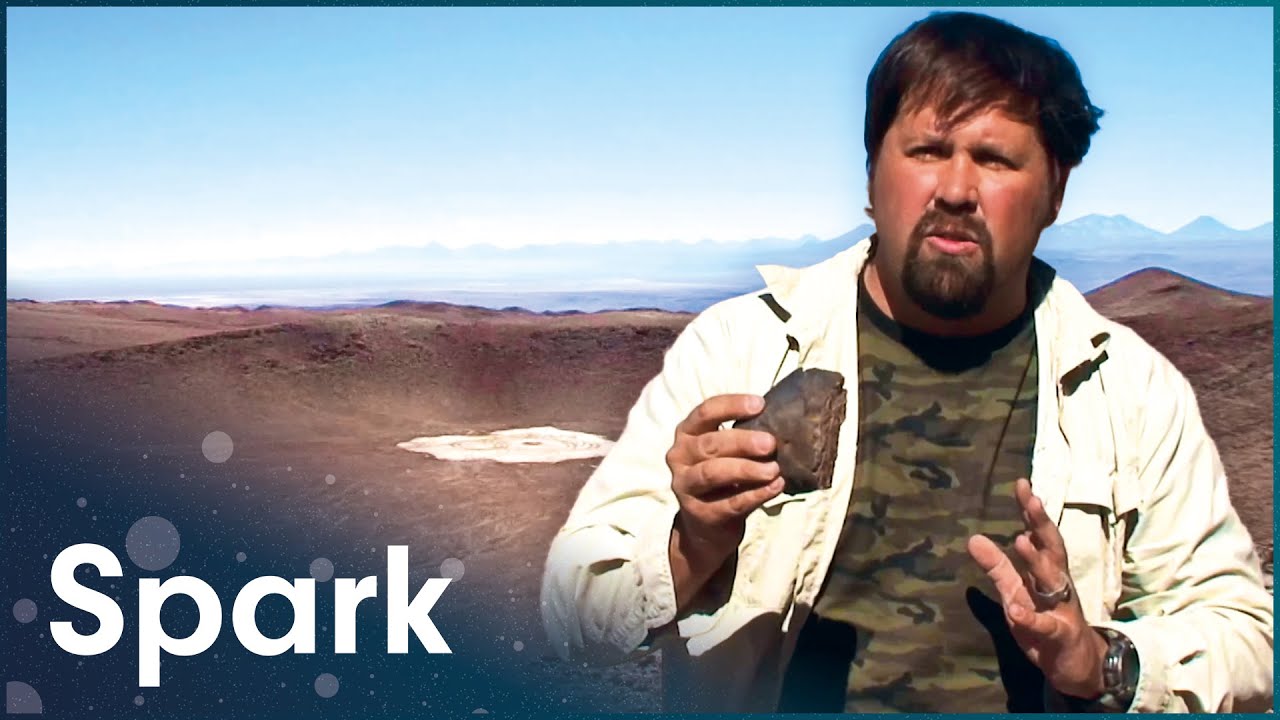
Steve Arnold and Jeff Knockin find 32 meteorites in the Atacama Desert, including a new L5 chondrite, during their expedition to the Monturaqui Crater.
Survivors from Japan, Thailand, Indonesia, and California recount their experiences with devastating tsunamis and explore the various causes and protective measures.
Saskatchewan crop circles, a Hudson Valley wave of sightings, and a low-flying saucer that kills plants highlight a series of unexplained UFO phenomena.
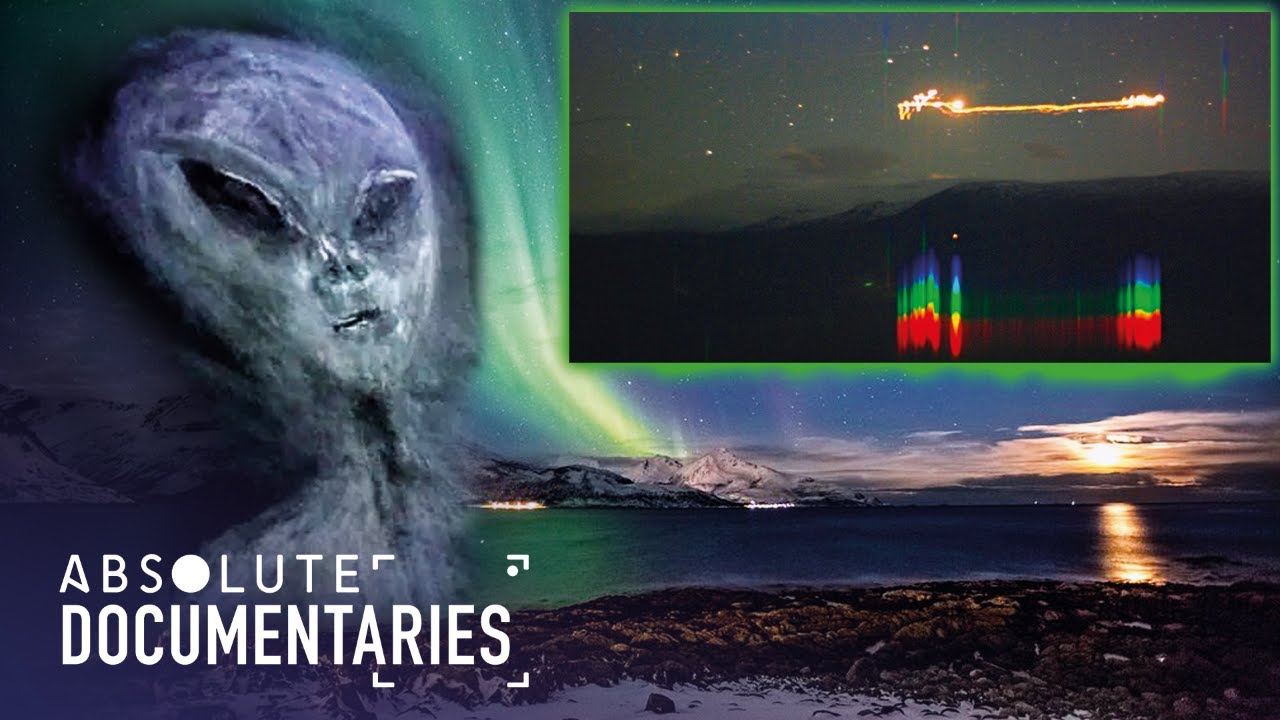
For almost 20 years, people in a Norwegian valley have reported strange lights hovering near them, sparking ongoing investigations into their origin.
A four-year-old chimpanzee named Ham became the first primate to travel into space on January 31, 1961, aboard a Mercury Redstone rocket.
NASA's James Webb Space Telescope aims to enhance understanding of cosmic phenomena and improve strategies for planetary defense against asteroid threats.
NASA's Phoenix Lander successfully touched down on Mars on May 25, 2008, to search for signs of water and the potential for life on the planet.
On February 20, 1962, John Glenn completed three orbits of the Earth in a mission that lasted four hours and 56 minutes aboard Friendship 7.
Recurring UFO sightings in locations like Norway and the Pacific Ocean raise questions about the intentions of these phenomena and their impact on eyewitnesses.
3,700 known exoplanets have been identified, yet no signals indicating extraterrestrial life have been detected in nearly 60 years of searching.
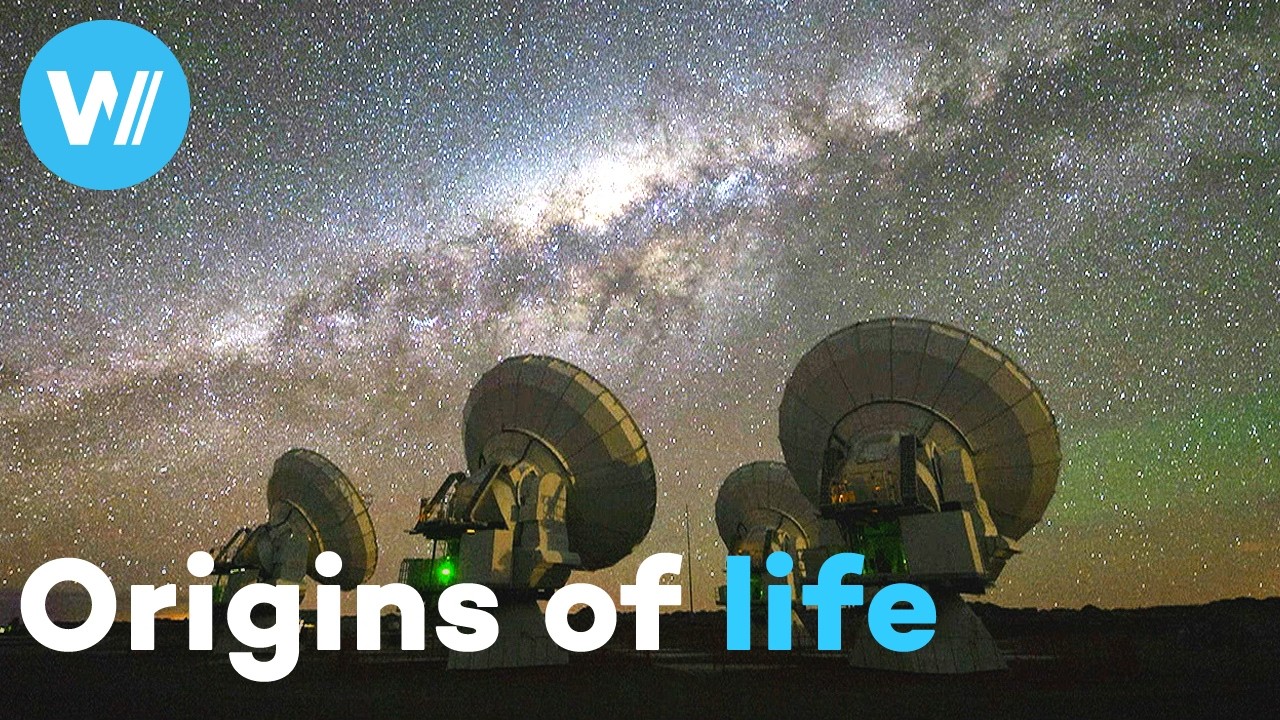
The Milky Way's beauty serves as a backdrop for exploring cosmic wonders and the potential for life across the universe's vast expanse.
Three competing theories about the moon's origins emerged during the space race, each tested by unmanned lunar probes launched by the United States and the Soviet Union.
Survivors of deadly tornadoes in Oklahoma, Kentucky, and Alabama share their experiences alongside scientists developing technology to predict tornado formation.
Aboard the International Space Station, French astronaut Thomas Pesquet and his colleagues conduct experiments to prepare for future long-duration missions to Mars.
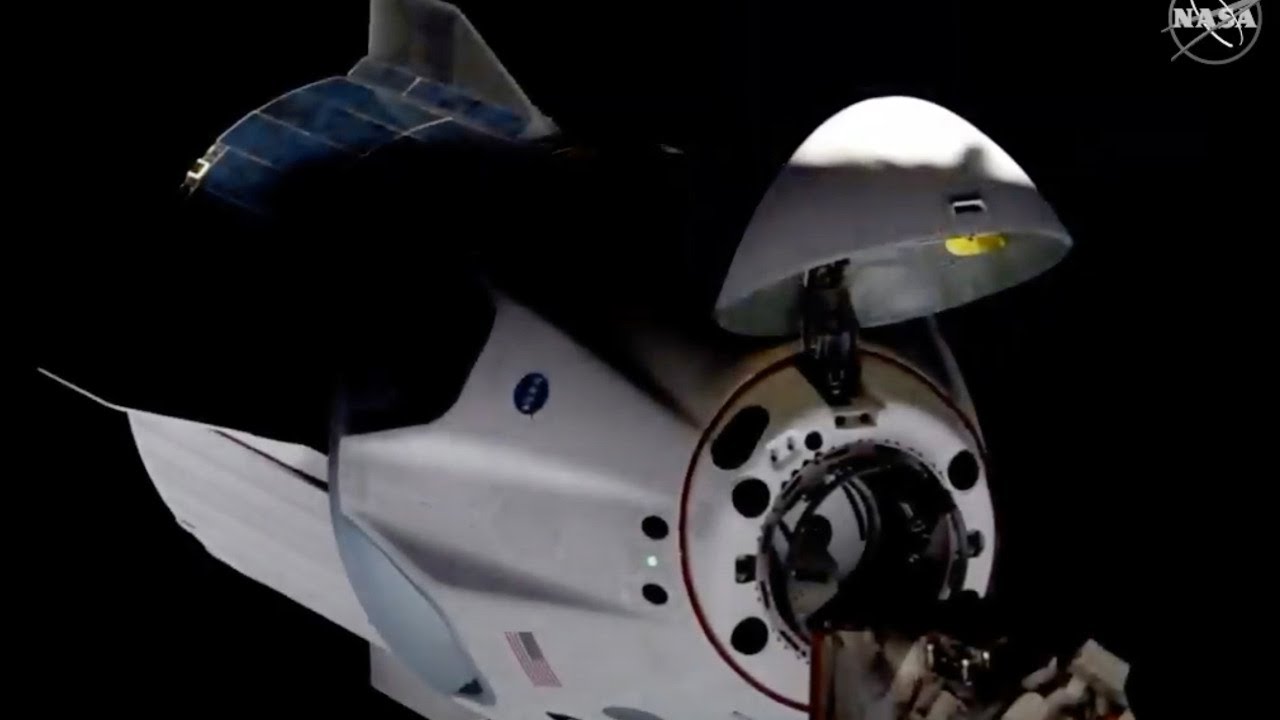
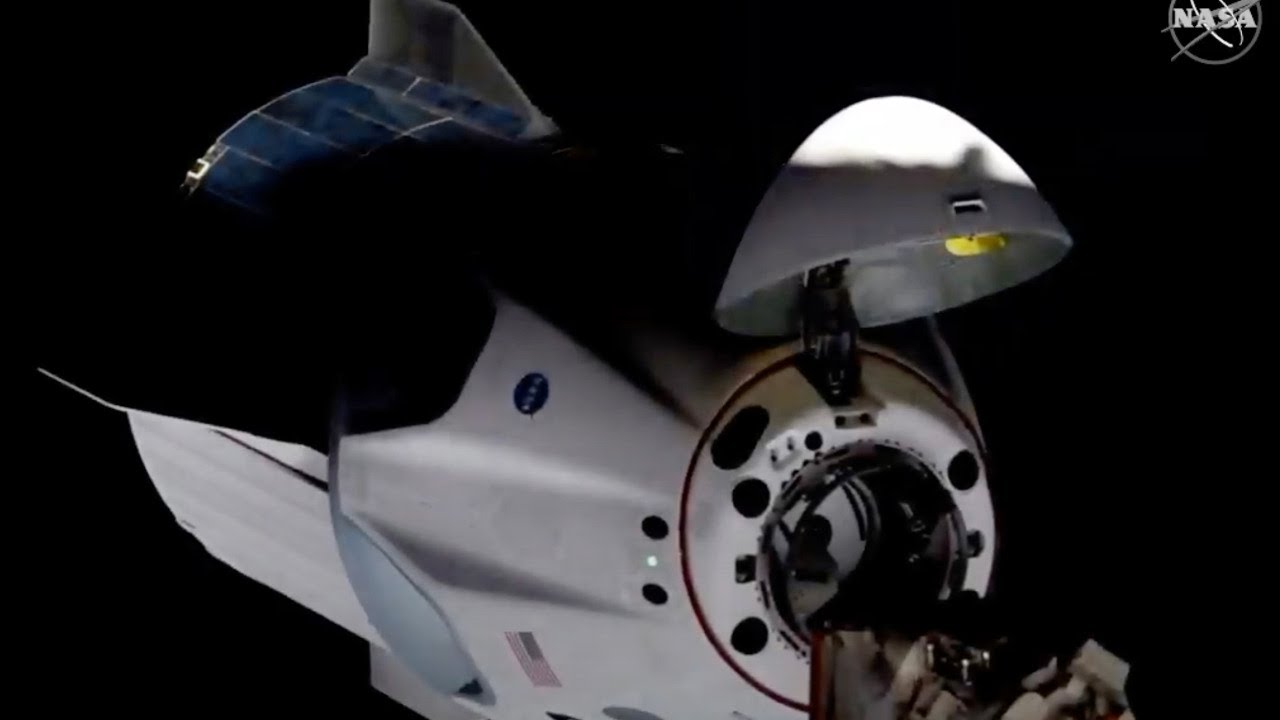
NASA astronauts Doug Hurley and Bob Behnken returned to Earth in a SpaceX Dragon capsule, completing a historic test flight with a splashdown in the Gulf of Mexico.
On October 4, 1957, the Soviet Union launched the first man-made satellite, marking the beginning of the Space Age and prompting the creation of NASA.
The first permanent settlers of Mars arrive to self-building habitats that produce air, water, and food for future generations born on alien planets.
The "Sentinel 6 Michael Freilich" satellite, launched by SpaceX from California, aims to enhance ocean observation and measure sea level rise.
UFO abductions are explored through the harrowing first-hand accounts of experiencers who face psychological and physical effects, alongside societal ridicule.
The Rosetta mission, launched by the European Space Agency, successfully landed on comet 67P/Churyumov-Gerasimenko to study the origins of the solar system and life.
Mass UFO sightings, such as the Phoenix Lights and mysterious Atlantic Ocean events, raise questions about extraterrestrial contact and the physical evidence left behind.
Project Mercury, America's first manned space program, along with advancements in camera tracking and the International Space Station, highlights key milestones in space exploration.
A massive alien craft threatens a pregnant woman in Michigan and injures an Argentinian woman with a fiery blast, prompting investigations by coast guard officials.
On July 20, 1969, 600 million people watch as Neil Armstrong takes his first steps on the moon, marking a significant achievement in the space race.
NASA's New Horizons probe traveled 3.5 billion miles to send back the first close-up images of Pluto, revealing a world of unexpected complexity.
Apollo 11 achieved the first successful manned lunar landing on July 20, 1969, amid a backdrop of Cold War tensions and early American space failures.
A cylindrical object hovers over a UK teen during a dog walk, while schoolchildren recount multiple UFO sightings over three days in the 1960s.
NASA astronauts Doug Hurley and Bob Behnken returned to Earth aboard SpaceX's Crew Dragon capsule, completing a historic test flight with a splashdown in the Gulf of Mexico.
Curiosity Rover has driven over 13 kilometers on Mars, sending back images and data to aid in future human exploration of the planet.