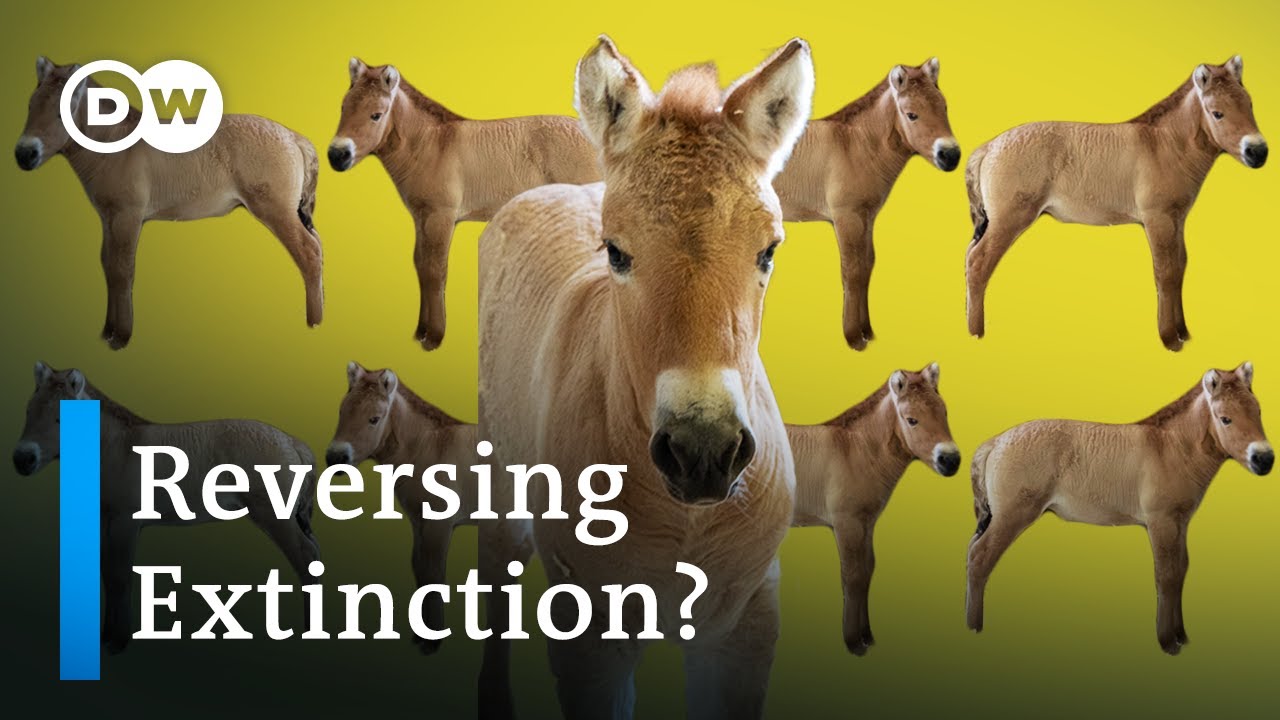
Could cloning help save biodiversity?
Synopsis
Only 12 wild ancestors remain in the gene pool of Przewalski's horses, prompting scientists to clone Kurt to increase genetic diversity.
Synopsis
Kurt, the first wild horse cloned from a frozen gene, represents a new approach to conservation. Scientists like Ben Novack from the Zoological Society of London are using cloning to increase genetic diversity among endangered species, such as the Przewalski's horse. The documentary discusses the challenges and ethical questions surrounding cloning, including the limited success of past efforts like the Pyrenean Ibex. As biodiversity loss accelerates, researchers consider whether cloning can be a viable solution to preserve ecosystems.
Deep Dive
Why Watch
- Meet Kurt, the first cloned wild horse.
- Find out how cloning can enhance genetic diversity.
- See the challenges of cloning endangered species.
Did You Know
- Kurt is the first wild horse cloned, having been dead for 22 years.
- All 2,000 Przewalski's horses alive today descend from only twelve wild ancestors.
- Less than one percent of wild clones survive after birth.
Perfect For
Frequently Asked Questions
Who is Kurt in the context of cloning?
Kurt is the first wild horse ever successfully cloned and has been dead for 22 years.
What species was cloned from an extinct sample?
The Pyrenean Ibex was cloned three years after it went extinct using an old frozen skin sample.
How many Przewalski's horses are alive today?
There are about 2,000 Przewalski's horses alive today, all descended from only twelve wild ancestors.
What are people saying?
Play More Like This





Browse more like this


Related Films
Is this your film?
If you made this film or hold the rights to it, we'd like to talk. We can license it and pay you a share of what it earns.
Comments