From over 100,000 films, discover the handful you'll love.
Free or premium access to the world's largest documentary library.
7951 films(Page 74 of 166)
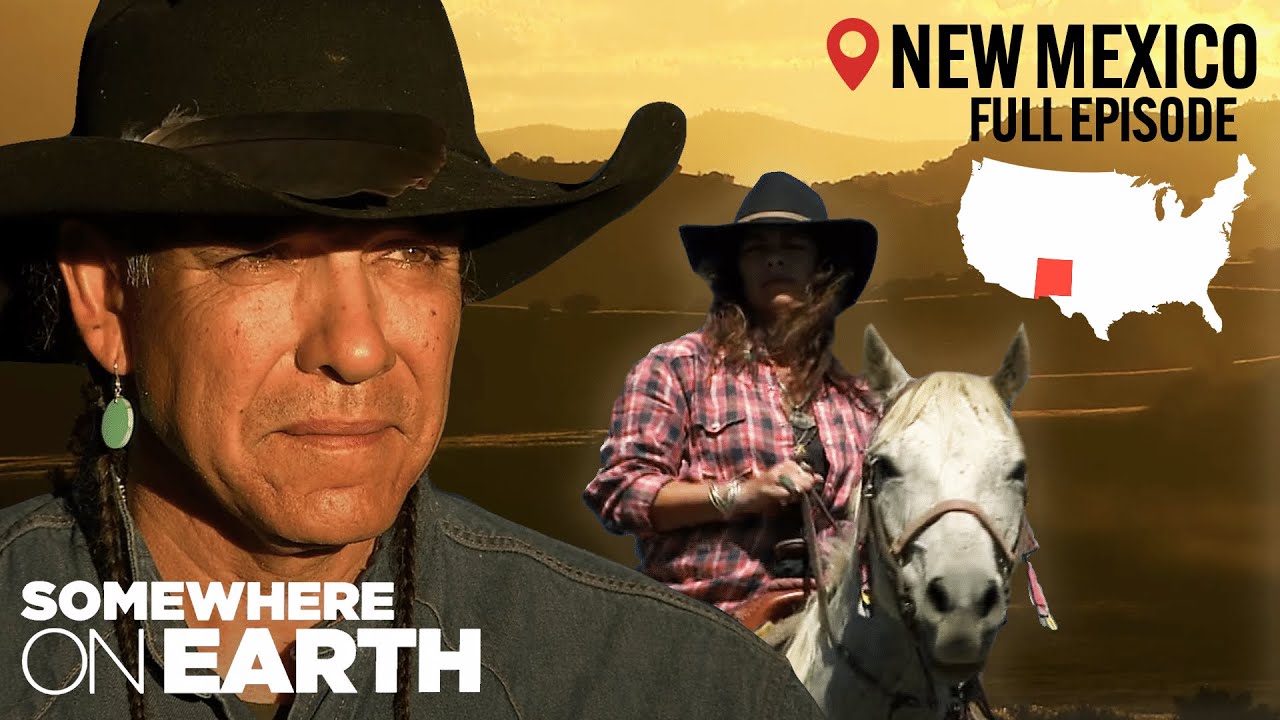
New Mexico, a vast and sparsely populated state, showcases the lives of individuals like Sarah, James, and Kristi as they connect with its stunning landscapes and rich heritage.
During an exceptionally harsh winter at a wildlife shelter, a bear cub suffers a severe injury while moose calves face bullying and predation, leading to one calf's disappearance.
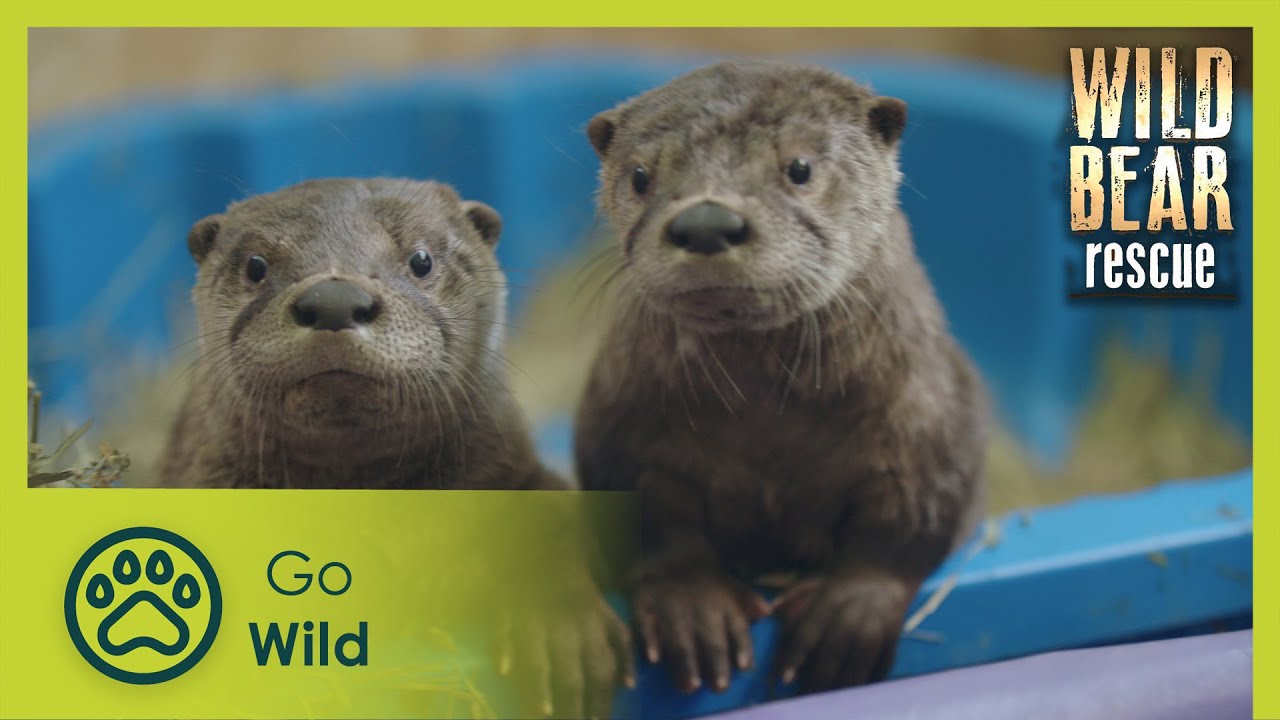
Leto, a yearling bear, must gain thirty-four pounds in three weeks under volunteer Sally's care, while otters Buddy and Honey learn to catch fish before their release.
Around the Masaya Volcano in Nicaragua, diverse wildlife and vegetation struggle to thrive amidst the challenges posed by volcanic activity and toxic gases.
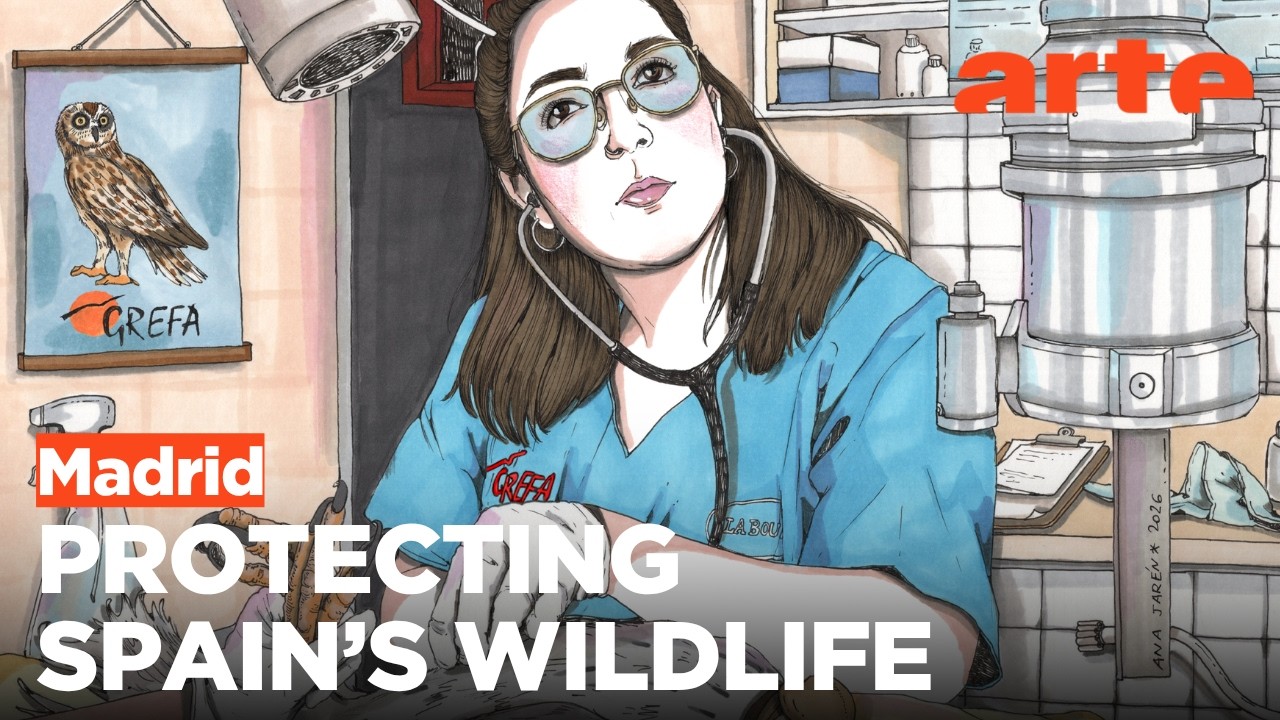
In the hills above Madrid, Grefa operates the largest wildlife hospital in Europe, treating over 10,000 animals annually for rehabilitation and release.
William Canning's 1973 film highlights the natural beauty and wildlife of the Canadian Rockies and Garibaldi Park, stressing the need for conservation.
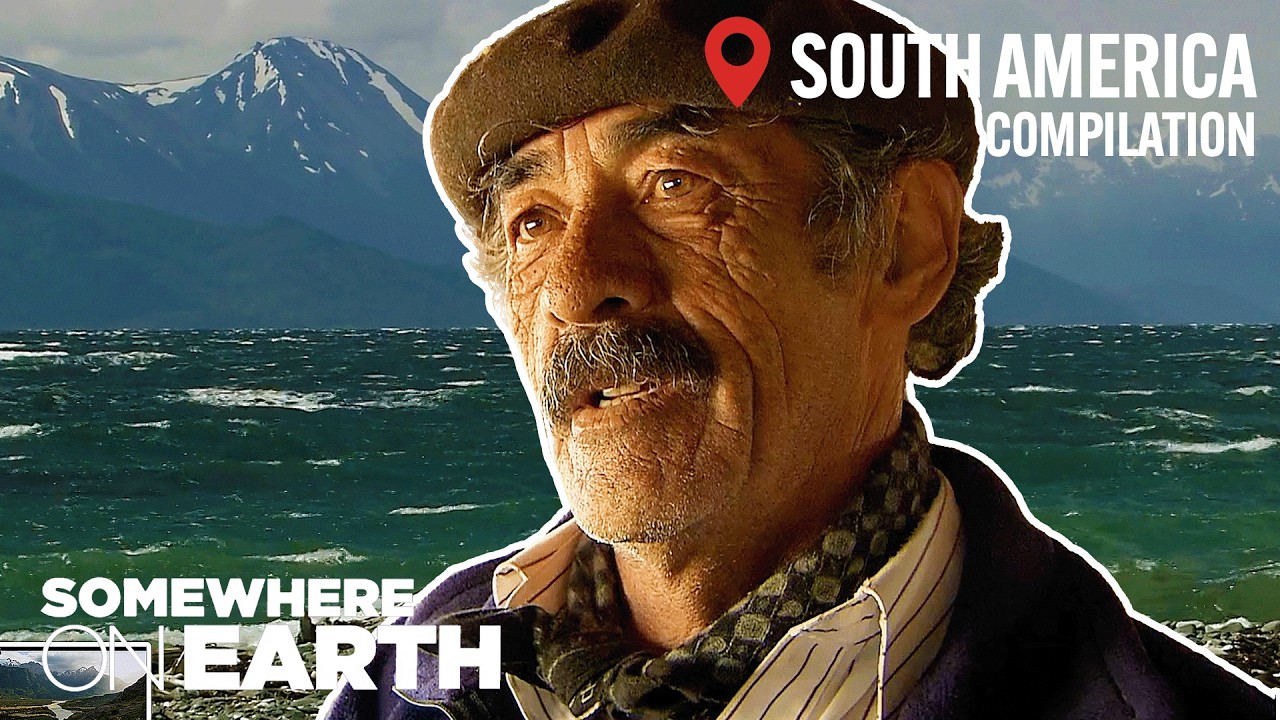
Patagonia, Peru, and Chile showcase breathtaking landscapes and resilient communities, where nature thrives and human activity remains a distant echo.
180 pigeon lofts remain in Villafafila, a special protection zone in Spain that supports various bird species and unique ecosystems.
Cliffs along the coastline provide a vital habitat for various bird species, offering both fishing opportunities and protection from predators.
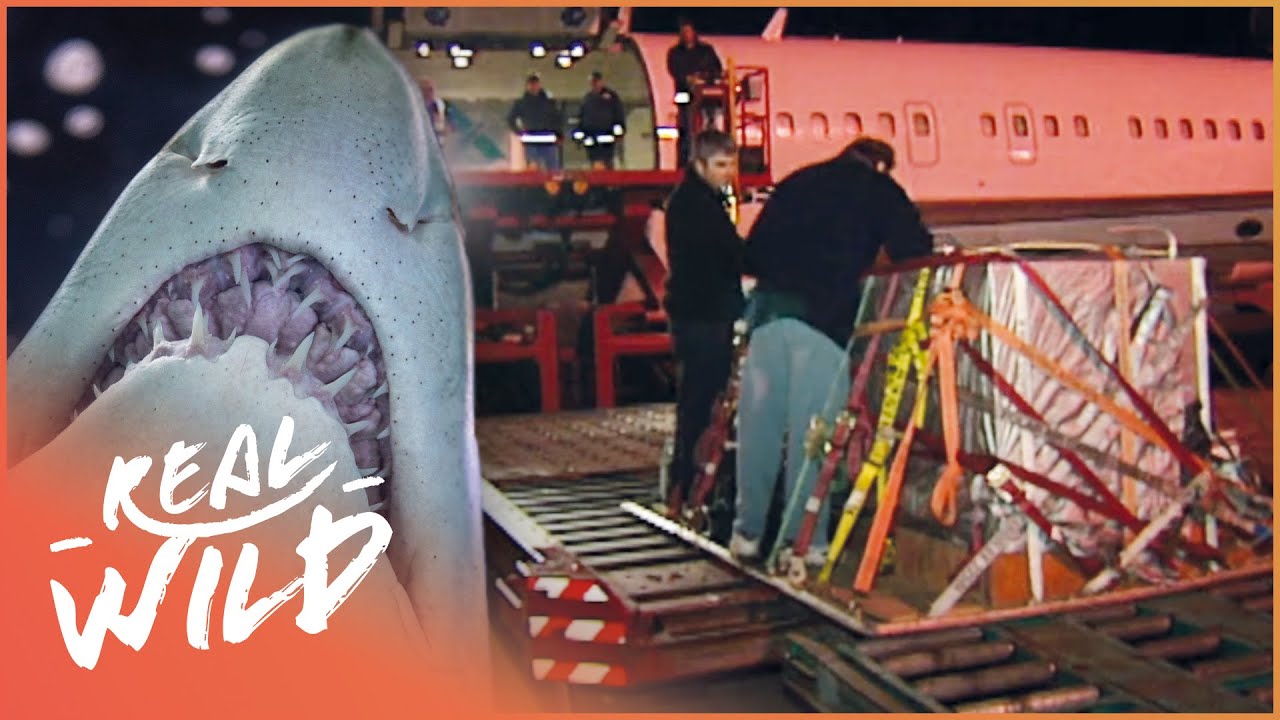
Ian Gordon transports a female grey nurse shark over 1,000 miles by air to Melbourne, Australia, to support the species' declining population.
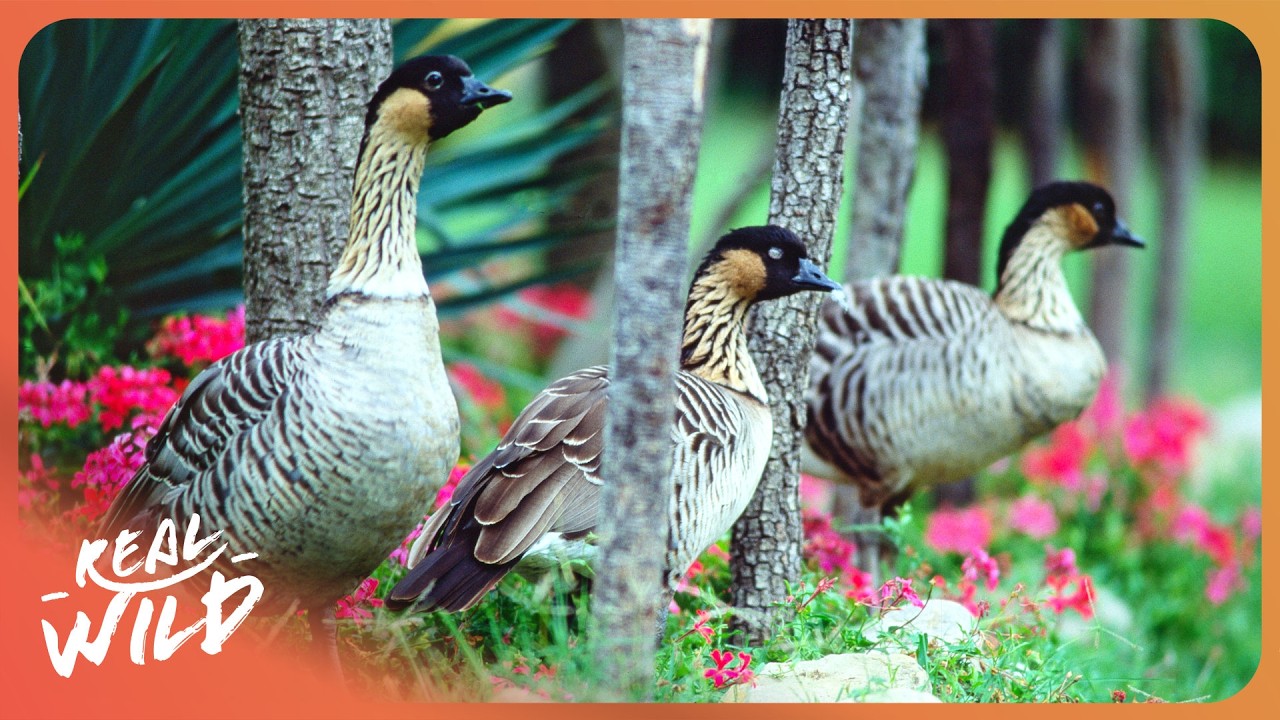
Hawaii's endangered Nene goose faces threats from habitat loss and climate change, highlighting the urgent need for conservation efforts in the region.
Kakapo, the world's rarest parrot native to New Zealand, faces infertility challenges, but conservation efforts are underway to restore their population.
Lynx leads a month-long wilderness immersion where participants learn to survive without tents, sleeping bags, or modern conveniences.
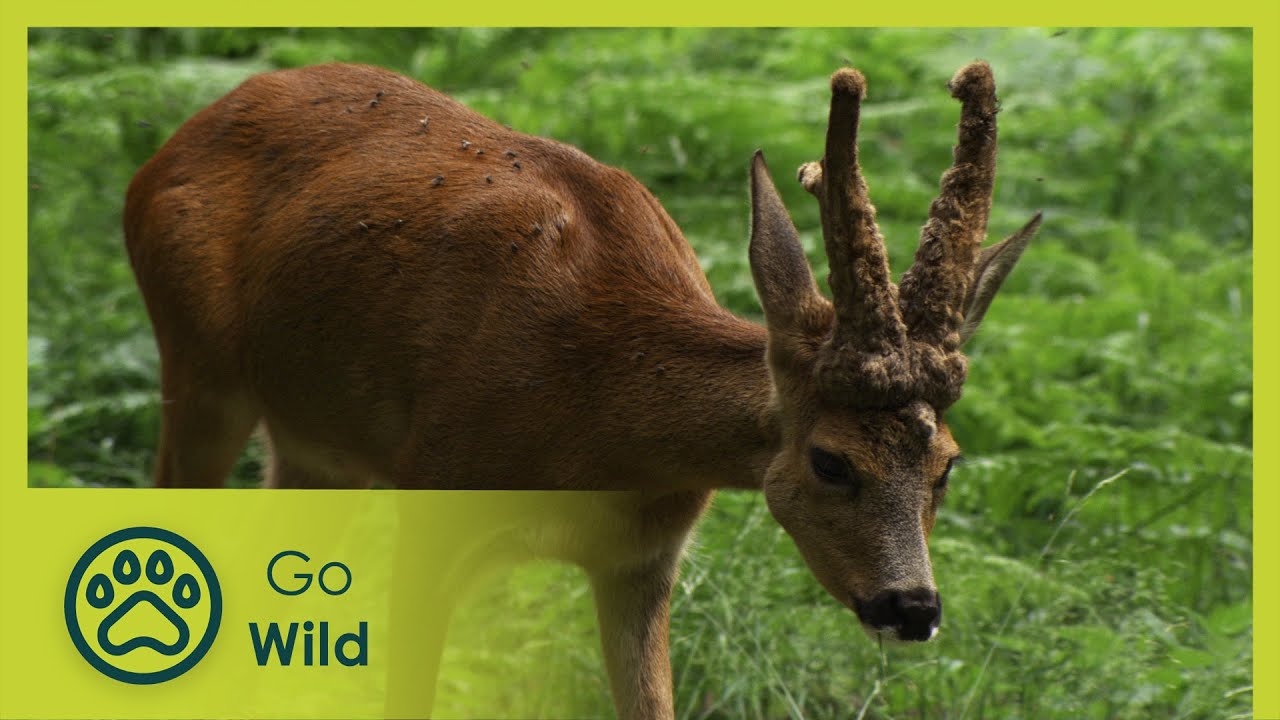
In Spain and Portugal, the Dehesa ecosystem showcases a rich biodiversity shaped by seasonal changes, including the arrival of common cranes and the deer rut.
Chinook, a yearling bear with a severe injury, faces bullying from other bears while Tanja attempts to rescue a cornered cub and a fawn with broken legs.
Arrernte country in Central Australia serves as the backdrop for Aaron and Holly's exploration of Indigenous culture with Traditional Owners and astrophysicist Karlie Noon.
Tornadoes, the most violent storms on Earth, can produce winds over 300 mph, posing a significant threat across the US and globally.
Fenuahu, a remote sanctuary in New Zealand, is the site of urgent conservation efforts to save the critically endangered Kakapo parrot from a deadly fungal outbreak.
Beluga whales, revered in ancient legends like that of Seawoman, are studied by scientists using advanced technology to understand their complex communication methods.
Two guests share their experiences in marine science, discussing how to pursue a career in shark research without a PhD.
In the Snowy Mountains-Ngarigo country of New South Wales, Aaron and Holly kayak with a river guide and engage with the land's cultural significance.
Australia's diverse wildlife, including sharks, crocodiles, snakes, and Tasmanian devils, poses significant dangers, as explored through survivor stories and expert analysis.
Lake Iseo in Italy's Alps faces environmental challenges as conservationists combat poaching and local farmers adapt to climate-induced crop losses.
A group of scientists gathers each summer on Bonaire to investigate whether squid can communicate through distinct messages on their skin.
In Northern Europe's harsh wilderness, newborn apex predators and prey face life-threatening challenges, including a mother brown bear protecting her cubs from male threats.
World-renowned animal trainer Andrew Simpson faces extreme conditions in -60C temperatures while filming a groundbreaking portrayal of wolves in their natural habitat.
In the Himalayas, Tashi, a single mother red panda, navigates bamboo thickets with her cub, showcasing their bond in a challenging environment.
The Caribbean Sea hosts a diverse ecosystem where alligators, jaguars, manatees, and unique species like axolotls thrive along its pristine shores.
Tanja rescues fragile newborn moose calves, while Yukon and Taku, two brawling yearlings, navigate the challenges of survival in the bear pen.
Izzu the Lion's introduction to his four new cubs highlights the complex social structures of apex predators, alongside efforts to save critically endangered species like the Greater One-horned Rhino.
Nature's delicacies range from common herbs and marine algae to rare and sought-after foods like forest berries, bamboo worms, and hidden treasures of the sea.
In Antarctica, elephant seals and various penguin species rely on isolated islands as critical nurseries for breeding and teaching survival skills.
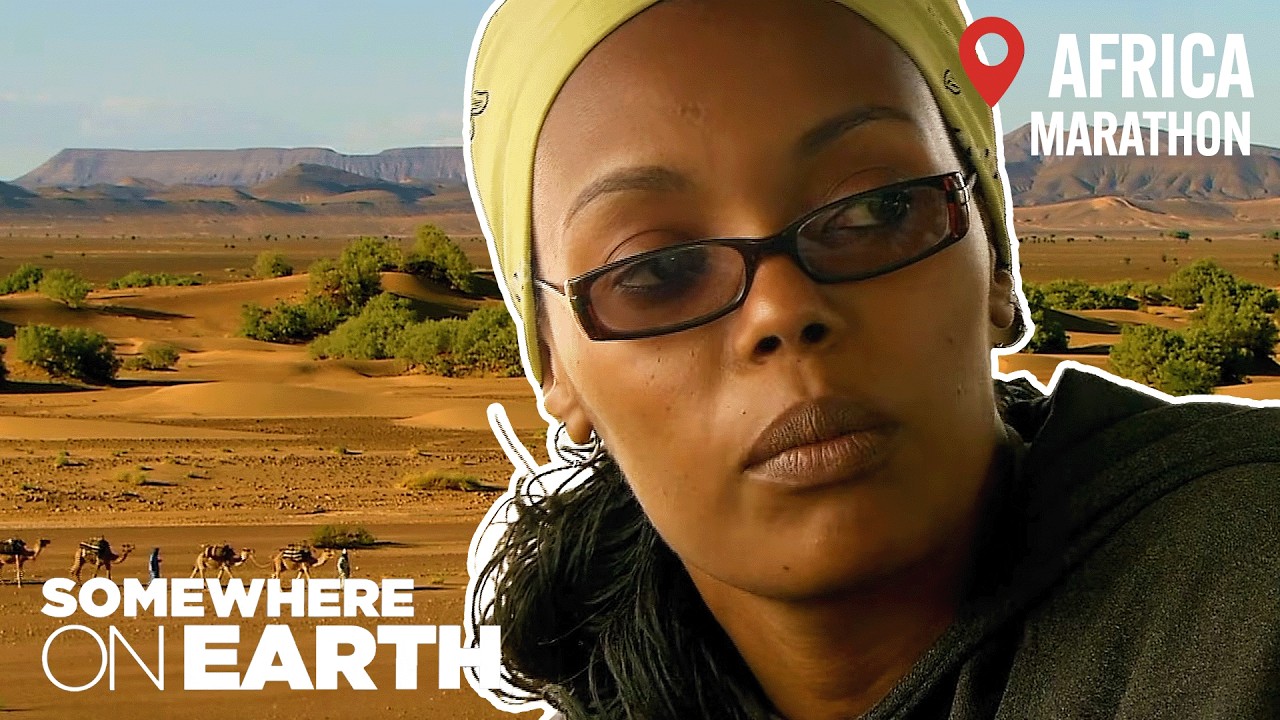
Tanzania, Morocco, and Malawi showcase breathtaking landscapes and resilient individuals, from wildlife photographers to champion runners, thriving in nature's embrace.
More than 170 species of fish inhabit the reefs around the archipelago of Fernando de Noronha, a key area for the spinner dolphins that visit daily.
In Florida's coastal rivers, a West Indian manatee named Hamilton endures life-threatening challenges, including a boat propeller injury and environmental threats.
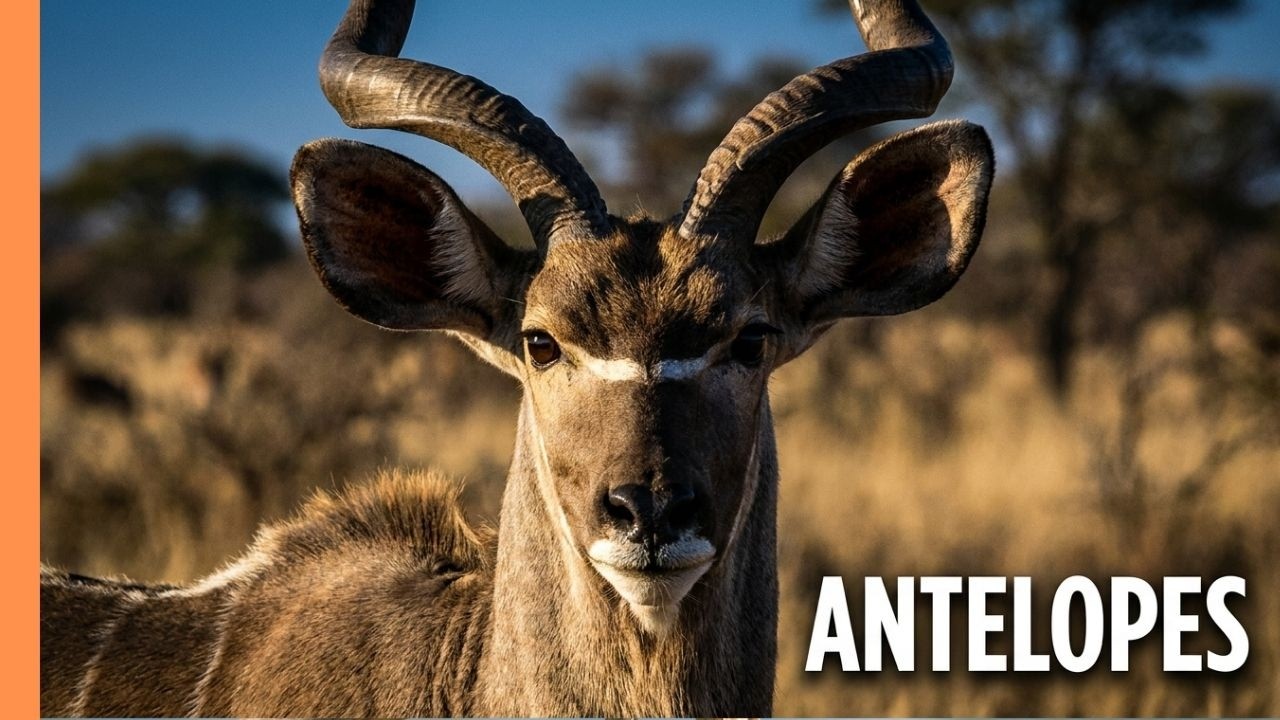
Seventy-four species of antelopes in Africa showcase remarkable diversity in size, diet, and survival strategies across various ecosystems.
In the North Atlantic and Germany, the sea eagle, with its nearly eight-foot wingspan, exemplifies adaptability and intelligence as it scavenges and hunts in harsh environments.
In Iran's Ilam province, rare reptiles like the spider-tailed horned viper thrive in a unique ecosystem, showcasing the region's remarkable biodiversity.
Dr. Dave Ebert and Luke Tipple discuss undiscovered shark species and their ocean importance.
In Germany's Ruhr Valley, nature has transformed abandoned industrial sites into the Iron Forest, where red deer, foxes, and apex predators thrive amidst remnants of industry.
Aaron and Holly explore Wurundjeri country near Melbourne, examining the significance of Hanging Rock-Ngannelong and an ancient quarry.
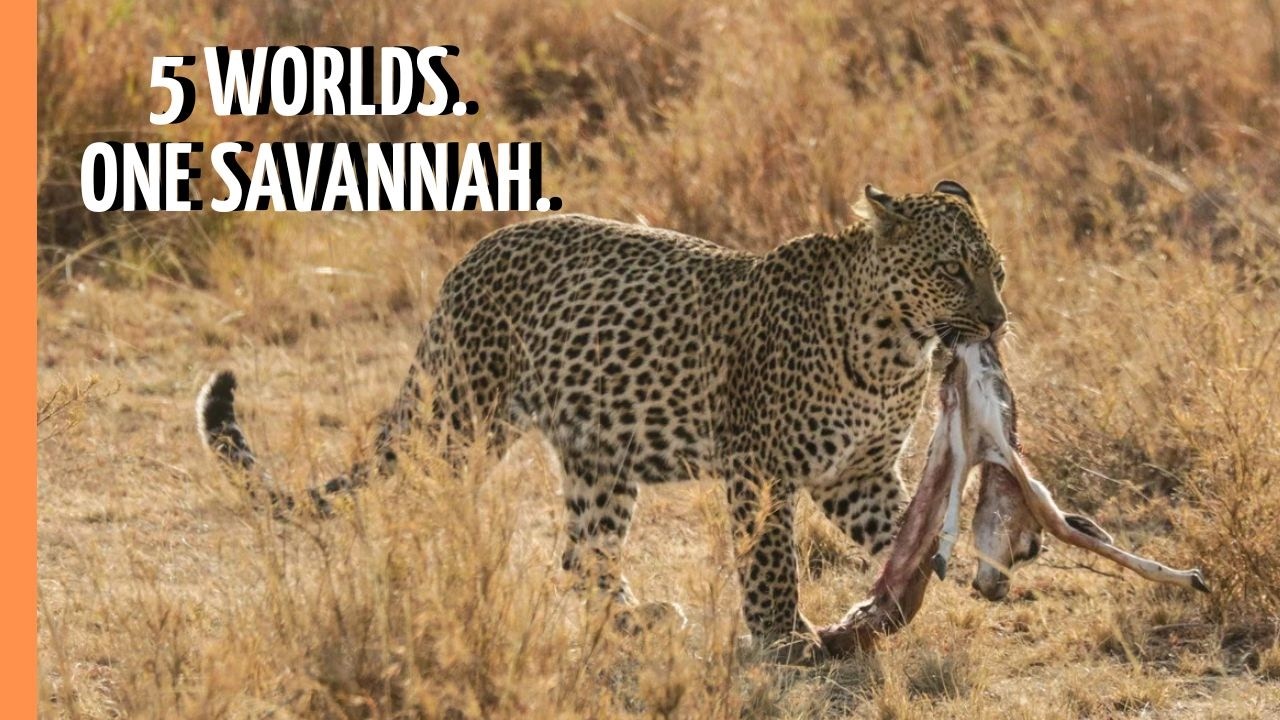
In the African savannah, diverse species from mammals to insects navigate distinct ecological niches, competing for resources in a complex vertical habitat.
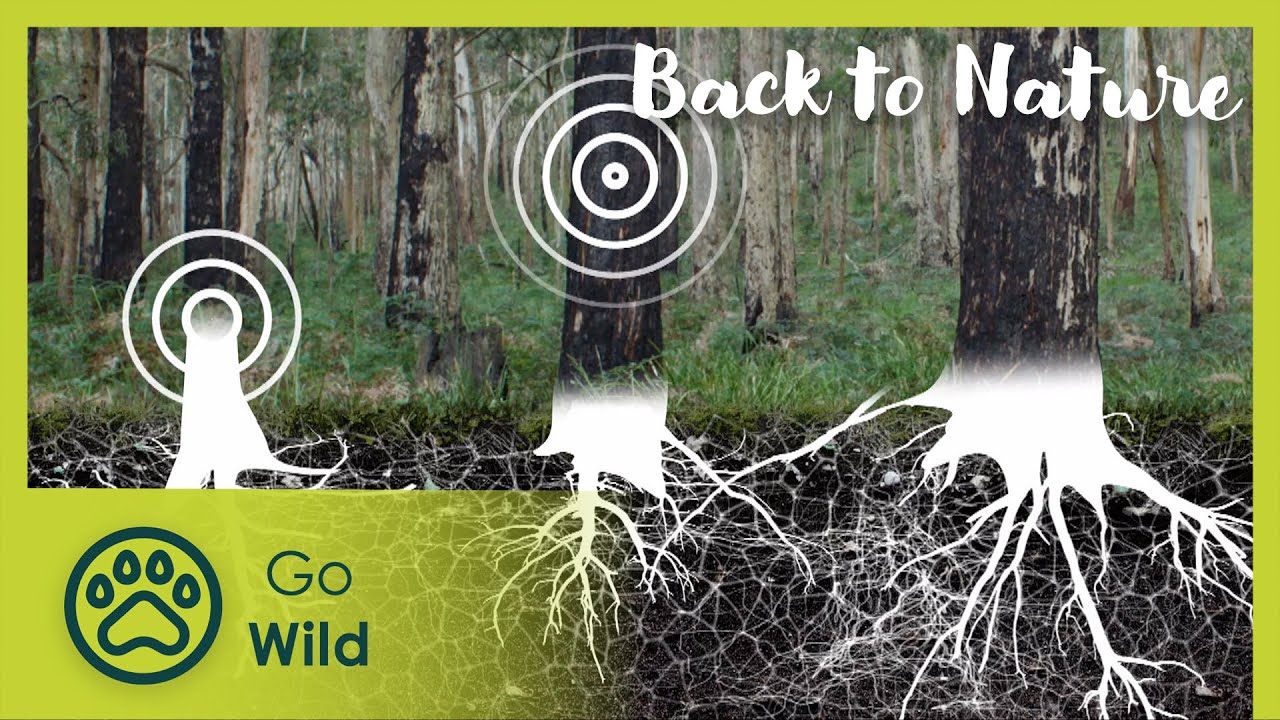
Ancient baobabs of Madagascar, resilient birches of boreal forests, and venerable oaks of Europe illustrate the interdependence of trees, animals, and fungi amid climate change threats.
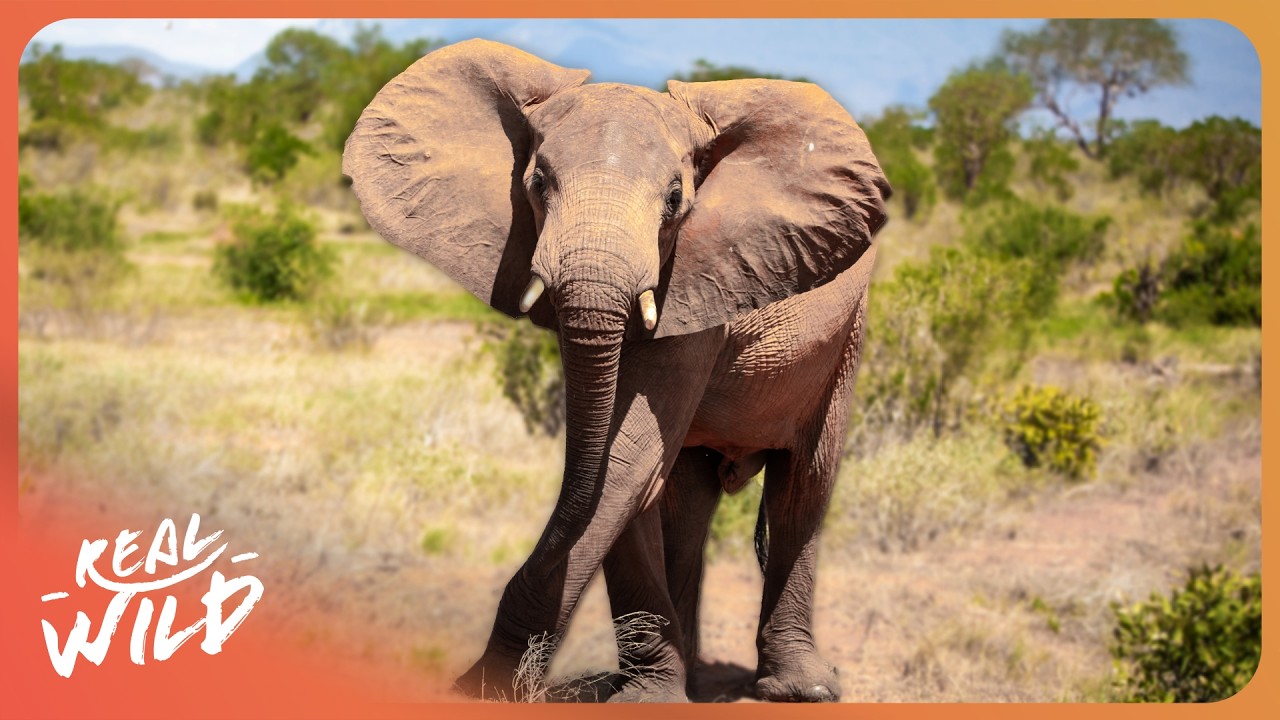
Namibia covers an area of over 300,000 square miles, most of it desert and bush, where Ian Max Maxwell tracks the elusive desert elephant.
Tanja must lure three unruly yearling cubs into transport boxes while Kim fights to save a moose named Dante from a deadly disease.
In the Wolong Nature Reserve, Sichuan, veterinary teams employ innovative techniques to save giant panda cubs from extinction through complex care methods.
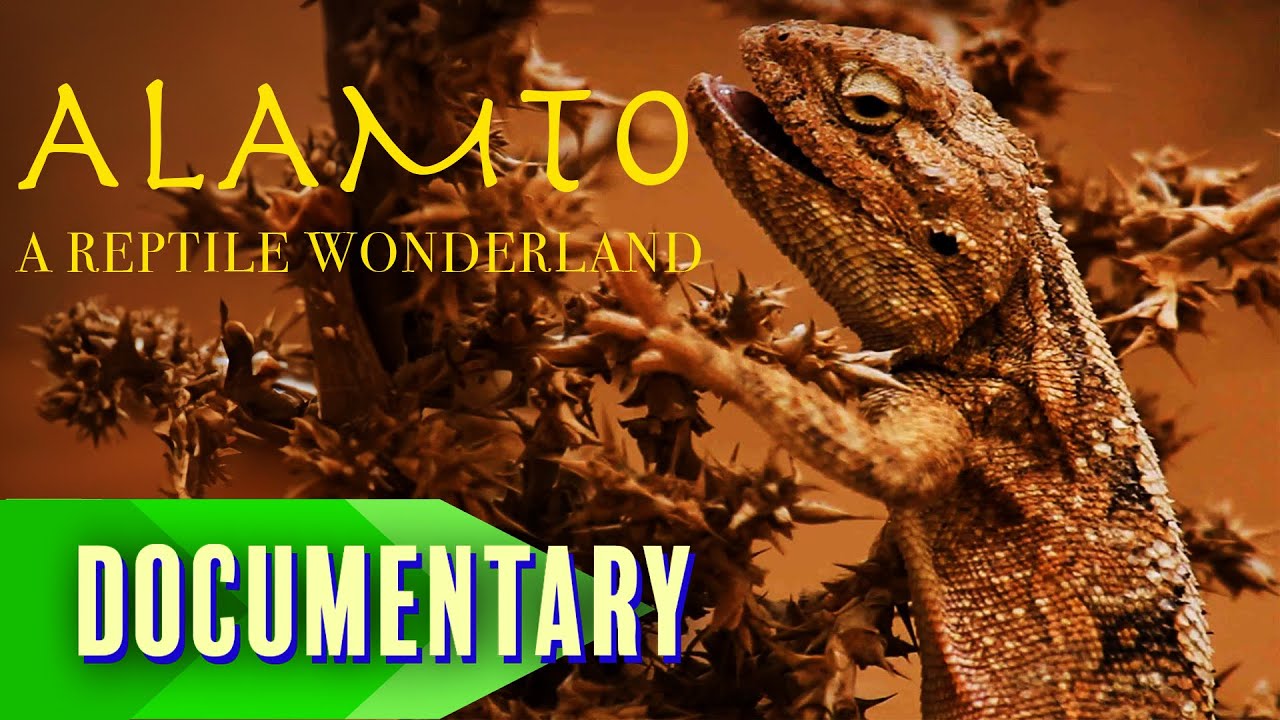
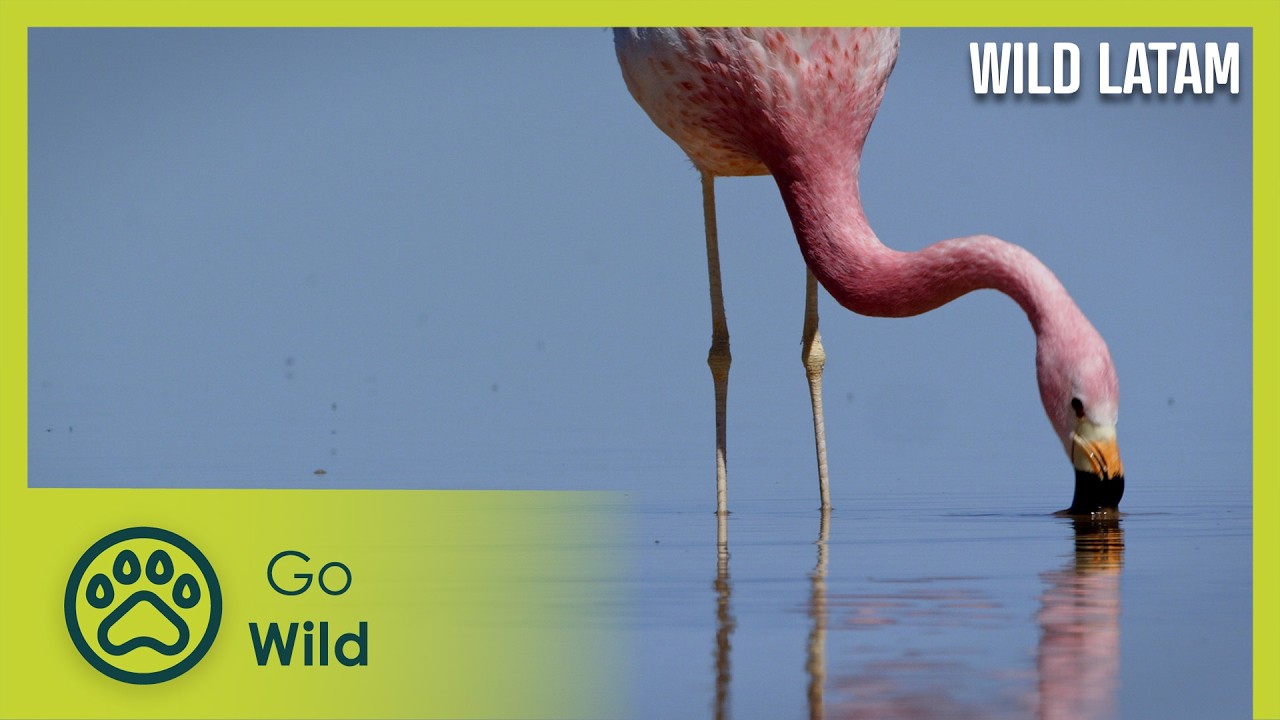
Chile's Atacama Desert, the driest in the world, hosts rich marine biodiversity along its coasts, including sea lions, sharks, and unique inland species like Fabian's lizard.
Endangered manatees and dugongs face critical threats from human activity and environmental challenges, prompting urgent conservation efforts to prevent their extinction.