From over 100,000 films, discover the handful you'll love.
Free or premium access to the world's largest documentary library.
7944 films(Page 106 of 166)
Three-month-old leopard cubs engage in playful interactions that help them develop essential skills while bonding with their mother and siblings.
The Argiope spider captures millions of insects using its intricate silk traps daily.
Several polar bears feast on a dead whale, showcasing their eating etiquette and competition.
The polecat is a courageous mustelid thriving in riparian forests, hunting diverse prey.
In a comprehensive exploration of Earth's geological history, this documentary examines prehistoric ecosystems and the evolution of life across various epochs.
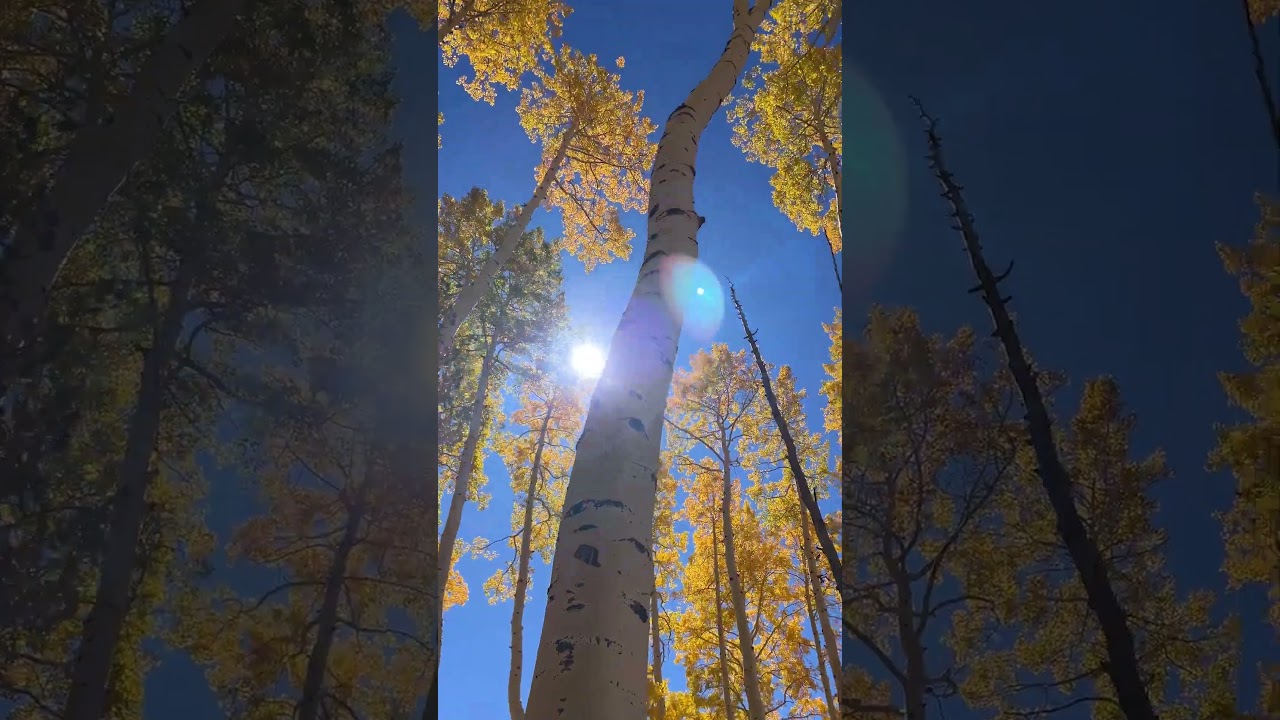
Nat Geo Photographer Jonathan Irish captures the vibrant colors of autumn during leaf peeping, highlighting the beauty of nature and the need for environmental preservation.
Maria Garcia protects medicinal plants and forests vital to Maya descendants in Belize.
Watch how advanced cloning helps protect endangered species and preserve biodiversity.
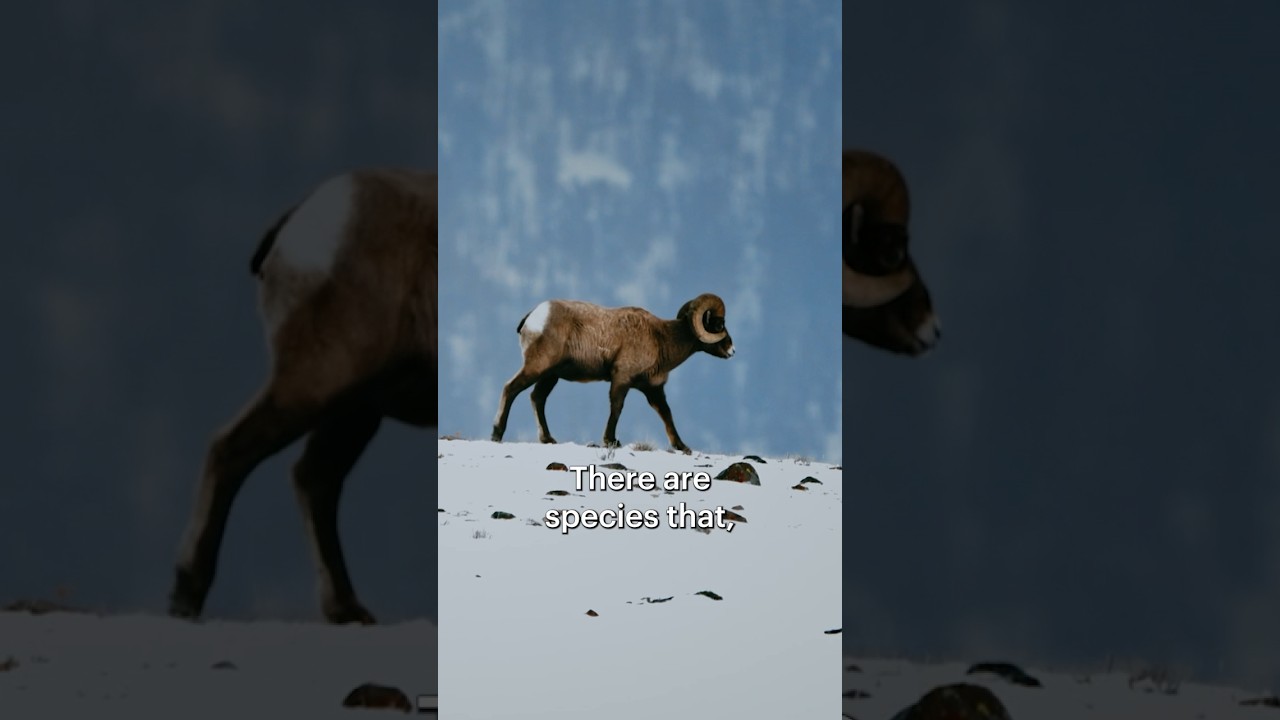
Bighorn Sheep are among the largest hoofed animals, but Bison are the largest overall.
Providence Canyon, known as the 'Little Grand Canyon,' features striking gorges and is located on the border of Alabama and Georgia.
The PzH 2000 is unmatched in modern artillery with its powerful and fast capabilities.
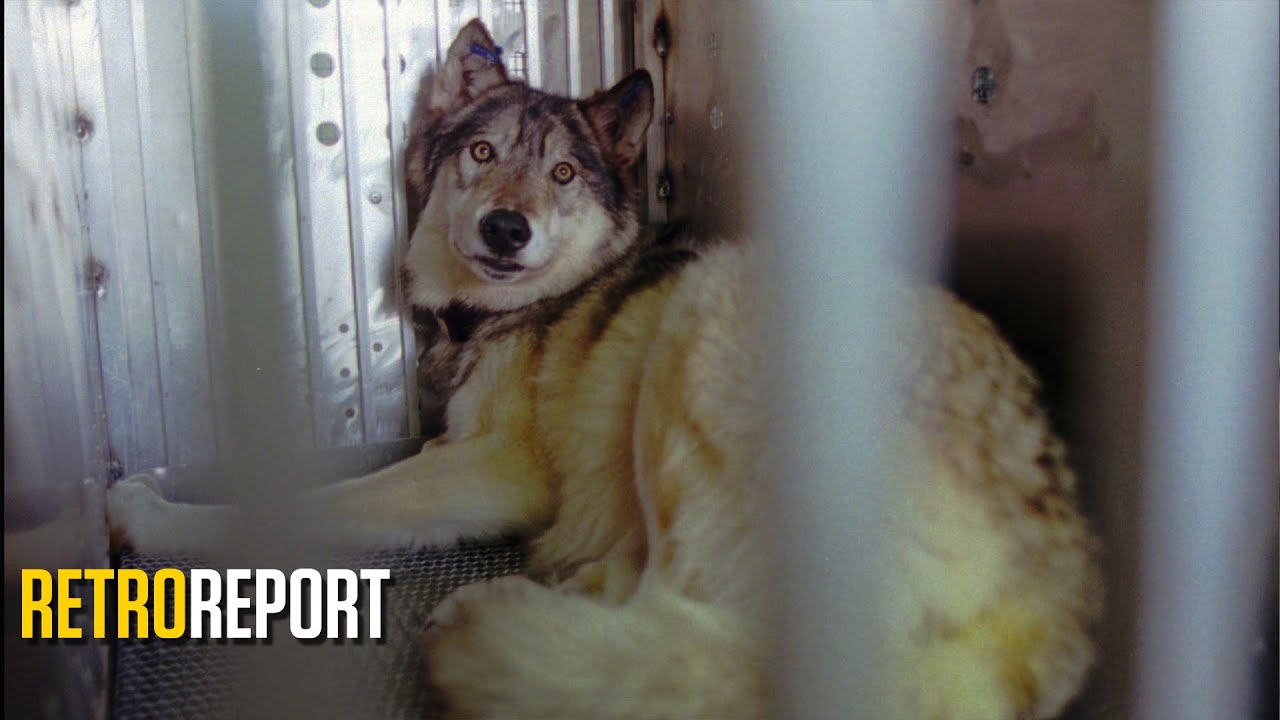
In 1995, the federal government reintroduced gray wolves to Yellowstone National Park, leading to significant ecological changes and social conflict.
In Appalachia, a mishap with Daniel's still highlights the unpredictable challenges faced by moonshiners, contrasting their craft with store-bought liquor.
Powerful storms in the Atlantic Ocean generate massive surf, captured through advanced technology like the Inspire 1 V2 drone and Phantom Flex 4K camera.
Southern right whales migrate to the Atlantic coast of Patagonia, Argentina, where they give birth and nurture their calves in the vital breeding ground of Peninsula Valdes.
Living beings communicate through colors, as seen in Madagascar and Venezuela's jungles.
Robert narrates a wildlife adventure, echoing Steve Dad's legacy and passion for nature.
Roman Legionaries perform various duties to fortify and secure the Empire daily.
40,000 Roman soldiers faced 10,000 Parthian cavalry at the Battle of Carrhae in 53 BC, resulting in a devastating defeat for Rome.
NASA's Jet Propulsion Lab team discusses lightning observations in Saturn's atmosphere.
NASA's Cassini observes Saturn's rings and the influence of moon Prometheus on icy particles.
In Dubai, entrepreneurs restore coral reefs to combat climate change and protect our planet.
Average rainfall at Mount Wai'ale'ale reaches 440 inches a year, creating numerous waterfalls, including the 280-foot Jurassic Falls featured in Jurassic Park.
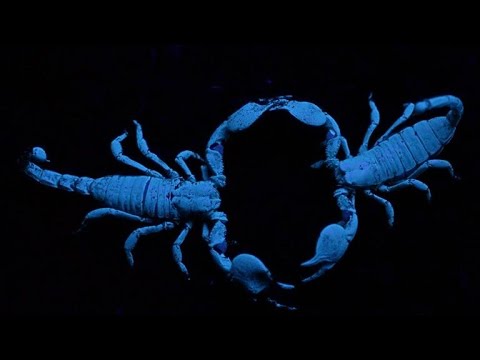
Centipedes and scorpions engage in fierce competition for prey, showcasing their hunting strategies and physical attributes in a dramatic confrontation.
A female scorpion must test her suitor's strength through a courtship dance before choosing him.
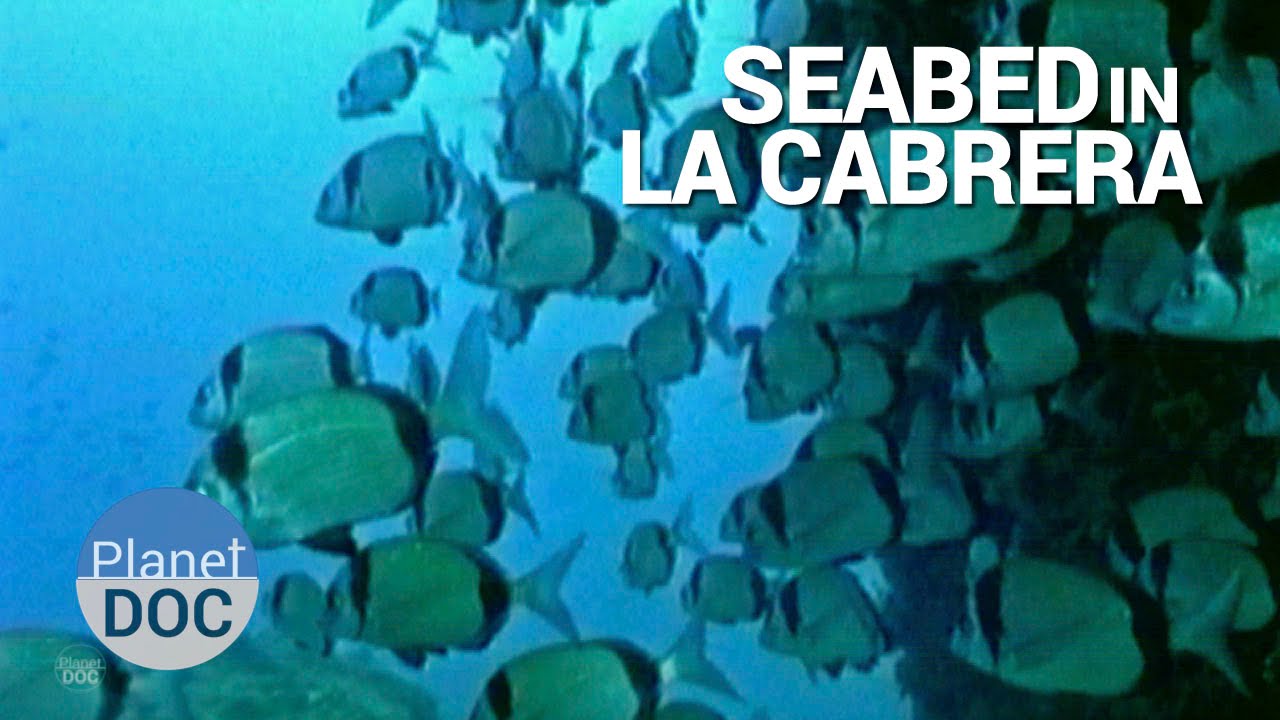
The Cabrera National Park in Spain is a vital sanctuary for endangered Mediterranean species.
Young seagulls navigate the world's largest Atlantic waves, showcasing their resilience as they hunt for prey amidst the tumultuous ocean foam.
In northern Kenya's Shaba reserve and parts of Senegal, the secretary bird exhibits unique hunting skills and nesting behaviors, laying up to three eggs per season.
Secretary birds lay no more than three eggs, and if all survive, they will form a large family in the Shaba Reserve of northern Kenya.
Scientists explore parts of the ocean floor for the first time using the RV Investigator.
Phil and Jess join Eduardo Castillo to explore Yucatan's cenotes and Maya secrets.
View stunning pictures of Earth from space against the Milky Way galaxy's backdrop.
A male leopard hunts a monitor lizard in Shaba Reserve, where the harsh rule is simple: he who kills it eats it.
15 drops of human blood per minute were pumped into the water during an experiment to test shark reactions to different blood types.
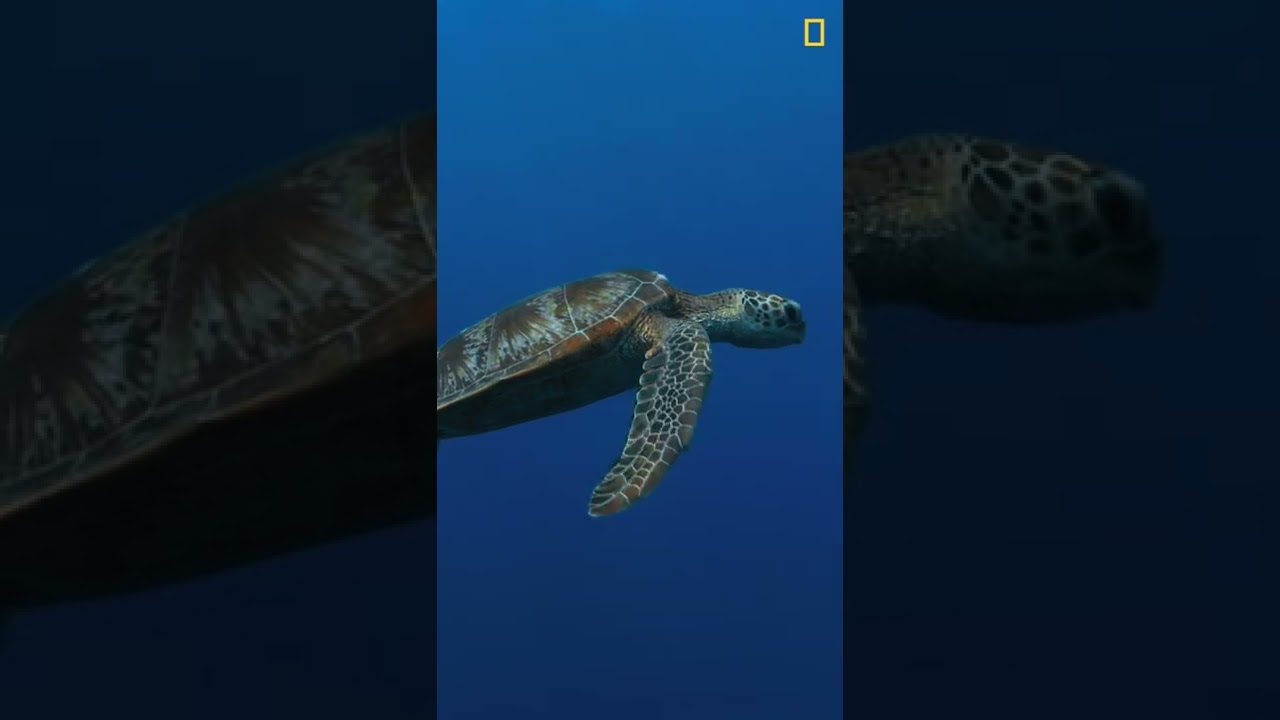
A tiger shark off the coast of Hawaii Volcanoes National Park attempts to catch a green sea turtle, which cleverly turns on its side to evade capture.
Mark and Noah test whether sharks attack GoPro cameras while conducting experiments in the Bermuda Triangle, a region known for its myths and legends.
After World War II, many soldiers returned home unaware of their psychological struggles, leading to suffering in their relationships and health.
Scientists consider reviving the woolly mammoth using preserved genetic material.
50,000 police dogs are currently working in the United States, many trained to apprehend suspects and search for contraband.
CRISPR technology allows for precise DNA modifications, enabling the elimination of diseases like muscular dystrophy and Alzheimer's.
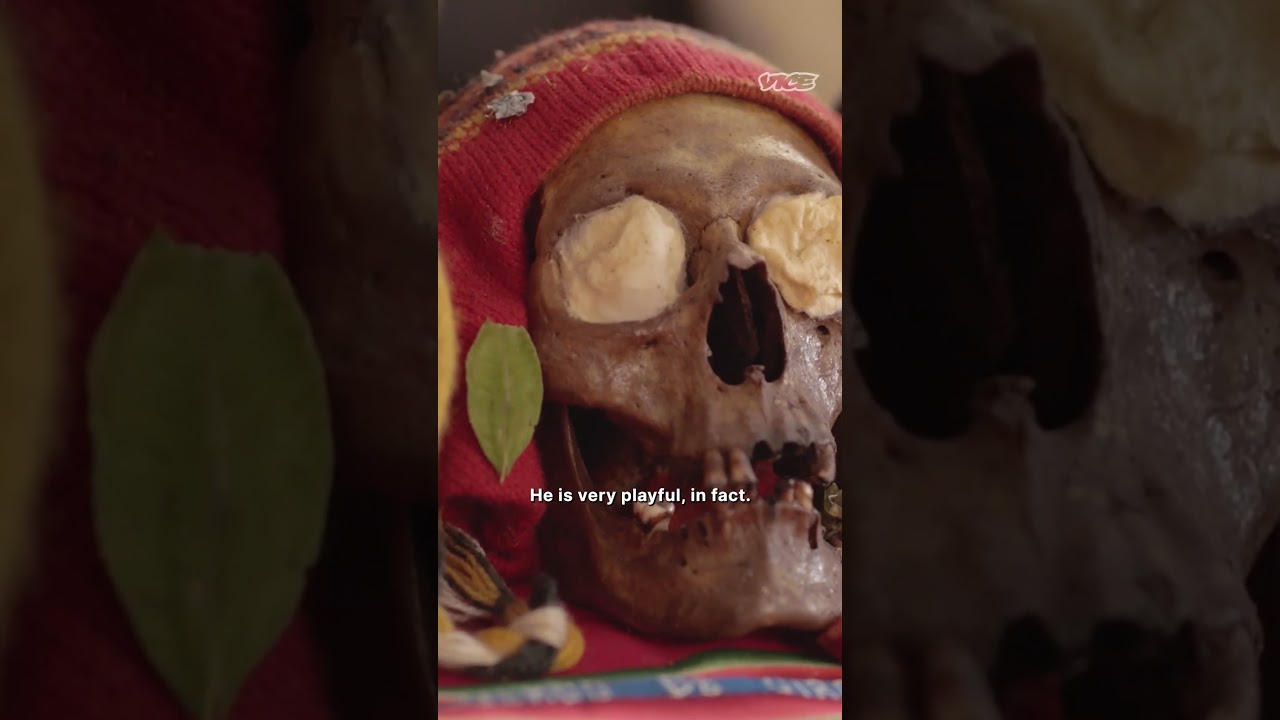
Oscar Arteaga, a revered brujo in La Paz, Bolivia, practices black magic with powerful claims.
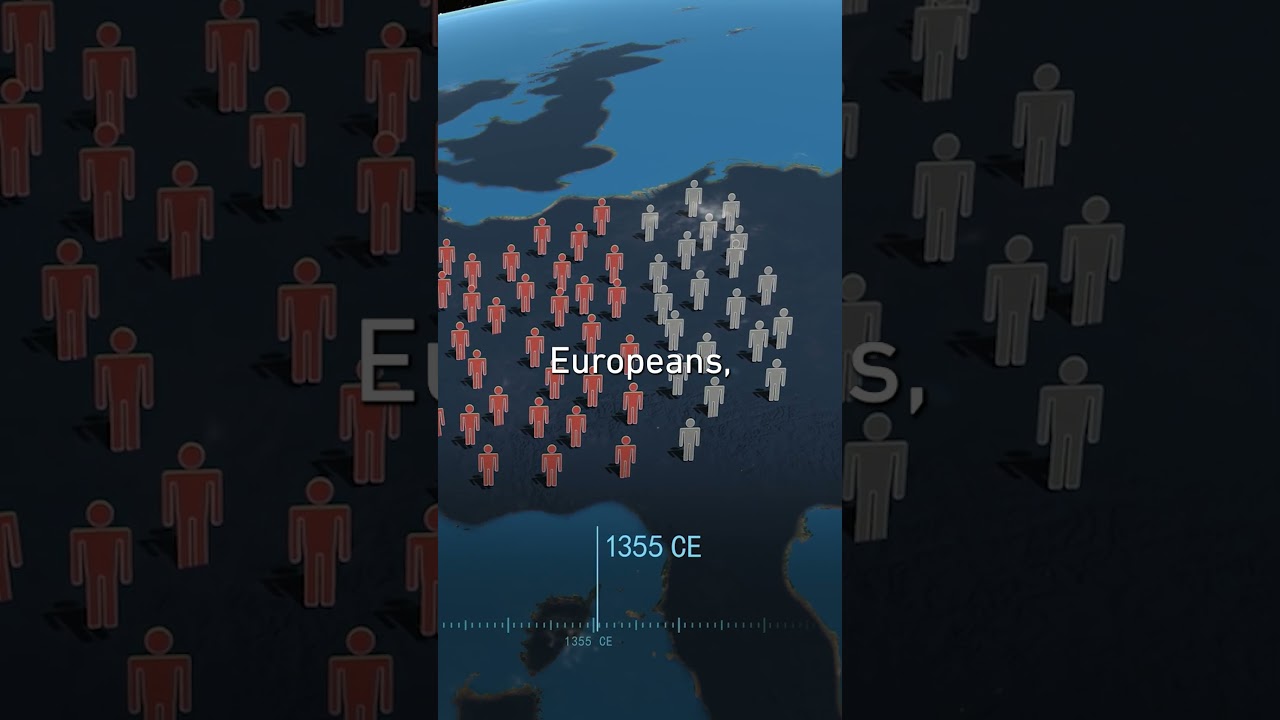
In just under a decade, from 1347 to 1356, the Black Death killed at least 25 million Europeans, one-third of Europe's population.
Members of Skull and Bones, including George W. Bush and John Kerry, have contested presidential elections against each other.
Survivalists in a remote wilderness face the challenges of a night spent exposed to the elements and crawling creatures like termites and spiders.
Bumble bees use buzz pollination to efficiently dislodge pollen from plants.
Sloth researcher Bryson Voirin demonstrates the challenges of studying sloths in their natural habitat while pursuing Blaze the sloth through a lush canopy.
Smithsonian Channel features a diverse range of programming, including "Aerial America," which highlights the United States' landscapes, and "Secrets," focusing on historical mysteries.
Raccoon dogs steal food to survive winter in Amazing Dogs: Africa series.