From over 100,000 films, discover the handful you'll love.
Free or premium access to the world's largest documentary library.
7945 films(Page 137 of 166)
Koran uses a reel on his pirogue to fish for vivanot, which live at depths of 200 to 300 meters around Ambrym, one of Vanuatu's volcanic islands.
In the Blue Planet archive, BBC Earth presents a retrospective of the diverse marine life inhabiting the world's oceans, narrated by David Attenborough.
In the Blue Planet archive, BBC Earth revisits the diverse marine life and ecosystems that inhabit the world's oceans, showcasing their beauty and complexity.
A young boy in a sun-filled summer finds an injured snow goose and cares for it, but they must part ways when the bird migrates south for the winter.
Leo Ikhakik protects Arviat from polar bears amid climate change challenges.
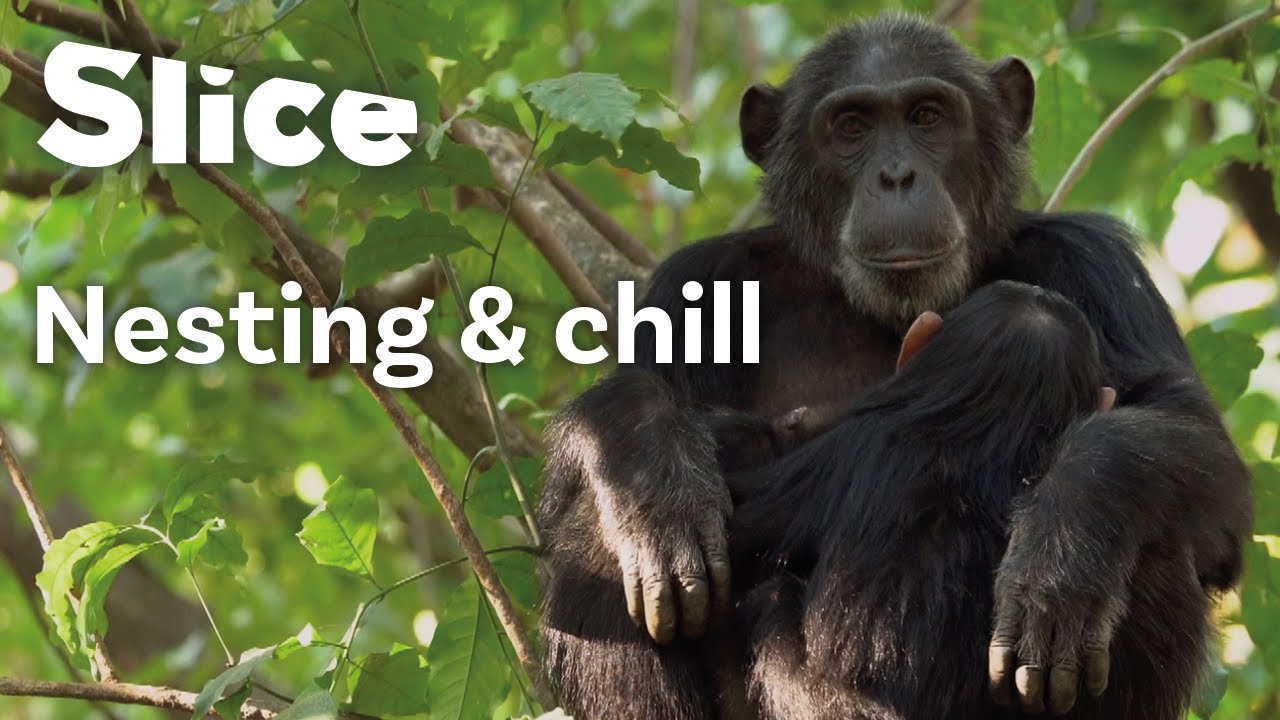
Nineteen thousand nests is the average number a young chimpanzee will build in its lifetime, each providing shelter and safety from predators.
In the Bering Sea, the crew of Cape Caution faces extreme weather and treacherous waters while striving to keep their crab catch alive.
Auroville in India aims to build a perfect world through unity and communal living.
Abdallah, a descendant of Ibn Aïssa, travels through Morocco to explore the cultural beliefs of the Aïssaouas regarding snakes like the Atlas cobra and sand viper.
New York's skyscrapers, subway systems, and harbor are influenced by significant geological events that shaped the city's development.
In the Camargue region of southern France, cowboys manage herds of black cattle while iconic white horses and flamingos inhabit the picturesque marshlands.
Officers find 62 illegally trafficked reptiles hidden in a pickup truck at the United States-Mexico border, revealing the scale of animal smuggling operations.
Large cave lions roamed Eurasia during the last ice age, with their fossils and depictions found across the continent, as explored by Ceri Thomas and Roman Uchytel.
A compilation from the BBC archive showcases elephants at various life stages, from playful calves to the experiences of older elephants.
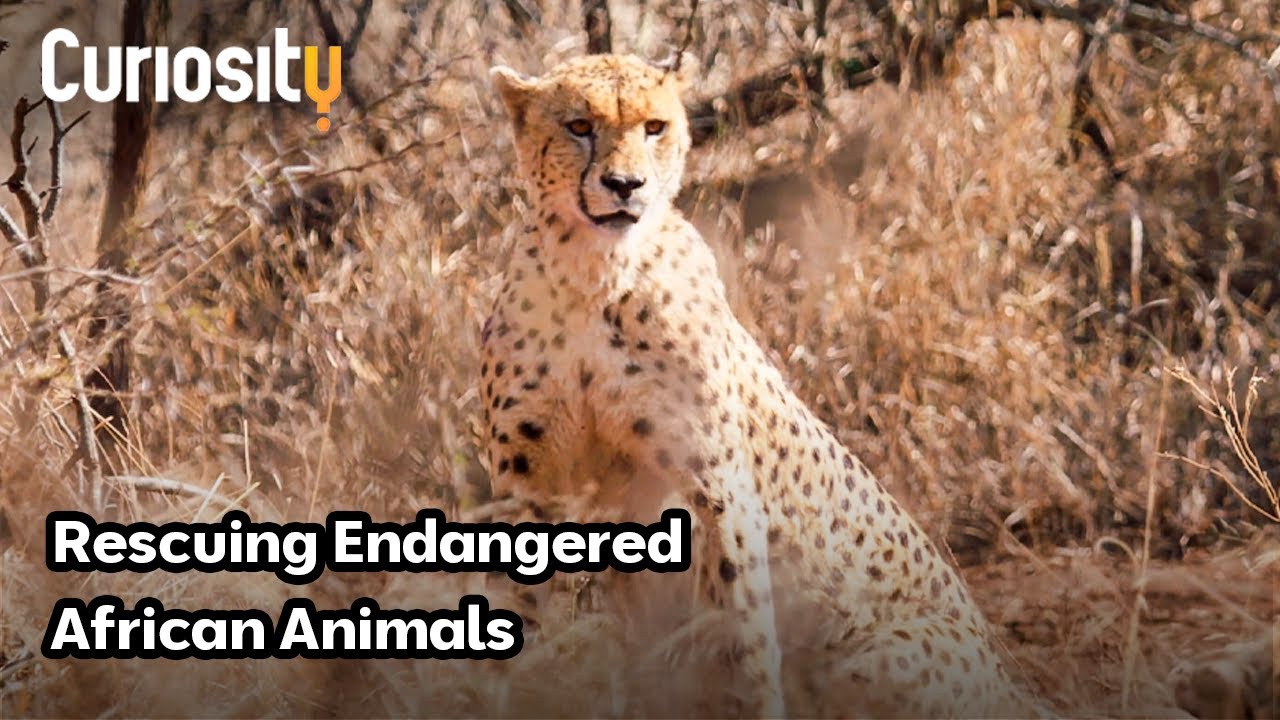
Dedicated staff at South Africa's Manyoni Private Game Reserve care for endangered animals daily.
Seven honey gatherers were killed by tigers this year alone as they entered the Sunderbans, a region known for its dangerous wildlife and rich natural resources.
In Zimbabwe's Savé Valley Conservancy, a team of conservationists undertakes a complex operation to relocate over 100 elephants to restore ecological balance.
In Kerala, India, temple elephants, revered in festivals, often endure mistreatment and distress, prompting discussions on ethical alternatives like robotics.
In September 2020, wildfires create a red sky, leaving residents in fear and confusion.
1 in 10 climbers die attempting to reach the summit of Everest, where the air is three times thinner than at sea level.
Mysterious deep ocean sounds continue to baffle scientists, prompting research from organizations like NOAA and Scripps Institution of Oceanography.
Humans have produced enough concrete to cover the Earth in a layer two millimeters thick, fundamentally altering every major Earth system.
Bottlenose dolphins approach the Australian coast to observe humans, despite the fact that many of their kind are killed by people worldwide.
The longest fence in the world, built to protect livestock from dingoes, raises questions about its necessity and impact on Australian wildlife after 150 years.
Cleaning penguin cages involves dealing with a mix of mud, grass, and a significant amount of feces, all while ensuring the animals can build their own antibodies.
800 Black Widow spiders are milked for venom each day at an insect rearing facility that also breeds various species for conservation efforts.
Every summer, Dorset hosts the Dog Surfing Championship, a quirky festival for surfing dogs.
Ten alligators were found dead in Lake Griffin, prompting an investigation into the environmental factors affecting their survival.
Only 25 percent of the Ebro Delta remained untouched by human activity by 1983, prompting the creation of a natural park to ensure its conservation.
The ocean twilight zone, a largely unexplored layer of the ocean, is examined by scientists studying its ecological roles and impact on marine health.
Residents in the Florida Keys fight for their right to survive amid rising living costs.
Spiders are often surrounded by myths, including the claim that people swallow an average of eight each year, though its truth remains uncertain.
Significant changes in tiger conservation efforts have emerged over the past two centuries, driven by organizations like the Indian Society for the Protection of Wild Life.
More than 200,000 years ago, Neanderthals lived across Europe and the Middle East, adapting to various climatic changes during the Pleistocene epoch.
In Namibia, hyenas have adapted to new predatory roles by targeting fur seals displaced from their island habitats, showcasing their evolving hunting strategies.
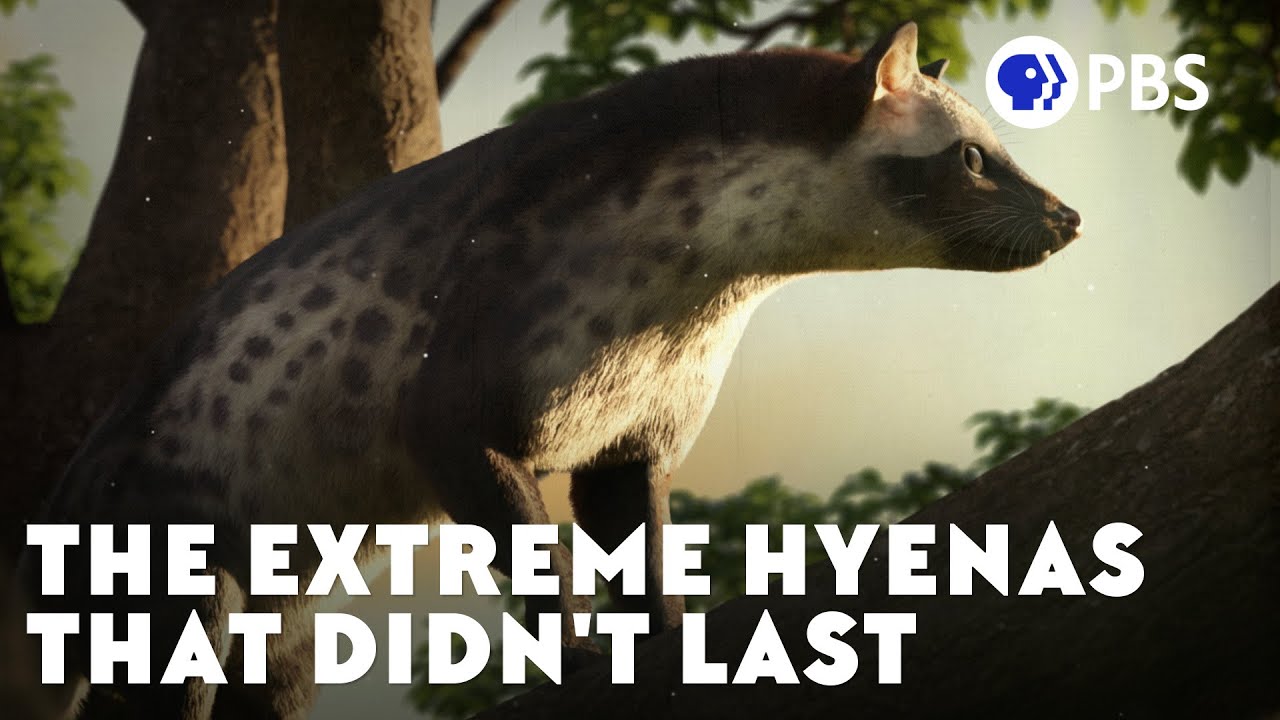
Hyenas evolved significantly over millions of years, transitioning from their ancestral forms to become specialized bone-eaters, as explored by Julio Lacerda and Roman Uchytel.
A female giant Pacific octopus lays around 100,000 eggs and dedicates six months to guarding them before she dies.
Only about 400 Ethiopian wolves remain in the wild, with 40 of them located in the Guassa region, where they interact with geladas.
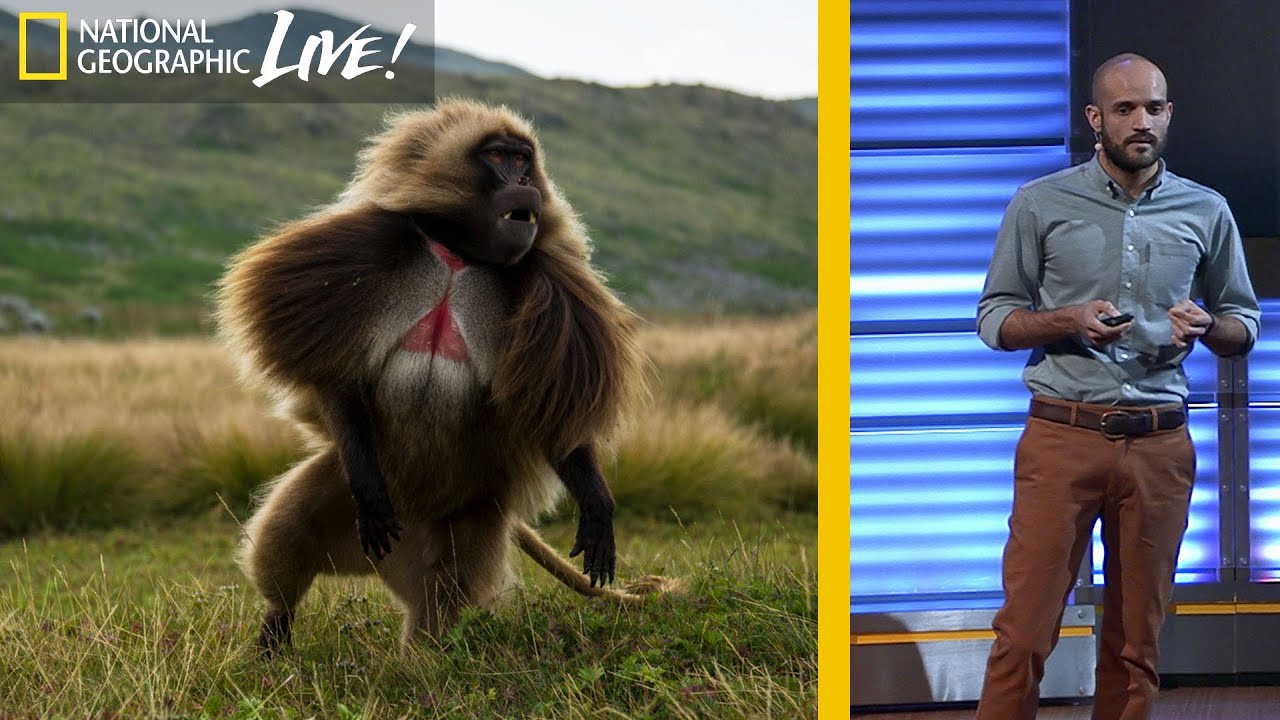
Living at 11,000 feet in Ethiopia, researchers Jeff Kerby and Vivek Venkataraman study the gelada monkey's complex social structures and unique diet.
Researchers Jeff Kerby and Vivek Venkataraman track individual gelada monkeys from dawn until dusk to study their social structure and behavior.
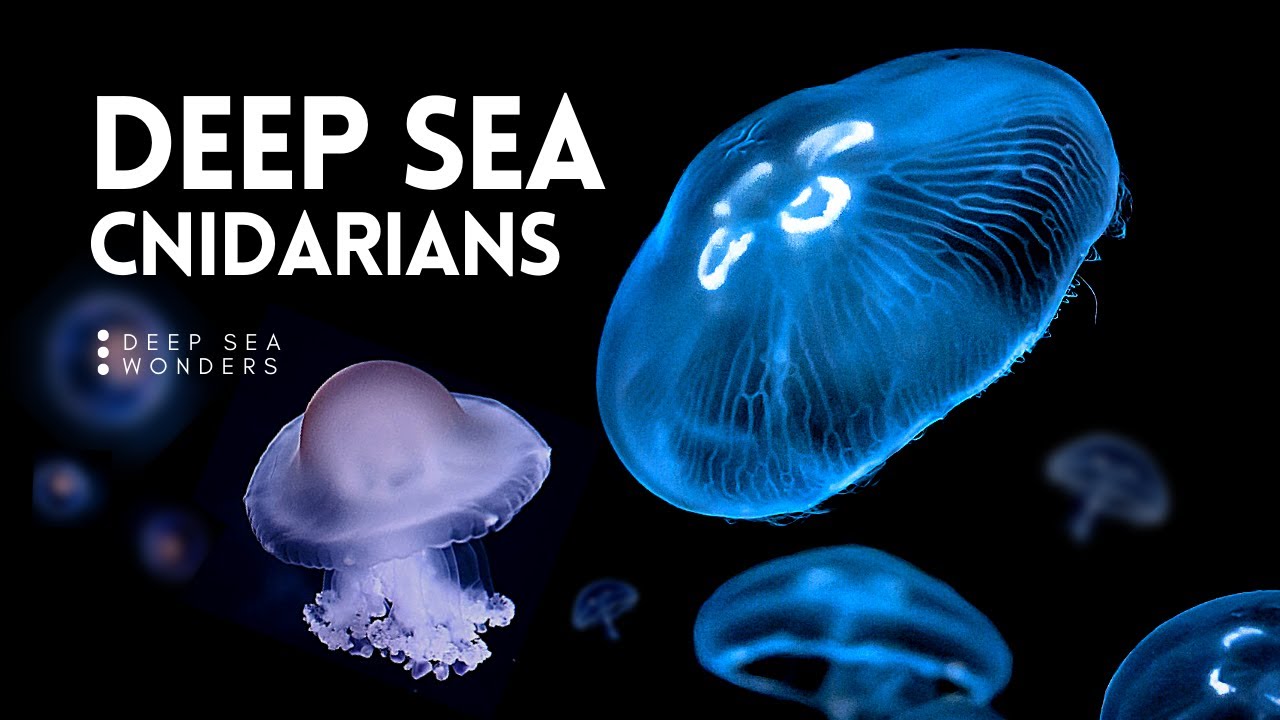
Cnidarians, including jellyfish, corals, and anemones, play crucial roles in marine ecosystems, supporting biodiversity and food webs across various ocean habitats.
Whales exhibit complex hunting strategies, unique behaviors, and extraordinary social connections, highlighting their remarkable adaptability in ocean ecosystems.
Red foxes in urban environments face numerous dangers, prompting The Fox Project to provide essential support for their survival and well-being.
A fisherman can catch up to 50 kilograms of scrap metal in a day, but on a bad day, he may only collect five kilograms.
By the end of the century, sea levels are expected to rise as much as 1 meter, inundating coastlines around the world.
1.7 billion years ago, precambrian rock formed in the Colorado Rockies, shaping the land long before life as we know it existed.
The evolution of the giant panda from a carnivorous bear to an herbivore is explored through its complex history and adaptations.
In a large garden, animals and plants coexist peacefully until predators disrupt their habitat, leading to conflict and ecological imbalance.