From over 100,000 films, discover the handful you'll love.
Free or premium access to the world's largest documentary library.
7951 films(Page 72 of 166)
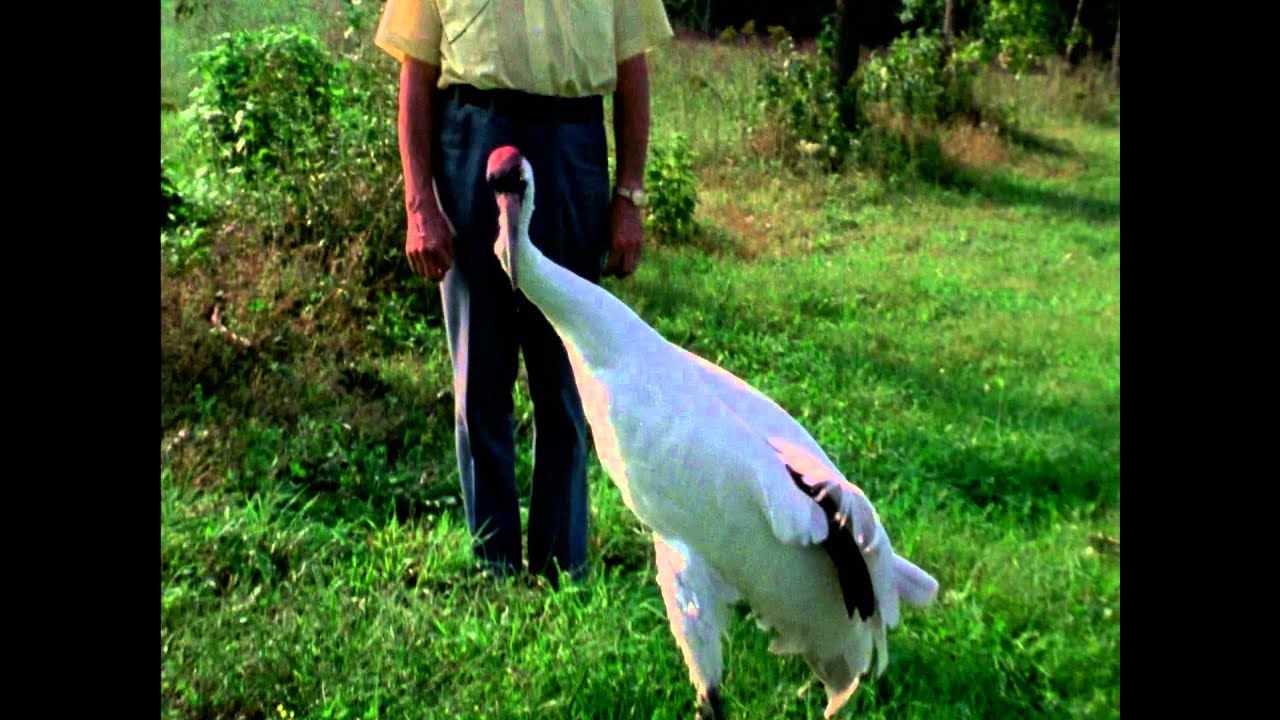
Only 60 wild whooping cranes remain today, a stark increase from just 18 counted in 1937 at the Aransas National Wildlife Refuge in Texas.
In Texas, a population of African Black Rhinos and Asian Axis Deer highlights the complex consequences of introducing exotic species, leading to ecological and economic challenges.
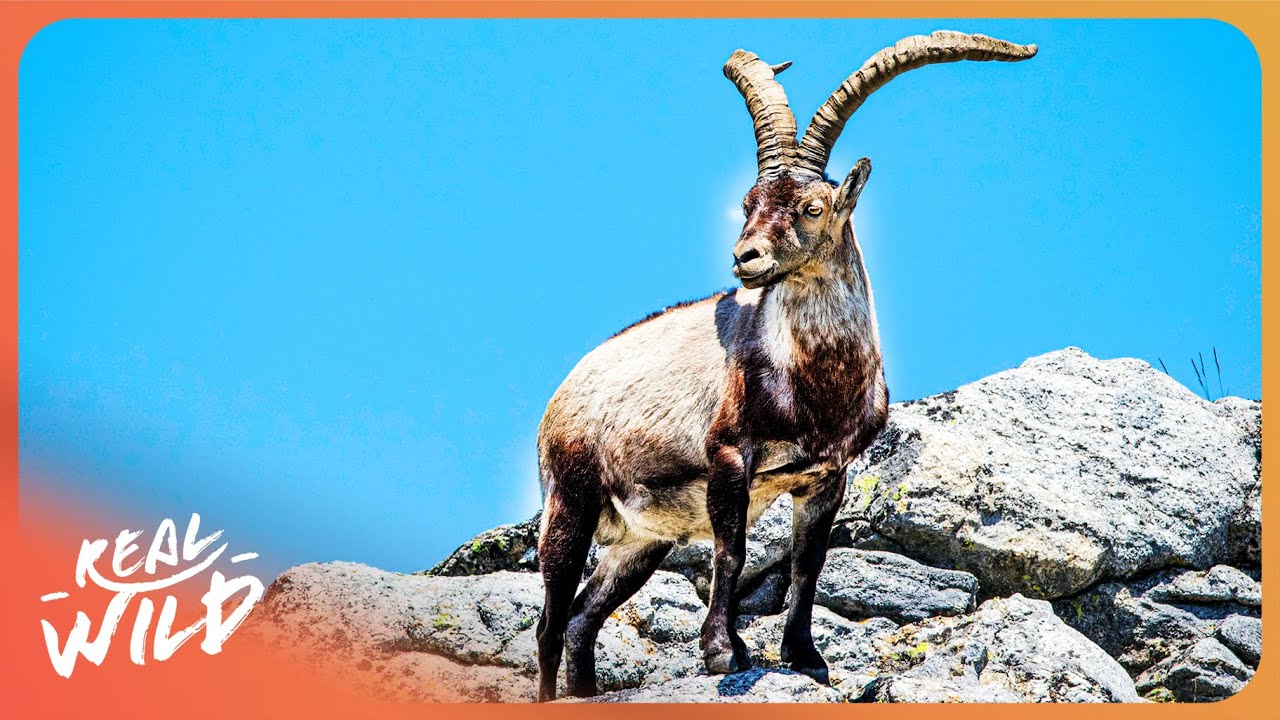
In the Jerte Valley of southwest Spain, two million cherry trees bloom annually, supporting diverse wildlife including Iberian mountain goats and Potoka wild horses.
Wild animal attacks, such as a chimpanzee breakout in West Africa and a Siberian tiger incident at a charity dinner, highlight the dangers of captivity failures.
New Zealand's endangered penguins face threats from predators, habitat loss, and climate change, while conservationists strive to protect their fragile populations.
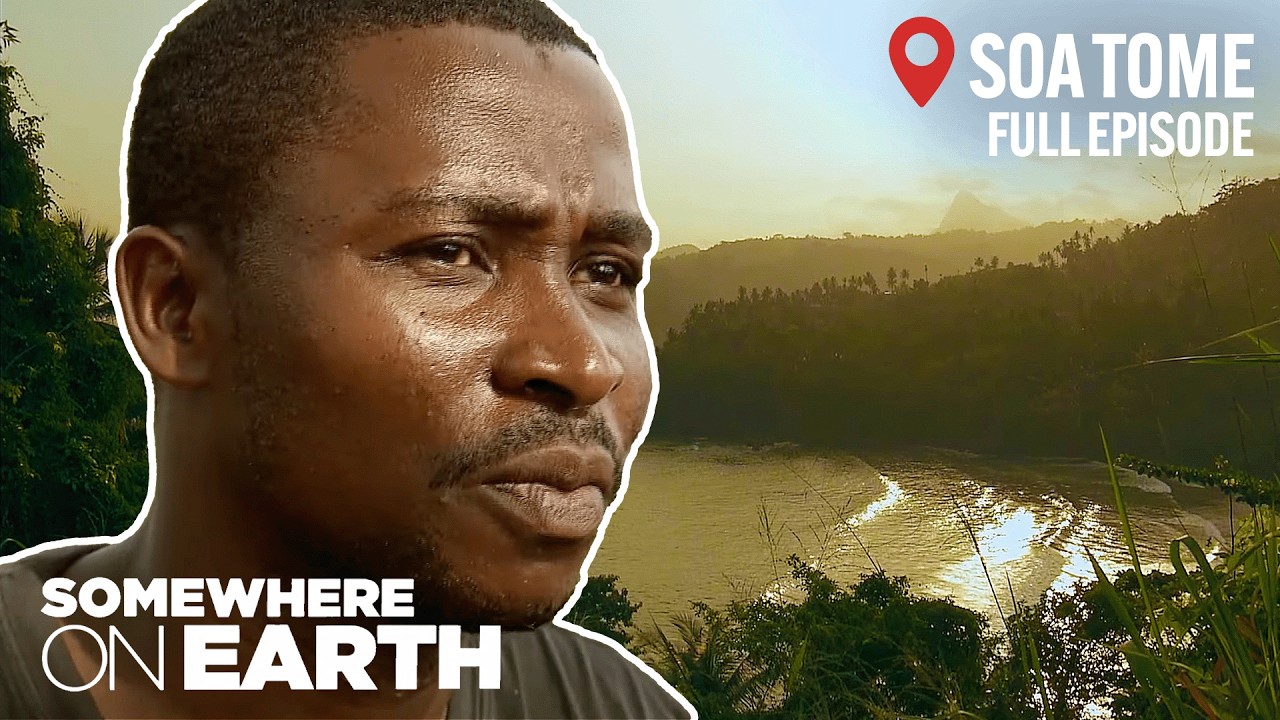
Sao Tome and Principe, an isolated volcanic archipelago, showcases its rich biodiversity through the lives of its inhabitants dedicated to environmental protection, cocoa farming, and medicinal plant research.
Temporary pools and lagoons formed by rain in arid regions support a vibrant ecosystem of fish, crustaceans, amphibians, and birds during the dry summer months.
Australia's unique ecosystems, from Fraser Island's sand dunes to Shark Bay's prehistoric landscapes, showcase the continent's diverse wildlife and natural wonders.
Coral reefs off the islands of Comoros have suffered severe bleaching due to pollution and global warming, prompting filmmakers Peter and Stefania to raise awareness.
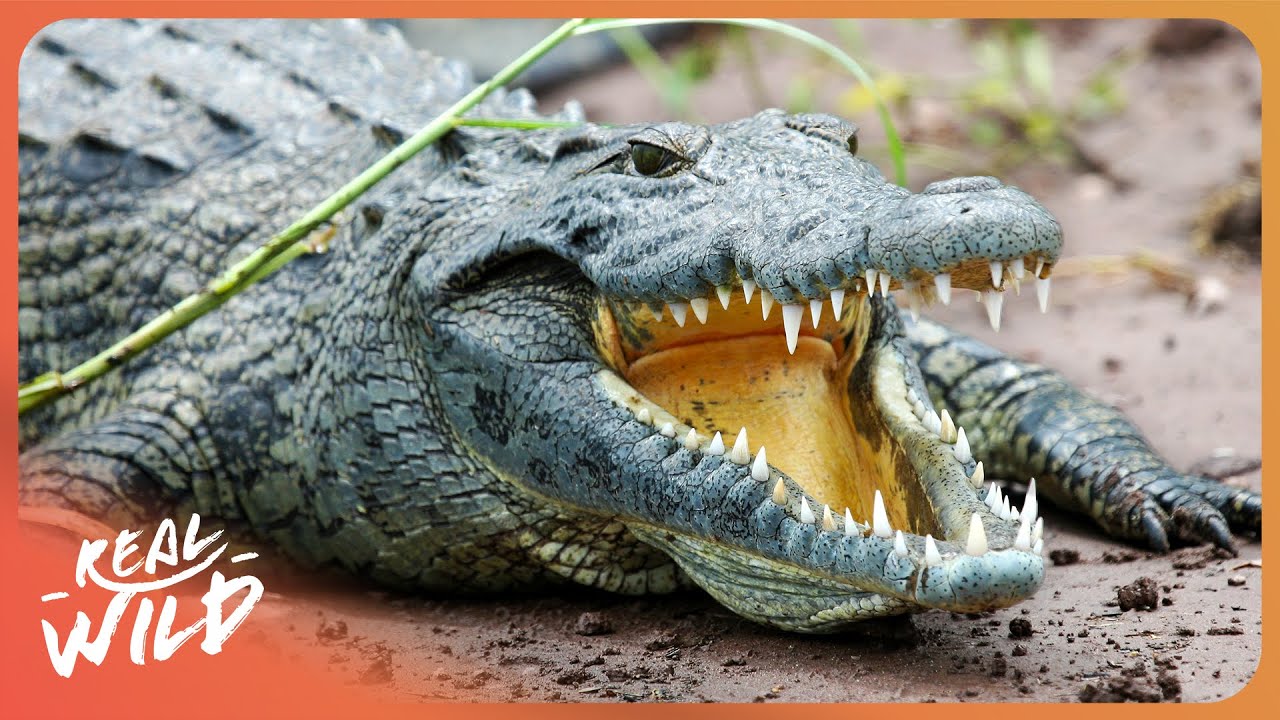
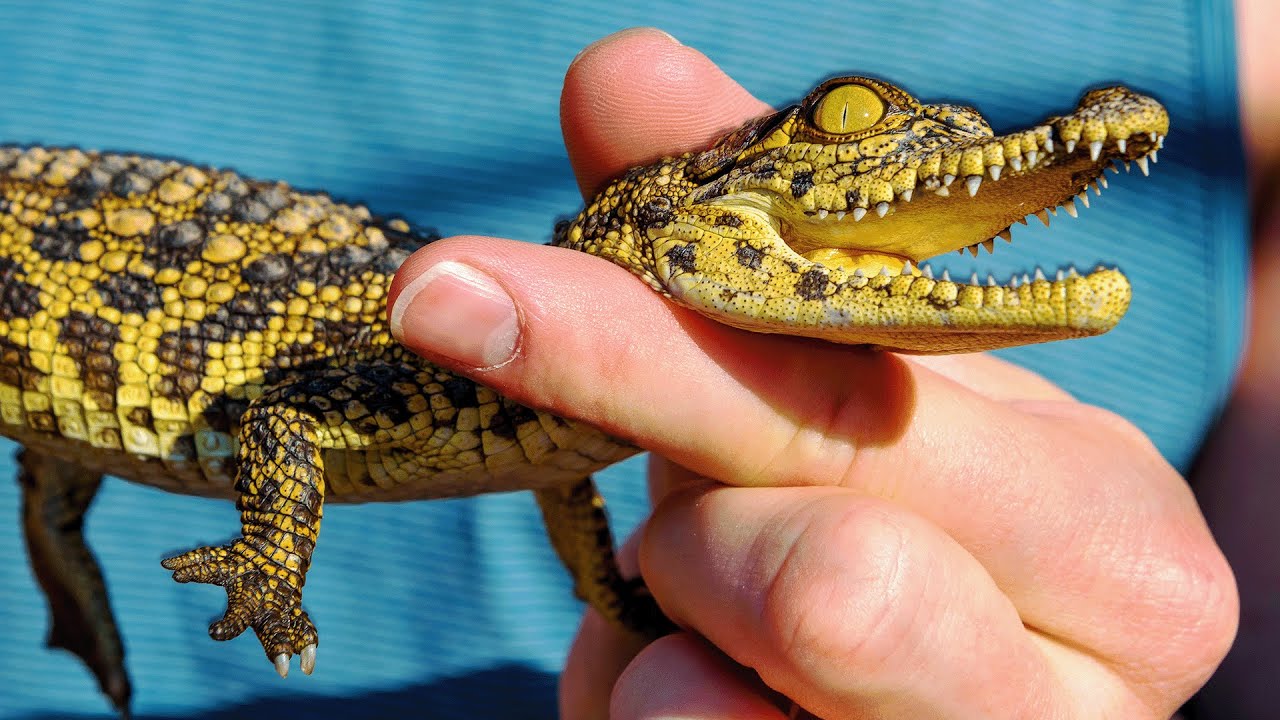
In South Africa's Kruger National Park and Alaska, wildlife interactions reveal the fierce territorial battles among elephants, grizzly bears, lions, orcas, and crocodiles.
Lyell Glacier in Yosemite National Park is featured in silent footage from school field trips and glacier surveys conducted between 1941 and 1949.
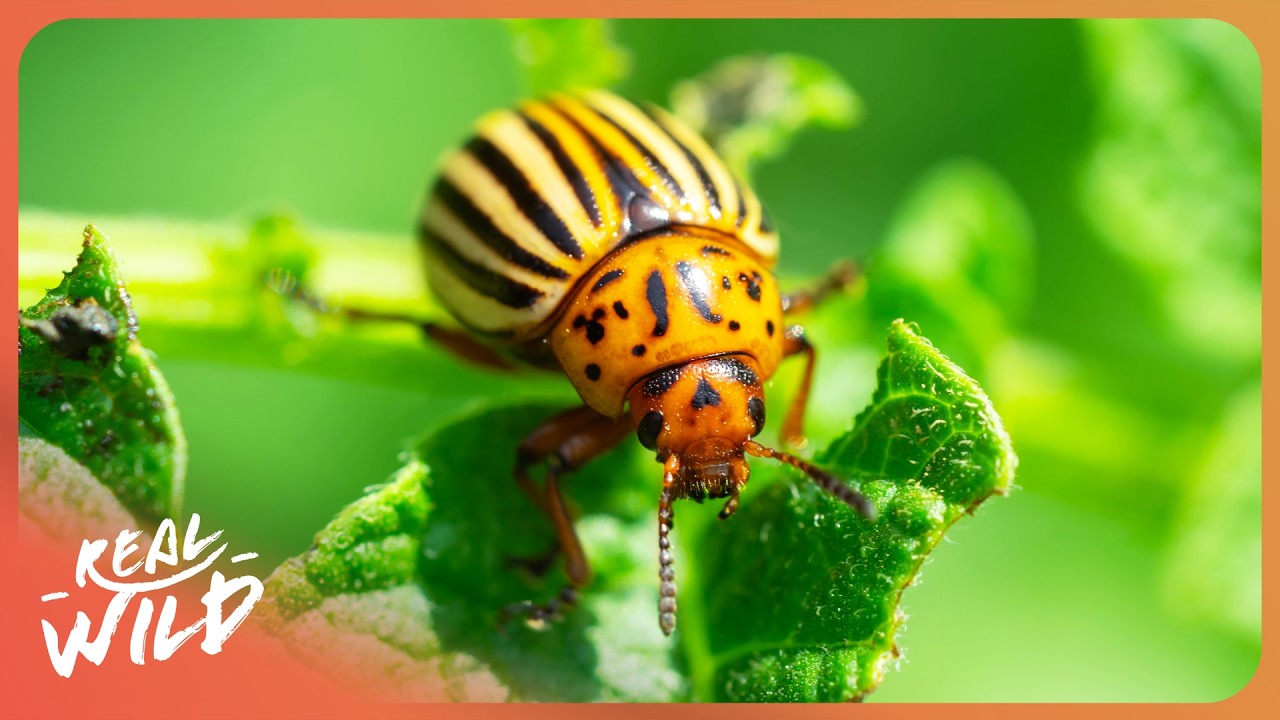
Insects, comprising over ninety percent of Earth's animal life, inspire scientists in Boston to create innovative medical solutions using silkworm-derived materials.
Port Jackson Sharks, known for their unique breeding methods, are observed by Ian Gordon during their breeding season to explore the myths surrounding their parenting.
Golden Eagles, apex predators of the European wilderness, navigate harsh winters and intense breeding seasons while influencing their ecosystem from mountain heights to forest floors.
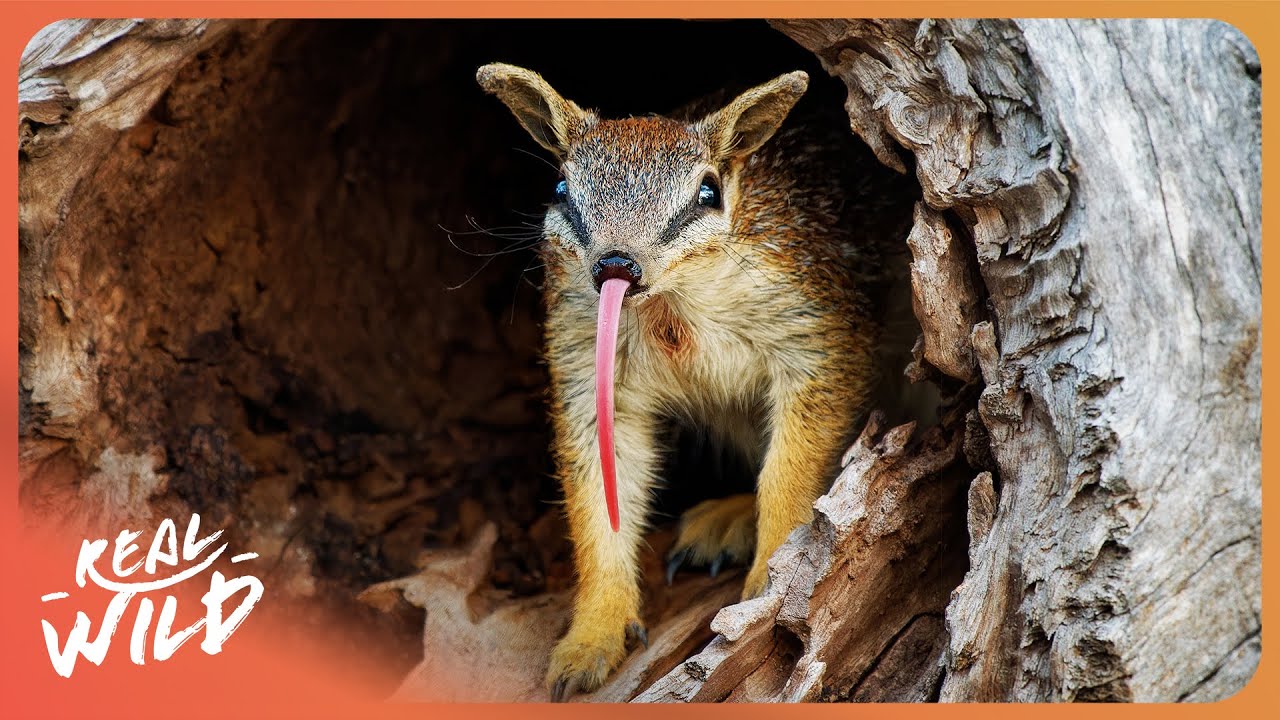
Carnivorous marsupials like numbats, quolls, and dibblers in Australia face extinction due to invasive species such as feral cats and foxes, prompting urgent conservation efforts.
A group of scientists investigates animal behavior, including snakes and elephants, to determine if these creatures can predict earthquakes and save lives.
In Argentina, the reintroduction of Jaguars aims to restore ecological balance, while efforts in Mozambique and the Netherlands highlight global rewilding initiatives.
Humpback whales, along with monarch butterflies and snow geese, are featured in an informative study showcasing their remarkable animal migrations and behaviors.
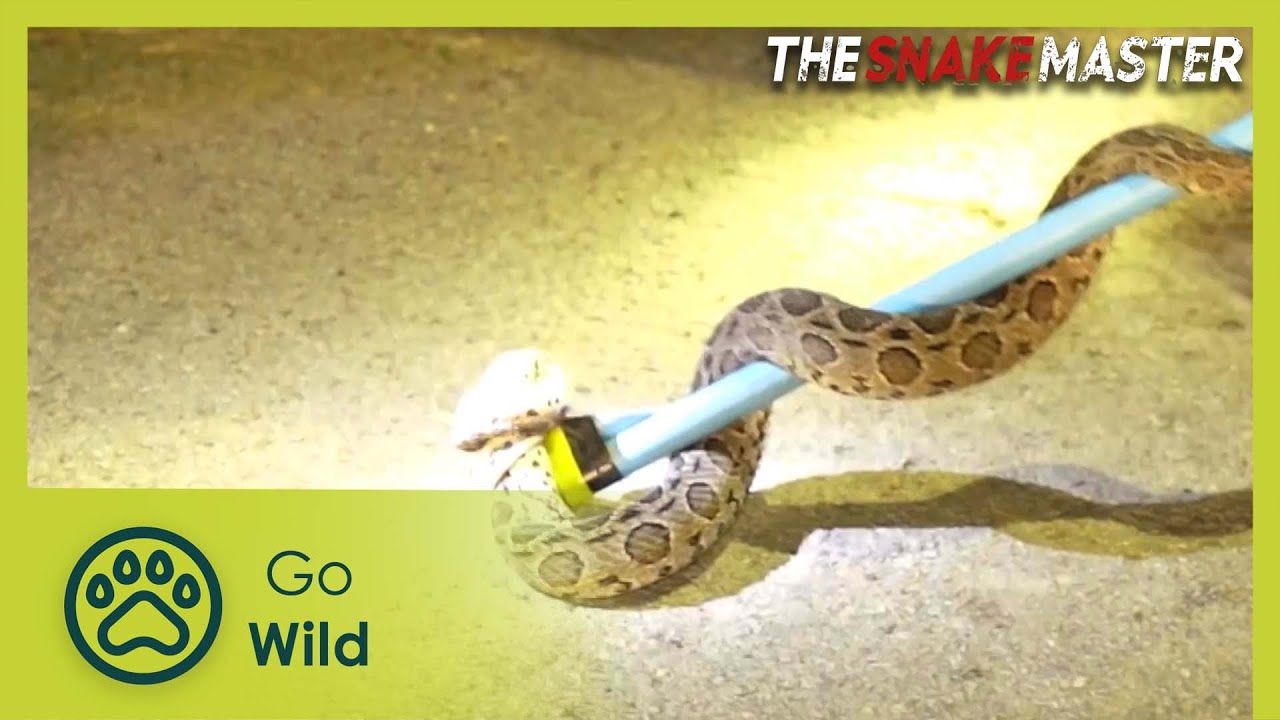
Sa Kaeo province, known for its venomous Siamese Russel's vipers, hosts a mission by the Queen Saovabha Memorial Institute to collect specimens for antivenin production.
Five men, led by Dr. Joe McGinnis, lower themselves into the Arctic Ocean for the first time in history to study its underwater environment.
Rare albino kangaroos in Australia are highlighted alongside the unique adaptations and social behaviors of various marsupials, including quokkas and wallabies.
In Michigan's breeding grounds, a pair of sandhill cranes exemplifies the intricate relationship between wildlife advocacy and the natural behaviors of these ancient birds.
In Morocco, the lives of the last free-roaming Barbary apes and the country's rarest reptiles are observed across diverse habitats, from the Atlas cedars to the southern desert.
Crab-eating macaques in Thailand navigate urban environments and remote islands, showcasing unique hunting techniques and complex social hierarchies.
Angelika prepares to collar and release Wasabi, a resilient yearling, while two undersized cub brothers, Yukon and Taku, show their fighting spirit.
Lions sleep or doze for more than 20 hours a day, and trainers like Martin Lacy teach them to perform basic commands and complex tricks.
During a heat wave, Shawn and Tanja embark on a lengthy bear release mission while also rescuing a fawn and a cub, and Kim works on training a wolf-dog.
In the Masai Mara, complex animal behaviors are showcased, from lion courtship to elephant maternal care, highlighting the intelligence and social dynamics of wildlife.
Animal warriors in lush jungles and dense forests utilize deadly weaponry to survive in a complex hunting arena filled with diverse species.
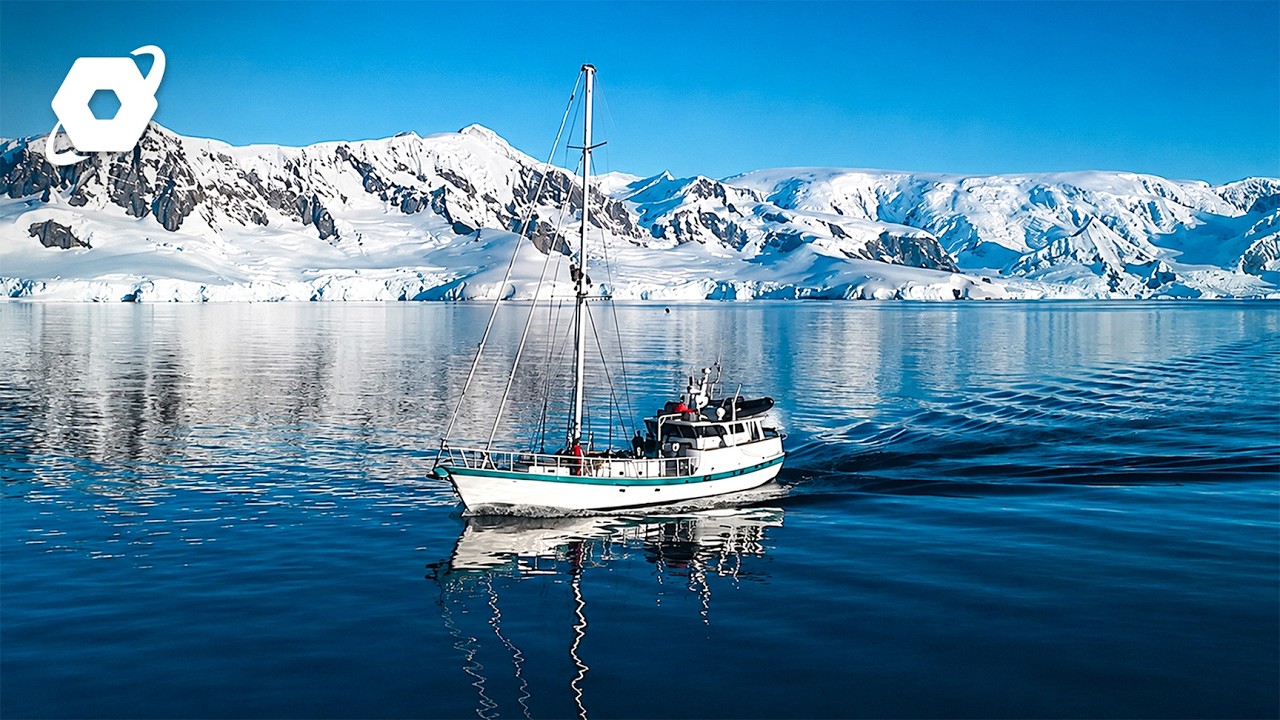
A team of scientists navigates the Antarctic Peninsula aboard a small sailing vessel, collecting crucial climate and biodiversity data amid extreme conditions.
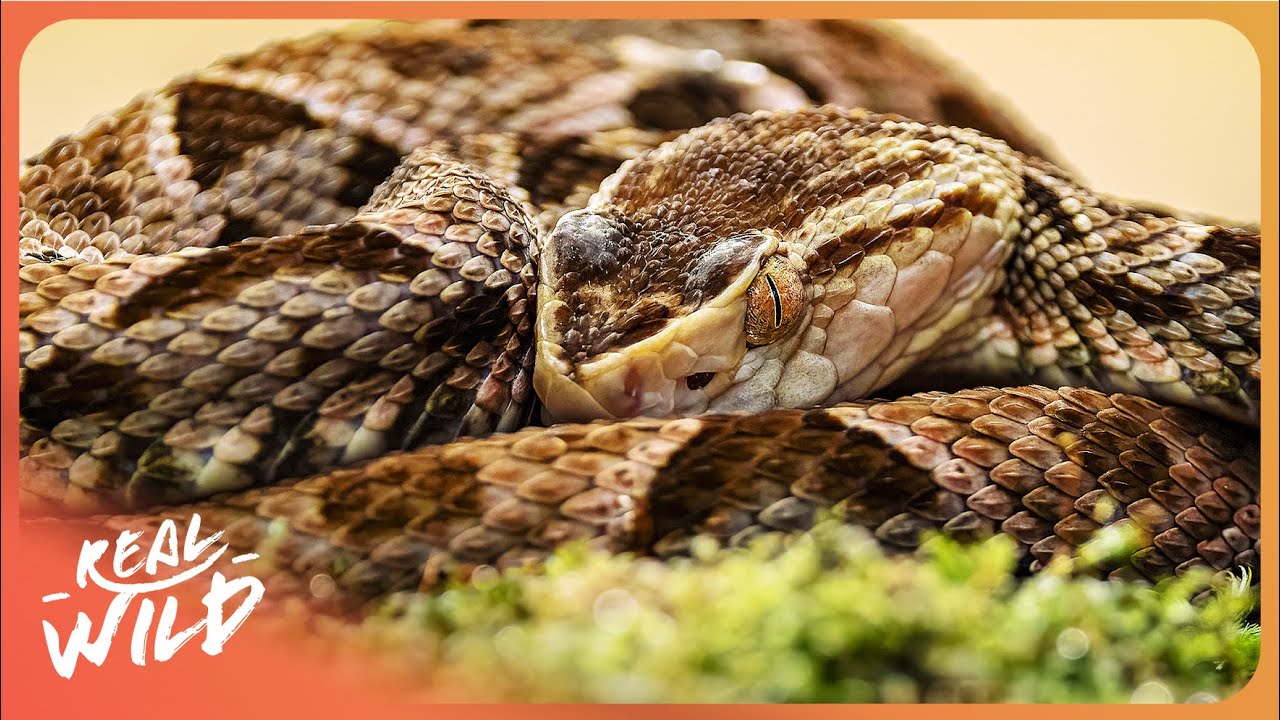
In Argentina's Patagonia, reptile hunter Mark O'Shea leads an expedition to locate the elusive Patagonian lancehead viper and study its breeding colony.
In Africa's savannah, giraffes navigate competitive habitats from Namibia to Uganda, showcasing their surprising speed and complex social lives through conservation research.
African elephants can communicate over several kilometers using infrasonic calls that are inaudible to the human ear.
11 million kilos of meat are consumed by vultures in the Serengeti each year, illustrating their crucial role in the park's ecosystem.
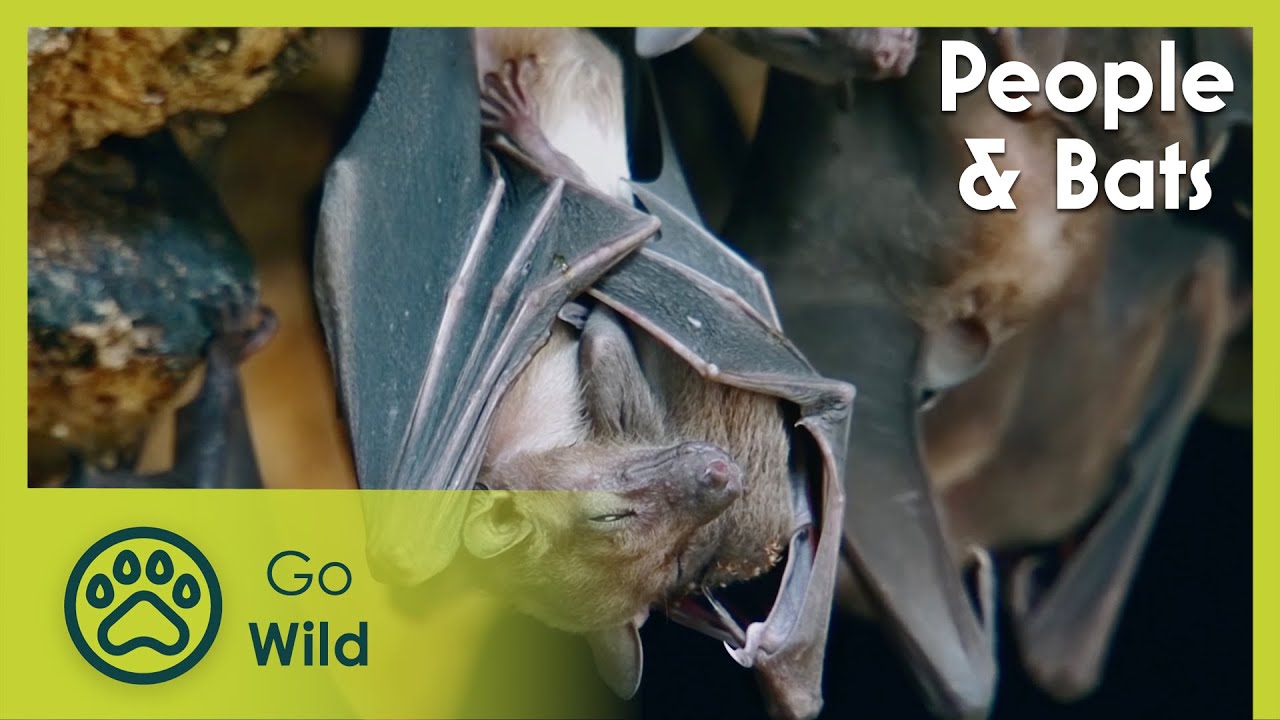
Bats, often viewed as dangerous animals, are examined for their cultural significance and the contrasting perceptions of threat and reverence across different societies.
A 366-foot destroyer, the Annapolis, awaits its fate as a potential artificial reef, following years of delays and regulatory hurdles.
Germany's rivers, streams, and lakes host a diverse array of aquatic life, including exotic jellyfish, freshwater turtles, and the formidable Wels catfish.
Rambo, a male tiger rescued from Florida, faces numerous challenges during his transport to England, highlighting the plight of captive tigers in America.
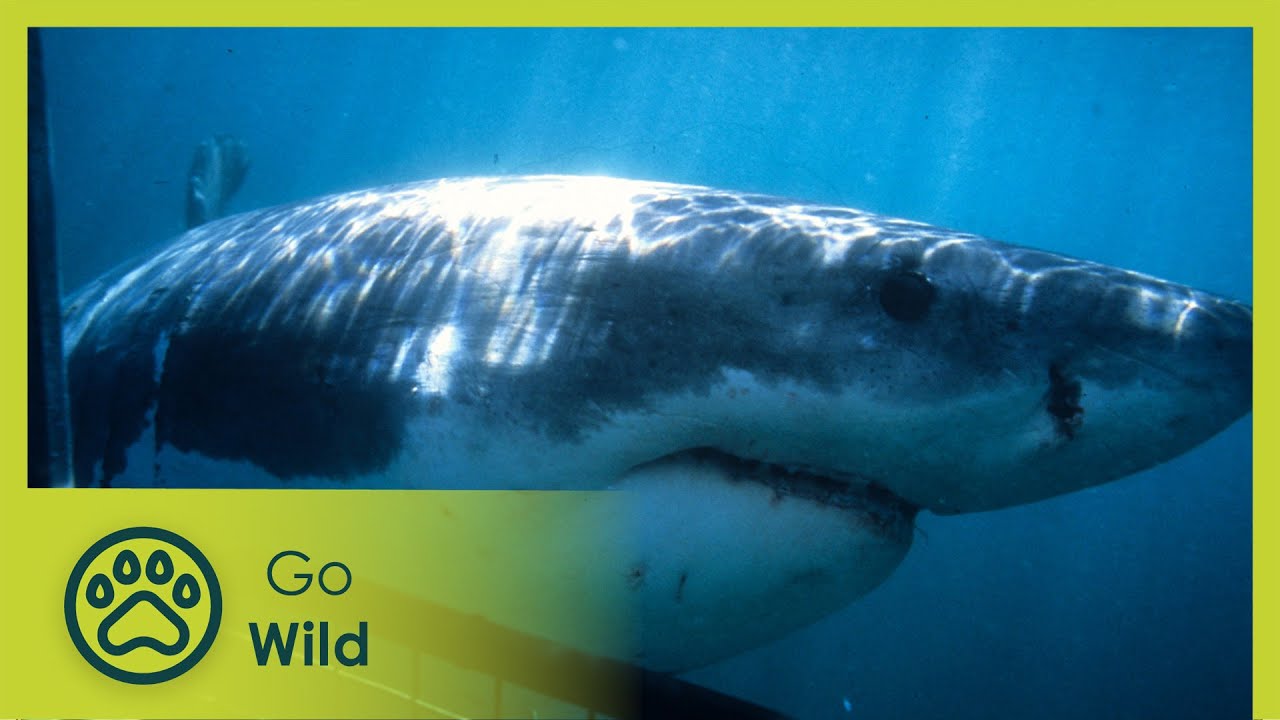
Marine giants such as marlins and sharks are explored through their behaviors, habitats, and the challenges they present in ocean ecosystems.
Leopards, zebras, and African buffalo are examined for their unique behaviors, survival strategies, and conservation challenges across the Serengeti and Maasai Mara.
Asia's coasts feature vibrant ecosystems, including mangrove forests and coral reefs, showcasing the diverse aquatic wildlife that inhabits these rich habitats.
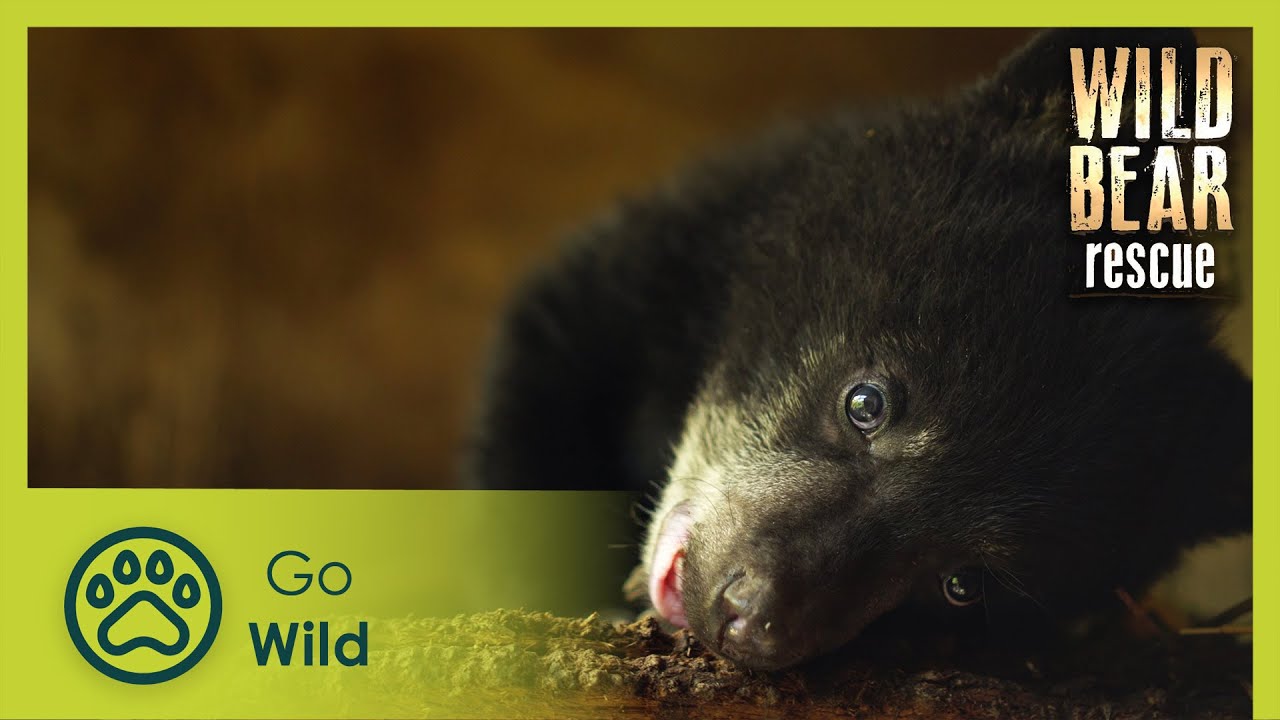
In diverse habitats across Africa, North America, and Asia, baby animals such as tree-climbing goats, black bear cubs, and panda cubs showcase their early lives and survival instincts.
Over 5,000 tablets of the diabetes drug metformin flow into the ocean daily from the Thames, raising concerns about chemical pollution's impact on marine life.
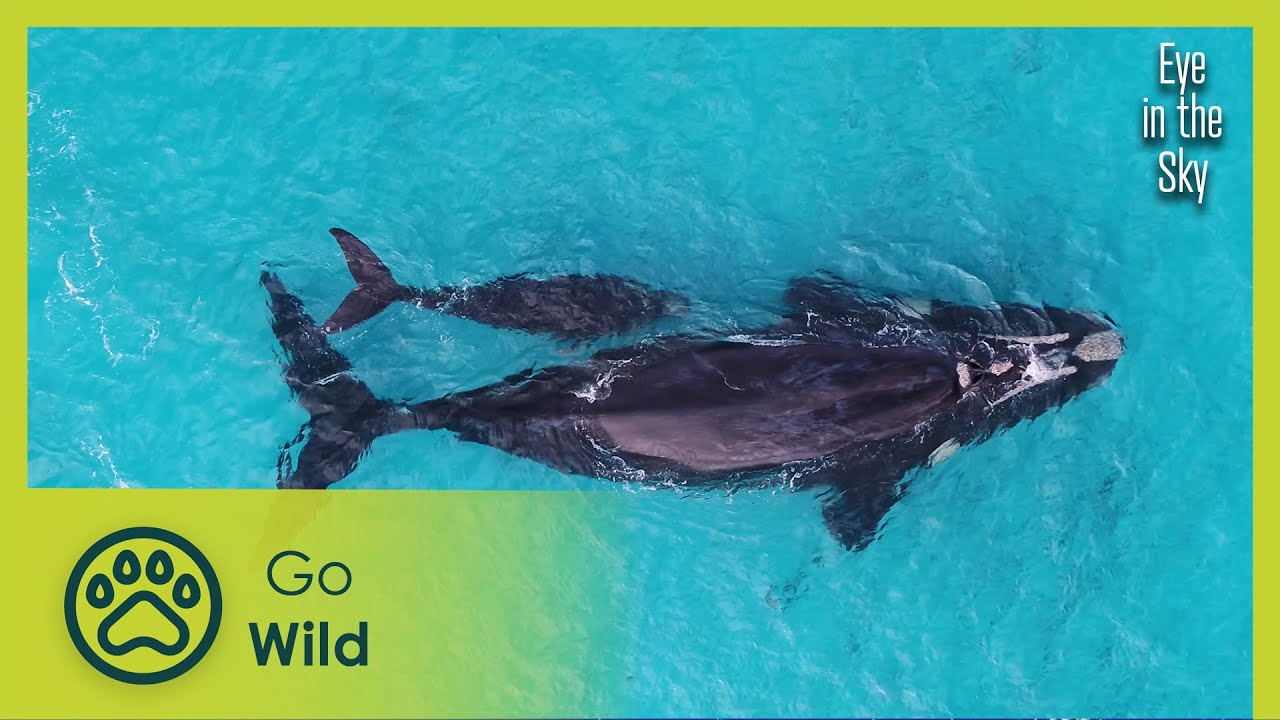
Lord Howe Island features volcanic peaks and coral reefs, while Western Australia showcases southern right whale migrations, vibrant wildflowers, and unique geological formations.
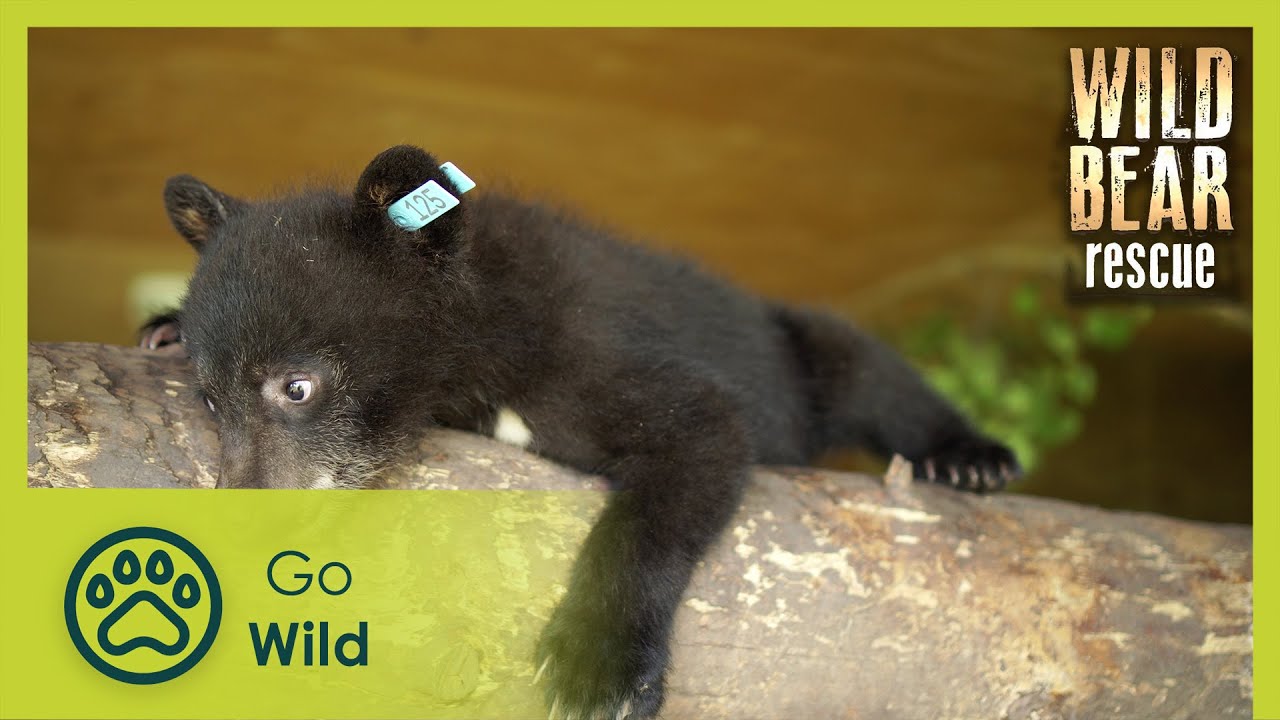
Timmy, a yearling bear, is reunited with his siblings after five months apart, while a new volunteer, Eli, worries about the shy cub Summit's adjustment.
In a national park where herbivores were reintroduced, the return of lions restored the natural balance, reigniting the ecosystem's primal dynamics.
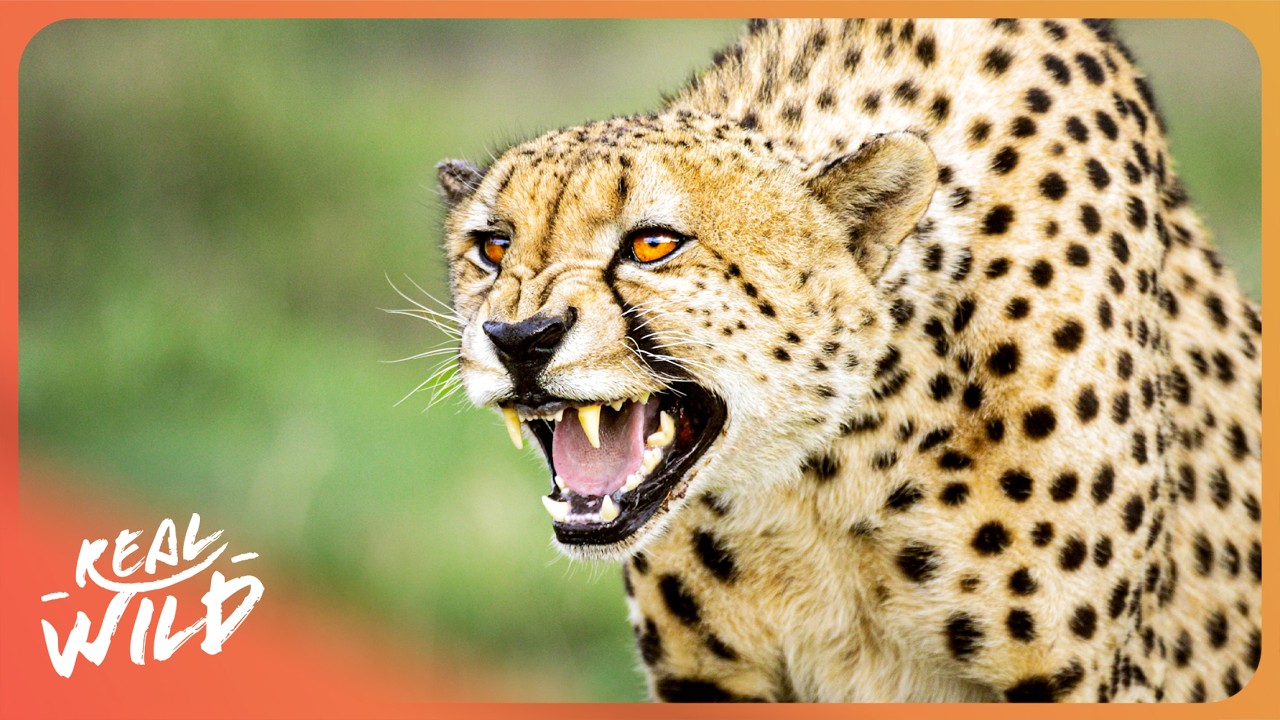
In Hwange National Park, Zimbabwe, a mother cheetah struggles to teach her four cubs essential survival skills in the challenging African savanna.
Chameleons, unique to Madagascar, face threats from the illegal trade as wildlife videographer Adam Schmedes captures their vibrant beauty and perilous plight.