From over 100,000 films, discover the handful you'll love.
Free or premium access to the world's largest documentary library.
7944 films(Page 118 of 166)
South America's diverse wildlife, from the raging rivers of Patagonia to the dry canyons of Brazil, showcases the continent's unique natural wonders.
Spy cameras capture intimate moments of wildlife, showcasing interactions among animals like mourning monkeys, playful lion cubs, and boisterous bears.
In Antarctica, penguins face extreme challenges daily, battling seals and competing for food to ensure the survival of their young.
Polar bears are showcased in a collection of memorable moments from the extensive BBC Earth library, highlighting their behavior and habitat.
BBC Earth's series showcases standout moments of wildlife interactions, highlighting the survival struggles and hunting strategies of various species across ecosystems.
Predator-prey relationships in the wild are explored through a compilation of scenes from BBC Earth's acclaimed series The Hunt, showcasing survival strategies and adaptations.
Arctic foxes, snow leopards, and polar bears exemplify the unique adaptations and survival strategies of wildlife in extreme winter environments.
The BBC Earth Archive showcases notable moments featuring spiders with unique hunting techniques and the ability to spin webs up to 25 meters long.
Dynamic interactions between predators and prey, such as leopards, ostriches, and hawks, highlight the brutal realities of survival in various ecosystems.
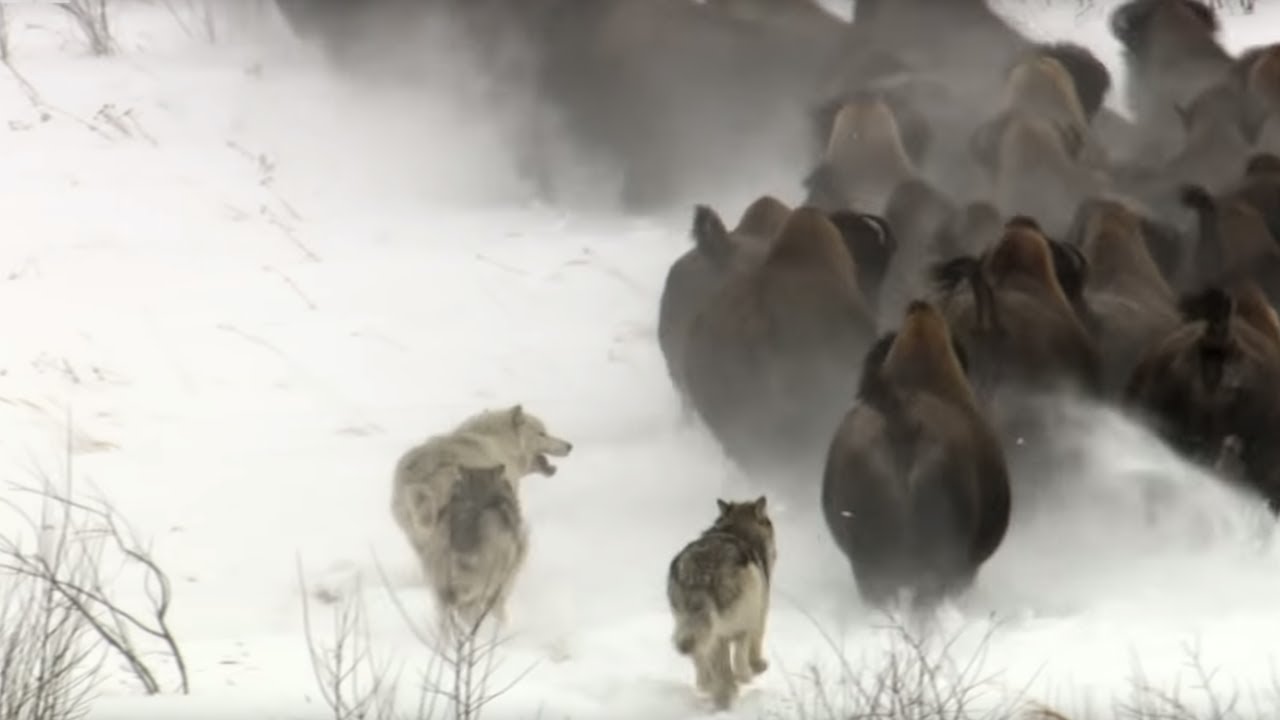
Wolves chase hares, hawks pursue bats, and lions confront a bull in a series of intense predator-prey interactions showcased by BBC Earth.
A dwarf mongoose measures barely 30 centimeters and weighs a maximum of 750 grams, thriving in the termite nests of Samburu National Reserve.
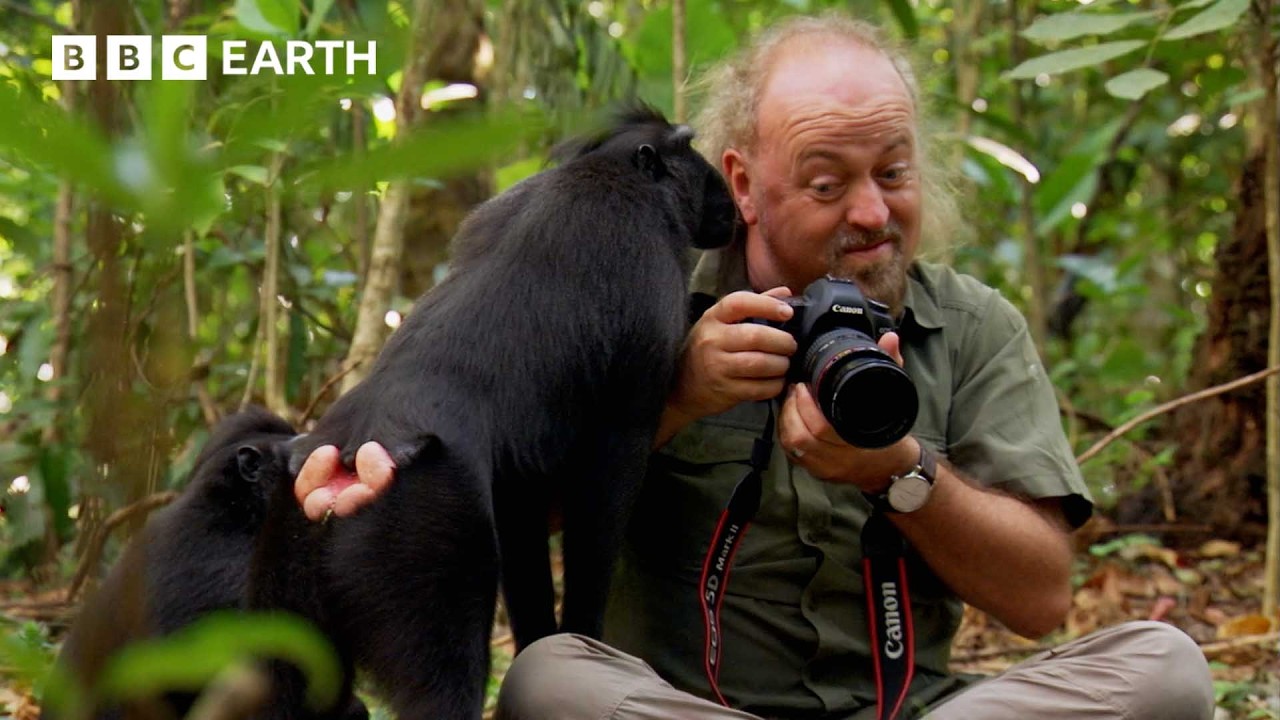
Alfred Russel Wallace's expeditions through Borneo and the Spice Islands are retraced by Bill Bailey, highlighting encounters with orangutans, flying frogs, and birds of paradise.
Bill Buford and his sons prepare steak tartare, inspired by meals in Lyon and Brussels, emphasizing the use of fresh, high-quality tenderloin.
Baikal, located in Siberia, is one of the largest lakes in the world, hosting a unique ecosystem with diverse flora and fauna despite extreme winter conditions.
Rapid global biodiversity decline is examined through case studies from the Amazon rainforest and Great Barrier Reef, highlighting threats and conservation efforts by organizations like the World Wildlife Fund.
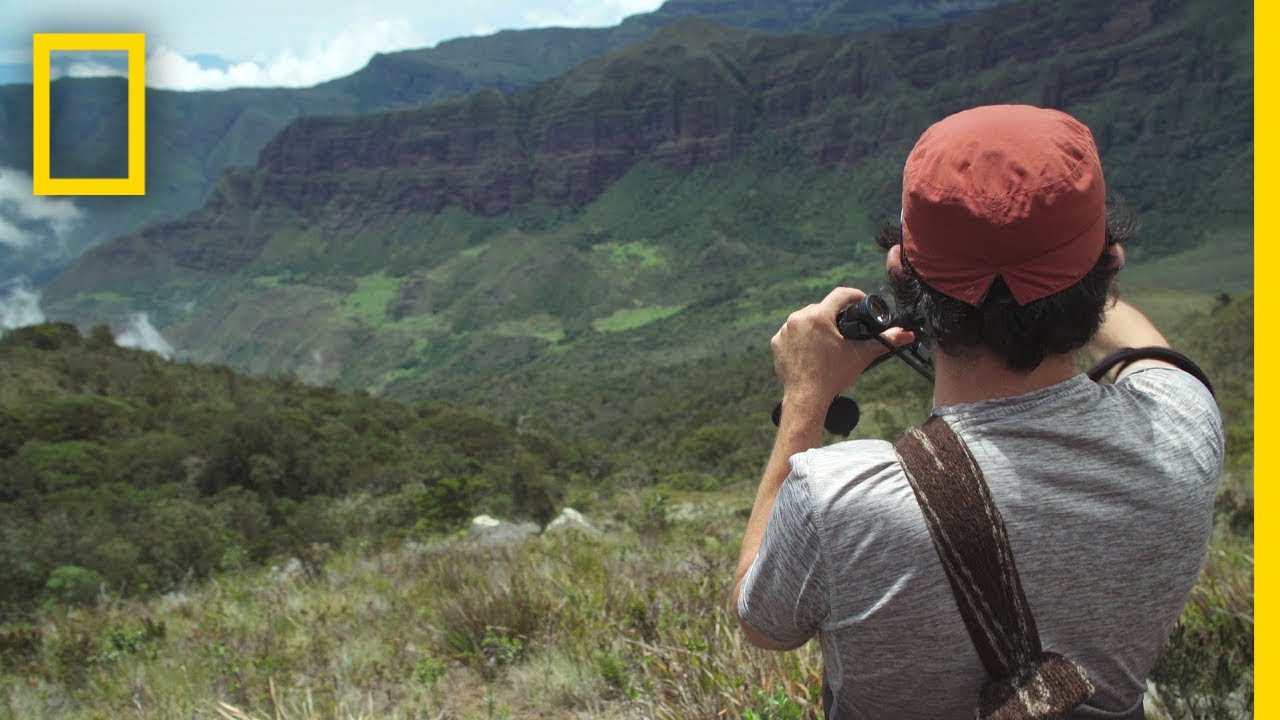
Diego Calderón returns to Colombia to meet former FARC members years after being kidnapped while researching birds in a remote area.
A man must present the feet of a lambo to his wife before her pregnancy concludes to ensure their child inherits the animal's survival qualities.
27,000 orangutans remain in the wild, primarily on the islands of Sumatra and Borneo, as their population has halved over the past decade.
Bats exhibit unique behaviors and adaptations, showcasing their ecological importance through playful interactions, hunting techniques, and complex communication.
Five new evasion tactics are tested against a bloodhound in a series of challenges designed to assess their effectiveness in capture scenarios.
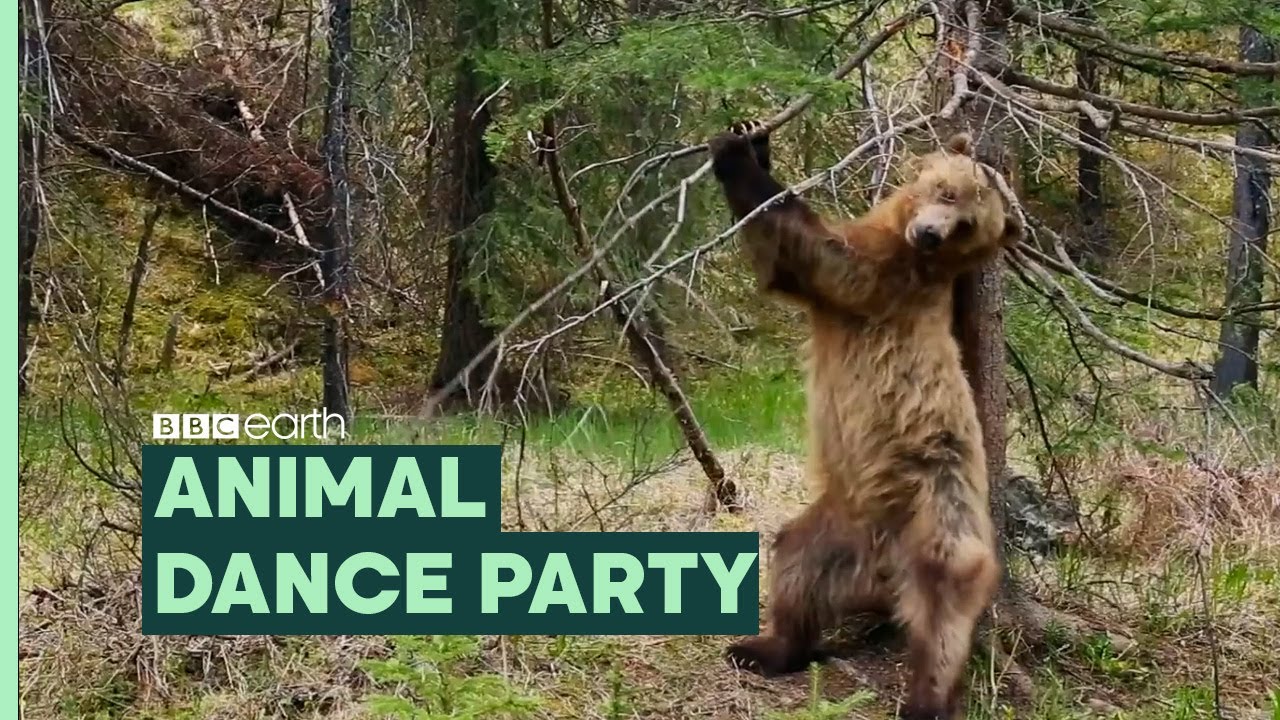
Animals like bears and sardines display rhythmic movement patterns across diverse ecosystems, from forests to oceans, highlighting their unique behaviors.
A sniffer dog at a border checkpoint identifies a potentially deadly threat, highlighting the critical role of trained animals in ensuring safety.
Japan's ecosystems are home to playful Japanese macaques and elegant red-crowned cranes, showcasing their interactions and environmental challenges in 4K UHD.
In the UK, the dawn chorus features a montage of birdsong, highlighting the challenge of identifying various garden birds amidst their collective melodies.
Biologist Liz Bonnin examines unusual animal relationships around the world, highlighting interactions such as dogs nurturing tigers and buffaloes bonding with humans.
The Great Planes' ecosystem relies on Buffalo, which are vital for preserving grasslands.
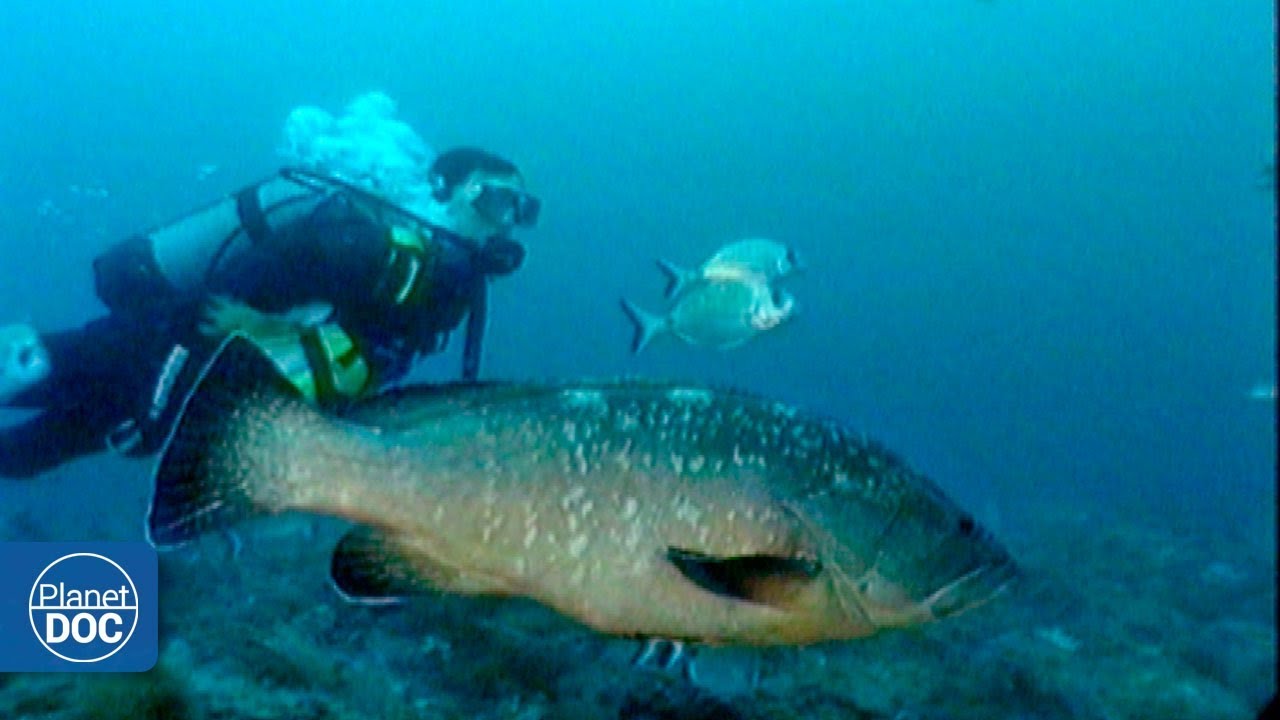
Cabrera Archipelago National Park in the Balearic Islands spans 10,021 hectares and serves as a vital habitat for diverse Mediterranean marine and land species.
This Spanish documentary showcases The Cabrera Archipelago National Park and its unique biodiversity.
More than 200 fish species inhabit the waters of the Cabrera archipelago, ranging from 5-centimeter white bait to 12-meter sharks.
This Spanish documentary showcases The Cabrera Archipelago National Park and its unique marine life.
Six baby chimpanzees and four monkeys were rescued from a crate on a flight from Cairo in January 2005, after being deprived of food and water for days.
In the Costa Rican Cloud Forest, calming sounds of wildlife and nature create a serene atmosphere, highlighting the region's rich biodiversity.
Recent rains in the Sahara revive dromedaries and goats for nomadic herders.
A ping-pong ball reaches speeds of 453 mph during tests, causing significant damage to materials but ultimately proving non-lethal against a pork shoulder.
Petunia, a wild-raised Mustang at the Horse Protection Association of Florida, faces rehabilitation efforts by expert Pat Parelli to overcome her fear of humans.
Gravitational waves, first detected in 2015, ripple through spacetime, leaving permanent changes that may reveal new insights into the universe.
Cuban crocodiles in Zapata Swamp face extinction due to poaching and American crocodile invasion.
Join Mythbusters as Adam Savage investigates if specific frequencies can create haunting effects.
Participants have 21 days to build a shelter in the wilderness before a rainstorm threatens their safety and survival.
A cuttlefish participates in a modified version of the Stanford Marshmallow Test, challenging existing notions of intelligence and self-control in marine life.
A large team faces a 60-day survival challenge in the wilderness on Naked and Afraid.
Scientists armed with advanced tools seek breakthroughs to save coral reefs worldwide.
Fritz Zwicky proposed in 1961 a method to move the Sun using a giant particle accelerator that would shoot pellets at it at near-light speed.
Dr. Andrew Pask's team at the University of Melbourne has sequenced the entire thylacine genome in an effort to revive the extinct Tasmanian tiger.
Venice faces an escalating threat from flooding due to natural subsidence and climate change, prompting the ambitious MOSE project to construct a protective barrier system.
Mark Thiessen captures Egyptian fruit bats in flight, using a camera setup that shoots 12 photos per second to get the perfect shot.
The Canaries current, part of the Gulf Stream, lowers water temperatures and influences rainfall patterns, with the windward side of the islands receiving twice as much rain as the leeward side.