From over 100,000 films, discover the handful you'll love.
Free or premium access to the world's largest documentary library.
7945 films(Page 144 of 166)
Mike Penman faces a lion armed only with a roll of toilet paper, using it as a distraction in a dangerous encounter in Botswana National Park.
New Zealand's exclusive economic zone contains more than 17,000 known marine species, with tens of thousands more yet to be discovered.
Ancient DNA retrieved from Greenland's permafrost reveals an ecosystem that thrived over 2 million years ago, offering insights into climate adaptation strategies.
A fin whale washes ashore in Israel, prompting reflections on life and mortality.
Researchers utilize advanced technology to explore the deep sea's unique ecosystems and marine life, highlighting the urgent need for marine conservation.
A virtual bending machine simulates how footballs curve in the air, revealing the science behind ball spin and goalkeeper reactions.
Hateg Island's ecological niche for apex predators was filled by a giant pterosaur, showcasing the unique evolutionary adaptations of prehistoric life in Europe.
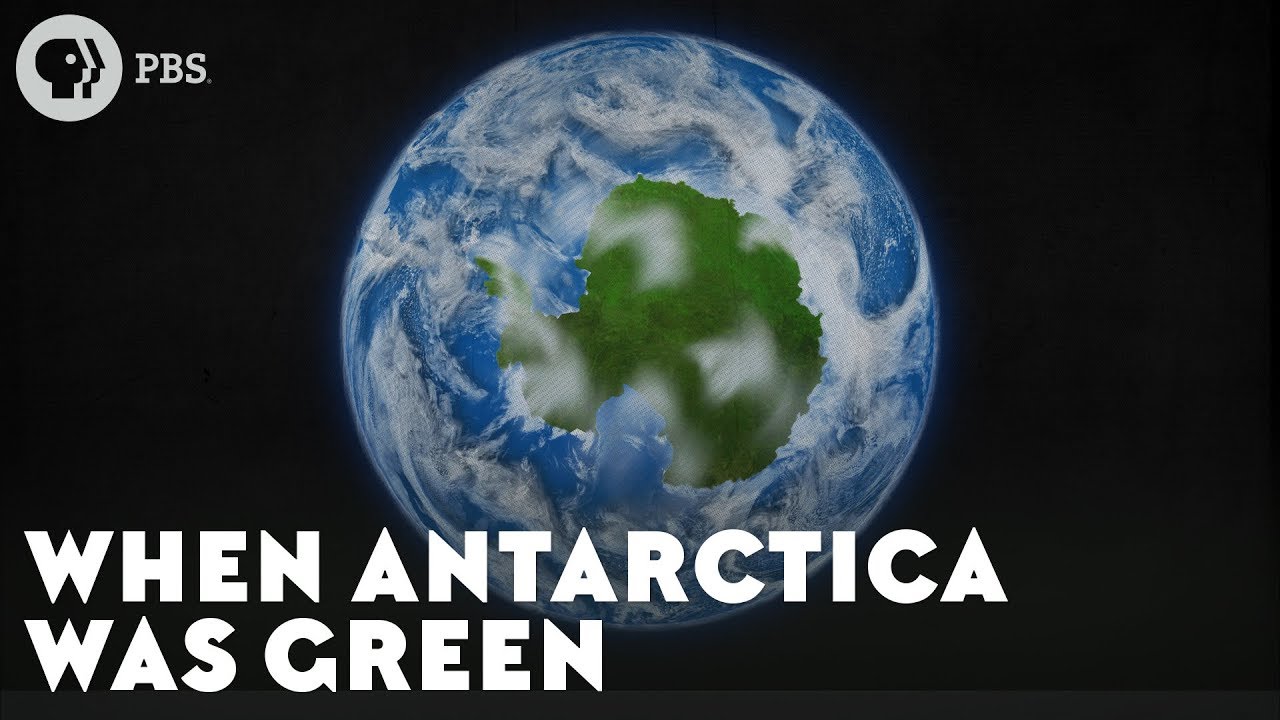
Before the Eocene Epoch, Antarctica was a lush, green landmass connected to Australia and South America, shaping the southern hemisphere's ecological history.
Ants have been farming fungi for approximately 60 million years, long before humans began agriculture, highlighting a complex relationship with their environment.
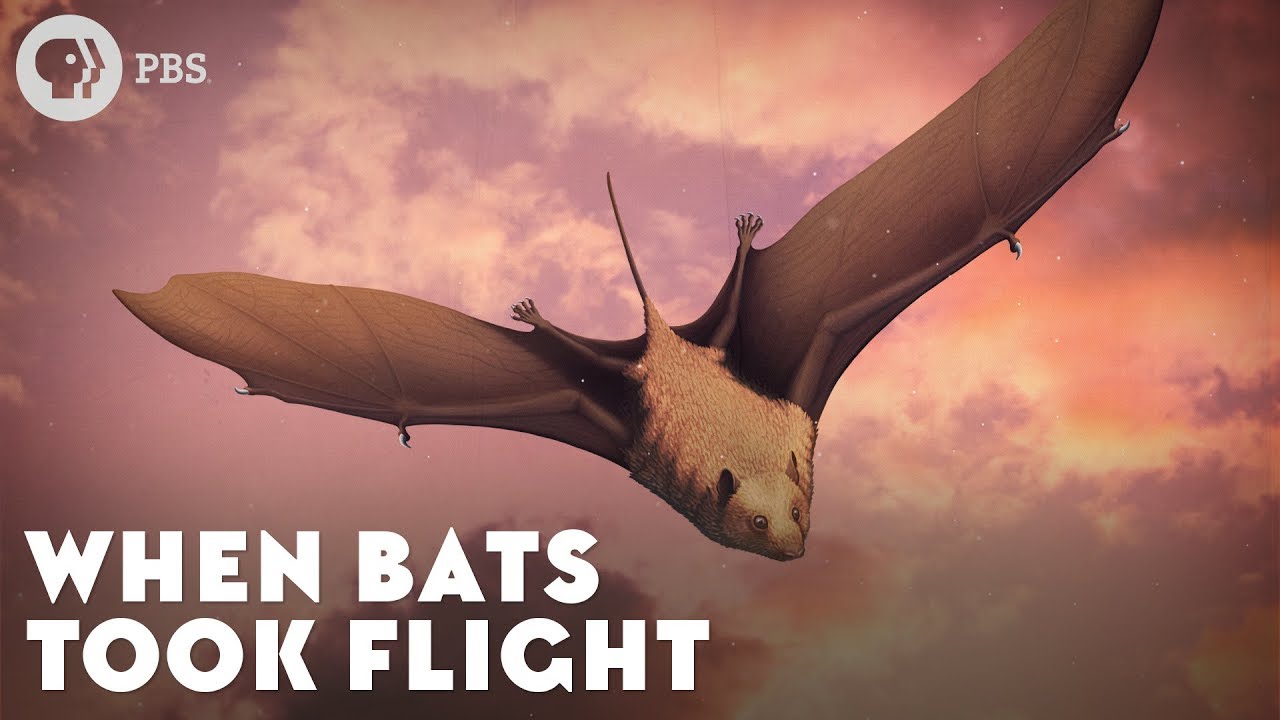
Bats appear in the fossil record as fully developed flying mammals across all continents except Antarctica, raising questions about their origins and evolutionary features.
Ratites, including ostriches, emus, and kiwis, adapted to diverse environments across continents, revealing insights into their evolutionary history and global distribution.
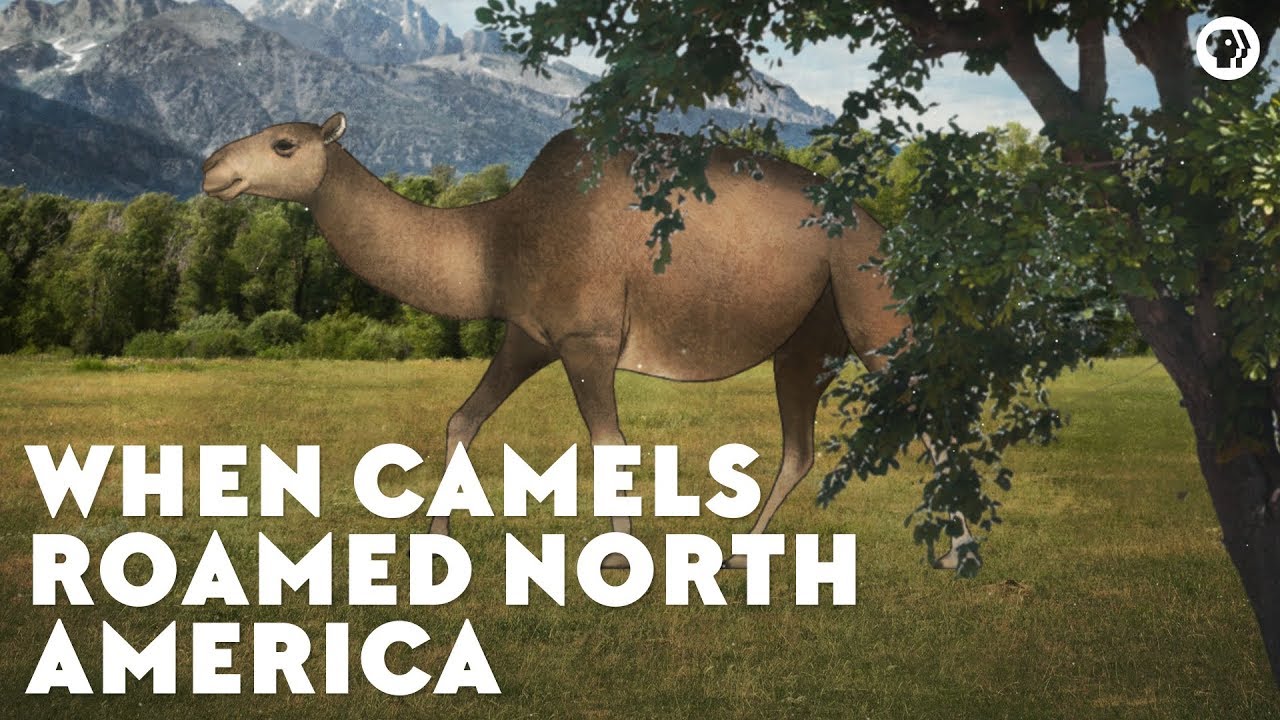
Camels originated in North America over 40 million years ago, thriving in a rainforest environment before adapting to harsher climates.
Metriorhynchids, a group of marine reptiles, thrived in prehistoric seas while dinosaurs dominated the land, showcasing unique adaptations for aquatic life.
A Morrocoy Turtle travels across ground that was submerged just days ago, seeking refuge in a pool as the dry season intensifies.
In the Cretaceous Period, the Arctic was a challenging environment for dinosaurs, yet fossils reveal their remarkable adaptations for survival in extreme winter conditions.
420 million years ago, some fish evolved armor made of plates and interlocking scales, which may have served purposes beyond protection.
Megaloceros, one of the largest deer species, coexisted with early humans in Eurasia, leading to significant interactions that shaped both species' histories.
420 million years ago, Prototaxites, a giant fungus, dominated terrestrial ecosystems and significantly influenced the evolution of life on Earth.
Giant lemurs once roamed Madagascar, evolving into a diverse group of primates that significantly influenced the island's unique ecosystems before their extinction.
Giant millipedes, the largest known invertebrates to ever inhabit land, raise questions about their size and the environmental factors that contributed to their growth.
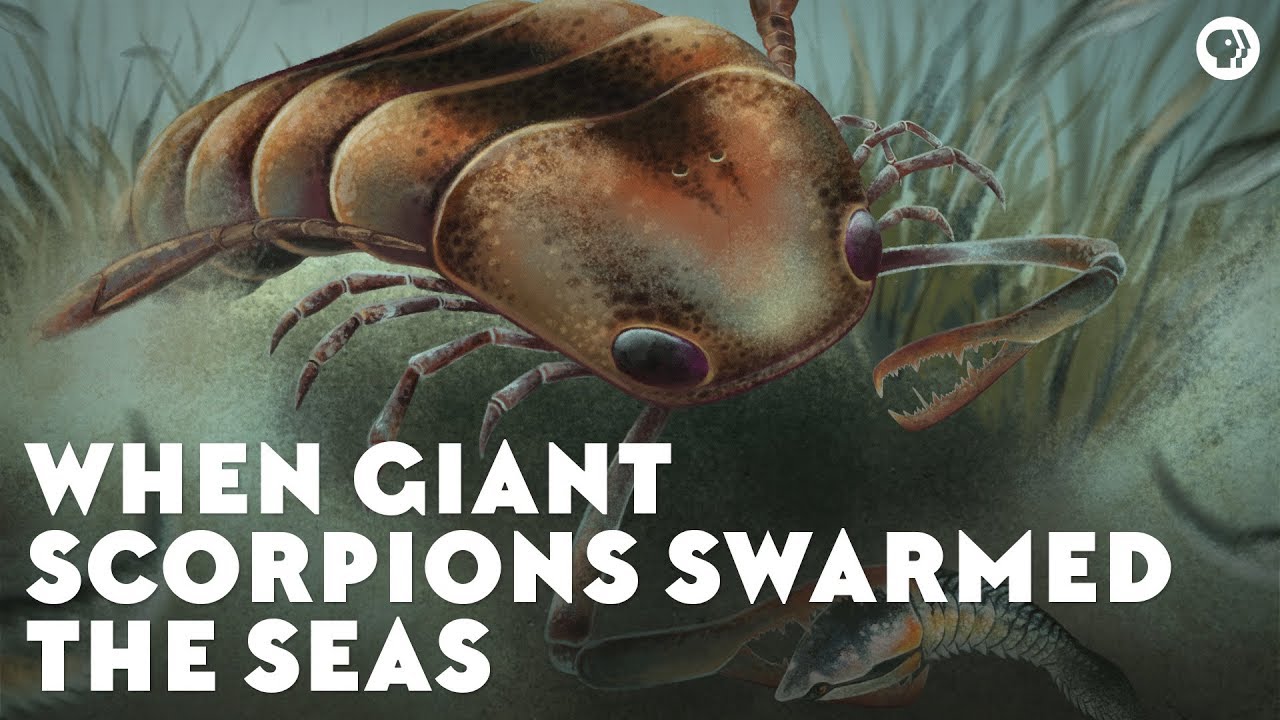
Sea scorpions, which thrived for 200 million years, evolved various adaptations, including massive sizes that made them the largest arthropods in history.
Ichthyosaurs emerged after The Great Dying, a mass extinction event that eliminated 90 percent of marine life, leading to a new evolutionary dynamic in the oceans.
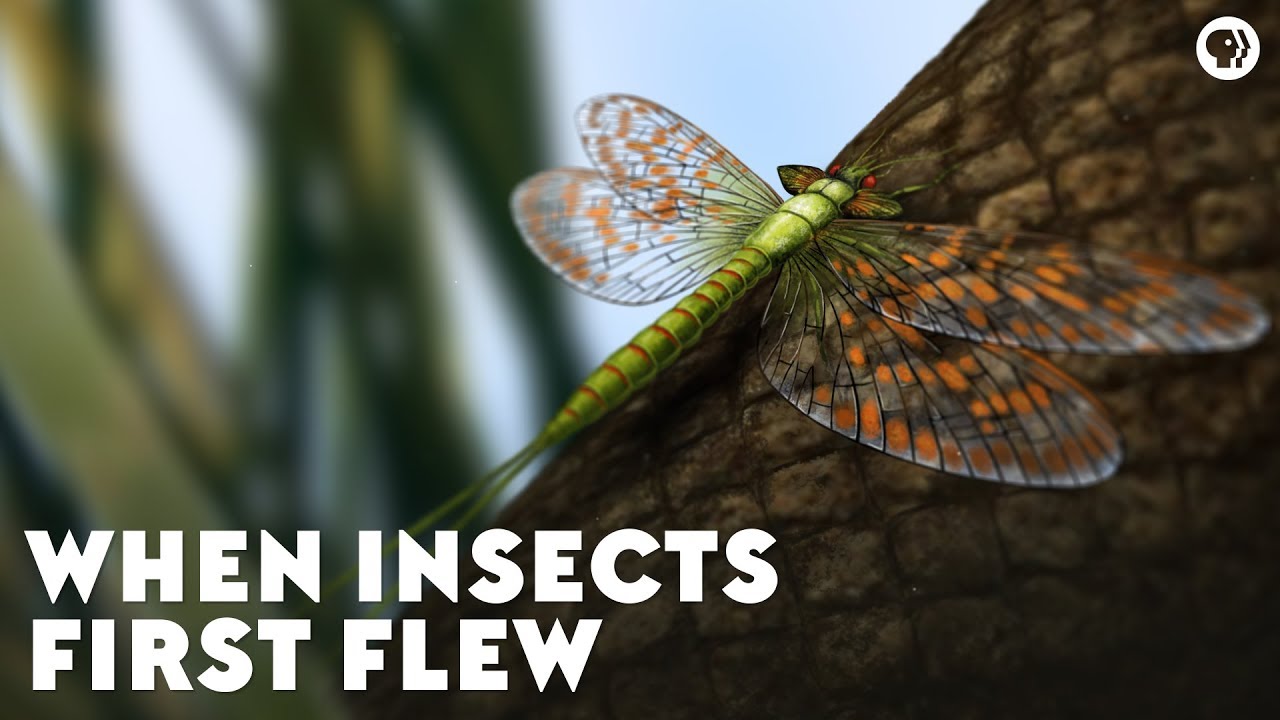
Insects were the first animals to evolve flight, prompting ongoing scientific debate about the origins and development of their wings.
Plants first emerged on land over 470 million years ago, but for the initial 80 million years, leaves as they are known today did not exist due to various evolutionary constraints.
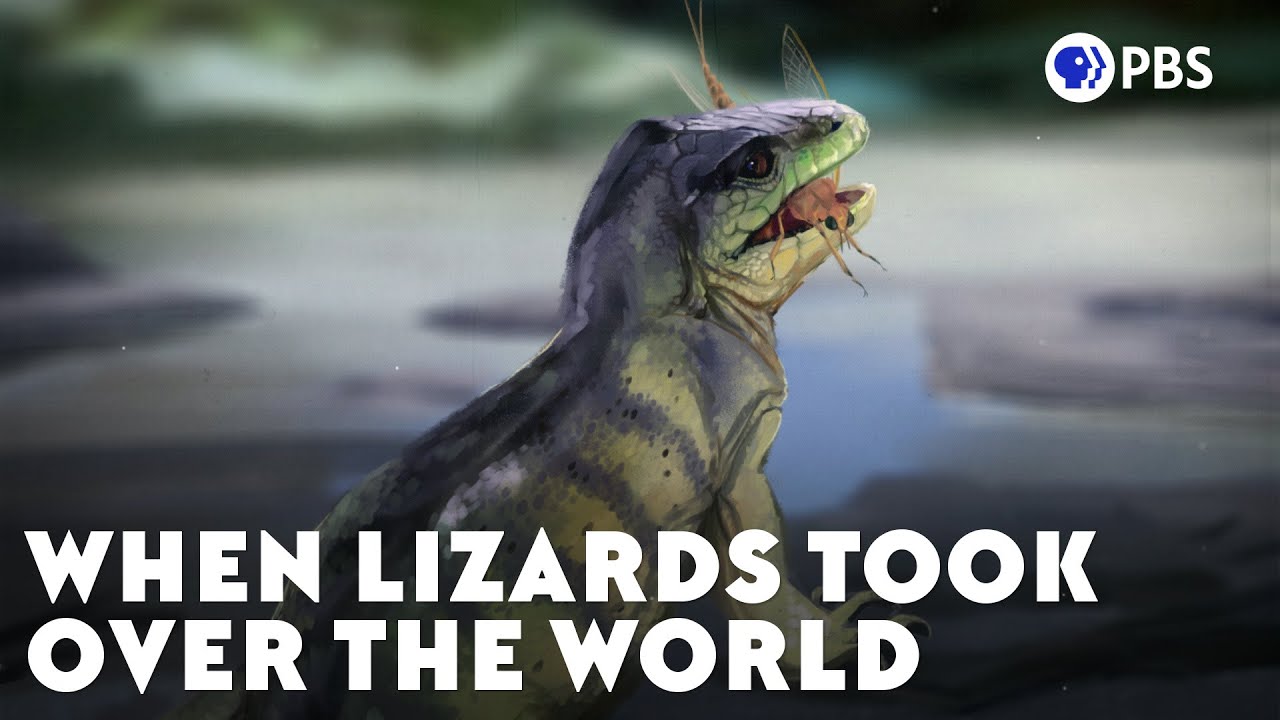
Lizards, once facing competition from similar reptiles, evolved over millions of years to become one of the most diverse and widespread groups of animals on Earth.
Penguins evolved from flying ancestors, once existed as giants, and have undergone significant changes in their appearance and habitat over millions of years.
Pterosaurs, known for their aerial dominance during the Mesozoic Era, also inhabited terrestrial environments, revealing insights into their life on land.
In Australia, a group of herbivores evolved into apex predators, showcasing the dramatic shifts in the ecosystem and the role of natural selection.
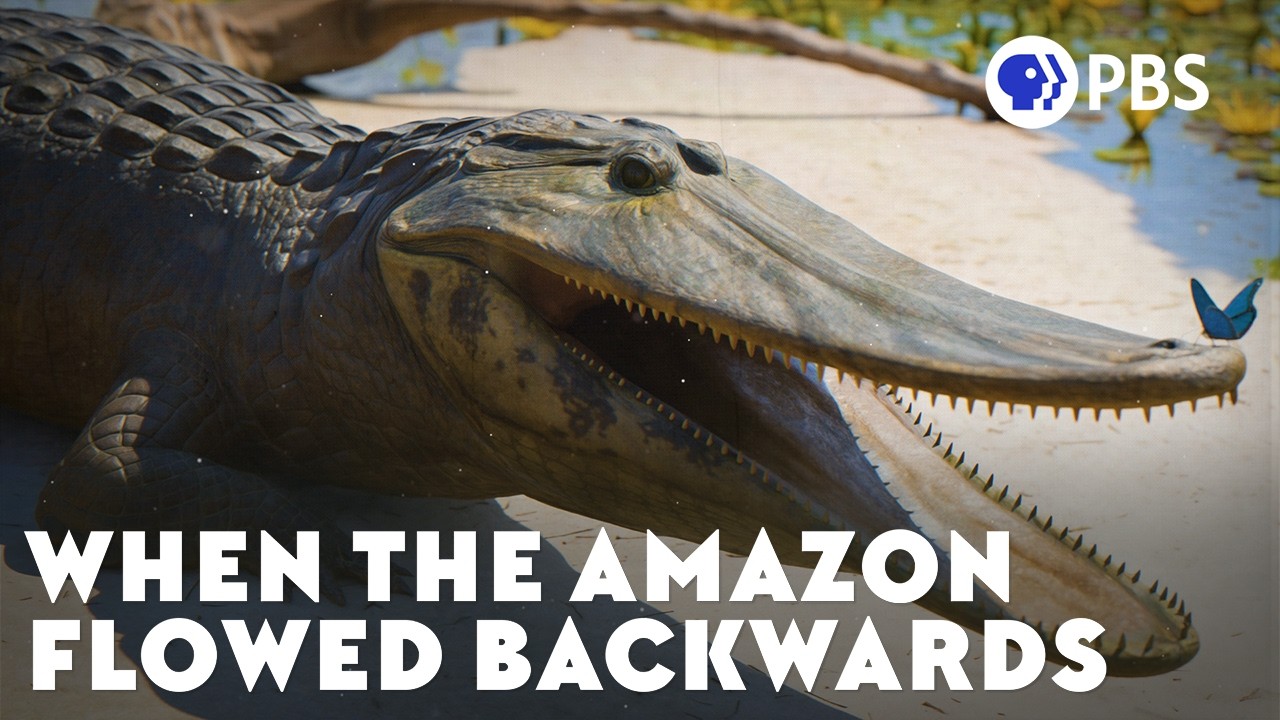
The Amazon watershed's historical reversal in flow has significantly influenced the evolution of life in the region, raising questions about the forces behind this phenomenon.
A three-year-old tigress named Ahimsa has recently taken possession of her own territory in Kanha National Park, a refuge for Bengal tigers in India.
420 million years ago, the forest floor of present-day New York was dominated by a wooden-rooted plant that reshaped the understanding of tree evolution.
In just 10 years, the lionfish has expanded its territory in the Atlantic, becoming known as the worst invader on the planet.
Cerro Paranal, located 2.6 kilometers above sea level, hosts the Very Large Telescope, which consists of four large telescopes and four smaller ones.
Five baby harvest mice are born in a bedroom after a 13-year-old girl’s pet cat eats three of her original four mice.
Tender and playful behaviors of various animal species, including baby bears and synchronized whales, highlight the importance of biodiversity and wildlife conservation.
In the depths of the ocean, unique adaptations of marine life reveal how certain species become increasingly bizarre and unsettling as depth increases.
Out of almost 40 alligator nests checked in Louisiana, only four were found, prompting concerns about the declining alligator population.
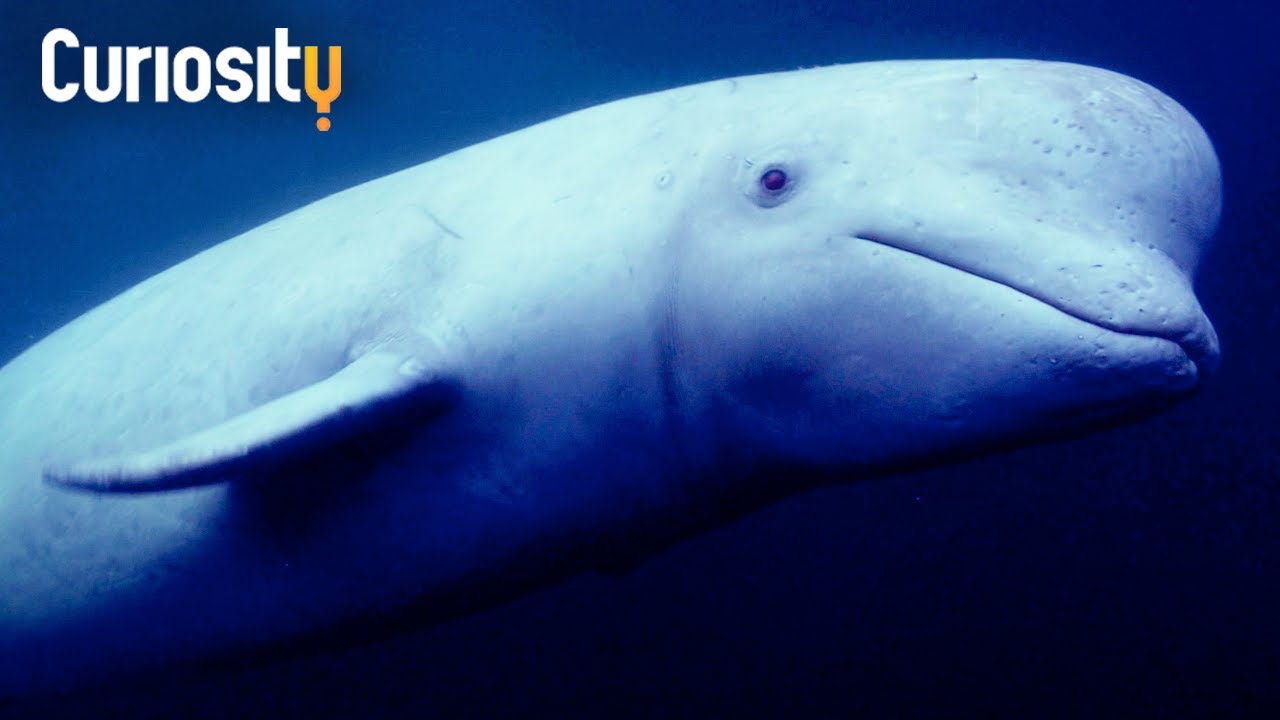
Fewer than 900 beluga whales remain in the St. Lawrence River, a significant decline from about 10,000 at the start of the 20th century.
Crows exhibit cognitive abilities comparable to those of seven-year-old humans, showcasing advanced problem-solving and tool-use skills.
Researchers struggle to tranquilize Twikatani, a large female rhino, due to her calf's presence.
4,000 meters above sea level, a pilot delivers essential equipment to help track endangered mountain tapirs in Ecuador's Paramo region.
Deep sea creatures exhibit giantism as an evolutionary response to extreme environmental conditions, with examples found in the Mariana Trench and other ocean depths.
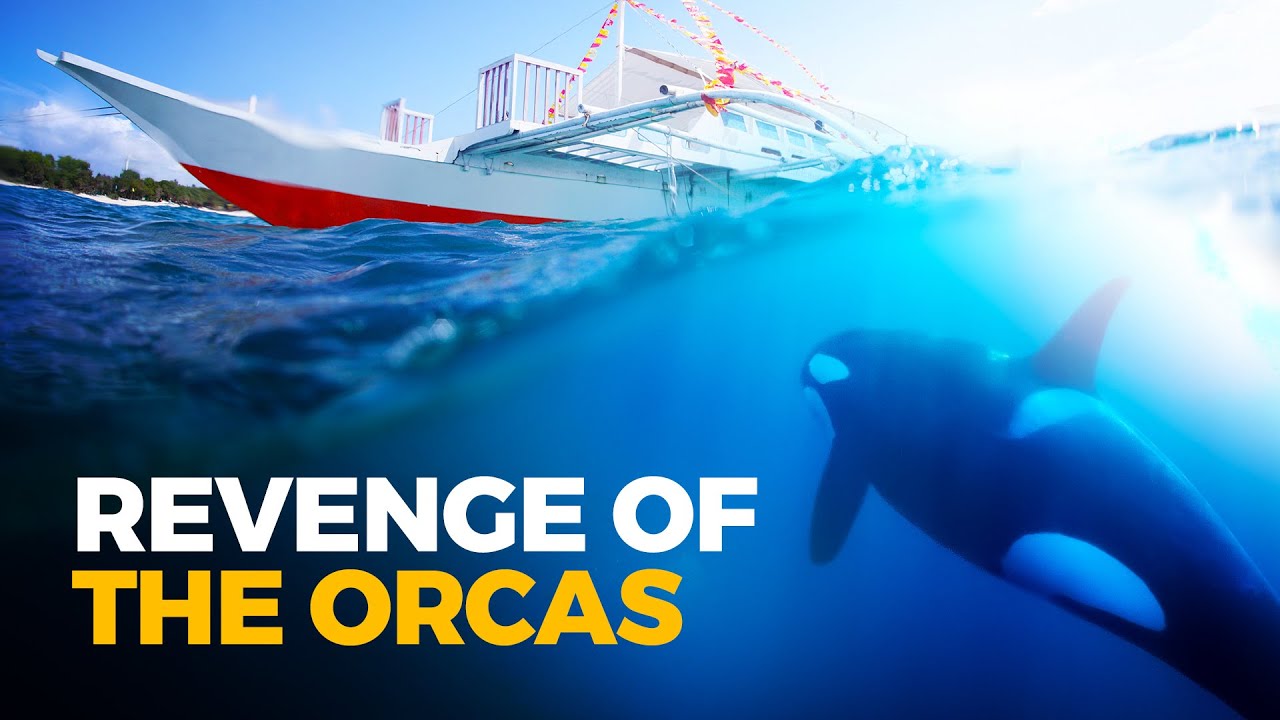
Orcas off the coast of Australia have been reported sinking boats, raising questions about their behavior and interactions with humans.
Crustaceans repeatedly evolve into crab-like forms across various species, raising questions about the evolutionary advantages of this morphology.
Cheetahs, bears, and wolves, despite their predatory nature, evoke affection in humans due to their perceived cuteness and relatable behaviors.
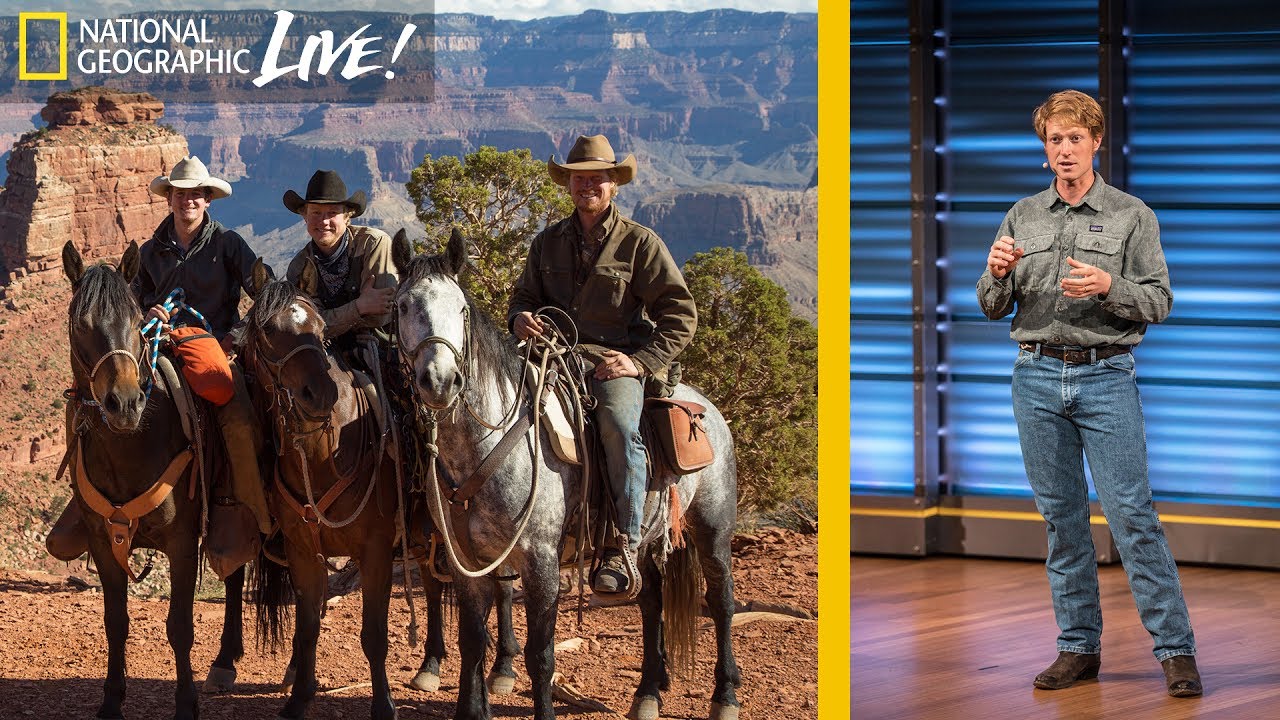
In 2013, filmmaker Ben Masters and three friends rode 3,000 miles across the American West with 16 wild mustangs to promote their adoption.
In 2013, four cowboys rode 3,000 miles across America on 16 wild mustangs to raise awareness for the adoption of wild horses and burros.
Hybrid animals are increasingly adapting to the North's changing ecosystems, raising questions about biodiversity and species survival.