From over 100,000 films, discover the handful you'll love.
Free or premium access to the world's largest documentary library.
7945 films(Page 26 of 166)
Only 116 helicopters of a specific model were made worldwide, with one still in use in Greenland for research and hunting activities.
Otters are shown engaging in essential life skills, such as swimming and hunting, while being guided by their parents in various natural habitats.
New Zealand's Stewart Island has a population of just 400 inhabitants, including Furhana, who cherishes the natural beauty of her surroundings.
Zena, a tiger recovering from surgery, and Rambo, a new arrival, highlight the challenges faced by the zoo team at Tiger Island in caring for these big cats.
A massive chamber in Dragon's Breath Cave descends 60 meters and contains the world's largest underground lake, filled with ancient fossil water.
Elusive ocean predators like sperm whales and monk seals are highlighted alongside profound human connections with marine life in this captivating exploration.
The Channel Islands, located off the coast of California, are home to unique wildlife such as the Island Fox and are recognized as one of America's National Parks.
Sabah, in Malaysian Borneo, features unique wildlife and dense rainforests accessible by boat.
Sharks and crocodiles are examined as two of the most dangerous predators in their respective environments, highlighting their behaviors and interactions.
In the Middle East, diverse habitats host unique wildlife, from Desert Ants in the Sahara to endemic fish species in the Red Sea.
River flows 560 kilometers from its source in Borneo's highland rainforests to the Sulu Sea, supporting diverse wildlife and ecosystems.
15 kilos of gear accompany Nathanaël as he searches for the Gaboon viper, one of the largest vipers with the longest venomous fangs in the world.
Spring awakens with unusual animal stories and a vibrant celebration of nature's beauty.
Matsalu National Park in Estonia hosts a large moose colony, showcasing the lives of yearling moose as they navigate independence and adult society.
Ken Balcomb's research on the declining population of orcas in the Pacific Northwest highlights the urgent need to remove four dams to restore Chinook salmon numbers.
In the Sahara Desert, heat-tolerant ants and resilient desert spiders exemplify the extraordinary adaptations of wildlife to survive extreme temperatures.
A fissure eight miles long opened during the 2002 eruption of Nyiragongo, destroying 4,500 houses and displacing 400,000 people in Goma City.
Alan Rabinowitz, known as the "Indiana Jones of wildlife protection," dedicates his efforts to safeguarding the endangered jaguar population across its natural habitats.
A mother otter must find food while her pup struggles to stay safe on a raft of ice as temperatures drop and the sea begins to freeze.
Elysee, a botany student, conducts research on the reproductive cycle of baobab trees in Madagascar's southern region, known for its unique landscapes.
Crocodiles can exert over 2,000 kilos of pressure in their bite, making them formidable predators in the wild.
Freediver Frederic Buyle collaborates with underwater cameraman Christian Petron and scientists to explore marine life and its mysteries using silent diving techniques.
Human perception of time is limited to seconds, while high-tech equipment reveals events spanning days or fleeting moments of elementary particles.
Antarctica's Transantarctic Mountains serve as the backdrop for scientists Dr. Nate Smith and Dr. Patty Ryberg's expeditions that reveal the continent's rich dinosaur history.
Dogs have evolved from vital hunting companions to modern family members and service animals, reflecting significant changes in human society and culture.
In 1995, after a hurricane struck Puerto Rico, reports emerged of a creature known as the chupacabra that drained the blood of farm animals.
Crocodiles have existed for about 200 million years, surviving geological changes, climate shifts, and human impact while outlasting their ancient relatives.
Michael B. Jordan hosts a special episode showcasing unique wildlife across iconic American landscapes, including the Grand Canyon and Denali, through never-before-seen footage.
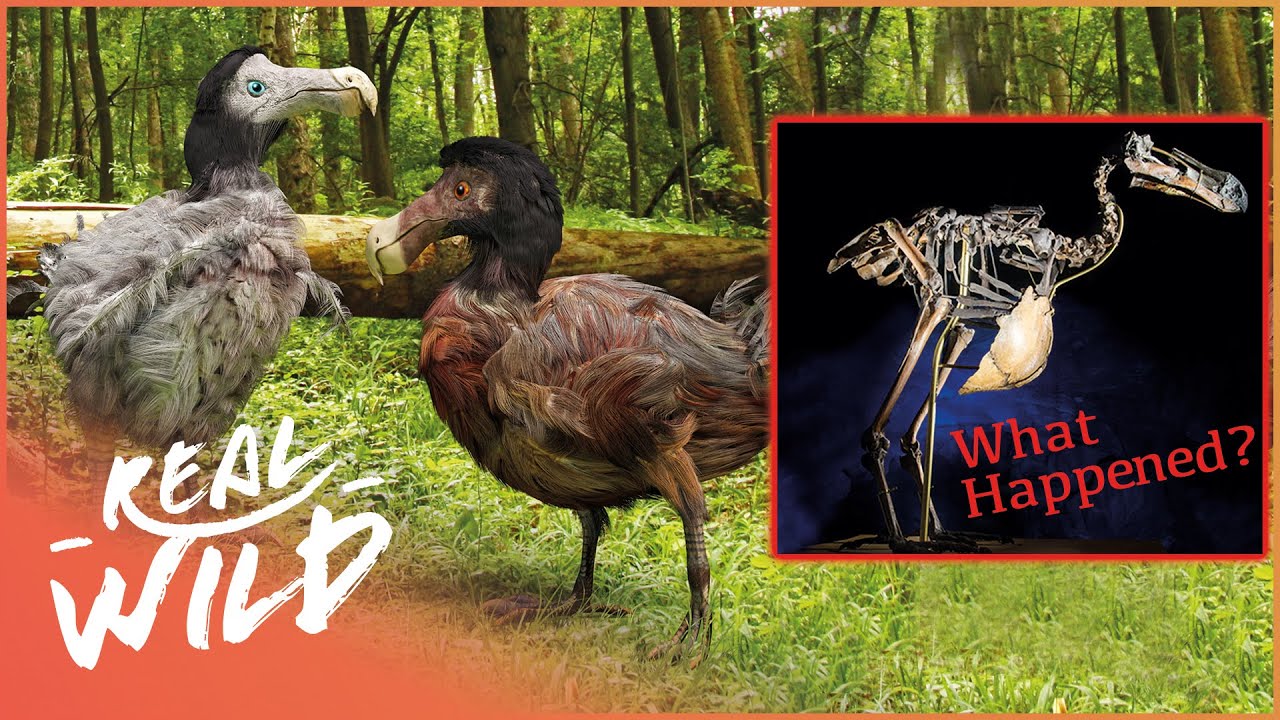
The dodo, often mischaracterized as a fat and clumsy bird, is examined through its two existing skeletons to reveal the true reasons behind its extinction.
In Northern Canada’s Wapusk National Park, newborn polar bears are filmed alongside the turquoise cascades of Croatia’s Plitvice Lakes and the biodiversity of Australia’s Great Barrier Reef.
In Xishuangbanna, Yunnan province, Grace Gabriel campaigns for the conservation of China's dwindling elephant population, now reduced to just 250 individuals.
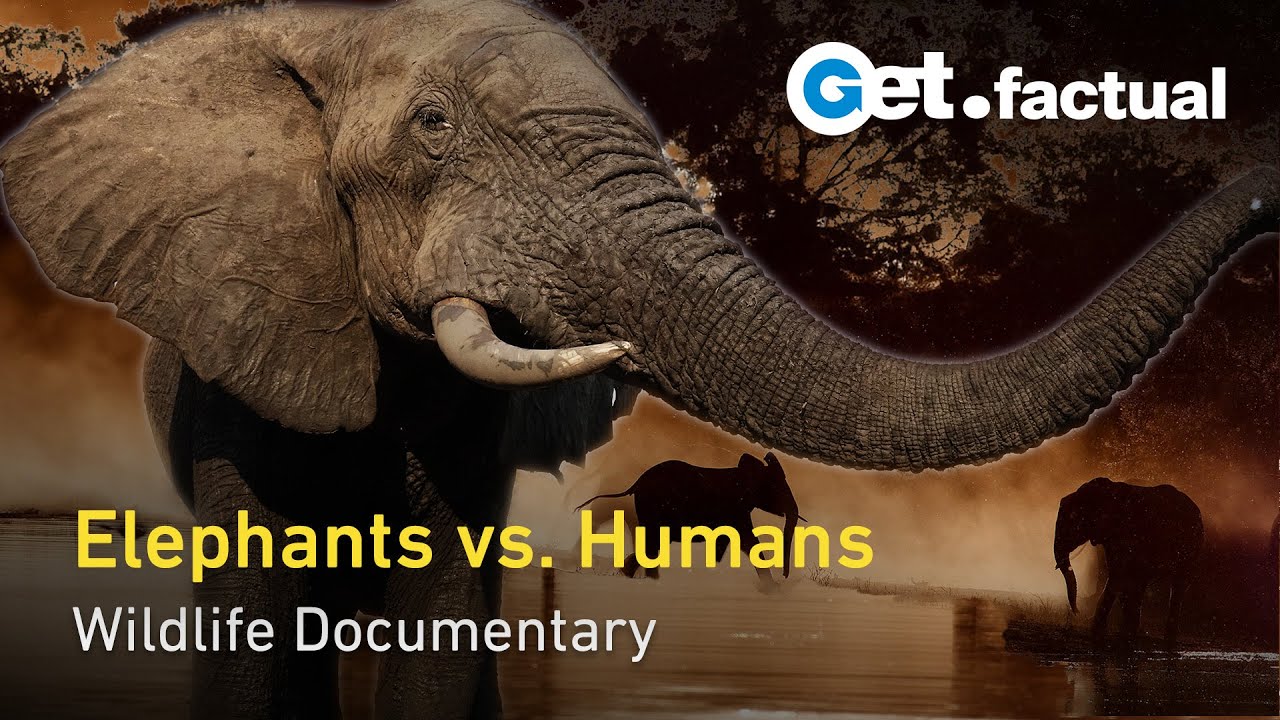
Botswana is home to 130,000 elephants, primarily in the northern regions along the Okavango, Kwando, Linyanti, and Chobe river systems.
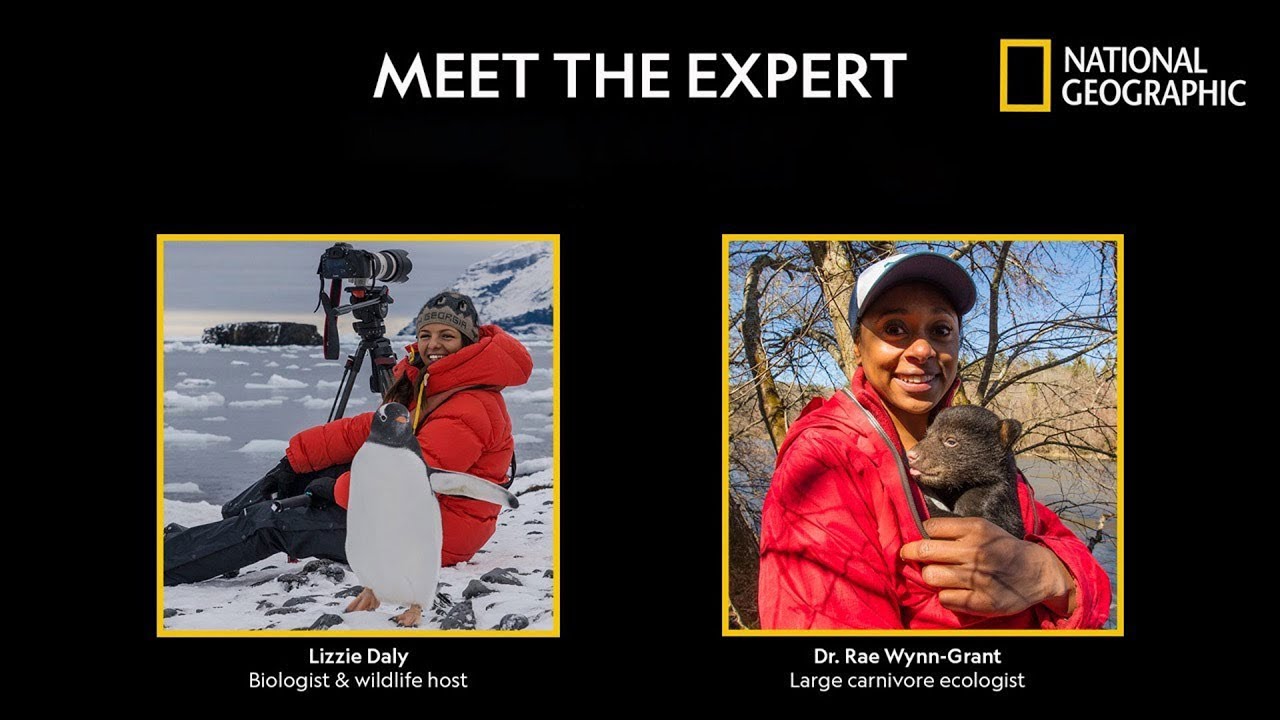
Dr. Rae Wynn-Grant studies black and grizzly bears in Montana, focusing on wildlife corridors to improve conservation efforts for these species.
Brittany's coastline, shaped by the sea, features cultural highlights from the Bigouden region to the gulf of Morbihan, including Guérande's salt flats and Fest-noz celebrations.
42 different species of birds of paradise inhabit the great island of New Guinea, each displaying unique and elaborate behaviors.
Gay marriage became legal in Britain in 2014, yet many in black and Asian communities still face stigma and rejection for their sexual orientation.
A Great White shark swam 12,400 miles in search of a mate, outperforming other species in a competition to determine the ocean's top predator.
Over 90 human fatalities occurred in Chhattisgarh due to conflicts with wild elephants, prompting Wildlife SOS to implement a tracking program for safety.
In tropical rainforests, poison dart frogs face challenges in raising their tadpoles while spiders exhibit remarkable agility to hunt prey much larger than themselves.
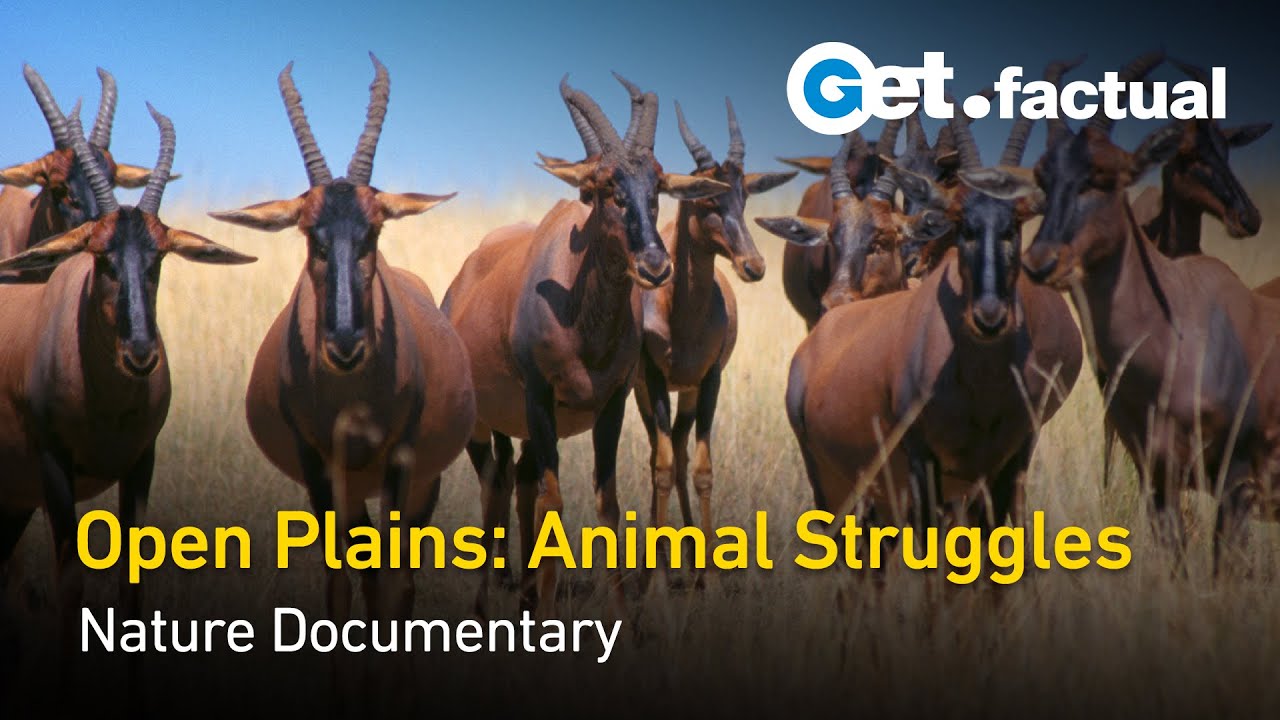
Animals on the plains face predators and must use strategy to survive in open spaces.
BBC Earth showcases a three-hour collection of 4K nature footage, featuring diverse landscapes from towering mountains to vibrant ocean depths.
A 500-mile trek through East Africa's Great Rift Valley leads Hazen Audel to face extreme conditions and search for wildlife.
A variety of baby animals from diverse habitats around the globe are humorously narrated as they navigate a typical day in their lives.
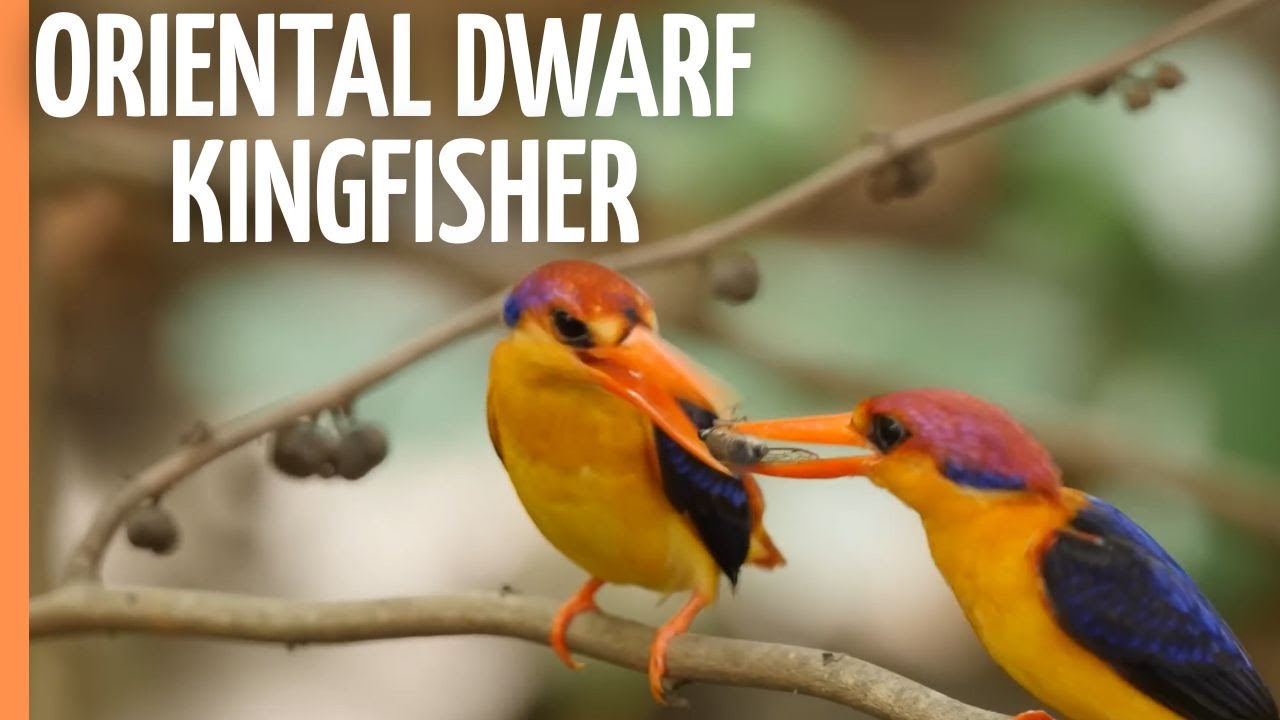
A study on the common Kingfisher suggests only a quarter of the chicks survive to the next season as the Oriental Dwarf Kingfisher raises its brood.
Medusae are the most venomous ocean inhabitants and crucial to marine ecosystems.
Human pollution threatens biodiversity in the UK, especially after Brexit's environmental concerns.
Television, a 20th Century invention, reshapes our global village and self-perception.
Glacier Bay National Park in Alaska features diverse ecosystems, including glaciers and wildlife, with biologist Chris Gabriel and ranger Tania Lewis studying its unique habitats.