From over 100,000 films, discover the handful you'll love.
Free or premium access to the world's largest documentary library.
7951 films(Page 10 of 166)
Recent research reveals that over 450 animal species, including dolphins and killer whales, engage in homosexual behavior, challenging traditional views on sexuality in nature.
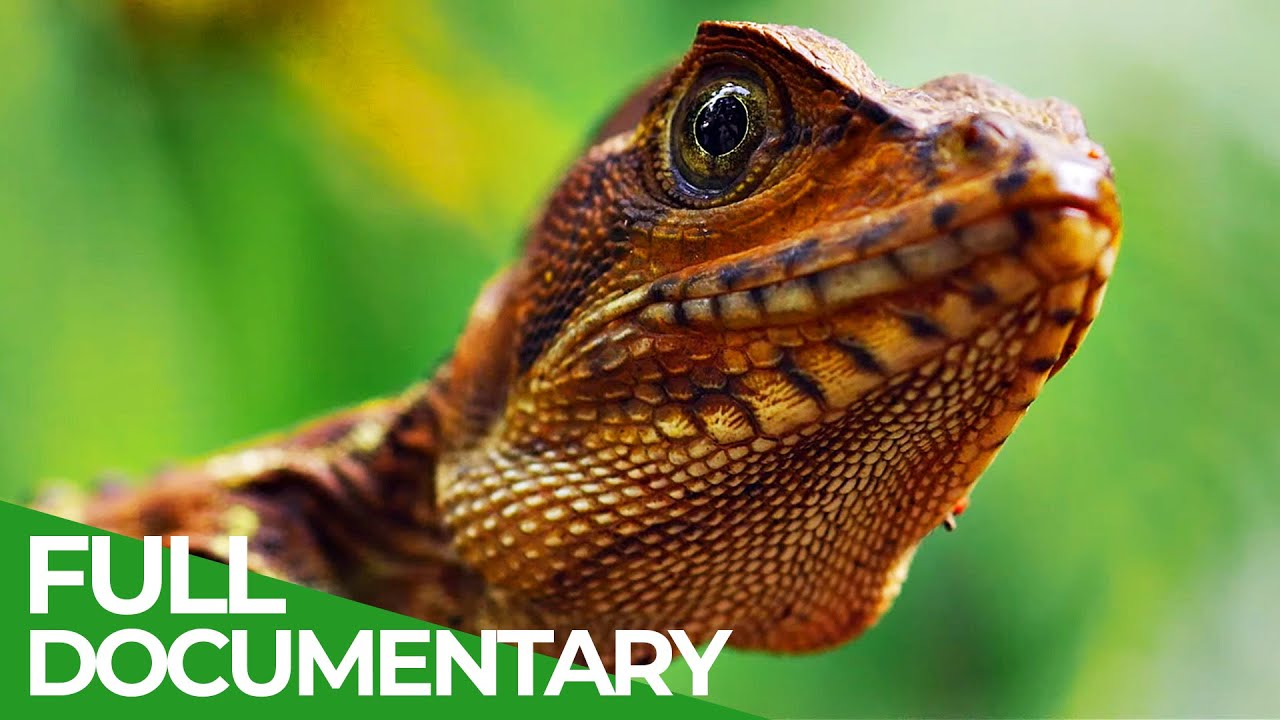
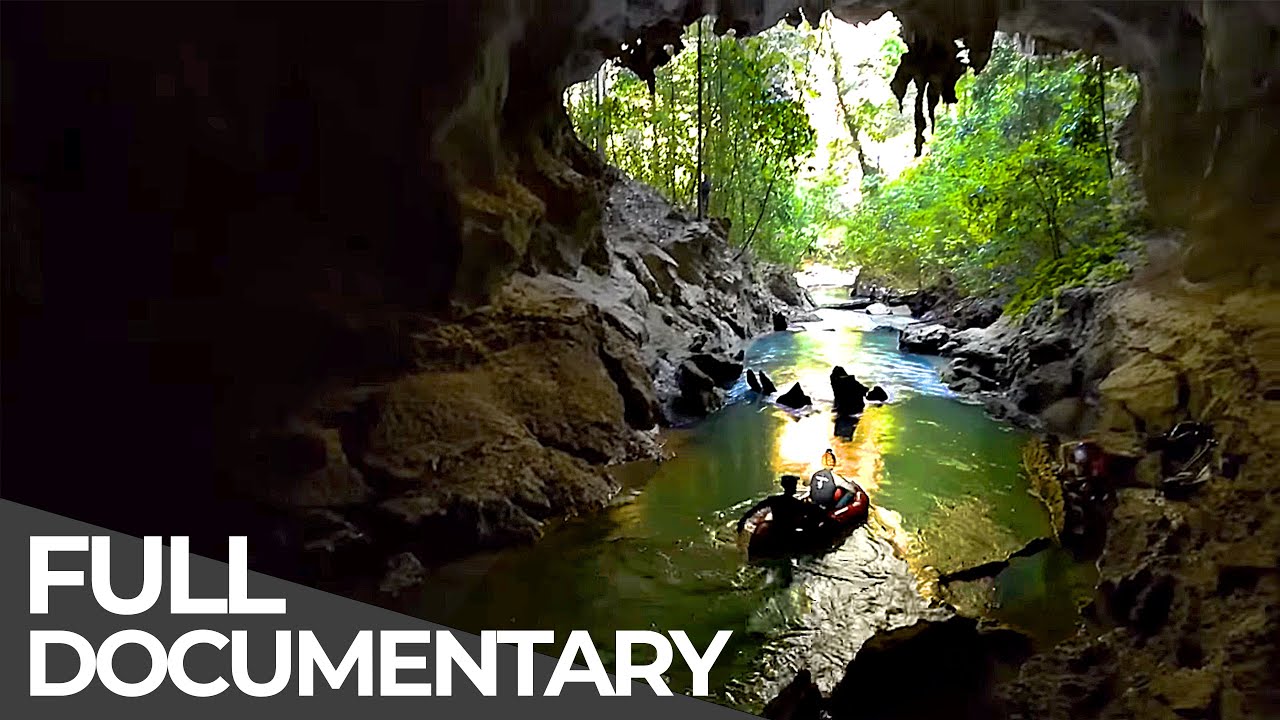
Costa Rica's diverse ecosystems, including rainforests and coastlines, support an array of wildlife, featuring 90 species of mammals, birds, and reptiles.
Africa's giant rats, trained by the organization APOPO, are showcased as they detect landmines in Mozambique, highlighting their intelligence and critical role in humanitarian demining.
Over ten years, Hubert Gillet traveled through the Anidi Massif in Northern Chad on camelback, searching for plants and animals in a hidden ecosystem.
Five meters of snow melted in the Alps over the summer of 2018, revealing alarming signs of glacier retreat and increasing risks for local communities.
Around 600 beavers now populate the Netherlands, thriving in canals and contributing to the unique ecosystem of the region.
The Mariana Trench, Earth's deepest point, reveals a thriving ecosystem of bizarre creatures and unsettling human impact, challenging our understanding of deep-sea life.
Close to 700 ships have been wrecked or disappeared within Australia's Great Barrier Reef, including the infamous Yongala, which vanished in 1911.
Fossils indicate that rattlesnakes evolved only 5 million years ago, adapting to the vast open spaces of the Americas.
Colombia's diverse ecosystems are showcased through 150 hours of footage, highlighting 38 species across 20 habitats, including jaguars and silver arowana fish.
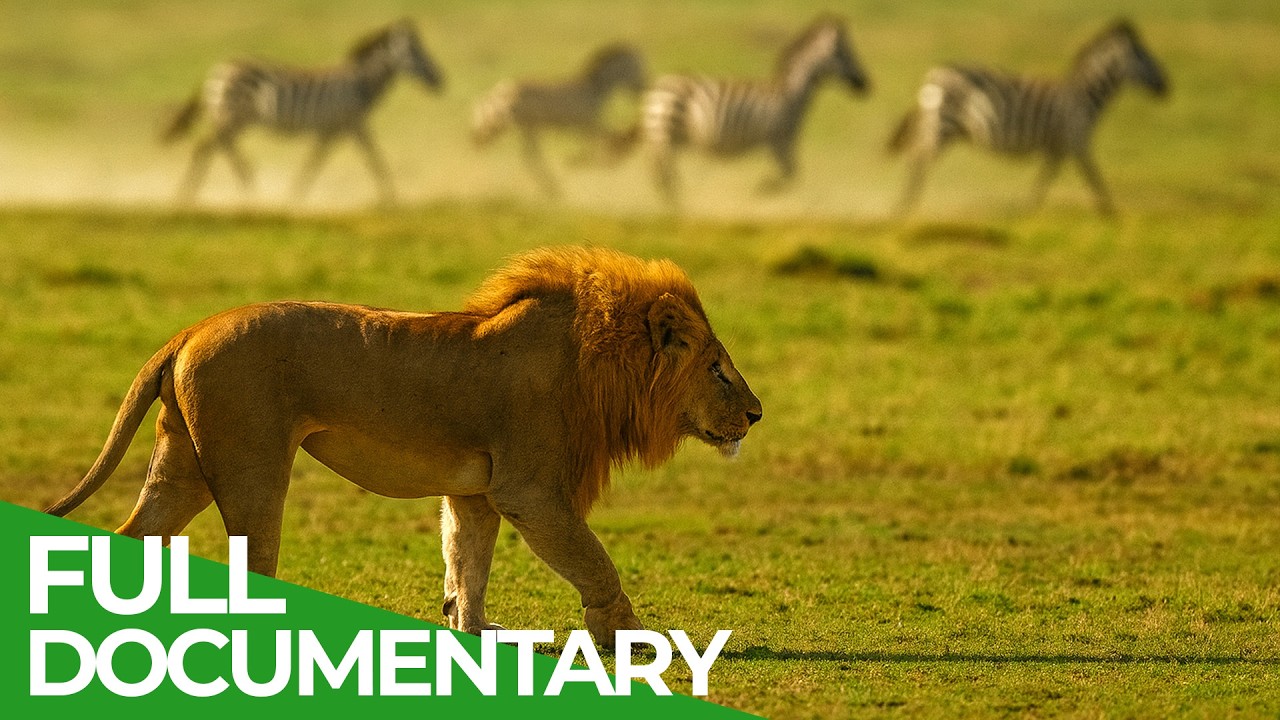
Seventeen lions, imported from South Africa, are reintroduced to Akagera National Park, altering the ecosystem and triggering instinctual fear among herbivores.
Beavers, ranging from Argentina to Alberta, are studied for their unique engineering behaviors and their vital contributions to ecosystem health.
The Noronha Spinners are famous for their amazing acrobatics and daily visits to Noronha.
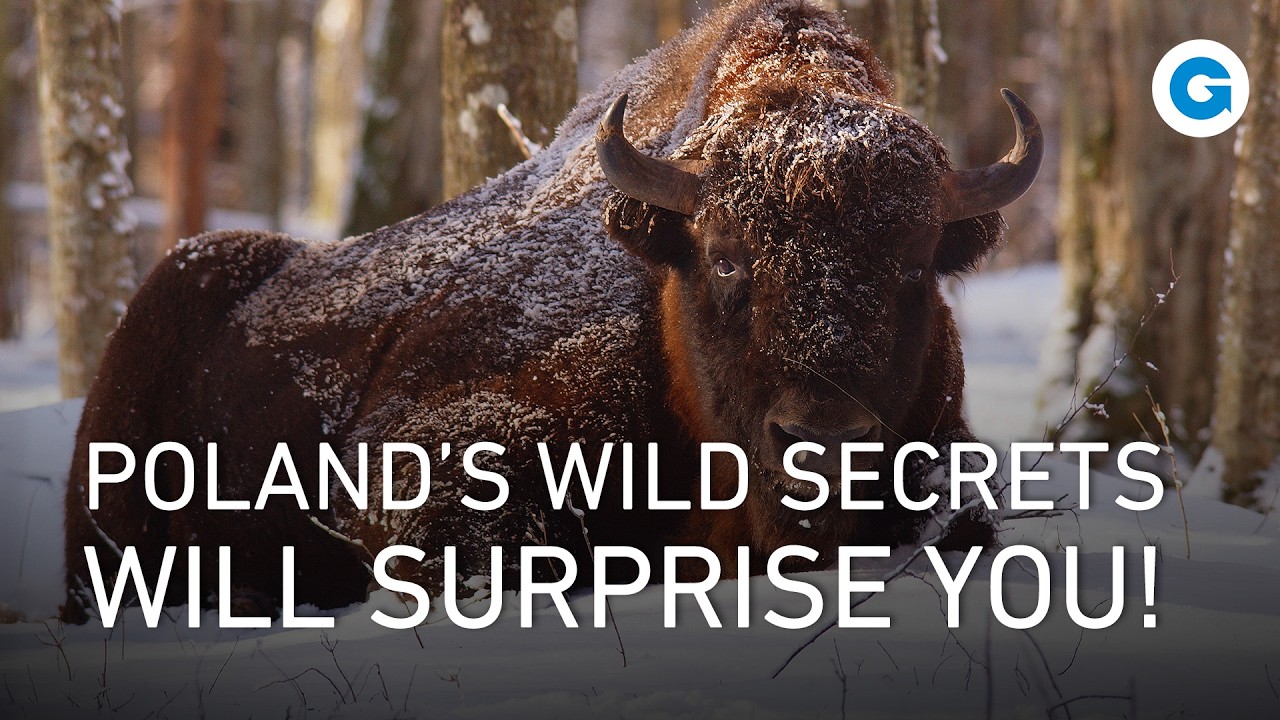
More than 500 bison now populate the east of Poland, descendants of 12 captive animals released 60 years ago after the species was nearly extinct.
Water has not reached the bti channel in Botswana for the last seven years, forcing wildlife and local communities to rely on dwindling resources.
Steve Irwin captures and relocates a nuisance crocodile in Far North Queensland, Australia, while promoting wildlife conservation efforts.
Seventy percent of Earth's fresh water is stored in glaciers and ice caps, primarily located in the Arctic and Antarctic regions.
Bioluminescence in marine environments showcases the remarkable adaptations of various organisms, as narrated by Sir David Attenborough in celebration of his 100th birthday.
In Ensamheten, Heidi Andersson, an eight-time world champion in arm wrestling, thrives in a close-knit community that values agriculture and wildlife conservation.
In the Bohemian and Bavarian Forests, lynxes exhibit their hunting and playful behaviors, captured in stunning 4K footage of their natural habitat.
Tenzin and his family cultivate peas and travel 30 kilometers on steep Himalayan roads, facing risks from falling rocks and narrow tracks.
Coral reefs worldwide are showcased through underwater footage that highlights their vibrant ecosystems and emphasizes the need for marine conservation.
Red kangaroos can weigh up to 90 kilos and stand taller than 2 meters, adapting to survive in Australia's harsh Outback.
A six-gill shark measuring 5 meters swims past Florian Grana while he films marine life in the Salish Sea near Puget Sound.
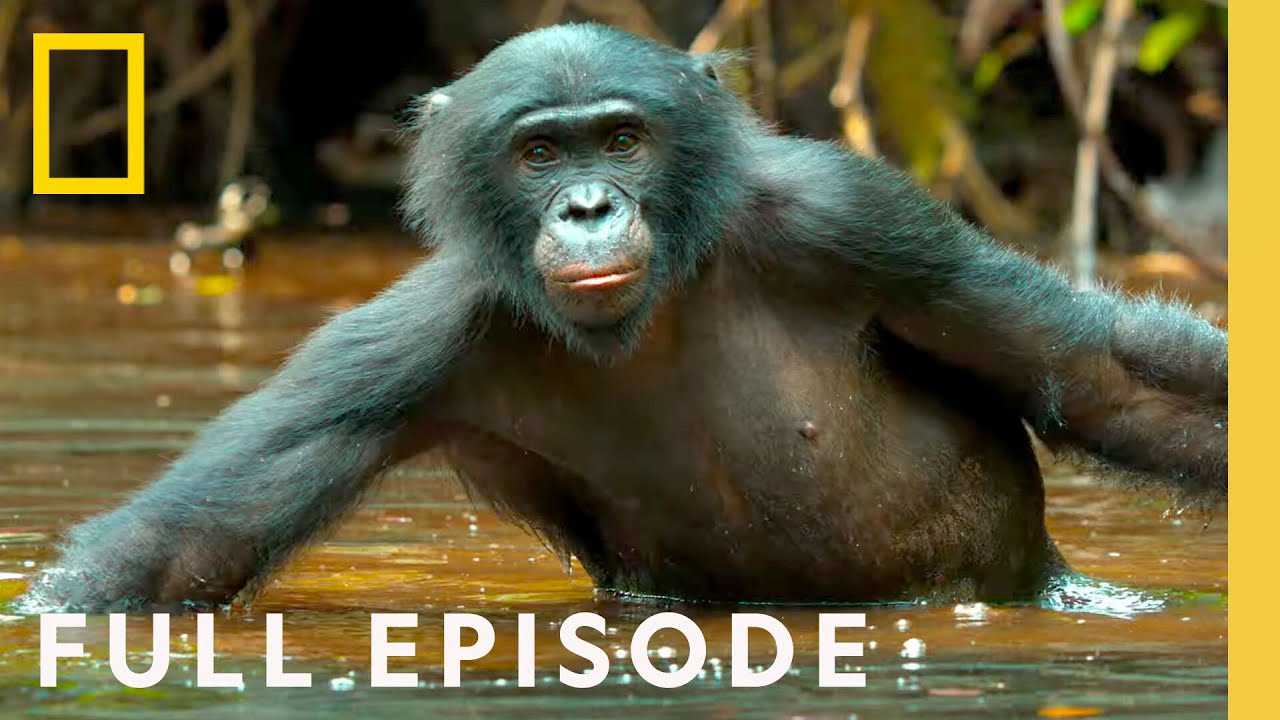
Zowie, a young female bonobo, must leave her family to find a mate and secure her place in a matriarchal society led by her mother, Tala.
On May 12, 2008, an earthquake with a magnitude of 8.3 struck Sichuan, threatening the habitat of giant pandas and prompting urgent conservation efforts.
Octopuses, along with their relatives squid, cuttlefish, and nautiluses, are explored for their intelligence, adaptations, and behaviors in the underwater world of cephalopods.
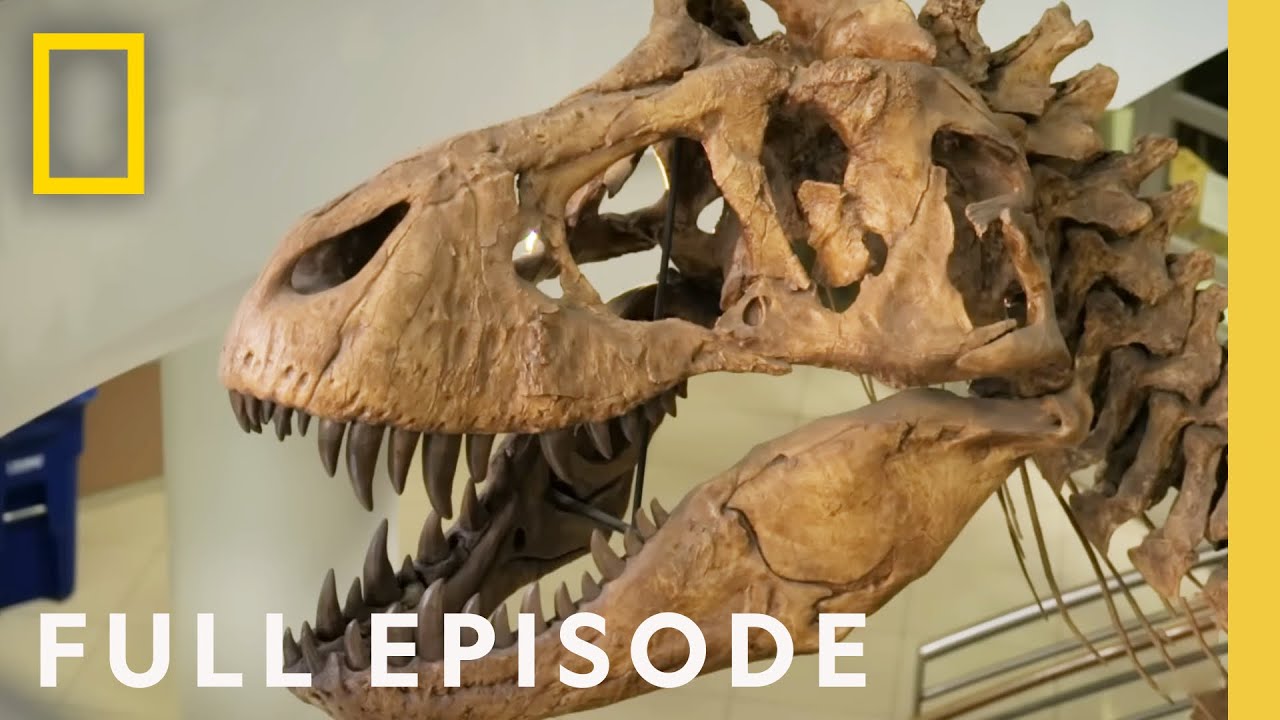
66 million years ago, a huge inland sea covered much of Wyoming, preserving dinosaur bones and footprints from the Tyrannosaurus rex.
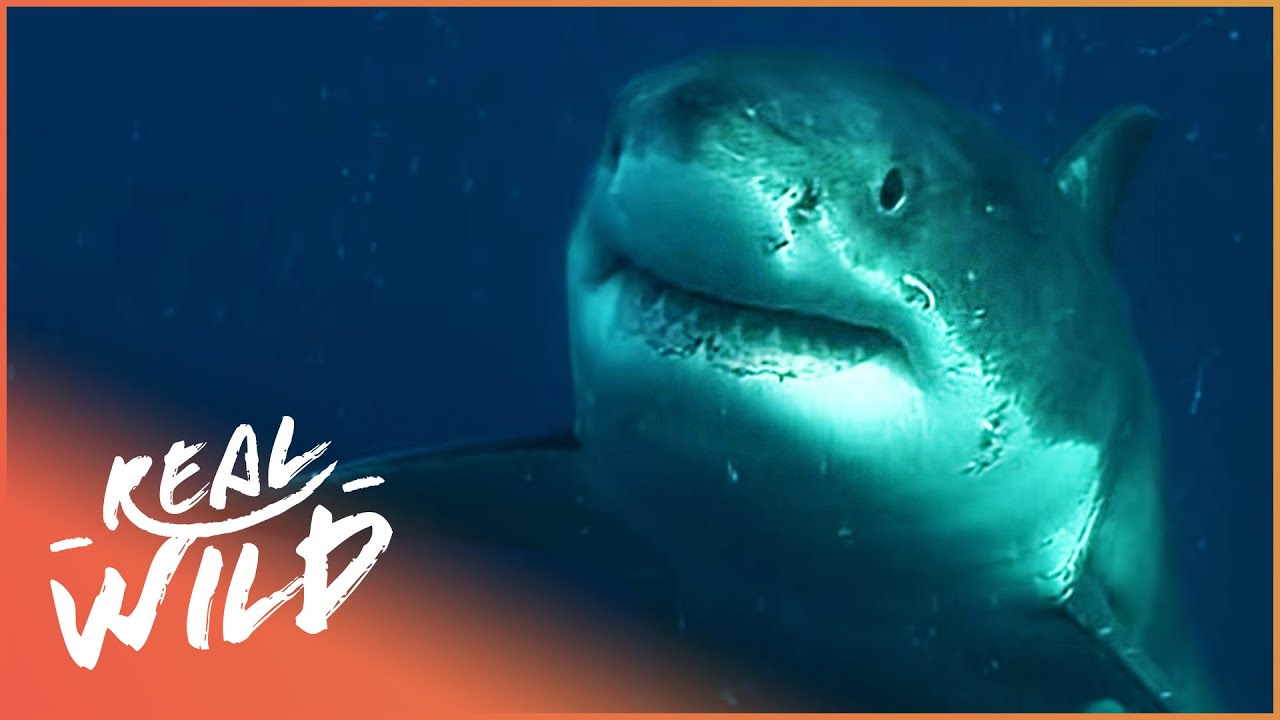
Survivors recount their harrowing encounters with great white sharks, sharing life-threatening experiences that highlight the dangers of these apex predators.
Changi Airport serves over 50 million passengers each year and employs 40,000 staff to maintain operations and safety.
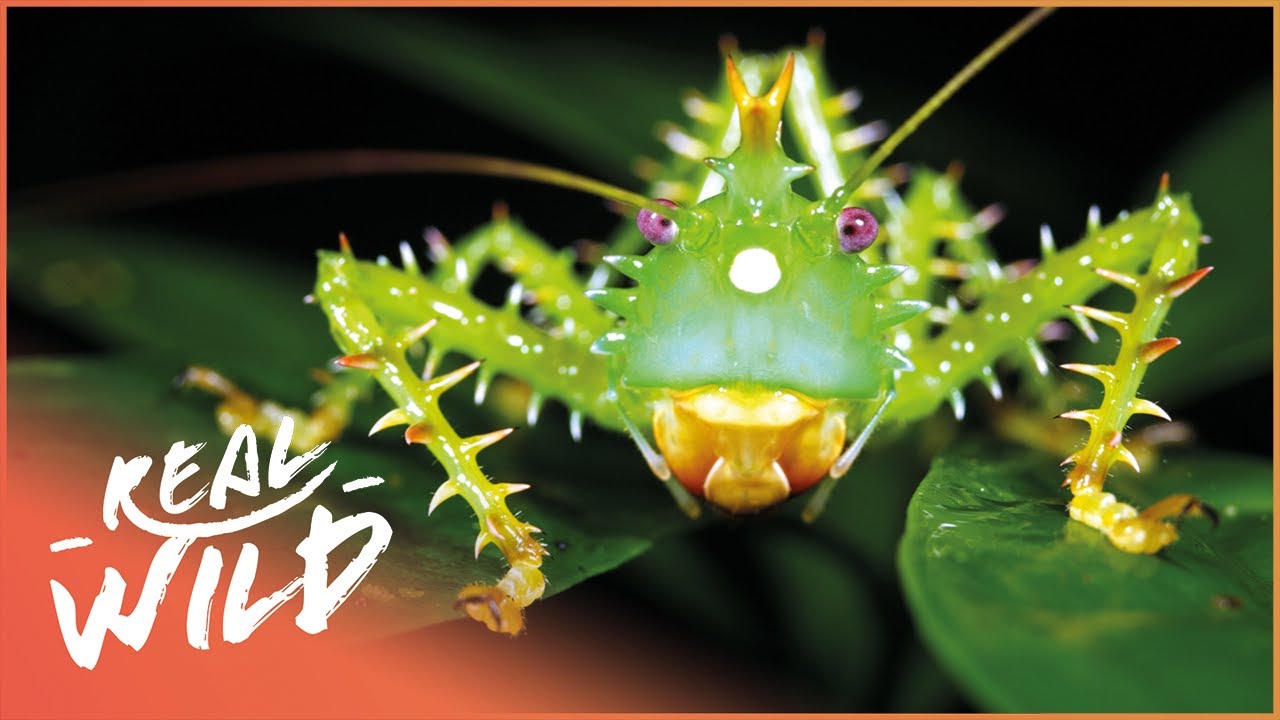
Insects in the Amazon, particularly treehoppers, exhibit complex relationships with their environment, showcasing evolutionary adaptations over 40 million years.
Thirty-eight large passenger jets changed course and landed at Gander International Airport on September 11, 2001, as U.S. airspace was shut down.
Lightning is a powerful and unpredictable natural phenomenon that poses significant risks to life, while advances in warning systems aim to enhance safety.
Kilauea's lava lake can reach depths of more than 750 feet, making it one of the most active volcanoes on Earth.
A lone wolf in the highlands of Africa struggles to survive after losing her pack and faces threats from cattle breeders and rival wolves.
2400 kilometers of coastline along the North and Baltic Seas host diverse wildlife, including thriving harbor seals and thousands of migrating birds each year.
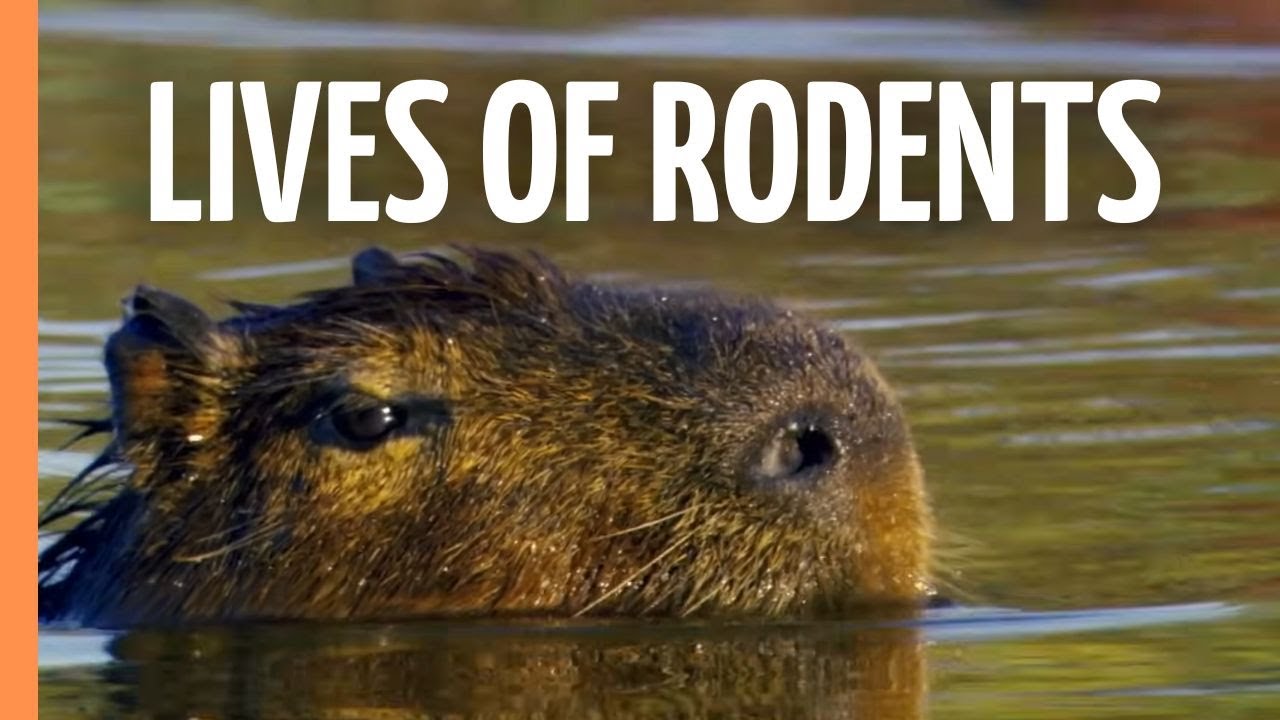
Rodents shape the world around them, surviving extremes and enriching ecosystems.
Central Europe's last wandering sand dunes, located near Kecskemet, rise 600 feet and are shaped by spring storms that create dramatic sand clouds.
A team of scientists carries 4,100 kilos of equipment to the Matarombeo Massif in Sulawesi, aiming to document its unique biodiversity for the first time.
Gray whales undertake a 10,000 to 12,000-mile round trip migration from Arctic feeding grounds to breeding lagoons on Mexico's Baja Peninsula.
In Yunnan Province, China, a team led by photographer Xi Zhinong documents the rare Black and White snub-nosed monkeys and their complex family dynamics.
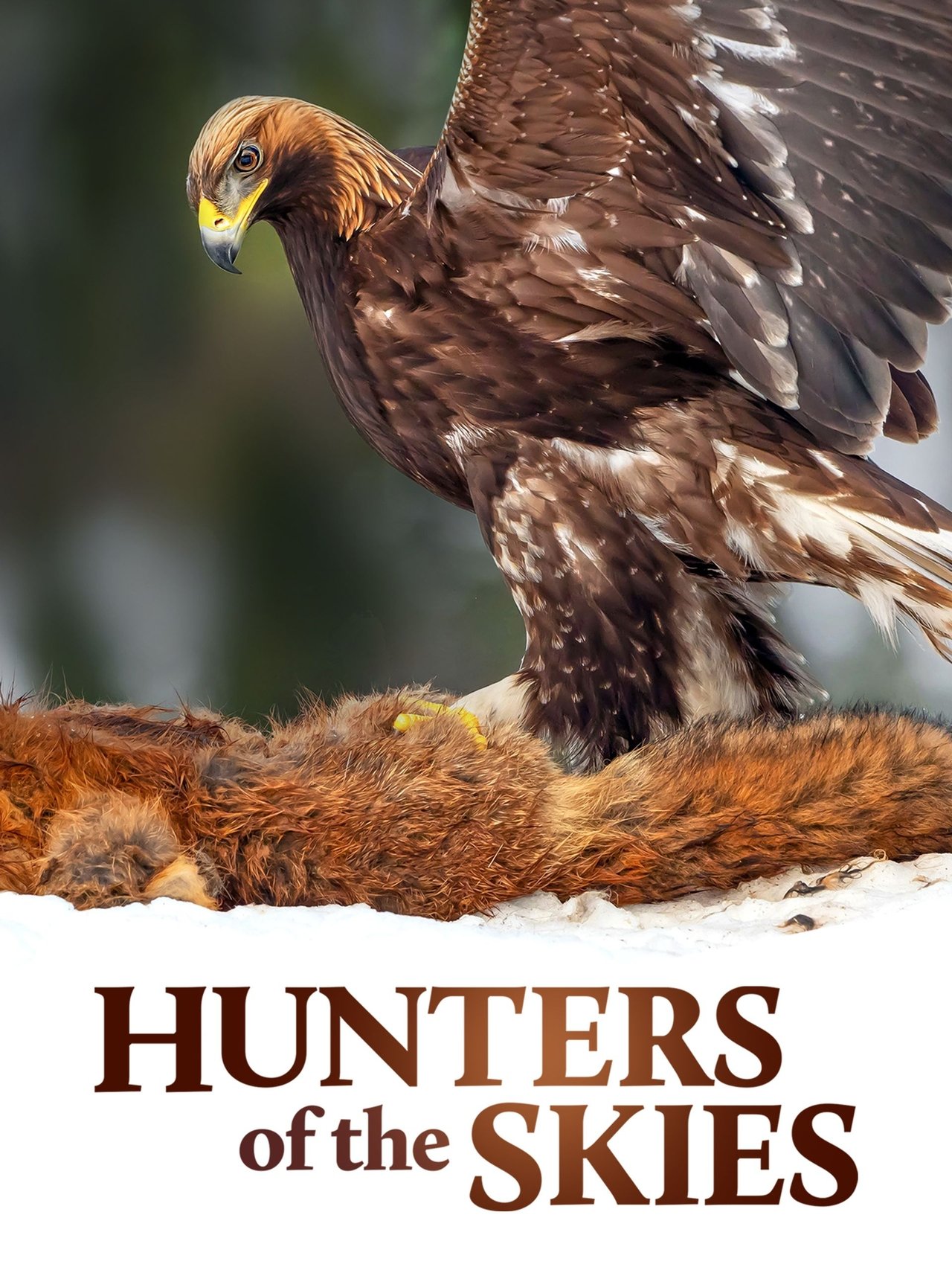
Hawks, buzzards, and eagles adapt to habitats ranging from the Sahara Desert to the Amazon Rainforest, demonstrating diverse hunting techniques.
In a French forest, a fox navigates its environment and encounters various wildlife throughout the changing seasons.
Canada has the longest coastline of any country in the world and is home to some of the planet's most iconic wildlife and diverse ecosystems.
Climate change is causing winters in Central Europe to be much milder, impacting the survival strategies of animals like foxes and wild boars.
A male satin bowerbird collects blue bottle tops and arranges them to attract a mate, demonstrating his eye for detail and creativity.
In the Amazon Rainforest, the Anaconda, the largest snake in the world, is explored alongside the diverse wildlife and Indigenous Peoples inhabiting the region.
Australia's Great Barrier Reef and Ningaloo Reef are explored through the expertise of underwater specialist Paul Waghorn, highlighting their rich biodiversity and survival strategies.


![Documentary backdrop image for How A Giant Rat Called Miss Marple Sniffs Out Landmines [4K] (2021)](https://i.ytimg.com/vi/mTEnCXUKgrY/maxresdefault.jpg)