From over 100,000 films, discover the handful you'll love.
Free or premium access to the world's largest documentary library.
7945 films(Page 127 of 166)
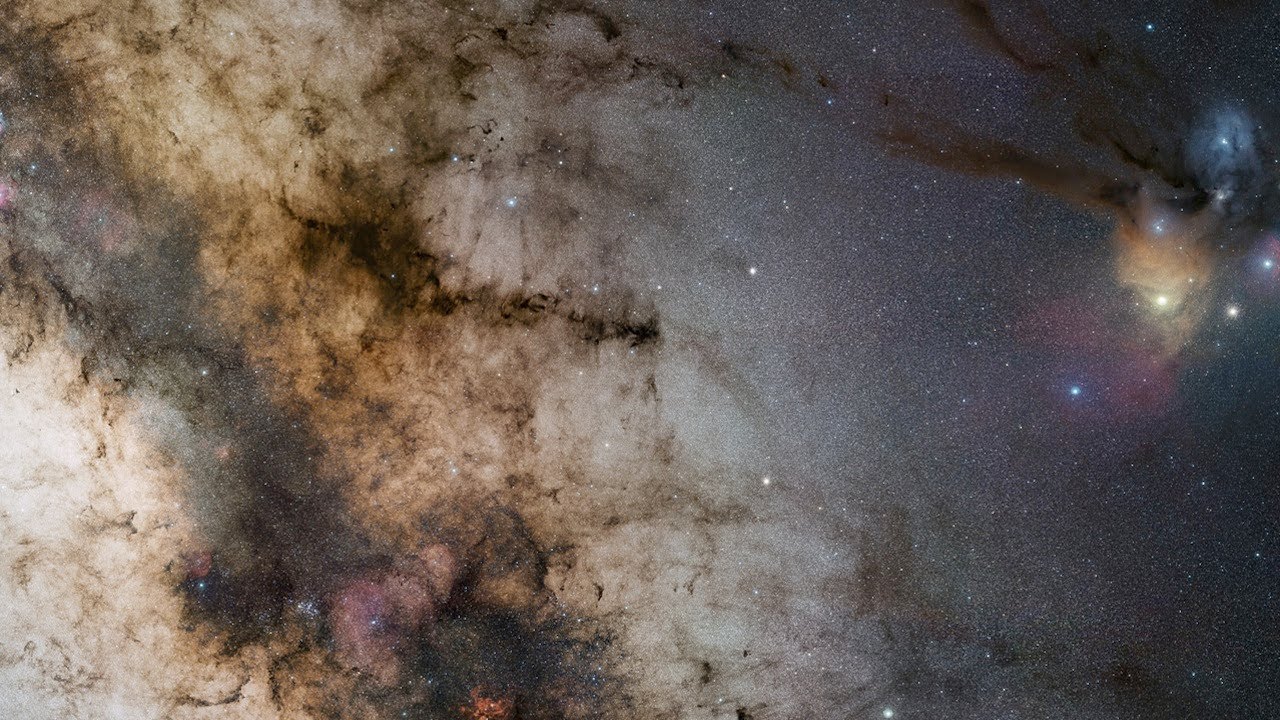
Dr. J discusses the European Southern Observatory's quest for pristine skies in Chile's Atacama Desert.
Wild geese soar high in the clean blue air, symbolizing a call to imagination and connection in a world that offers itself to all.
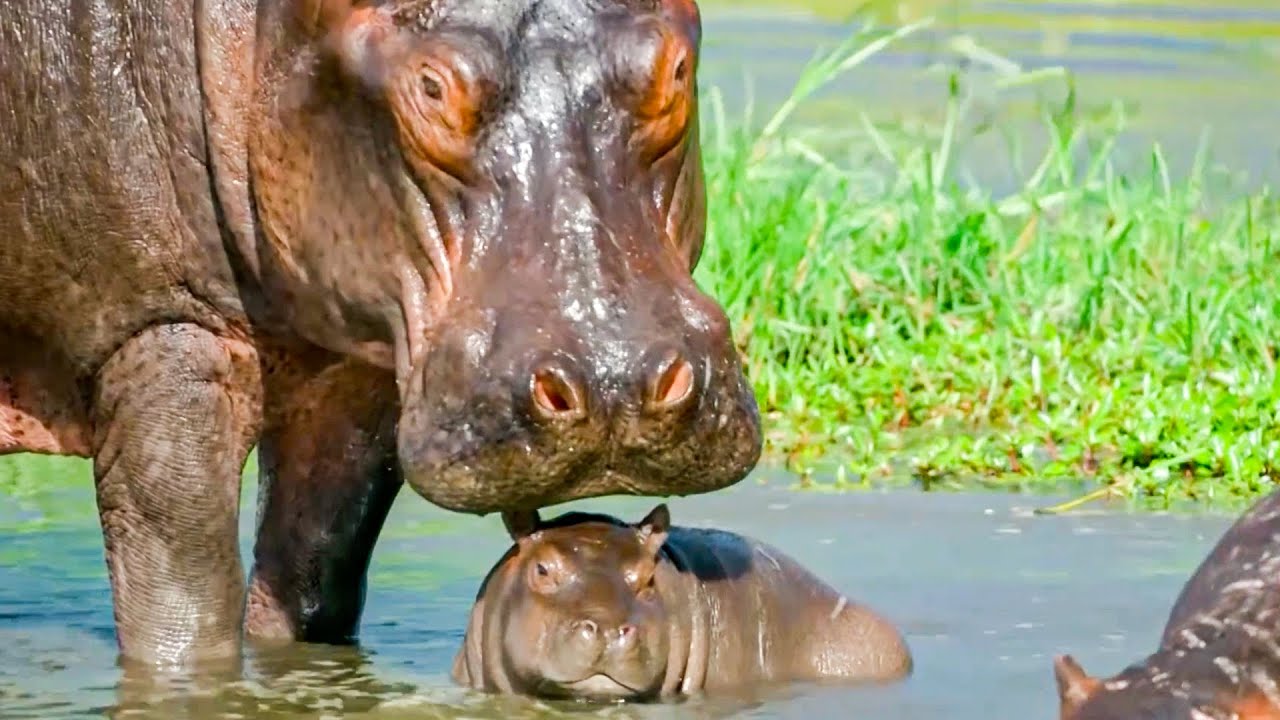
In various natural habitats, nurturing behaviors of animal species, such as a mother hippo protecting her calf and a bear teaching her cubs, are explored.
A family's dog alerts them to a dangerous threat, highlighting the remarkable instincts and intelligence of pets in emergency situations.
Dolphins display their intelligence through complex hunting strategies, playful interactions, and social structures in diverse marine environments.
Orangutans are showcased through a selection of the best clips from the BBC Earth archive, highlighting their behavior and habitat.
A compilation of clips from the BBC Earth archive showcases the intelligence and social behaviors of orangutans in their natural habitats of Borneo and Sumatra.
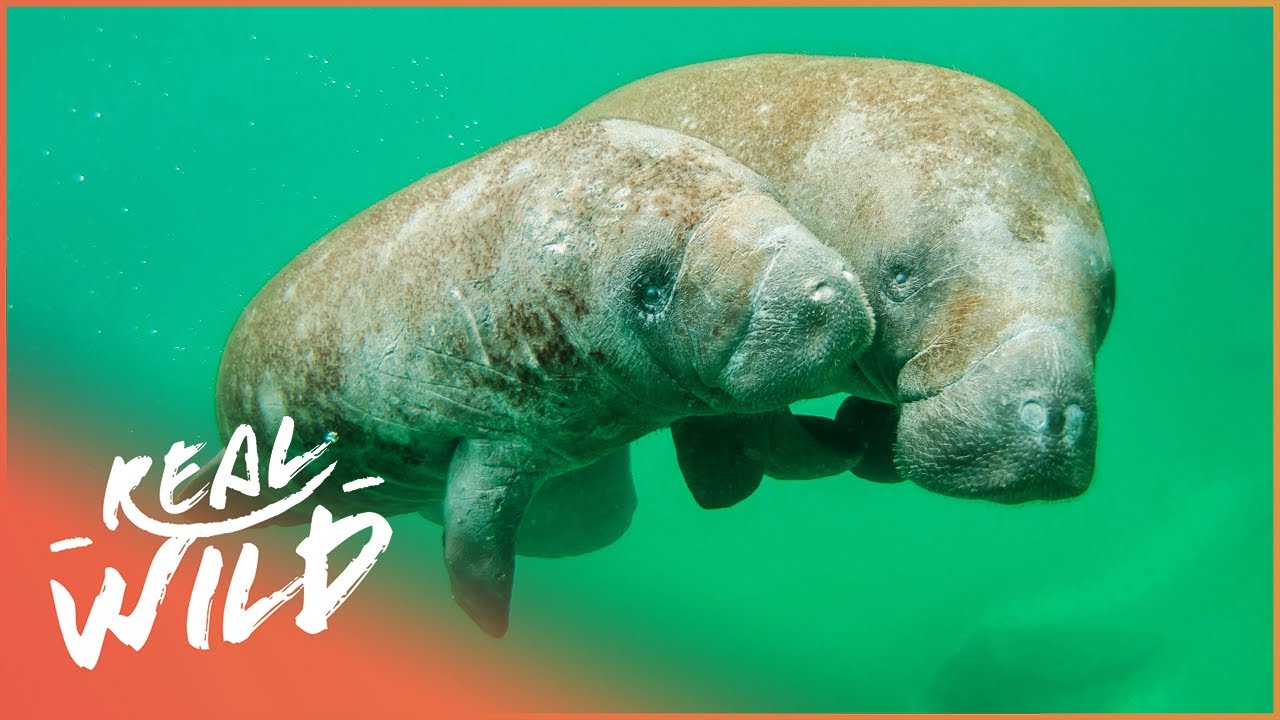
Manny encounters a manatee in murky waters, showcasing the surprising interactions between humans and wildlife in their natural environments.
In India, coal mines face frequent explosions, highlighting energy independence issues.
India records nearly 150,000 road deaths each year, with the Delhi-Meerut Expressway being one of the deadliest, averaging over 1,000 fatalities annually.
In the Sundarbans mangrove forest, local honey gatherers rely on prayers to the goddess Bababibi for protection against the region's dominant tigers.
In Sulawesi, Indonesia, the Toraja and Bajau ethnic groups are highlighted through their unique funeral rituals and close relationship with the sea.
The Amazon basin spans over 7 million square kilometers, accounting for 25% of South America's total surface area.
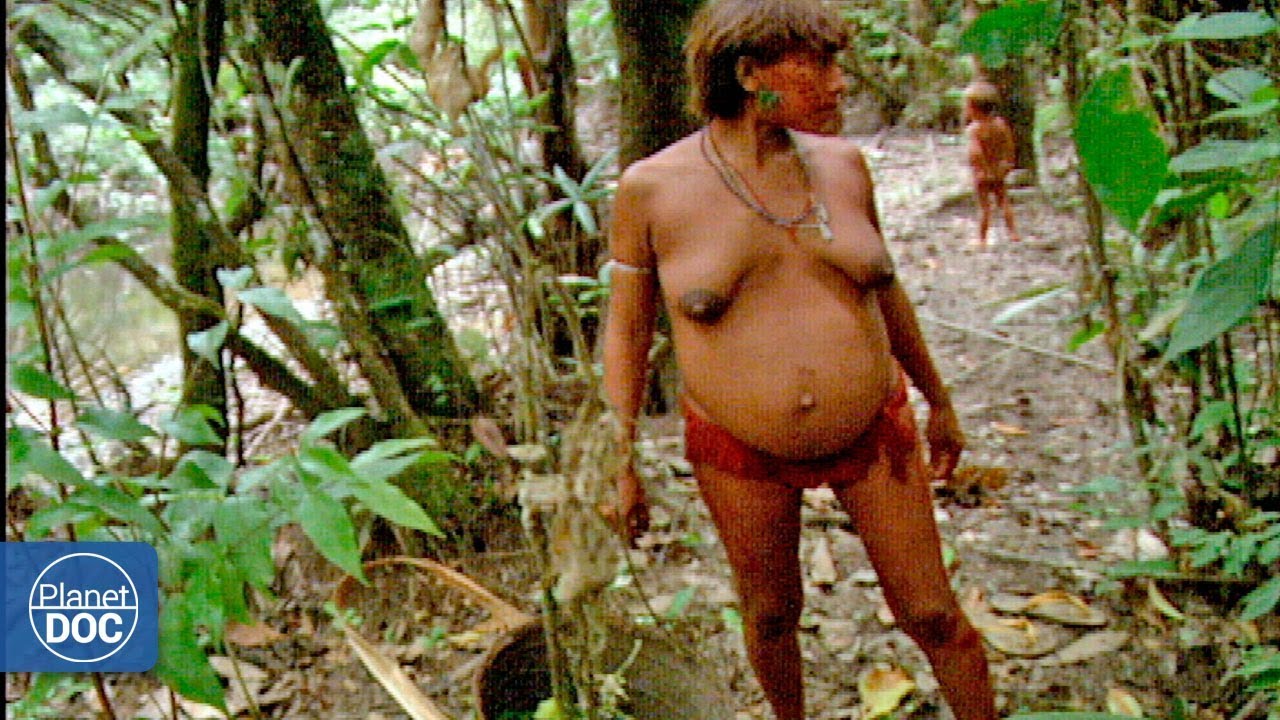
Inhabitants of the Amazon jungle include isolated tribes that thrive in the vast biodiversity of the Amazon basin, which spans over 7 million km².
In the Amazon jungle, isolated tribes navigate the challenges of their biodiverse environment, which spans over 7 million km² across South America.
Between seven and ten million Indigenous people inhabited the Amazon's tropical forests before European contact decimated their populations by 90%.
More than 400 years after the first Spaniards searched for El Dorado, illegal gold diggers continue to exploit the Amazon's resources and threaten local tribes.
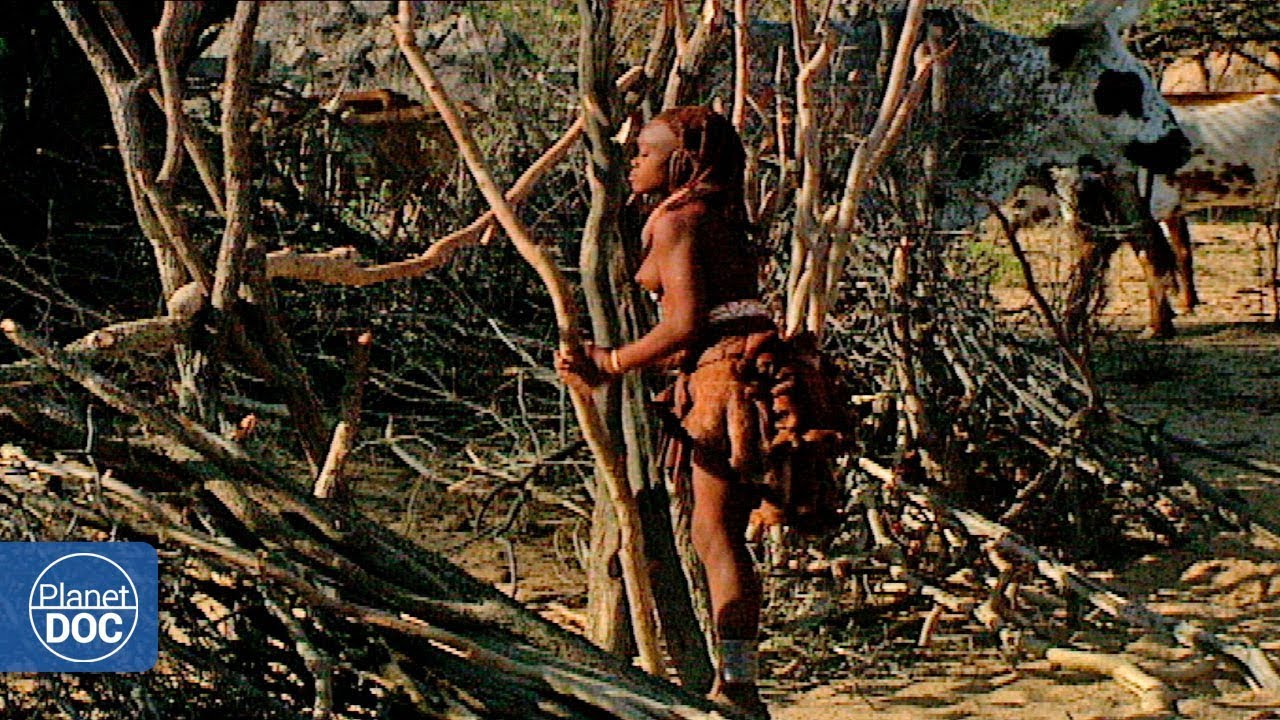
Fourteen years can pass in the Namib Desert without a single drop of rain, creating a harsh environment for its unique plant and animal life.
Fourteen years may pass in the Namib Desert without a single drop of rain, creating one of the most extreme ecosystems on the planet.
Mist descends almost weekly in the Namib Desert, providing 50 liters of water per square meter per year, double the amount of rain.
Over 1 million seals gather along the Namibian coast each year to give birth, but their survival is threatened by overfishing and reduced sardine populations.
The Namib, the oldest desert in the world, showcases extreme adaptations of life in Namibia.
El Salvador's Fireball Festival features locals hurling flaming projectiles at each other, showcasing a unique and extreme cultural tradition that attracts global participants.
Manú National Park in Peru, rich in biodiversity and home to uncontacted tribes like the Mascho-Piro, is showcased through Charlie Hamilton James's photography.
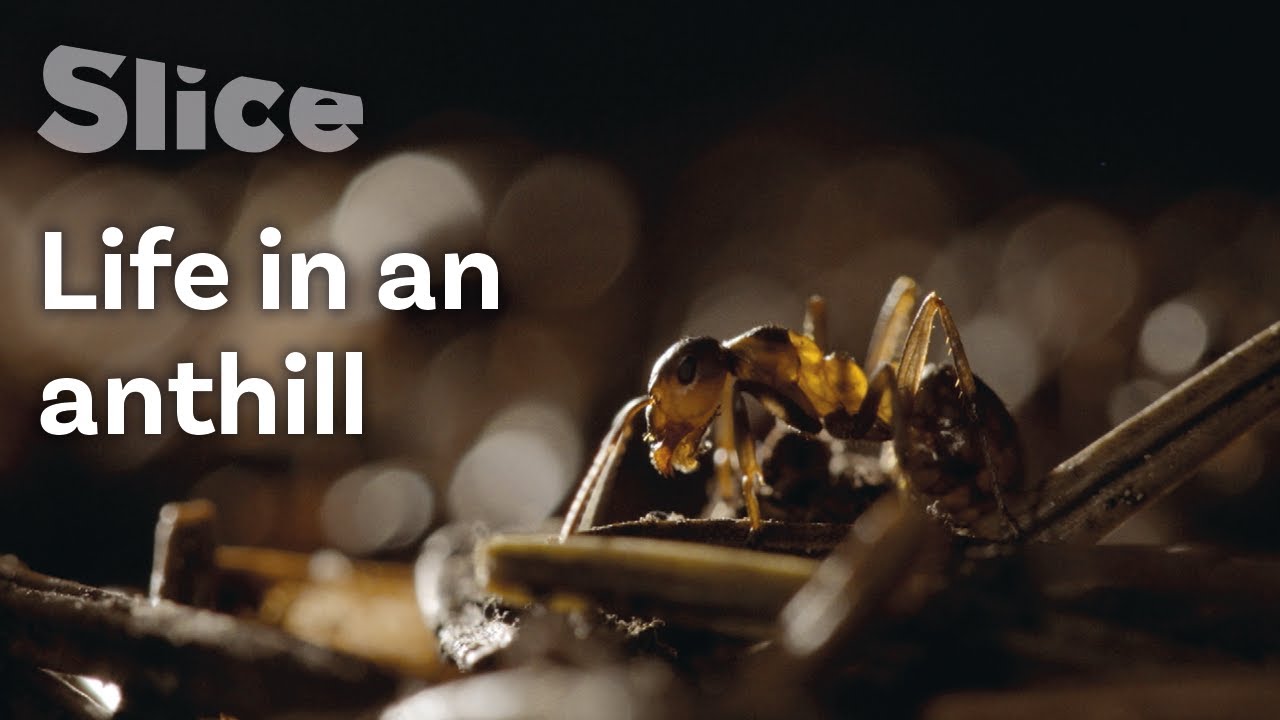
The red wood ant, or Formica rufa, constructs large nests in the Jura Mountains of Switzerland, providing a habitat for thousands of these European ants.
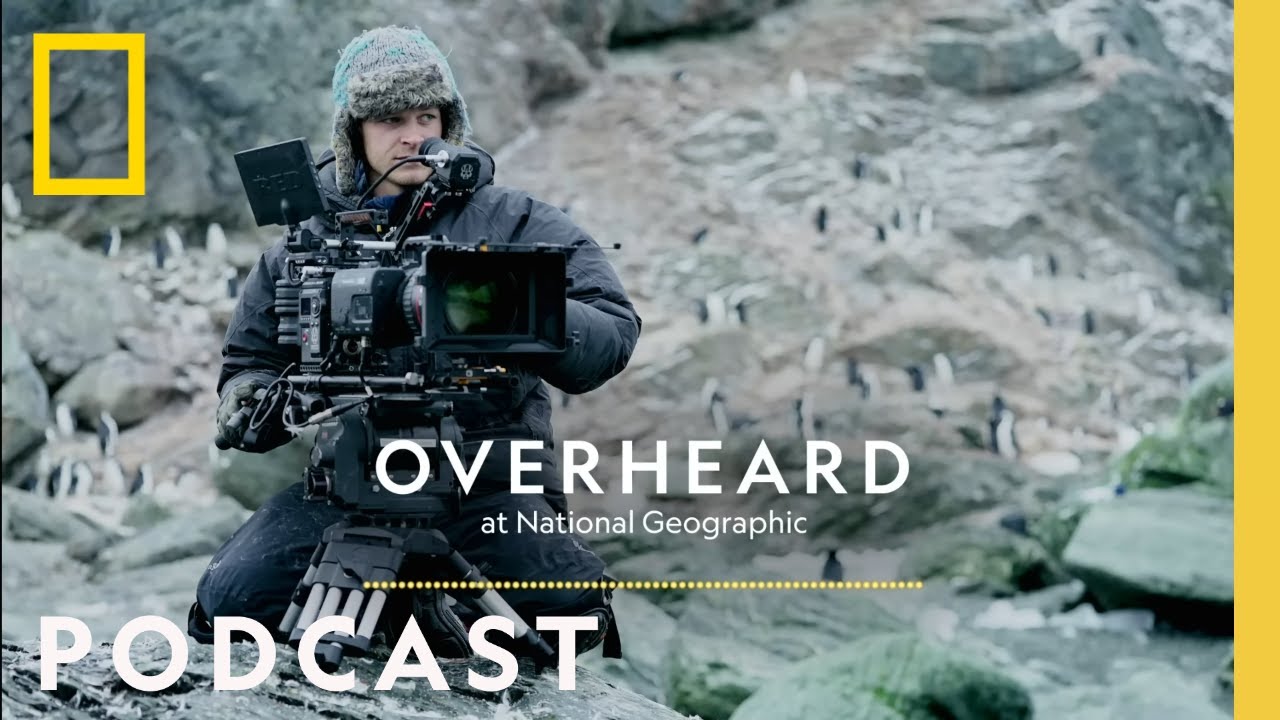
Bertie Gregory shares his experiences filming wildlife in extreme environments, including encounters with lions in Zambia and hammerhead sharks in Costa Rica.
People in California, Seattle, and Texas show their devotion to rescuing cats and protecting wildlife.
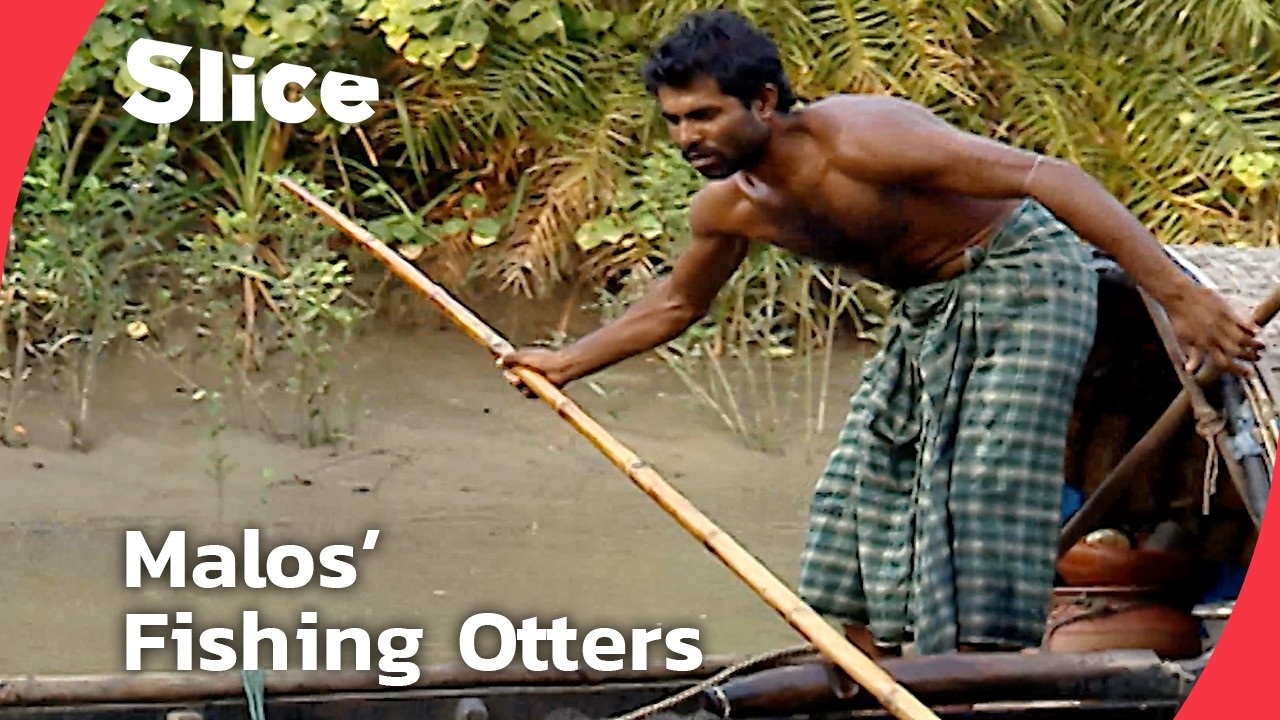
Fishermen in the Sunderbans use trained otters to catch fish, shrimp, and crabs by dragging nets across the riverbed in a centuries-old technique.
A sound technician records audio continuously for 14 hours each day while following big cats in the Okavango Delta.
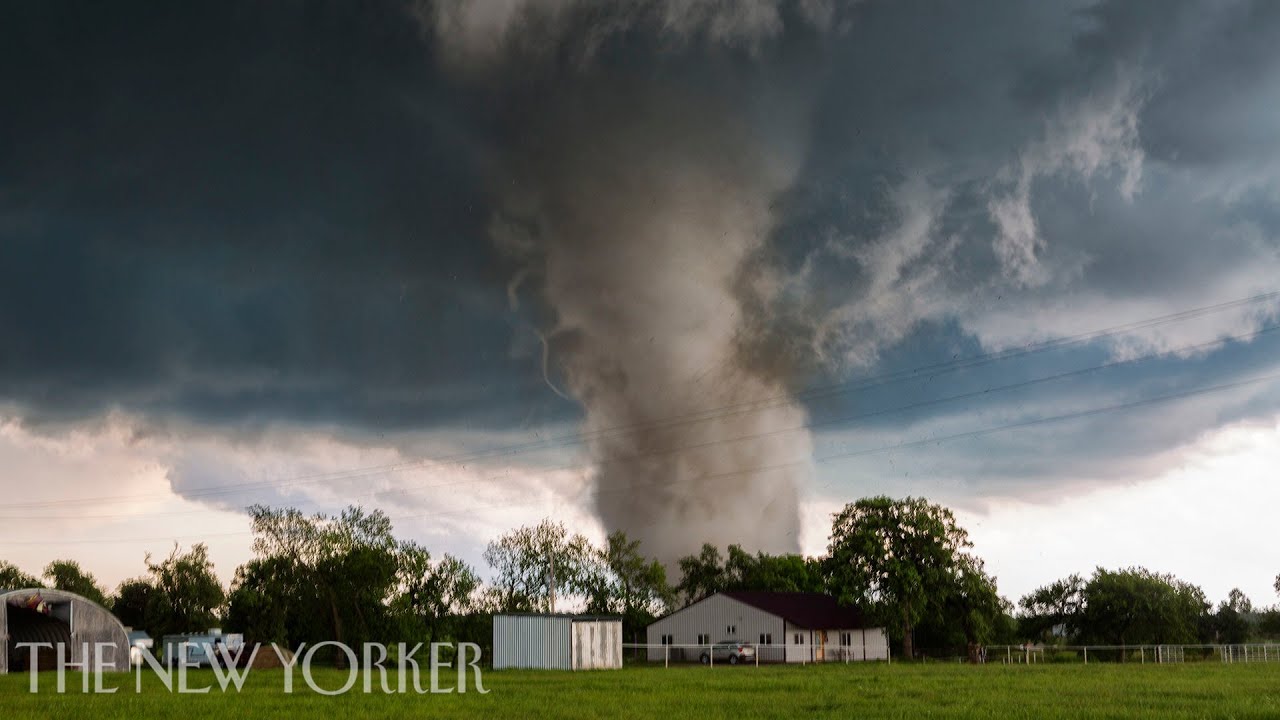
Oklahoma's storm chasers risk safety for tornado footage in Tornado Alley during April.
Troy and Tes hunt pythons after a prescribed burn in this Swamp People clip.
An entire Japanese fisheries dock, over 60 feet long and weighing 180 tons, washed ashore in Newport, Oregon, covered with more than a hundred tons of marine organisms.
Two enormous crocodiles emerge from a pool in a traditional story told by Yakar Garimala, reflecting the beliefs of his people near Darwin.
Reverend John Flute manages the maintenance of SETI@home, a network that processes signals from the Arecibo radio telescope in Puerto Rico.
In the clouds of Venus, researchers explore the possibility of life-forms thriving in the planet's upper atmosphere, utilizing findings from extreme Earth environments.
Douglas Hara shares his passion for the Isle of Man TT races and the thrill of racing.
Australia's isolation from the continental landmass millions of years ago allowed marsupials and monotremes to thrive, leading to its unique wildlife today.
Recent research raises questions about the evolutionary significance of bird wings, challenging perceptions of their normalcy in the animal kingdom.
Izembek National Wildlife Refuge, a vital habitat for migratory birds, hosts the largest eelgrass beds on Earth and supports numerous endangered species.
Jane Goodall discusses her experiences with chimps and the difference science makes in understanding them.
In Brazil's Nordeste region, jangadeiros navigate the sea on jangadas, small wooden rafts, showcasing their fishing skills and cultural heritage through competitive regattas.
Java Island's unique evolution is highlighted in this documentary about its isolation and biodiversity.
A litter of 10 to 25 baby sharks is born during the search for the rare Japanese angel shark in Japan's oceans.
In Namibia, photographers Frans Lanting and Christine Eckstrom explore the region's unique wildlife and striking desert landscapes.
Photographer Joel Sartore captures images of endangered species, including whooping cranes and wolves, highlighting their plight before potential extinction.
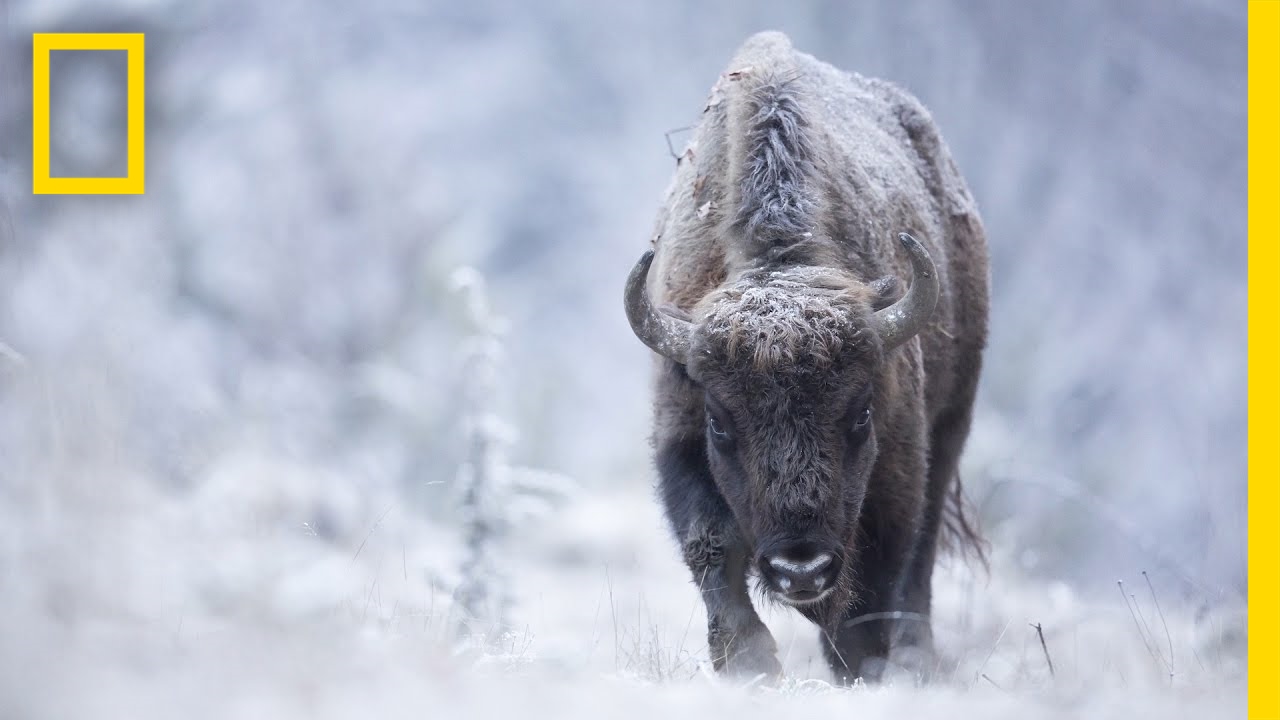
Belgian wildlife photographer Michel d'Oultremont captures the elusive wild bison of Romania, emphasizing the patience required for the perfect shot.
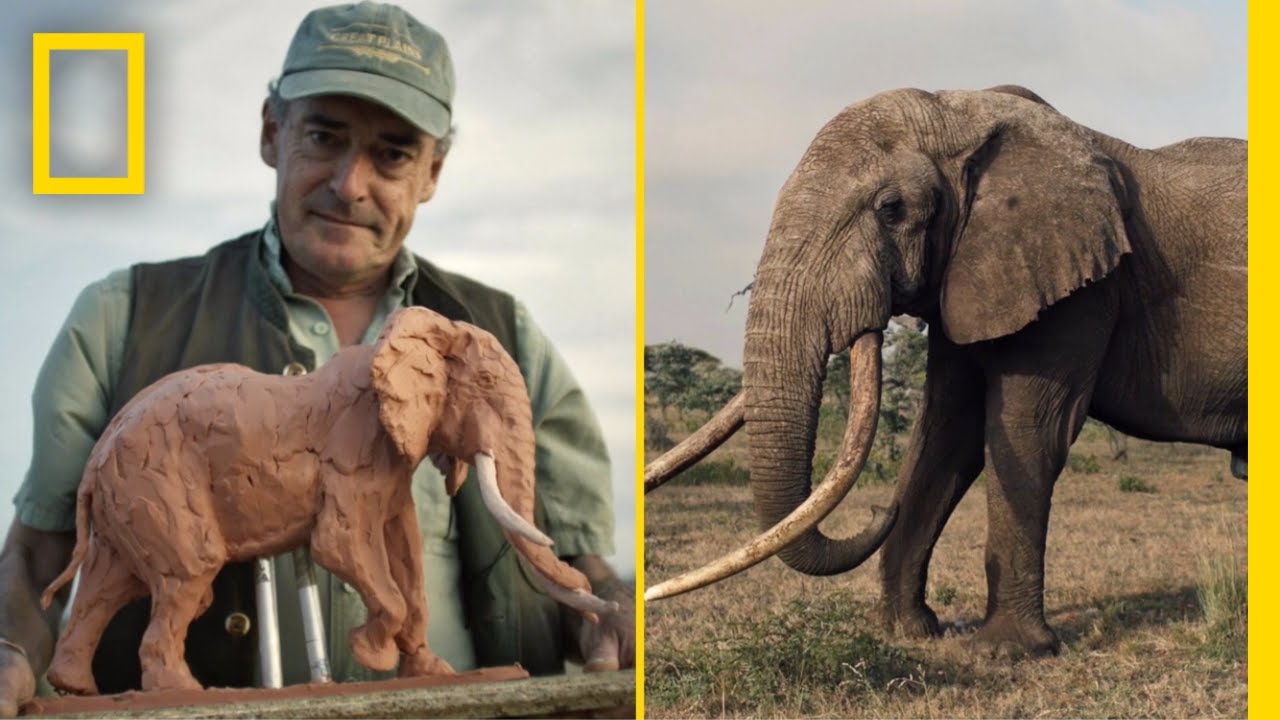
A single elephant tusk can weigh up to 80 kilos and is valued at 800,000 US dollars, more than gold.
Jorge, the last of his species on the Galapagos Islands, lives a life marked by isolation after all others have died.