From over 100,000 films, discover the handful you'll love.
Free or premium access to the world's largest documentary library.
7945 films(Page 14 of 166)
Five snowy owlets hatch in the Arctic tundra, where their parents face challenges due to low lemming numbers and extreme seasonal conditions.
Giant Pacific octopuses can weigh up to 600 pounds and have eight arms that can span 30 feet, yet much about their lives remains unknown.
In the Masai Mara Region of Kenya, the annual migration from the Serengeti showcases the dynamic interactions between predators and prey along the Mara River.
Cape Verde, an archipelago off the coast of Senegal, features individuals like George, a conservationist on Sao Vicente, and Mitu, a kiteboarding champion from Sal.
In the high-altitude reserves of the Alps, five fox cubs navigate a harsh environment filled with challenges from predators and territorial disputes.
Nearly 30 million white-tailed deer now inhabit North America, thriving in suburban areas despite challenges from traffic and domestic pets.
Over 1,400 species of reptiles and amphibians inhabit Colombia, with 500 of those species found nowhere else in the world.
Colombia's diverse ecosystems, from the Andes to the Amazon, host a remarkable variety of unique plants and extraordinary wildlife.
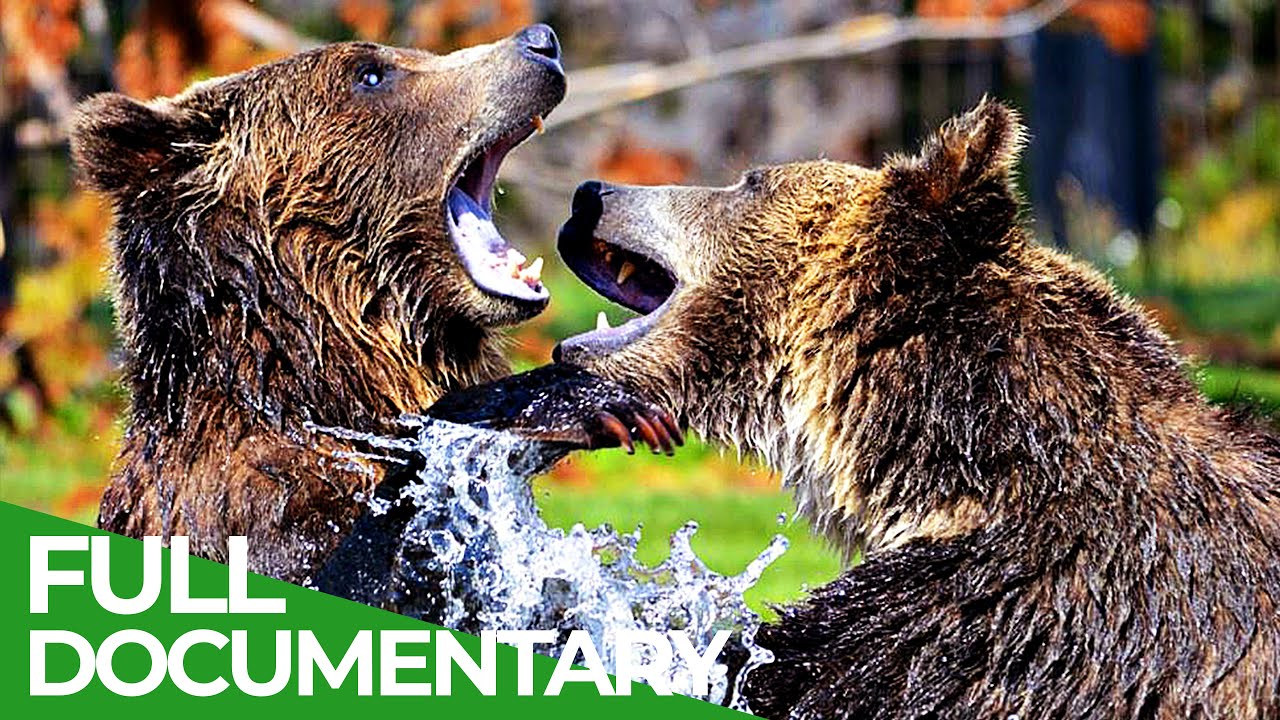
Katmai National Park in Alaska is home to the largest population of brown bears in the world, drawing visitors for its stunning natural beauty and wildlife.
Coastlines worldwide are presented in high-definition visuals, highlighting their natural beauty and ecological importance.
A smokehouse can hold 14,000 pounds of bologna, illustrating the demanding and messy work behind food production in America.
Two million bats take to the skies at dusk in the Indonesian jungle, where predators await their chance to strike.
Roses, celebrated for their beauty and fragrance, are explored through their cultivation, cultural significance, and ecological roles across various regions.
South America, home to a quarter of all bird species on Earth, showcases its diverse avian life from Patagonia's icy peaks to the Amazon rainforest's vibrant ecosystems.
Yellowstone National Park, established in 1872, features its vibrant hot springs, majestic waterfalls, and diverse wildlife in serene visuals and sounds.
In the Sava floodplains of Croatia, a unique ecosystem thrives, featuring 100,000 hectares of meadows and pastures that support diverse wildlife.
Yosemite National Park is home to towering cliffs, giant sequoias, and diverse wildlife, including coyotes, black bears, and bobcats.
In the wild, leopards confront hyenas while fish target birds, showcasing the fierce competition for survival in nature.
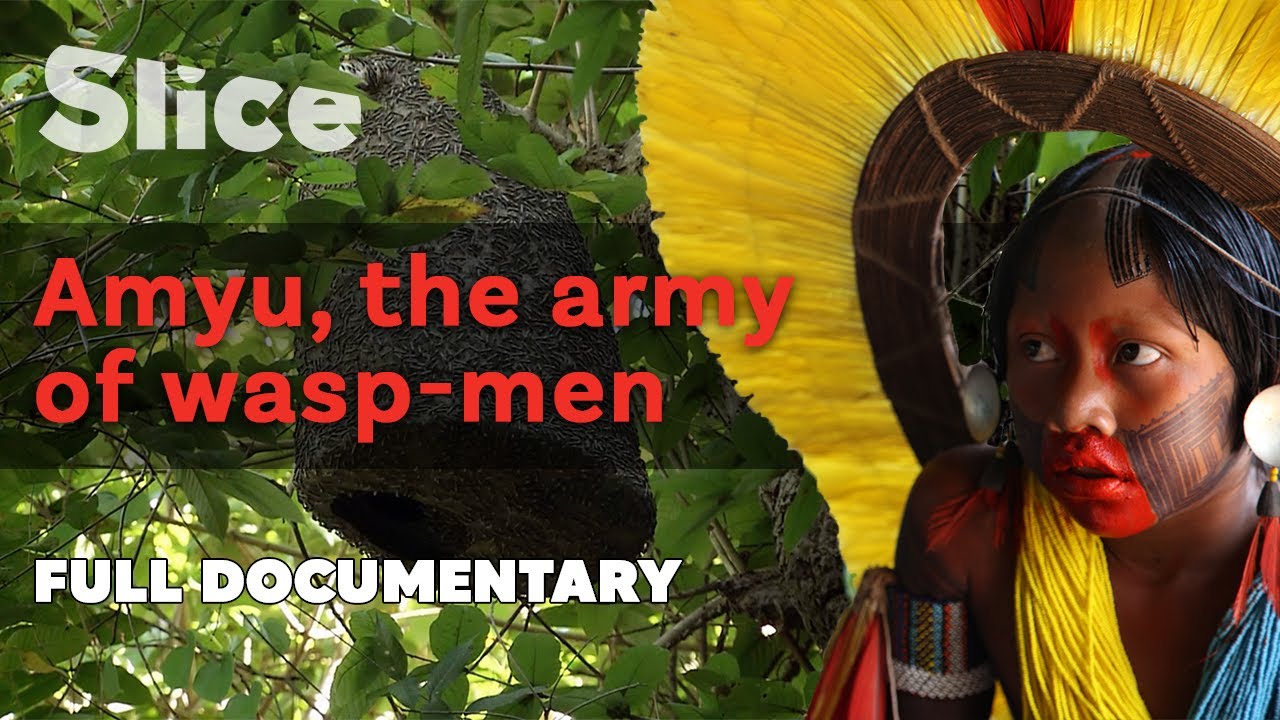
In the Amazon forest of northern Brazil, Kayapó warriors Beptoy and Baka face a dangerous initiation by attacking the nest of the killer wasp, Amyu.
Every year, there are up to 100 shark attacks worldwide, prompting scientists to study the behavior of these predators to improve safety for ocean users.
Over 20,000 elk migrate across an area five times larger than Yellowstone National Park, connecting ranch lands and high-alpine meadows.
A hidden mosaic of lakes, rivers, forests, and peat bogs lies south of Prague, in the heart of Europe.
Yellowstone National Park, established in 1872, is renowned for its diverse wildlife and geothermal features, including the iconic Old Faithful geyser.
150 ships and 750,000 tons of oil navigate the waters off Ushant daily, a region known for its treacherous maritime conditions.
Alaska is home to the largest population of brown bears in the world, with local residents adapting to the region's extreme conditions and rich natural resources.
Sir David Attenborough narrates a series showcasing the hidden behaviors and survival strategies of plants in various ecosystems, including deserts and rainforests.
A one-mile-wide comet crashing into Earth at over 20,000 miles an hour could cause catastrophic damage, as evidenced by the extinction of the dinosaurs.
In the Arctic region, extreme contrasts of polar night and day shape the lives of resilient animals and plants that have adapted to survive harsh conditions.
In Patagonia, viewers can explore the serene beauty of kelp forests, the Southern Ocean, and the intimate moments of a southern right whale and her calf.
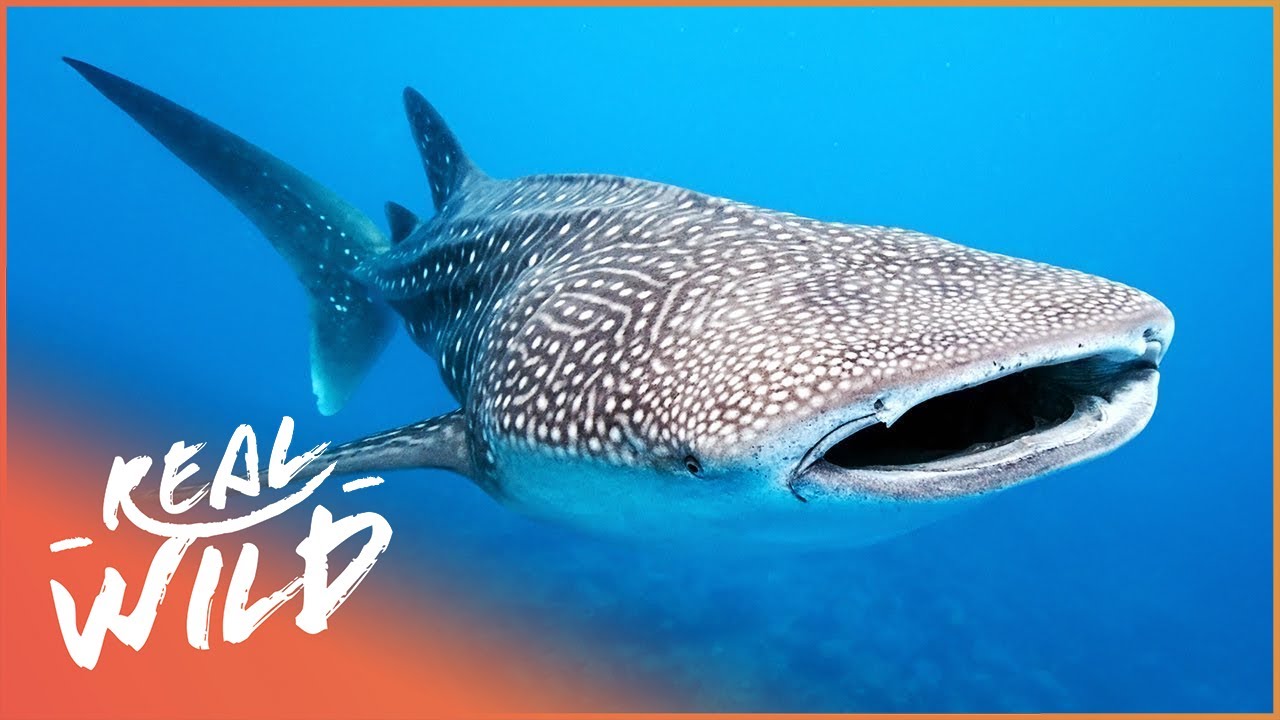
Scientists are using NASA technology to identify, catalogue, and track individual whale sharks in a critical effort to protect these gentle giants.
A great hammerhead shark measuring 14.5 feet long and weighing 1,282 pounds is the largest specimen ever caught and donated for scientific research.
In the Grand Bahama Bank, pregnant lemon sharks and white-tip reef sharks exhibit unique behaviors, revealing critical insights into their population dynamics.
Grand Teton National Park receives over 40 feet of snow in a single season, creating a unique habitat for wildlife like otters and coyotes.
Extraordinary interactions among diverse species are captured across various ecosystems, highlighting the importance of wildlife conservation and biodiversity.
In the BBC Earth archive, a compilation showcases winter wildlife moments, featuring caribou, penguins, wolves, and polar bears in their natural habitats.
For three years, not a single drop of rain has fallen on the cracked lands of Kenya's Northern Frontier District, testing the limits of survival in Shaba.
Carthage controlled Mediterranean trade for a thousand years, becoming known for its valuable dye, Turian purple, and advanced shipbuilding techniques.
Over half a million terns crowd during the dry season, while various species employ survival strategies against predators in their environments.
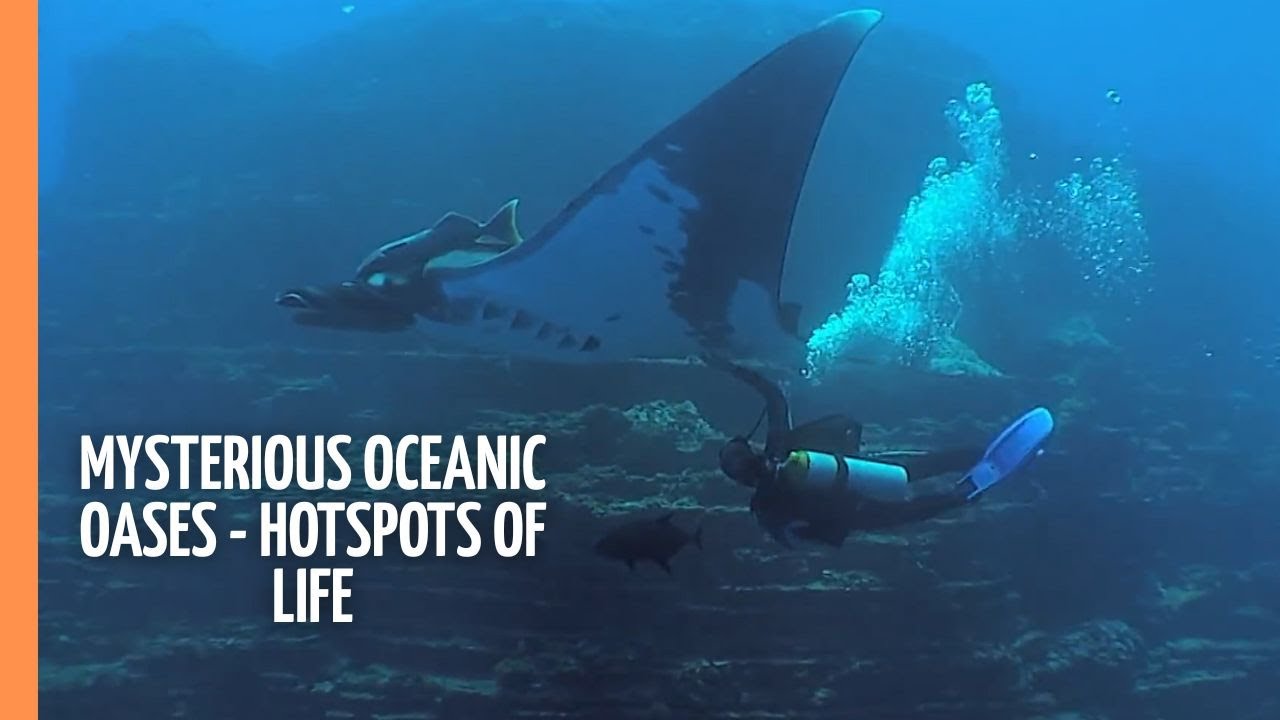
Rolf Möltgen dives into oceanic oases, revealing rare species and the impact of dive tourism.
A Canadian trapper becomes pinned beneath his quad bike for four days in the Rockies, battling freezing conditions and fighting for survival.
Kilauea's lava erupts at nearly 2,000 degrees Fahrenheit, consuming roads, forests, and neighborhoods in Hawaii.
Each autumn, two Komi families migrate across the Ural Mountains with 5,000 reindeer to secure food for the harsh Siberian winter.
Some saguaro cacti in the park can grow to be 200 years old and reach heights of four stories, providing vital habitat for diverse wildlife.
More people have traveled to the Moon than have ventured to the deep ocean, which remains one of the last unexplored frontiers on Earth.
The golden eagle hunts prey while gliding, posing a threat to various animals in its territory.
Cuba's unique wildlife includes over 80% of its reptiles and amphibians found nowhere else, thriving in pristine reefs due to strict fishing regulations.
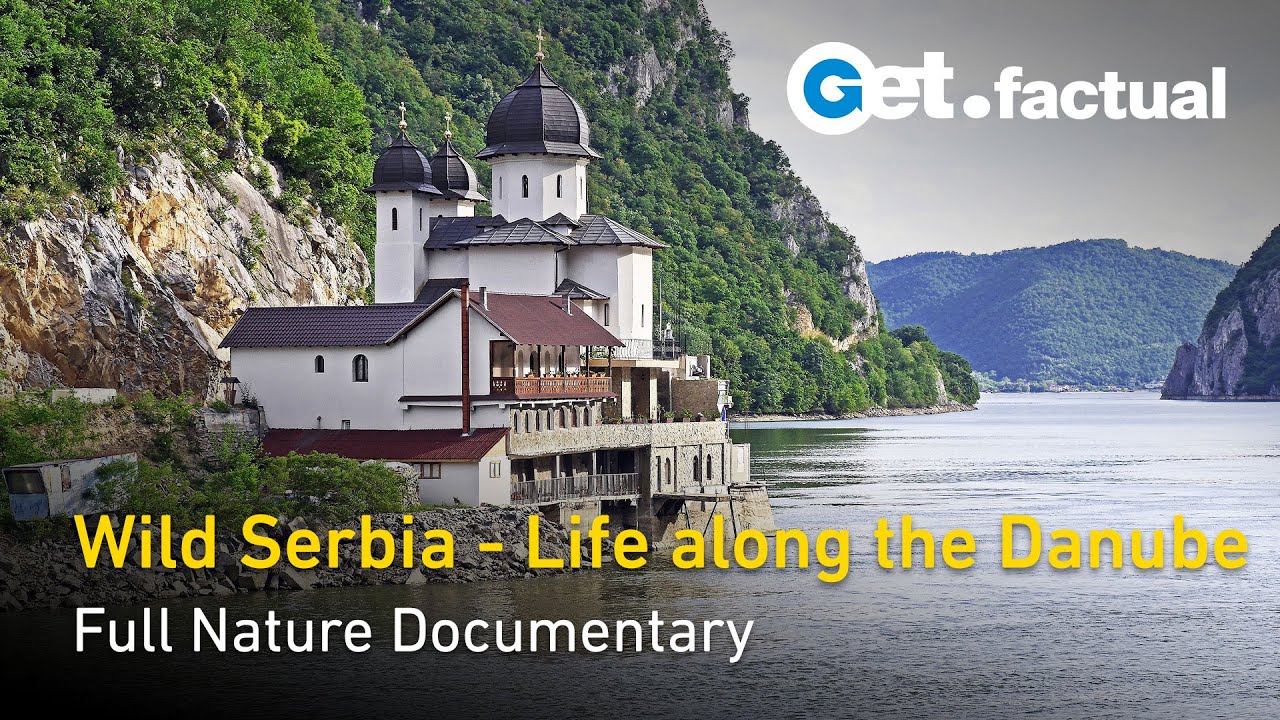
More than 100 kilometers of the banks of the Danube are protected as part of the Djerdap National Park in Serbia.
Antarctica's prehistoric past reveals a lush, forested continent during the early Jurassic period, home to unique dinosaurs like Cryolophosaurus and Glacialisaurus.