From over 100,000 films, discover the handful you'll love.
Free or premium access to the world's largest documentary library.
7951 films(Page 7 of 166)
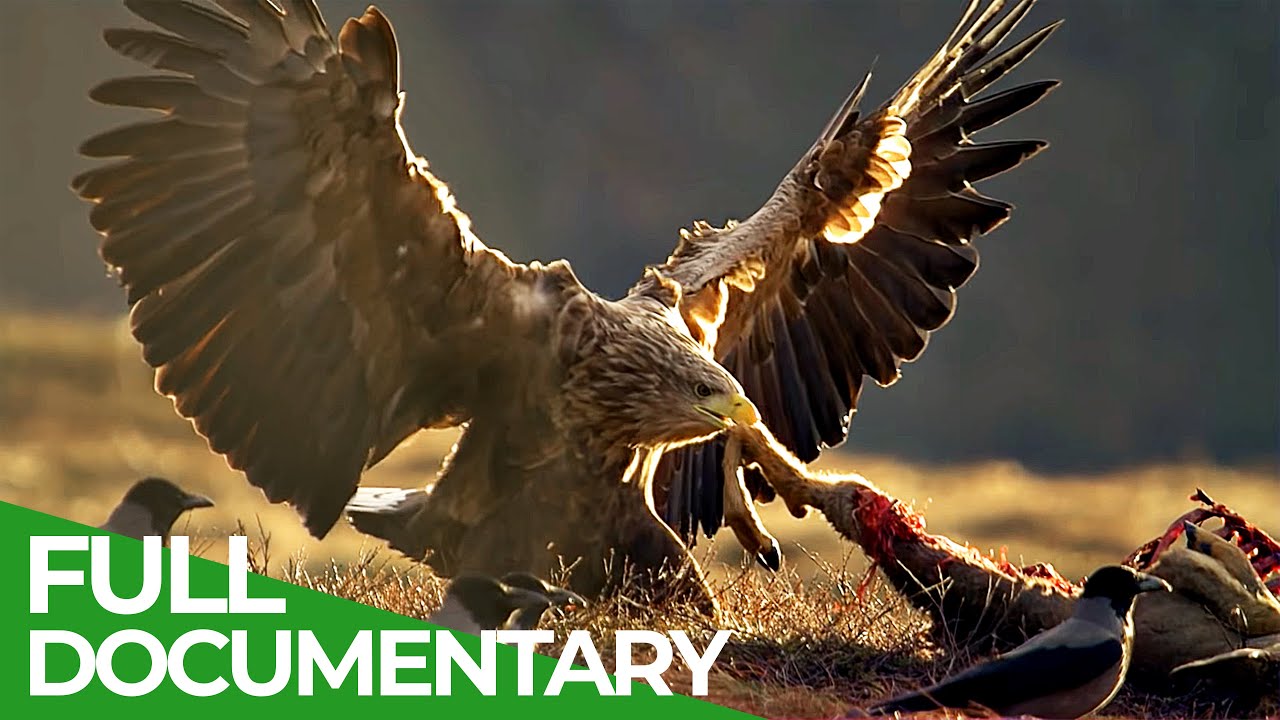
Half a kilo of fish per day is enough for a sea eagle, which relies on the hunting successes of orcas and humpback whales for its meals.
Freediver Frederic Buyle and underwater cameraman Christian Petron dive to depths exceeding 50 meters to study marine life, including great white sharks.
Dumitru Pop has carved over 45 unique wooden crosses in Sapânța's cemetery, each telling the story of the deceased with humor and honesty.
On April 27, 2011, 62 tornadoes touched down in Alabama, resulting in 252 fatalities and widespread destruction across the region.
Allison Redmond was bitten by a rattlesnake in the Grand Canyon, an incident that nearly cost her life during a father-daughter hiking trip.
A pack of 25 wolves hunts bison in northern Canada, demonstrating the fierce competition for survival in the animal kingdom.
Global temperatures are rising three times faster than the average, forcing desert animals to adapt to increasingly harsh conditions.
1,000 Northern gannets breed on Helgoland, a vital habitat threatened by erosion and storm floods in the North Sea.
Snowflakes form unique six-pointed crystals as winter transforms landscapes, while animals adapt to survive harsh conditions and find food.
Nausicaá's expansion includes a giant tank with a capacity of 2.6 million gallons, equivalent to four Olympic-sized swimming pools.
Lobsters are like medieval warriors, armed and facing a fate on gourmet plates worldwide.
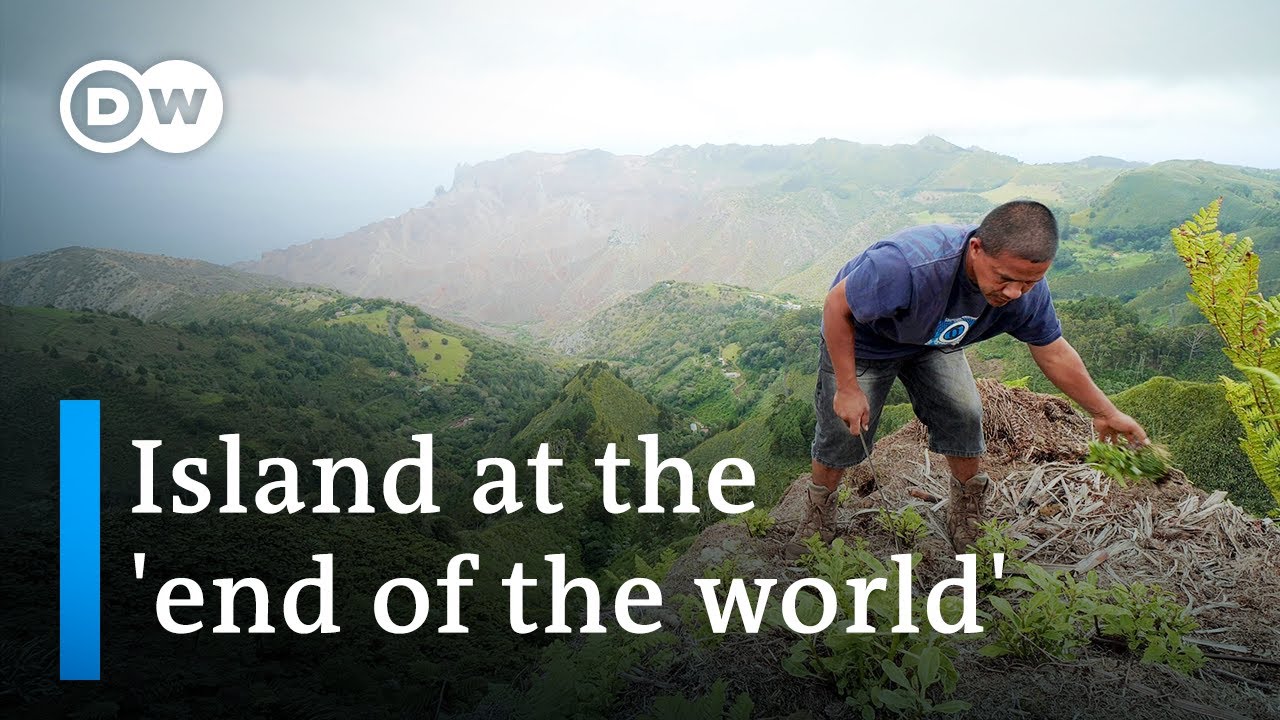
St. Helena is a remote island in the South Atlantic with unique fauna and flora preservation efforts.
A 22-year-old silverback gorilla named Dut leads his family in the Virunga mountains while facing threats from human activity nearby.
A female Emperor moth lays her eggs within hours of mating, ensuring the survival of her caterpillars on specific host plants.
A 15-meter steam locomotive weighing over 100 tons is transported 10,000 kilometers from South Africa to Glasgow, facing numerous logistical challenges.
In a Game Park in Zimbabwe, a young female elephant named Nzou leads a herd of buffaloes, adopting their behaviors and social dynamics.
A female humpback whale journeys 3,000 miles from Alaska to Hawaii, where she gives birth to a calf and prepares for their return trip.
Just 0.1% of animals are thought to use tools, yet octopuses demonstrate advanced problem-solving skills that challenge existing views on animal intelligence.
Blowpipes used by the Jahi tribe can shoot darts at speeds of 180 kilometers per hour, essential for hunting in the Malaysian rainforest.
40 below zero temperatures force bison to dig for food while wolves hunt in packs of 25, targeting the most vulnerable calves on the Great Plains.
500 white bears live in the rainforests of British Columbia, where one in ten black bears is white, providing a unique advantage in fishing for salmon.
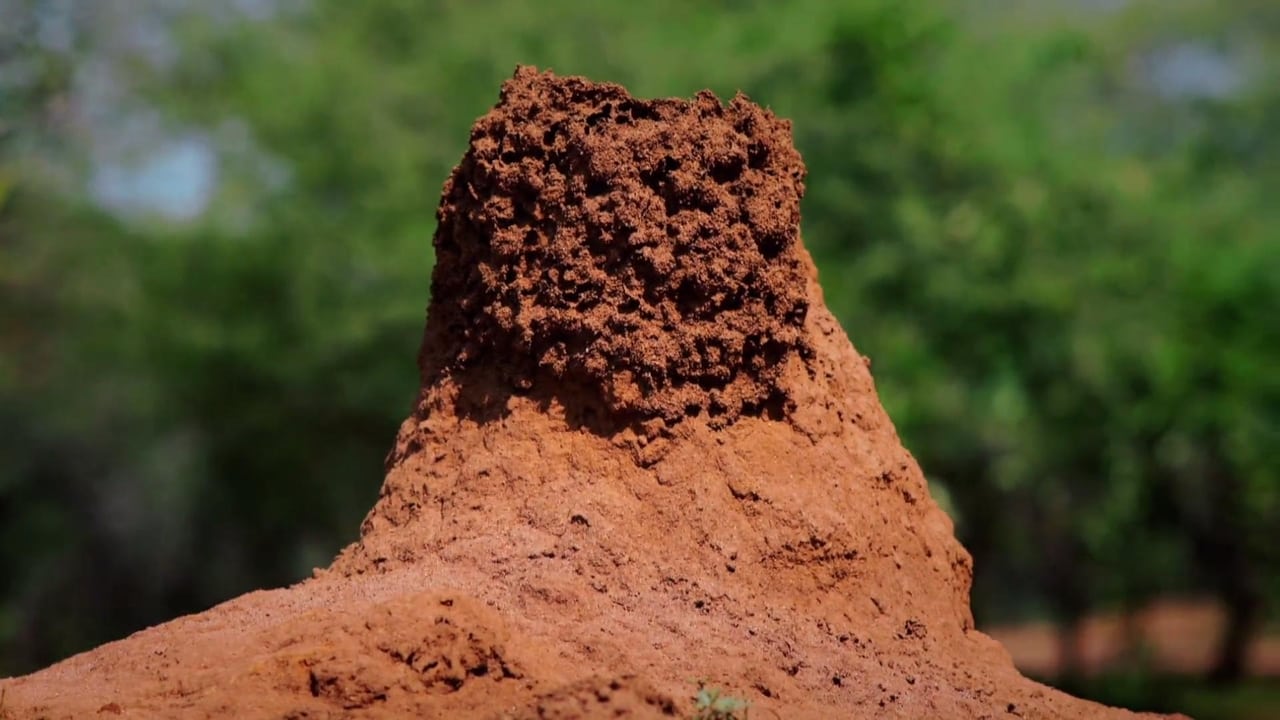
Termites build mounds that can reach heights 25 times greater than the Empire State Building in New York City.
Nathaniel Mori discovers thirty-two new reptile species while documenting the unique ecosystems of Myanmar, home to around 350 reptile species.
Natalie Portman learns survival skills in the Escalante Desert, including making fire and repelling, during a two-day wilderness challenge with Bear Grylls.
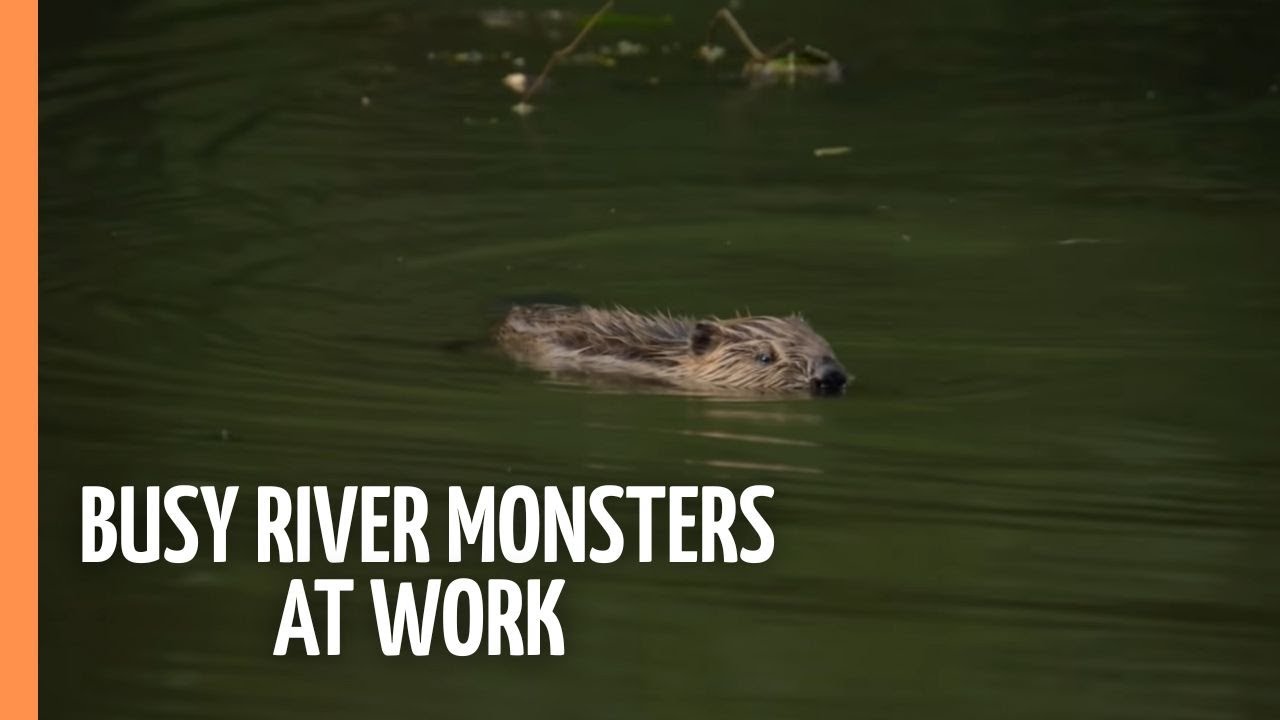
Klaus Weißmann documents the resurgence of beavers in Germany, where their population has grown to over 35,000 due to successful conservation efforts.
Great Smoky Mountains National Park is home to 19,000 known species, including 1,500 black bears and numerous salamanders and bird species.
Harvard researchers announced in February 2018 that the genetic signature of the ancient builders of Stonehenge vanished almost entirely from the British Isles.
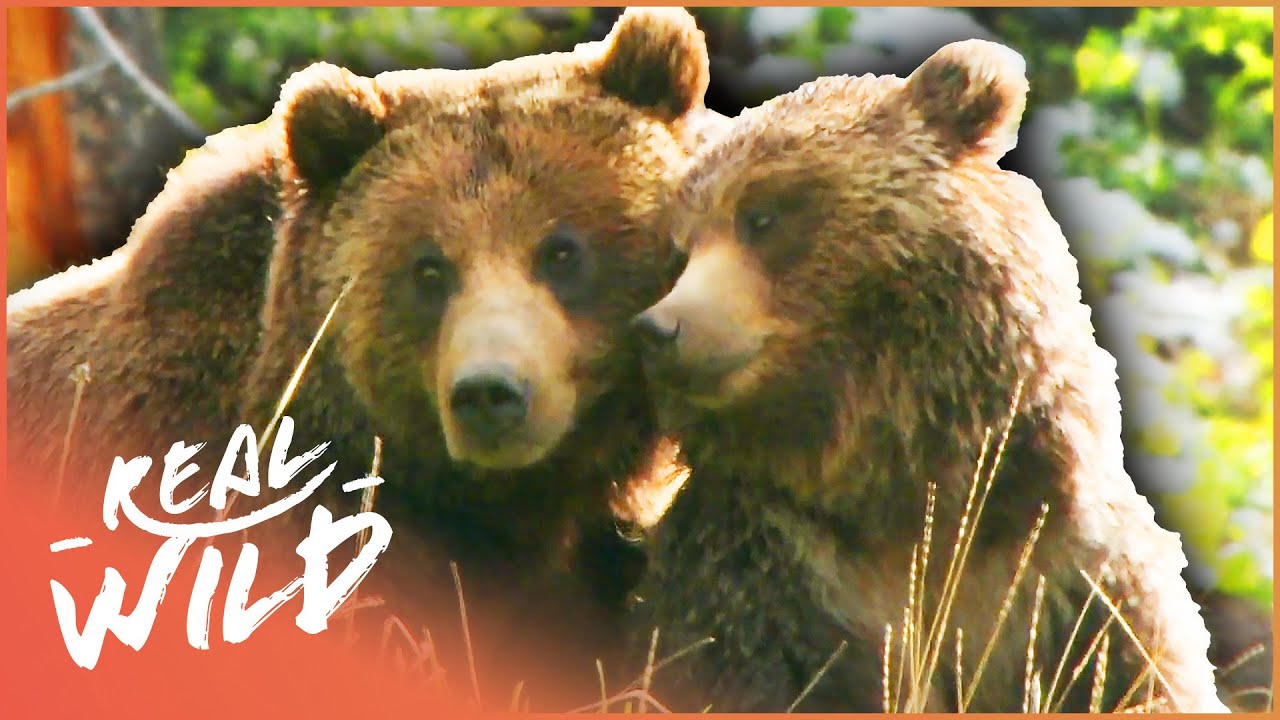
In Yellowstone National Park, grizzly bear '211', known as 'Scarface', navigates life among other bears while showcasing the challenges of survival.
Half a million calves are born on the ashri plains in just three weeks, with 24,000 arriving each day to face the challenges of survival.
Hundreds of thousands of King Penguins gather on the beaches of Crozet, Marion, Kerguelen, and Amsterdam each summer to mate and raise their young.
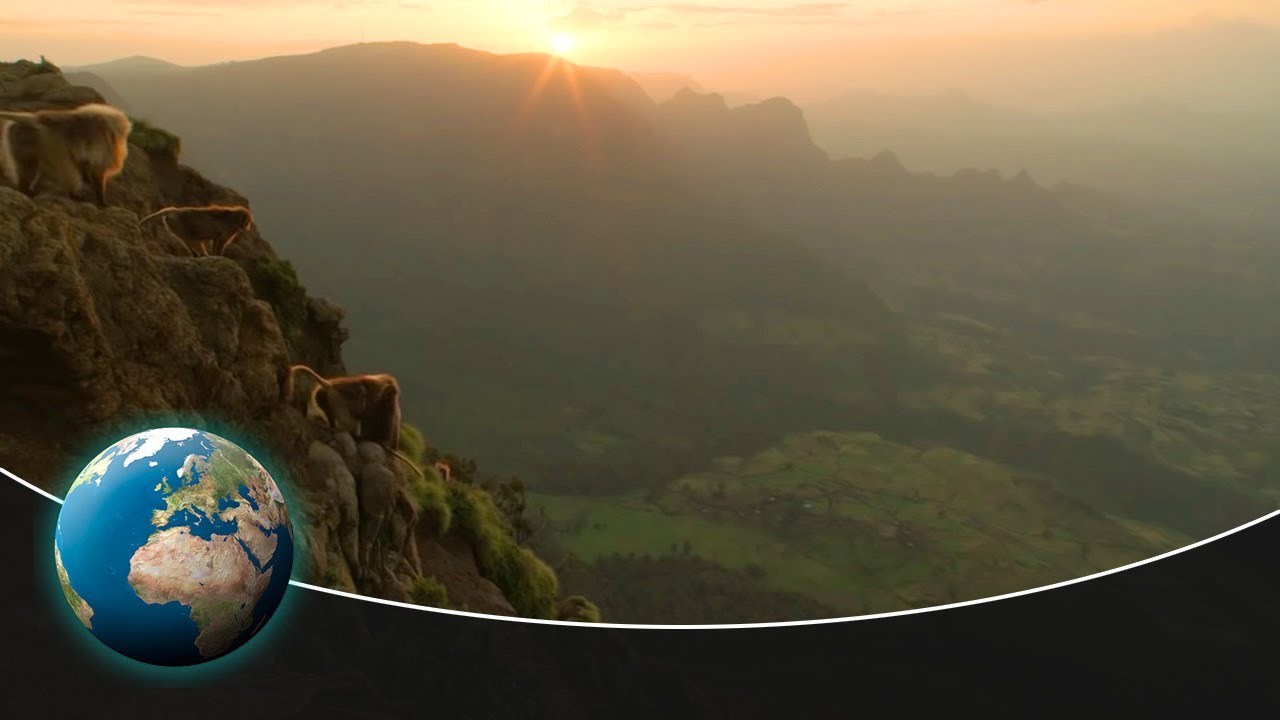
Less than 500 Ethiopian wolves remain in the highlands, where one lone wolf named Megeti searches for a new pack and territory.
A solitary lioness, known as Lady Liuwa, survives alone on Zambia's Liuwa Plain after a massacre that wiped out her pride.
Only 2,000 people live in Tasiilaq, the largest settlement on Greenland's east coast, where residents rely on helicopters for supplies for much of the year.
The Dhünntalsperre, the largest dam in the Bergisches Land region, covers an area equivalent to 660 football pitches and plays a crucial role in local water management.
More than a billion periodical cicadas swarm the forest after 17 years underground, providing a feast for various predators.
Cuttlefish have three hearts and can change their color and shape in an instant to blend in with their surroundings.
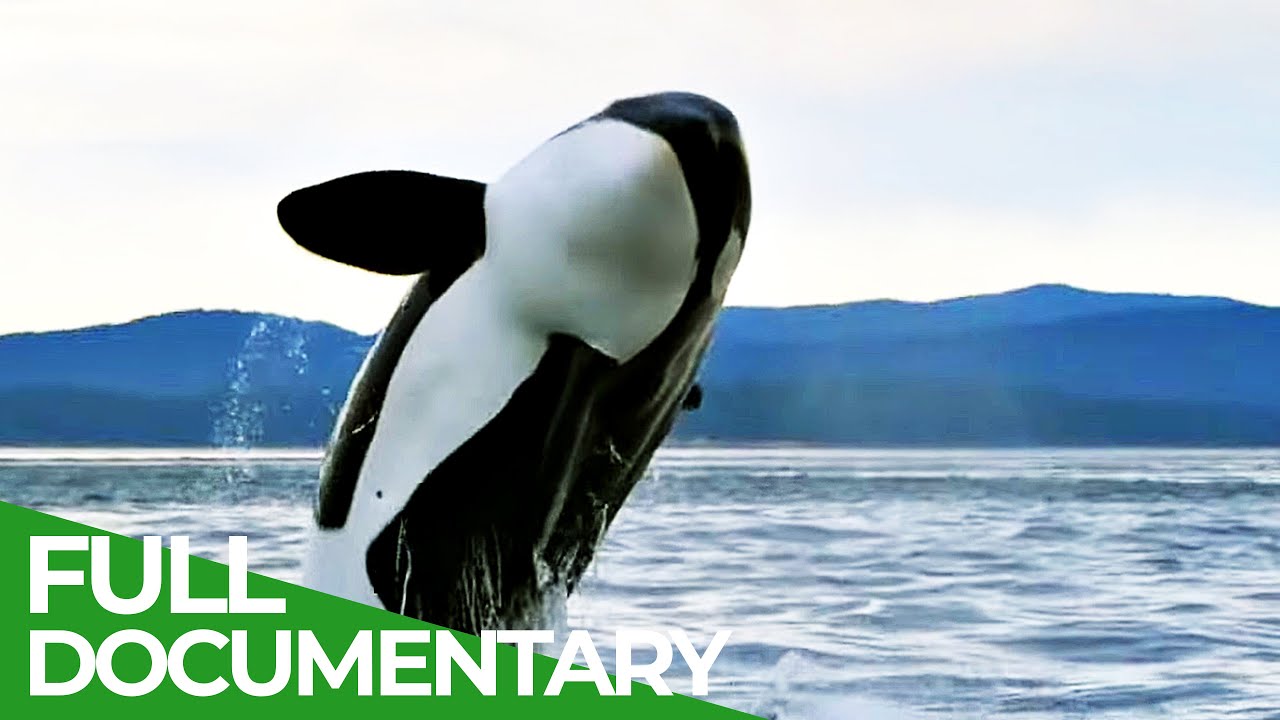
An adult killer whale can burn 200,000 calories a day while hunting along the 73 miles of coastline in Olympic National Park.
Guatemala's Maras control crime and instill fear in the world's most violent country.
BBC Earth profiles ten significant moments of wolf behavior, featuring thrilling chases, playful pups, and unique interactions in various habitats.
A sooty tern can spend the first four years of its life entirely on the wing, avoiding water to prevent drowning in the Pacific Ocean.
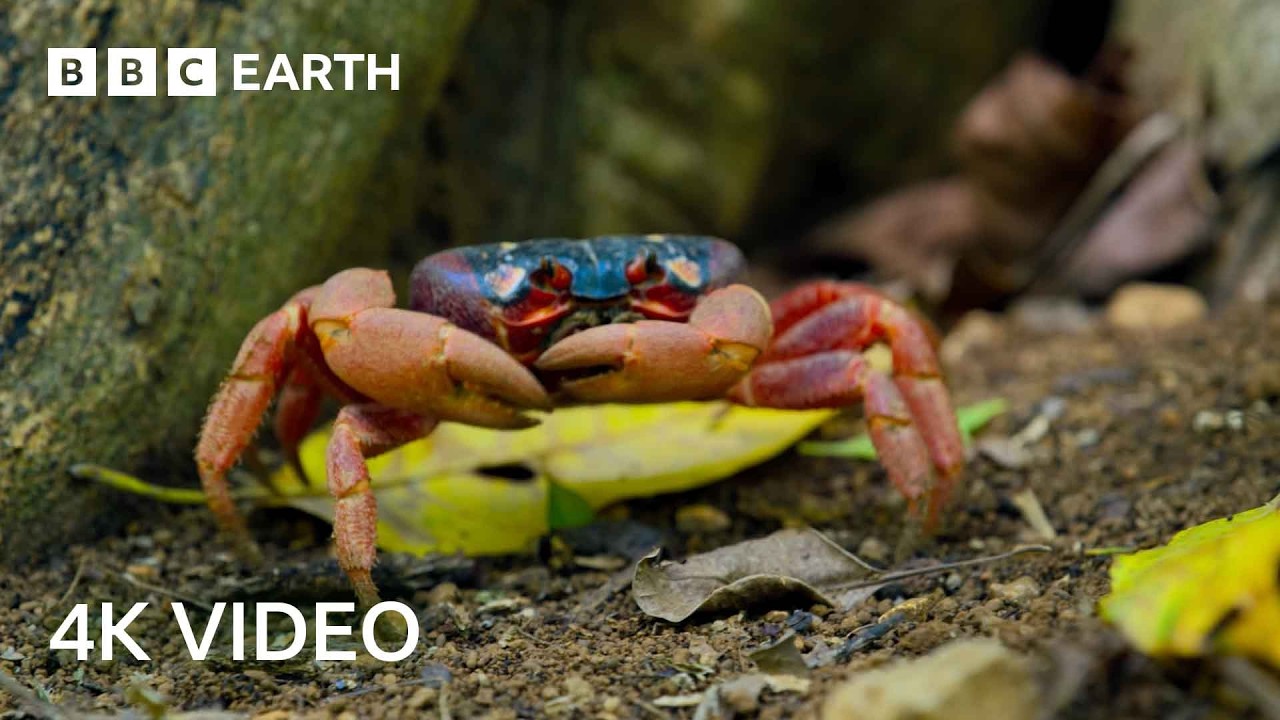
Fifty million red crabs march annually from Christmas Island to the sea, but invasive yellow crazy ants threaten their survival.
Milos Majda, a ranger at Mala Fatra National Park in Slovakia, works to reintroduce two lynx siblings from a zoo into their ancestral forest habitat.
Arctic fox cubs must learn to hunt within nine weeks to survive in one of the harshest locations on earth.
Artificial Intelligence could transform agriculture and help ensure food security worldwide.
In the Canary Islands, the survival of unique species like the lizard is intricately linked to the ecosystem, including the role of baby seagulls in preventing extinction.
380 euros are paid for about 2,000 fish to save them from being slaughtered, allowing them to live in a monastery pond in Bhutan's subtropical south.
50 million red crabs emerge from their burrows on Christmas Island to release trillions of eggs into the ocean during the annual monsoon.
Wildebeests migrate over 800 kilometers from the Serengeti to the Masai Mara each year, facing dangers like crocodiles and lions along the way.