From over 100,000 films, discover the handful you'll love.
Free or premium access to the world's largest documentary library.
7951 films(Page 70 of 166)
Australia's unique ecosystems, from the ancient Outback to the Tasmanian wilderness and the Australian Alps, showcase millions of years of evolutionary history.
Pororoca, a powerful tidal phenomenon in the Amazon, attracts adventurous surfers while instilling fear in locals due to its unpredictable and deadly nature.
Guadalupe Island is home to the northern elephant seal, which has made a comeback after being nearly wiped out by hunters in the 19th century.
Cape Verde, an archipelago of ten islands in the Atlantic, showcases diverse landscapes and dedicated locals like George and Mitu, who protect its natural beauty.
Ian Gordon swims off Miami's coast, attracting the world's most dangerous shark, known for its high number of human attacks and size of up to 11 feet.
Hundreds of thousands of herrings head towards the Bay of Sitka each spring, prompting fishermen to brave extreme conditions in search of their catch.
Yiannnis Boutaris, a Greek tycoon, establishes a bear sanctuary to protect the dwindling bear population and promote conservation education among children.
Animal communication encompasses a range of themes, including love, danger, and family, showcasing the diverse linguistic abilities of species worldwide.
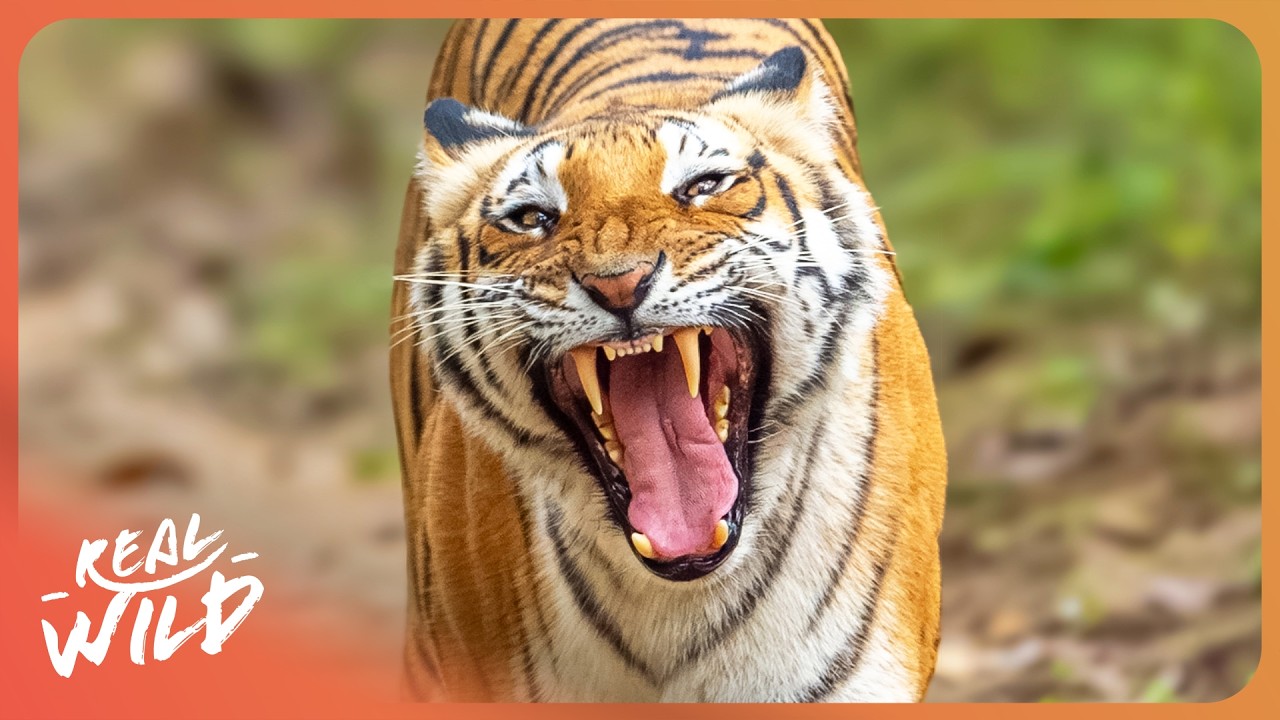
A three-year-old tigress named Ahimsa has recently taken possession of her own territory in Madhya Pradesh, India, amid ongoing threats from poachers.
In Southeast Oklahoma, Ivan Carter and conservationists study the remarkable resurgence of the American black bear in its native habitat after near extinction.
In Sri Lanka, a 2,000-year-old reservoir system supports elephants during drought, while the Namib Desert's fog sustains its unique ecosystem and Amazon wildlife adapts to rising floodwaters.
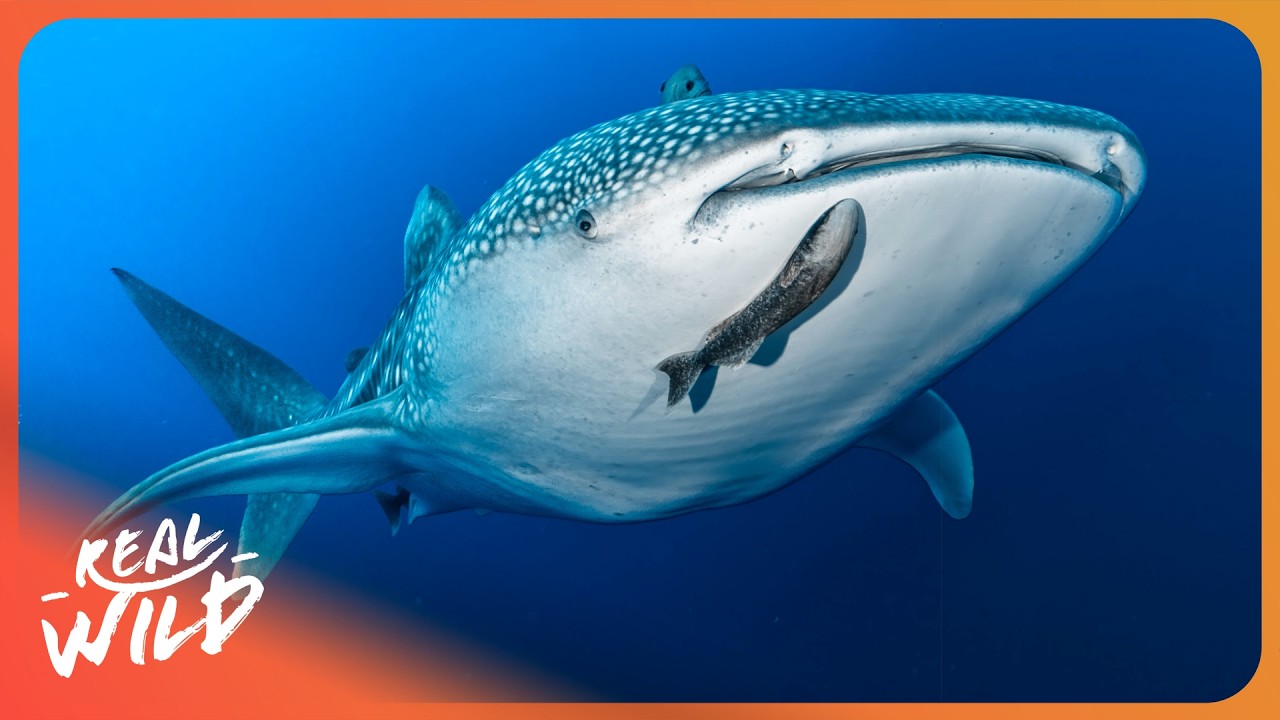
In Oslo, Philippines, fishermen like the Soranianos have transformed their livelihoods by forming a bond with whale sharks, shifting from fishing to eco-tourism.
Australia's ancient rainforests are home to unique wildlife, including the Tasmanian devil, platypus, and saltwater crocodile, showcasing their survival strategies.
Insects and arachnids showcase extraordinary adaptations like fire-resistant skin and acid-spitting abilities, while urban wildlife such as rats and raccoons thrive on human food waste.
Scott Mason combines falconry and paragliding in a mission to raise awareness about the alarming decline of Asian Vultures, which have seen a 99.9% population loss.
In Brazil's Pantanal wetlands, ancient predators like jaguars and giant otters engage in a relentless struggle for survival during the harsh dry season.
Zebras, polar bears, and chameleons exemplify remarkable adaptations that enhance their survival, utilizing camouflage and unique strategies across diverse environments.
South Korea's 2,800 islands showcase a unique culture shaped by the harmonious relationship between residents and the diverse marine environments of the West, East, and South Seas.
One Morrocoy tortoise escapes captivity and faces a 300,000 square kilometer struggle for survival across the Llanos of Venezuela.
An international family spends eight months exploring the diverse landscapes and cultures of Namibia, South Africa, and Madagascar through the eyes of their children, Amy and Jason.
In Mackenzie, BC, orphaned cub Renny must confront bully-cub Dion while rescuers Angelika and Peter enlist an arborist to save three cubs stranded in trees.
In Corbett National Park, Ian Max Maxwell collaborates with local experts to track Bengal tigers, employing traditional skills to navigate the challenging terrain.
The Amazon jungle, the largest woodland on Earth, is home to diverse wildlife including Amazon River dolphins, harpy eagles, and giant otters.
Canada's national parks, established to preserve less than 1% of the country's total land area, serve as vital wildlife sanctuaries for millions of visitors each year.
Forty-four yearlings at a wildlife shelter emerge from hibernation as a wild male bear tests the boundaries, prompting Kim to intervene.
Daintree National Park, a 180-million-year-old rainforest in Australia, is home to prehistoric animals and critical apex predators like the saltwater crocodile and cassowary.
In the American West, wild horses find refuge at Return to Freedom, while Chimp Haven in Louisiana and Thailand's Elephant Nature Park provide care for rescued animals.
Little Monsters showcases the Slow Loris and conservation efforts at Monkey World and Dao Tien.
Gibbons, primates that share over 98% of human genes, face extinction in Borneo, Sumatra, and Bangladesh due to illegal logging and the palm oil trade.
Dogs have played vital roles in human society, from assisting prison inmates to aiding individuals with autism, showcasing their unique skills and emotional bonds.
An expedition explores the lesser-known waterways of a river delta, featuring adventurous overnight stays and encounters with local ecosystems.
Earth functions as a vast restaurant where various species, from carnivores to frugivores, engage in a continuous cycle of eating and being eaten.
Wrangel Island, a crucial habitat for Arctic wildlife, is increasingly threatened by climate change as rising temperatures lead to the rapid loss of ice.
The Congo River, the deepest river on Earth, is home to unique species like the Shoebill and African Lungfish, showcasing a remarkable ecosystem.
Australia's unique wildlife, including kangaroos, koalas, and wedge-tailed eagles, showcases remarkable adaptations to extreme conditions like fire and drought.
Craig Potton explores the Rangitata River in New Zealand, emphasizing the local Māori people's history and their deep connection to the landscape.
Lions attempt to steal a leopard's kill in a tree, while servals, tigers, cheetahs, and mongooses engage in various dramatic wildlife encounters.
Kyushu, Japan's southernmost island, is characterized by its volcanic activity, rich agricultural lands, and historical significance as a gateway for foreign influences.
Aggressive orphaned cub Digger is joined by his long-lost sister, while Yukon reunites with his injured brother Taku, fostering companionship and healing.
Rattlesnakes, stonefish, scorpions, blue ringed octopuses, Sydney funnel web spiders, Gila monsters, and fire ants exemplify the world's most toxic predators and their lethal adaptations.
Iceland's unique landscapes of glaciers and volcanoes contrast with Denmark's historic architecture and Sweden's diverse urban and rural environments.
The return of wolves to Idaho, Montana, and Wyoming has sparked ecological changes and innovative livestock protection strategies among local ranchers.
The Hunte River, a hidden gem in northwest Germany, supports diverse wildlife and unique landscapes, as documented by filmmakers Svenja and Ralph Schieke.
In October 1962, Oleg Penkovsky, a Soviet officer, provided critical intelligence to the CIA that helped prevent nuclear war during the Cuban missile crisis.
Tōhoku, a mountainous region in northeast Japan, experiences heavy snowfall that benefits agriculture in spring, contrasting with the urban sprawl of Tokyo nearby.
Foxes and wolves are examined for their unique adaptations and hunting strategies, highlighting the solitary nature of foxes versus the social dynamics of wolf packs.
Indonesia, known as "Tanah Air Tika," showcases its rich cultural and natural heritage, emphasizing the deep connection between its people and the land.
Angelika faces the challenge of performing surgery on a bear with a serious leg break while a new cub named Henry must adapt to life with other bears.