From over 100,000 films, discover the handful you'll love.
Free or premium access to the world's largest documentary library.
7951 films(Page 49 of 166)
Marty Stouffer examines the extraordinary adaptations and behaviors of unusual animal species, including a spider that has learned to fish.
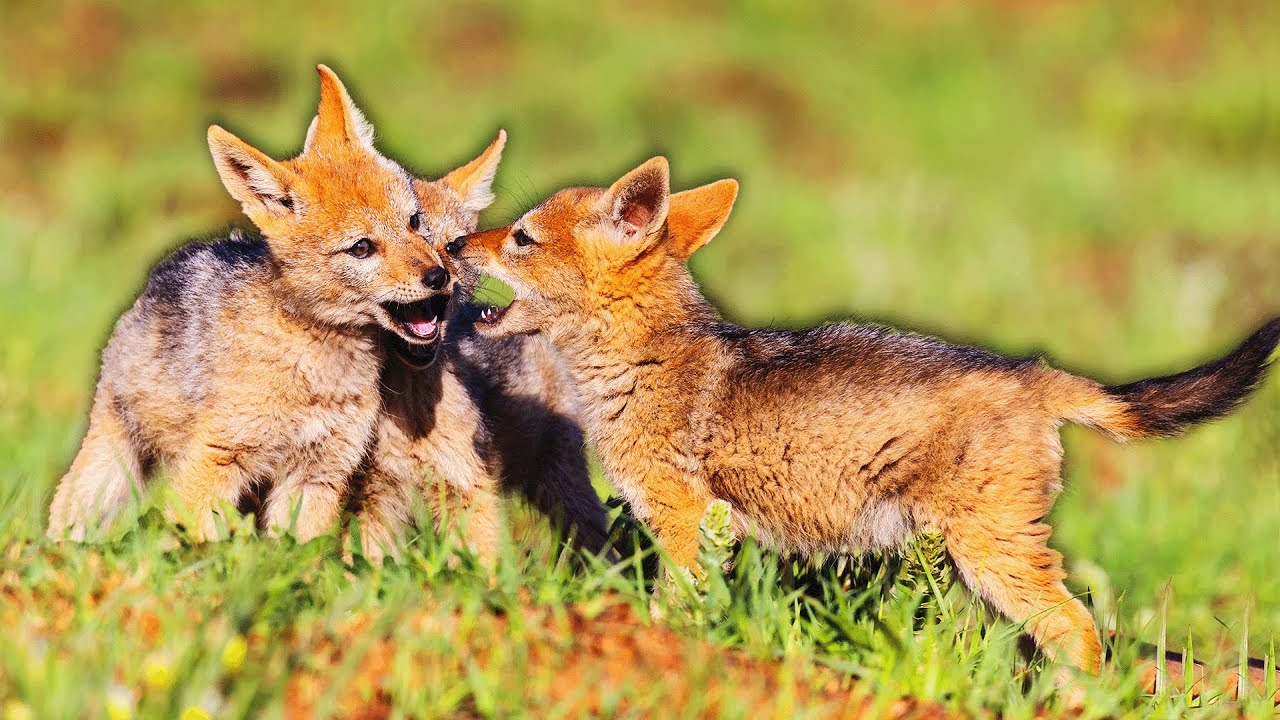
Golden jackal pups in Northern India face the challenges of survival alongside various animal parents, including cheetahs and humpback whales, as they feed their young.
In post-Hurricane Katrina Louisiana, Python Hunters collaborate with a biologist to address the challenges posed by invasive reptiles in the region's wildlife.
In Botswana's Okavango Delta, Randall Jay Moore works to rehabilitate orphaned elephants, navigating the challenges of their integration into the wild.
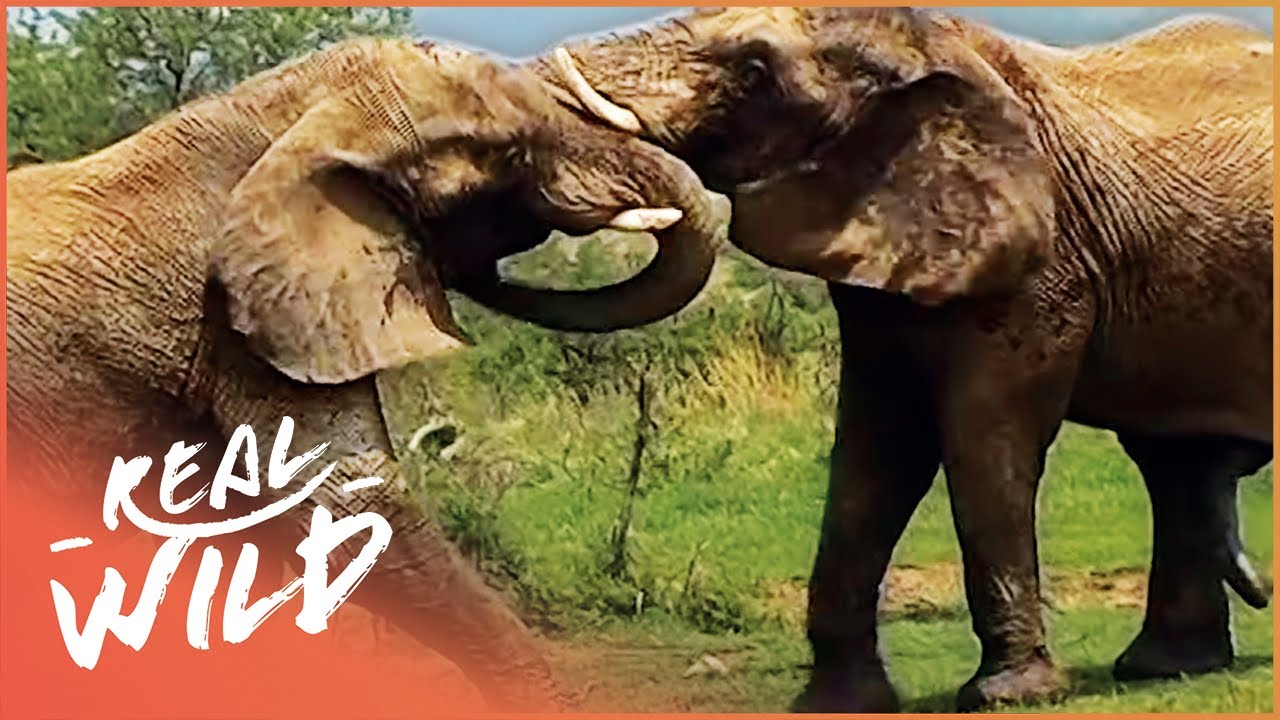
In the African savannah, a young elephant navigates the challenges of survival and social dynamics within its herd.
Wales' dramatic coastline features cockle collectors racing against tides, church congregations on island sermons, and serves as a Mars testing ground for ESA.
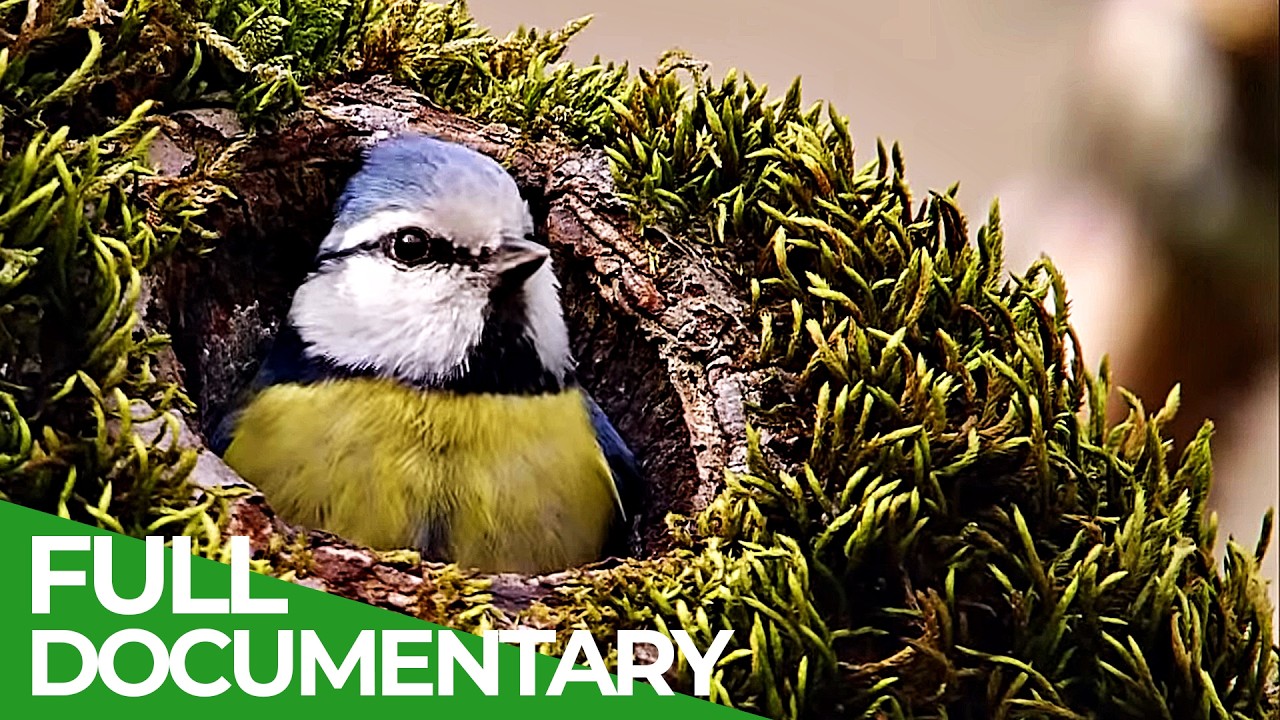
Spain's unique geographical position between Europe and Africa creates a vital habitat for millions of migratory birds, making it a key area for avian biodiversity.
Australia's tropical Top End is home to Saltwater Crocodiles, Box Jellyfish, and Stonefish, which dominate the ecosystem as apex predators.
In the mountainous region of Bergisches Land, the Wupper River has undergone a significant regeneration project, revitalizing its ecosystem and supporting diverse wildlife.
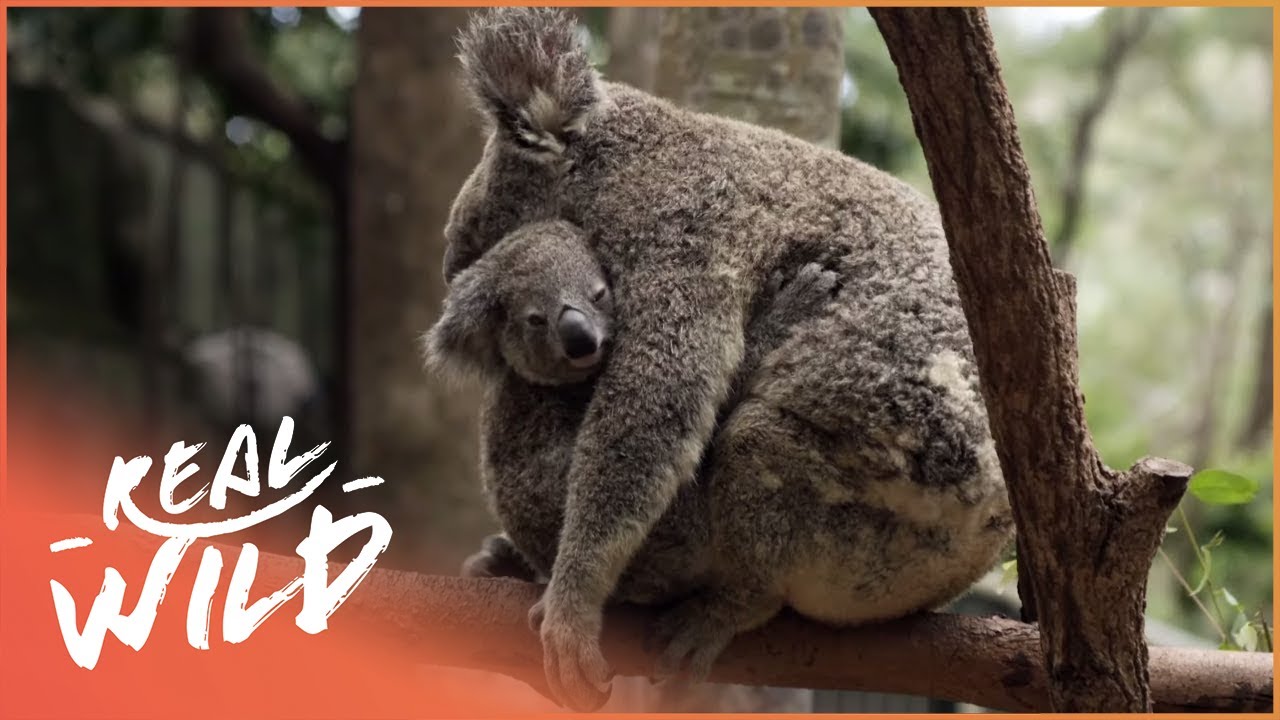
In various natural and domestic environments, a diverse array of baby animals is showcased, highlighting their daily lives and interactions.
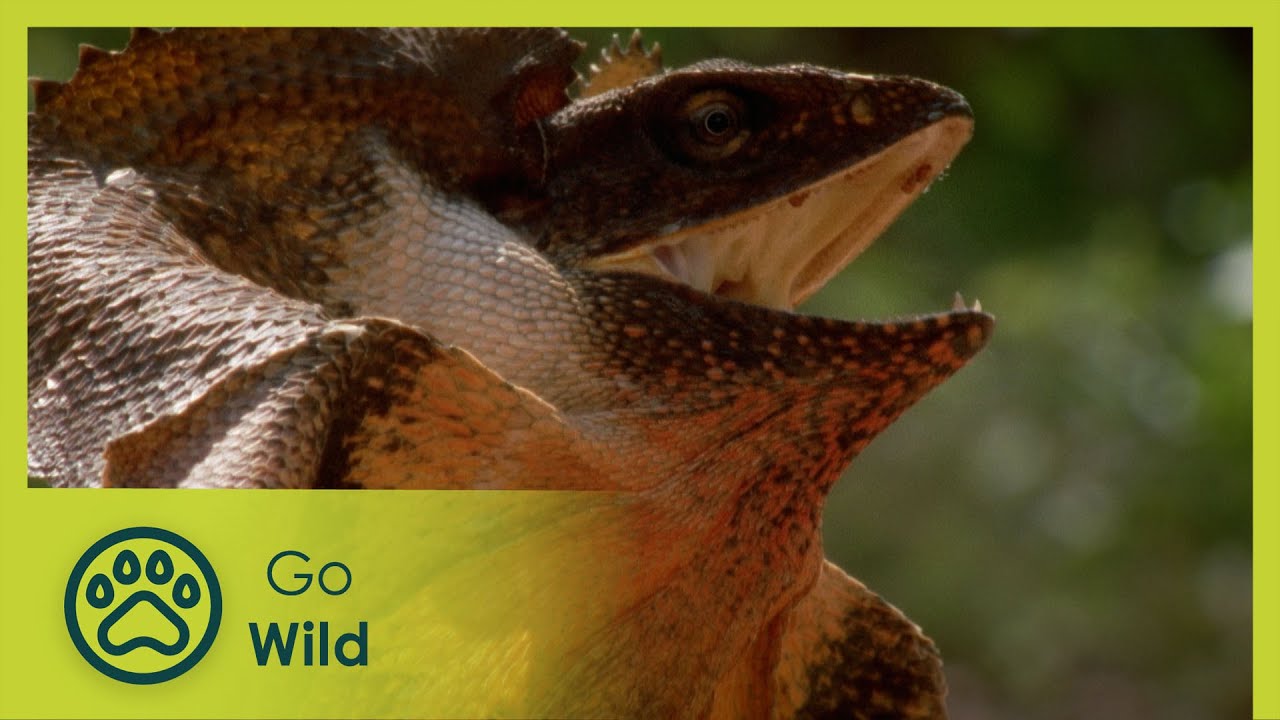
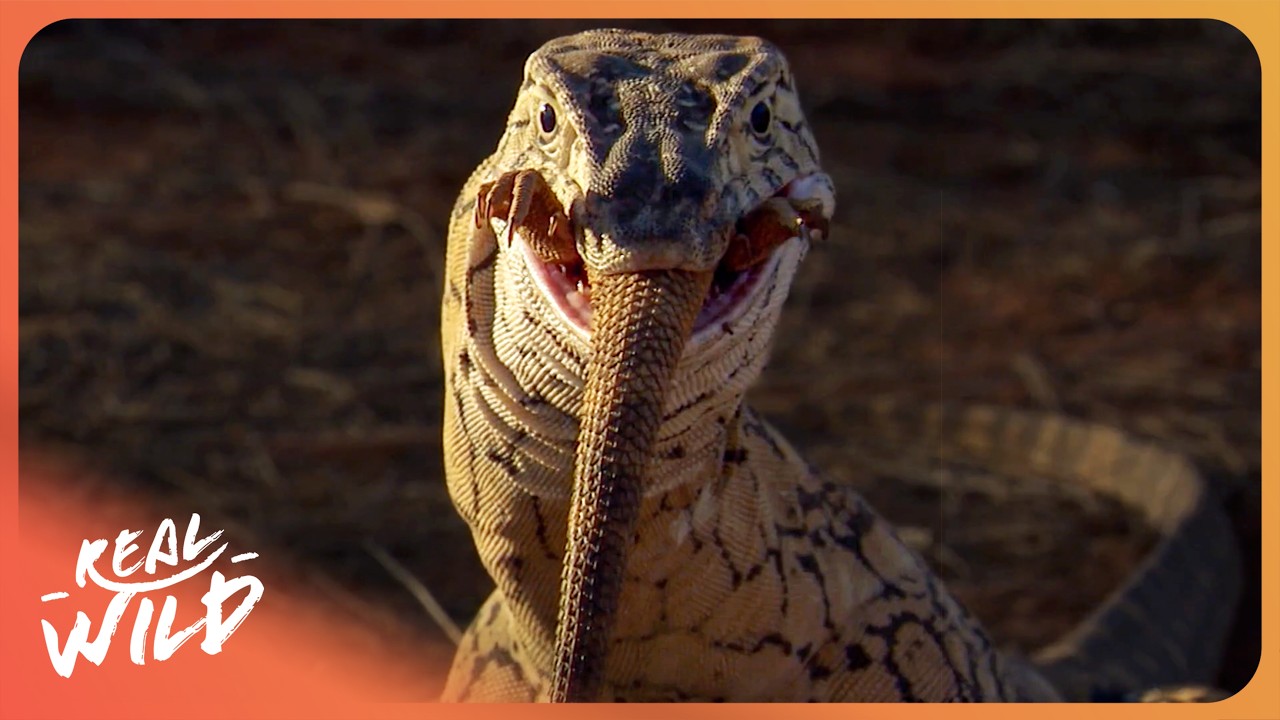
Monitor lizards can grow up to 2 meters long and have survived for 80 million years, adapting to various environments and challenges.
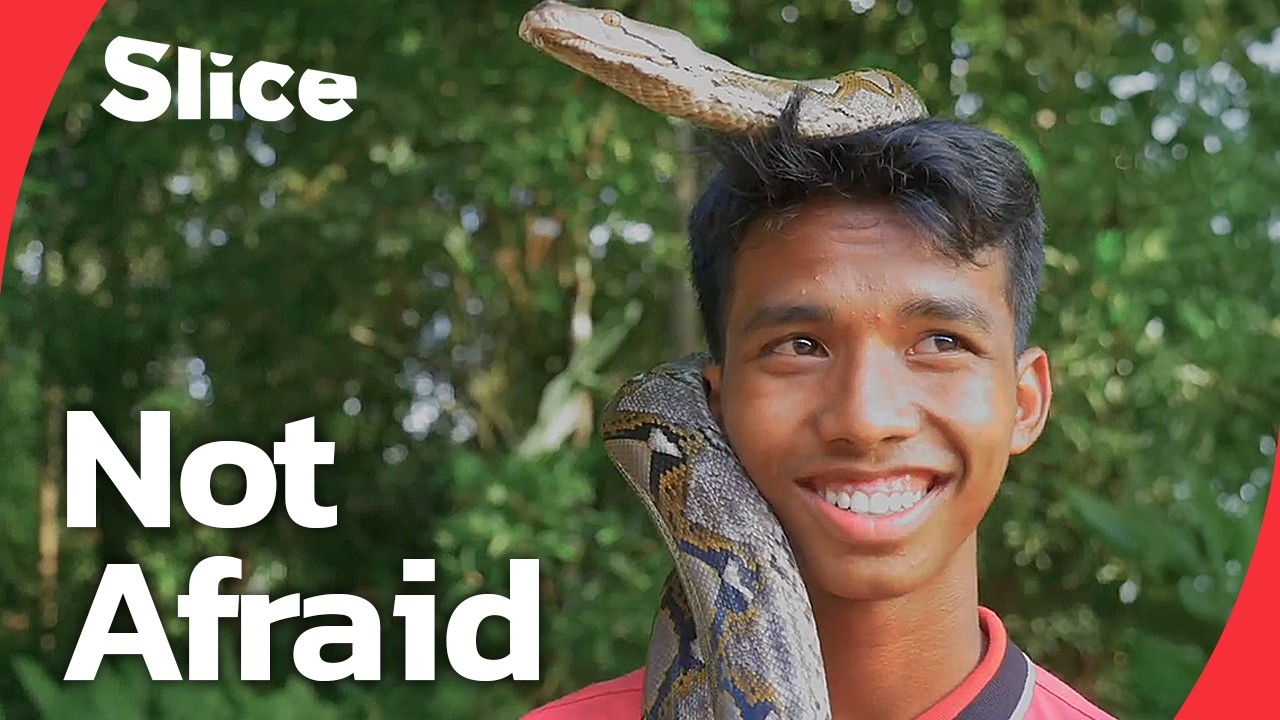
Othman and his family on Langkawi Island dedicate their lives to rescuing snakes, fostering respect over fear while promoting harmony with nature and cultural heritage.
In the highlands of Germany, wildlife transitions from winter dormancy to spring activity, featuring eagles, pike, toads, and beavers in their natural habitats.
Hispania, the ancient name for the Iberian Peninsula, highlights the crucial role of rabbits in sustaining the region's iconic predatory wildlife.
257 is the top speed recorded by contestants in a sandboarding competition held on Oregon's dunes, blending elements of snowboarding and surfing.
Pat Parelli applies his expertise in equine behavior to help Leslie regain her confidence and address the dangerous outbursts of her Thoroughbred mare, Solo 2.
Each year, whale sharks migrate to Australia's northwest coastline, raising questions about their seasonal appearance and the factors that attract them.
New Zealand's oceans, rich in marine fossils, reveal the evolution of sharks, whales, and other aquatic wildlife following the extinction of marine dinosaurs.
Three sun bear cubs, Bun Bun, Bernie, and Wawa, are rehabilitated in Indonesia's rainforests before being released into their natural habitat.
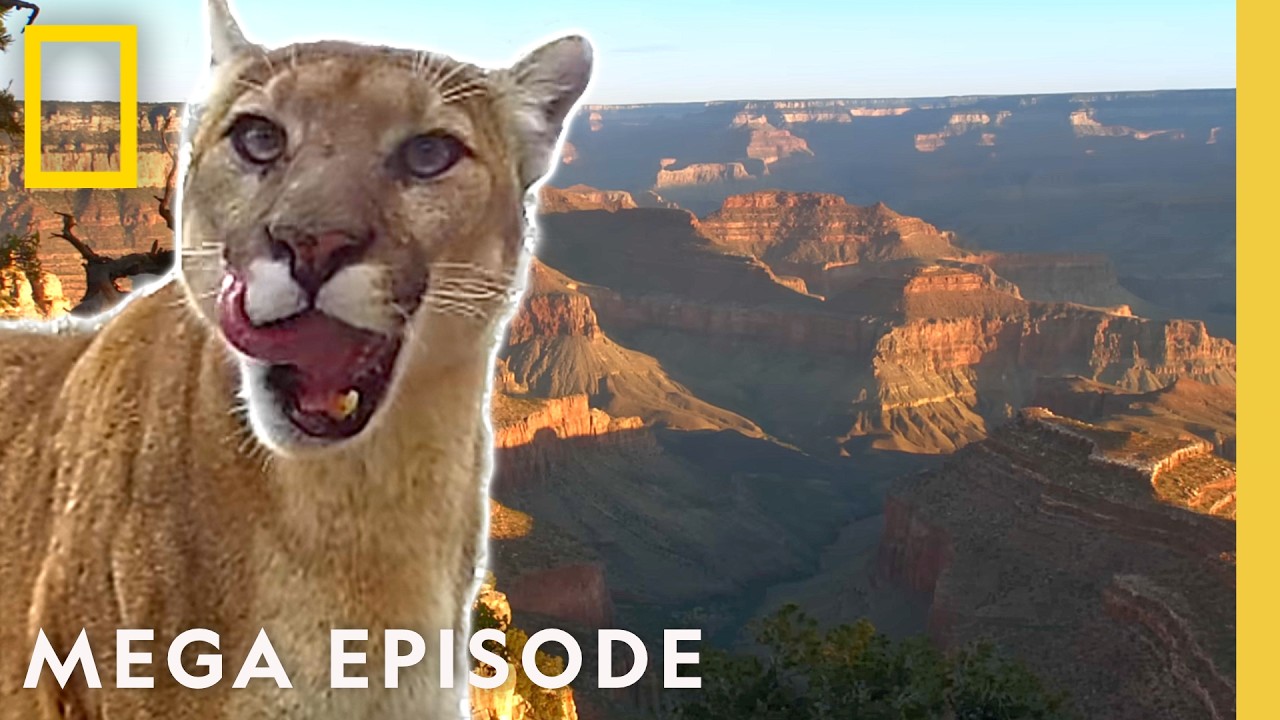
America's national parks, including the Grand Canyon, Yellowstone, and Yosemite, showcase diverse wildlife and stunning landscapes across the United States.
In one of Africa's last great wilderness areas, the actions of a single elephant transformed the local ecosystem and improved the lives of surrounding communities.
Hooved mammals, including Giraffes, Zebras, and lesser-known species like Tapirs and Okapis, are explored for their unique adaptations and behaviors.
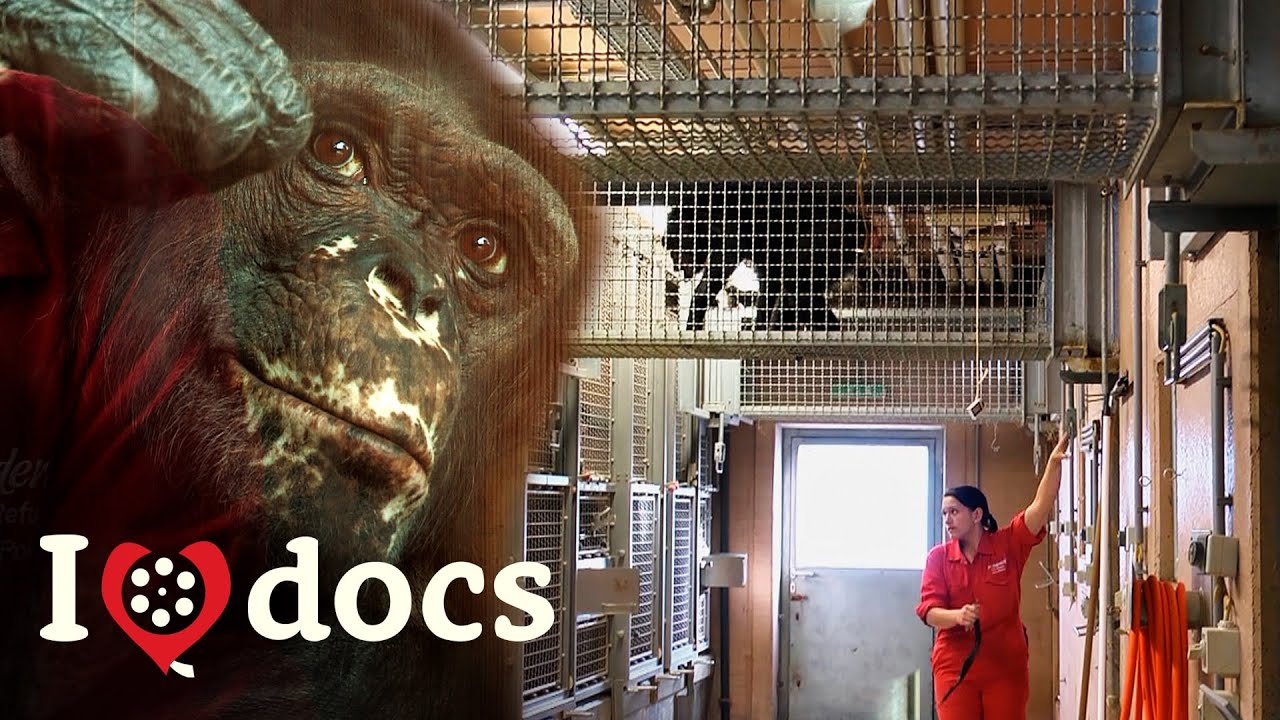
A group of zookeepers in a rehabilitation center works to help former laboratory apes recover from the emotional trauma inflicted by scientific experiments.
Wolves, bears, alligators, and snakes are among the world's most formidable predators, each exhibiting unique social structures and dietary adaptations.
In Argentina, host Nick Baker searches for the elusive and rare Pink Fairy Armadillo, exploring some of the planet's most remote habitats.
Color in nature plays a crucial role in survival and communication, influencing behaviors in species from vibrant birds to bioluminescent marine life.
In the Florida Keys National Marine Sanctuary, the invasive worm snail, known as the Vandy, threatens to spread from the sunken ship Vandenberg to other coral reefs.
In the animal kingdom, various species utilize camouflage and mimicry, from insects to large mammals, to enhance their survival in diverse environments.
A 6-ton orca can strip a giant bluefin tuna in minutes, taking advantage of fishing boats to enhance its hunting success.
In Manitoba, Harold Minty oversees the relocation of a massive clubhouse over 30 miles of challenging terrain, while Jimmy Matyiko transports historic structures in Virginia.
In U.S. waters, hundreds of critically endangered manatees are threatened by boats, disease, and cold weather, with only a few thousand remaining in the wild.
Traditional orchards serve as vital ecosystems, supporting diverse wildlife such as foxes and butterflies while enhancing agricultural landscapes with fruit-bearing trees.
13% of the Earth's surface is protected, yet challenges remain for wildlife in Banff National Park as human activity increases.
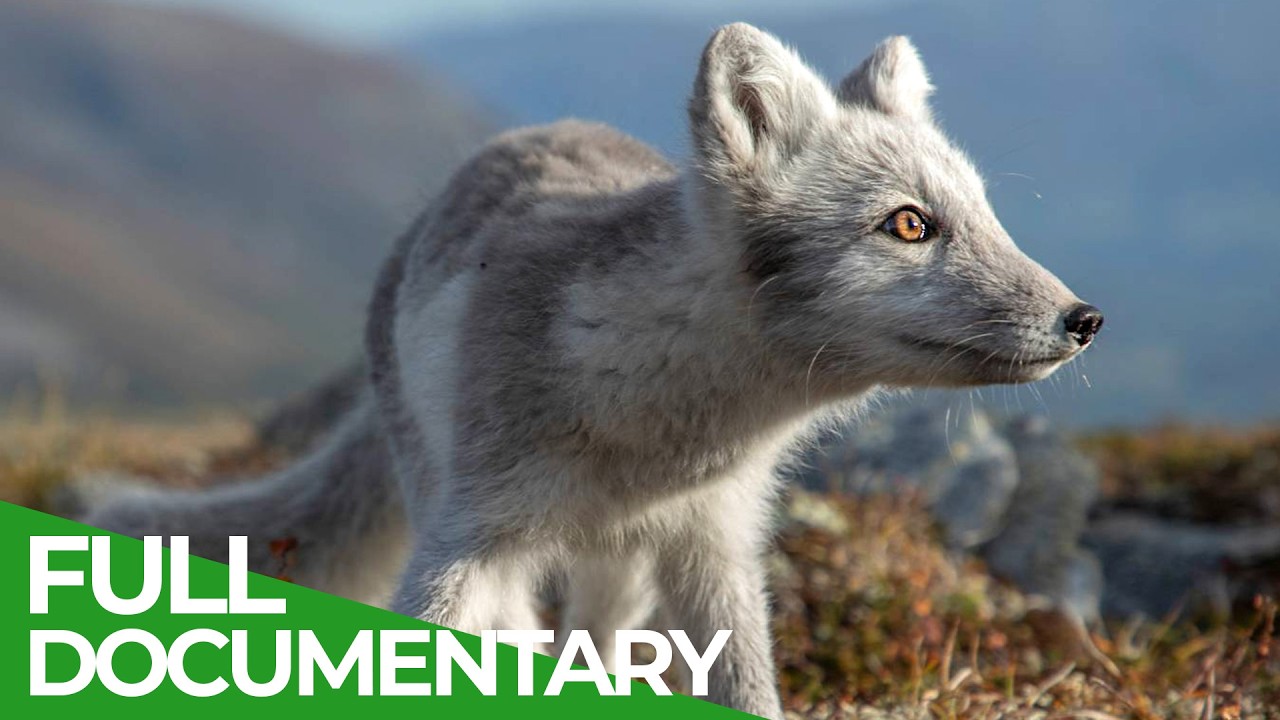
In the polar region above the Arctic Circle, unique animal and plant life has adapted to survive the extreme contrasts of perpetual light and darkness.
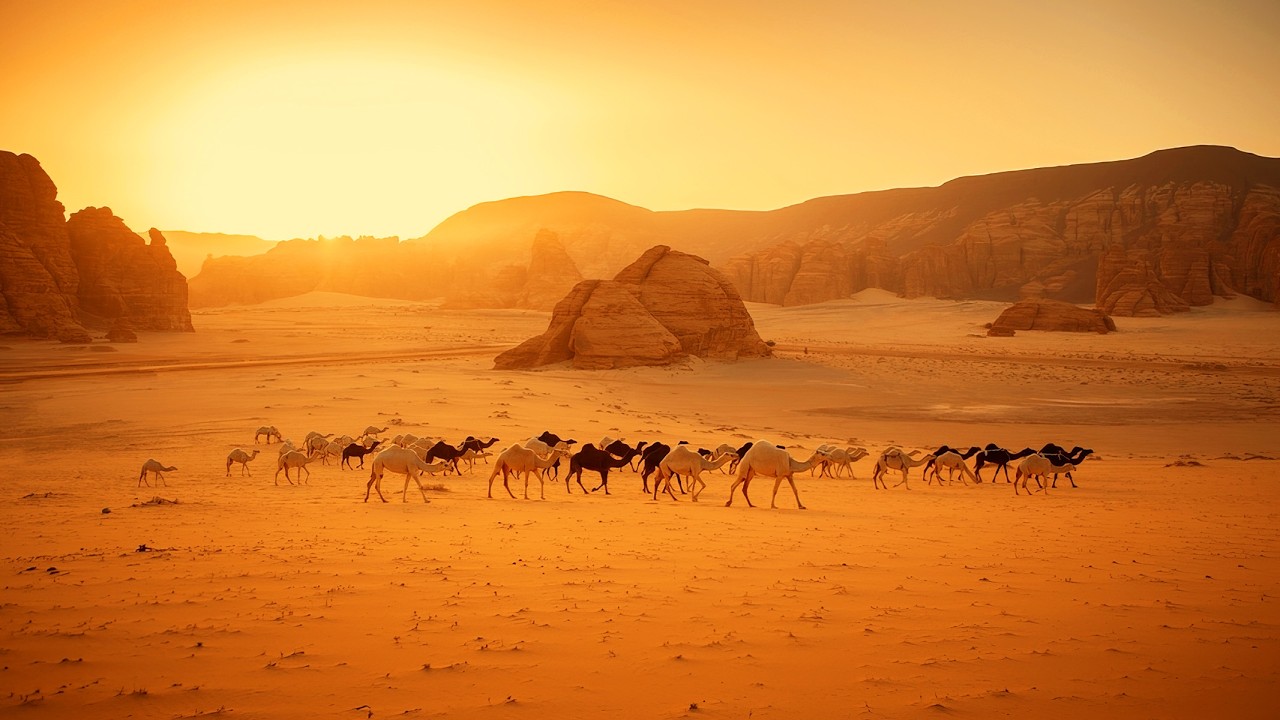
Earth's deserts, characterized by extreme heat and aridity, host a remarkable array of resilient wildlife and plant life that have adapted to survive in harsh conditions.
Birds of prey in North America exhibit a remarkable variety of species, each with unique adaptations for hunting and survival.
Uwe Anders captures Arctic wildlife on Wrangel Island, showcasing his unique experiences.
Northern Lights Shelter faces an influx of black bears as Angelika works tirelessly to save an injured cub, while volunteer Thomas cares for a fawn born via C-section.
A 60-foot leviathan, a prehistoric toothed whale, faces off against the great white shark in a dramatic battle for dominance in ancient oceans.
Ethiopia's diverse ecosystems, from the Simien Mountains to the Danakil Depression, host unique wildlife including Ethiopian wolves, geladas, and leopards.
The South Atlantic Anomaly causes challenges for spacecraft due to Earth's weakened magnetic field.
In the Lembeh Strait, a unique marine ecosystem showcases bizarre creatures like the Ambon scorpionfish and Flamboyant Cuttlefish, highlighting the intricate predator-prey dynamics.
A young lioness in Samburu National Park adopts an antelope, raising questions about altruism and survival in the animal kingdom.
The Pantanal, the world's largest marsh located in Brazil, and the Iguaçu Waterfalls on the Brazilian-Argentinian border showcase diverse ecosystems and unique wildlife.
Deserts, from the Sahara to the Namib, showcase unique survival strategies of flora and fauna while facing threats from climate change and human activity.
Bavarian Forest National Park showcases the transformation from a devastated spruce monoculture to a thriving, diverse ecosystem teeming with wildlife across the seasons.
A leopard can mate as often as every 15 minutes during a five-day period with a female, marking his territory to defend against rivals.
Kenya's remote landscapes feature towering sand dunes, ancient lava tubes, mist-shrouded rainforests, and hidden coastlines, showcasing the country's lesser-known natural wonders.