From over 100,000 films, discover the handful you'll love.
Free or premium access to the world's largest documentary library.
7951 films(Page 28 of 166)
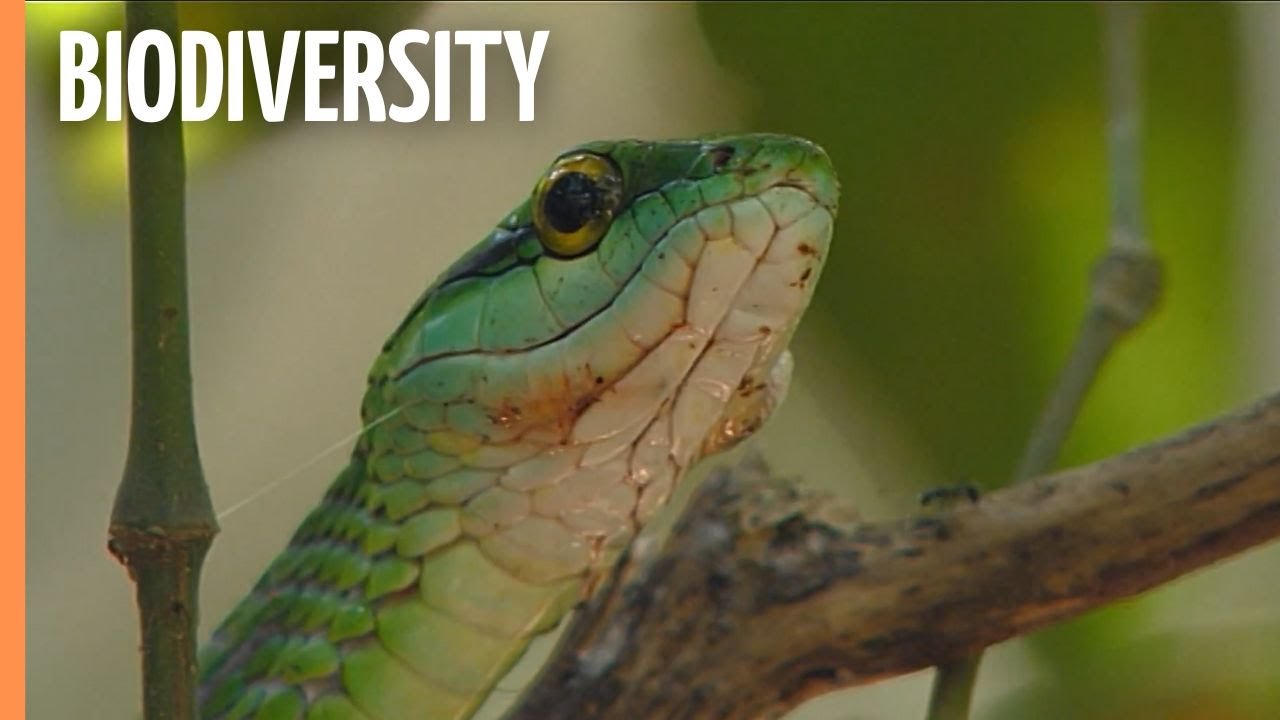
Velvet, a 20-foot snake, strikes at over 20 feet per second, using her venom to immobilize prey before consuming it.
A plane carrying four ecologists crashes in Zambia, leaving them with serious injuries and forcing one to walk for help in a remote wilderness.
An abandoned iron mine in the southwest of the Iberian Peninsula spans 80 hectares and reaches depths of up to 100 meters, now thriving with diverse wildlife.
Porcupines, equipped with approximately 30,000 barbed quills, navigate their environment with confidence and few natural predators.
Milo, a six-year-old Dutch Warmblood deemed untamable, undergoes a transformative session with renowned horse tamer Pat Parelli, exploring equine psychology and behavior.
Twenty-two thousand residents live in Shetland, facing fierce Atlantic storms and harsh winters in one of Scotland's most remote regions.
Seven wilderness study areas were designated in the Red Desert after local activists marked potential sites on a topo map in the late 1970s.
Wildlife investigator Ivan Carter collaborates with Kruger National Park rangers to track down poachers responsible for the brutal killing of an elephant for its ivory.
More than eight million people live in New York City, a metropolis transformed by innovations in mass transit from the 19th century to the present.
The aurora borealis captivates cultures like the Saami and Inuit with its magical legends.
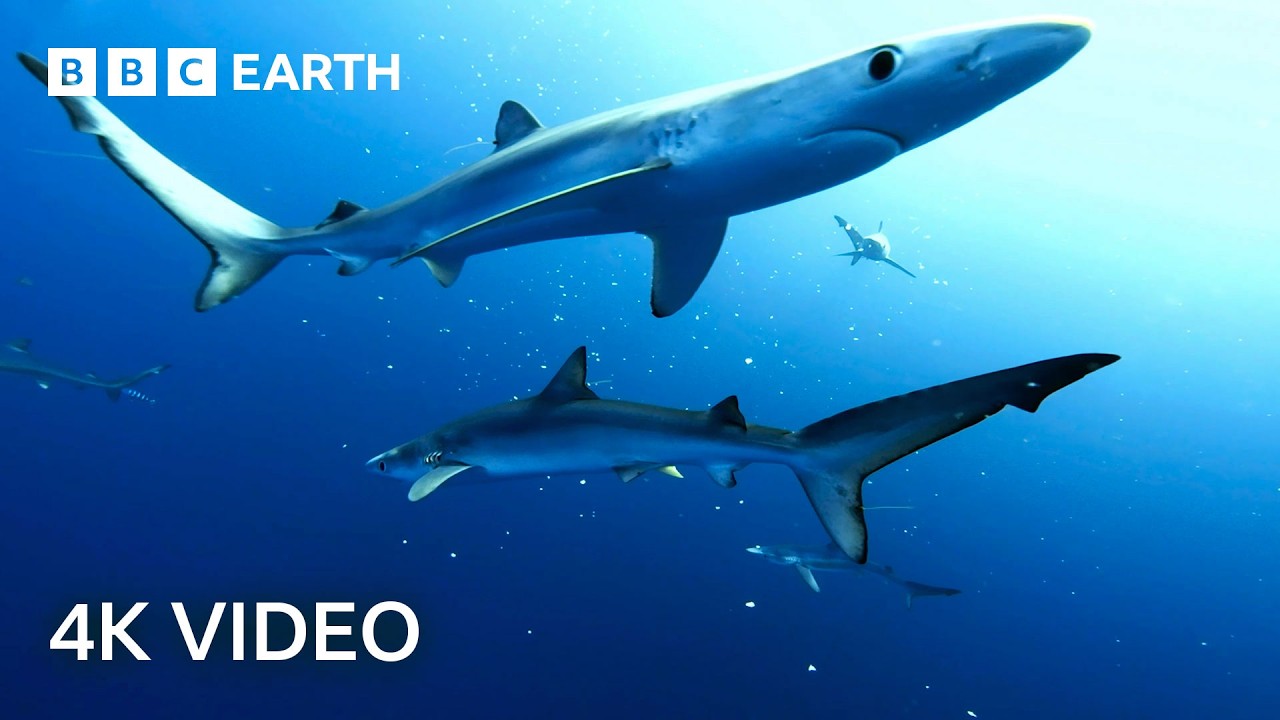
In vibrant 4K resolution, marine ecosystems showcase diverse ocean wildlife, from colorful coral reefs to the mysterious depths of the sea.
In U.S. waters, hundreds of critically endangered manatees face threats from boats, disease, and cold weather, while dugongs struggle to survive in isolated marine sanctuaries.
Every April, Ningaloo Reef attracts whale sharks, which can grow up to 18 meters long, as they engage in a significant feeding frenzy.
Corsica, known as "Kalliste" in ancient Greece, features stunning alpine landscapes, dramatic rock formations, and a distinct cultural identity among its inhabitants.
Costa Rica showcases its rich variety of biodiversity and conservation efforts in Corcovado National Park.
560 kilometers of the Kinabatangan River flow through Borneo, supporting diverse wildlife and local communities while facing threats from human activity.
Sir David Attenborough narrates a two-hour compilation of remarkable wildlife moments, including marine iguanas facing snakes and underwater feeding frenzies.
In the Okavango Delta, the Big Cats 24/7 camp provides a behind-the-scenes look at the challenges of wildlife cinematography and life on set.
128 passengers and crew died in the 1956 plane crash at the Grand Canyon, leaving wreckage and debris that still litter the site today.
In the Namib Desert, unique adaptations allow Desert Elephants, including alpha cow Clarissa, to survive the harsh conditions and seek scarce water sources.
In Fiji, local traditions are highlighted through Manasa Bulivou's offerings to the Shark Gods and Hannah Bennett's surfing at Cloudbreak, reflecting the culture's bond with the ocean.
Blizzards, characterized by extreme cold, heavy snowfall, and high winds, disrupt daily life and challenge communities from Canada to Northern China each winter.
Lionesses may mate more than 250 times during their fertile period, while facing threats from solitary males and buffalo as they protect their cubs.
40 percent of injured owls brought to the McKeever sanctuary are successfully rehabilitated and released back into the wild.
Siberia spans over 5 million square miles, larger than the United States and Europe combined, with about 10 people per square mile.
A caterpillar spins a silken pad to anchor itself before transforming into a chrysalis, marking a significant change in its life cycle.
David Oren, Head of Natural History at the Goeldi Museum, investigates claims of a bear-like creature in the Amazon while seeking evidence to convince skeptics.
Jordan's extreme climate presents unique challenges for its wildlife, as rising temperatures and advancing deserts shape their survival strategies.
In the mangrove forests of Borneo, male proboscis monkeys Alistair and Bill navigate challenges of drought and deforestation while competing for mates.
In the wild, baby polar bears, cheetahs, and crocodiles learn essential hunting skills necessary for survival in their harsh environments.
In the Himalayas, Tashi, a rare red panda, navigates her environment through changing seasons, showcasing the challenges of motherhood and survival.
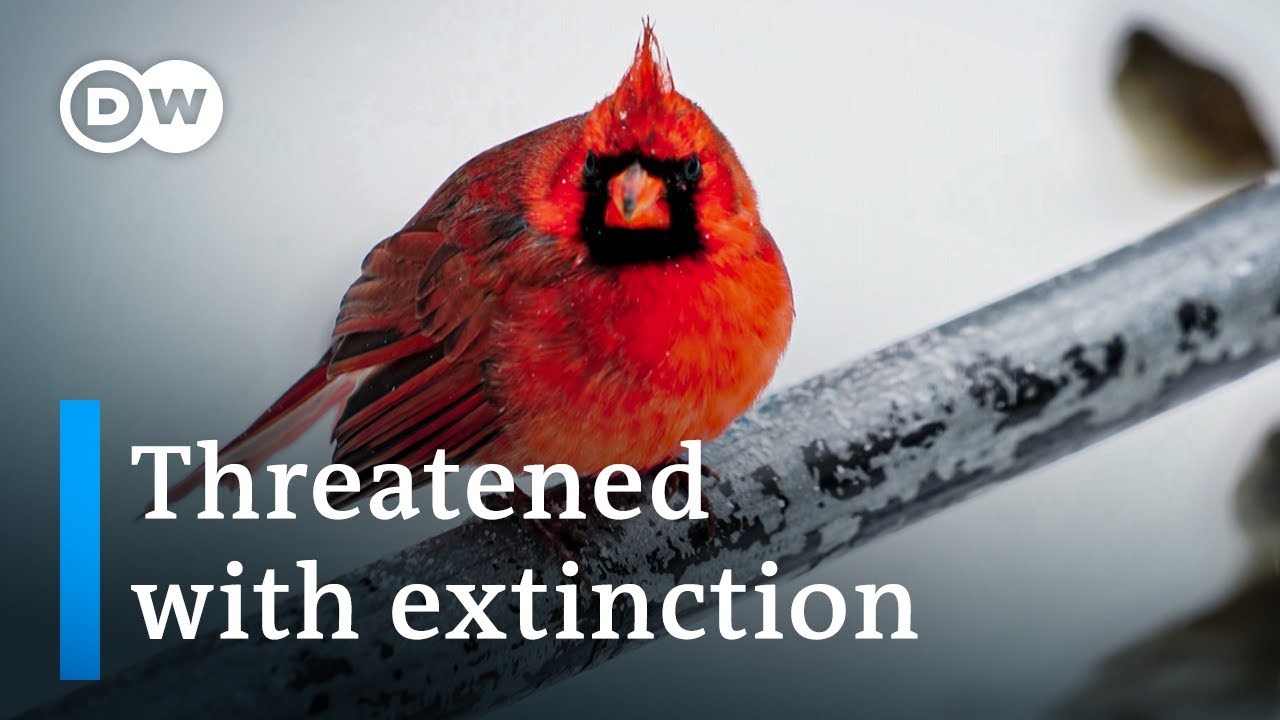
Almost three billion birds have vanished from the United States since 1970, with Europe seeing a 25 percent decline in its bird population.
Sharks are studied globally in this Sharkfest MEGA episode, focusing on their behavior near Hawaii's volcanoes, rising bull shark attacks in Australia, and a rare great white shark incident in Canada.
In the Tambopata River region of Peru, scientists are working on a conservation project to protect macaws and their rainforest habitat from development threats.
Shepherds guide sheep over steep climbs and glaciers, reaching altitudes of nearly 3,000 meters in the Alps during the spring season.
Forest elephants in Central Africa exhibit complex vocalizations and social behaviors that reveal how they learn and pass down cultural knowledge.
Madagascar's ring-tailed lemurs, living in family groups of one to two dozen, face habitat loss and inbreeding as their environment rapidly disappears.
In the Bohemian Forest, the Vltava River, known as the 'Golden River', flows through the Czech Republic, inspiring artists and supporting diverse wildlife along its banks.
In Germany's forests, Jan Haft reveals how dead trees and human impact create new habitats that support the resurgence of diverse wildlife species.
Octopuses and squids communicate through intricate color changes and body language, as revealed by marine scientists in high-definition imagery.
Vatnajökull National Park in southeastern Iceland, home to Europe's largest glacier and active volcanoes, showcases the interplay of natural beauty, scientific research, and local mysticism.
About 80% of Guyana is covered by pristine rainforests, home to diverse wildlife including jaguars, harpy eagles, and black caimans.
Over the course of three days, 200,000 turtles lay their eggs on a beach, facing numerous predators as they make their first dash to the sea.
Nearly 70,000 tons of lobsters are harvested from the Atlantic Ocean each season, generating an estimated value of more than a billion euros.
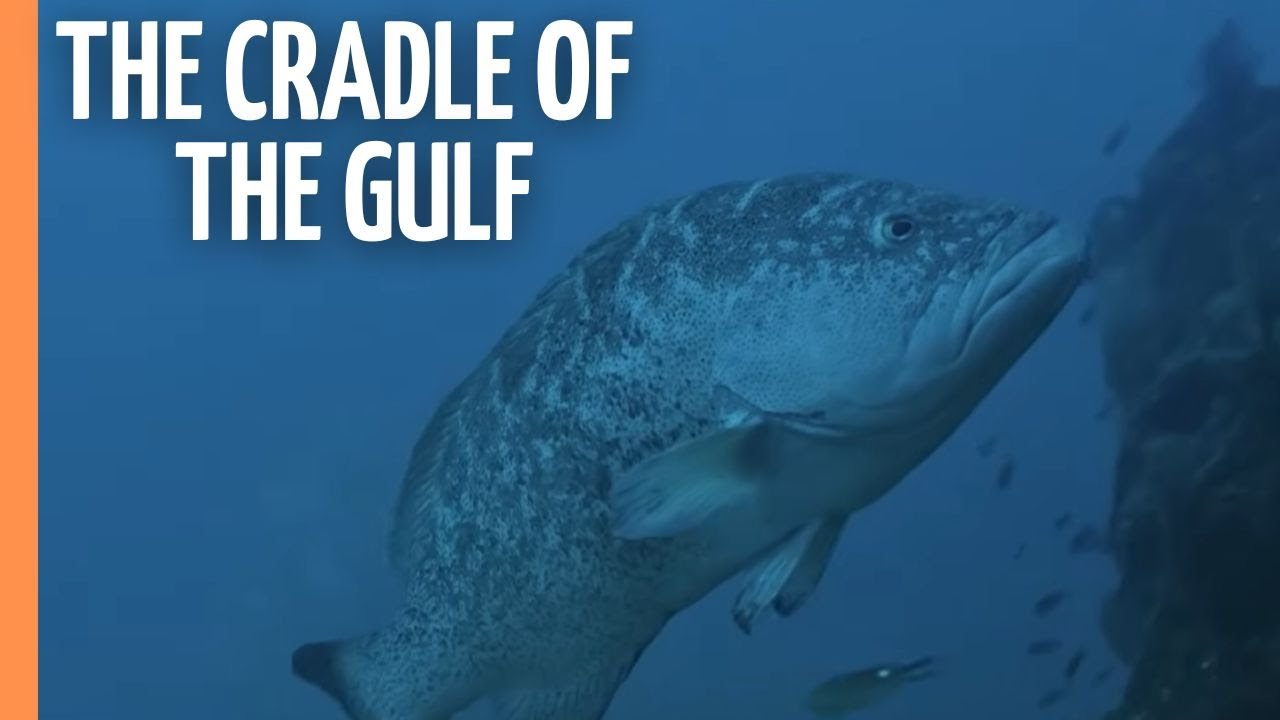
Jacques Cousteau calls this region the 'aquarium of the world' in northwest Mexico.
In Katmai National Park, wildlife tracker Casey Anderson documents the behaviors and interactions of brown bears during the salmon run and tidal foraging cycles.
Junior and Ruth risk their lives in Papua New Guinea to reach school through jungles.
An Indonesian legend claims monkeys can speak, yet they choose silence over communication.