From over 100,000 films, discover the handful you'll love.
Free or premium access to the world's largest documentary library.
7951 films(Page 53 of 166)
Each female mouse can give birth to 70 mice a year, illustrating the complex dynamics of animal behavior in shared living spaces.
Renowned cameramen Jason Isley and Roger Munns capture formidable sharks in the ocean while navigating the challenges of their high-pressure photography mission.
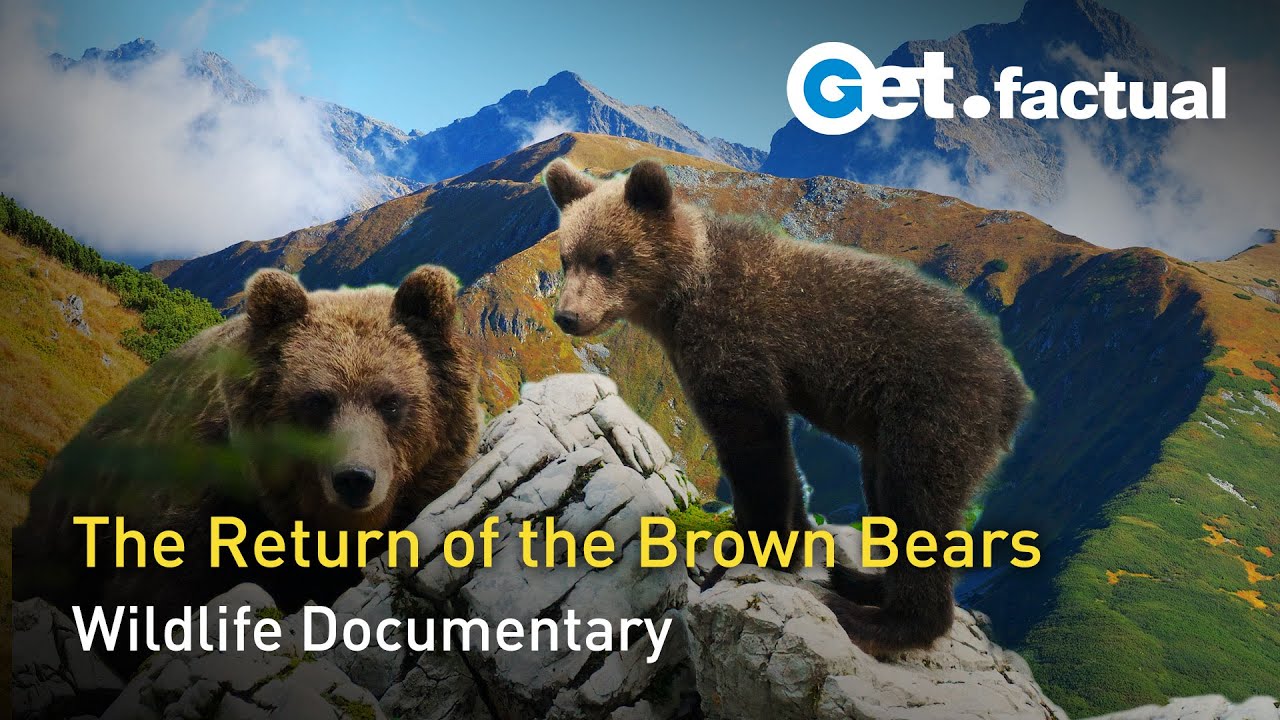
The reintroduction of brown bears in Europe highlights the complexities of wildlife conservation and the challenges of coexistence with local communities.
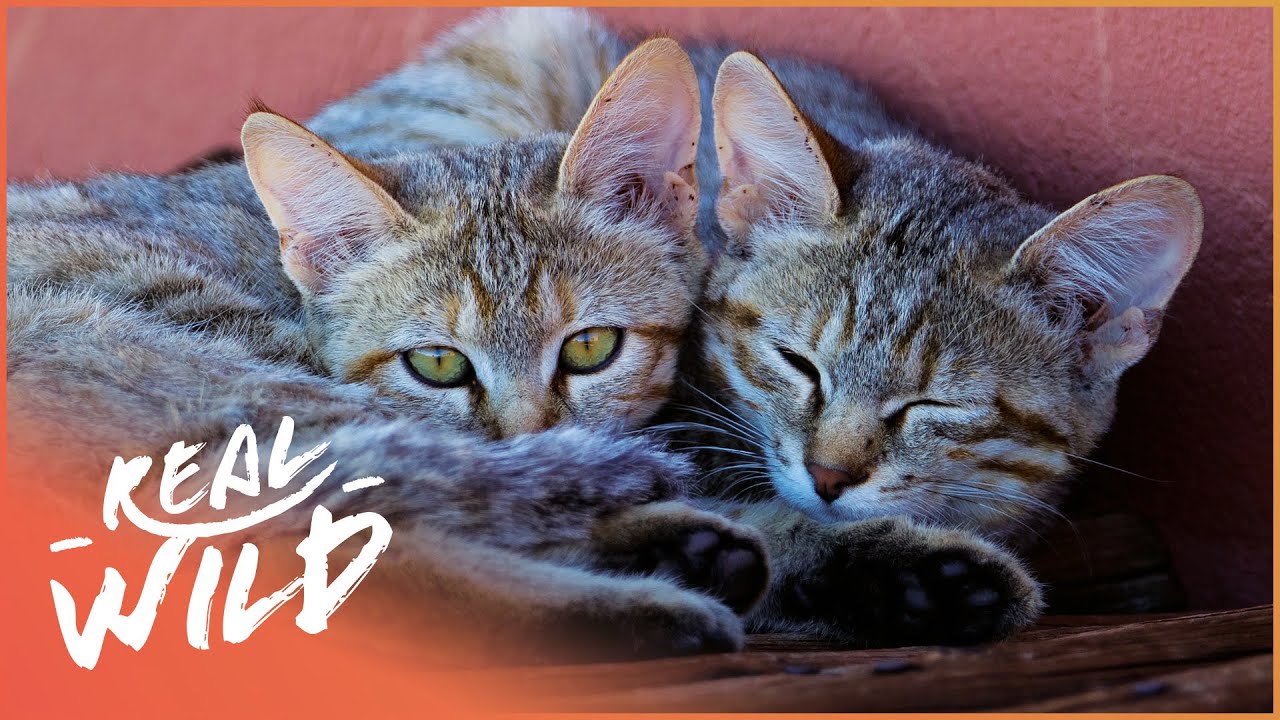
African wildcat mothers in the wild provide crucial protection and guidance to their kittens as they learn essential survival skills in their natural habitat.
Three members of the Smits Baboon Gang, including the clever Jimmy and Long-Fingered Fred, engage in urban thefts across South Africa.
Leatherback turtles, whale sharks, and blue whales navigate the Coral Triangle, a vital migratory route studied by Dr Benjamin Kahn to understand their movements.
In a luxury golfing estate in South Africa, Vervet Monkeys confront territorial threats from the invading Sugar Cane Gang as they strive to defend their habitat.
The isolated Auckland Islands showcase surprising wildlife, including sea lions and yellow-eyed penguins.
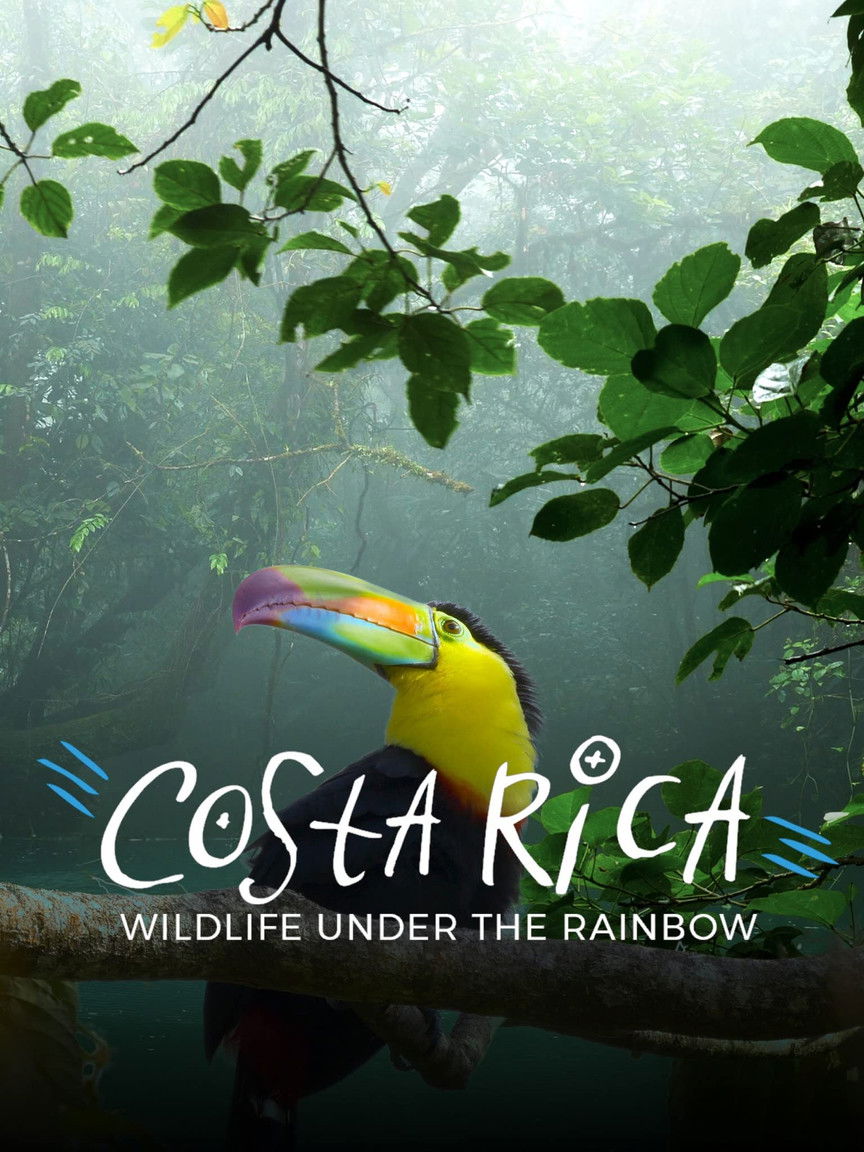
Costa Rica's diverse ecosystems, from volcanoes to coastal shores, host a wide array of mammals, birds, and reptiles competing in a beauty contest.
Trinidad's capuchin monkeys have learned to crack snail shells, adapting to a changing habitat where large predators have mostly disappeared.
In the Highlands of Costa Rica and Panama, conservationists work to protect the endangered jaguar and combat a deadly fungus threatening amphibian species.
Reptiles such as lizards, chameleons, crocodiles, snakes, and turtles showcase extraordinary adaptations and survival strategies in their competitive ecosystems.
Bottlenose dolphins use echolocation to locate fish from 200 meters away, relying on sound to coordinate their hunting efforts in murky waters.
Golden Eagles and Short-toed Eagles navigate survival and reproduction in Mediterranean mountain ecosystems, facing threats from human activities.
Hoofed mammals, including giraffes, zebras, and tapirs, showcase remarkable diversity and adaptability across various ecosystems around the globe.
In Lake Okeechobee, Florida, Troy Landry investigates the mysterious disappearances of pets, collaborating with local experts to identify the responsible creatures.
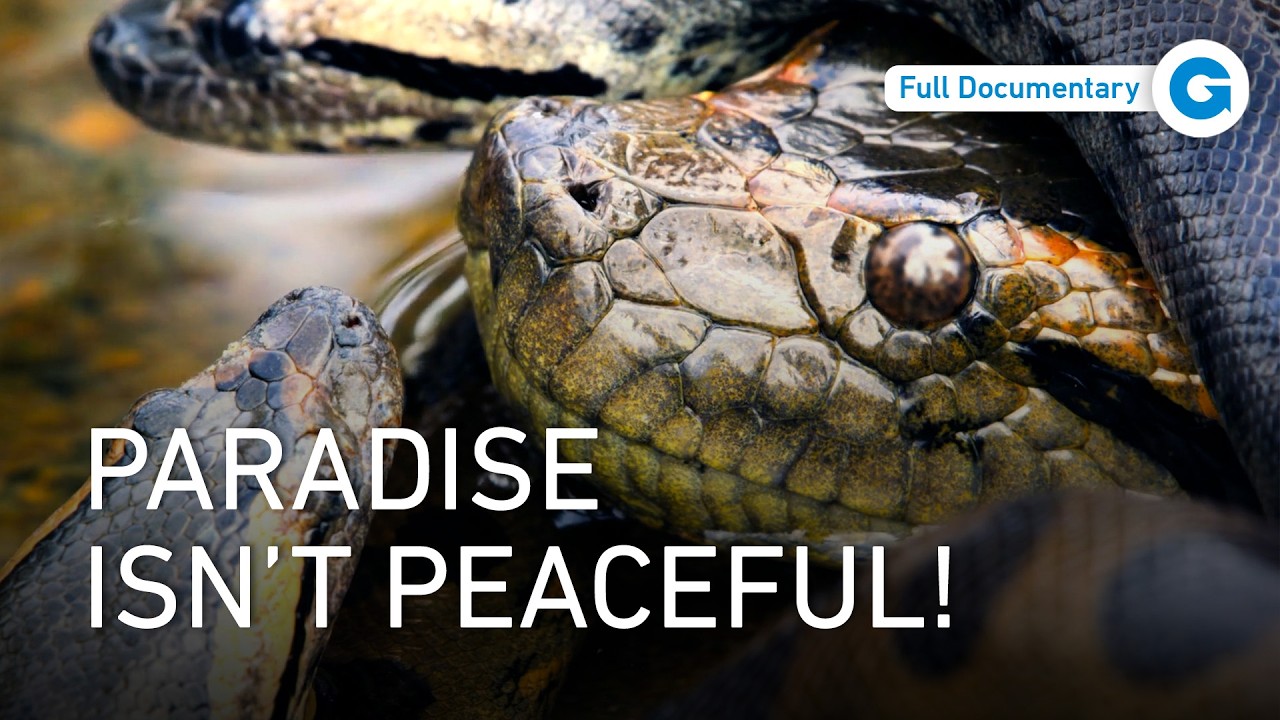
In the marshlands of Florida, Manny searches for the invasive Burmese python while encountering various wildlife, highlighting the challenges of this ecosystem.
An old stag weighing 200 kg bellows across the woodlands of the Iberian Peninsula, marking the start of the rutting season.
In Arctic regions, wildlife filmmaker Gordon Buchanan explores the survival strategies of snow-dwelling animals, including polar bears, owls, and penguins.
Green Turtles, once on the brink of extinction in Mayotte, are now thriving under the protection of scientist Ali, who patrols Saziley lagoon against poachers.
America's endangered species, including rare birds and fish, face critical survival challenges, with some never before captured on film.
Estimates suggest there are fewer than 3,000 pygmy hippos left in the wild, primarily due to habitat loss, pollution, and hunting.
Germany's rivers, including the River Rhine and the glacial streams of Berchtesgaden National Park, host a diverse array of wildlife in their hidden ecosystems.
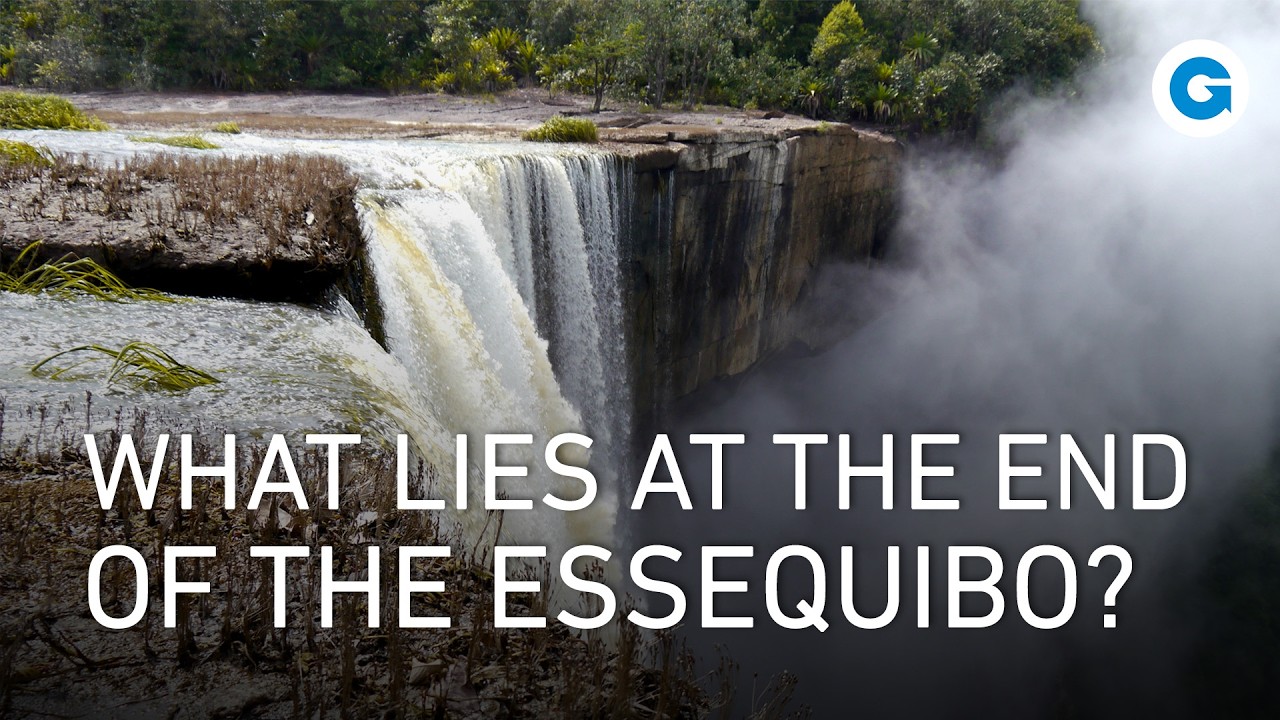
Essequibo River, one of South America's last wild frontiers, showcases breathtaking landscapes, indigenous communities, and diverse wildlife in its untouched ecosystem.
Remote Atlantic islands, from Iceland to Antarctica, are formed by volcanic activity along the mid-Atlantic Ridge and host unique wildlife found nowhere else.
In the Arctic tundra, resilient species like lemmings, musk oxen, and Arctic foxes navigate a fragile ecosystem threatened by climate change.
Over 40 million buffalo once roamed the American west, but by the late 1800s, their population had plummeted due to hunting and habitat loss.
Arid desert landscapes challenge various species, including the desert elephant and shovel-snouted lizard, showcasing their remarkable adaptations for survival.
Extreme habitats around the globe, from polar regions to deserts, showcase the remarkable adaptations of wildlife that survive in harsh environments.
Professor Brian Cox witnesses a total solar eclipse in India and explores the sun's power.
New Zealand's unique wildlife, including the kiwi, tuatara, and kakapo, illustrates the country's evolutionary history shaped by isolation and natural disasters.
In the African savannah, the film highlights the nurturing behaviors of wildlife, showcasing maternal care, playful interactions, and the bonds between animal mates.
Predatory animals across various regions of the Earth exhibit diverse hunting behaviors, employing tactics ranging from teamwork to ambush strategies and camouflage.
Giants of the Pacific adapt their feeding strategies for survival in diverse environments.
Marine turtles in Mayotte face endangerment due to poaching, but scientist Ali's protective efforts in Saziley are helping their population recover.
In the snowy landscapes of Scandinavia, Norway lemmings and South African rock dassies illustrate remarkable survival strategies against predators in their unique ecosystems.
Marine venom from creatures like cone snails and jellyfish is being studied for its potential to treat human diseases and enhance medical therapies.
Overfishing has caused a decline in fish populations, with one marine conservationist noting that the spring salmon run has not occurred for years.
In the animal kingdom, taste and smell play crucial roles in survival, with receptors located in various unexpected places across different species.
In the wild, baboons and warthogs exemplify the importance of family bonds as young animals learn to navigate challenges and develop survival skills.
Dangerous animal encounters are highlighted through various incidents, including a bear confrontation on a TV set and interactions between species like grasshopper mice and scorpions.
In the Maasai Mara, the Rock Pride of lions and a female-led clan of spotted hyenas engage in a fierce struggle for survival and dominance.
Along Africa’s eastern coast, billions of sardines migrate annually, prompting a massive feeding frenzy involving dolphins, sharks, gannets, and seals.
Six females from the Gol Kopje pride struggle to survive in a 200 square kilometer territory during the harsh dry season of the Serengeti.
Fish play vital roles in ecosystems and human diets, showcasing their remarkable abilities and contributions to life on Earth over the course of a year.
The Galapagos Archipelago faces ecological decline due to climate change and disrupted ocean currents, as documented by a team aboard the Sedna IV.
Vienna's Danube Island, a recreational retreat, hosts a diverse array of wildlife, including stone martens, beavers, and black kites, thriving amidst urban life.
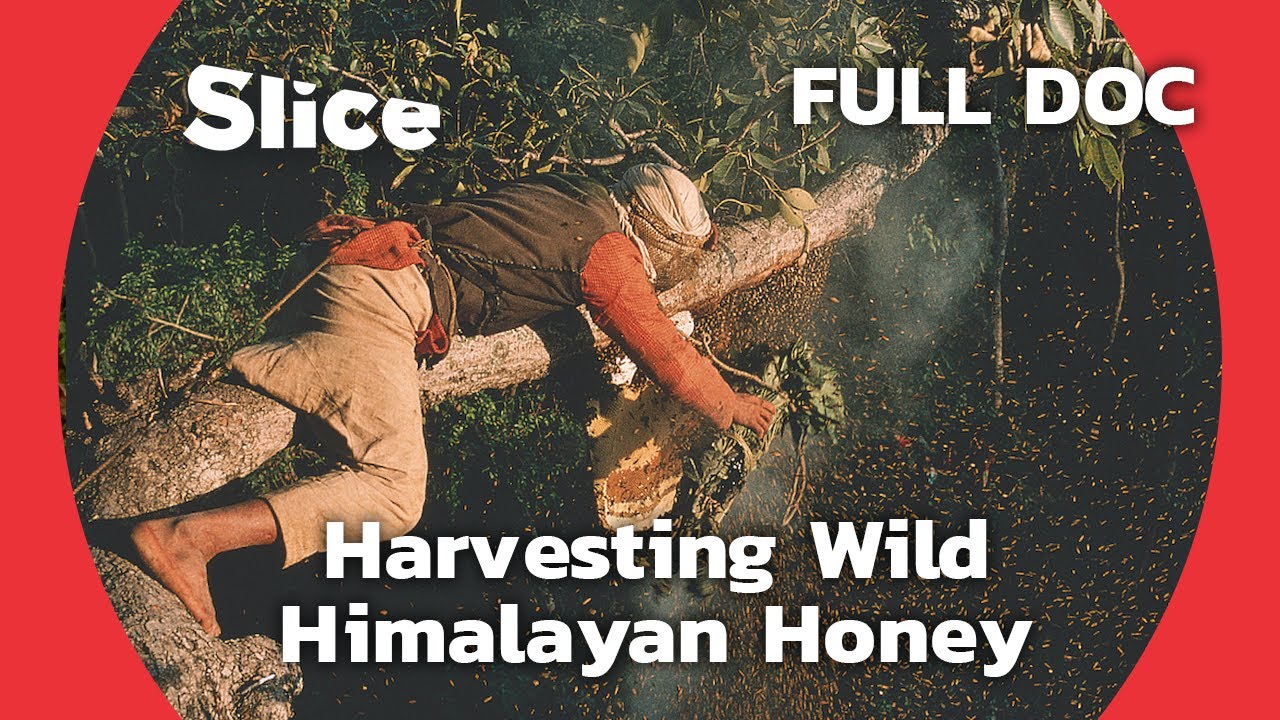
30 Raji nomads scale trees in the Terai forest to gather honey from Apis laboriosa, the world's largest migratory bee, risking their lives in the process.