From over 100,000 films, discover the handful you'll love.
Free or premium access to the world's largest documentary library.
7951 films(Page 71 of 166)
The Hunte River, a hidden gem in northwest Germany, supports diverse wildlife and unique landscapes, as documented by filmmakers Svenja and Ralph Schieke.
In October 1962, Oleg Penkovsky, a Soviet officer, provided critical intelligence to the CIA that helped prevent nuclear war during the Cuban missile crisis.
Tōhoku, a mountainous region in northeast Japan, experiences heavy snowfall that benefits agriculture in spring, contrasting with the urban sprawl of Tokyo nearby.
Foxes and wolves are examined for their unique adaptations and hunting strategies, highlighting the solitary nature of foxes versus the social dynamics of wolf packs.
Indonesia, known as "Tanah Air Tika," showcases its rich cultural and natural heritage, emphasizing the deep connection between its people and the land.
Angelika faces the challenge of performing costly surgery on a bear with a severe leg break while a new cub named Henry struggles to adapt to life with other bears.
Komodo dragons, geckos, bearded dragons, chameleons, and the marine iguana of the Galapagos Islands showcase the incredible diversity and survival strategies of lizards.
In the jungles of the Congo and the peaks of Japan, primates like silverback gorillas, baboons, and macaques showcase their adaptability and intelligence amid human threats.
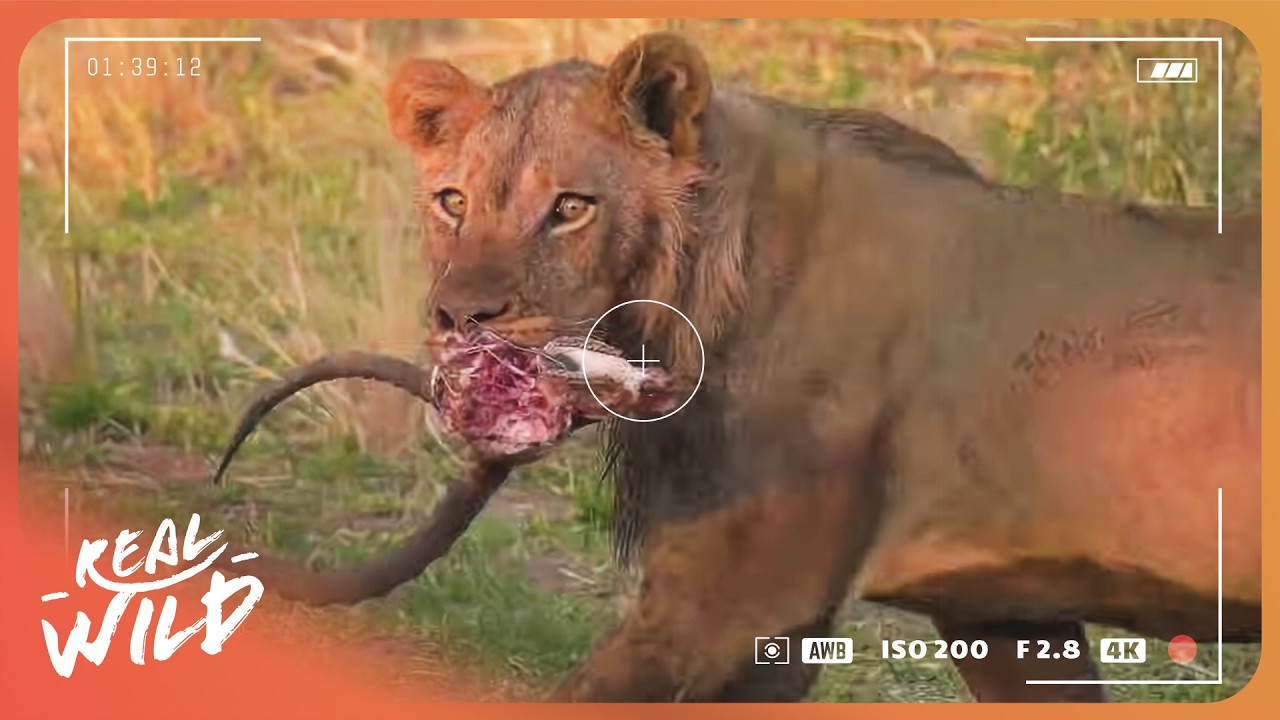
In Matusadona National Park, a local lion pride is tracked as they hunt and take down a 14-foot Nile Crocodile along the shores of Lake Kariba.
In the Australian desert, apex predators like dingoes and desert raptors exhibit extreme adaptations for survival in harsh conditions.
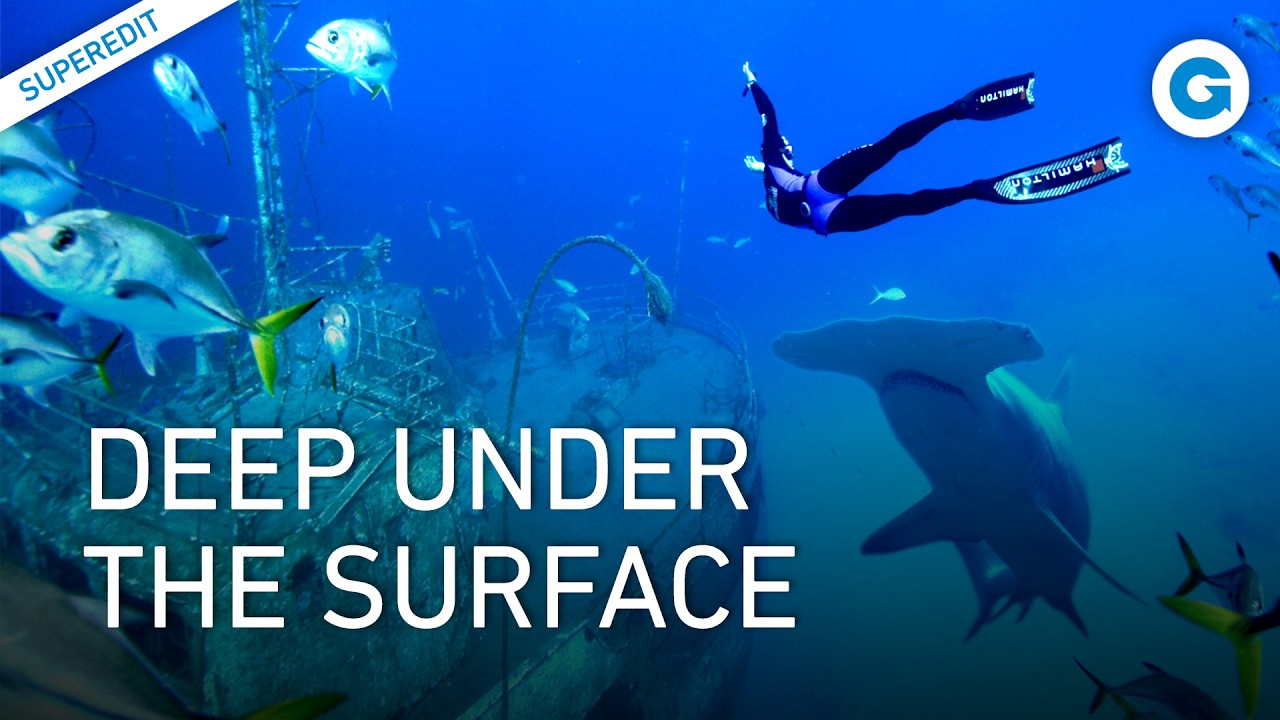
In Guadalupe Island, world-class freedivers Frederic Buyle, William Winram, and Pierre Frolla collaborate with marine biologist Dr. Mauricio Hoyos to tag great white sharks without protection.
Patagonia, located in the extreme south of South America, features diverse wildlife including penguins, elephant seals, and indigenous armadillos across its varied landscapes.
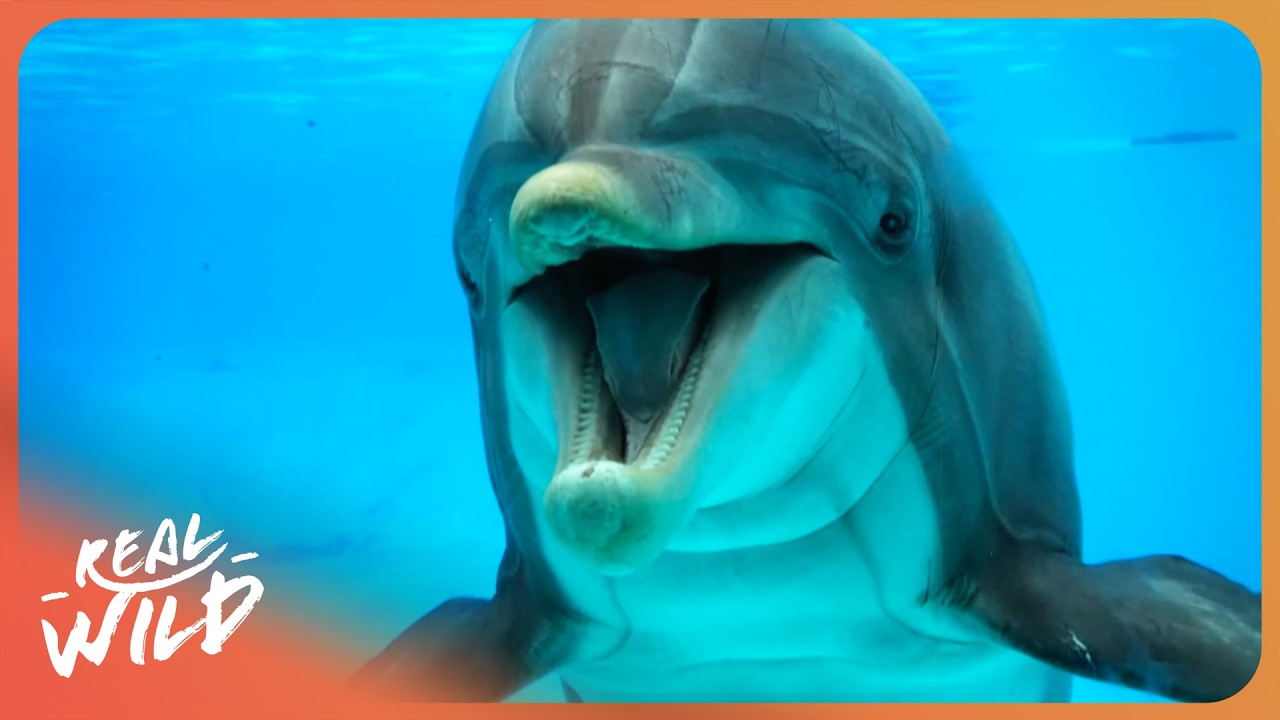
Dolphins across the globe, from Western Australia to South Africa, exhibit complex social behaviors, including tool use, cultural traditions, and unique signature whistles.
High on the Tibetan plateau, wildlife photographer Vincent Munier and novelist Sylvain Tesson search for the elusive snow leopard in remote valleys.
Less than 300 Cantabrian brown bears remain in the rugged mountains of northern Spain, where they inhabit isolated populations among towns and farmland.
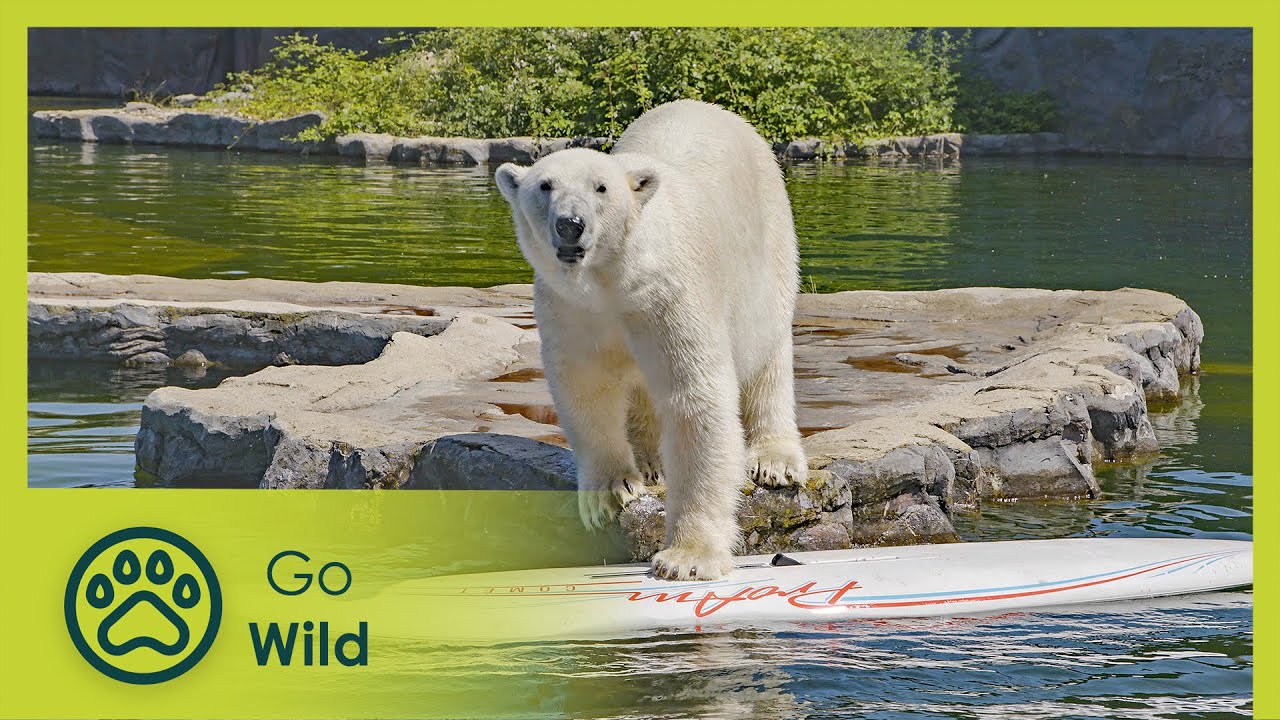
Modern zoos in Germany implement innovative enrichment strategies to enhance the well-being of exotic animals, from polar bears playing with surfboards to gorillas using tools.
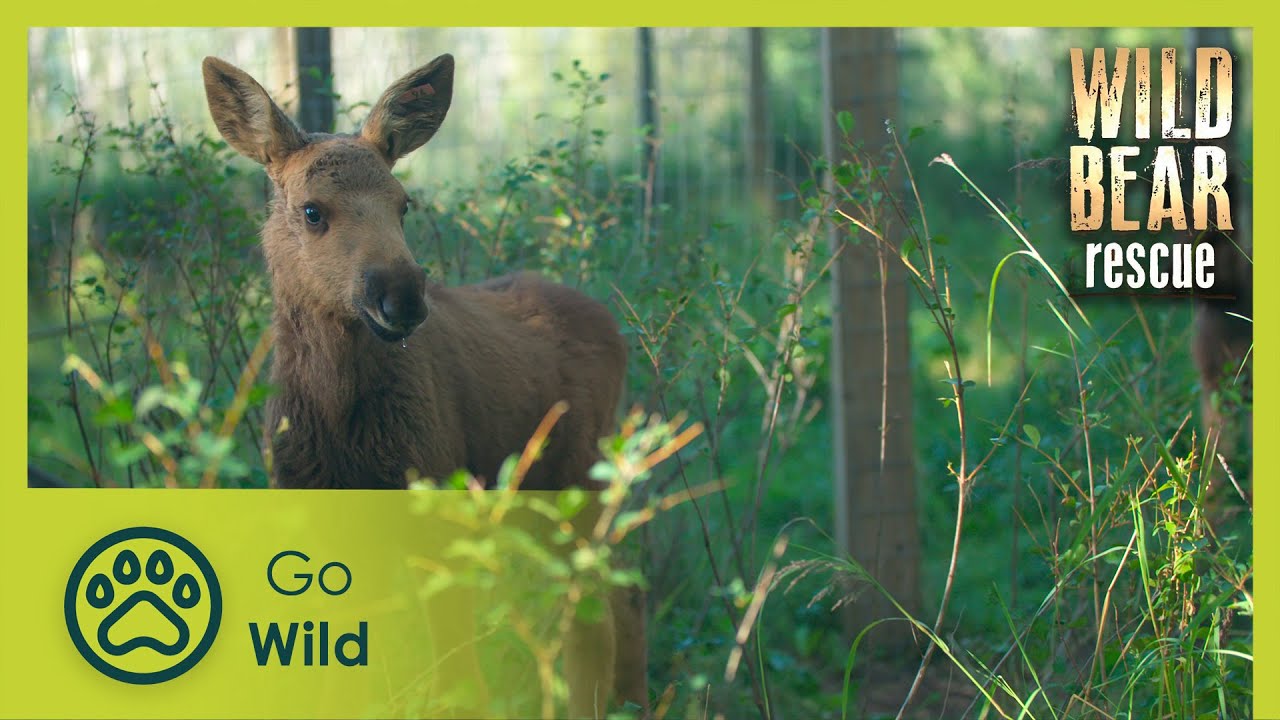
Two orphaned bear yearlings are released into their home territories while six malnourished moose calves receive critical care for survival.
The Big Game Capture team in South Africa undertakes the critical task of translocating wild animals to maintain genetic diversity and ecosystem balance.
Oceans are increasingly polluted with plastic, impacting wildlife like the fulmar bird in Holland and affecting reproductive systems in Germany.
Old cars, once seen as mere wrecks, now serve as habitats for diverse wildlife, highlighting the intersection of nature and human-made relics.
Michelle Yeoh returns to Malaysia to explore the plight of orangutans, the only great apes in Asia, and the conservation efforts aimed at saving them from extinction.
Gonarezhou National Park in Zimbabwe hosts nearly 12,000 elephants and showcases the diverse wildlife of southern Africa, including buffalo herds and monitor lizards.
Eighteen volcanic eruptions have occurred in the Canary Islands over the last 500 years, shaping the land and affecting local ecosystems.
Polar bears in Hudson Bay face increasing challenges for survival as climate change delays sea ice formation, threatening their population and habitat.
In 2002, Michael and Betty Scheibler purchased 320 acres in Emo, Ontario, where they formed bonds with nearly 60 bears and various other wildlife.
More than 4.5 million visitors come to Yellowstone each year, putting pressure on its ecosystems and prompting scientists to study the area's wildlife.
Nick Nirut trains staff at Phachi River Wildlife Sanctuary in Ratchaburi, Thailand, while studying indigenous snakes and observing a king cobra's fight with a python.
Nick Nirut travels deep into the jungle to study the ecology and hunting strategies of pythons, one of the world's longest and most effective predators.
Chris Humfrey cares for over 2,000 animals at his private zoo in Victoria, Australia, including baby koalas and newly hatched emu chicks.
In Kenya's Maasai Mara, Brittany Bristow and ranger Bruce Hedges observe elephant herds with young calves learning to use their trunks and interacting with baboons.
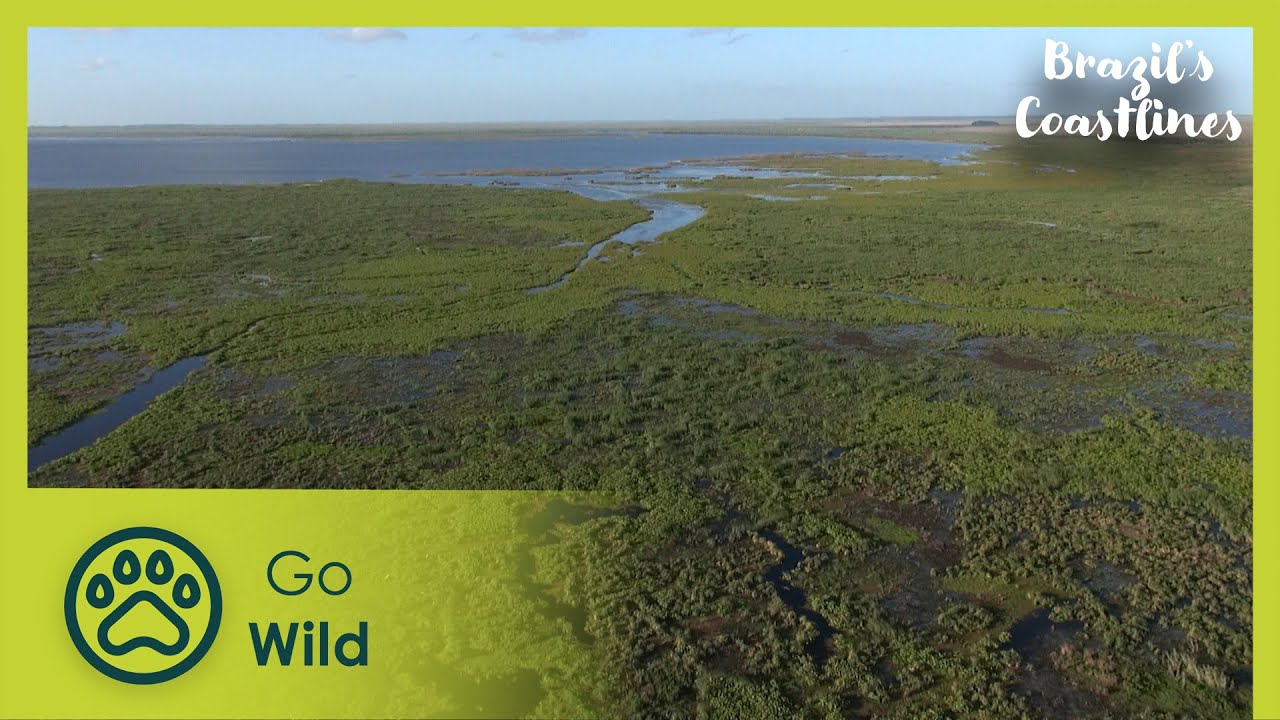
In Superagui National Park, Tise and her team care for parrots, while Joinville is known for its sugarcane marmalade and Florianopolis features Jaime's popular oyster restaurant.
One million species of insects inhabit Earth, and innovative technologies developed by Austrian entomologist Andreas K. will reveal their hidden world.
Dyarubbin, the Hawkesbury River, serves as a backdrop for hosts Aaron Pedersen and Holly Ringland as they explore rock art and engage with writer Georgina Reid and artist Gavi Duncan.
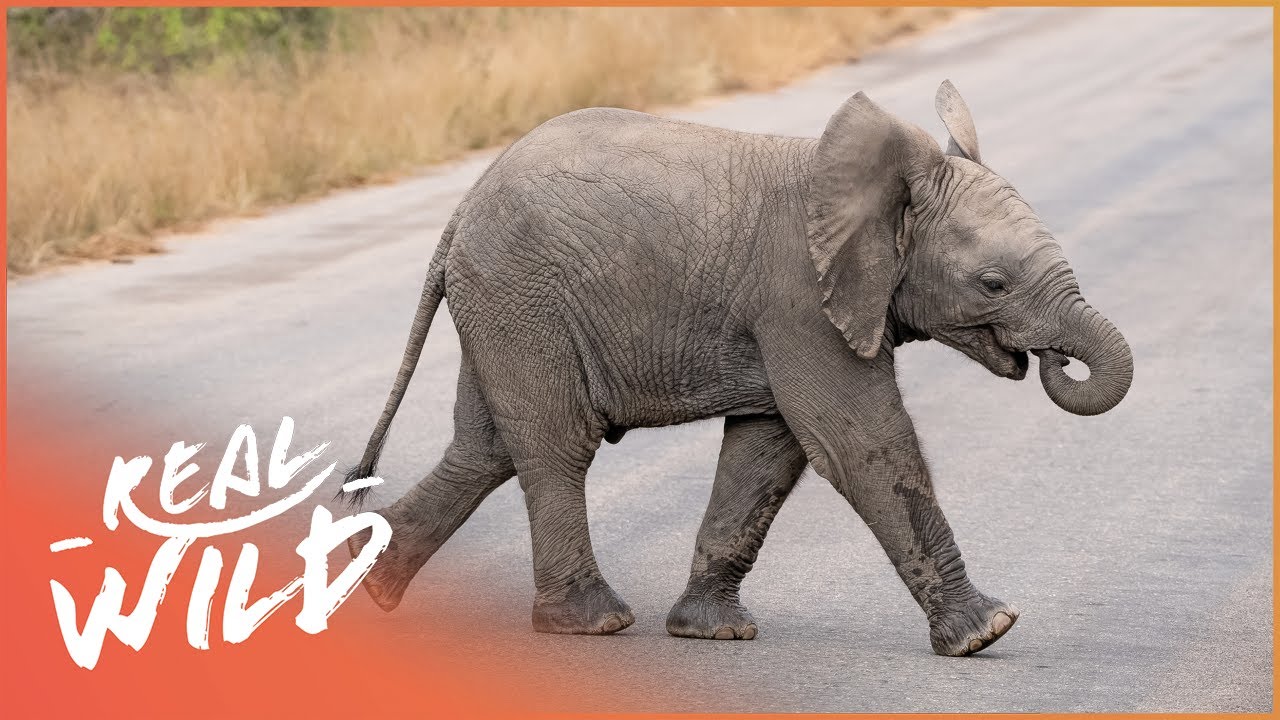
Elephants are viewed as competitors for land in Africa, where habitat loss and poaching threaten their survival and could lead to extinction within 50 years.
In the face of rapid global warming, wildlife such as polar bears and orcas are adapting their behaviors to survive as their habitats change dramatically.
Botswana's Okavango Delta, home to the largest elephant population on Earth, was recently designated as UNESCO's 1,000th World Heritage Site.
In Europe's dense forests, apex predators like the goshawk utilize advanced senses to survive against rivals and face threats from human expansion and poaching.
1,600 nautical miles from land, Adventure Aaron survived after his ocean rowboat capsized and he was surrounded by sharks in the Pacific Ocean.
In extreme environments from the Arctic to the Amazon, animals like meerkats and mountain goats exhibit remarkable survival strategies that showcase nature's resilience.
In South Africa's KwaZulu-Natal region at the Pinda Reserve, zebras are examined for their unique behaviors and the challenges they face in the wild.
Walking safaris with cheetahs, elephant encounters at Somalisa Camp, and helicopter views of Victoria Falls highlight the diverse wildlife experiences in Zimbabwe.
At 18, Mike Coots lost his leg to a tiger shark, which led him to become an advocate for shark conservation and understanding.
A male common frog clasps a female for three days until she lays her eggs, illustrating the cycle of life in the Oostvaardersplassen ecosystem.
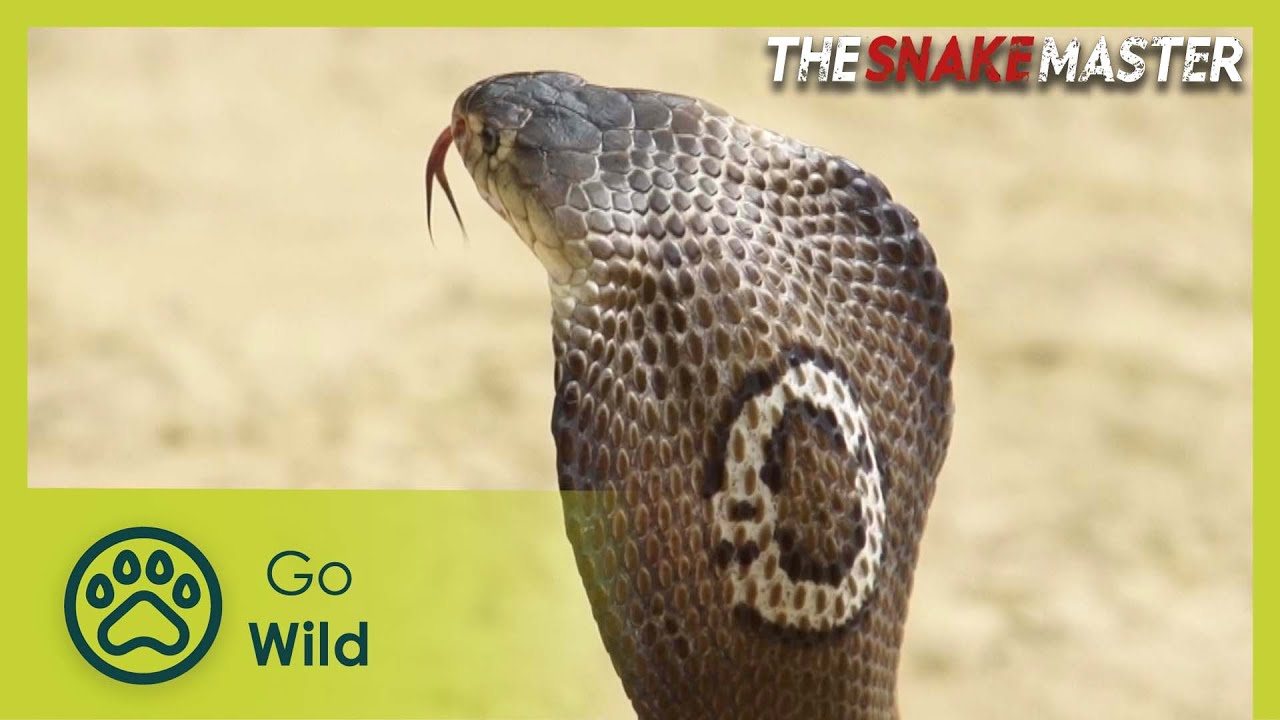
Nick, known as the Snake Master, investigates the elusive legendary snake of the Phetchabun mountains, last seen a century ago, starting at the Natural History Museum.
In Haida Gwaii, Angelika and Peter release two aggressive bear siblings by boat, while Kim collaborates with conservation officers in Smithers to rescue orphaned cubs.
Winter in the Iberian Peninsula tests the endurance of formidable species like vultures and wild cattle, while migratory birds find sanctuary in ancient oak forests.
Mediterranean beech woods in Central Italy serve as a vital habitat for endangered species like the Brown Bear, facing threats from climate change.
In eastern Botswana, the Swapong Hills serve as a sanctuary for diverse wildlife, including black eagles and Cape vultures, protected by local tribal traditions.