From over 100,000 films, discover the handful you'll love.
Free or premium access to the world's largest documentary library.
7951 films(Page 23 of 166)
Masaya volcano has been active for over 30,000 years and is preparing for its first major eruption in more than 200 years.
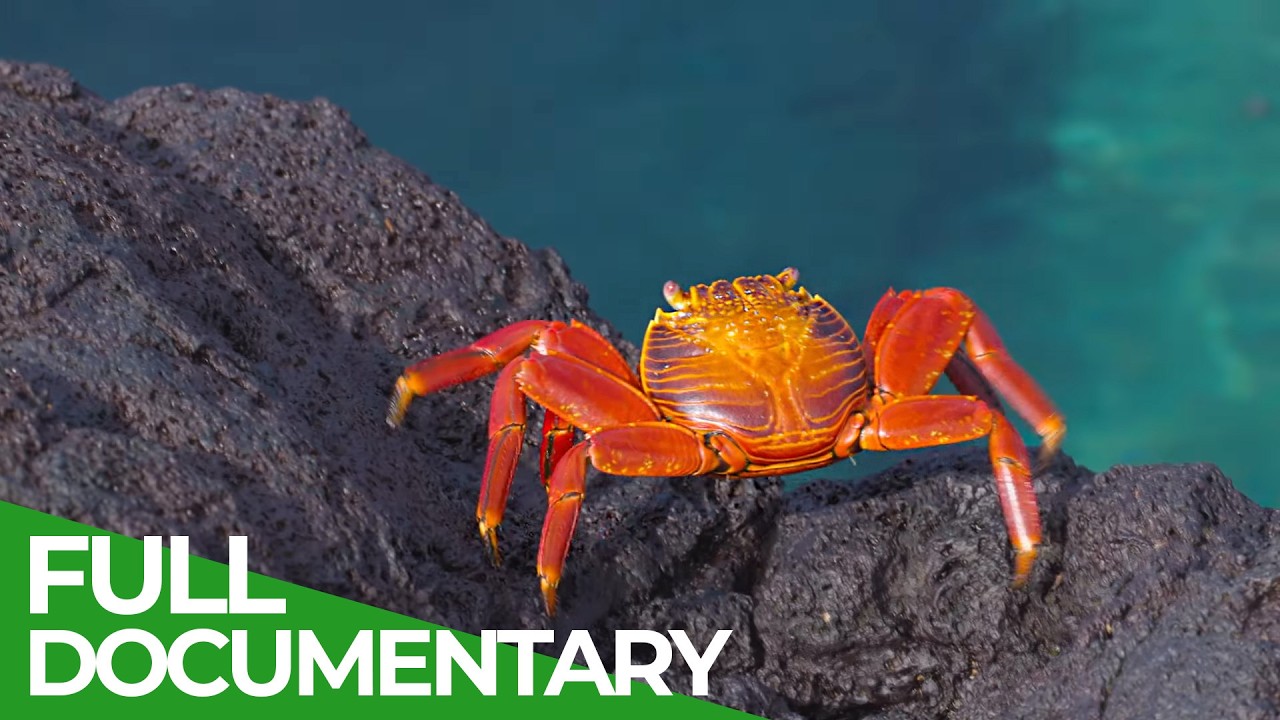
Ecuador's Amazon rainforest, Andes mountains, and Galápagos archipelago showcase unique wildlife adaptations while facing threats from deforestation and climate change.
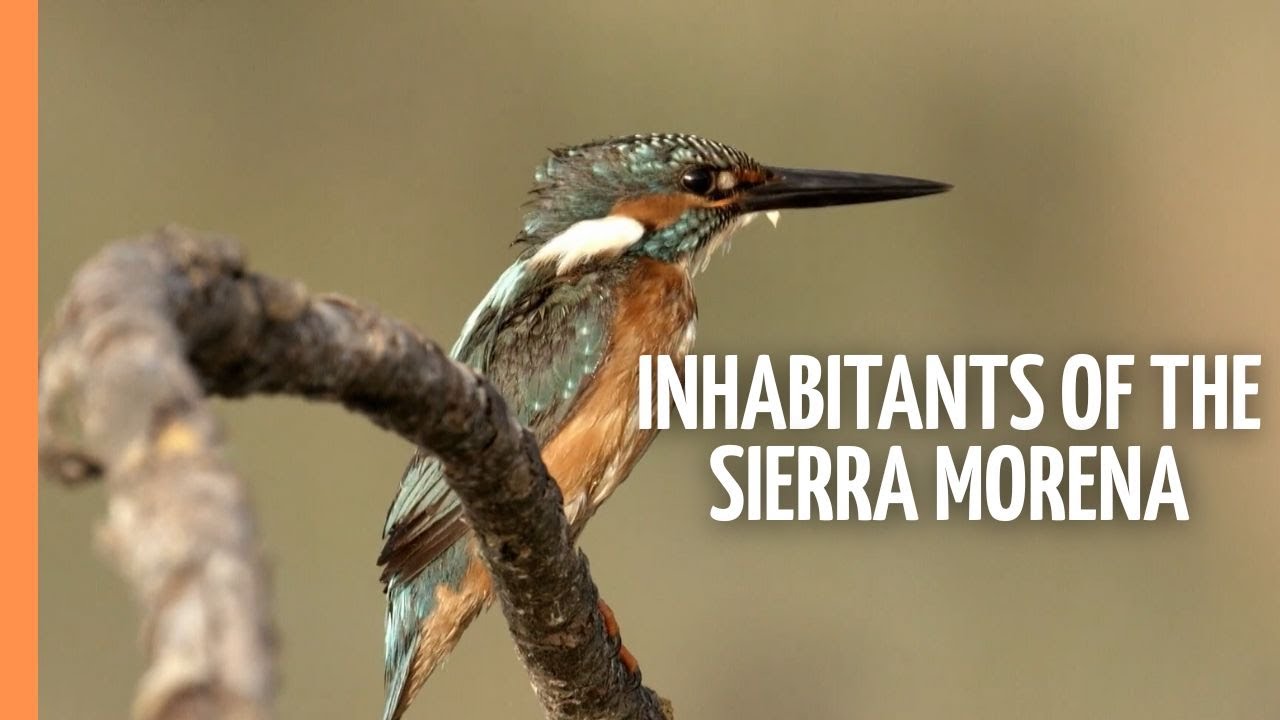
Summer temperatures in the Sierra Morena often exceed 30 degrees Celsius, while the region receives less than 500 millimeters of rain each year.
A treasure hunter lost in the Australian Outback confronts extreme heat and wild dingoes while battling for survival until rescuers arrive.
Borneo's rainforests, home to unique species like the Paradise Tree Snake and Pongo pygmaeus, face significant environmental challenges that threaten their biodiversity and the Murut people's culture.
Huon Pine trees in Tasmania can live for up to 10,000 years, making them one of the oldest forms of life on the planet.
In various habitats around the globe, playful baby animals such as puppies and cubs engage in charming adventures that highlight their early lives.
A mother caiman leads her young across parched land in search of water, demonstrating the challenges faced by reptiles in extreme environments.
Pakistan's hidden mountains, including the Karakoram range, ancient Silk Road kingdoms, and diverse wildlife, reveal a rich tapestry of landscapes and cultures.
A male African elephant can weigh as much as five family cars, reaching up to 6,350 kilograms and measuring 7.5 meters in length.
A young Angolan fisherman, once a child soldier, collaborates with the Okavango Wilderness Project to protect the vital Lisima Lya Mwono river.
In Saxony, farmer Schönleber works to revive hemp cultivation, exploring its historical significance and potential applications in modern agriculture.
Up to 1,836 people died during Hurricane Katrina in August 2005, which caused widespread flooding and destruction in New Orleans and along the Gulf Coast.
Two families in a fishing community compete to capture a pelican, a bird that brings honor and prosperity, as tensions rise over fishing rights on Lake Manchar.
Half a billion salmon leave the sea each year to return to their spawning grounds in the rivers of North America, with millions heading to Vancouver Island.
A newborn elephant weighs more than an average adult man, and Joyce Poole has studied their communication for nearly 50 years in Amboseli National Park.
The Hudson Bay population of polar bears has declined by 16 percent in the past two decades, primarily due to the effects of global warming.
Moles, often seen as pests by gardeners, are explored in their underground habitats, revealing their complex lives and behaviors in suburban environments.
A golden eagle can swoop at speeds of 200 km/h while competing for territory with the bearded vulture, which has a wingspan of 3 meters.
Hassan Baï’ake, 62, trains a four-year-old golden eagle for hunting in the Tian Shan mountains, continuing a tradition that spans over 3,000 years.
Valdez Peninsula in Argentina's Patagonia is a diverse wildlife habitat, featuring sea lions, guanacos, and Patagonian hares in its unique ecosystems.
One ton of equipment is transported for a three-day rafting expedition down the Magpie River in Quebec's remote wilderness.
Kawésqar and Yagán indigenous peoples collaborate with National Geographic Pristine Seas to protect the ecosystems of the Kawésqar National Reserve in southern Chile.
In the wilds of Africa, BBC Earth captures remarkable moments of lions hunting and interacting with hyenas, showcasing the raw dynamics of nature.
A common brimstone caterpillar can increase its weight 2,000-fold over the course of a month while feeding on its host plant's leaves.
Bigfoot's scream is featured among a compilation of unsettling animal sounds in an episode of The Proof Is Out There, airing on The HISTORY Channel.
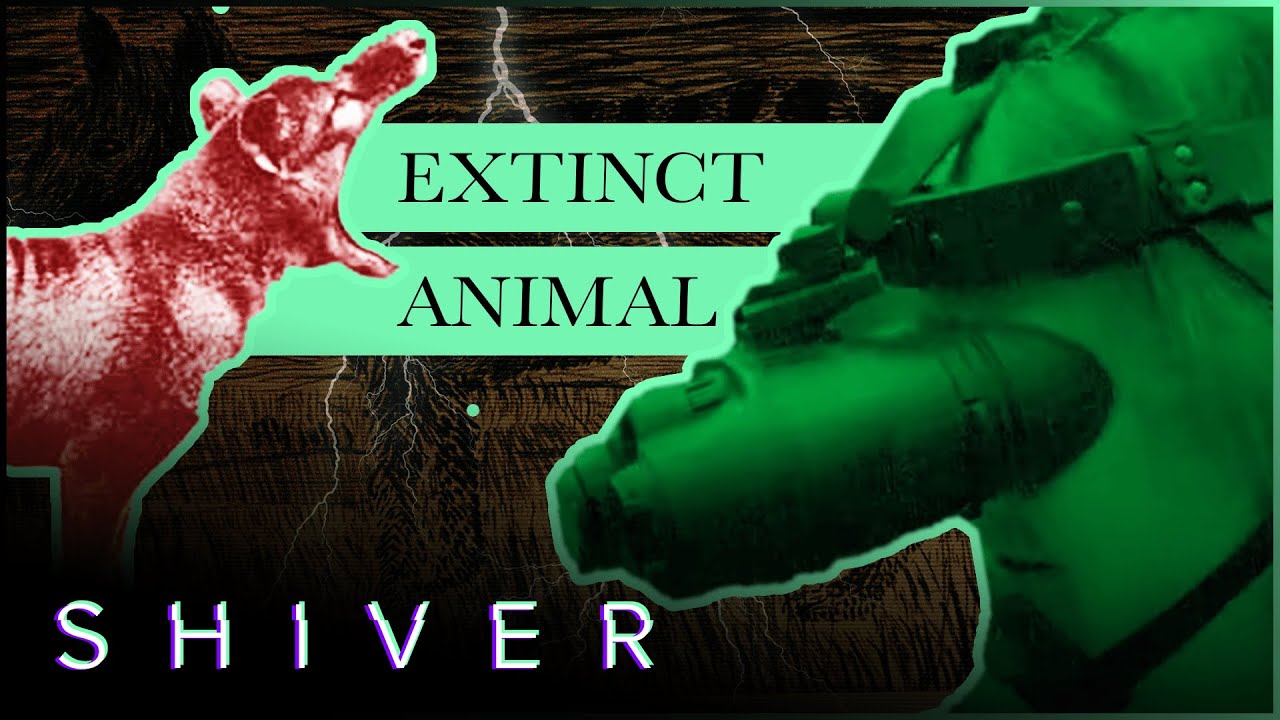
In the tropical forests of New South Wales, Australia, the elusive Tasmanian Tiger continues to intrigue wildlife enthusiasts and researchers alike.
A mysterious ransom note containing 12 names and drops of blood leads to the investigation of Annie Laurie Herron's kidnapping in 1988 Mississippi.
A clan of around 70 spotted hyenas competes with a pride of lions for territory and prey in the northern Serengeti's grasslands.
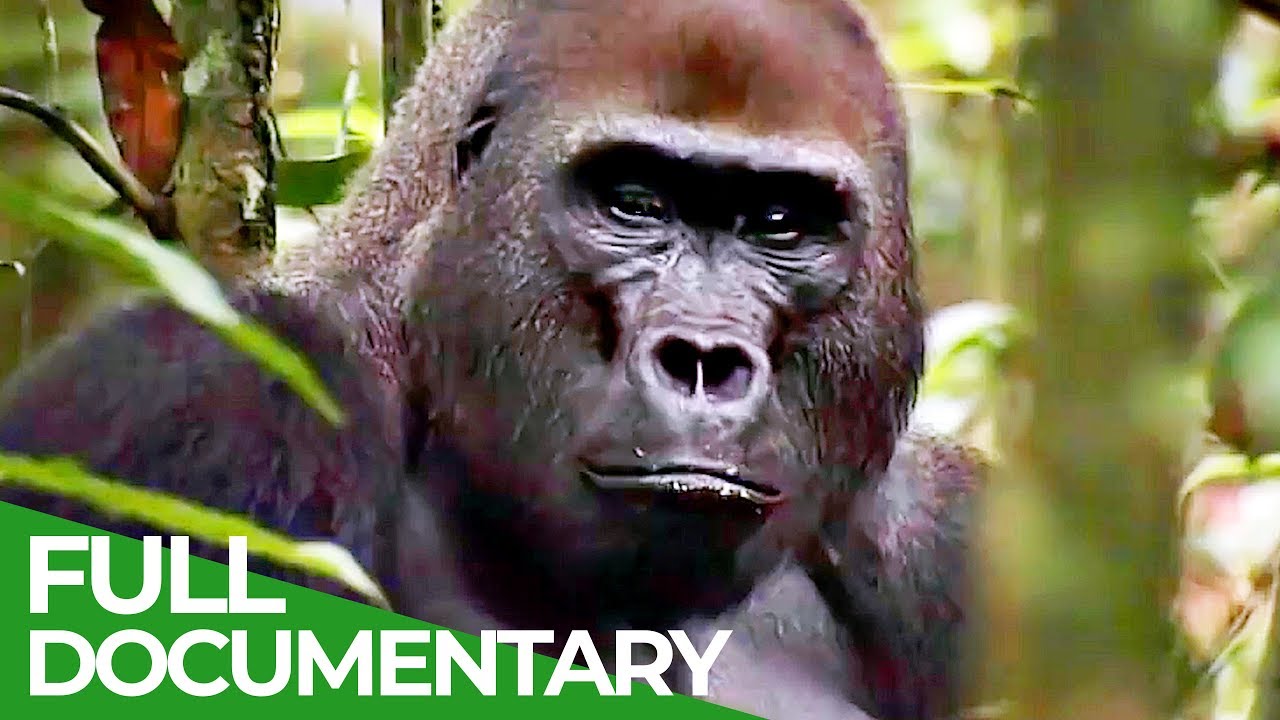
In Dzanga-Sangha National Park, over 3,000 western lowland gorillas are observed through the lens of videographer Thomas Behrend, highlighting their family dynamics and jungle life.
Madagascar's unique ecosystem, home to over 250,000 species including lemurs, chameleons, and the Toliara Reef, showcases extraordinary biodiversity found nowhere else.
Hundreds of thousands of spider crabs march across seagrass plains in Australia, seeking safety in numbers as they molt and face predators.
During the length of this film, nearly 13 million bottles of plastic will have been sold by the Coca-Cola group throughout the world.
55,000 hectares of land in British Columbia, once owned by German Duke Carl von Württemberg, are now managed by The Nature Conservancy of Canada.
Three elderly apes, including a film star and a scientist, live out their retirement at a specialized home for great apes, navigating their daily lives together.
Mount Kilauea has been erupting continuously for years, ejecting as much as 650,000 cubic yards of lava each day, posing a constant threat to nearby communities.
Bavaria's magical land attracts millions with its magnificent wildlife and stunning landscapes.
In Cuba, Hispaniola, and Trinidad, unique wildlife adaptations, including the venomous solenodon and isolated American crocodiles, highlight the challenges of island ecosystems.
Millions of gnus migrate annually across the Serengeti from Tanzania to Kenya, facing predators and harsh conditions while giving birth in the world's largest maternity room.
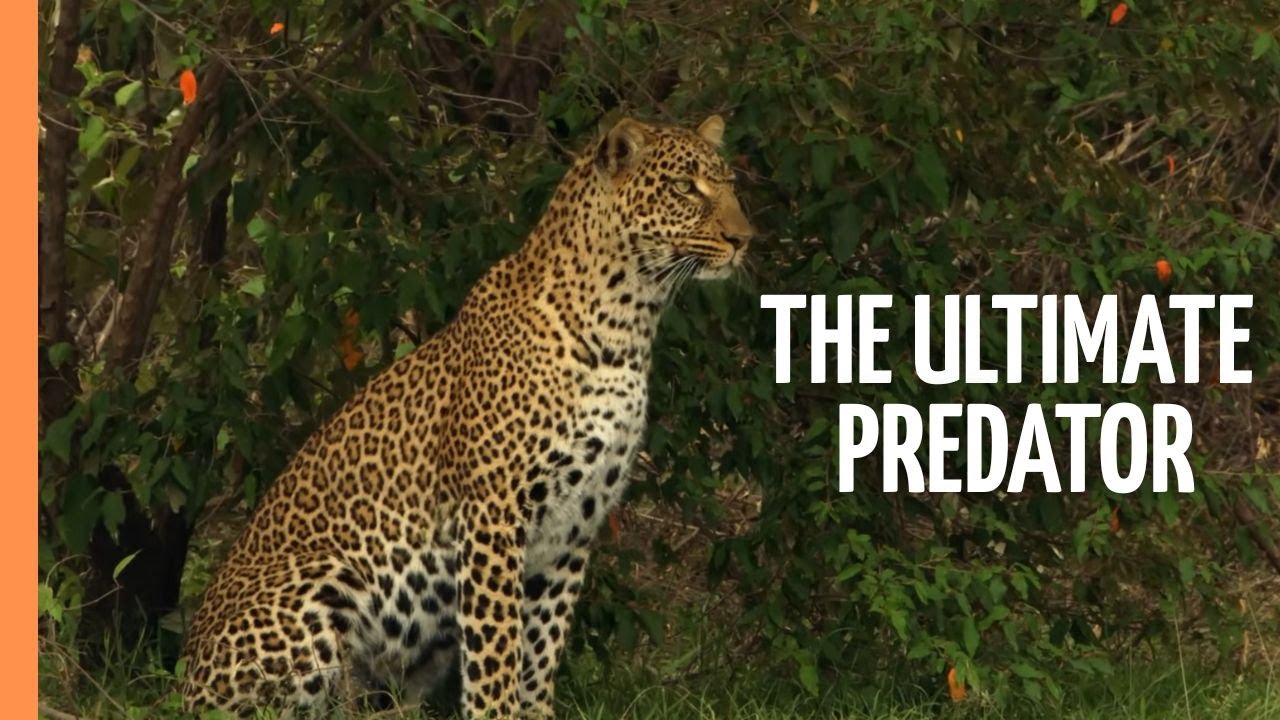
A Leopardess hunts in the Serengeti, almost invisible, to ensure her cub's survival.
For every one human, there are an estimated 1.4 billion insects on Earth, making up at least 80% of all known animal species.
Otters, members of the weasel family found on every continent except Australia and Antarctica, showcase their swimming skills and hunting prowess in a collection of memorable moments.
Over 1.5 million wildebeests, zebras, and gazelles cross the Mara River during the great migration, facing predators waiting to strike.
Lionesses and spotted hyenas compete for survival in the wild's harsh conditions.
Up to 20 European moor frogs can gather in a single square meter during their mating season, creating a chaotic scene of splashing and chirping.
Ten young chimpanzees, including Cheyenne and Quilou, leave their island home to adapt to life in the Conkouati forest after being rescued from poachers.
600 species of fish inhabit the clear blue waters of the Florida Keys, where sharks hunt with an insatiable appetite for anything that moves.
David Oren has spent 25 years researching the Amazon rainforest, claiming that the Mapinguari, a creature thought extinct for 10,000 years, is still alive.