From over 100,000 films, discover the handful you'll love.
Free or premium access to the world's largest documentary library.
7951 films(Page 35 of 166)
Underwater communication among fish is explored through advanced video and audio technology in the Mediterranean Sea's coral reefs and ancient shipwrecks.
In the Maasai Mara, experts guide a live safari experience focused on observing wildlife, including a new baby elephant, lions, and buffalo.
Colombia's Chocó region and Serranía de la Macarena showcase some of the planet's most biodiverse ecosystems, featuring species like leatherback turtles and jaguars.
In Rühstädt, known as "Europe's Stork Village," white storks face fierce competition for nesting sites and survival while attracting bird-loving tourists.
The Mediterranean Basin, a biodiversity hotspot, showcases unique ecosystems and highlights the urgent need for conservation amid human impact over 8,000 years.
In the Maasai Mara, experts guide a live safari experience, showcasing the region's diverse wildlife, including lions, elephants, and buffalo.
In the Australian Alps, Mt. Kosciuszko stands as the continent's highest peak, home to unique species like wombats and wild horses adapted to its cold climate.
Iceland sits on the world's most active hotspot, where scientists observe the formation of the planet in real-time.
Japanese macaques in the temperate forests of Japan exhibit complex social dynamics and remarkable adaptability to seasonal changes.
Cuckoos, known for their brood parasitism, lay eggs in other birds' nests, prompting questions about the evolutionary advantages for both the cuckoo and the host species.
In Uruguay, diverse ecosystems such as the Pampas, Atlantic Forest, and Gran Chaco host a variety of wildlife, including giant rheas, river otters, and endangered pampas deer.
This episode highlights deadly mosquito outbreaks, including Zika and malaria, and features Bill Gates.
David Diley traveled over 10,000 miles from England to Fiji to film the thriving population of Bull Sharks at Shark Reef and promote marine conservation.
In Newfoundland, moose collisions cause more fatalities and injuries than all other wildlife species combined, marking them as a significant danger in Canada.
The Gulf of California was created 6 million years ago, splitting the Sonoran Desert into two and generating a unique ecosystem rich in biodiversity.
A family in Zimbabwe celebrates the life of a loved one each year by sharing a meal and telling stories on the anniversary of his death.
Over 100 major tsunamis have struck in the past century, killing hundreds of thousands and causing billions in damages.
Crowned lemurs, unique to Madagascar, live in family groups led by a female, with one-eyed queens guiding their troops through a harsh environment.
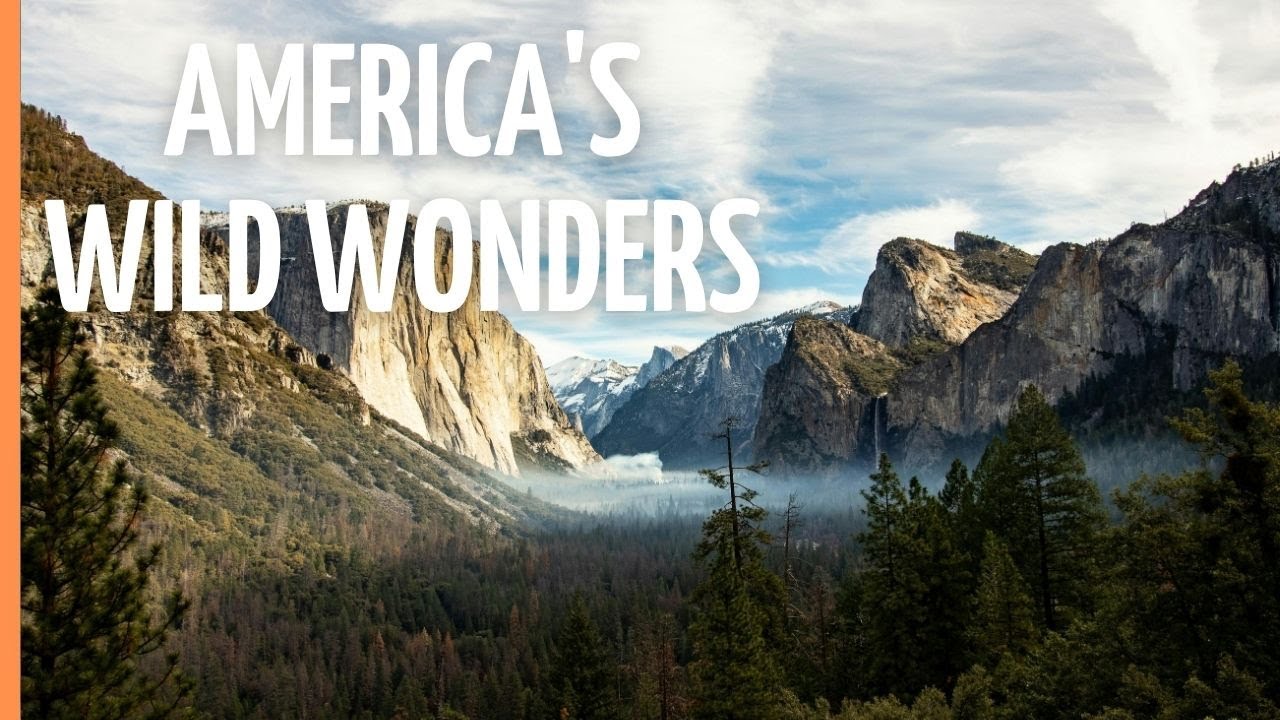
Hans Jöchler's team explores America's national parks, including Yellowstone, Glacier, and the Grand Canyon, while Dr. Robert Darga discusses their geological history.
Sloth bears in India, inspired by Baloo from the Jungle Book, are explored through over three years of fieldwork by filmmakers Oliver Goetzl and Ivo Nörenberg.
Temperatures on Ellesmere Island can dip down to minus 50 degrees Celsius, challenging the survival of the Eureka pack of Arctic wolves.
A hunting vacation at Carlo Engelbrecht's private farm in South Africa costs between 5,000 and 70,000 euros, attracting many German hunters each year.
Brazil's coast stretches nearly 7,500 kilometers and is home to humpback whales, spinner dolphins, and unique tropical reefs.
The Sava floodplains in Croatia represent a rare ecosystem where natural river landscapes coexist with cultivated land, covering approximately 100,000 hectares.
Lions, venomous snakes, scorpions, spiders, and crocodiles exhibit unique hunting strategies and lethal capabilities that establish them as apex predators.
Fewer than 3,900 tigers remain in the wild, while over 10,000 are estimated to be held in captivity across the United States.
A grizzly bear finds a rotting bison carcass, likely fallen through the ice at the start of winter, providing a vital food source in Yellowstone.
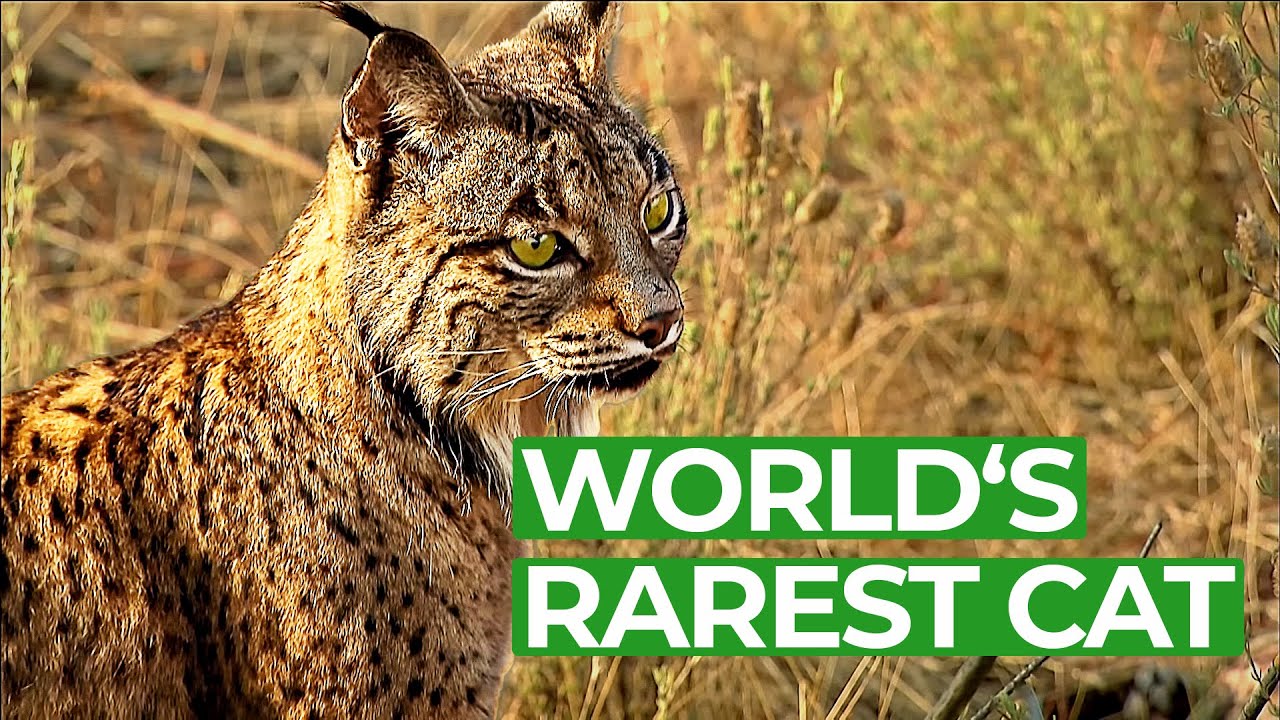
Iberian Lynx populations, once nearly extinct, are experiencing a resurgence in the Sierra de Andujar and Coto Doñana due to collaborative conservation efforts.
In Lower Saxony's Lüneburg Heath, a manmade landscape shaped by centuries of farming supports diverse wildlife, as showcased through the observations of filmmaker Günter Goldmann.
46 million kangaroos roam Australia, known for their unique hopping movement and social behavior in groups called mobs.
Kimberley's vast and isolated landscape, home to just 30,000 people, showcases breathtaking beauty and extreme conditions that test the resilience of its inhabitants.
Mauritius is explored through the work of five acclaimed photographers, showcasing its landscapes, cultures, and biodiversity alongside Zanzibar and Madagascar.
The Amazon rainforest covers an area of almost 3.12 million square kilometers and is home to one in ten of all species on Earth.
Frog mating rituals and penguin competitions among 3,000 potential partners illustrate the diverse and complex nature of romance in the animal kingdom.
Chris Horsley investigates Mount Etna's heightened volcanic activity and its implications.
More than 350,000 plant species exist today, each playing a vital role in supporting life on Earth through photosynthesis and oxygen production.
The Carneddi herd of ponies numbers less than 300 and has adapted to survive the harsh winter conditions of Snowdonia's mountains.
More than 100 years have passed since Peter Rosegger wrote about the forests filled with snow hares, red deer, and blooming fruit trees.
In Tasmania, the survival strategies of the Tasmanian devil are examined alongside the competitive dynamics of predators like bears, sea lions, and wolves.
In the Pacific and Mediterranean Seas, underwater filmmaker Thomas Behrend captures the elusive Ocean Sunfish and encounters endangered manatees in Florida.
Grooming rituals among primates can last up to three hours a day, serving to remove parasites and reduce the risk of disease.
These mountain parrots showcase intelligence and face survival challenges in New Zealand.
40,000 years ago, wolves began to approach human camps, leading to a deep connection that evolved into the domestication of dogs.
A river fed by a volcanic hot spring remains 50 degrees warmer than the surrounding air, attracting various hungry animals during winter.
Serra da Estrela, Portugal's highest mountain range, features unique ecosystems and traditional practices, highlighted through the work of scientist Ana Matos and cheese maker Maria Natália Lopes.
Animal vision varies dramatically across species, with eagles capable of spotting fish from great distances, highlighting the complexity of sight in the animal kingdom.
In Jaipur, Queen Rani's troop regains control of Galta Temple with the help of Zamir, while orphan macaques face challenges at Help in Suffering clinic.
Winter in the Mediterranean forest presents a harsh challenge for its inhabitants, showcasing their resilience and adaptability in extreme cold conditions.