From over 100,000 films, discover the handful you'll love.
Free or premium access to the world's largest documentary library.
7945 films(Page 100 of 166)
Ninety percent of the Earth's oxygen is produced in rainforests, including the unique ecosystem found on Borneo, the third largest island on the planet.
A single Iberian bluetail dragonfly can devour hundreds of insects each day, making it a key predator in the ponds of Alhambra.
Dragonfly nymphs are fierce predators, while adults hunt insects on the wing.
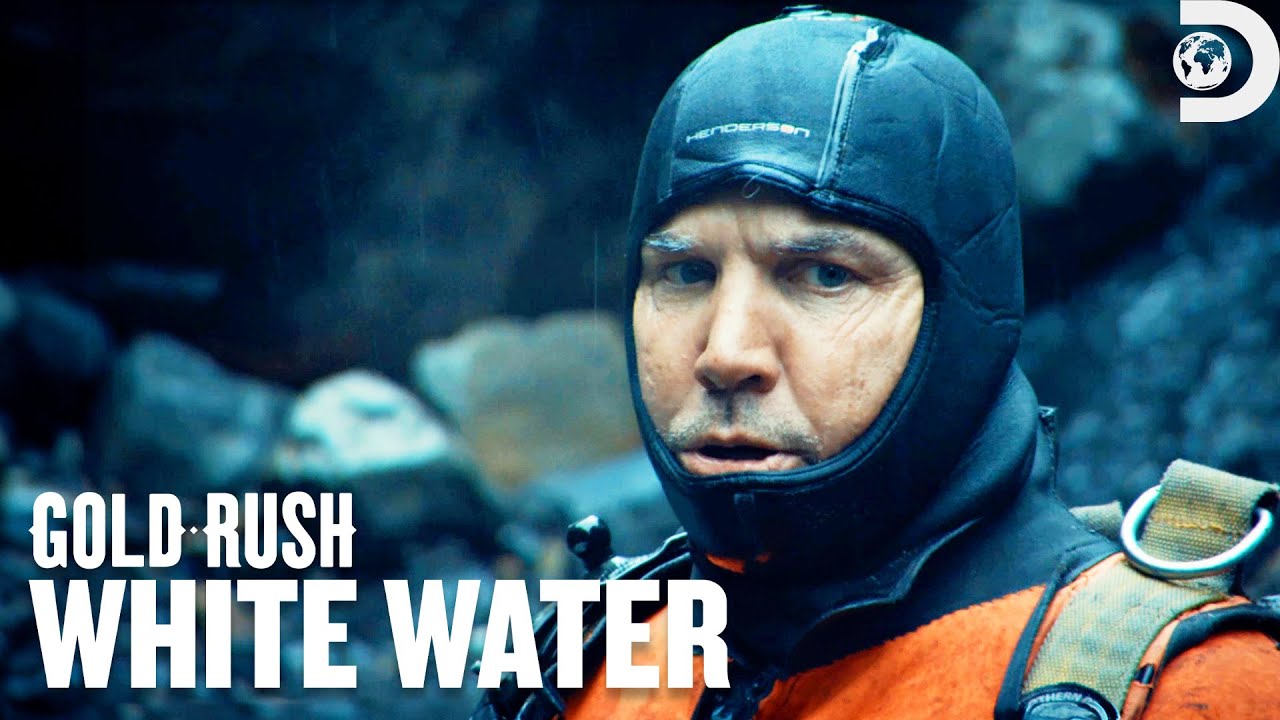
Dustin faces challenges diving for gold near the mysterious white boulder, Moby.
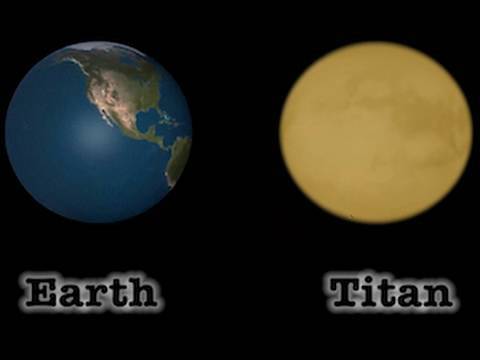
NASA scientists look for Earthly examples to understand Titan's terrain features.
Astonishingly beautiful images from the International Space Station showcase Earth’s beauty.
Arctic sea ice expansion and contraction, alongside human-induced changes like the Antarctic ozone hole, illustrate Earth's evolving landscape over time.
Koalas eat eucalyptus leaves and surprisingly don't need to drink water in Australia.
Taiwan transformed from being labeled "garbage island" to one of the cleanest places on Earth over the past three decades through extensive recycling efforts.
The rainforest biome at the Eden Project is the largest in captivity, weighing the same as the plants it contains and measuring over 200 meters long.
Edo, built in the 16th century, is Japan's first ecological city focused on nature.
An elderly polar bear, known as Old Timer, engages in playful sparring matches with younger males to establish social hierarchy during the summer months.
Female elephants in Thailand share a collective responsibility for raising calves together.
A sample clip shows an Asian elephant foetus in the womb from the David Barlow Film Archive.
Elephants rely on the marula tree, consuming its ripe fruit each season for sustenance.
Experience the significance of elephant rides in India every Tuesday, Thursday, and Saturday.
A wildlife cameraman gets a close encounter with orcas, reflecting on their nature and presence.
A sloping beach shelters tens of thousands of king penguins and their chicks preparing for independence.
One thousand kilometers of the Essequibo River feature treacherous rapids, massive waterfalls, and diverse wildlife.
Beavers near Neuschwanstein Castle build dams and cut trees in their busy habitat.
Horses can identify other herd members from as far as 400 feet away, aided by pheromones they produce throughout the year.
The Goliath birdeater, a massive tarantula known for its intimidating size and unique characteristics, exhibits a surprisingly shy nature despite its fearsome reputation.
Is Paris a green capital? Today, green spaces are essential in the French capital.
Patrick Aryee explores nature's solutions to humanity's challenges in this docu-series.
This island in Papua New Guinea showcases stunning volcanoes and unique biodiversity.
Dr. Susanne Lockhart descends 600 meters into the Weddell Sea to study its ecosystems and advocate for marine-protected areas against climate threats.
At nearly 190 meters deep, Lake Traunsee contains a flat expanse of soft sediment where unknown treasures may lie hidden.
This original short imagines a battle between an F-15 and a 1,000-foot alien tripod.
Cappadocia in Turkey features Fairy Chimneys, shaped by Nature over thousands of years.
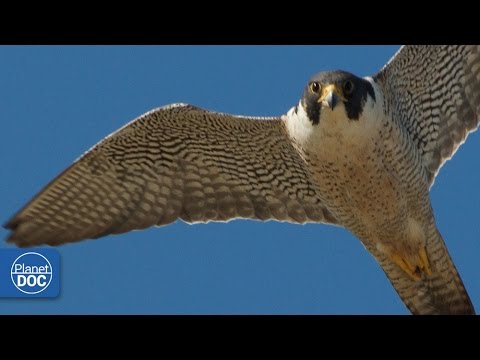
The peregrine falcon is the fastest animal on Earth and a deadly hunter from great heights.
Wildlife cameraman Jean-François Barthod captures charming 16mm footage of king penguins in their natural habitat, showcasing their playful behavior.
A naked mole rat survived for 18 minutes in an oxygen-free environment by switching its metabolism from glucose to fructose, a process that could inform medical research.
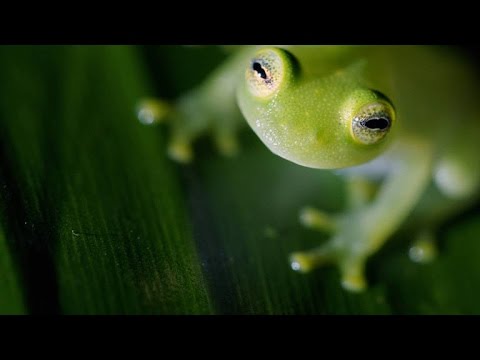
More than 200 species of frogs inhabit Panama, where male glass frogs call for mates during the rainy season's intimate mating rituals.
Snowy Owls in the Arctic face significant survival challenges, as a mother owl struggles to care for her young amidst the harsh realities of their environment.
Female praying mantises eat their suitors before mating in a brutal courtship ritual.
A feral cat in Europe waits for the right moment to launch its lethal attack on a pigeon.
The Cuban iguana, one of the largest lizards in the Caribbean, thrives in the Jardines de la Reina without natural predators.
The Bioko black colobus monkey is critically endangered and rarely seen in the wild.
Suruga Bay is home to 124 different shark species, including the critically endangered Japanese angelshark, which faces threats from overfishing and habitat loss.
Fire ants, prevalent in the southern United States, exhibit complex social structures and aggressive behaviors that significantly impact local ecosystems.
Fire ants use complex nest-building and cooperative defense strategies to adapt and thrive in various environments, showcasing their ecological importance.
Burning embers can travel up to two miles, igniting iconic Las Vegas landmarks like the Mandalay Bay and MGM Grand in a devastating fire.
A survivalist shows how to start a fire using a 9v battery and steel wool in this episode.
In a picturesque setting, a crew enthusiastically tastes the first corn liquor of the year, showcasing their confidence in the traditional recipe and craftsmanship.
The Goteik viaduct in Myanmar, a 122-year-old railway bridge, provides thrilling train journeys and stunning views while showcasing the region's challenges.
Tonlé Sap, known as the Beating Heart of Cambodia, is explored for its unique ecosystem and cultural significance, highlighting the need for sustainable practices.
Great white sharks around Guadalupe Island exhibit scars believed to be from encounters with giant squids, as investigated by Dr. Tristan Guttridge.
In the Pacific Northwest, Jared Douglas and his logging crew face significant risks while using innovative methods, such as sealing a tire with fire, to transport valuable timber.