From over 100,000 films, discover the handful you'll love.
Free or premium access to the world's largest documentary library.
7943 films(Page 2 of 166)
By the end of 1860, Philip Slater had classified 30 distinct lemur species from Madagascar, leading to theories about ancient land connections.
A father and daughter recount diving together at depths of up to 60 feet, illustrating their lifelong bond through shared experiences in the ocean.
In remote areas of Australia, Steve Irwin encounters ten of the world's most venomous snakes, highlighting their behavior and conservation needs.
More than 90% of all marine life dwells in the epipelagic zone, where vibrant ecosystems thrive near the ocean's surface.
About 25% of animals in the savanna perish due to water and food shortages during the harsh dry season.
Hydrothermal vents, discovered in 1977, are among the few locations on Earth where life relies on chemical energy instead of sunlight.
Kingfishers can have up to four broods a year, facing challenges such as territorial disputes and harsh winter conditions in Germany's Rhine Valley.
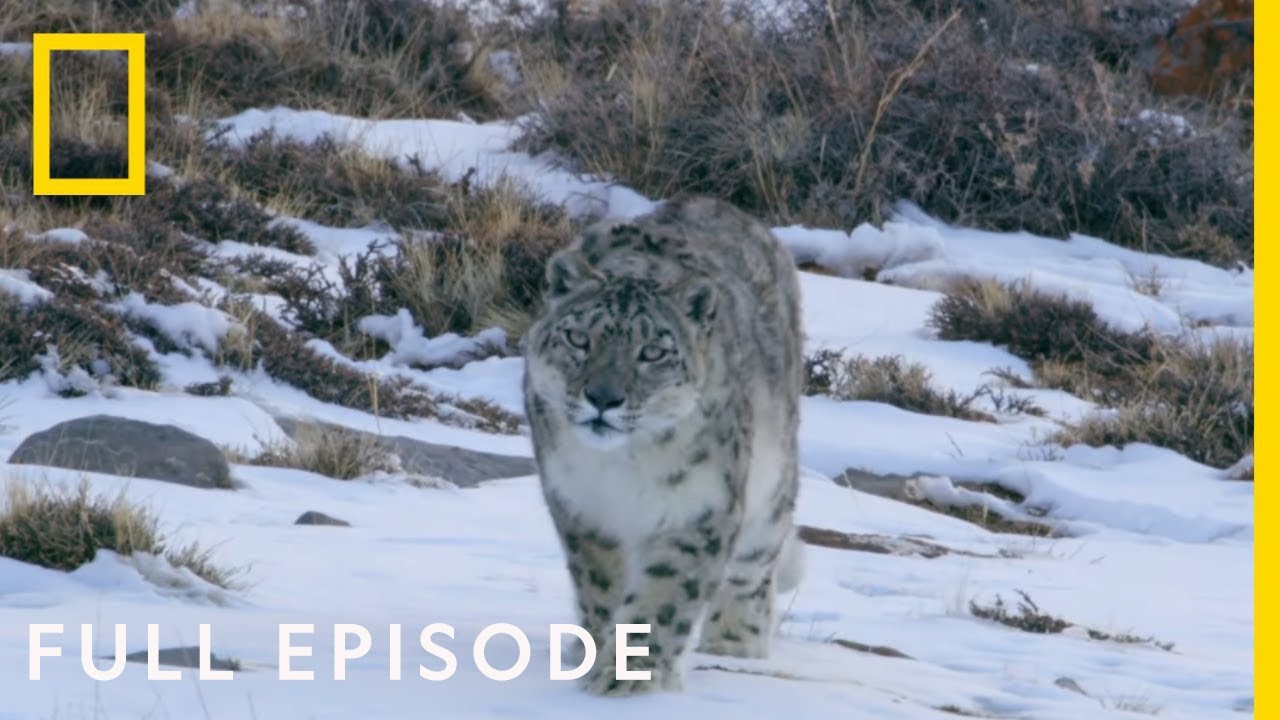
Snow leopards, golden eagles, and gelada monkeys thrive at altitudes exceeding 14,000 feet in some of the world's harshest environments.
Temperatures in Oymyakon can drop to minus 70 degrees Celsius, forcing children to brave one of the world's coldest commutes to school each day.
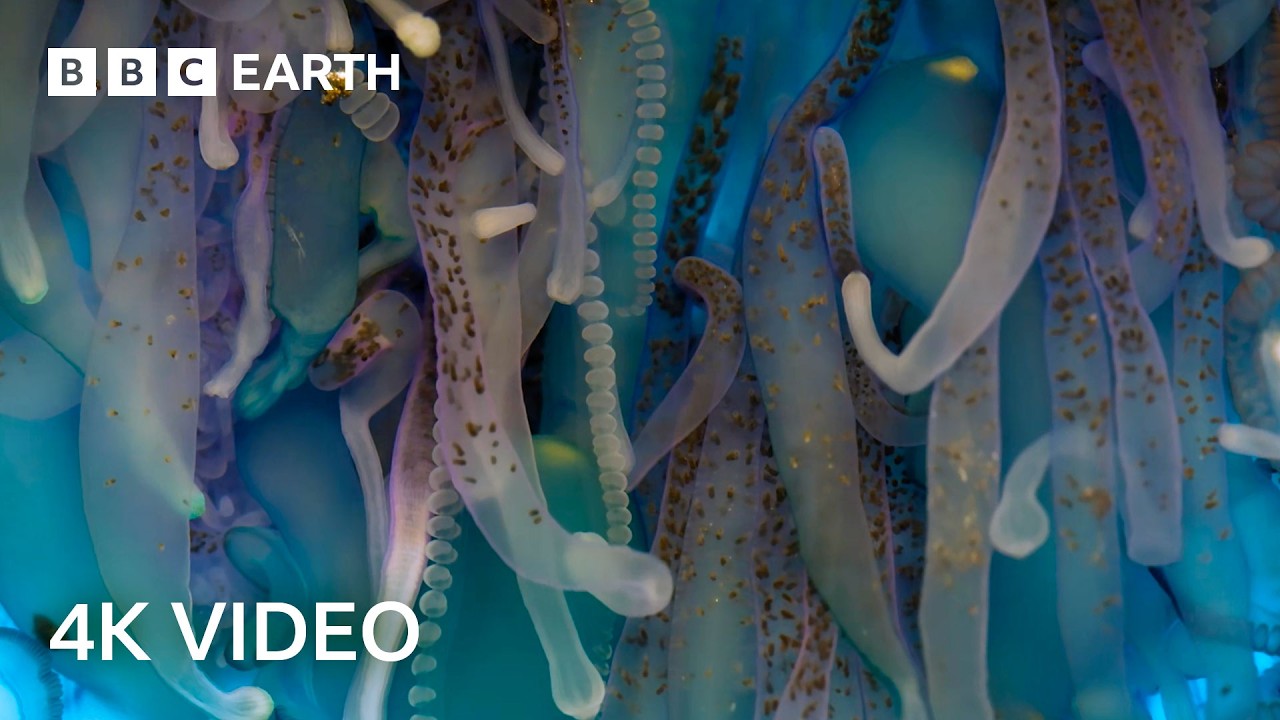
A Portuguese man of war can have tentacles that extend up to 30 meters long, armed with thousands of stinging cells capable of paralyzing fish.
Eight young grey geese take flight with Christian Moullec from Alsace, learning migratory routes over forests and marshlands before their release.
Tasmanian devils, unique carnivorous marsupials, thrive in Tasmania's pristine wilderness, where they face few natural predators and coexist with diverse wildlife.
385 million years ago, the first trees emerged during the late Devonian period, marking a significant evolution in Earth's plant life.
The midnight zone, stretching to 4 kilometers deep, hosts unique life forms that have adapted to extreme pressure and darkness.
A praying mantis can consume its prey alive in a process that may take several hours, using its powerful front legs to capture victims.
Dogs can detect diseases in their earliest stages, making them invaluable companions and workers in various settings.
A crocodile can launch itself from the water at speeds of 20 meters per hour, using instincts shaped by a brain that has remained largely unchanged for 200 million years.
A paleontologist travels back 4.5 billion years to find breathable air, discovering that humans could only survive 100 million years ago.
More than 120 mountains in the Alps rise over 13,000 feet, surrounding deep lakes that host unique ecosystems and hidden aquatic life.
Channing Tatum tests his survival skills alongside Bear Grylls in the rugged wilderness of Norway.
In the Florida Everglades, invasive Burmese pythons are causing significant ecological damage, threatening native wildlife and disrupting local ecosystems.
In the deep sea, unique creatures have evolved remarkable anatomical, physiological, and behavioral adaptations to survive in extreme conditions, including high pressure and darkness.
A four-hour flight from Berlin leads to the Brother Islands, located over 60 kilometers from the nearest coast, known for their diverse marine life.
As few as 100 humpback whales have learned to fish together using a unique bubble net feeding technique found only in one location on Earth.
A man endures raging winds to connect with orcas and communicate with penguins in the wild.
BBC Earth features 4K wildlife footage narrated by Sir David Attenborough and David Tennant, highlighting dramatic animal interactions and behaviors.
A saltwater crocodile can live for 100 years and has a long memory, prompting Steve Irwin to seek a new approach to managing problem crocodiles in Australia.
Less than 250 beachings of oarfish have been reported worldwide in the last two centuries, yet one was recently observed alive off the French coast.
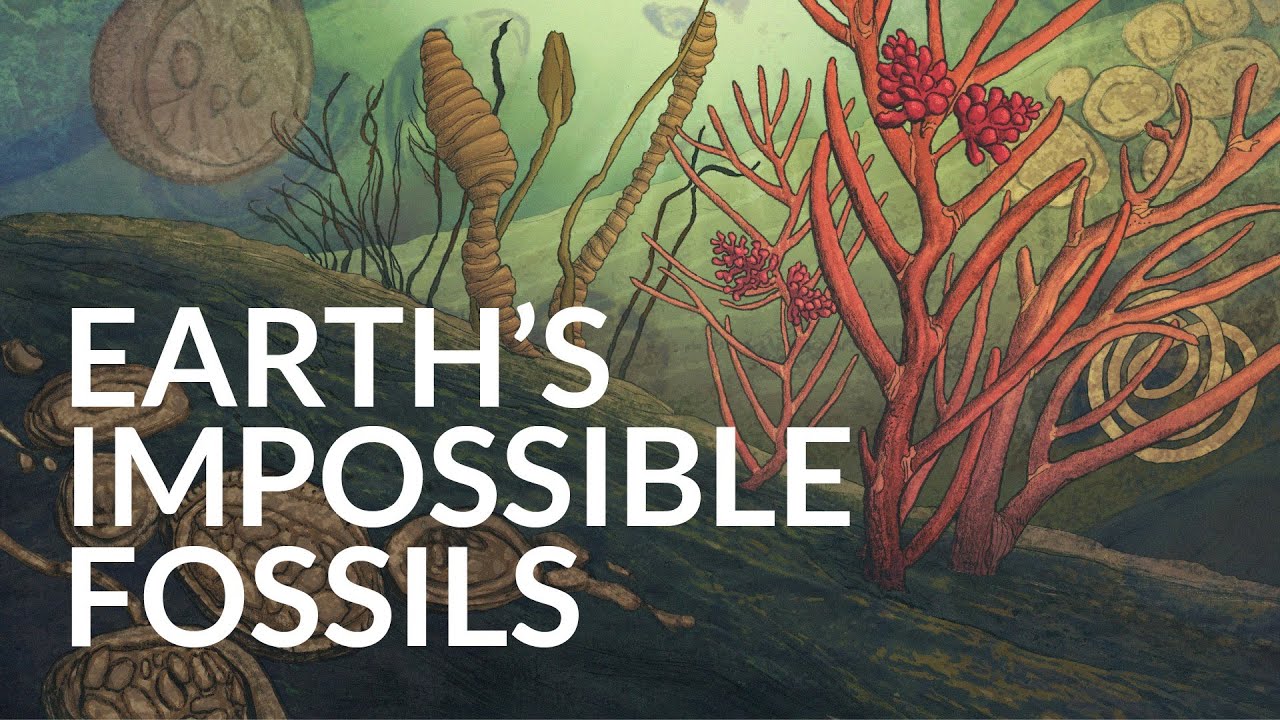
1677 marked a significant year for Reverend Robert Plot, who received a massive crate containing fossils that sparked debate about their origins.
Ten cats in Weimar leave a complex web of tracks over five days, revealing their hidden activities and movements outside their homes.
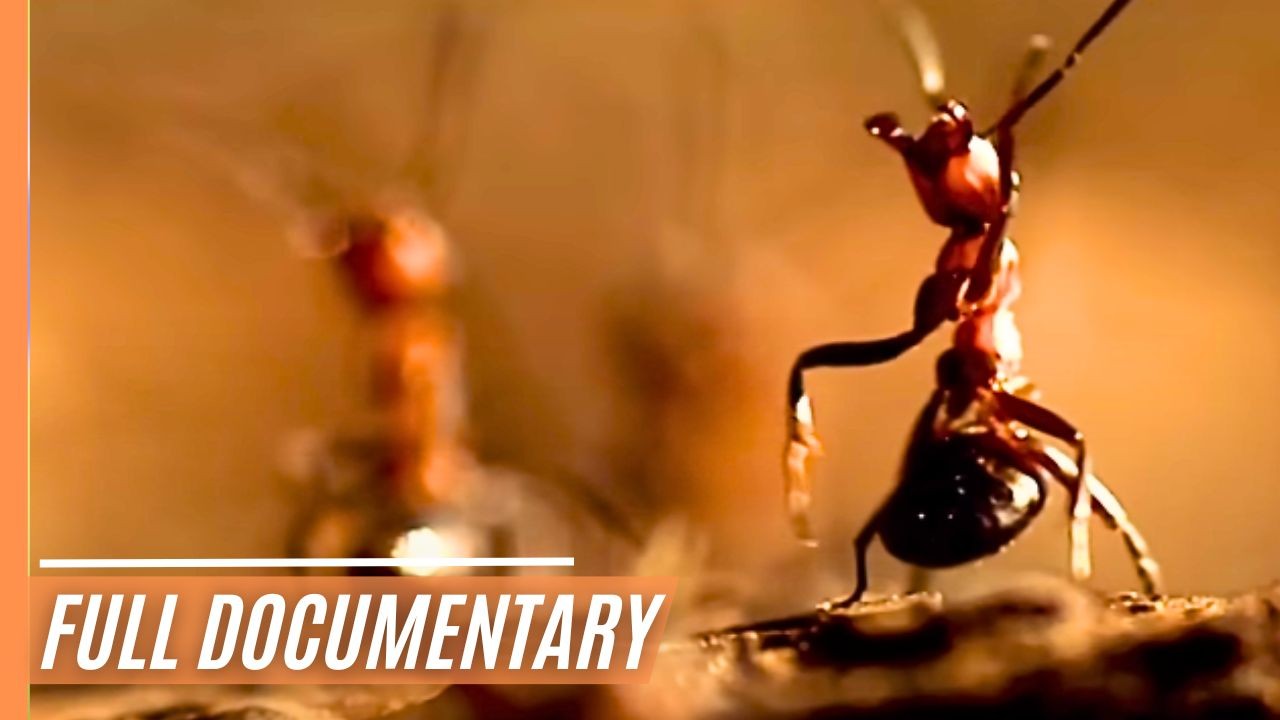
Hundreds of thousands of ants work together to build complex structures that serve as homes and shelters in their environment.
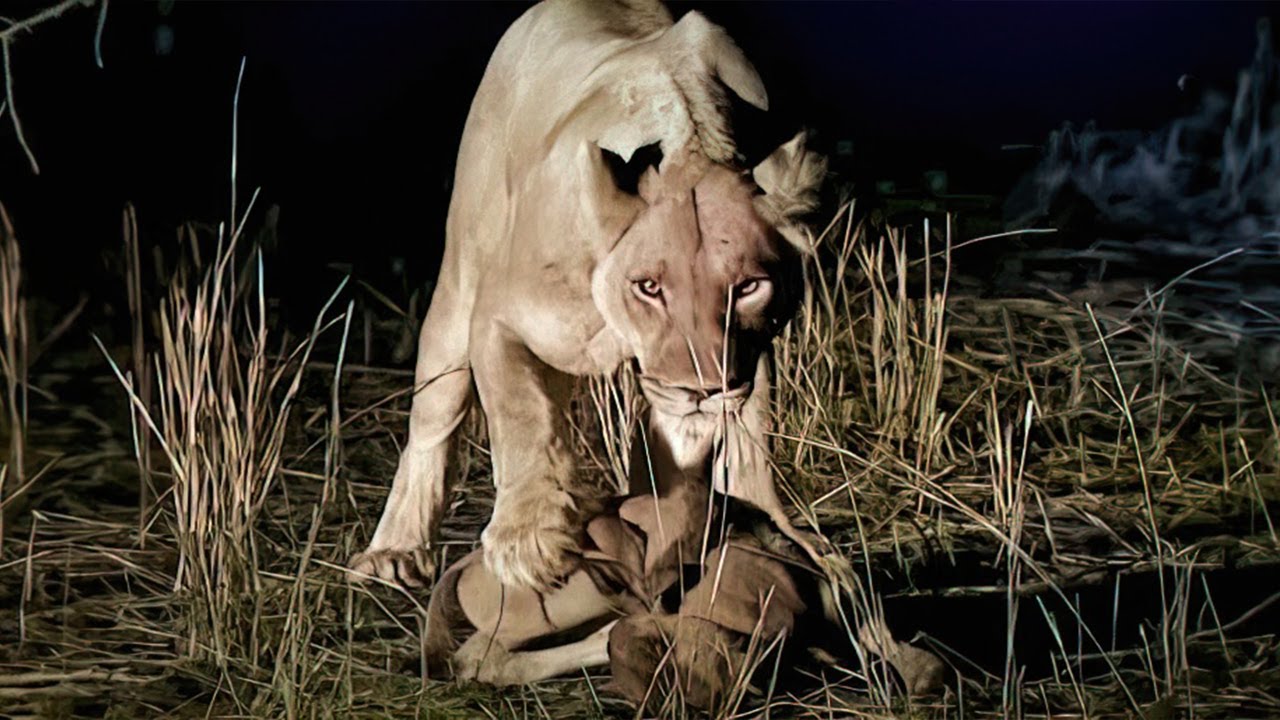
100,000 acres of the Malilangwe Game Reserve provide a battleground for Manyari and her sister as they defend their cubs from invading male lions.
Heart rates of hummingbirds can reach 1,200 beats per minute, making them the highest among vertebrates and enabling their remarkable aerial maneuvers.
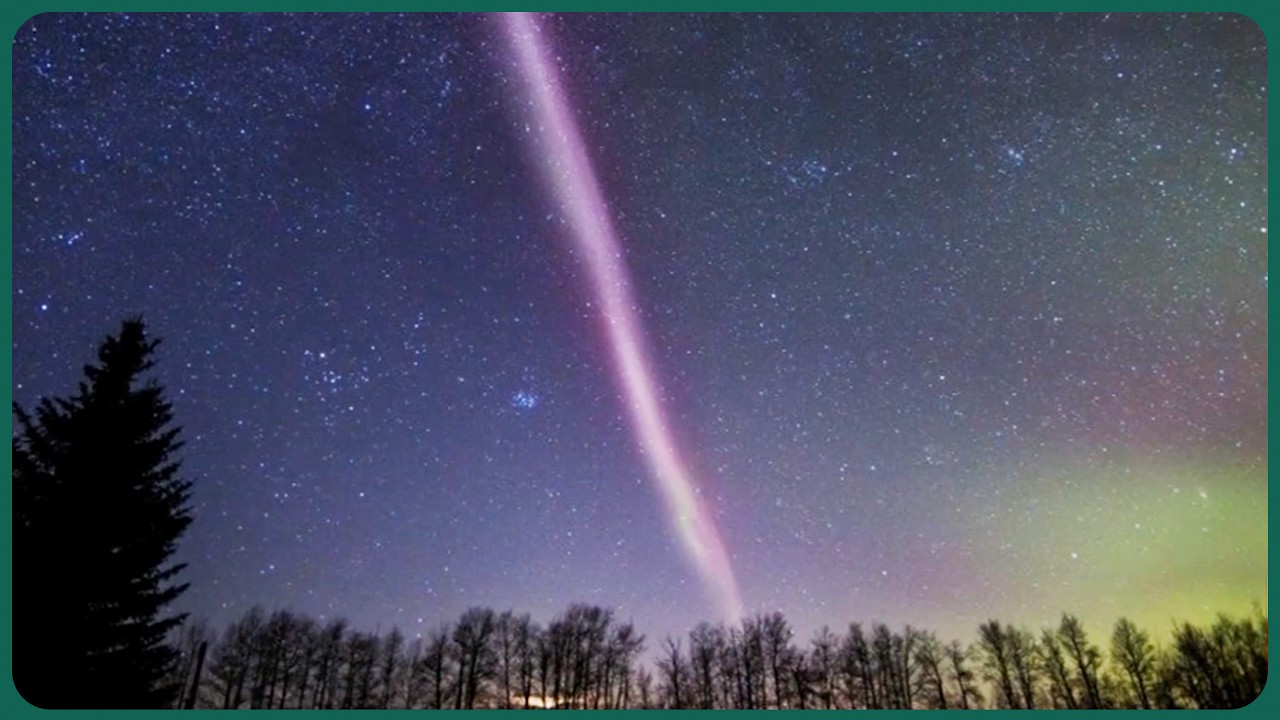
Amateur photographers capture a newly identified atmospheric phenomenon in the night sky, sparking intrigue and scientific exploration.
Approximately 90 common ravens have been marked with colored chips at a research station in Austria to study their behavior and intelligence.
Dick Proenneke's life in the Alaskan wilderness showcases his self-reliance and deep connection to nature as he builds a log cabin and captures stunning wildlife.
13-year-old Liza from Siberia dreams of becoming a model as scouts search for young talent across the vast region.
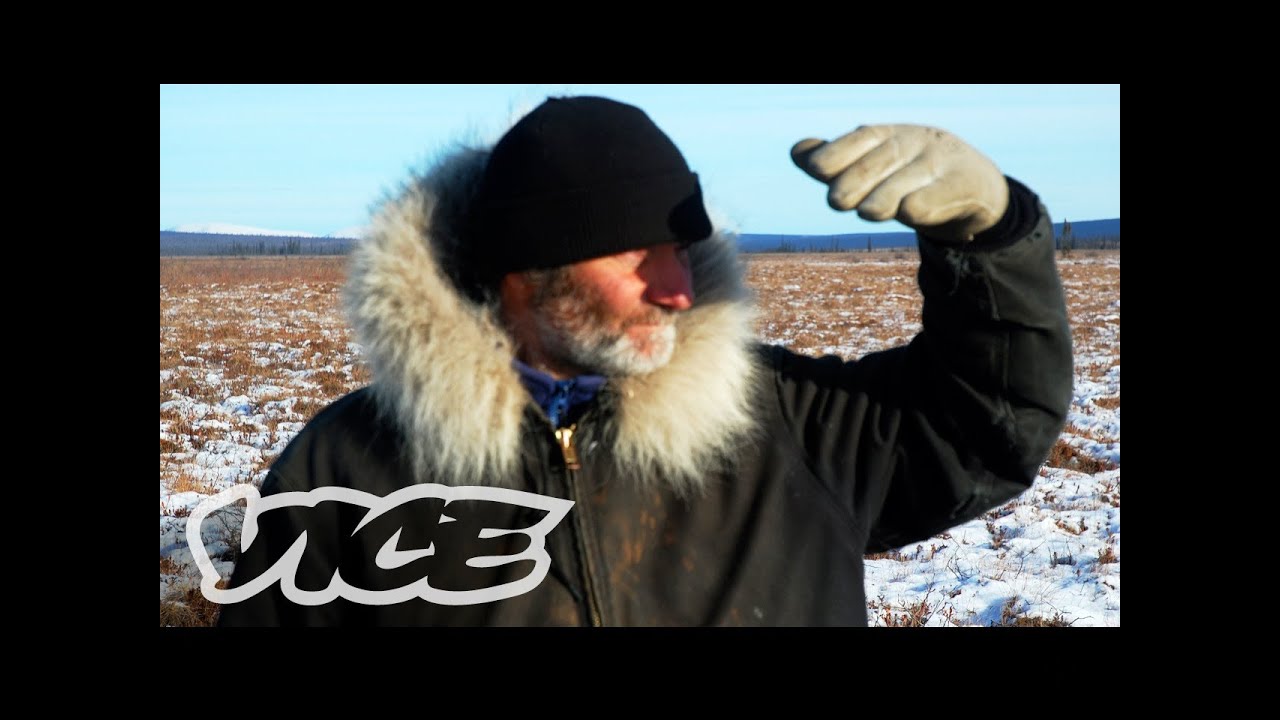
Heimo Korth and his wife Edna live more than 150 miles above the Arctic Circle, relying on traditional skills to survive in the Alaskan wilderness.
A hagfish, which can grow to twice the length of a man, uses its jawless mouth to consume dead bodies on the ocean floor.
300 hungry crocodiles live in the Grumeti River, where they ambush wildebeests as they attempt to drink water.
Over a hundred divers have died at the Blue Hole, a dive site on Egypt's Red Sea coast, prompting Monty Halls to investigate the dangers it presents.
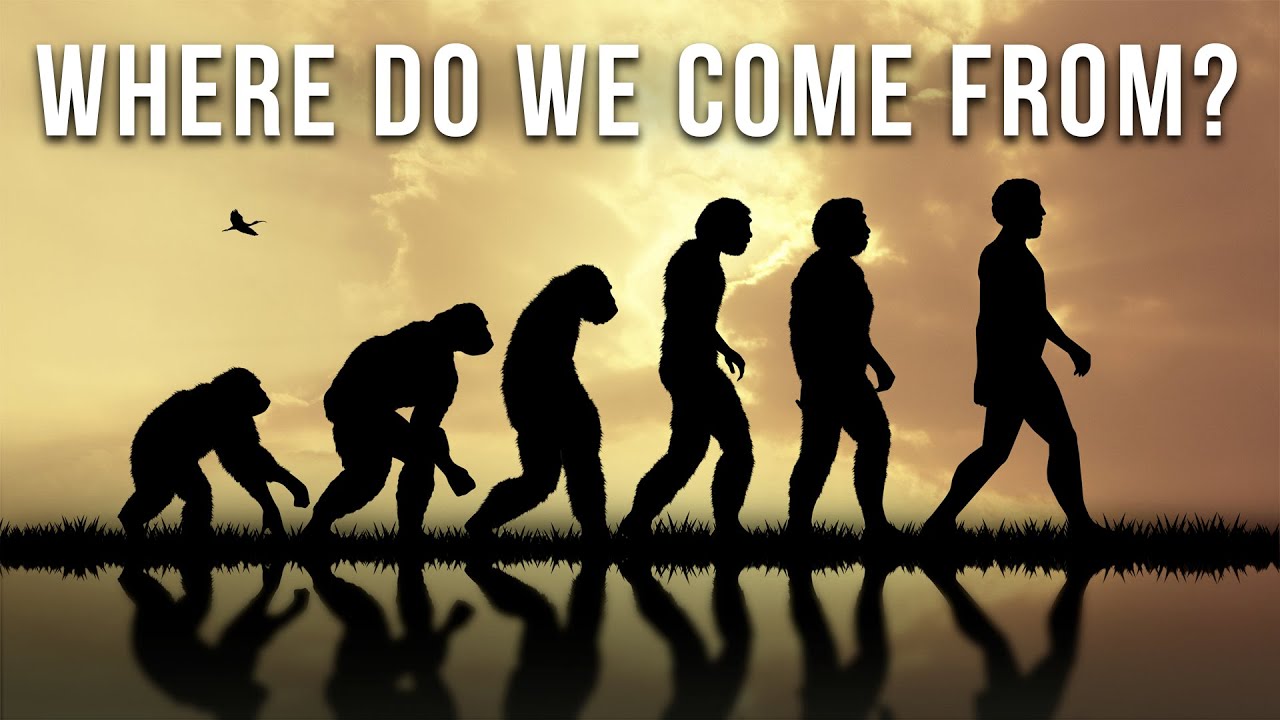
Homo sapiens emerged 200,000 years ago after a 3.3 billion year battle for survival, evolving from single-celled organisms to the most complex creatures on Earth.
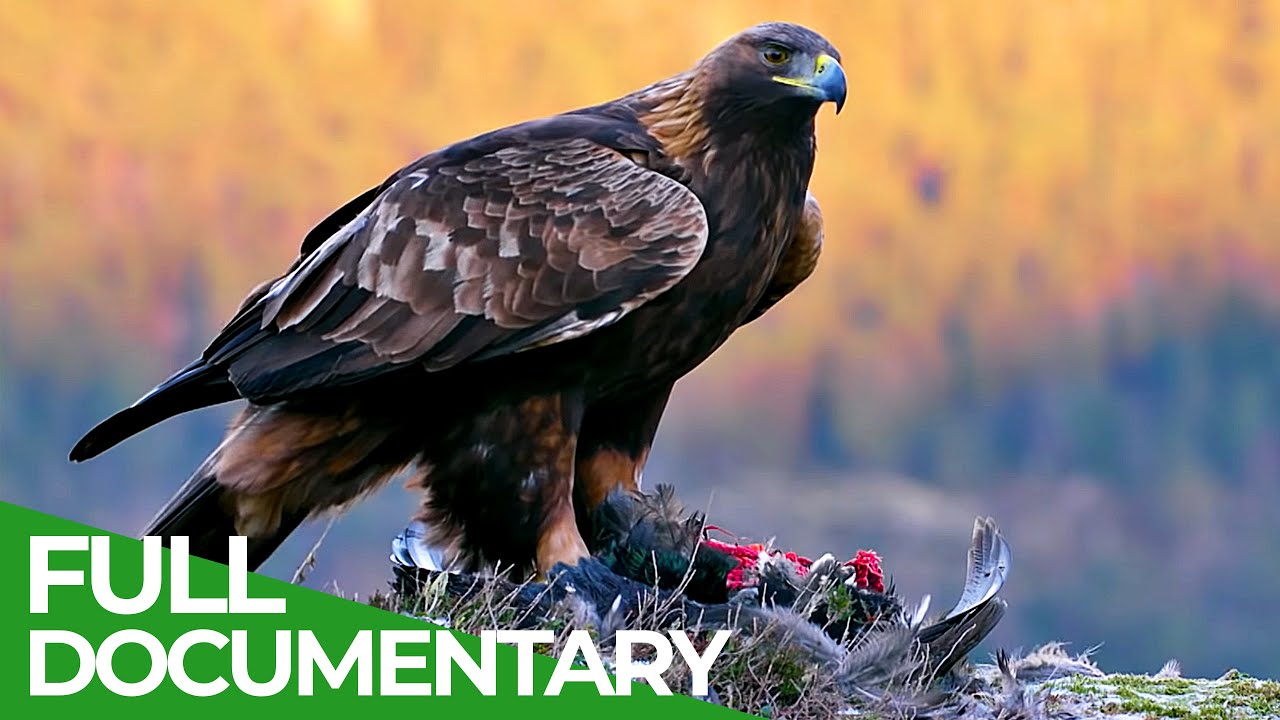
Golden eagles mate up to 30 times before the female lays her eggs in early April, ensuring the continuation of their species in harsh Scandinavian winters.
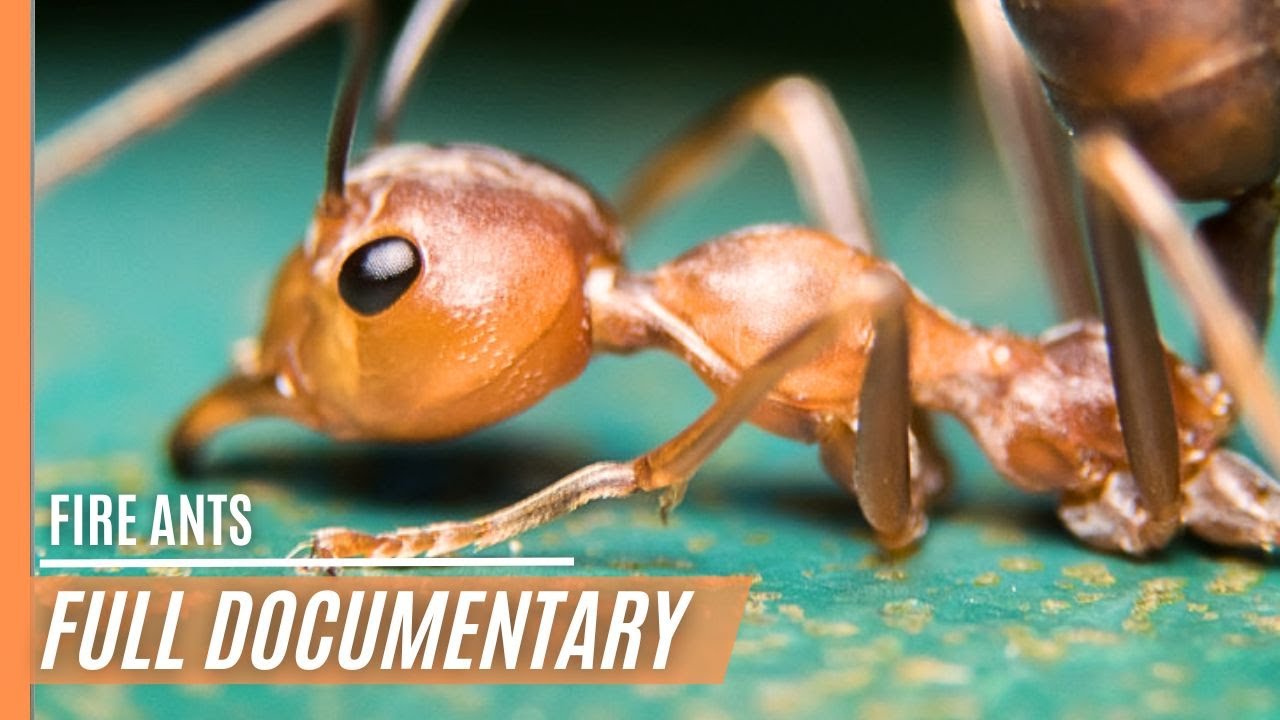
For 80 years, fire ants have caused an estimated six billion dollars in annual crop damage, equipment repair, and pest control costs across the United States.
Cassis and the Calanques are among the key coastal areas featured in a visual presentation of Provence's landscapes and historic towns.
Rio, a ten-year-old scarlet macaw, attempts a string pull test to retrieve a peanut, demonstrating problem-solving skills previously underestimated in birds.
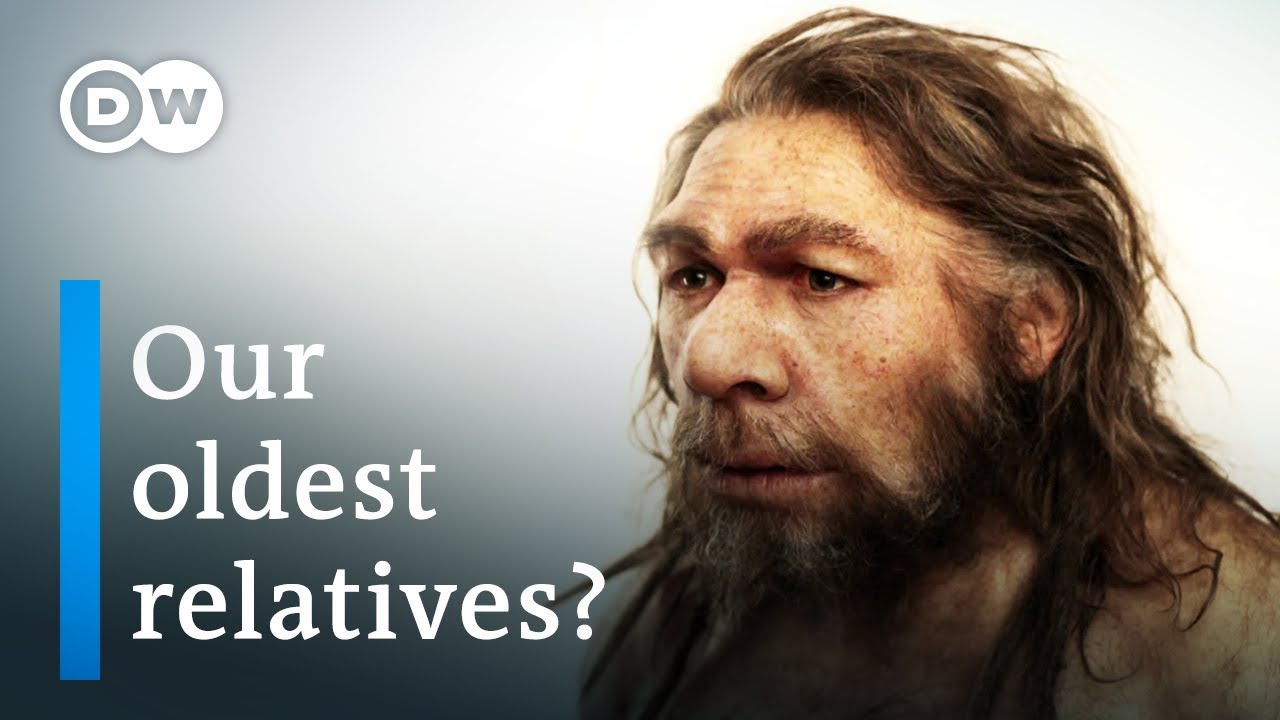
Neanderthals survived for about 300,000 years in harsh ice age conditions, adapting their physical traits to endure extreme cold and low sea levels.
In a collaboration between BBC Earth and OceanX Media, a 10-hour loop showcases the vibrant colors and diverse marine life of the world's oceans.