From over 100,000 films, discover the handful you'll love.
Free or premium access to the world's largest documentary library.
7951 films(Page 43 of 166)
Birds of prey, including falcons, eagles, and owls, employ unique survival strategies to defend against predators while maintaining their ecological roles.
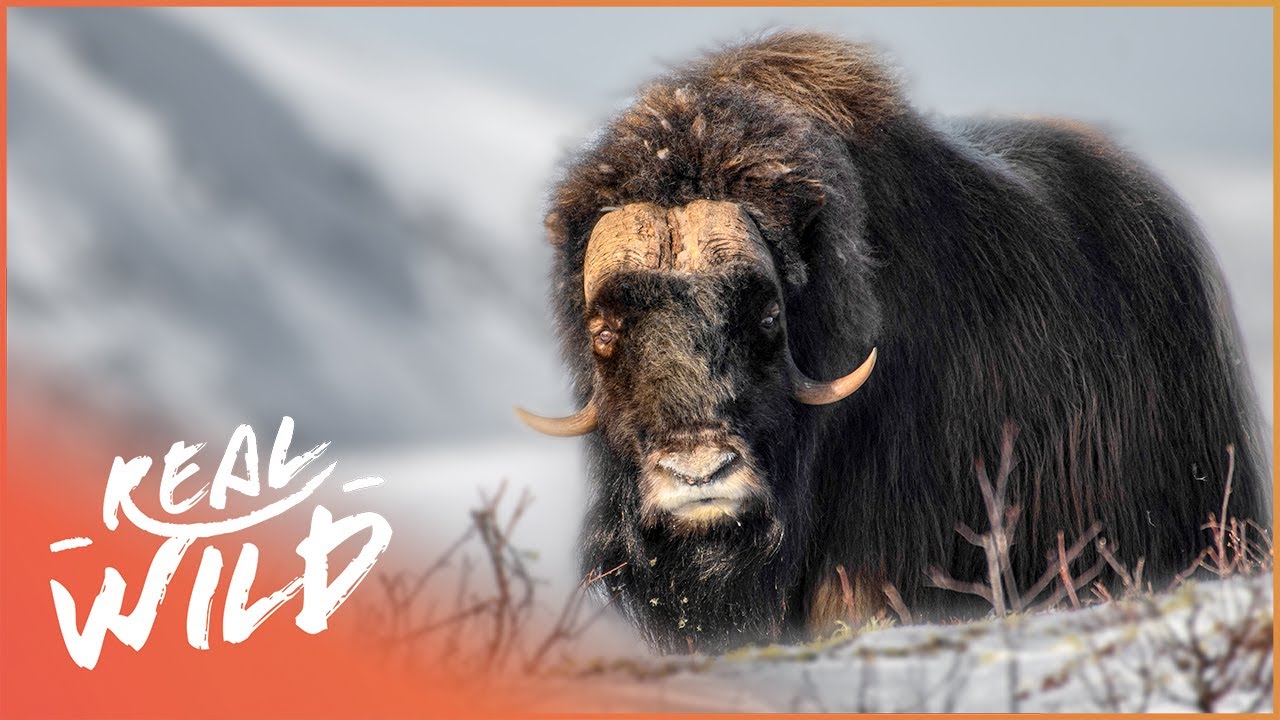
In eastern Siberia, a Canadian experiment involving Muskox is revealing insights into their reintroduction and the discovery of the Nickolai Mammoth.
A young woman lost in the Grand Canyon faces extreme survival challenges, including dehydration and treacherous terrain, as she navigates the sub-canyons.
Central Europe's landscapes are showcased in high-definition, highlighting the vibrant colors of spring and the influence of climate and astronomy on life cycles.
Gary Cohen searches for ocean diamonds off the South African coast, risking his life for a chance to find gems worth millions.
Venomous animals such as the inland taipan, Gila monster, blue-ringed octopus, redback spider, and Sydney funnel-web spider are analyzed for their unique adaptations and potent venoms.
In the Maasai Mara National Reserve, the dynamics of predator and prey unfold during the great wildebeest migration, showcasing Kenya's rich wildlife ecosystem.
Marmots and ibex in the Swiss Alps exhibit unique survival strategies during the harsh winter months, showcasing their adaptations to extreme cold and limited resources.
Maternal instinct is a universal phenomenon influencing motherhood today and its challenges.
Chris Sullivan suffered a leg injury to the bone after a shark bit him while he was surfing on South Africa's Cape Coast.
One male gannet fights for his nesting territory, risking fatal injury in a struggle that lasts over an hour against an aggressive intruder.
Healthy desert elephants roam for up to 10,000 km a year in search of food in the Namib Desert's harsh environment.
Yellowstone National Park's diverse wildlife, including bison, wolves, grizzly bears, and elk, adapts to the challenges of seasonal changes throughout the year.
A military training area in Germany, spanning 40,000 football pitches, has become a sanctuary for rare wildlife, including large herds of fallow deer.
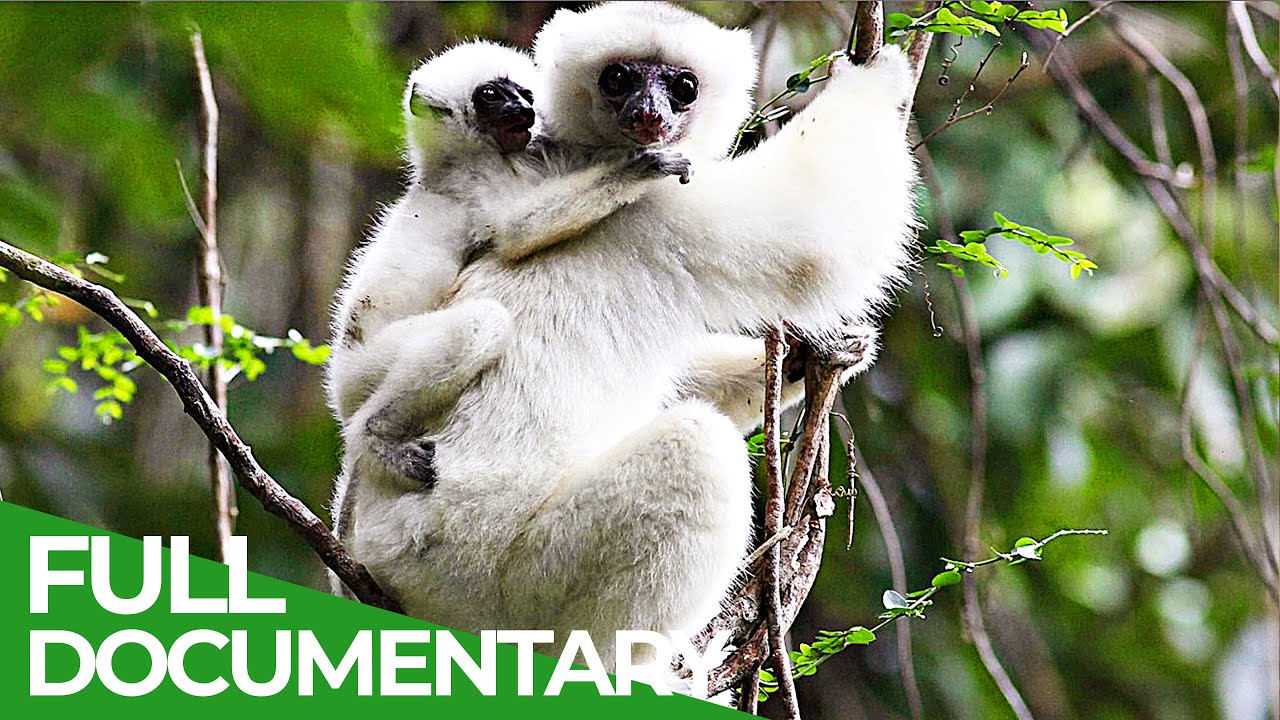
In north-eastern Madagascar, an American primatologist and a Malagasy conservationist work to protect the critically endangered Silky Sifakas from illegal logging threats.
Nocturnal animals have evolved unique adaptations to thrive in darkness, allowing them to evade predators and efficiently share resources in their habitats.
In central Europe, scientists monitor the rare lynx, while conservationists in Africa protect lowland gorillas and manatees in Florida, highlighting global efforts to save endangered species.
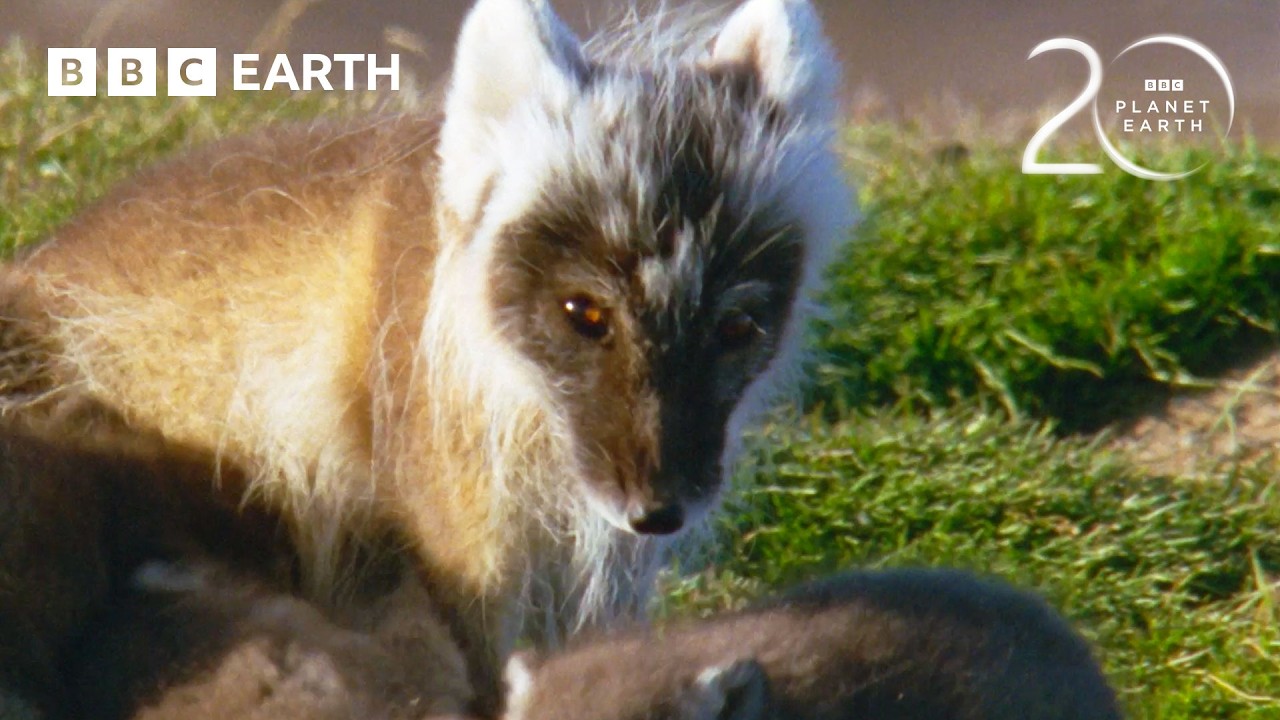
Celebrating 20 years of the acclaimed series, this compilation highlights iconic moments from the BBC's Planet Earth, narrated by David Attenborough.
Brazil's Atlantic Forest, a global biodiversity hotspot, is explored through its unique wildlife and the challenges faced by endangered species in Serra do Mar State Park.
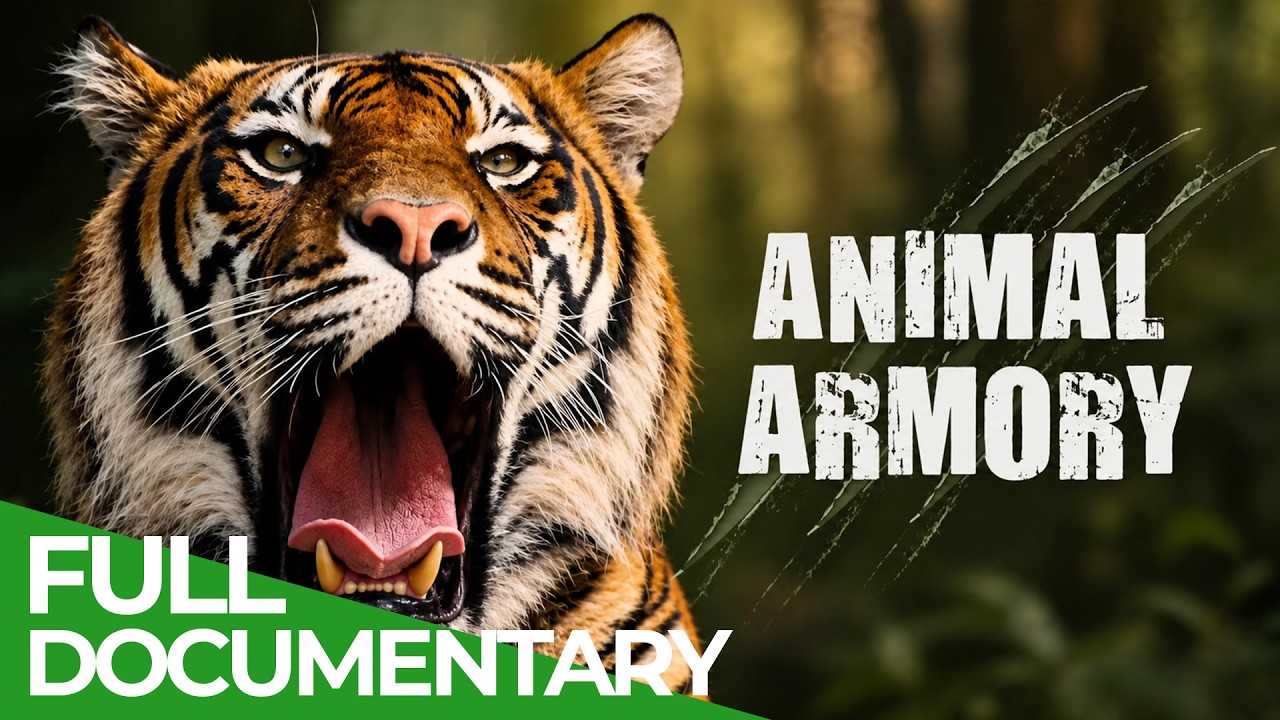
Animals have evolved a range of extraordinary survival tools, including teeth, claws, venom, and camouflage, to navigate the challenges of their environments.
Humans have always been fascinated by the giants of nature, from tigers to polar bears.
The genet, known as the Queen of the Night, is a highly adaptable carnivore that thrives in various ecosystems across the Mediterranean forest.
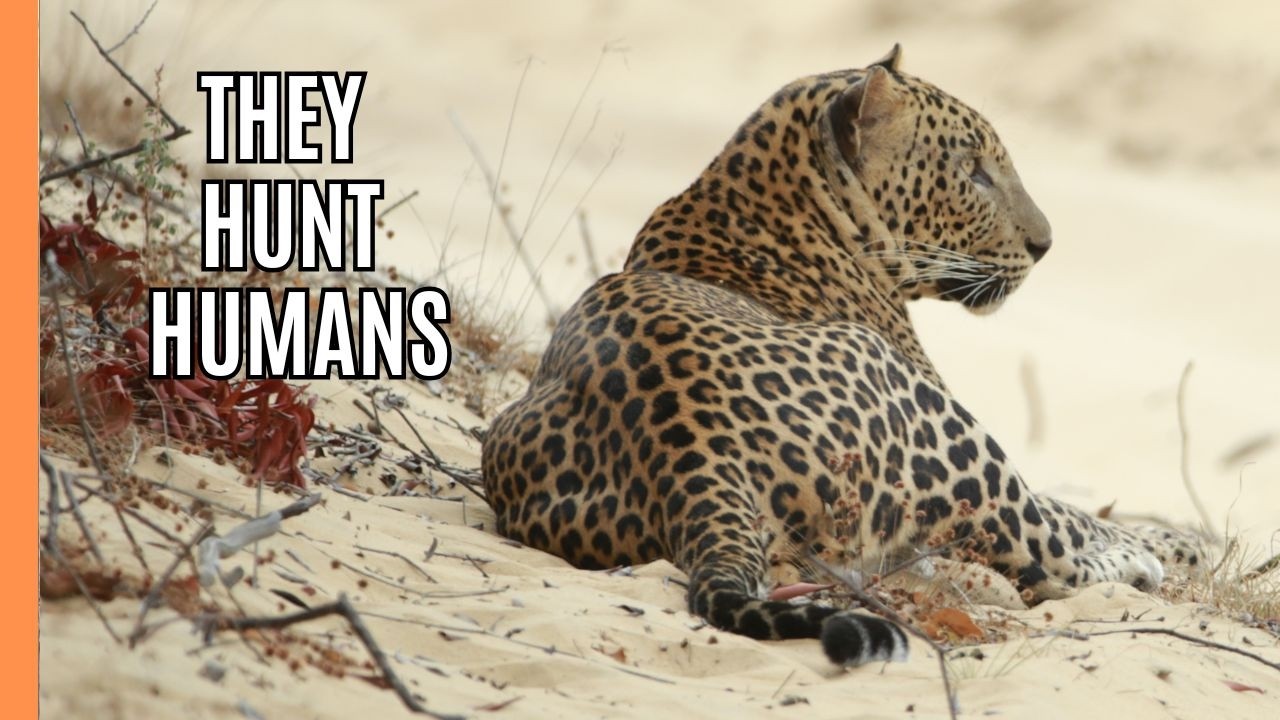
A leopard killed over 20 people in the village of Punani during the 1920s, marking Sri Lanka's first known case of a man-eater.
Human-bear encounters are increasing as urban development encroaches on wildlife habitats, prompting ecologist Rae Wynn-Grant to share insights and safety tips.
Nairobi, a bustling metropolis of around 3 million people, is uniquely bordered by Nairobi National Park, home to diverse wildlife and expansive savannahs.
In the Okavango Delta, a live filming camp offers an exclusive behind-the-scenes look at the daily lives of big cats and a special Q&A session.
Parque Natural do Sudoeste Alentejano e Costa Vicentina, a protected coastal region in southwest Portugal, features diverse ecosystems and rich wildlife, remaining largely untouched by tourism.
A 1,000-ton Baptist church built in 1806 is relocated in Salem, Massachusetts, to become a new courthouse law library after six months of work.
In Patagonia's Torres del Paine Park and Peru's Manu, Art Wolfe explores diverse wildlife, including guanacos, Andean Condors, Amazonian Parrots, and tree frogs.
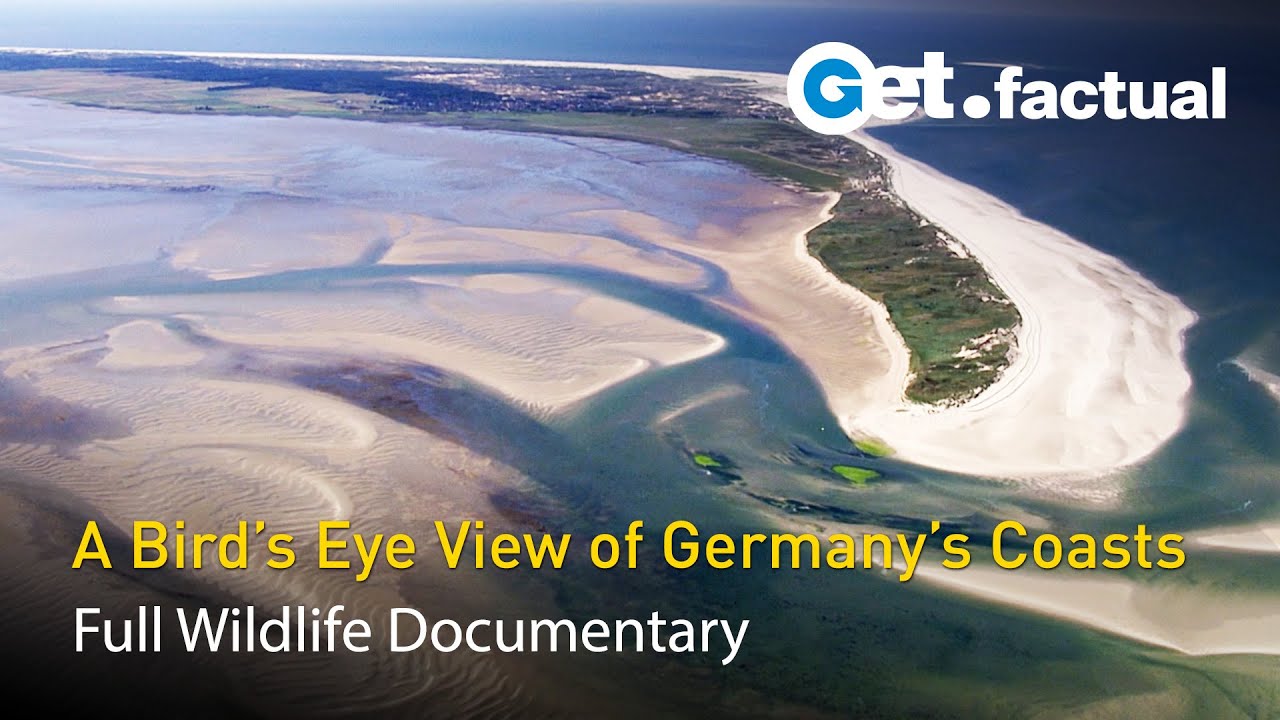
2,400 kilometers of coastline along the North and Baltic Seas host diverse wildlife, including seals, seabirds, and migratory birds.
Around 25 million square kilometers of sea ice will gradually disappear during the summer thaw, revealing islands that support diverse Arctic wildlife.
Koalas, iconic to the Australian East Coast, are showcased in their natural habitat, highlighting their unique ecosystem and laid-back lifestyle.
Invasive species like raccoons, Asian tiger mosquitoes, and hogweed threaten native ecosystems, prompting investigations into their impact and control measures.
Yellowstone National Park, established in 1872, is home to grey wolves, grizzly bears, bison, and antelope across its vast landscapes and ecosystems.
The Carnic Alps, located in Austria's southern region, serve as a natural border where Slovenian, German, and Italian cultures converge amidst diverse geological formations.
The Danube River, flowing through ten countries, faces ecological challenges from human modifications and ongoing debates over its preservation in Bavaria.
In various natural and domestic settings, a wide range of adorable baby animals exhibit playful behaviors and interactions that highlight their charm.
In Jamaica, the American Crocodile faces habitat loss due to construction and hunting, prompting efforts to preserve its cultural heritage and ensure its survival.
Xavier, a French ornithologist, explores Ecuador's diverse ecosystems, including the Andes mountains and the Amazon Basin, in search of new wildlife species.
Photographer Ben Horton offers practical tips for capturing outdoor images, focusing on composition and lighting in Napa Valley during National Get Outdoors Day.
Over 100,000 people live in 50 nearby villages, putting pressure on the Arabuko forest, the last habitat of the endangered elephant shrew in Kenya.
The Haïda tribe, known as the Salmon People, faces cultural and environmental challenges as salmon populations decline off the northwestern coast of Canada.
As winter approaches Northern Europe, hundreds of thousands of birds embark on a migration to the Iberian Peninsula, seeking refuge from the cold.
A mother hedgehog cares for her hoglets while a dragonfly hatches, revealing the intricate life in European gardens and forests.
As ice sheets receded, saber-tooths like Smilodon faced extinction while adaptable big cats such as pumas and leopards thrived in diverse environments.
In Madagascar, two families of lemurs-the ringtailed in Berenty and the sifakas in Nosy Mangabe National Park-face threats from deforestation and poaching.
With 1.4 billion cows globally, their success story is intertwined with their wild ancestors, showcasing the evolution of cattle from hunted species to mass production.
Antelopes, with over 70 species native to Africa, showcase a stunning variety of horns, fur colors, and patterns, highlighting their elegance and agility.