From over 100,000 films, discover the handful you'll love.
Free or premium access to the world's largest documentary library.
7943 films(Page 123 of 166)
Pemberton's terrain offers unique challenges and fun, often overlooked by visitors.
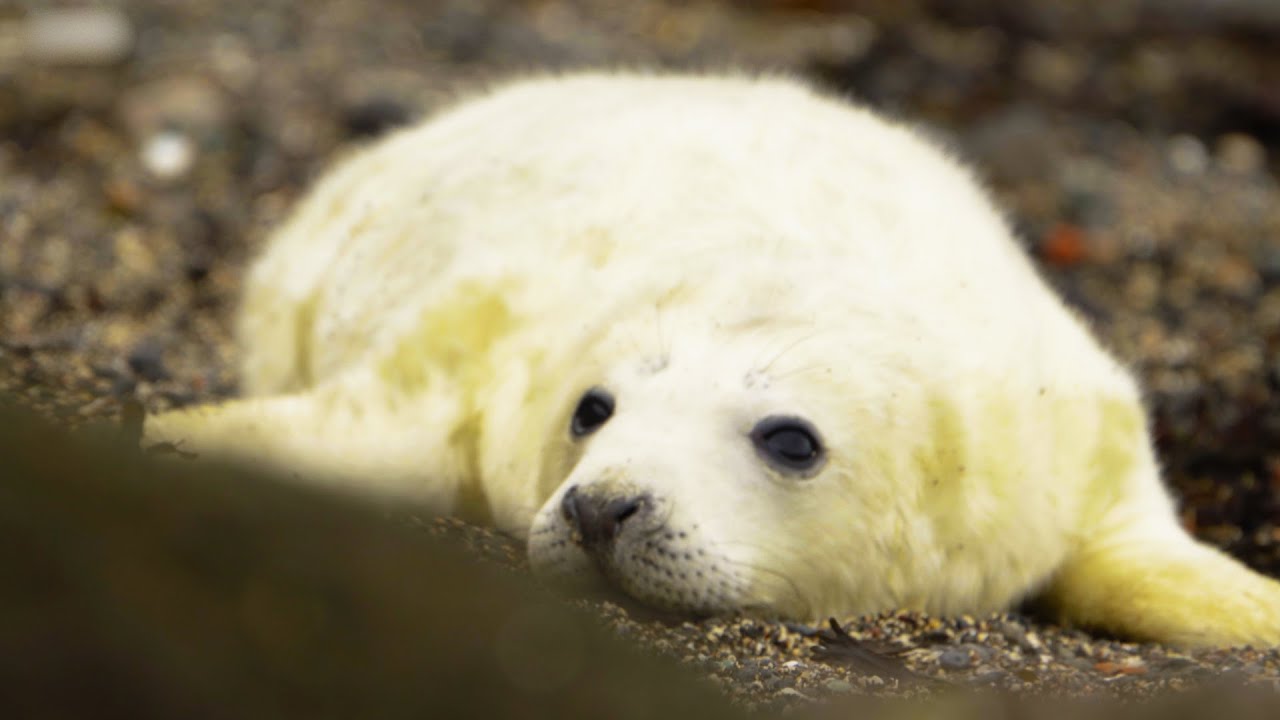
An abandoned private island in Scotland serves as a habitat for baby seals, cave spiders, and long-eared owls, showcasing nature's resilience after human abandonment.
At Totternhoe Wildlife Trust Nature Reserve, herping activities reveal the habitats and characteristics of slow worms, common toads, and other British reptiles and amphibians.
In an abandoned coal mine, wildlife filmmaker Dan O'Neill and zoologist Yussef Rafik explore how nature reclaims forgotten spaces.
Ennedi massif in northern Chad, a hidden oasis in the Sahara, hosts unique flora and fauna, including the last surviving crocodiles from 4,000 years ago.
More than three tons of fish were caught by the Saint fishermen on the first day of the tuna season, a tradition passed down for five generations.
About 200 pirogues leave the village during the autumn equinox, as families gather to fish and prepare for the rainy season ahead.
Five horses are used to access the Candlesticks, a mountain range in Aotearoa New Zealand that had never been skied before.
Over 20 years, Terry Masear has rehabilitated injured hummingbirds, working tirelessly to save each delicate bird that comes her way.
Capture teams aim to relocate 20 to 30 wolves to Isle Royale National Park over a three to five-year period to address declining populations.
Peregrine falcons can reach speeds of up to 400 kilometers an hour, making them the fastest animals in the world.
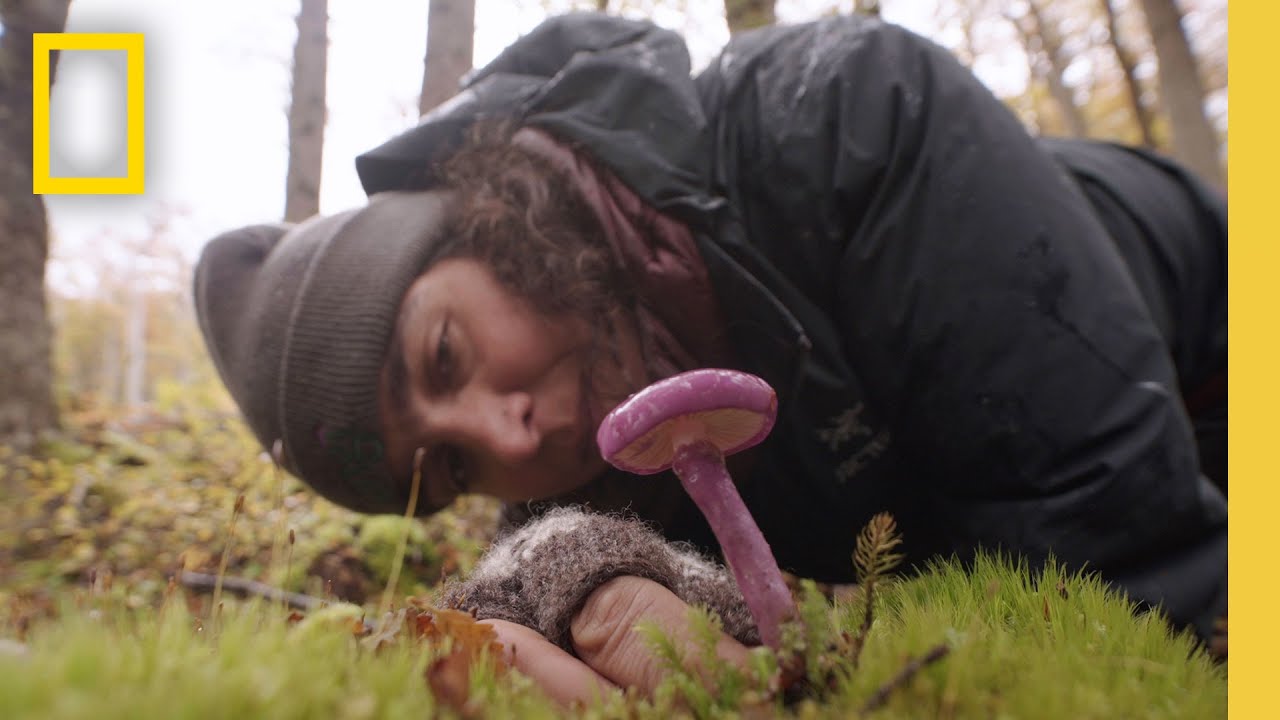
Three scientists survey fungal diversity in Tierra del Fuego, arguing that without fungi, plants and animals cannot survive.
In South Florida, black bear biologist Shelby Shiver and her all-female team from the Florida Fish and Wildlife Conservation Commission capture and tag bears to assess population connectivity and conservation needs.
Rodrigo Medellin has studied bats for 46 years and aims to document the elusive greater false vampire bat in the Yucatan rainforest.
Seven family members collaborate on a seaweed farming project to improve coastal environments and address the decline of marine ecosystems.
Elephants mourning their deceased herd members and a newborn panda reuniting with its mother illustrate the emotional lives of animals and the importance of biodiversity.
A 200-year-old tree stands in Olympic National Park, where chef Melissa King and fungal ecologist Korena Mafune forage for mushrooms in an old-growth forest.
Soldiers in the Amazon face intense training, including a survival phase where they must rely only on a knife and their wits to find food.
Forest fires threaten wildlife habitats and fish populations, while showcasing U.S. Bureau of Fisheries' hatcheries and proper campfire safety.
In the Arctic forests of Norway, Nellie Nilsen explores plant life cycles and challenges common misconceptions about fruit in the BBC Earth series From Plant To Planet.
Three lost species of sharks were last seen off the southeast coast of South Africa, where over a third of the world's shark species converge.
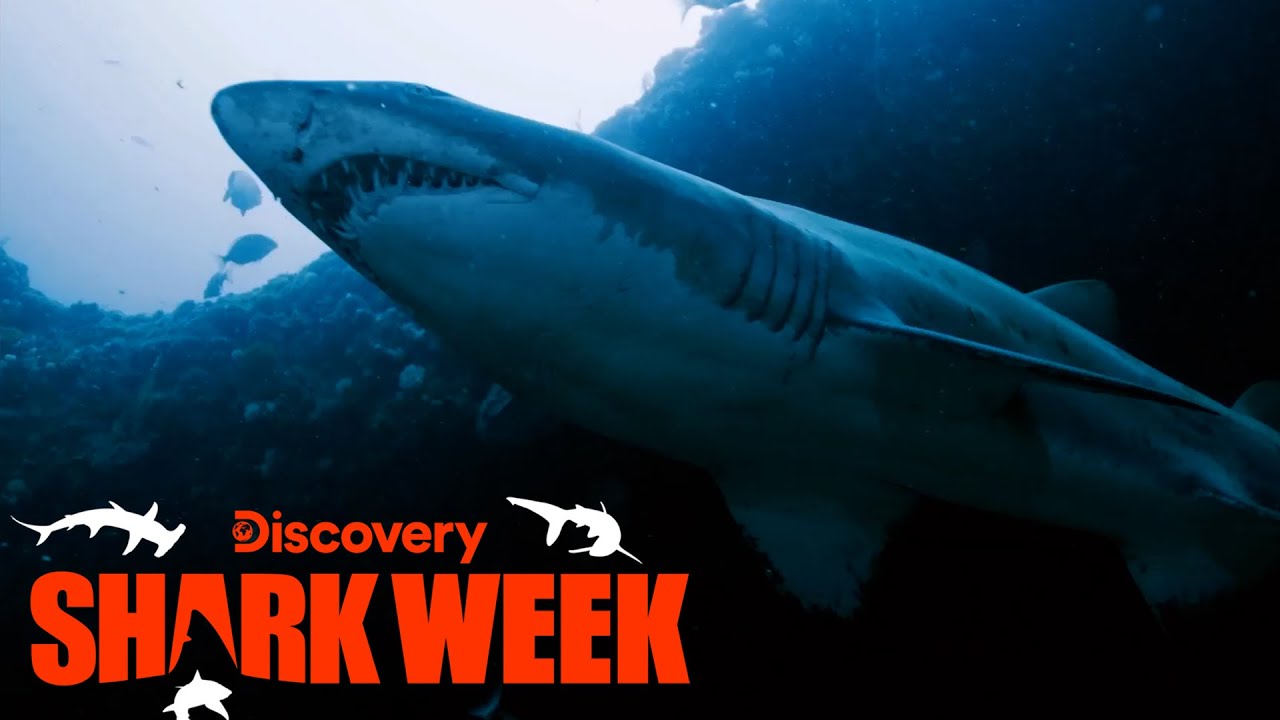
A 12-foot sleeper shark is filmed at the ocean's surface, marking a rare encounter with this elusive species during Shark Week 2023.
Patch Wilson's experiences surfing the unpredictable waters of Ireland's West Coast over three seasons highlight the beauty and challenges of the sport.
Franco became the youngest captain in the Spanish Army at age 22, later leading a military coup that established his dictatorship for nearly 40 years.
Cheetahs in Africa and Iran are documented by photographer Frans Lanting and filmmaker Christine Eckstrom, highlighting the challenges faced by "supermoms" raising their young.
Lolita, an orca, has performed at Miami Seaquarium up to three times a day for 43 years, drawing thousands of visitors each week.
Twenty children search for the jaglak ant, believed to be powerful enough to drive away destructive termites from a home in northern Cameroon.
Hamed Valy founded Afghanistan's first modeling agency, Modelstan, in 2019, but fled to Germany after receiving death threats from the Taliban.
The Antakarana people of Madagascar adapt to ocean hunting after fleeing inland agriculture.
Samburu National Reserve in Kenya hosts diverse wildlife from elephants to large felines.
In New Brunswick's Bay of Fundy, a national park offers eighty square miles of diverse recreational activities and natural beauty for vacationers.
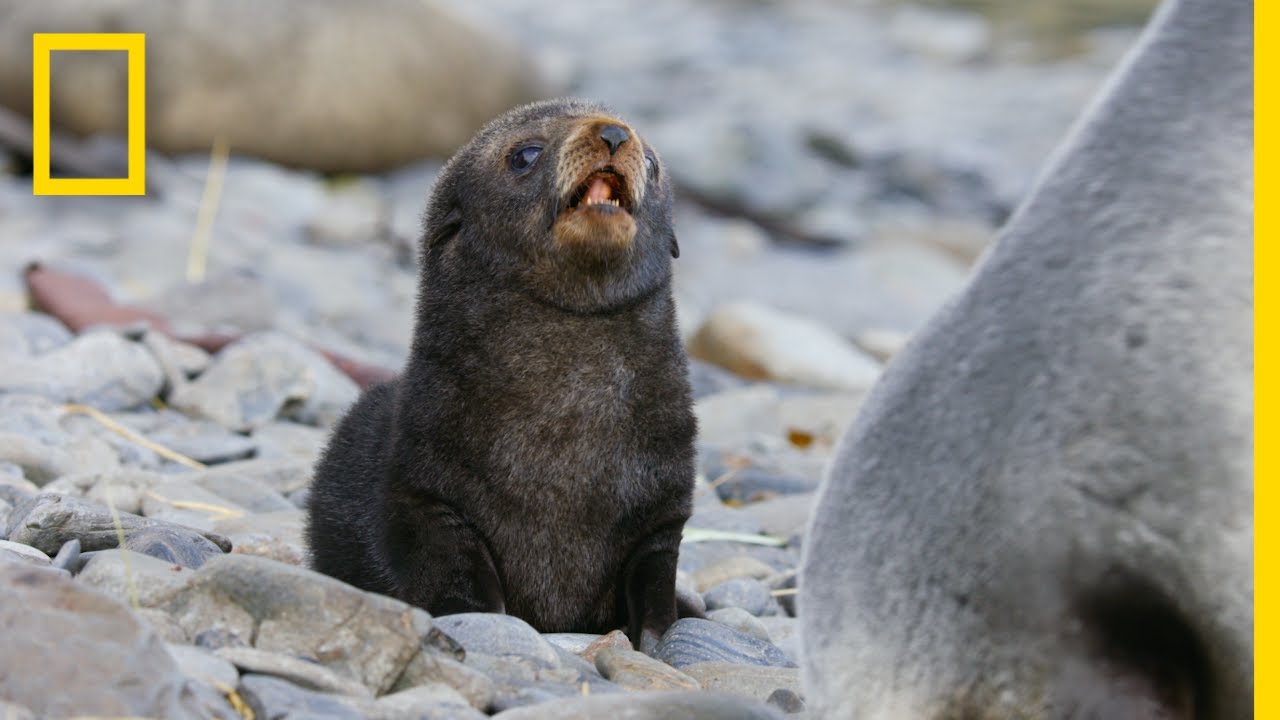
Over 3 million Antarctic fur seals now inhabit South Georgia Island, rebounding from a population of just 400 individuals due to past hunting.
Gabon’s extensive rainforests, home to Africa's largest population of forest elephants, face threats from poaching and habitat loss as conservationists work to protect this endangered species.
Five million years ago, the Galapagos Islands emerged from the sea, evolving unique species due to their geographical isolation from the continent of America.
Falconry in Pakistan demands immense dedication, as practitioners form deep bonds with their birds while navigating the challenges of training and care.
Fifteen million years ago, primates adapted to a fruit-based diet while also consuming insects and eggs, a behavior that continues today.
33 species of lemur survive in Madagascar, each dependent on specific plant species for their specialized vegetarian diet.
This Spanish video details the eating habits of elephants and their impact on Africa's ecosystem.
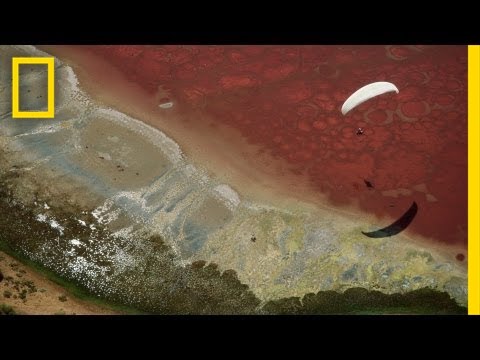
George Steinmetz showcases his aerial photography skills by exploring remote and inhospitable locations around the globe using a paraglider.
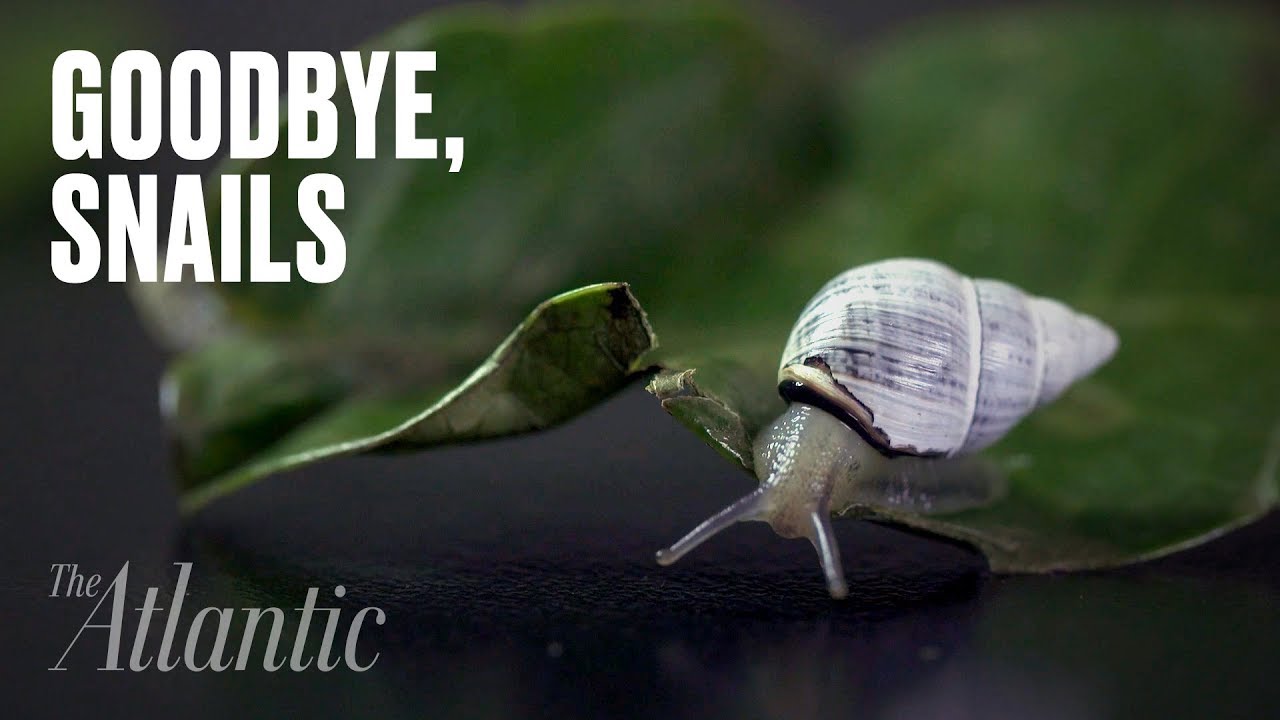
Three thousand individual snails from 38 species are housed in chambers, all either extinct in the wild or close to extinction.
More than six million visitors attend Oktoberfest each year, where women increasingly take on roles traditionally held by men, such as tent managers and rickshaw drivers.
Two days before eviction, a tenant pleads for more time, questioning how a landlord can throw a 16-year-old out on the street.
In Nepal's Himalayas, a young boy joins honey hunters battling giant bees and sheer cliffs.
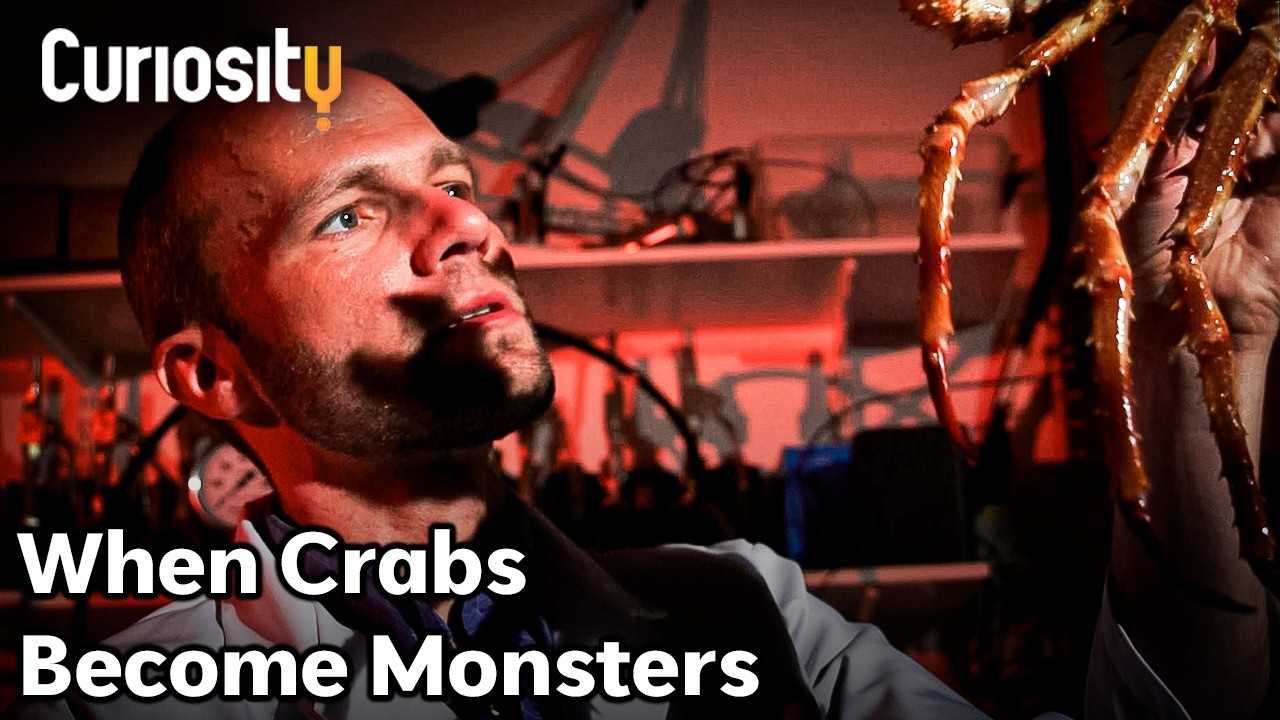
Monster crabs invade the Pacific and Atlantic, causing ecological devastation in their wake.
In the deep ocean surrounding Antarctica, polar gigantism leads to the existence of enormous invertebrates thriving beneath the ice sheets.
In Gujarat's Gir National Park, conservation efforts are vital for the survival of the endangered Asian lion amid increasing human encroachment.
70% of the Asian lions' diet now comes from wild herbivores, as the Maldharis adapt their livestock practices to coexist with these predators.
21,000 livestock animals grazed in the Gir region in 1965, consuming 90% of the grass and threatening the survival of wild herbivores.