From over 100,000 films, discover the handful you'll love.
Free or premium access to the world's largest documentary library.
7943 films(Page 139 of 166)
Wrangel Island's mammoths, the last of their kind, faced a mutational meltdown in their final years after millions of years of thriving across the globe.
Doug tests the sharpness of the Kabyle Flyssa blades in this episode of Forged in Fire.
Thirty horses disappeared from the Karena family's farm in New Zealand, prompting a search for answers amid personal and financial struggles.
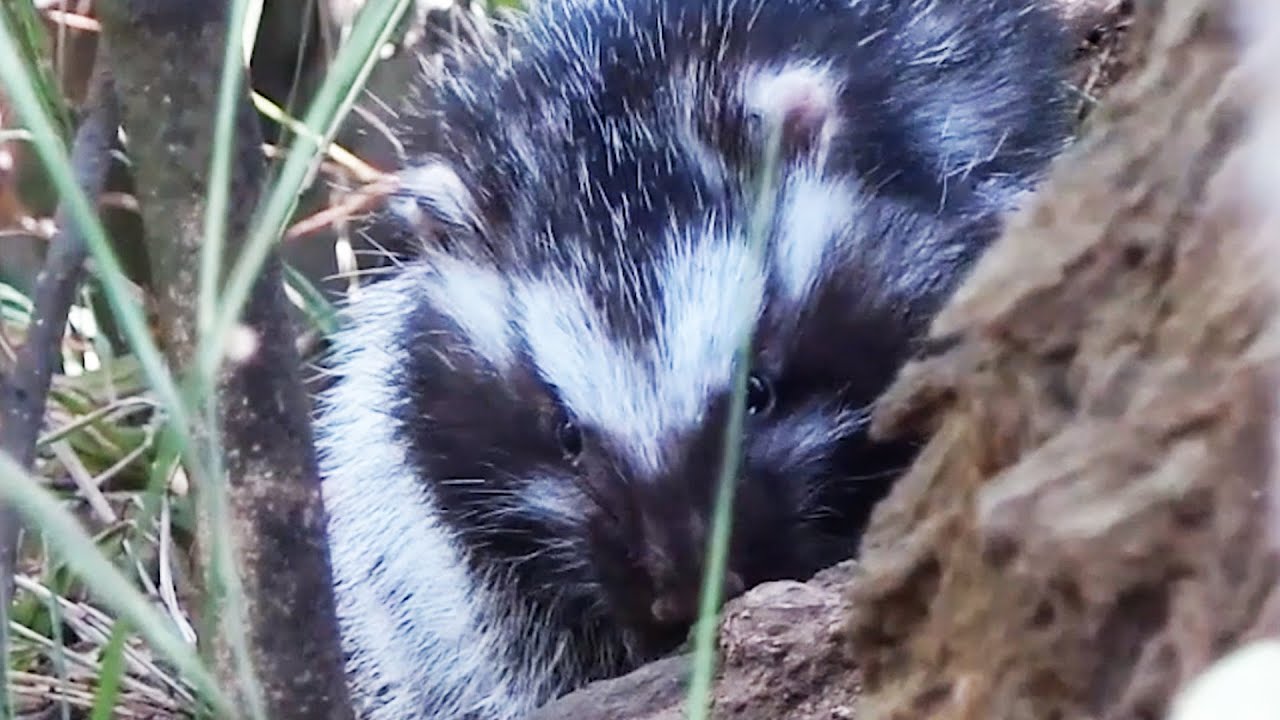
Chris Packham and Megan McCubbin explore the unique characteristics of a rat with poisonous fur while explaining the differences between venom and poison in the animal kingdom.
Samburu National Reserve in Kenya shelters unique wildlife adapted to extreme conditions.
The Kogis of Sierra Nevada in Colombia live in harmony with nature for over 500 years.
In the Isle of Pines, Joachim and Nasser exemplify the Kunies' exceptional skills in giant lobster fishing and traditional pirogue construction.
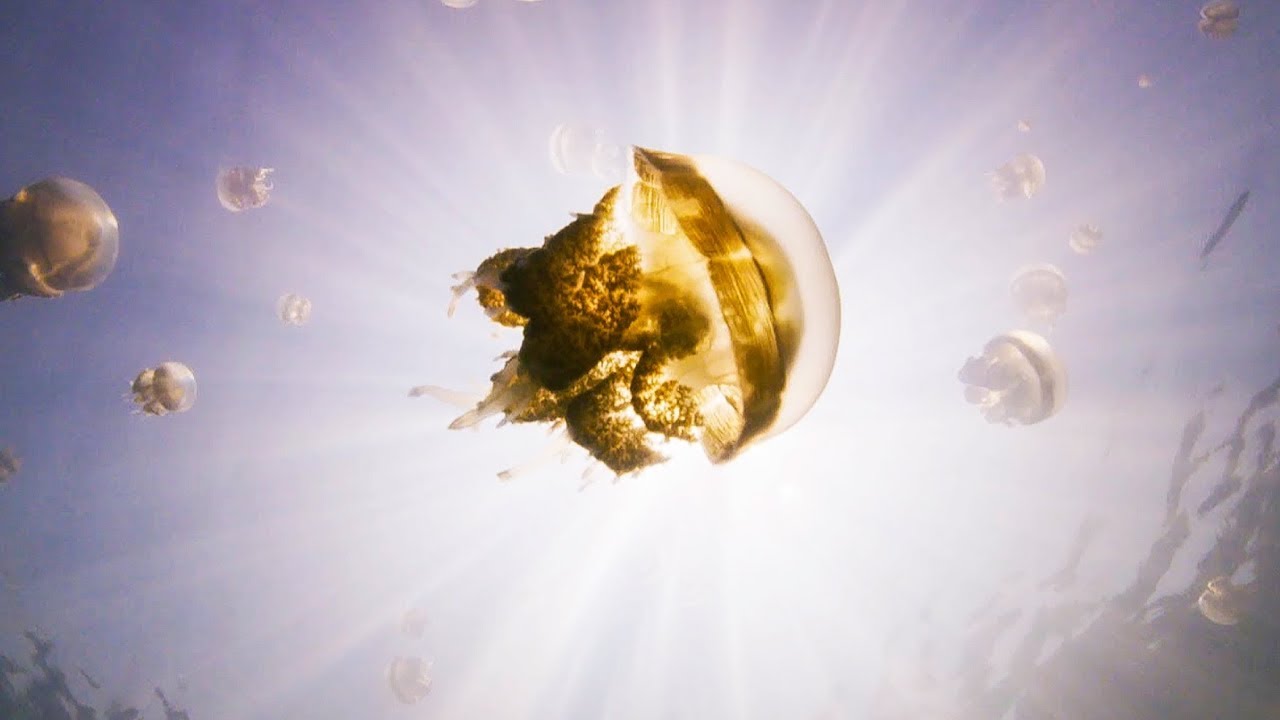
In Borneo, a unique lake hosts over one million jellyfish that have evolved to photosynthesize using algae, ensuring a constant food supply.
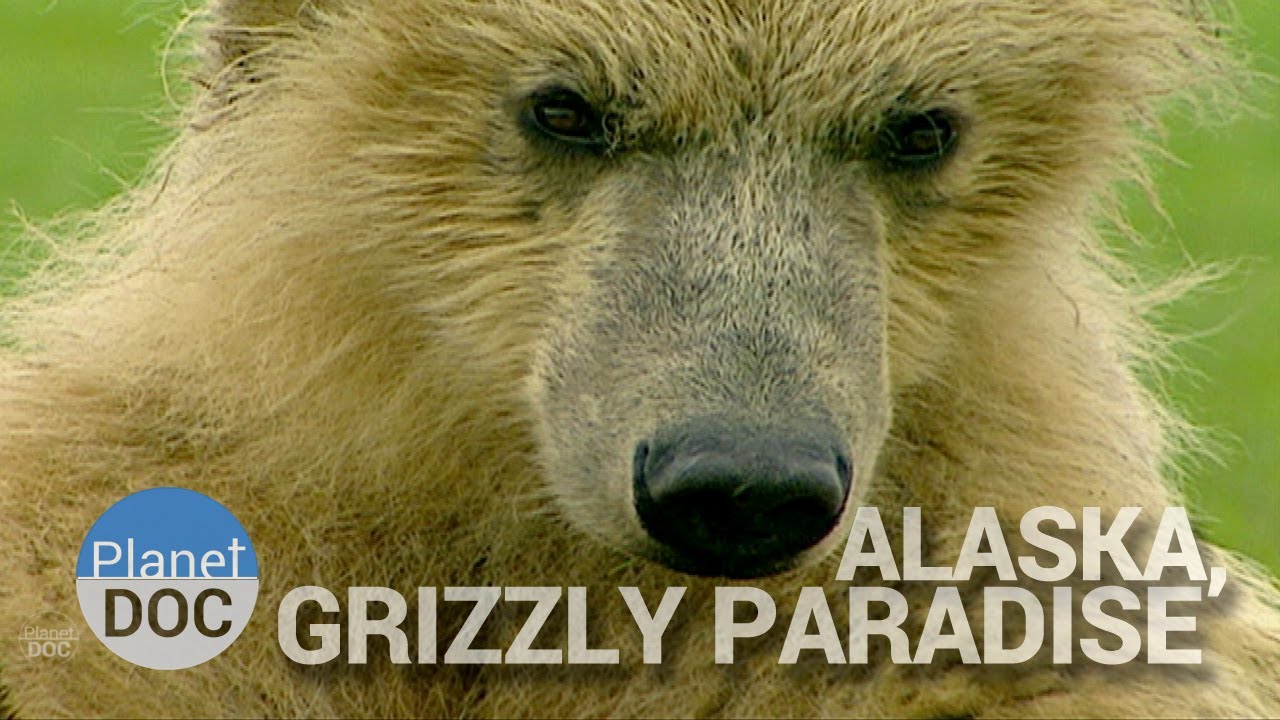
One and a half million square kilometers of Alaska's wilderness support a diverse ecosystem, including the iconic grizzly bears that roam its vast landscapes.
Thousands of salmon return to their spawning grounds, facing rapids and predators as they navigate the river to complete their life cycle.
Millions of salmon return to Alaska's rivers each summer, triggering a feeding frenzy among bears, seals, and orcas in the coastal ecosystems.
A female salmon lays over 4,000 eggs in a river bed after swimming thousands of miles and overcoming many challenges.
Grizzly bears face increased danger in spring as hunger drives adult males to potentially kill young bears for food.
One elephant is captured and tamed by the Mnong people, who regard these animals as family members and maintain a sacred bond with them.
In Gibraltar, the endangered Barbary macaque faces habitat competition from approximately one thousand daily tourists, raising questions about human-animal coexistence.
Remote lochs in Scotland serve as the backdrop for a challenging paddling expedition that tests the limits of adaptability and resilience amid nature's elements.
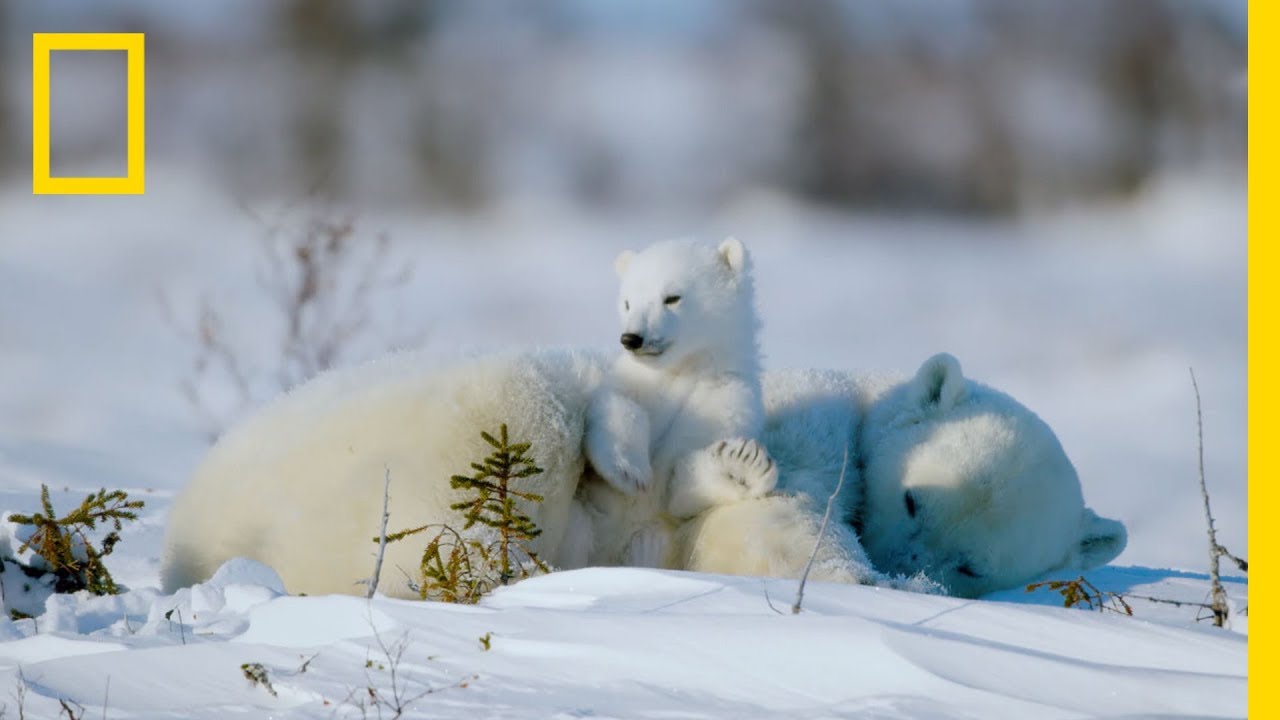
In the Arctic, a female polar bear faces a critical decision between nurturing her newborn cub and embarking on a 40-mile trek to hunt for food.
The Baaka Pygmies of Central African Republic perform Pongo dances and gather honey in Bayanga.
Various animal species exhibit intricate behaviors and survival strategies across diverse ecosystems, emphasizing the significance of biodiversity and conservation.
At age 9, Alveiro Vargas and his friends in Bucaramanga, Colombia, began providing food and care for abandoned elderly residents in their community.
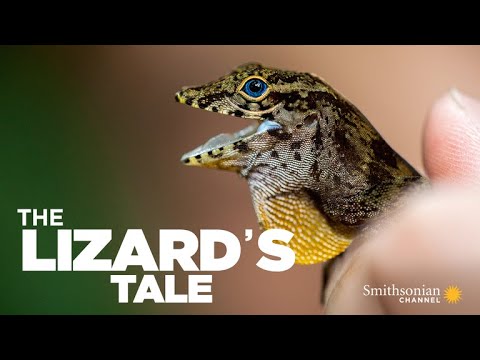
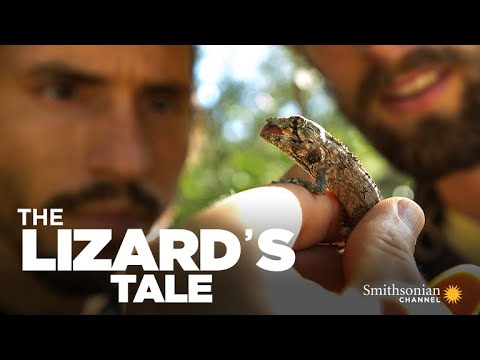
Anoles are small lizards found in the American and Caribbean tropics, including the Bahamas.
Anoles from Cuba, Hispaniola, Jamaica, and Puerto Rico exhibit ecomorphism, prompting scientists to investigate their evolutionary history through physical and DNA tests.
Scientists reach back into the 60-million-year history of anoles to understand their diversity.
Anoles use distinctive dewlaps for species recognition in the speciation process.
Anole researchers favor Caribbean islands for unique outdoor experiments on evolution and ecology.
Researchers know that species presence has major effects on ecosystems in Costa Rica.
Six different species of anoles, including the native green anole and five non-native species, inhabit urban areas in South Miami.
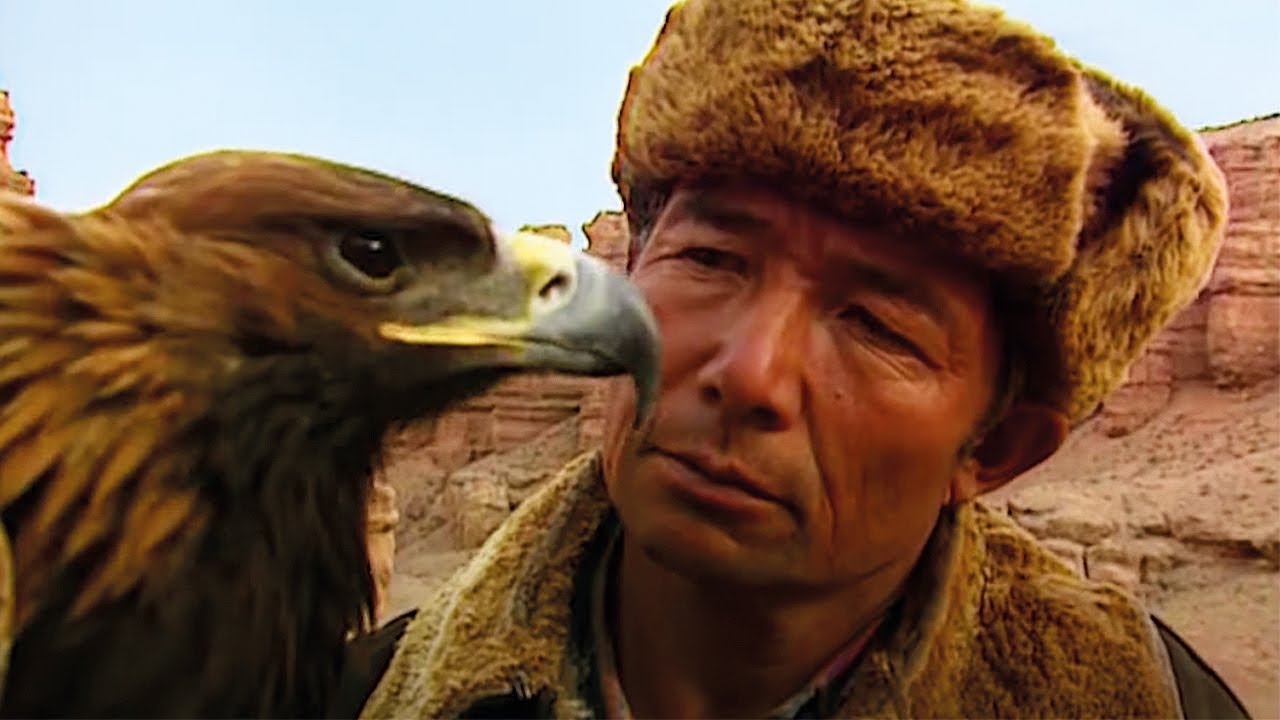
In the border region between China and Kazakhstan, eagle trainer Alik exemplifies the Kazakh people's enduring cultural connection to eagle hunting and nature.
Doñana National Park in Huelva, Spain, is a vital wetland habitat for endangered species like the Iberian Lynx and the imperial eagle, highlighting the need for ecosystem preservation.
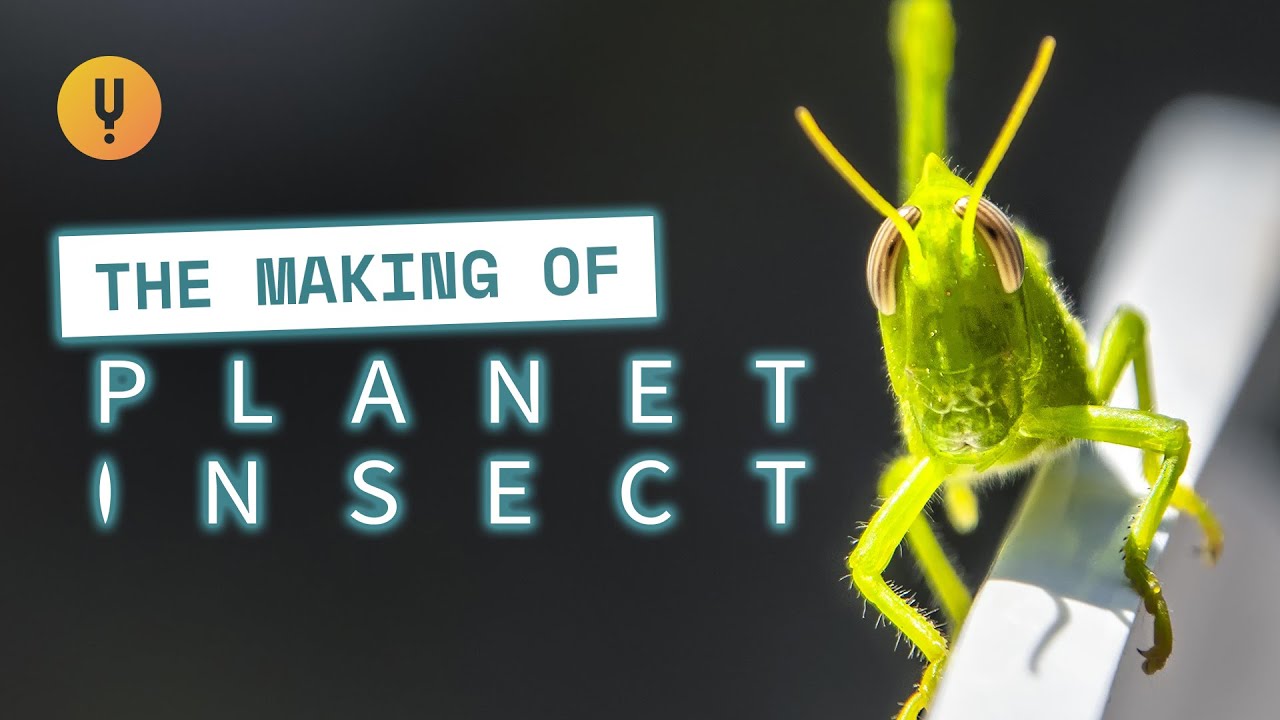
Viewers learn about camera techniques for the upcoming Planet Insect on Curiosity Stream.
Aluminum is poured into abandoned ant nests at temperatures exceeding 650 degrees Celsius to reveal their underground structures.
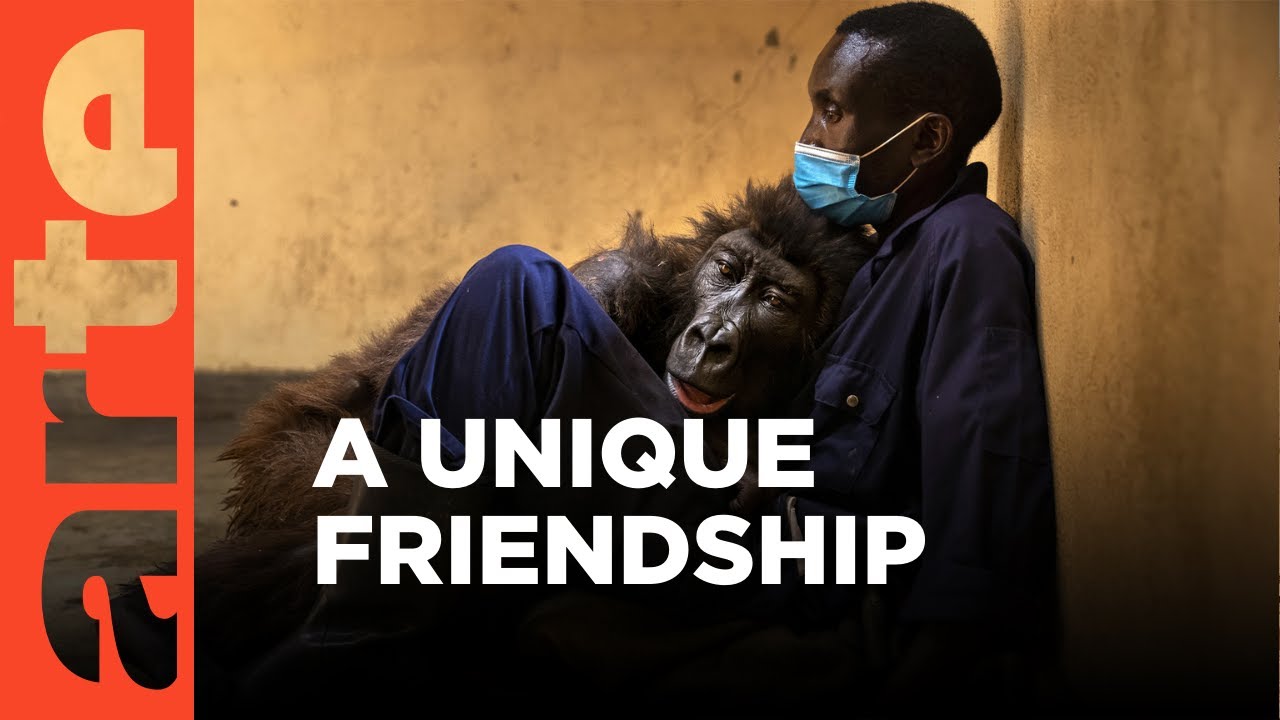
A dying female gorilla in Virunga National Park shares a deep bond with her caretaker, highlighting the efforts to protect endangered species in the park.
The emergence of man as a complex species changes the planet forever through intelligence and power.
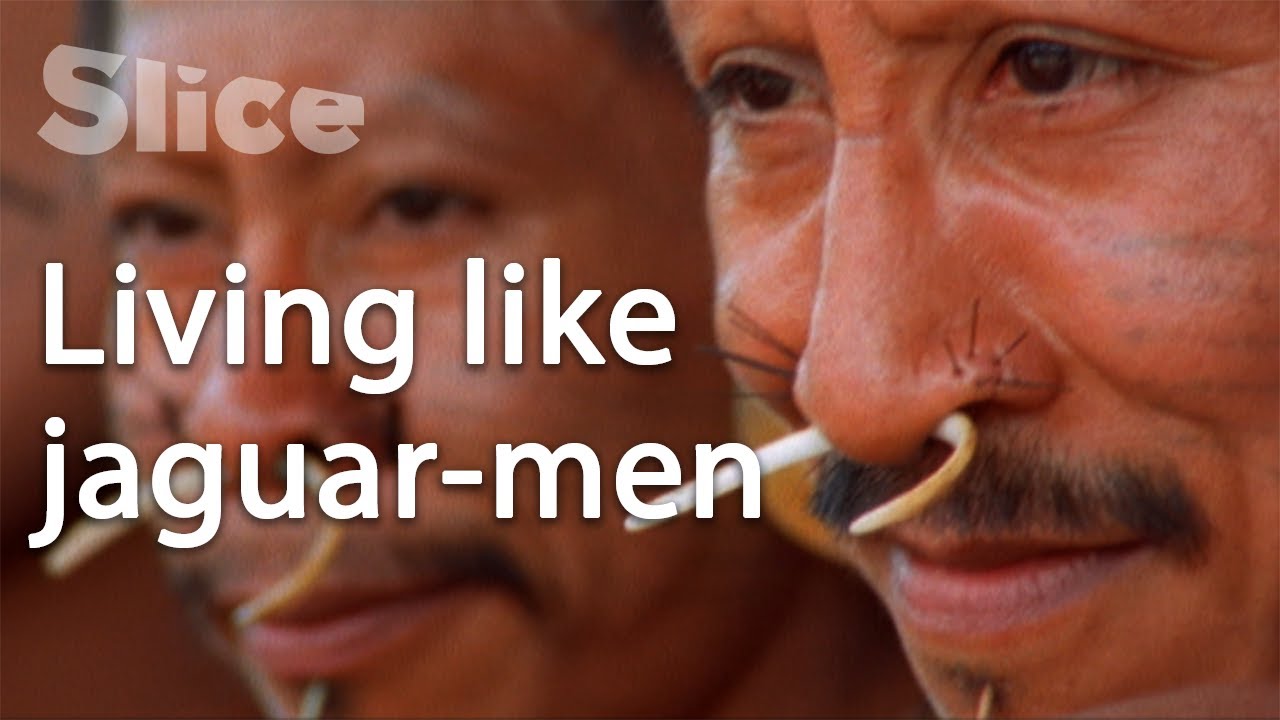
The Matis Indians of Brazil's Amazon forest view the jaguar as an equal and rival, reflecting their profound connection to nature and tribal culture.
Tongass National Forest in Southeast Alaska showcases breathtaking landscapes and wildlife, emphasizing the importance of wilderness and inspiring future advocates.
Caretakers at the Amazonian Manatee Rescue Center in Iquitos, Peru, care for orphaned manatees.
Mimicry in the deep sea showcases how marine organisms like the mimic octopus and deep sea anglerfish adapt through deception to enhance survival.
Sixty-five million years ago, a meteorite impact caused the extinction of dinosaurs, allowing mammals and coral life to thrive and recolonize Earth.
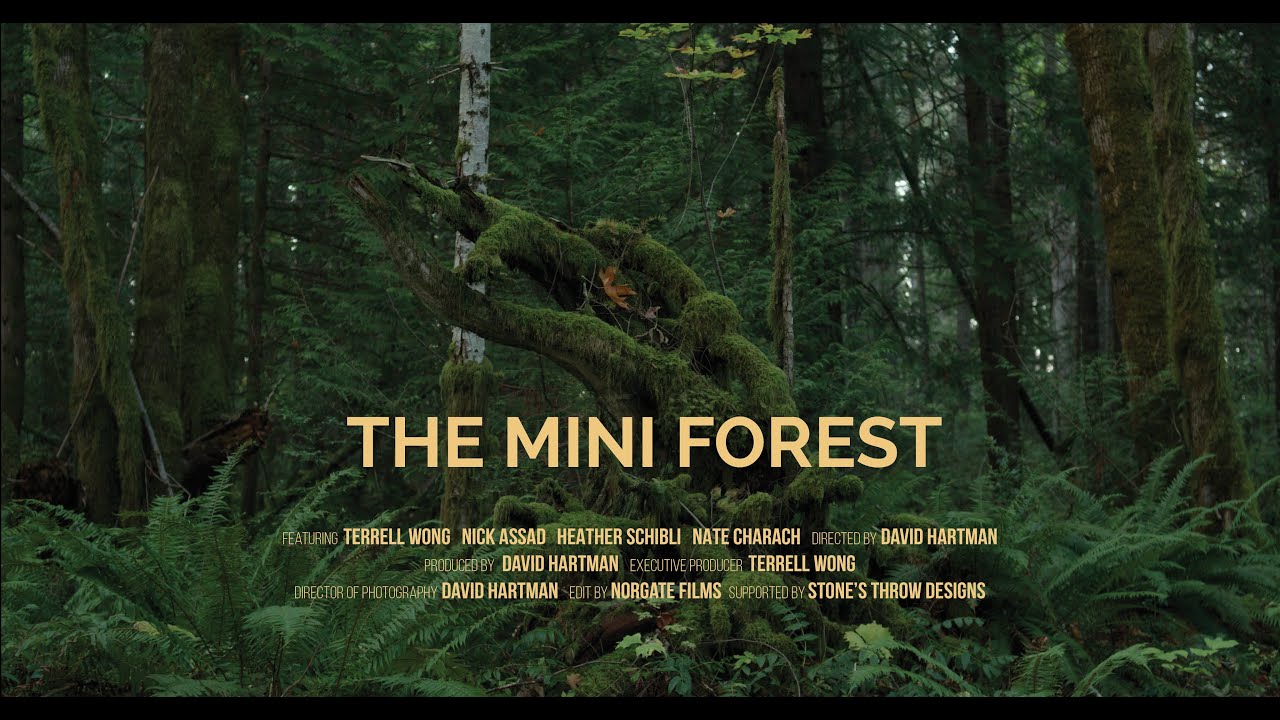
Terrell Wong's initiative to plant 100 trees in her Toronto backyard highlights the Miyawaki Method's role in rewilding and restoring native woodlands.
New rivers appear in Shaba within hours of the long-awaited rain, transforming the dry land into a thriving ecosystem.
The Barrett .50cal is a powerful sniper rifle used by over sixty countries worldwide.
On March 28, 2005, the first litter of Iberian lynx was born in captivity, marking a significant milestone in conservation efforts at Doñana National Park.
Iceland is the most fearsome volcanic island, shaped by powerful geological forces.
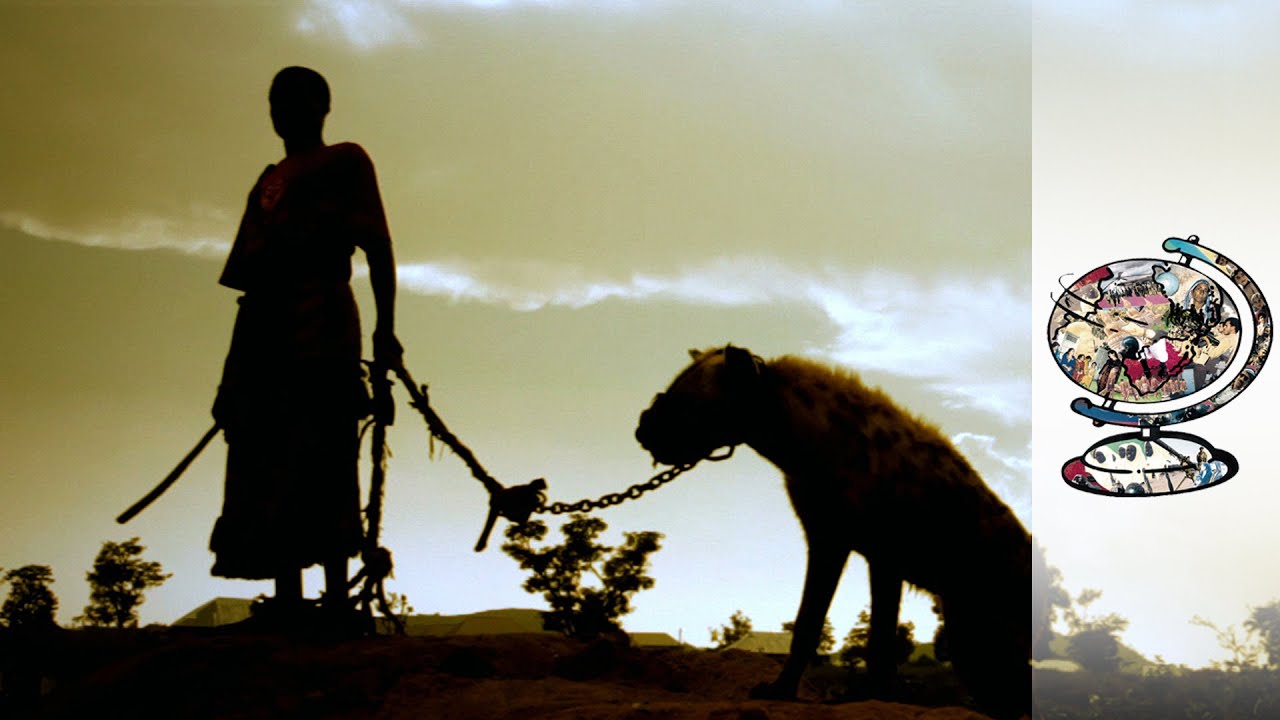
One handler states, "I have been doing this since I was five," as he tames wild hyenas and manages an entourage of snakes and baboons.
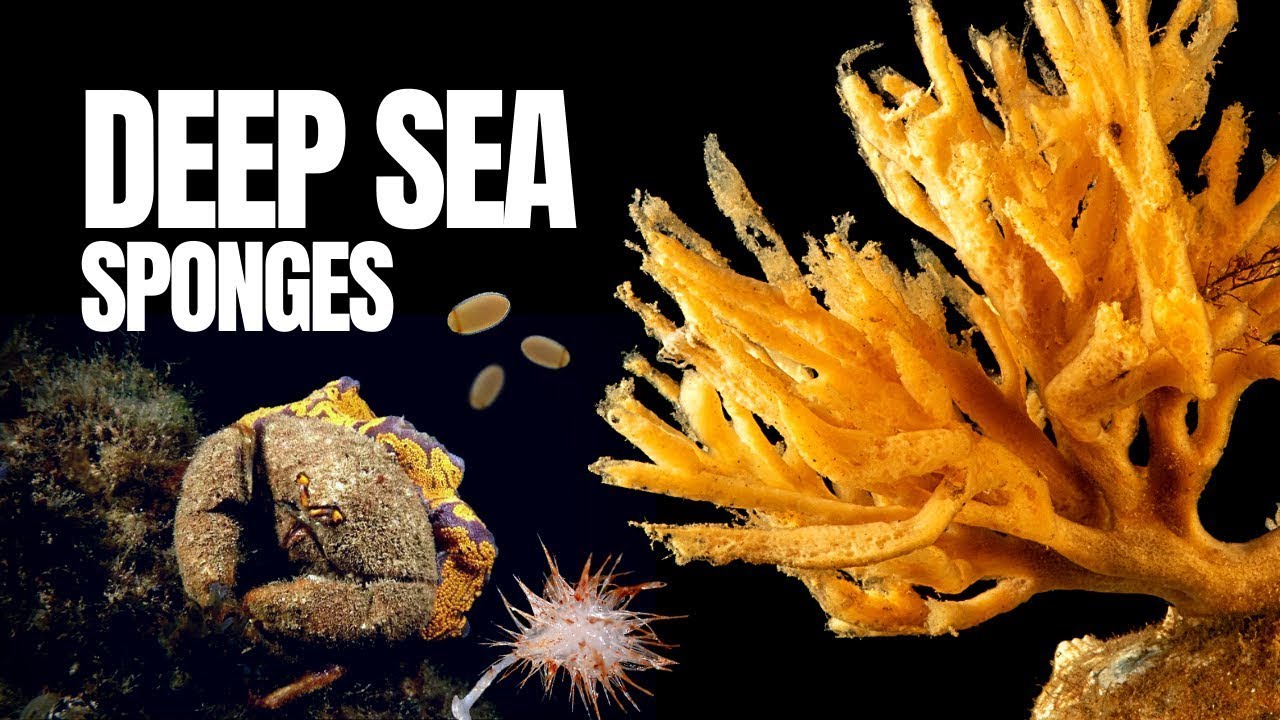
Deep sea sponges (Porifera) are essential ecosystem engineers that support marine life by building reefs and cycling nutrients across ocean habitats.
Short-faced bears, known for their remarkable adaptability across two continents, ultimately faced extinction despite their evolutionary advantages.
Fossil records indicate that vertebrates adapted to land and air before exploring the deep sea, raising questions about their delayed aquatic evolution.
In Namibia, the Namib Desert, the only desert that meets the ocean, supports unique wildlife such as desert elephants and the endemic Namib desert beetle.