From over 100,000 films, discover the handful you'll love.
Free or premium access to the world's largest documentary library.
7945 films(Page 18 of 166)
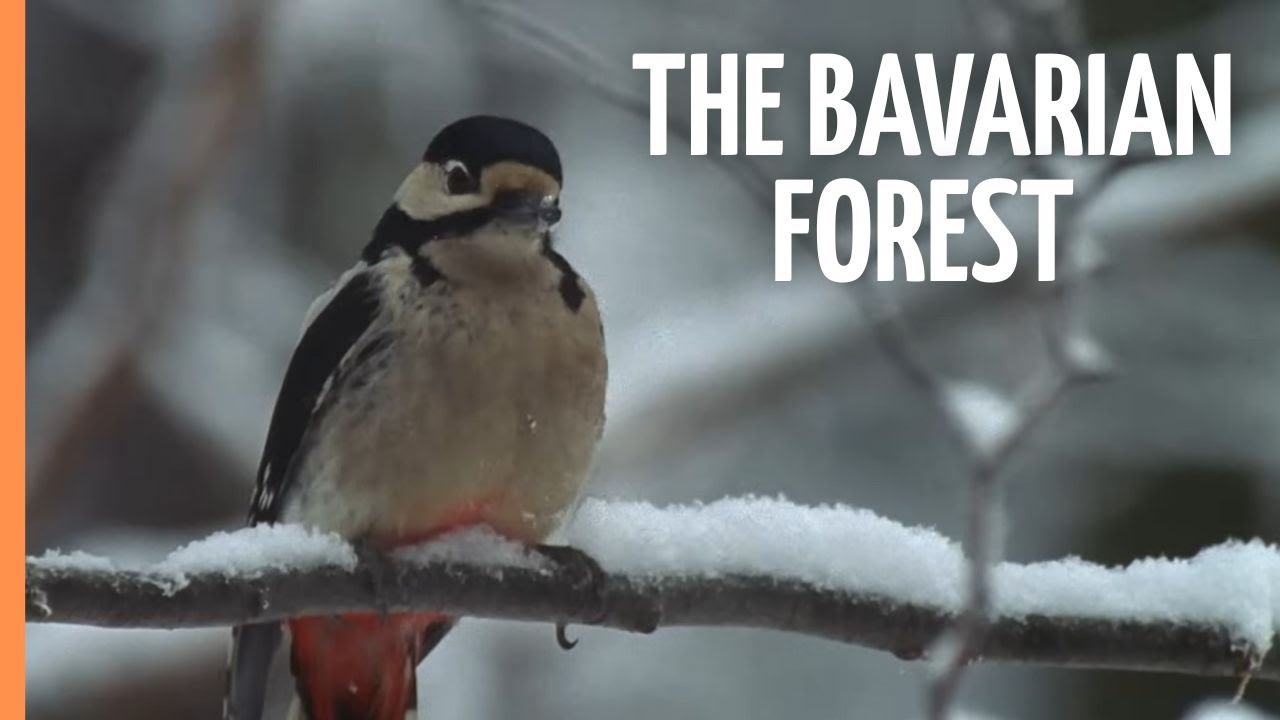
Over a dozen lynx, once absent from Bavaria for more than 150 years, now roam the Bavarian Forest National Park as it recovers from past ecological damage.
Moose, the largest deer in the wild, are showcased in their natural habitat across northern Maine, New Hampshire, Vermont, and eastern Canada, highlighting their seasonal behaviors and adaptations.
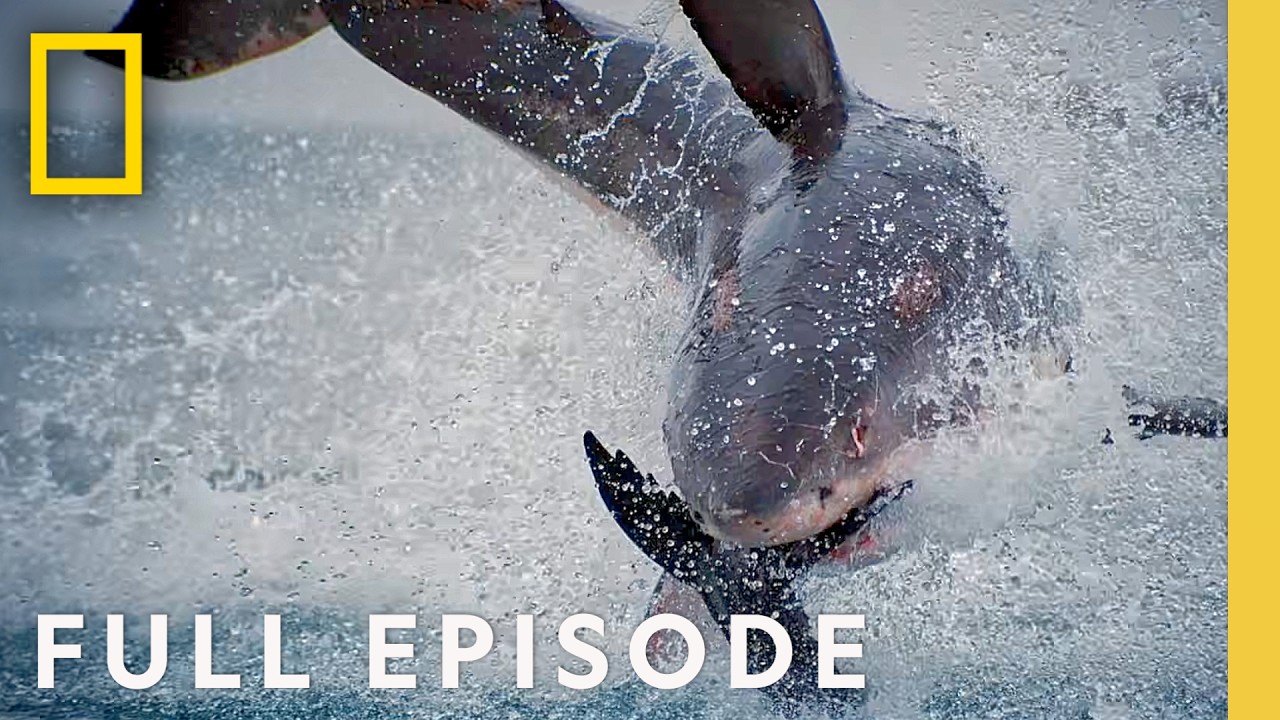
On January 12, 2019, a dead sperm whale carcass was towed eight miles offshore near Oahu, attracting various shark species, including tiger sharks.
Camels, domesticated in Saudi Arabia's Empty Quarter for over 5,000 years, are vital to trade routes and are cherished by their Bedouin owners despite rising care costs.
In Indonesia's Batanta Island, two men investigate the existence of the Tree Crocodile, a giant lizard feared by locals and reported to exceed 3 metres in length.
Dinosaurs from America's Jurassic Period, including the giants of the Morrison Formation, reveal secrets of their ancient world through fossil evidence and scientific insights.
Tom O'Brien designs custom camera gear in the National Geographic basement, including a wolf-proof camera trap for photographing arctic wolves.
80 percent of all species in the rainforests of Sulawesi are endemic, found nowhere else on earth, according to research on the Wallace Line.
Wild horses in North America, often thought to have been introduced by Spanish conquistadors in the 1600s, face complex management challenges and a misunderstood history.
A giant cloud of gas and dust, chilled to more than 400 degrees below zero, began collapsing 4.6 billion years ago, leading to the formation of the solar system.
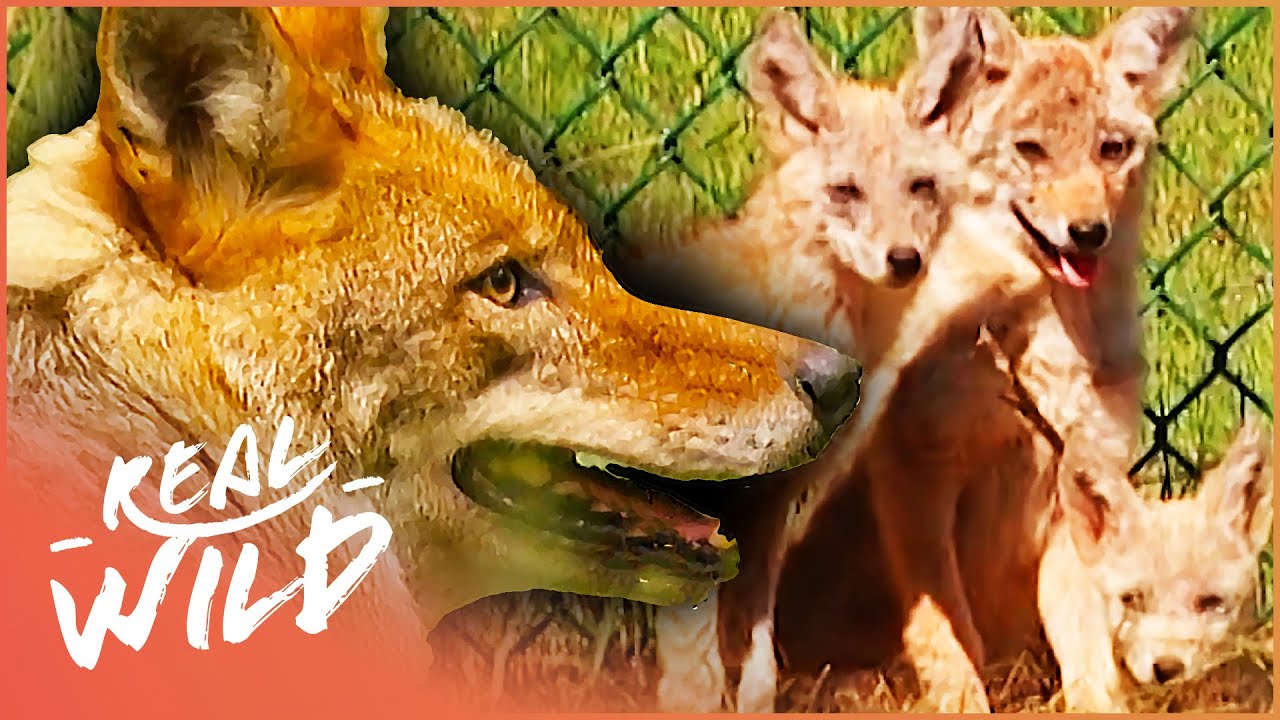
Coyotes have thrived across North America, adapting to various environments and establishing themselves as top predators while other species faced extinction.
More people have traveled to the moon than have ever ventured to the deep ocean, which remains one of the last unexplored frontiers on Earth.
Only eight or nine Scottish wildcats remain in the Western Highlands, prompting urgent conservation efforts to save the species from extinction.
Butterflies undergo remarkable transformations from caterpillars and display intricate wing patterns that are essential for their survival and reproduction.
Twin tiger cubs Spot and Stripe grow up in a UK wildlife sanctuary, showcasing their playful development and first swimming experience under expert care.
The animal kingdom showcases a variety of innovative survival strategies, from navigation techniques to complex social structures, highlighting intelligence across species.
A team of local adventurers faces low water levels while dragging their boats through the Rewa River in the jungles of Guyana.
In the Gaza Strip, Four Paws rescue undertakes a perilous mission to save two orphaned lion cubs from a family's home where they were kept as pets.
Over 200,000 turtles lay their eggs on a beach in India, with only one in a thousand hatchlings expected to survive to adulthood.
Shark divers, including conservationists and thrill-seekers, engage with various species like great whites and tiger sharks, challenging misconceptions about these marine predators.
In the Arctic, walruses utilize their massive teeth as tools for survival while Australian specialist Jason Roberts studies their behavior and family hierarchy in Spitzbergen.
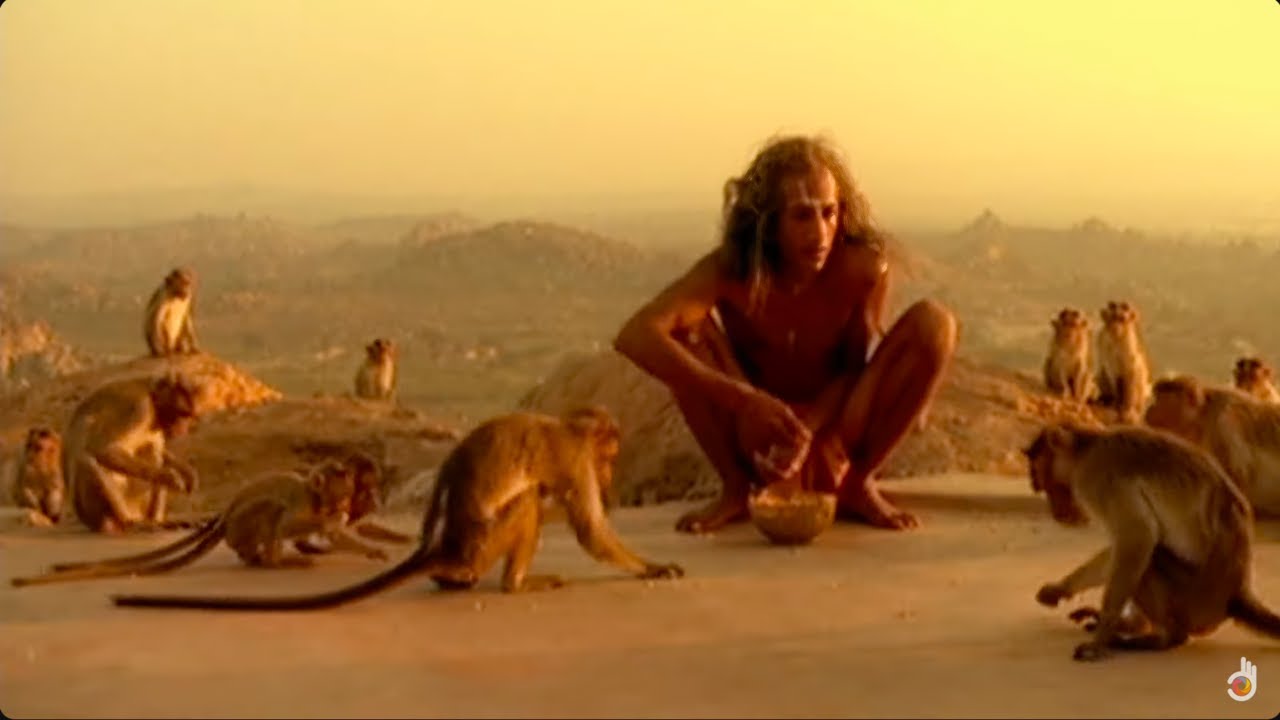
Bobo, a frail old monkey, returns to his mountain home after nearly 30 years, only to be rejected by his family and ultimately found dead in a cave.
Six meals from a single caribou provide sustenance for Alaskans as they rely on traditional methods to survive in a harsh winter environment.
In Malaysia's oldest rainforest, the life cycles of unique species like the proboscis monkey and orchid mantis highlight the intricate survival strategies of jungle inhabitants.
Freshwater pearl mussels have existed for 230 million years, but human activity now threatens their survival in eastern Germany's rivers.
Cute baby animals from diverse environments around the world engage in playful antics that often annoy their parents.
Over 3,000 species of flowers bloom in Namaqualand each spring, with more than half found nowhere else on Earth.
In the High Arctic, a pair of snowy owls faces challenges in breeding and survival as they contend with low lemming populations and extreme seasonal conditions.
La Palma in the Canary Islands features thundering waterfalls and ancient forests on Rosenmontag.
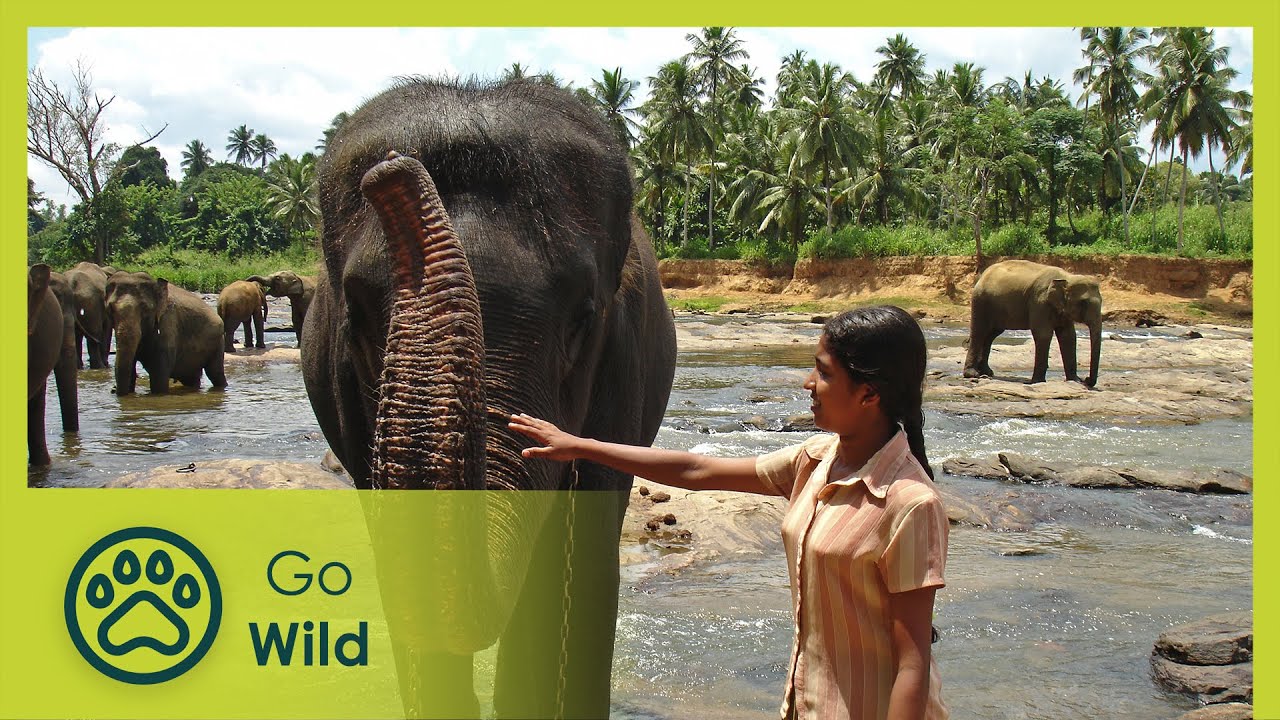
Chandani, a 16-year-old girl in Sri Lanka, strives to become the first female mahout by caring for the young elephant Kandula despite facing opposition from male counterparts.
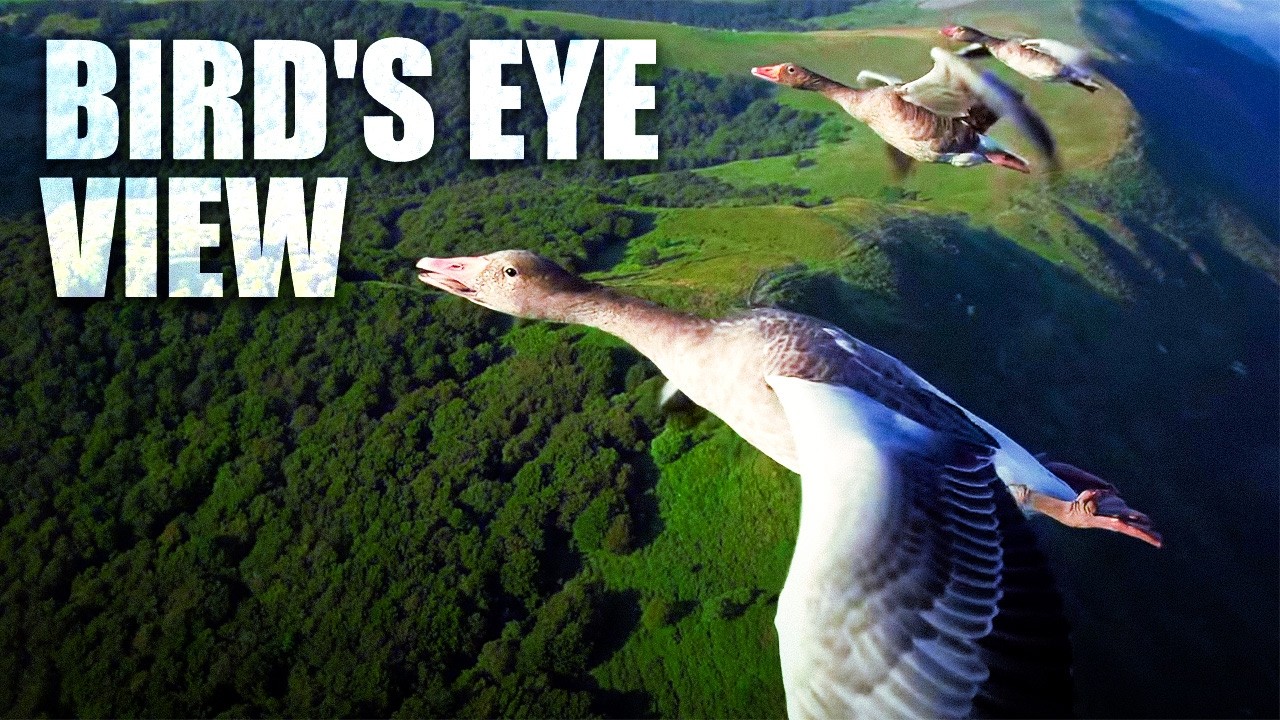
Migratory birds like the Arctic Tern and Sandhill Crane undertake long journeys across continents, facing harsh weather, captured through aerial microlight footage.
Grizzly bears in Yellowstone National Park exhibit remarkable behaviors, with individual bears like Scarface, Swimmer, and Quad Mom documented over a decade.
Nathanaël explores the Masoala peninsula in northeast Madagascar, showcasing unique wildlife.
Tornadoes account for an average of 60 deaths and millions of dollars in property damage each year, with winds exceeding 300 miles per hour.
A pod of orca, weighing up to nine tons, risks beaching themselves to snatch seal pups along the shores of Patagonia.
Less than 100 Asiatic cheetahs remain in the wild, primarily in Iran, where Benny Rebel aims to document their habitat and raise awareness for their protection.
Wapusk National Park in Northern Canada, Plitvica Lakes in Croatia, and Simien National Park in Ethiopia showcase diverse landscapes and wildlife, including ice bears and Geladas.
A longline fishing vessel casts over a thousand hooks each night, posing a threat to seabirds like the wandering albatross in the South Pacific.
A female leatherback turtle can lay between 50 and 100 eggs at Shell Beach, which attracts nearly 1,000 turtles each year for nesting.
In recent years, American beaches, particularly Cape Cod, have experienced a significant increase in shark sightings and attacks, raising concerns among local residents.
Botswana's diverse landscapes, including the Okavango Delta and ancient baobabs, are complemented by the rich cultural heritage of its people, particularly the Bushmen.
In Yellowstone National Park, the re-introduction of wolves in 1995 transformed coyotes from apex predators to underdogs, forcing them to adapt to new challenges.
Freediver Frederic Buyle and cameraman Christian Petron explore marine life in Polynesia, Mexico, and the Mediterranean while collaborating with scientists and locals.
Ice crystals grow around baby North American painted turtles, allowing them to survive in a deep freeze for up to six months before spring arrives.
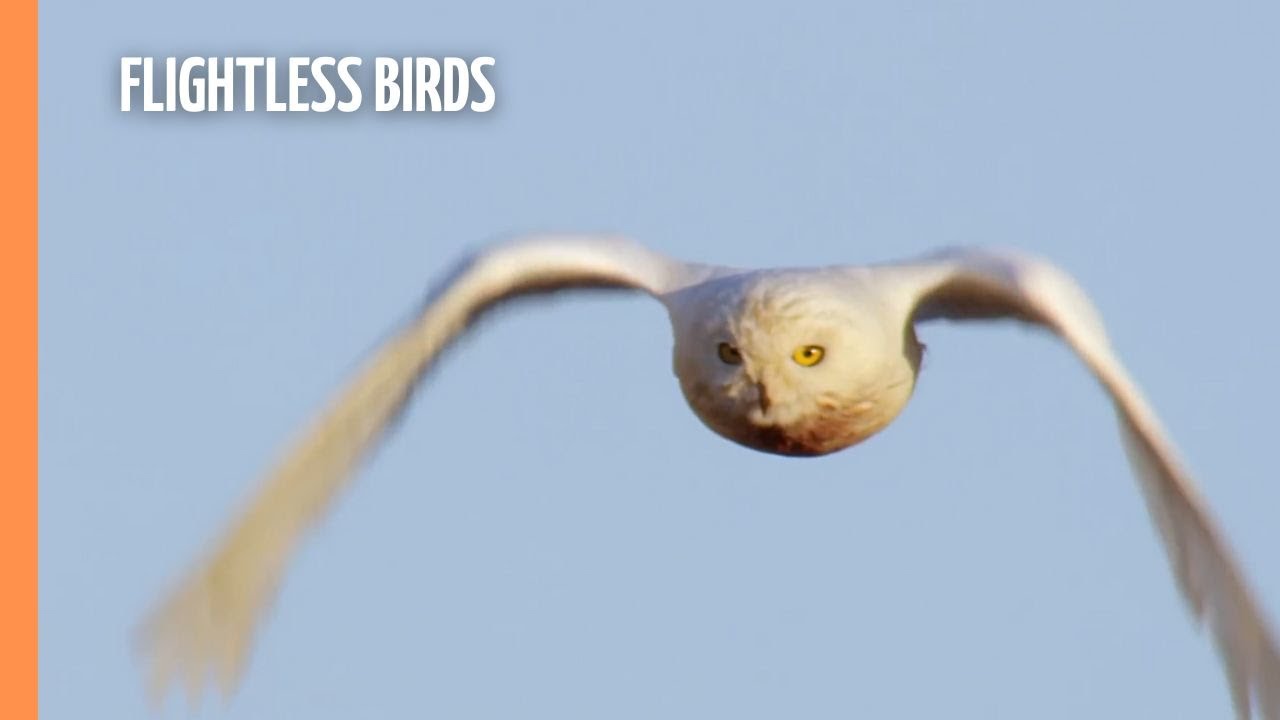
Ostriches can run at speeds over 60 kilometers per hour and weigh more than 100 kilograms, making them the fastest runners among flightless birds.
In the Mecklenburg Lake District, Müritz National Park supports a rich biodiversity, including half of Germany's crane population and the endangered red milan, while conservationist Fred Bollmann works to protect this unique ecosystem.
The Doberman Pinscher, developed by Karl Friedrich Louis Dobermann in Germany around 1890, is examined for its characteristics, training, and dietary needs.
The Greenland shark, a rarely seen species, is the subject of a four-year scientific expedition that captures its elusive behavior in the wild.