From over 100,000 films, discover the handful you'll love.
Free or premium access to the world's largest documentary library.
7945 films(Page 138 of 166)
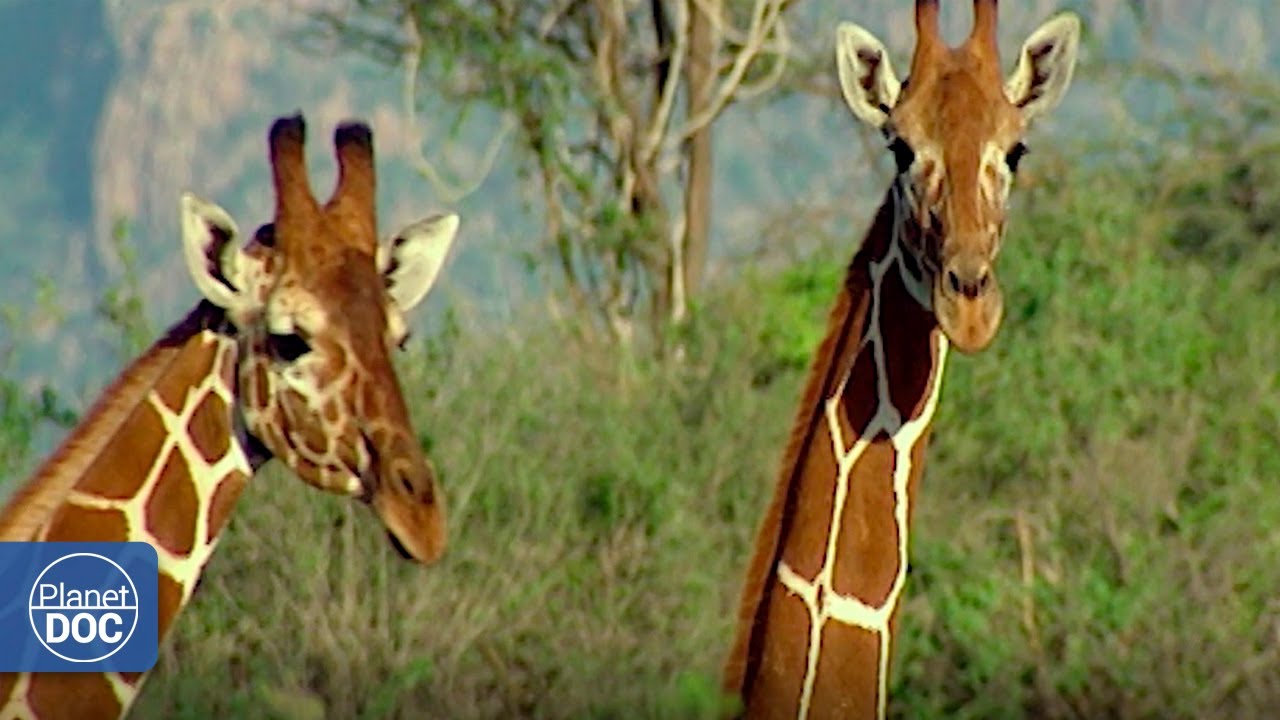
The video highlights how gerenuks adapt to the water-scarce Shaba region in Somalia.
Recent scientific findings reveal that all modern big cat species evolved less than 11 million years ago, with new clues pointing to their ancient origins in the Himalayas.
The California condor, North America's largest flying bird, exemplifies species that appear out of place in today's world, tracing back to the Late Pleistocene Epoch.
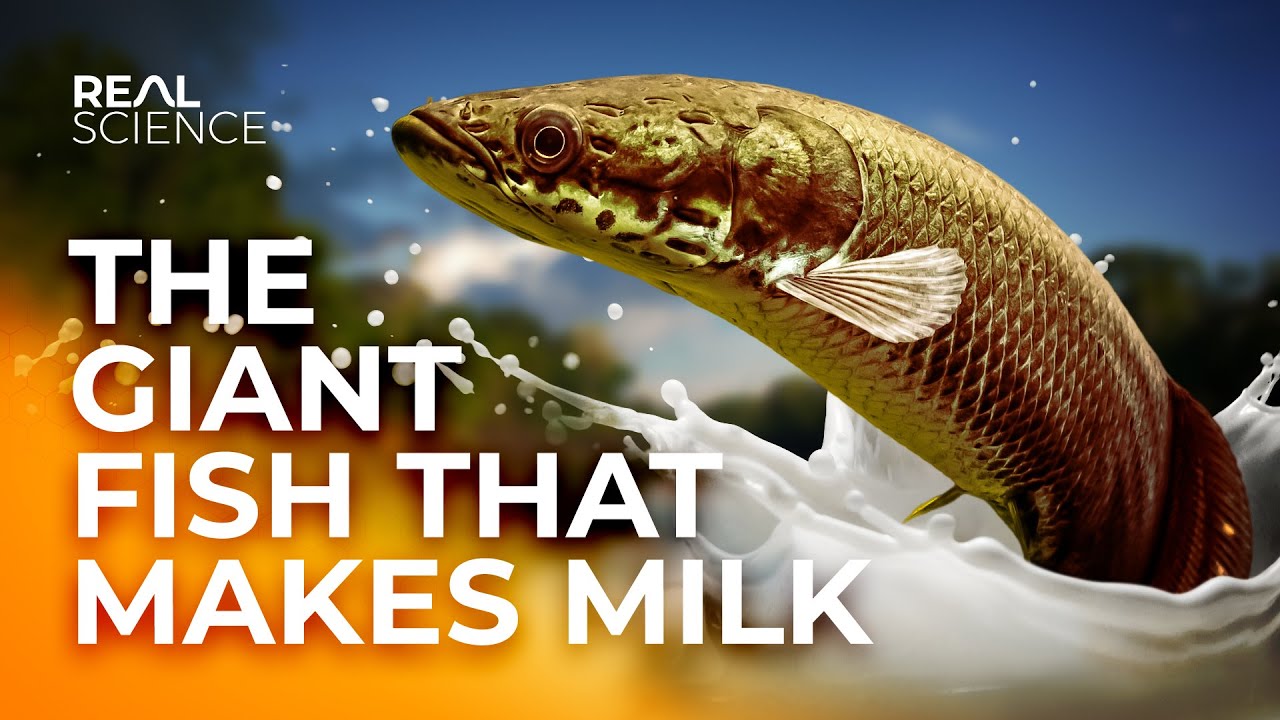
In the Amazon River, the arapaima fish produces a unique form of milk that challenges traditional understandings of fish reproduction.
The golden poison dart frog secretes enough poison to kill over 10 people in three minutes and is found only in Colombia's Choco region.
Goliath Groupers, massive predatory fish found in coastal waters, are examined for their hunting behavior and ecological impact in their marine habitats.
This Spanish video discusses how Homo sapiens created cities to meet their needs.
This Spanish video highlights isolated manatees in the Caribbean and their unique lifestyle.
A sargassum belt spanning 5,000 miles has emerged in the Tropical Atlantic, impacting tourism and local fishing industries in the Caribbean.
An active shooter in Orlando creates chaos as responders rush to assist victims at a club.
The Halloween solar storms of 2003 highlight risks that solar flares pose to technology.
In just 10 days, harp seal pups must gain at least four pounds and learn to swim before their mothers leave them on melting ice.
Oceanic islands, comprising a sixth of Earth's land, host unique ecosystems shaped by volcanic activity and tectonic forces, as seen in locations like Hawaii and the Maldives.
Seamounts, underwater mountains formed by volcanic activity, create vital deep-sea ecosystems, with over half located in the Pacific Ocean near tectonic plate boundaries.
A Great White Shark breaches ten feet into the air, demonstrating its power and agility in a series of thrilling underwater encounters.
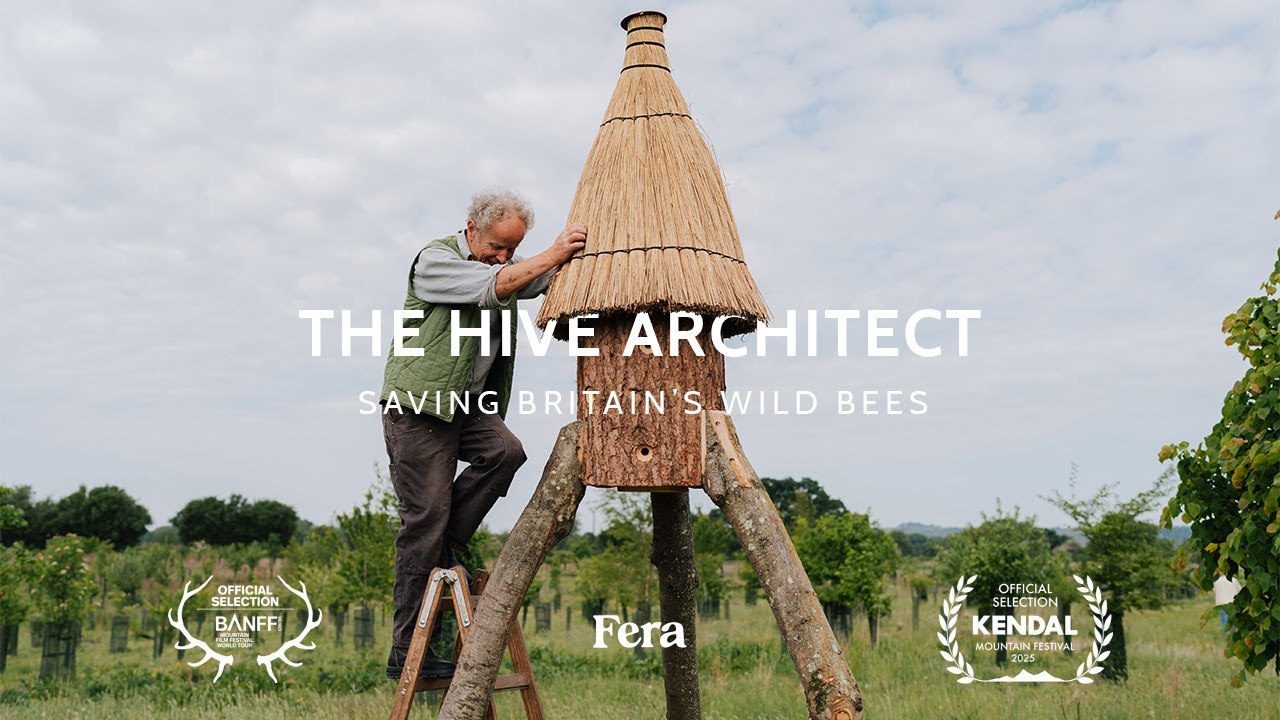
Matt Somerville's innovative approach to creating log hives for free-living honey bees challenges the belief that British honey bees rely solely on domestication by beekeepers.
Daniel Guiral works to install a floating lab in the inaccessible Kaw Swamp of French Guyana.
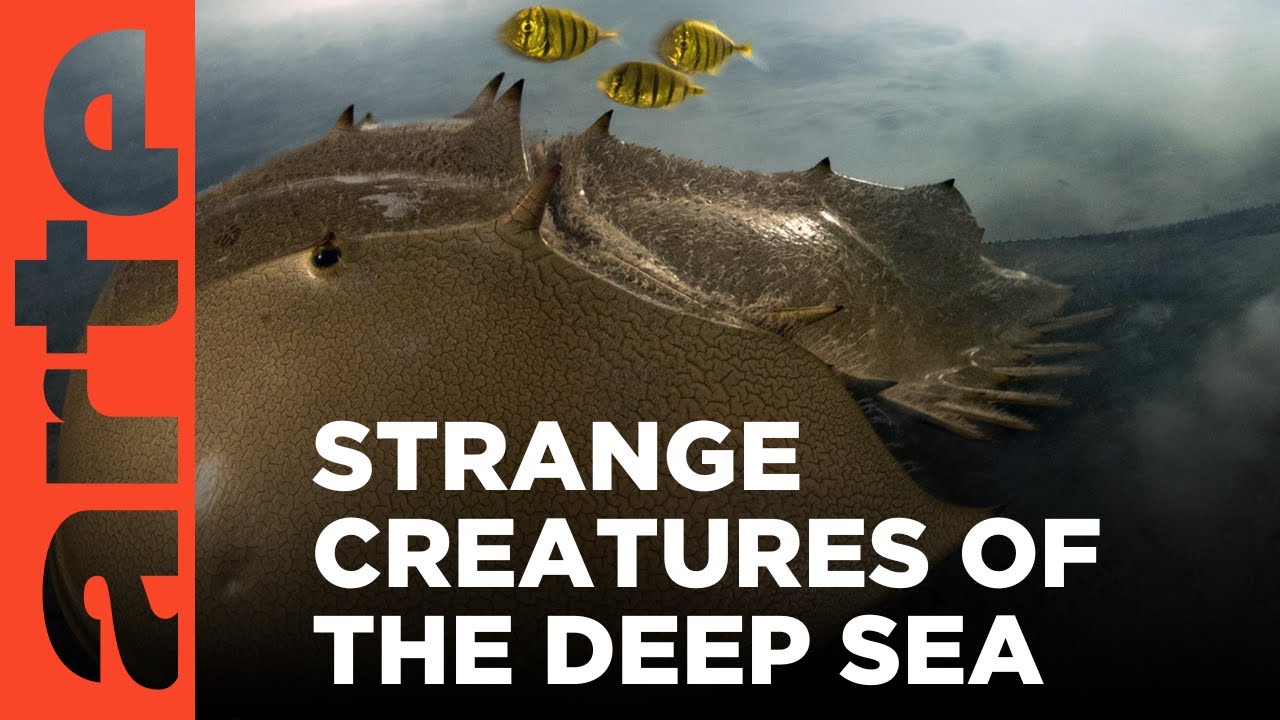
Horseshoe crabs, an ancient species over 450 million years old, are explored in their natural habitat by award-winning photographer Laurent Ballesta.
Granny (J2), a centenarian orca, survived in the waters off the West Coast during a time when her family faced harpooning and capture for display.
Increasing encounters with large crocodiles raise concerns about their impact on ecosystems and human safety, highlighting their evolutionary history and resurgence.
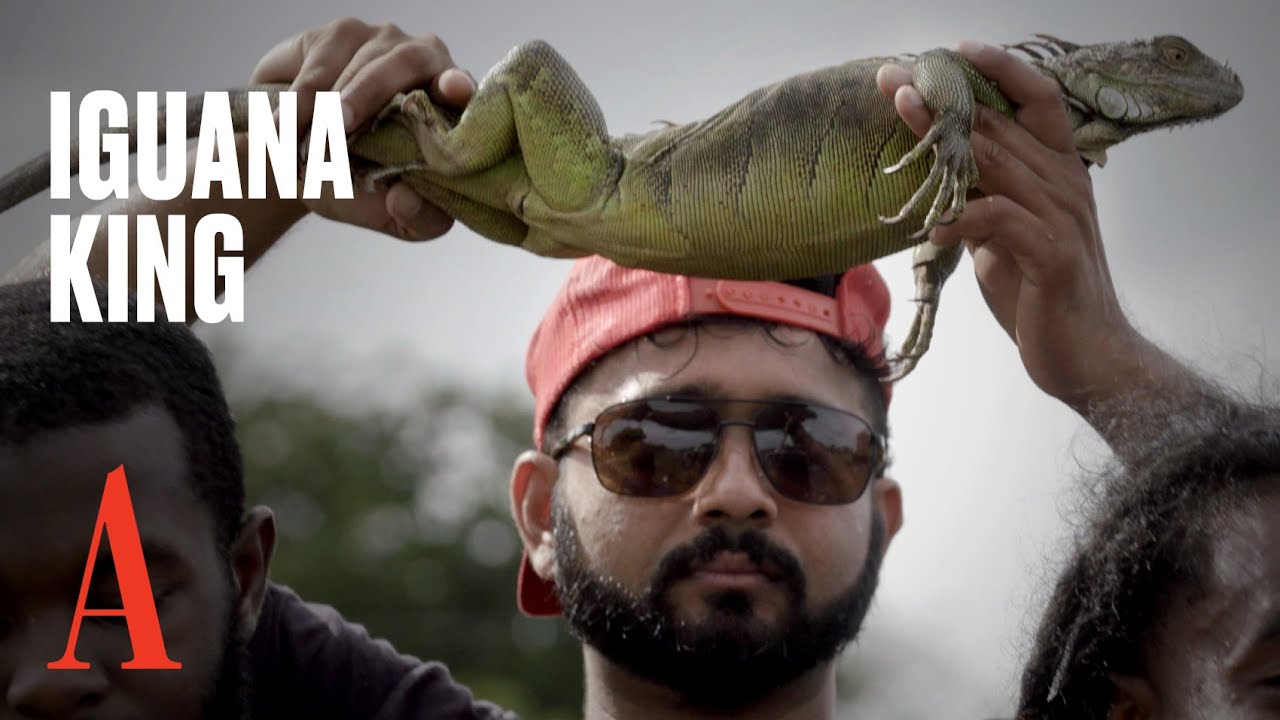
The number of iguanas in Florida has soared in recent years, prompting residents to seek removal services and creating a new business opportunity for trappers.
Buffaloes symbolize wealth in Toraja society, impacting land transactions and celebrations.
Bony fish, including ray-finned and lobe-finned species like the coelacanth, exhibit remarkable adaptations and diversity in the deep sea ecosystem.
The Turritopsis dohrnii jellyfish has the unique ability to revert to its juvenile form, effectively allowing it to bypass death and age.
Ant colonies exhibit complex social structures and behaviors, showcasing their unique communication methods and survival strategies in diverse environments.
Hammerhead sharks exhibit unique biological features and behaviors that contribute to their survival in diverse marine environments.
Kangaroos exhibit unique biological traits, including specialized locomotion and reproductive adaptations, that highlight their evolutionary success in Australia.
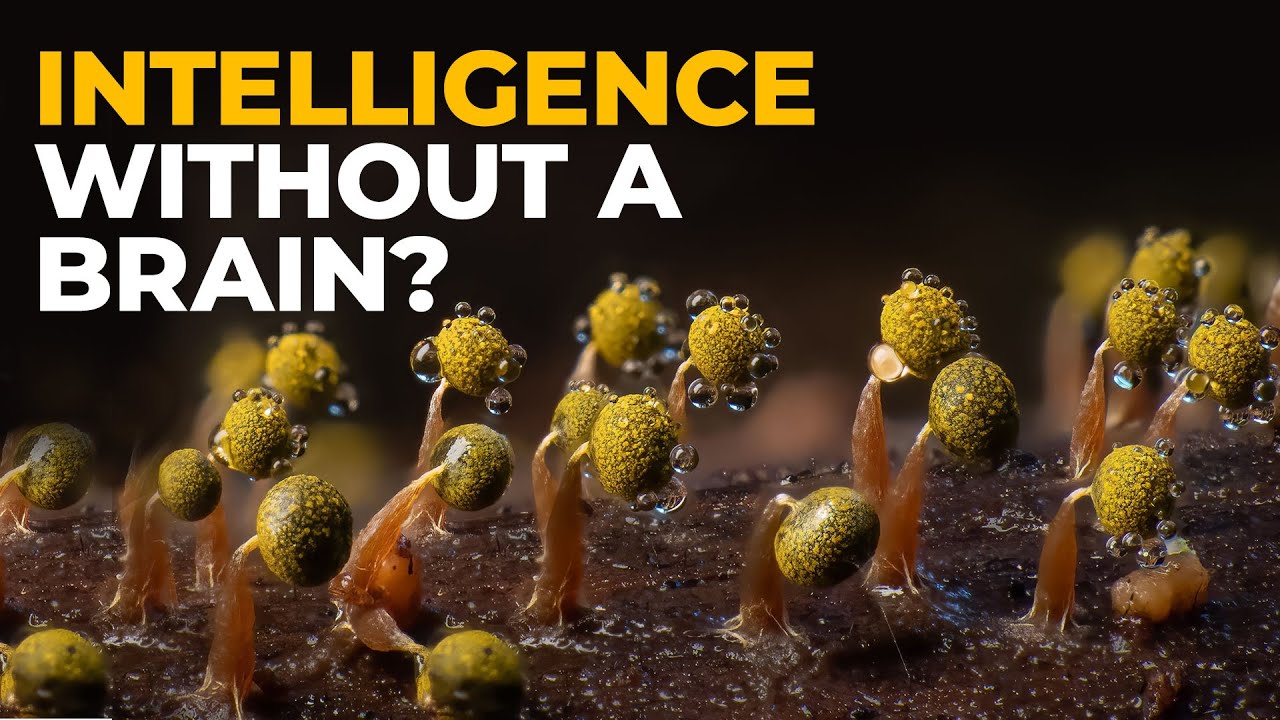
Slime mold, a fascinating organism, exhibits complex behaviors and problem-solving abilities that challenge traditional views of intelligence in biology.
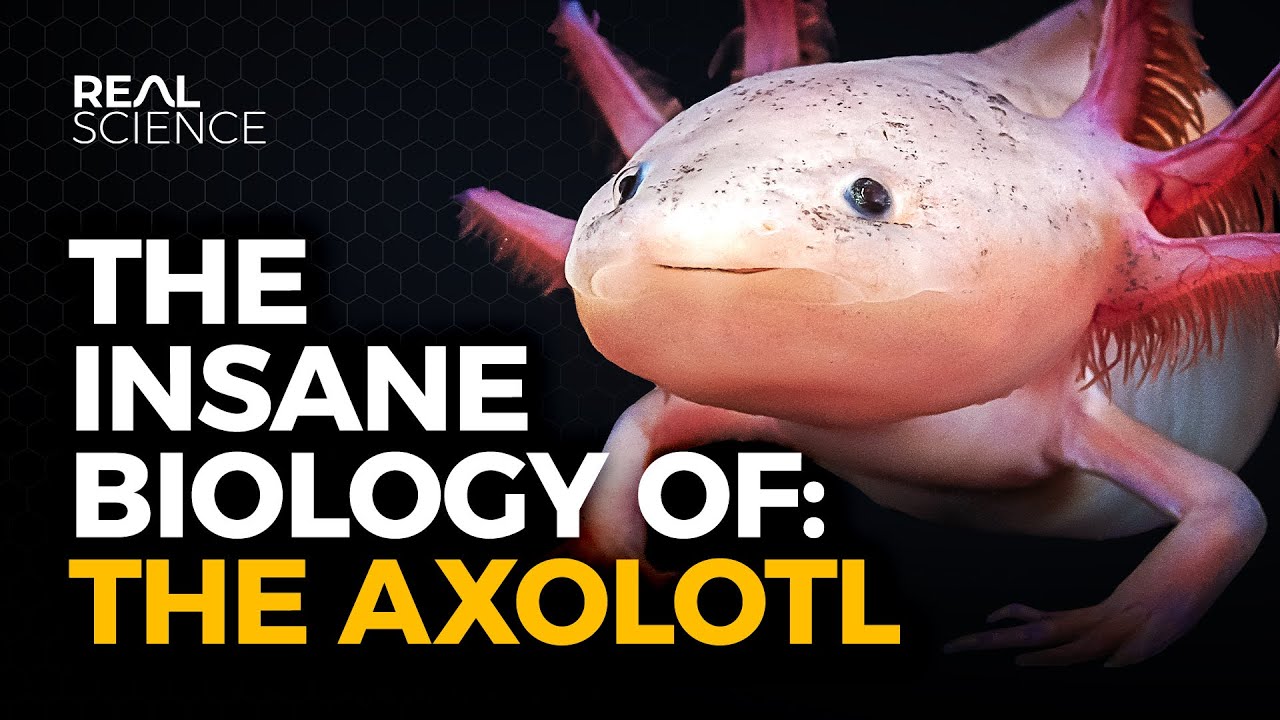
The axolotl, a unique amphibian native to Mexico, exhibits remarkable regenerative abilities and has become a focal point for scientific research in biology.
Dragonflies exhibit remarkable predatory skills and complex life cycles, showcasing their unique adaptations and ecological significance in various habitats.
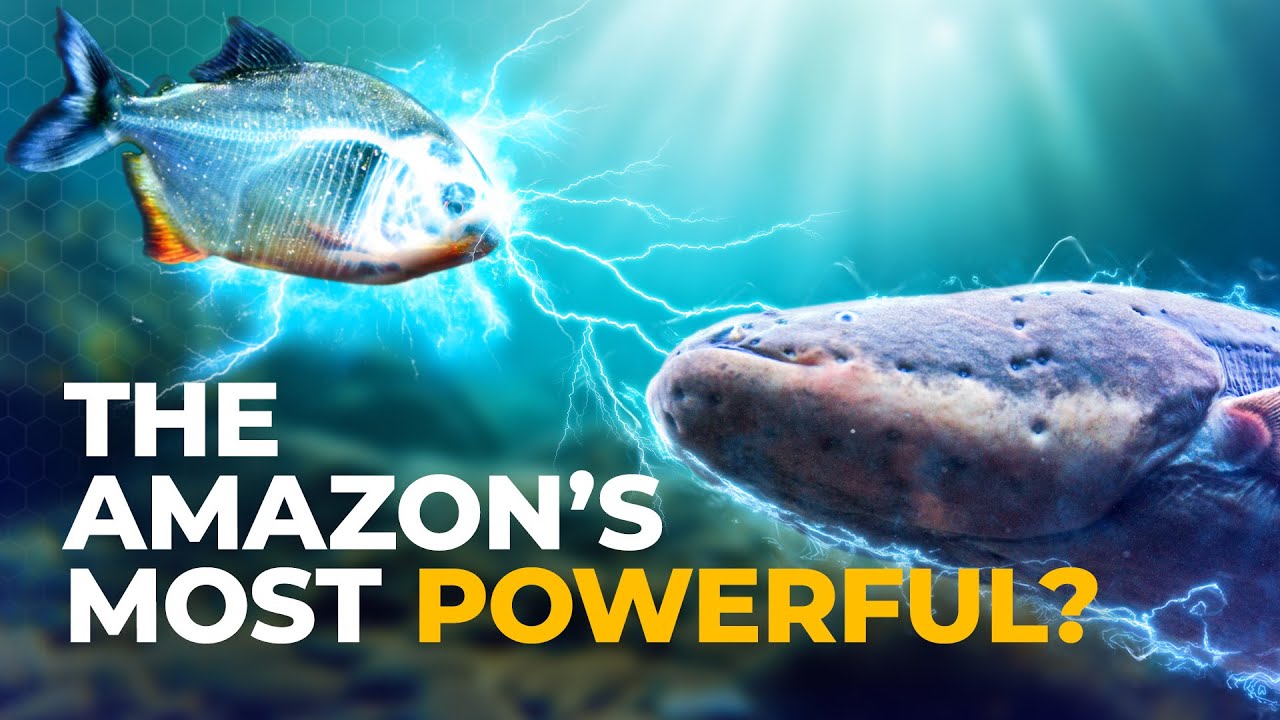
Electric eels, found in the Amazon River basin, use specialized cells to produce electric shocks for navigation, communication, and hunting.
Gorillas, known for their complex social structures and impressive physical capabilities, are examined through the lens of biology and conservation efforts.
The Harpy Eagle, native to Central and South America, is examined for its unique hunting techniques and ecological significance in tropical rainforests.
Narwhals, known for their long tusks and unique adaptations, inhabit the Arctic waters and play a crucial role in marine ecosystems.
The octopus demonstrates exceptional intelligence and adaptability, revealing its unique biology and behaviors across diverse marine environments.
Pangolins, the only mammals with scales, are critically endangered due to poaching and habitat loss, prompting global conservation initiatives.
The platypus, a unique mammal native to Australia, exhibits extraordinary biological traits, including egg-laying and venomous spurs.
Poison dart frogs, native to Central and South America, exhibit remarkable adaptations and toxic properties that have fascinated biologists and researchers alike.
Seahorses, known for their unique reproductive role where males carry young, are examined for their biology, habitat, and conservation challenges.
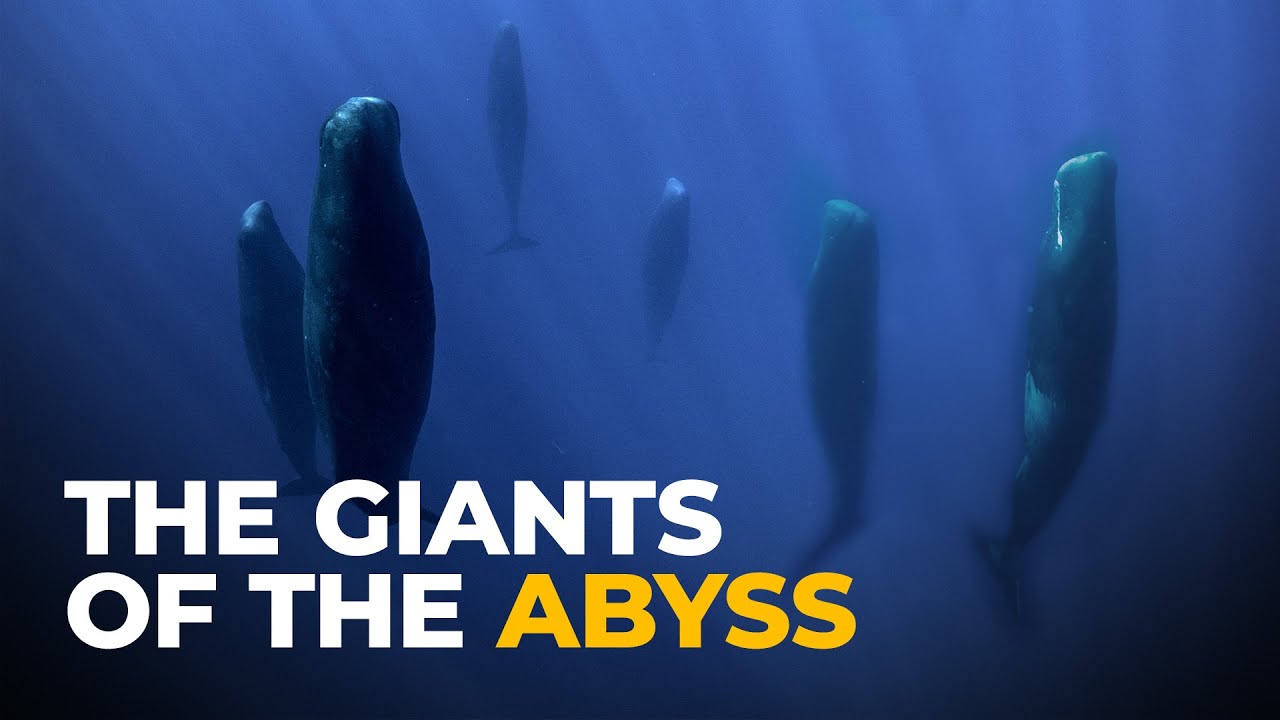
Sperm whales, known for their immense size and complex social structures, exhibit unique biological traits that are explored through scientific research and observation.
Dr. Kay Holekamp, a leading expert on spotted hyenas, provides insights into their unique biology and social structures in this extended interview.
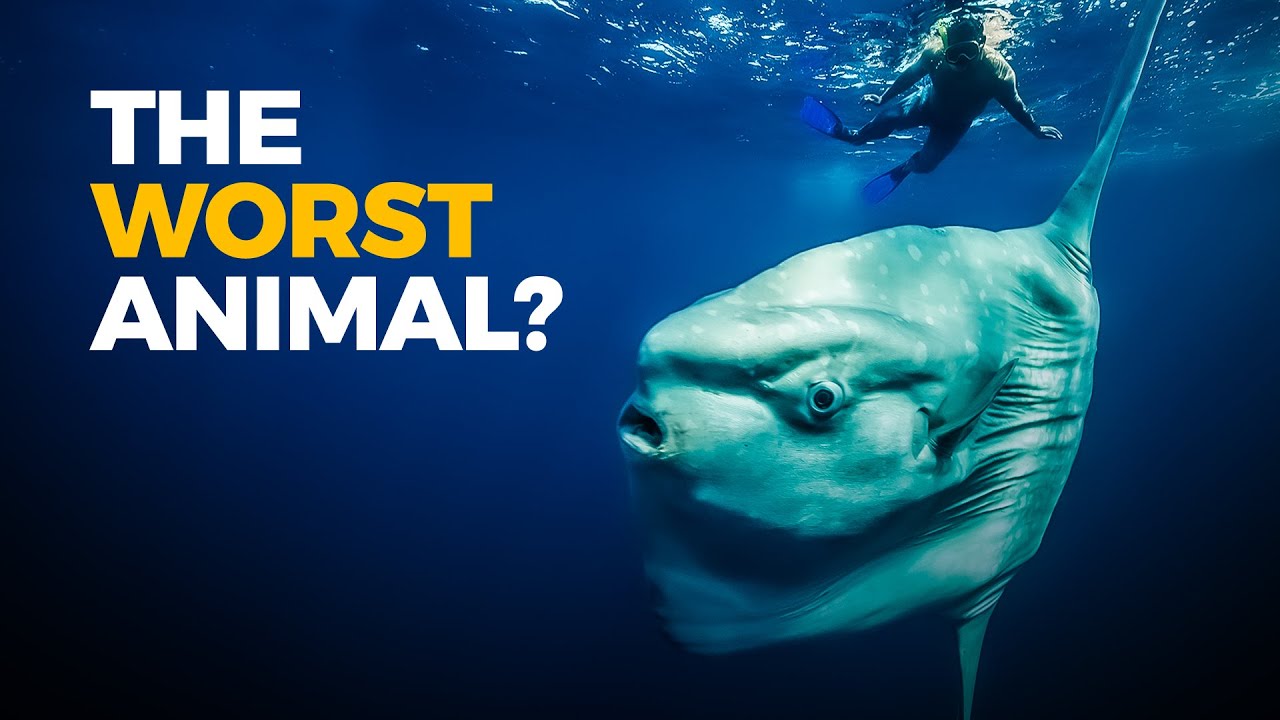
The sunfish, or Mola mola, is studied for its remarkable size, distinctive shape, and significant ecological role in ocean ecosystems.
Native to the wetlands of North and South Carolina, the Venus flytrap exhibits remarkable adaptations for capturing and digesting insects.
Hibernation is explored through various species, highlighting the biological mechanisms and evolutionary significance of this survival strategy.
An estimated 5,000 orang-utans are killed each year in Borneo due to habitat destruction caused by palm oil plantations.
At the Free the Bear Sanctuary in Cambodia, sun bears are tested for intelligence while engaging in natural behaviors in the tropical forests of South Asia.
An ancient line between two Indonesian islands represents a complex interplay of cultural and geographical boundaries that shape local identities and interactions.
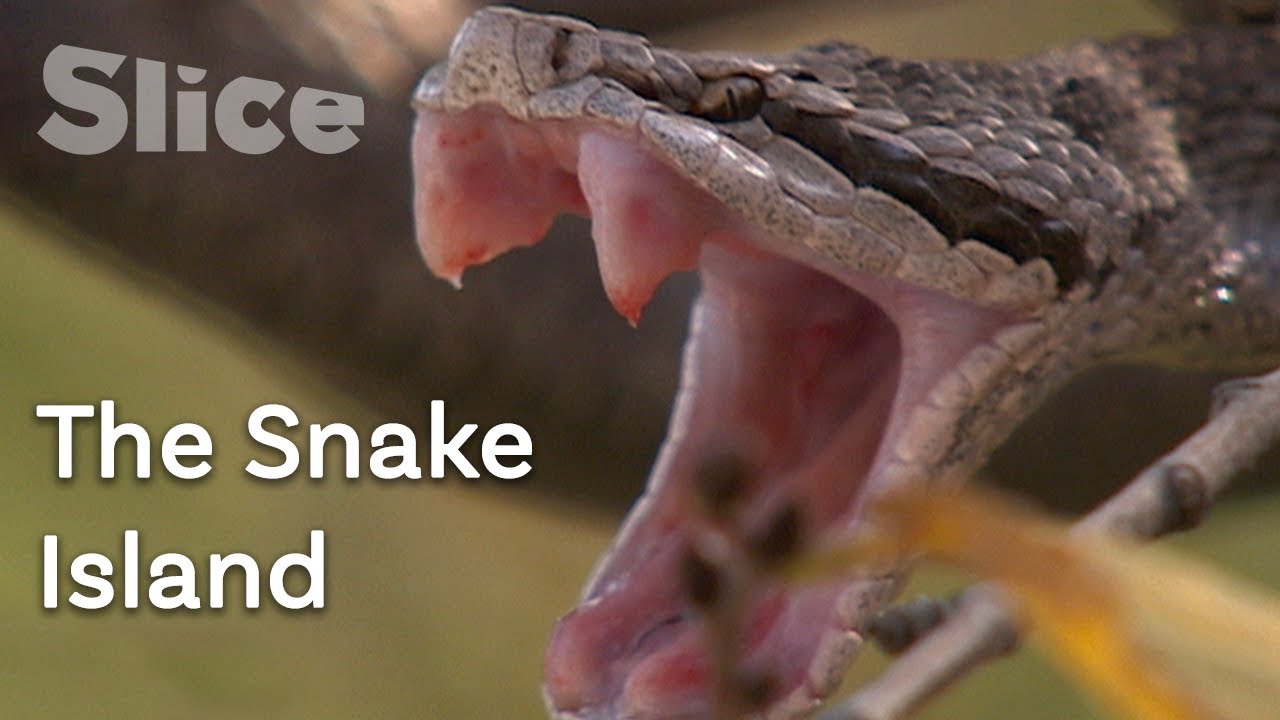
Twenty thousand Gloydius snakes inhabit Shedao, a thirty-hectare island where one snake can be found for every square meter of land.