From over 100,000 films, discover the handful you'll love.
Free or premium access to the world's largest documentary library.
7945 films(Page 8 of 166)
Extraordinary predators like the land-walking octopus and a super-powered spider showcase their unique hunting skills in various environments.
Florida has lost 50% of its seagrass beds since the 1950s, impacting the manatee population and other marine life in Biscayne National Park.
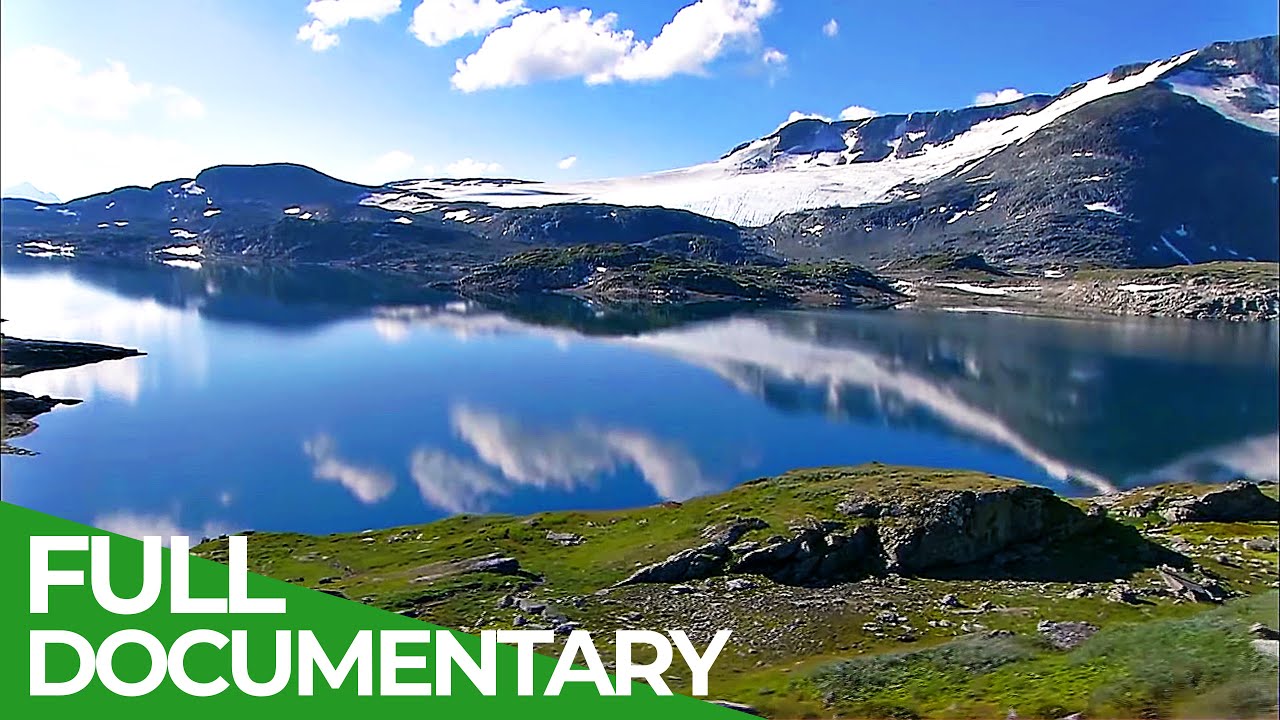
Norway's diverse landscapes, including fjords, glaciers, and agricultural regions, showcase the unique climate influenced by the warm Gulf Stream and the adaptation of the Sami people.
Life on Earth is shaped by cosmic forces, with the positioning of planets influencing the presence of air at high altitudes in the Swiss Alps.
World Ocean Day highlights the urgent need for ocean conservation, as David Attenborough emphasizes the beauty and depletion of Earth's waterways.
In the Libyan Sahara, vast underground reservoirs of fossil groundwater are being extracted, raising concerns about the sustainability of this vital resource.
Eight hydrophones record orca calls in the coastal waters between Alaska and Canada, as researchers seek to understand the animals' communication patterns.
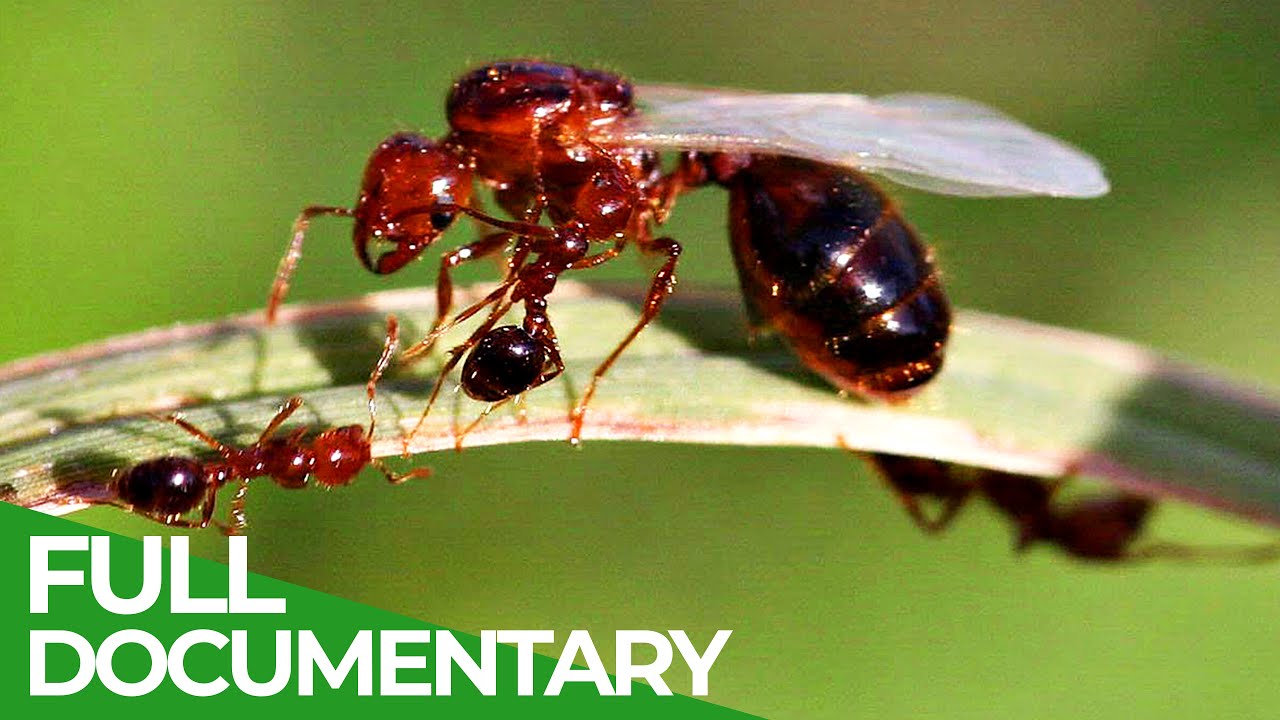
Fire ants are several species of Solenopsis known for their painful sting and ecological impact.
A 7-ton male Stegosaurus, equipped with meter-long spikes on its tail, poses a lethal threat despite its small brain size.
Pangolins can eat millions of ants in a year, yet they are now the most illegally trafficked mammals, driven by demand for their scales.
The Savuti pride of lions, with 40 members, has killed over 30 elephants in the past year as they compete for survival in Botswana's Chobe National Park.
A couple in Little Rock, Arkansas, experienced a tornado that lifted one partner off the ground and into the arms of the other.
The Rhine River, stretching 1,230 kilometers through six countries, supports diverse wildlife habitats and is home to species such as beavers, seals, and wild boar.
The Norland Railway begins in Trondheim and travels 1,000 kilometers along fjords and rivers, reaching the Arctic Circle near the Svartisen Glacier.
Geologic forces over 3 billion years shaped North America, revealing the history of the Grand Canyon, volcanic activity in Lake Superior, and the evolution of the Rocky Mountains.
A modern expedition team scales the 9,000-foot Roraima mountain in Venezuela, searching for new forms of life in its unexplored cave systems.
Between 50 and 60 volcanoes erupt each year, with 20 actively erupting at any given moment, posing risks to nearby communities and ecosystems.
In the northern Atlantic and the Pacific, renowned scientist Gerhard Jarms explores the vital role of jellyfish in marine ecosystems, including encounters with the deadly sea wasp.
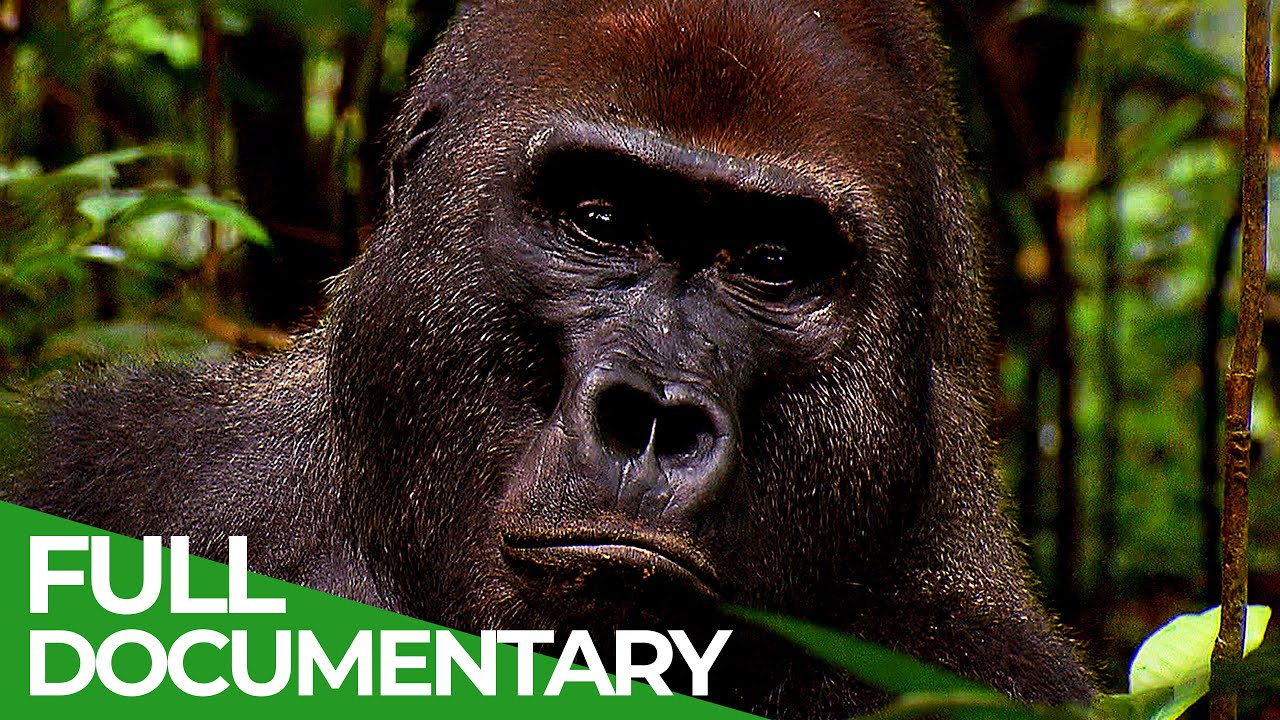
Less than 100,000 western lowland gorillas remain in the wild, making every individual crucial for their survival.
The Arabs transmitted the rich knowledge of the ancient world, revolutionizing mathematics and medicine, and founded the "House of Wisdom" in Baghdad.
Temperatures in Yellowstone's Hayden Valley can plunge to -40 degrees Fahrenheit, creating a harsh environment for wildlife, especially wolves.
Costa Rica showcases numerous species, including the White faced Capuchin and Macaws.
About 1,000 cone-shaped houses carved from volcanic rock make up the village of Kandovan, which has been inhabited for nearly 1,500 years.
Chief's Island in Botswana spans 500 square miles and is home to endangered wild dogs that thrive in larger packs than anywhere else in Africa.
North Carolina's coastline features rich agricultural regions and historic sites, including the first English colony established nearly three centuries ago.
National Park spans 244,000 acres and is home to the American bison, which weighs up to 2,000 pounds and engages in annual rutting battles.
Red imported fire ants, an invasive species in the United States and other countries, cause over $5 billion in annual damages and affect millions of residents.
Insects are facing a dramatic decline due to factors such as pesticide use and habitat loss, threatening ecosystems and food chains worldwide.
Fabiola Baeza-Tarin monitors the Florida Grasshopper Sparrow population, which dwindled to just over 100 birds in the wild.
Between 50 and 60 volcanoes erupt each year, with 20 active at any given moment, posing risks to nearby communities and ecosystems.
Pumas reproduce every two to three years, raising their cubs in the safety of Torres Del Paine National Park, where they face numerous survival challenges.
Zachary Quinto and Bear Grylls navigate the dense jungles of Panama, racing against time as a storm approaches.
Fifteen receivers were placed around Maui to track the movement patterns of tiger sharks and investigate their unusual seasonal gathering.
More than four million visitors each year are drawn to the Greater Blue Mountains, a World Heritage Area spanning over one million hectares.
In Liuwa Plain, Manyari, a lioness and queen of her pride, risks everything to protect her starving cubs from rival males threatening their survival.
Everglades National Park spans 1.5 million acres and protects a unique ecosystem that includes the only dolphins known to hunt by creating muddy nets.
In Indonesia, Nathanaël Maury attempts to capture the legendary Komodo dragon, exploring the unique wildlife and dangers of encountering these reptiles.
A fertility rate of five children per woman contributes to Mayotte's population growth, which has increased sevenfold over the past 50 years.
BBC Earth and Ocean X Media showcase a 10-hour visual experience of the serene oceanic landscapes and ice formations of the Arctic and Antarctic regions.
A giant squid can grow up to 24 feet long, with tentacles measuring six feet each, and possesses a beak capable of severely wounding its prey.
In the Peruvian Amazon, Holly Morris navigates a 250-mile cargo boat trip to Iquitos, exploring its rubber boom history and meeting an indigenous tribe.
280 kilometers of rough track can take a day and a half to traverse, connecting isolated Colombian villages to essential services and supplies.
In the forests of Uganda, primatologists, alongside Jane Goodall, investigate the cultural behaviors and communication skills of chimpanzees, revealing their similarities to humans.
Five million visitors come to Grand Canyon National Park each year to experience its mile-deep gorge and diverse ecosystems.
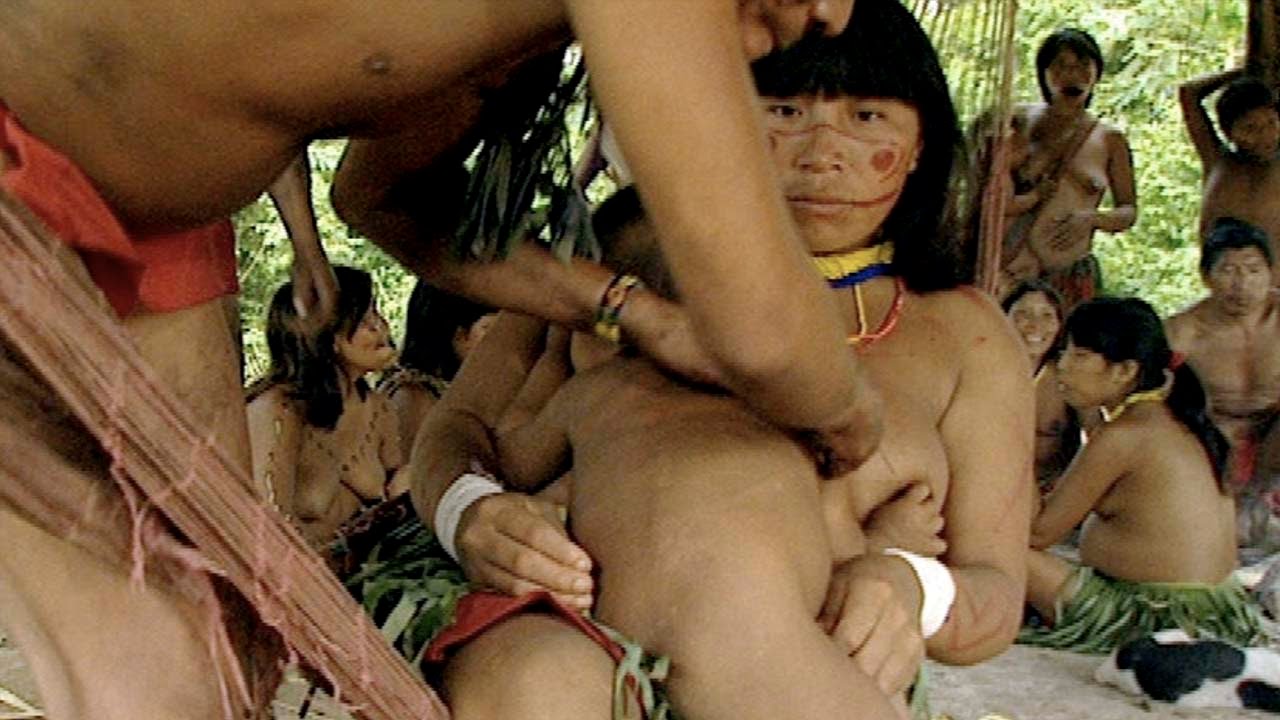
In the Guayana Massif of Venezuela, the world's largest intact virgin forest serves as a habitat for unique wildlife and indigenous communities adapted to its challenges.
Gabriel treks nearly 40 miles down the coast in California, preparing to return home after months living off the land.
Sudan's diverse landscapes, from the Nile's swamps to the northern savanna and desert, shape the nomadic lifestyles of its camel-herding tribes.
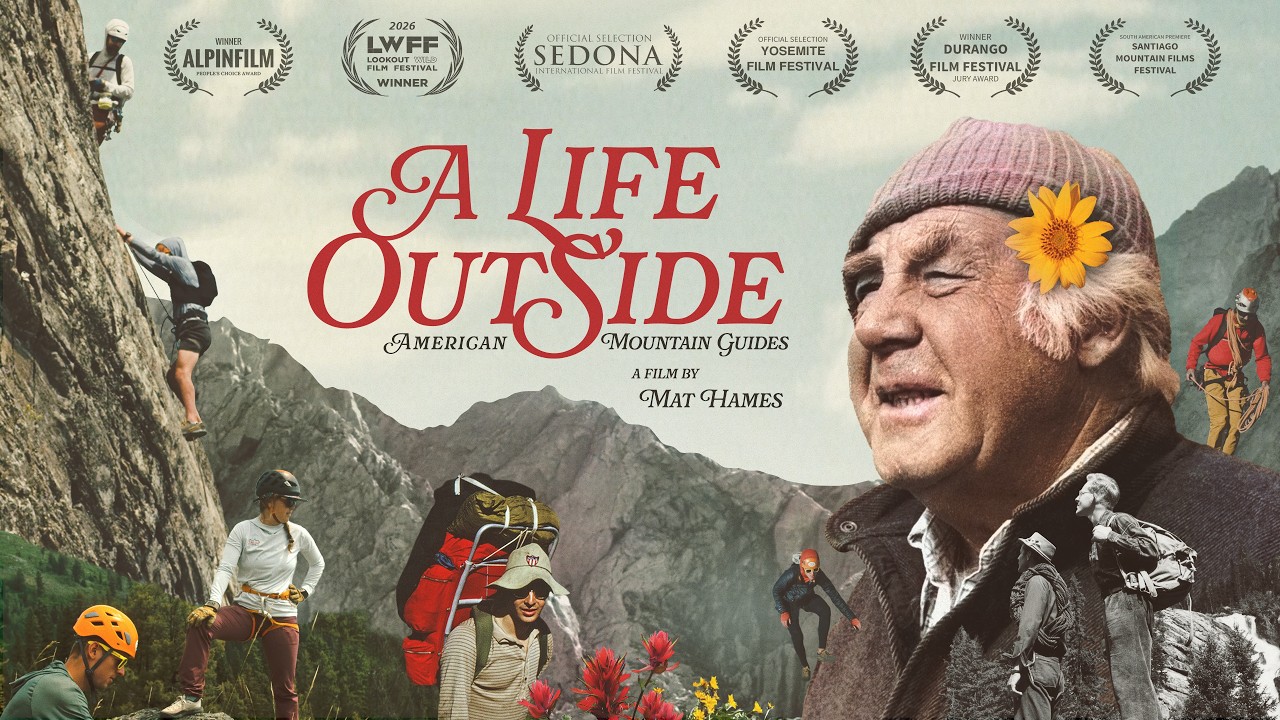
Mountain guiding, rooted in Paul Petzoldt's legacy, intertwines modern challenges with historical feats, showcasing the enduring allure of the mountains.