From over 100,000 films, discover the handful you'll love.
Free or premium access to the world's largest documentary library.
7945 films(Page 133 of 166)
In Indonesia, the Komodo dragon captivates with its legendary status, while Western Sahara's magical lizards highlight the region's unique culture and environment.
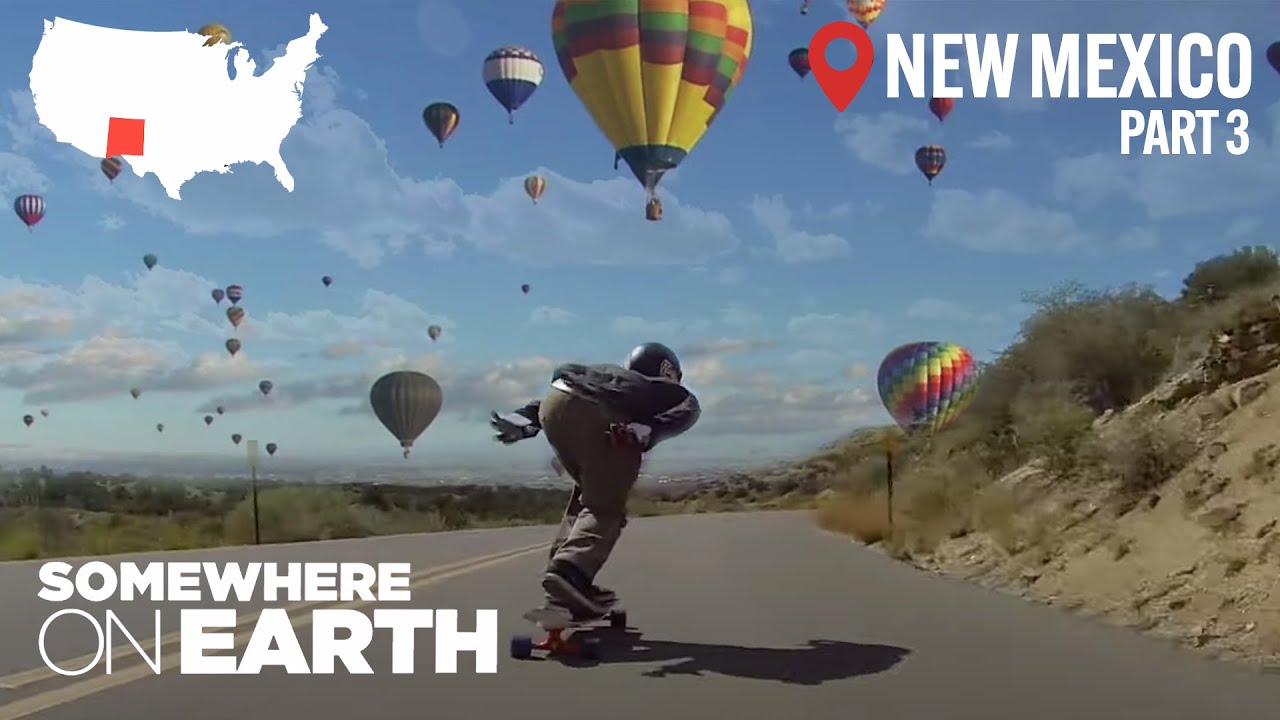
500 hot air balloons light up the sky each morning during the Albuquerque Balloon Fiesta, the largest gathering of its kind in the world.
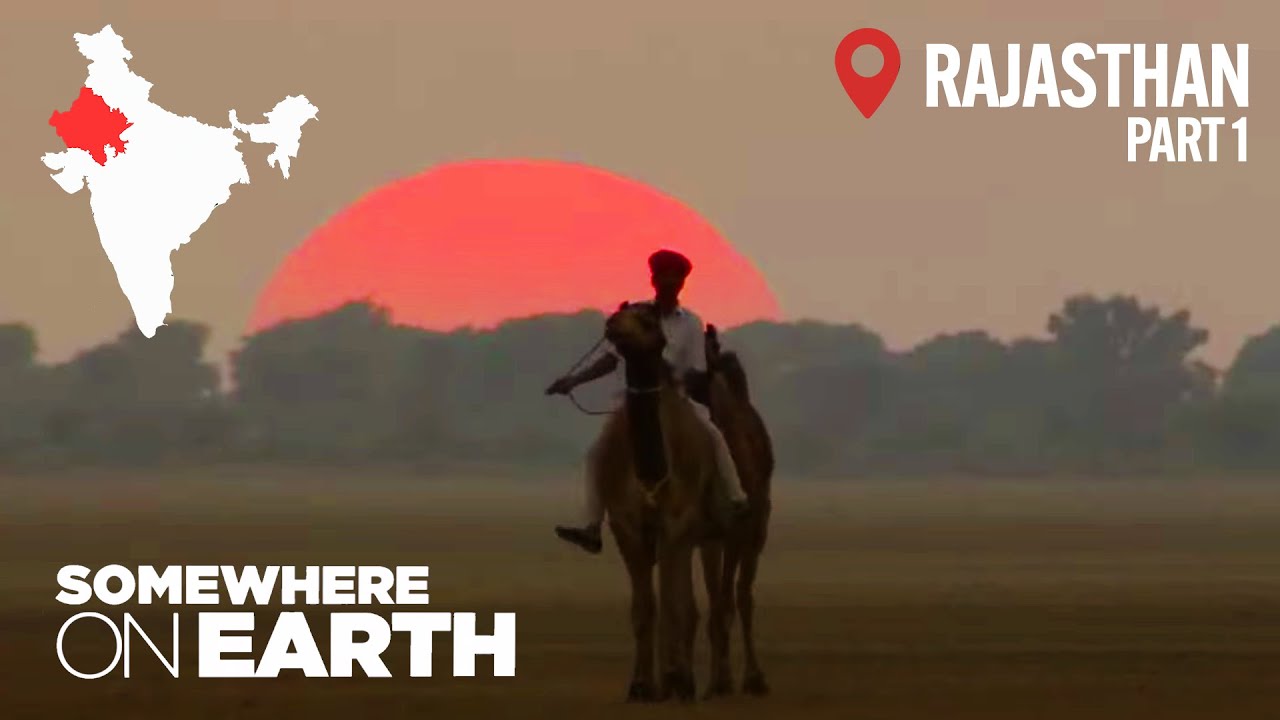
A man from the Bhil tribe founded an NGO in 2007 to support the Untouchables of the Thar Desert by providing education and promoting traditional crafts.
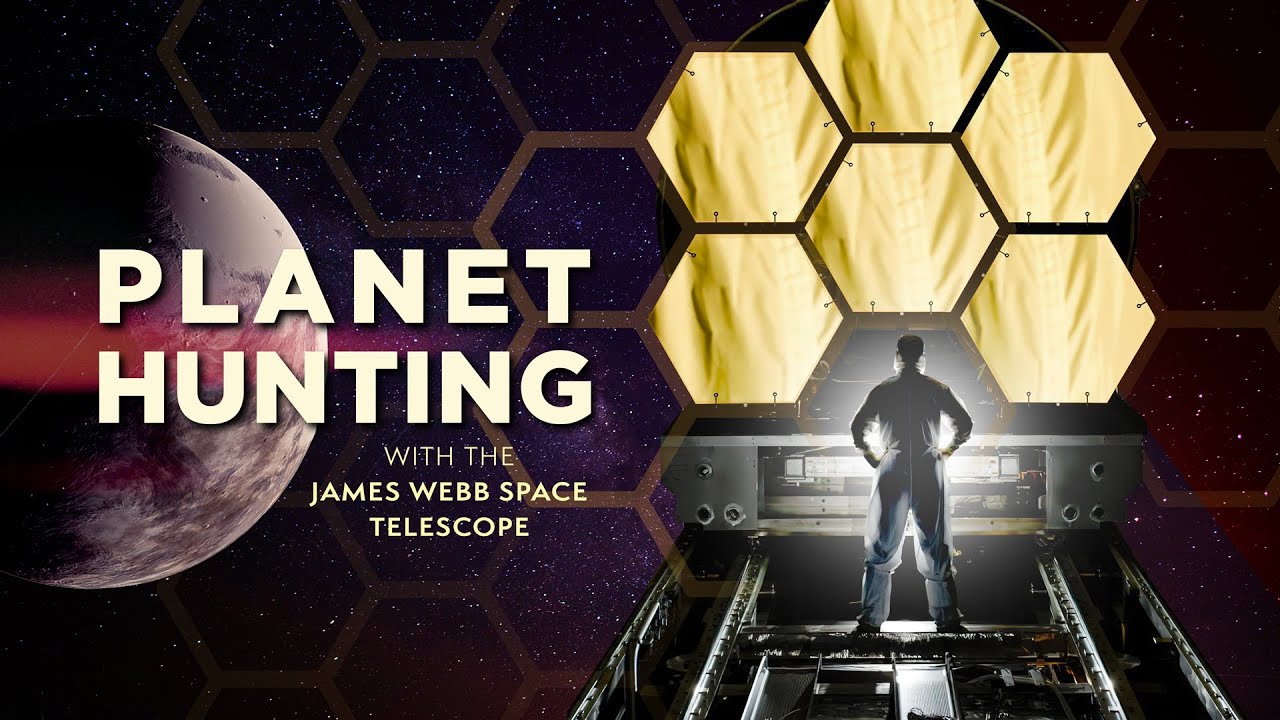
Astronomers estimate there are at least 10 billion potentially habitable Earth-sized planets in the Milky Way Galaxy alone.
New Horizons traveled at 60,000 kilometers per hour, making it the fastest spacecraft ever launched, to study Pluto and its moon Charon.
Only 1% of the plastic that enters the ocean is visible, while the remaining 99% remains unseen, impacting even the remote Galápagos Islands.
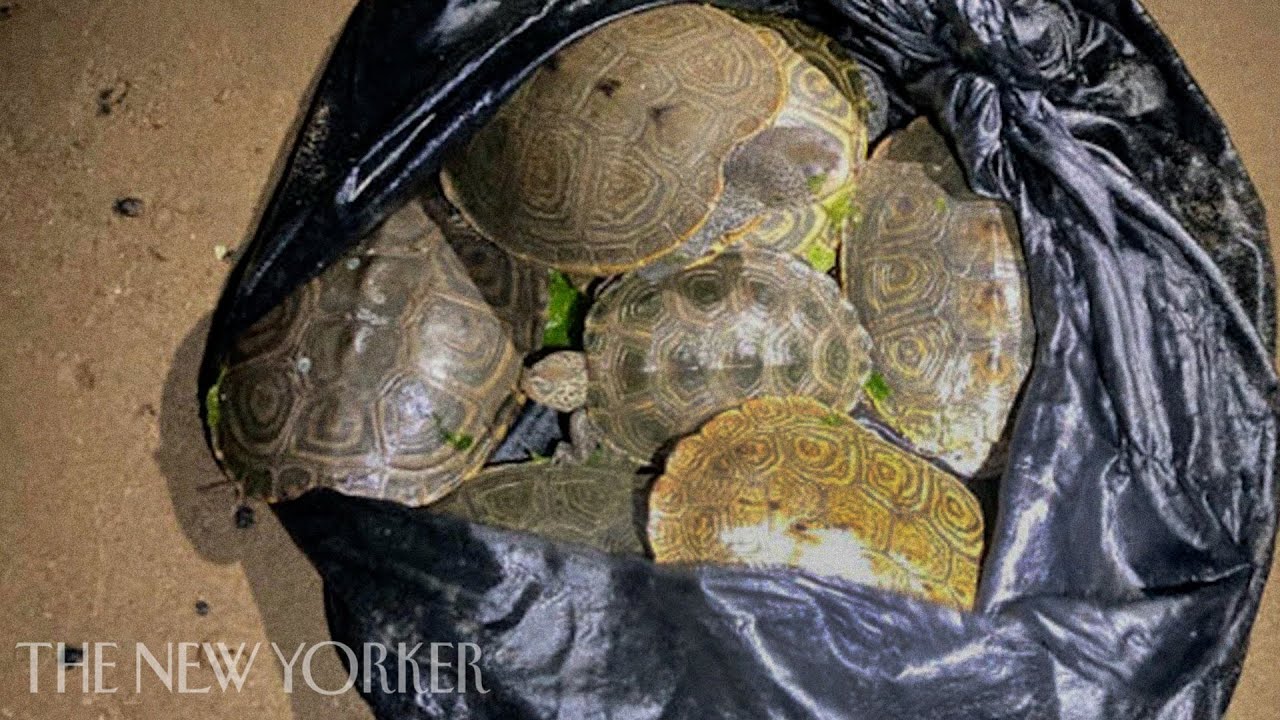
Two buckets of crabs and turtles are taken from Jamaica Bay, where poaching has surged during low tides and the COVID-19 pandemic.
Teuira in Bora Bora talks to a shark to restore harmony in Motu Toopua Island's lagoon.
In 2009, lionfish reached the coast of Honduras, quickly colonizing the seabed and threatening local marine life within three years.
A premature giraffe calf at a British zoo begins to show signs of recovery after weeks of concern from the animal care team.
The Snake Detection Hypothesis suggests that primates, including humans, have evolved the ability to quickly identify and avoid snakes due to the long-standing threat they pose.
Princess Diana passed away in a Paris hospital following a car accident in 1997, deeply affecting her family and the public's emotional landscape.
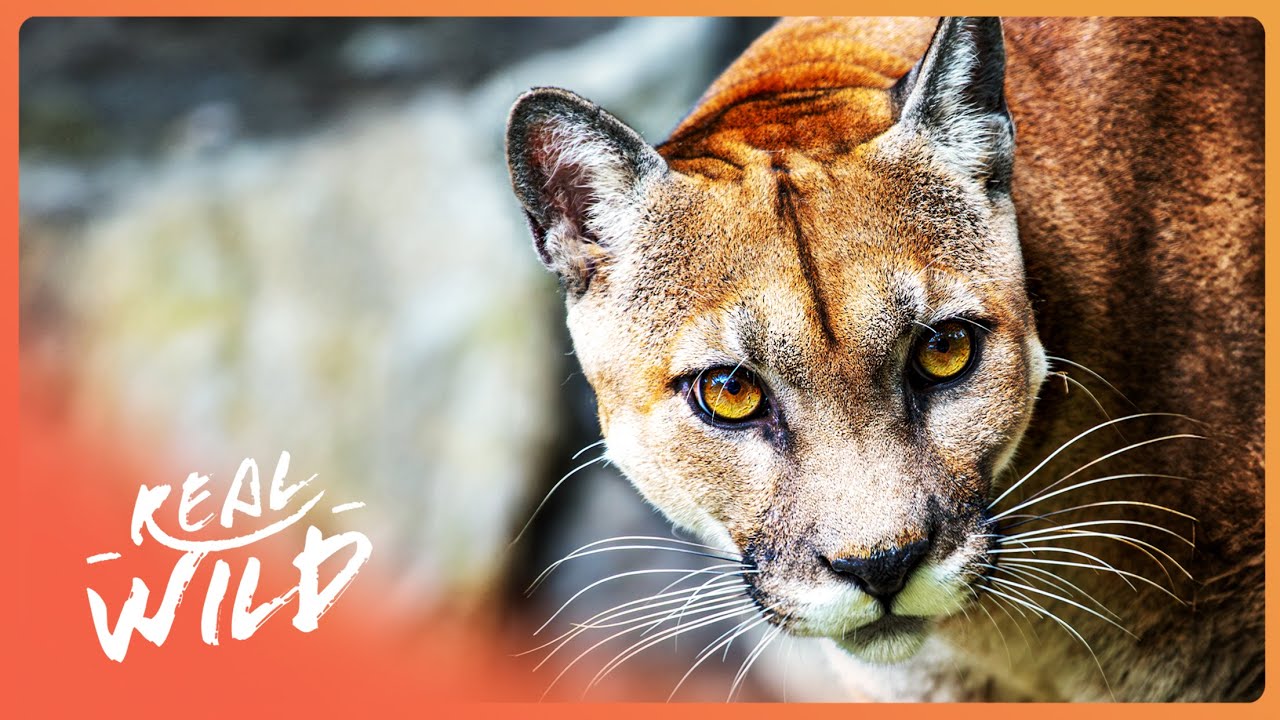
San Diego Zoo Safari Park showcases the vital relationships between keepers and animals, highlighting the recovery of orphaned mountain lions and a cheetah cub.
Three flat tires delay a group traveling through the Congo to observe wild bonobos, a species known for their unique social behaviors and matriarchal structure.
Only about 3,000 wild Cuban crocodiles remain, primarily found in the Zapata Swamp, which is the only place they can live in the wild.
Tisno, a 24-year-old botanist, patrols 65,000 hectares of Yujong Kulong National Park to protect endangered species from poachers.
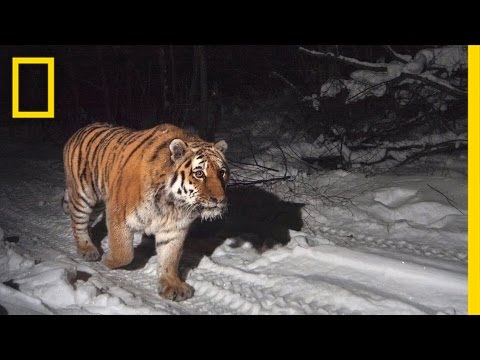
Rangers in the Ussuriskii State Nature Reserve in eastern Russia are combating logging and poaching to protect the endangered Siberian tiger population.
In the Cocora Valley, the wax palm, Colombia's national tree, faces extinction threats despite government protection measures established since 1985.
In the Everglades, Troy and Tes confront the escalating python population during a dry spell, employing new strategies to manage the invasive species.
Twelve-year-old Besong often feels overlooked by her teachers despite excelling academically in a school with over 2,000 students in Stuttgart.
Paul Watson, a conservationist, uses radical tactics against marine poachers at sea.
Modiki, a former poacher turned protector, leads a ranger team in Dzanga-Sangha to combat poaching and safeguard Africa's endangered elephants.
In the harsh landscapes of the Himalayas, rams engage in fierce competition for mates while snow leopards hunt for survival.
In remote Florida swamps, researchers Carlton Ward Jr.
Thirty sailors on five fishing boats team together to catch fish for their village in Malaysia.
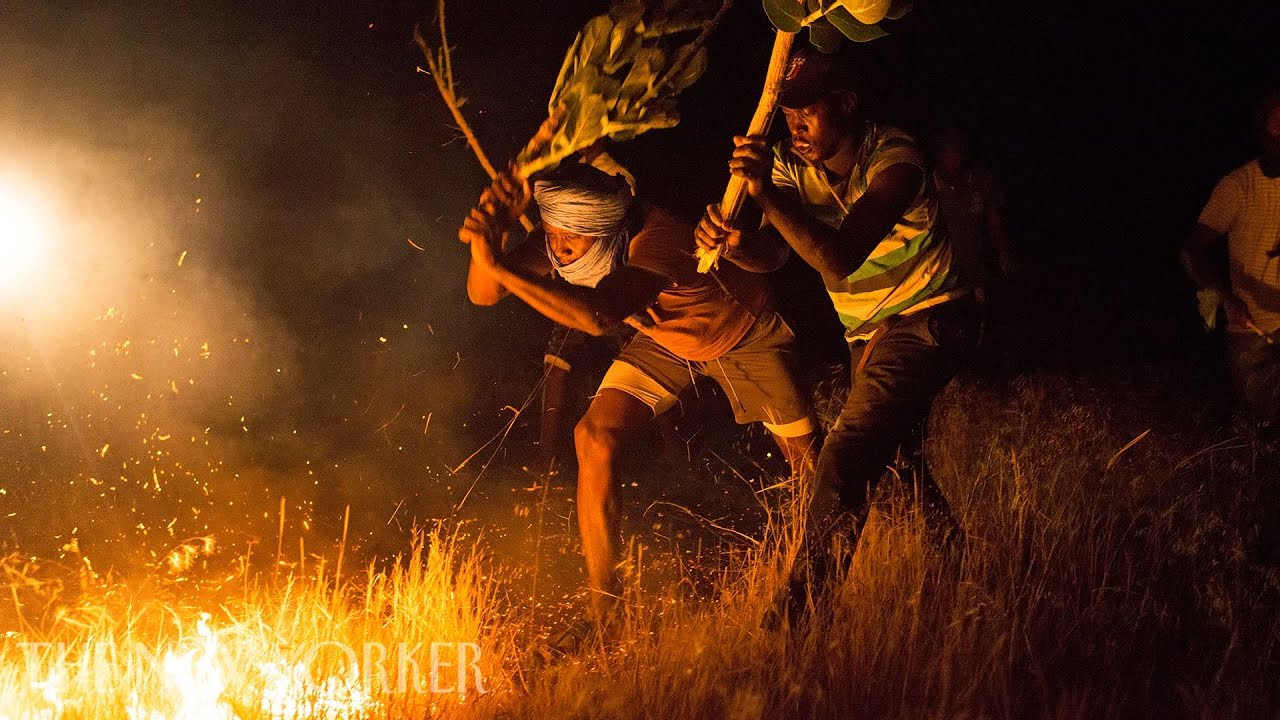
Malian refugees train to fight bushfires, protecting their camp and Mauritanian locals.
In Penang, Malaysia, a farm breeds butterflies to reintroduce species into the wild.
Aggressive male animals play a crucial role in mating dynamics, influencing sexual conflict and reproductive strategies across various species and nomadic tribes.
Lewa Wildlife Conservancy in Kenya showcases its rich biodiversity, featuring elephants, giraffes, rhinos, and lions while emphasizing wildlife conservation efforts.
Birds from the Iberá Wetlands to the Atlantic Rainforest are showcased to promote relaxation and highlight the benefits of nature on mental and physical wellbeing.
In a calming exploration of nature, snails, frogs, and wild animal families are showcased to highlight their behaviors and the benefits of nature on wellbeing.
Rivers such as the Danube, Yukon, and Zambezi serve as vital ecosystems, supporting diverse wildlife and human communities across the globe.
Giant Redwood Forests, a unique and endangered ecosystem, is showcased in a co-production by BBC Earth and The Listening Planet, highlighting its natural beauty.
On December 24, 2009, orca trainer Alex Hernandez was killed during a performance at Loro Parque in Tenerife, prompting his mother to campaign for their freedom.
Adelina anesthetizes a spider monkey named Pepe to transfer him to a final cage before his release into the wild, ensuring he can integrate with other monkeys.
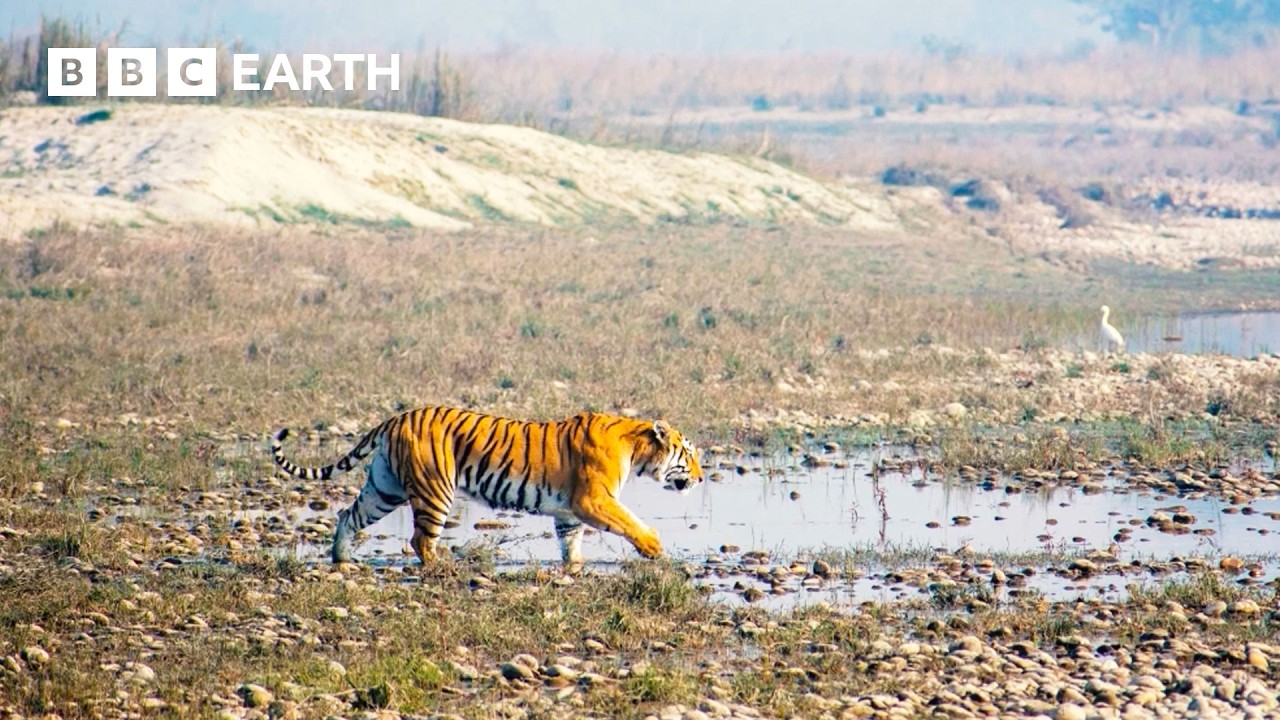
Wildlife biologist Dan O'Neill presents new insights into tiger behaviors filmed in Nepal for the series Tiger Island.
Apollo 11 launched on July 16, 1969, and marked the first successful manned moon landing, with Neil Armstrong's famous words, "That's one small step for man."
Fremont, California, home to 200,000 residents, hosts the largest Afghan community in the United States, where former US Army interpreter Ahmad now lives.
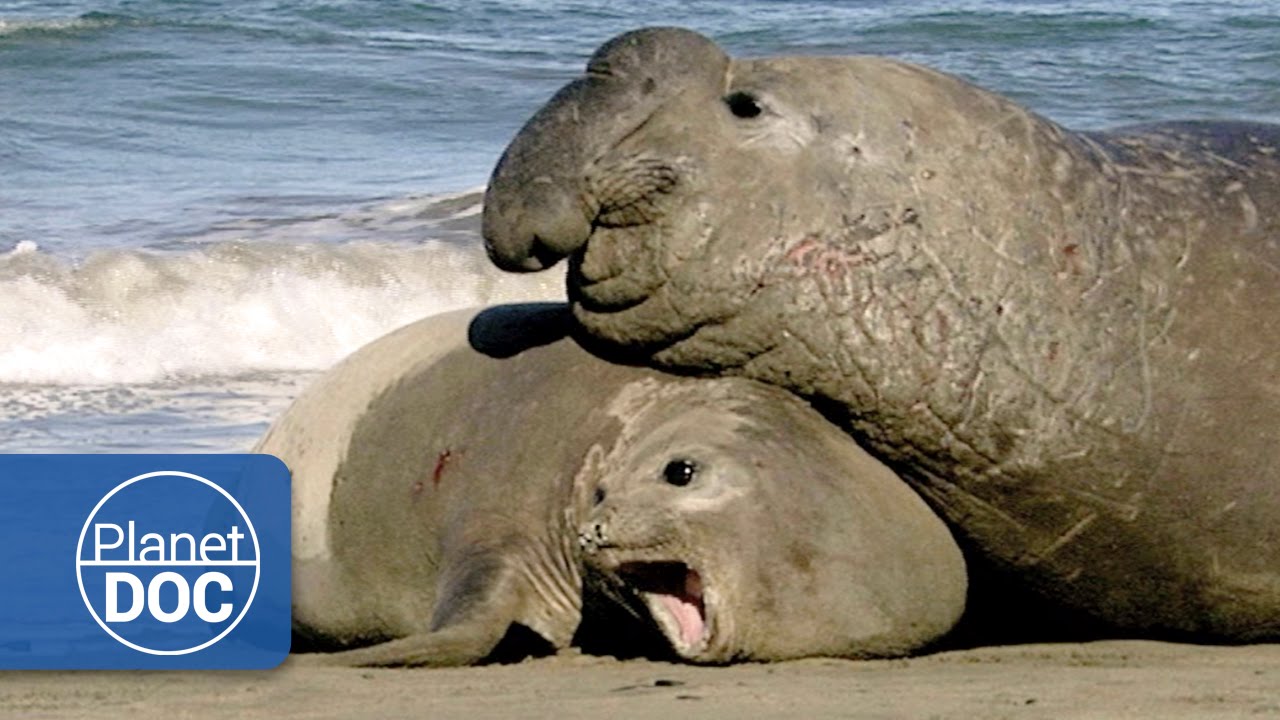
At the Cornish Seal Sanctuary, a dedicated team works to rehabilitate two orphaned baby seals with the goal of releasing them back into the wild.
Coyotes, once native to central North America, now thrive in urban areas like New York City, prompting researchers to examine human-coyote conflicts and their origins.
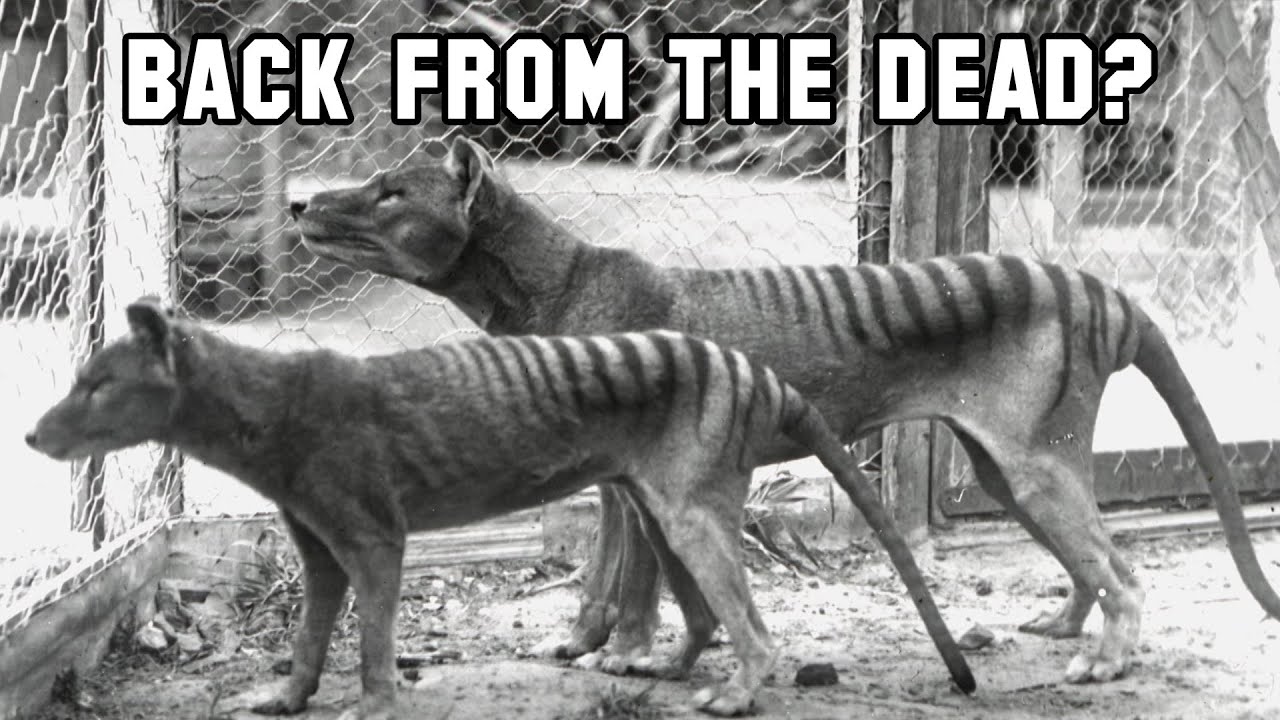
A $15 million project aims to resurrect the thylacine, which was declared extinct in 1936 after being hunted by humans in Tasmania.
At Animal Airport, the team navigates health checks and dietary needs while reuniting pets like a Senegal parrot and a Yorkie after long separations.
In the grasslands of Camargue, France, gardians maintain traditional practices of managing wild horses and bulls, emphasizing conservation and ecosystem balance.
Rising seal populations along the coasts are attracting more great white sharks, creating unexpected dangers for surfers and marine biologists studying these interactions.
A gray shark bites a diver's mask strap at a depth of 80 meters, prompting a critical response to a life-threatening situation.
NASA's supercomputer simulation analyzes plasma flows within the Sun to reveal how solar eruptions impact space weather.
Robert Irwin gets up close with a blacktip shark while diving at Lady Elliot Island, learning techniques from conservationists Paul de Gelder and Matty Stewart.
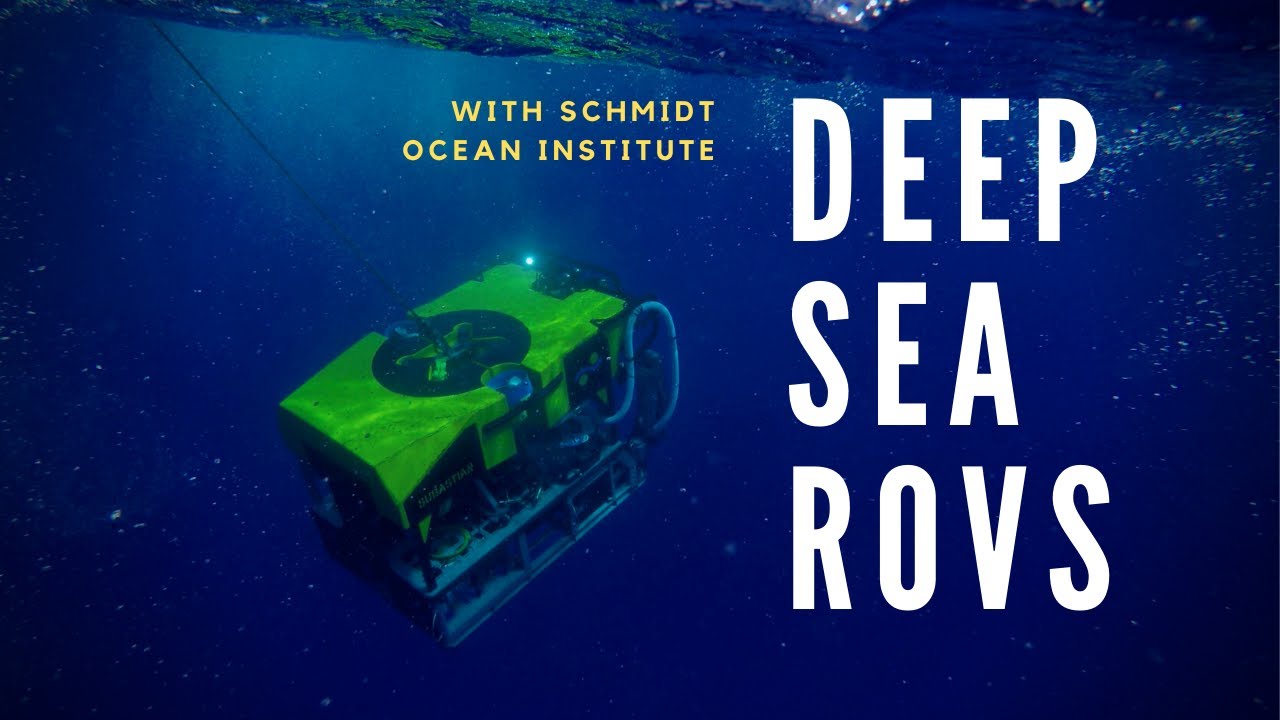
Innovations in remote-operated vehicles and sampling systems by the Schmidt Ocean Institute enhance the study of midwater biodiversity in the deep ocean.