From over 100,000 films, discover the handful you'll love.
Free or premium access to the world's largest documentary library.
7951 films(Page 62 of 166)
Tiger cubs, otters, baboons, and giraffes showcase their playful behaviors and social dynamics while adapting to various environments in this engaging wildlife exploration.
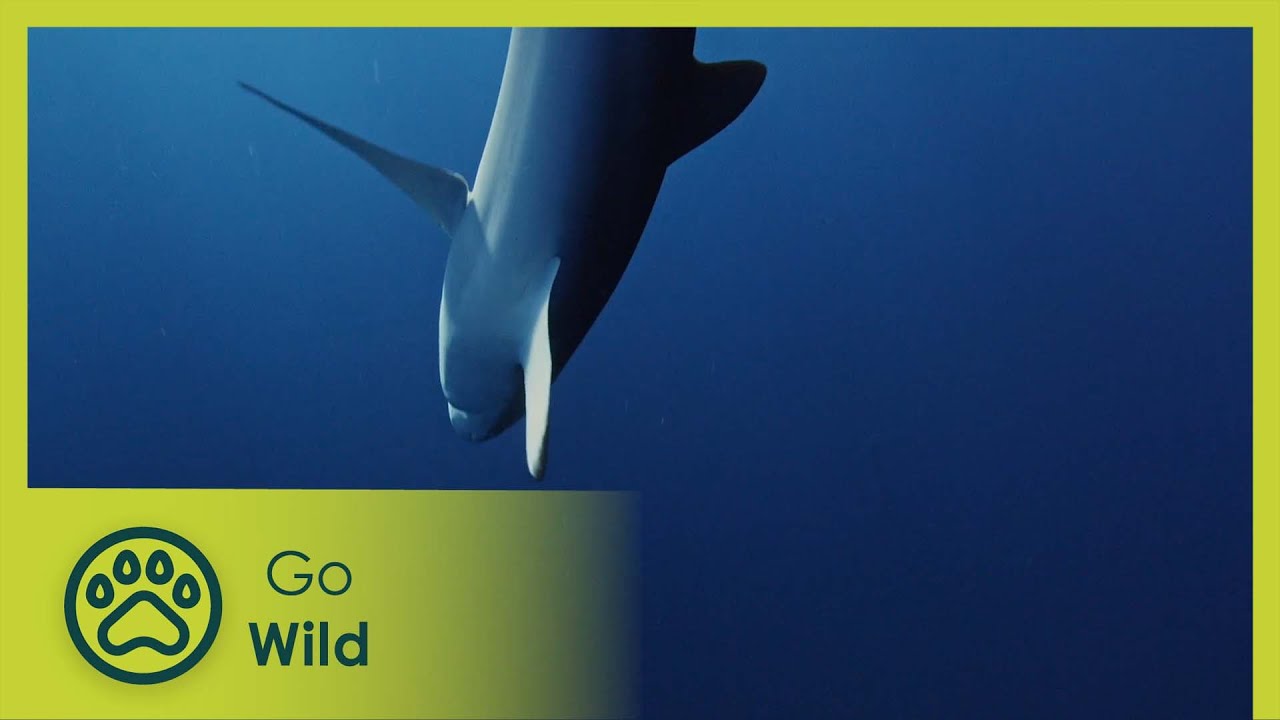
Jonathan Bird conducts an experiment with a tiger shark at Tiger Beach, revealing that the shark refuses to eat a GoPro camera offered as bait.
By the end of the century, sea levels are expected to rise as much as 1 meter, inundating coastlines around the world.
More than half of all Europeans and nearly 80% of Americans live in areas where the Milky Way is no longer visible due to light pollution.
A southern hairy-nosed wombat weighs about 30 kilograms and shares its burrow with up to 10 other wombats in the harsh Australian outback.
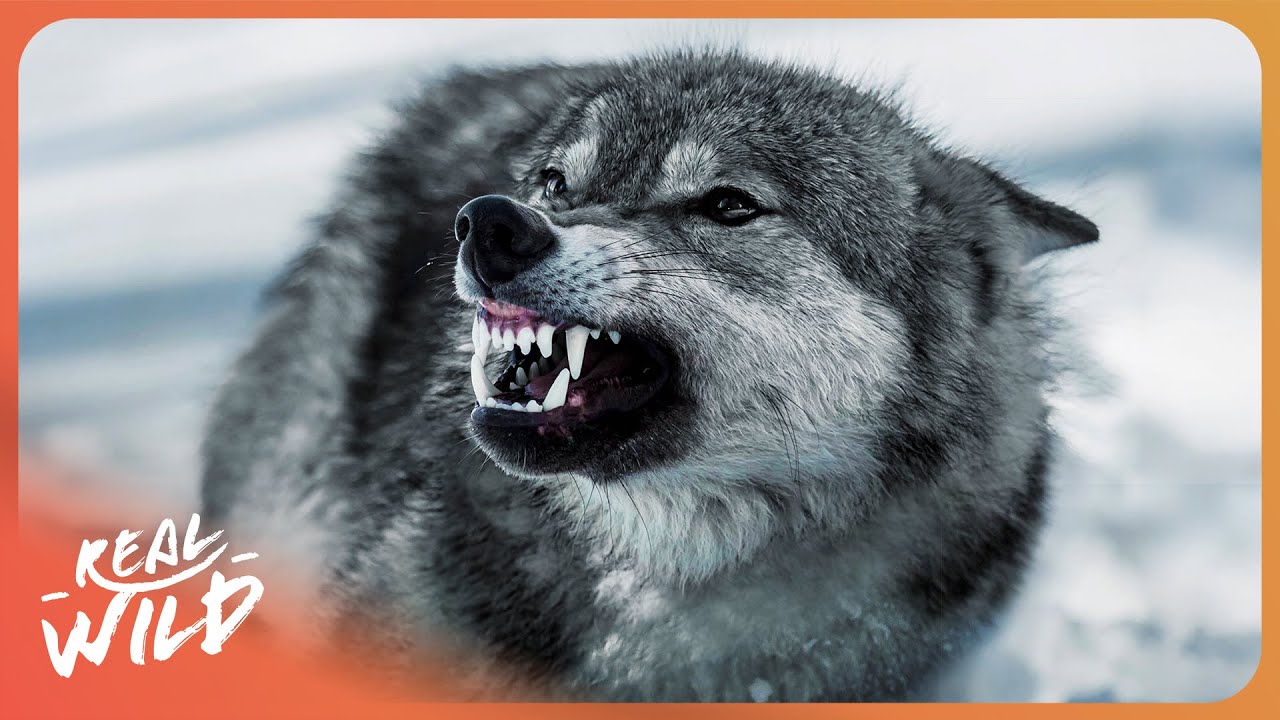
Gordon Eastman raises three orphaned Arctic wolves in the Yukon, where fur trappers pose a constant threat to their survival.
In coastal Belize, human activity threatens manatees and sea turtles, with pollution and poaching contributing to the decline of these vulnerable species.
Dr Johan Joubert, a wildlife veterinarian at Shamwari Game Reserve in South Africa, faces daily challenges treating Africa's most dangerous big cats.
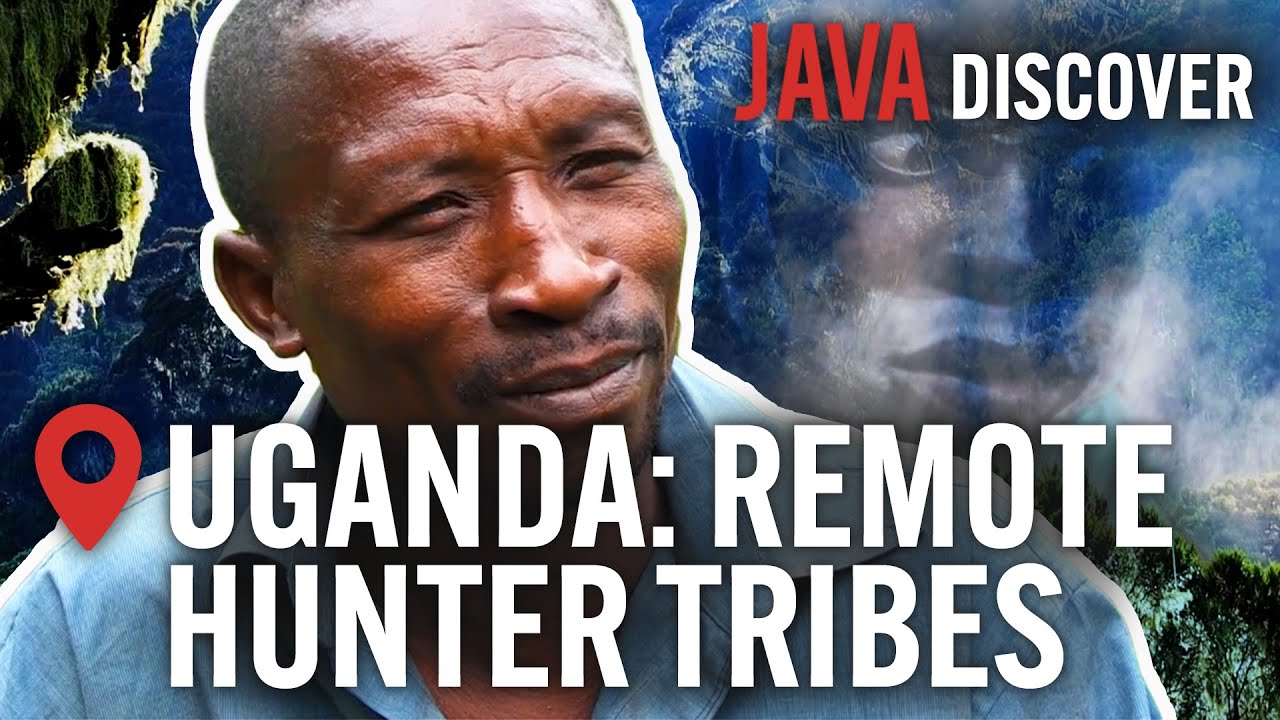
Rwenzori Mountains host a unique ecosystem and a remote Ugandan tribe, as young villagers navigate the challenges of guiding foreign climbers through this surreal landscape.
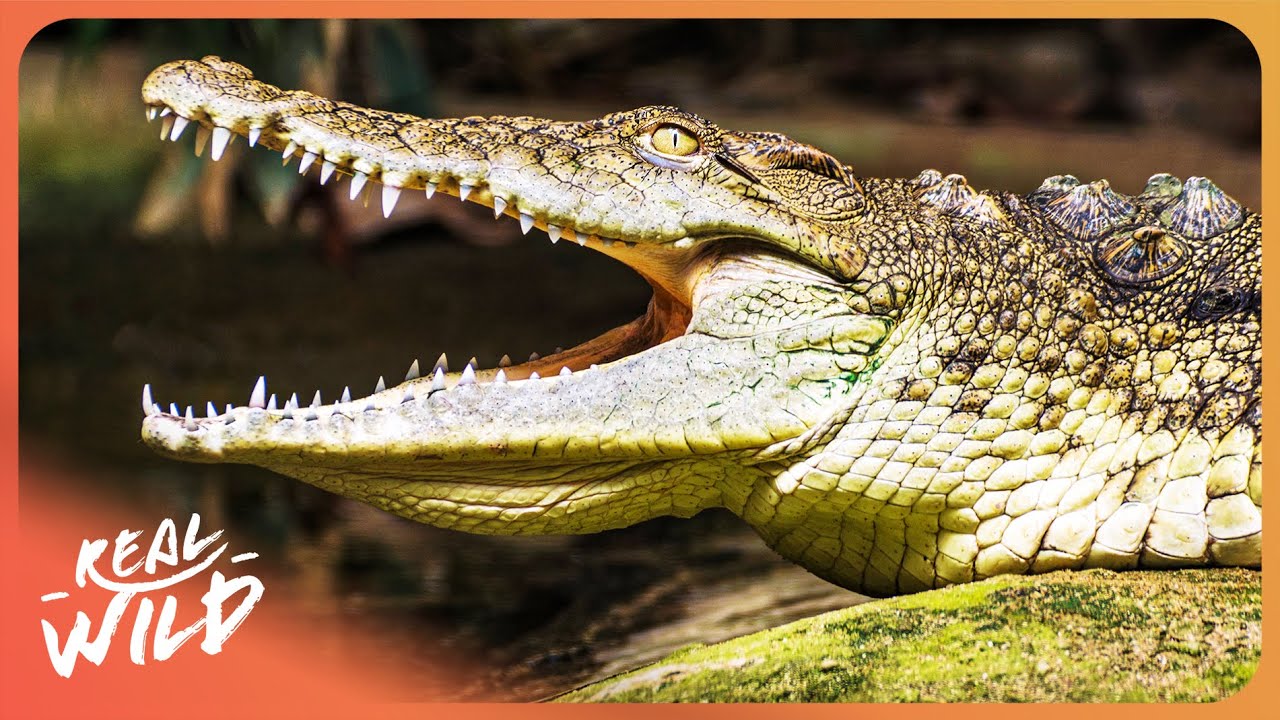
Reptiles such as crocodiles, turtles, and snakes exhibit a wide range of adaptations and behaviors across various ecosystems around the globe.
Norwegian Joy, the world's fourth-largest cruise ship, faces logistical challenges during its launch.
Astronomers have created a high-resolution three-dimensional model of the Milky Way, mapping nearly two billion stars and their movements.
For 16 days each winter, fishermen on Lake Winnebago brave sub-zero temperatures to hunt giant lake sturgeon that can weigh up to 300 pounds.
Every year, 94 million hectares of forest disappear, impacting countless species and the balance of ecosystems around the world.
Birds around the world, from the tiny hummingbird to the large ostrich, exhibit a wide range of behaviors and adaptations in their natural habitats.
In a wildlife sanctuary, 10-week-old orphaned Vervet Monkey Alfi meets his new family while 2-year-old Dolphin Juan trains with his nanny Miguel.
In North America, Marty Stouffer examines the predatory skills and survival tactics of wild cats like mountain lions and ocelots, alongside their ecosystem interactions.
500,000 citizens in the Maldives welcome 600,000 visitors each year, while rising sea levels threaten their island nation and its coral reefs.
North America's wildlife, including cougars, wolves, and spirit bears, inspires myths and legends while facing the challenges of nature and human imagination.
Chimpanzees, elephants, parrots, and octopuses demonstrate advanced cognitive abilities through their complex social structures, emotional depth, and problem-solving skills.
Manny Puig faces the challenge of clearing feral wild hogs from private property in Florida using traditional stalking and spear techniques without dogs or machinery.
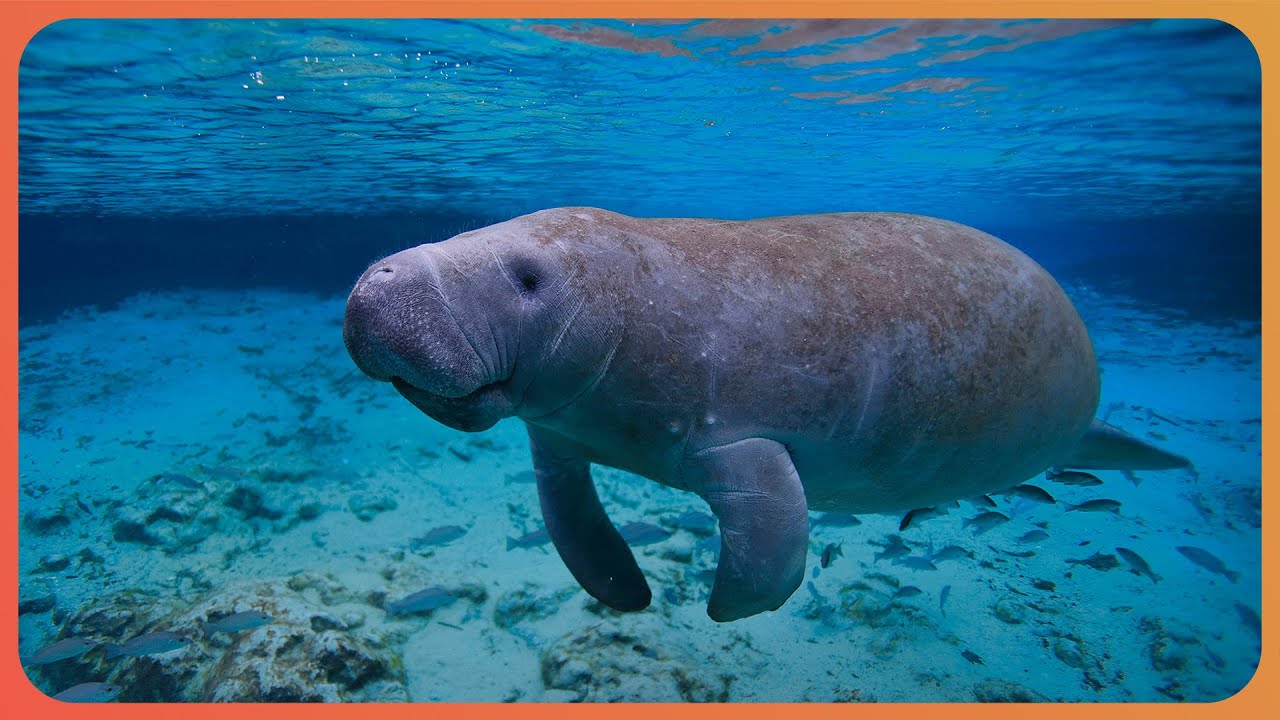
In Crystal River, Florida, a family encounters manatees while exploring vibrant coral reefs in Bonaire and searching for rare marine life in South Australia.
Ant colonies demonstrate complex social structures with specialized roles for each member, while termites exemplify evolutionary success through their impressive architectural creations.
Deciduous forests in the northern hemisphere are characterized by seasonal leaf changes and host diverse wildlife, including European bison and lynx.
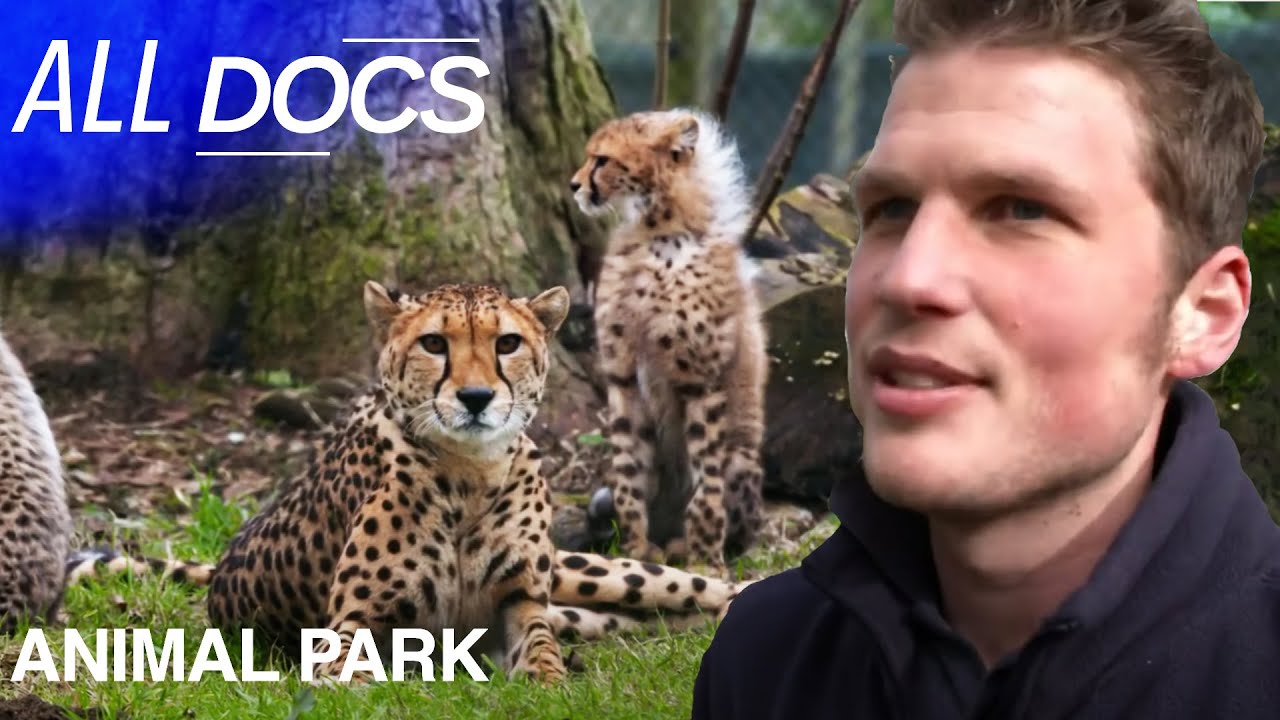
Cheetah cubs Poppy and Winston venture into their new enclosure at Longleat Safari Park, while keepers and their mother Wilma face the excitement and nerves.
Sophie Auguste Friederike von Anhalt-Zerbst's marriage to Grand Duke Peter of Russia at 14 marks the beginning of her transformation into Catherine the Great, a pivotal empress who modernized Russia.
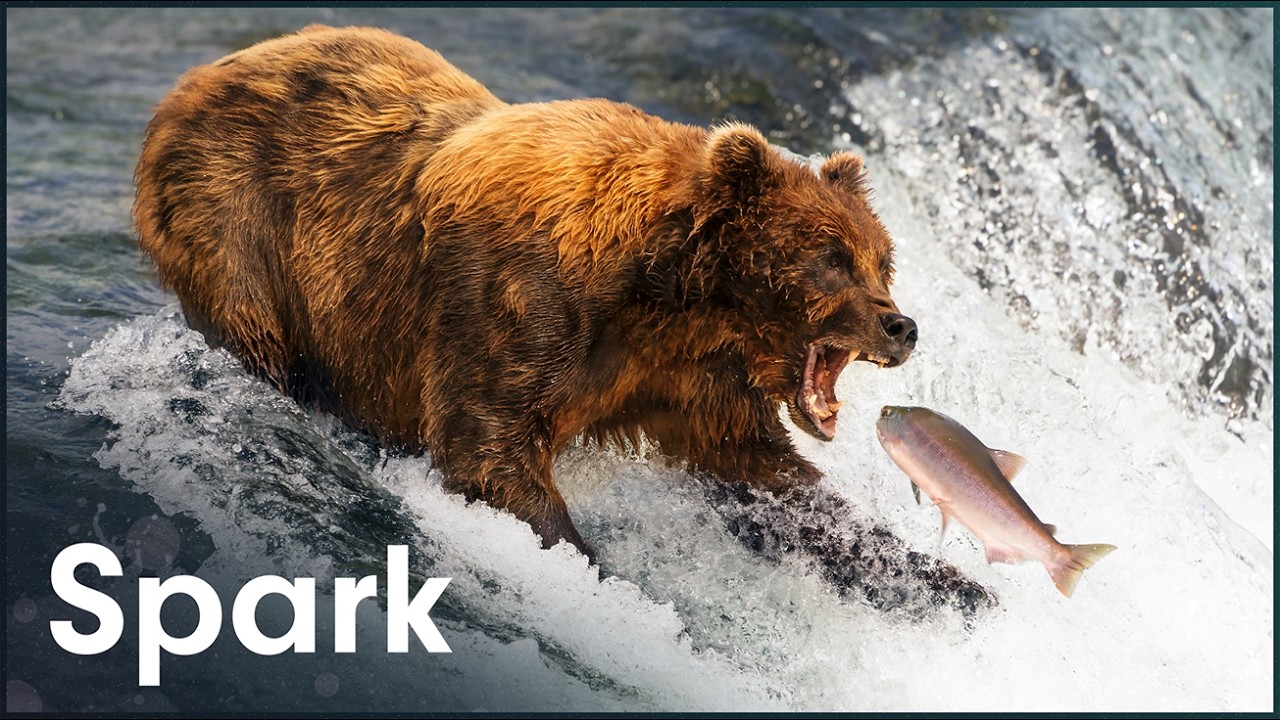
Sockeye salmon embark on a perilous 6,000-mile migration to survive after a catastrophic volcanic eruption in Alaska devastates their ancestral home.
Palau, an island nation in the Pacific, features unique marine life, including non-stinging jellyfish in Jellyfish Lake and rare toadfish, explored by Jonathan Bird and his crew.
In Africa, apex predators such as lions, tiger sharks, and Nile crocodiles exhibit advanced hunting strategies and territorial behaviors essential for survival.
Circularity is the only hope for survival, as it mimics how nature operates and promotes sustainable practices across various systems.
Cuba's ecological treasures face threats from tourism and economic pressures as the island navigates a new era after decades of dictatorship and isolation.
At Hamburg Zoo, various animal babies are lovingly cared for by their keepers, showcasing their adventures and the nurturing environment they thrive in.
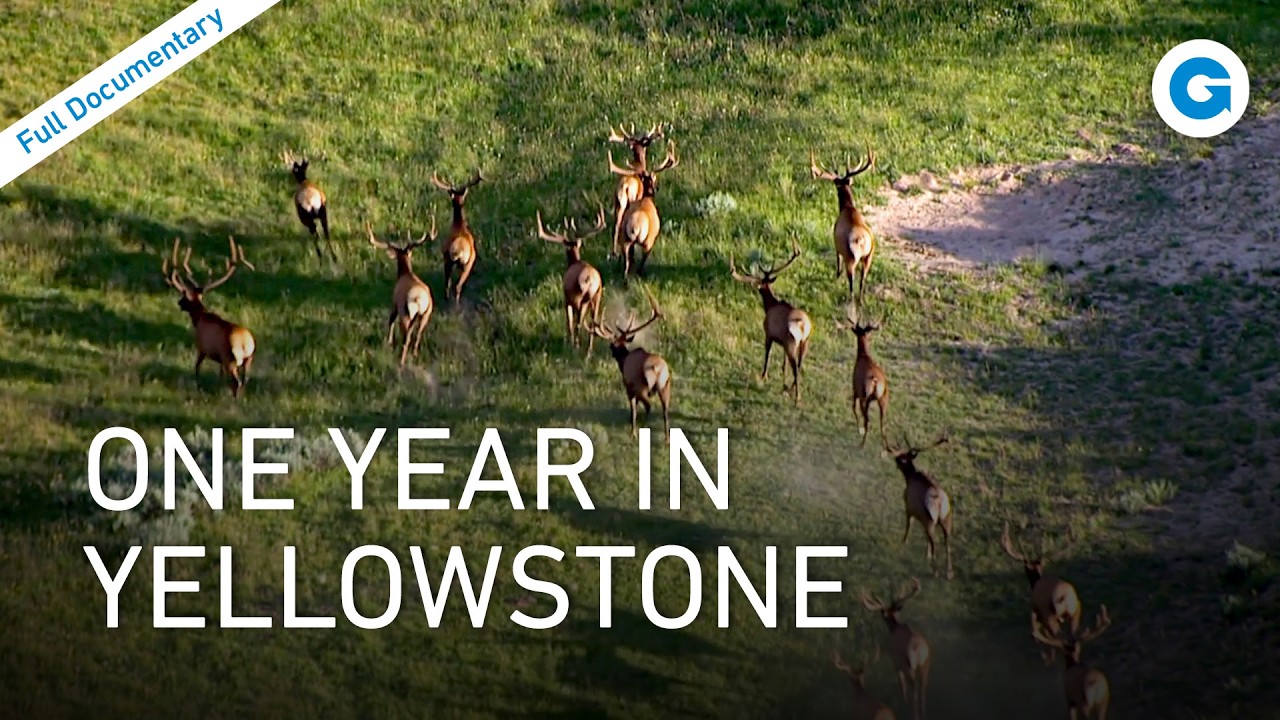
Yellowstone has managed to breed 5,000 bison from a mere 21 animals that survived near extinction in the late 19th century.
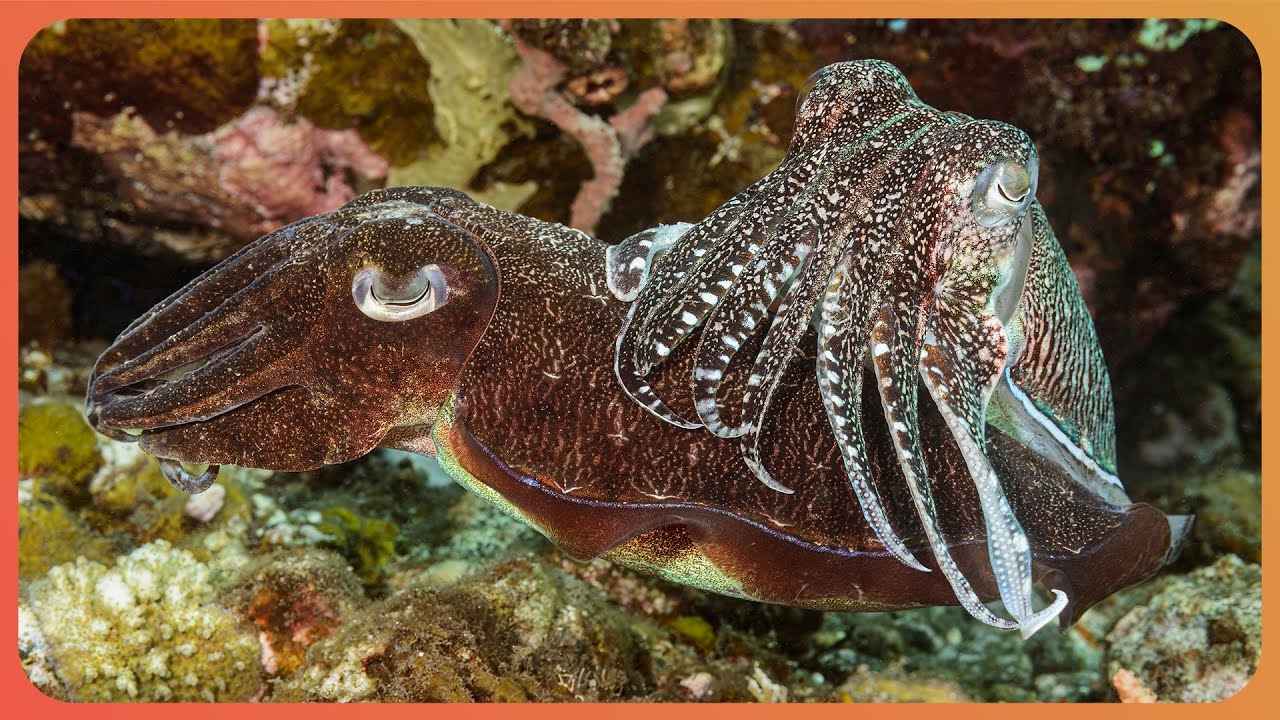
Tens of thousands of Australian giant cuttlefish aggregate to spawn in the waters of South Australia between May and August.
Australia is home to more than 1 million species of plants and animals, many of which face extreme challenges from drought, floods, and fires.
Scientist Jean Lemire leads a diverse crew aboard the Sedna IV on a 1,000-day expedition to explore global ecosystems and conservation challenges.
Turtles face an alarming threat, with 27 species on the brink of extinction and over 240 others classified as threatened or critically endangered.
One square foot of rich tide pool habitat along the Olympic coastline can support 4,000 individual animals.
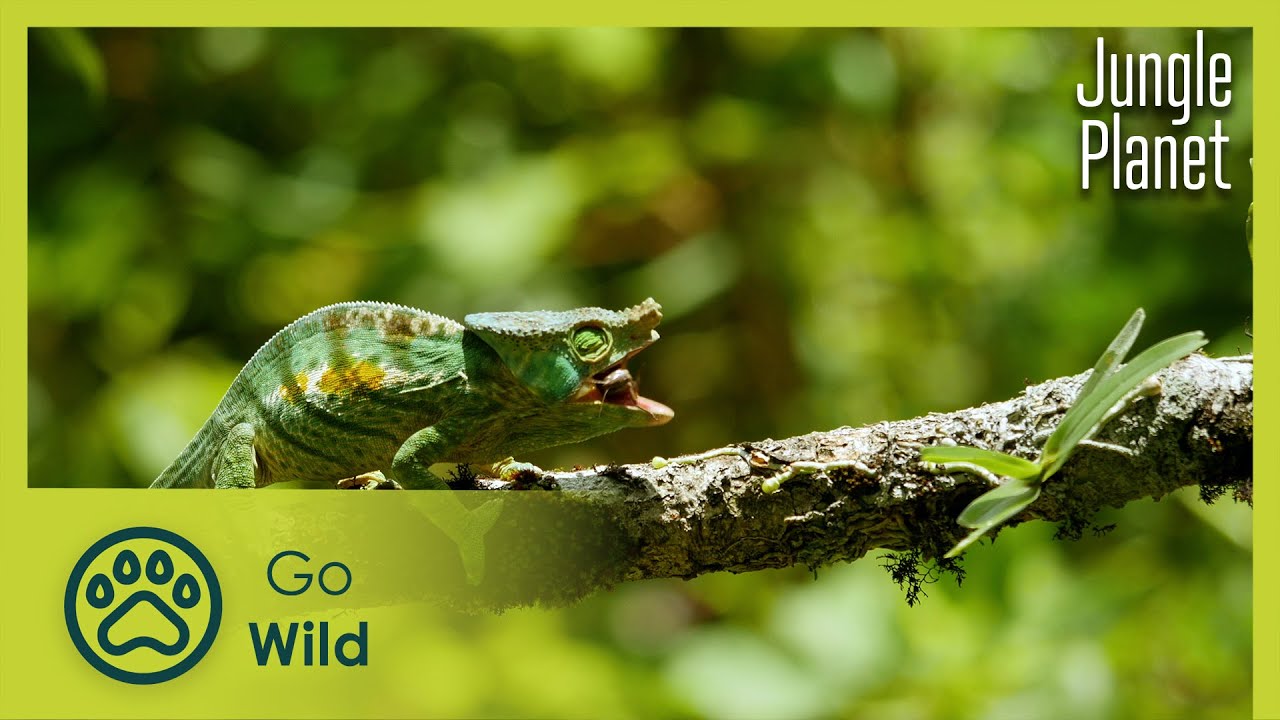
Madagascar's rainforest hosts over fourteen species of lemur, thirty species of chameleon, and a diverse array of unique wildlife in its extraordinary ecosystem.
Wildlife biologist Liz Bonnin explores the unusual friendships between different animal species and the connections between apex predators and humans.
Over a million tons of plastic fishing gear are lost or dumped at sea each year, severely impacting marine life and ecosystems.
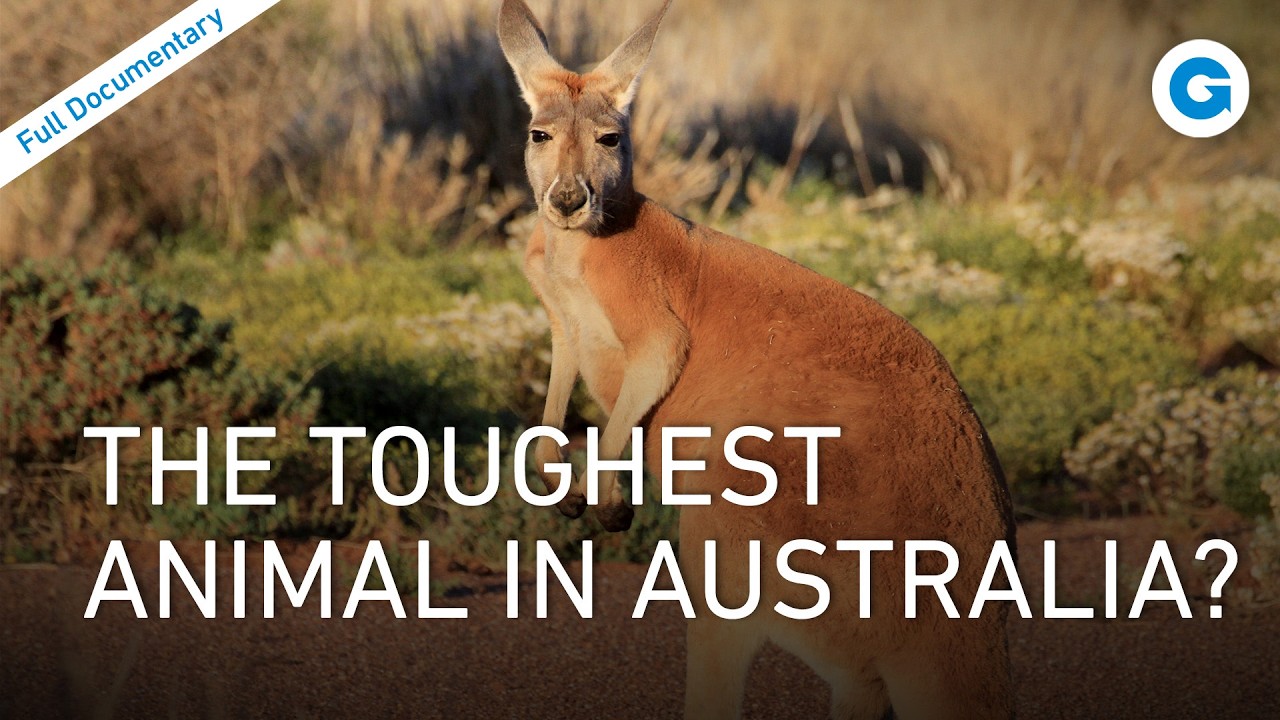
A red kangaroo can weigh up to 90 kg and is known for its energy-efficient hopping, crucial for survival in Australia's harsh desert conditions.
Thaya Valley, located on the border of Austria and the Czech Republic, is a sanctuary for diverse wildlife, including red deer, otters, and numerous bird species.
The Mediterranean garrigues and steppes showcase unique wildlife adaptations to extreme heat and arid conditions, highlighting Europe's distinctive maquis ecosystem.
Two otter pups spend a year under their mother's care before they must learn to survive on their own and eventually start families of their own.
Shark attacks on humans are often misrepresented, as the biology of the Great White, Bull, and Tiger sharks reveals a more complex reality.
In Eastern Europe, Ian "Max" Maxwell tracks gray wolves, Sumatran rhinos in Borneo, and jaguars in Brazil, exploring their behaviors and habitats.
Crocodiles, ancient survivors of extinction events, exhibit lethal hunting techniques, with species like the Nile and Saltwater Crocodile showcasing their predatory prowess.