From over 100,000 films, discover the handful you'll love.
Free or premium access to the world's largest documentary library.
7951 films(Page 63 of 166)
Thaya Valley, located on the border of Austria and the Czech Republic, is a sanctuary for diverse wildlife, including red deer, otters, and numerous bird species.
The Mediterranean garrigues and steppes showcase unique wildlife adaptations to extreme heat and arid conditions, highlighting Europe's distinctive maquis ecosystem.
Two otter pups spend a year under their mother's care before they must learn to survive on their own and eventually start families of their own.
Shark attacks on humans are often misrepresented, as the biology of the Great White, Bull, and Tiger sharks reveals a more complex reality.
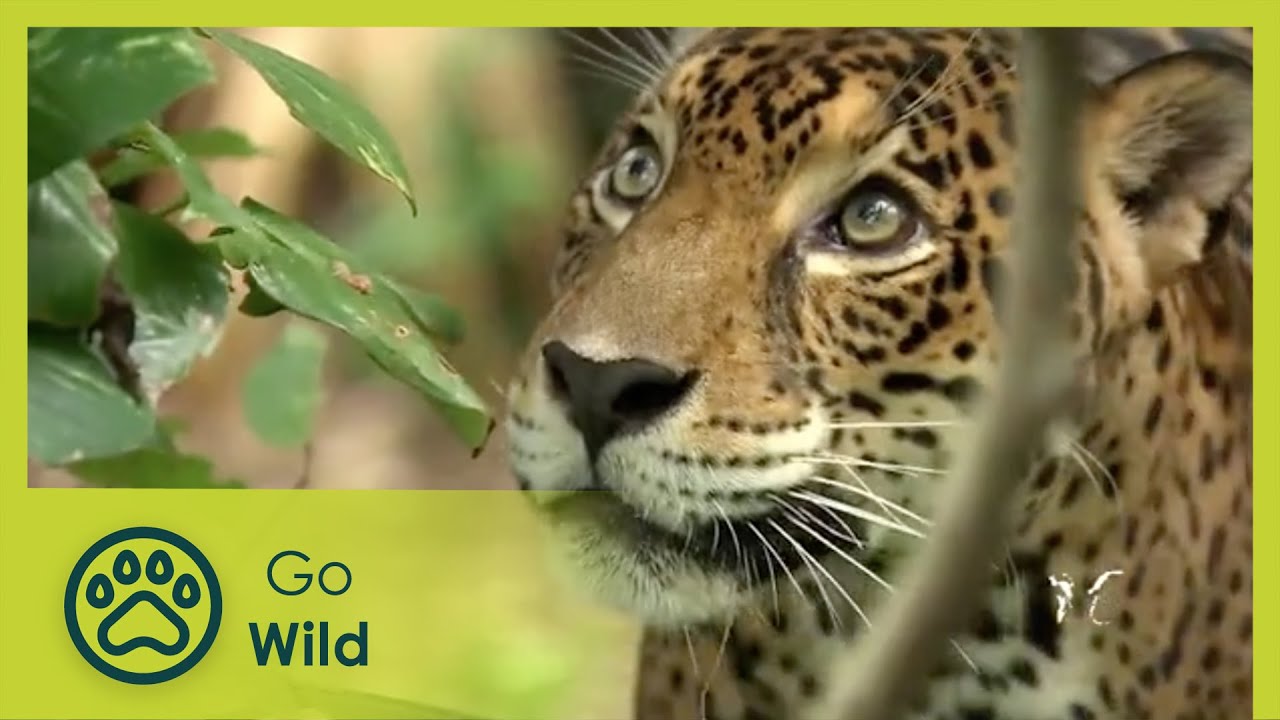
In Eastern Europe, Ian "Max" Maxwell tracks gray wolves, Sumatran rhinos in Borneo, and jaguars in Brazil, exploring their behaviors and habitats.
Crocodiles, ancient survivors of extinction events, exhibit lethal hunting techniques, with species like the Nile and Saltwater Crocodile showcasing their predatory prowess.
Raccoons, originally introduced to Germany for fur farming in the 1930s, have adapted and proliferated across Europe, threatening native wildlife.
Laurel forests in the Canary Islands, over 20 million years old, host unique wildlife including Laurel and Bolle's pigeons, lizards, and various birds of prey.
The Great Bear Rainforest in British Columbia is home to the rare Spirit Bear and a diverse ecosystem that relies on the annual salmon run for survival.
In Katmai National Park, filmmaker Casey Anderson documents a mother bear's frantic search for her missing cub amidst the dangers posed by wolves.
In extreme Arctic environments, polar bears and orcas are among the deadly predators competing for survival amid freezing temperatures and shrinking ice.
Autumn brings a vivid display of colors as fallen leaves blanket the ground, while animals prepare for the impending challenges of winter.
Bears around the world, including grizzly and spectacled bears, adapt to challenges such as food scarcity, raising cubs, and habitat loss.
Great apes face severe endangerment due to habitat loss, hunting, and the illegal pet trade, highlighting the urgent need for conservation efforts.
Three harrowing accounts from the African savannah illustrate the terrifying reality of human encounters with apex predators, including a conservationist's lion attack and the Man-Eaters of Tsavo.
Martin and Osa Johnson's 1935-1936 expedition in Borneo aimed to capture a large orangutan, documenting the region's diverse wildlife and landscapes.
Jumbo, an African elephant whose life in captivity sparked cultural fascination and controversy, continues to influence discussions on elephant conservation and welfare.
In Erindi Game Reserve, Namibia, wildlife expert Steve Leonard examines the rich biodiversity and animal behaviors within this unique ecosystem.
Animal tails serve various functions beyond balance, aiding in defense, movement, communication, and navigation across species like snakes, fish, and beavers.
Animal super senses, such as the vision of peregrine falcons and the echolocation of bats, illustrate the diverse adaptations that enhance survival in various environments.
The southern Carpathians feature Peles Castle, Cozia Monastery, and the Danube Delta, highlighting both natural beauty and environmental threats.
European forests face severe health declines due to climate change, prompting initiatives to reintroduce climate-resistant tree species and restore ecosystems.
Bottlenose dolphins in the Red Sea reveal their social behaviors, mating rituals, and interactions with corals through the unique research methods of Angela Ziltener and Michael Stadermann.
Wetlands and deserts are examined for their unique ecosystems, showcasing species like saltwater crocodiles, camels, and the adaptations that enable their survival.
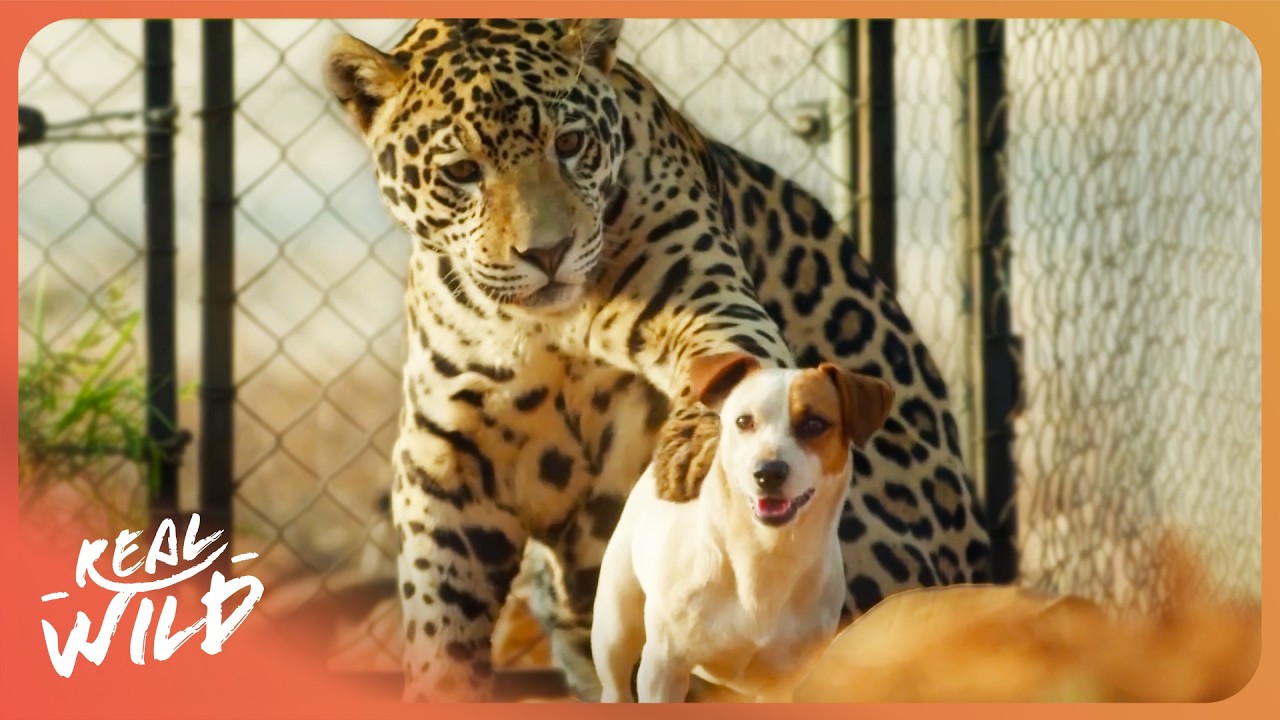
Wildlife biologist Liz Bonnin explores unusual animal friendships, such as a jaguar and Jack Russell terrier in South Africa, revealing the science behind these bonds.
Seasonal streams in the mountains fill with algae and reach high temperatures, creating a unique habitat for various animal species during spring.
In southern Florida, Ryan Bolton and Kristen Martyn investigate the invasions of Burmese Pythons and Nile Monitor Lizards, while Adam Henkel explores urban monkey populations in India.
In the African savannah, a pride of lions, crocodiles, and other wildlife are observed engaging in natural behaviors such as hunting and relaxing.
A rocket 30 meters high launched the first Sputnik on October 4, 1957, marking the start of the intense space race between the USSR and the United States.
In Langtang National Park, Ian Max Maxwell investigates the Yeti legend while confronting the real threat of the Asiatic Black Bear, a known man-eater.
Dolphin therapy in Florida and equestrian programs for the disabled in Belgium illustrate the profound impact of animals on the physical and emotional recovery of individuals.
In the animal kingdom, species such as bees, lions, and dolphins demonstrate how teamwork is essential for survival amid challenges like habitat loss and climate change.
A fragile strip of tropical woodland along Australia's east coast serves as a unique habitat for endemic species like cassowaries and tree kangaroos.
Four young peregrine falcons leave their nest in the Scottish Highlands, marking a successful breeding season for this rare and protected species.
Intense battles between predators and prey, such as lions versus bulls and great white sharks versus orcas, highlight the brutal survival tactics of the animal kingdom.
Nature's deadliest predators, including cheetahs, leopards, and snow leopards, play vital roles in ecosystem balance while facing threats from climate change and habitat loss.
Guadeloupe features a rich tapestry of cultures, music, and religions shaped by African, Indian, English, French, and Caribbean influences.
In the Scottish Highlands, a variety of wildlife, including red deer, salmon, and pine martens, navigate the challenges of survival across the seasons.
Iberian oak forests in southern Europe and North Africa support over 300 animal species, including the critically endangered imperial eagle and the rare Iberian lynx.
In Puerto Rico's swamps, a team searches for spectacled caimans, the largest invasive species on the island, during Florida's winter freeze.
Efforts to save the Iberian lynx in Doñana National Park highlight the challenges faced by this endangered species and the conservation measures implemented to protect its habitat.
Nick Nirut explores the River Mae Klong, examining the lives of locals reliant on the waterway and the declining population of elephant trunk snakes.
In the Brazilian Pantanal, a lack of rainfall alters the behavior of alligators, howling monkeys, and diverse wildlife in a fragile ecosystem facing severe threats.
In the volcanic forests of Central Africa, veterinarians work tirelessly to protect mountain gorillas like Mutu Regger from environmental threats and disease.
Traditional mixed orchards in central Europe are rapidly disappearing due to industrial farming, threatening diverse ecosystems and species like nuthatches and migratory birds.
Camels and llamas, two resilient mammals, have shaped ancient trade routes and cultures, from the Silk Road to the Andes Mountains.
In the aftermath of the 2019-2020 bushfires in Australia, communities and rescuers mobilized to rehabilitate the estimated 35,000 koalas affected by the crisis.
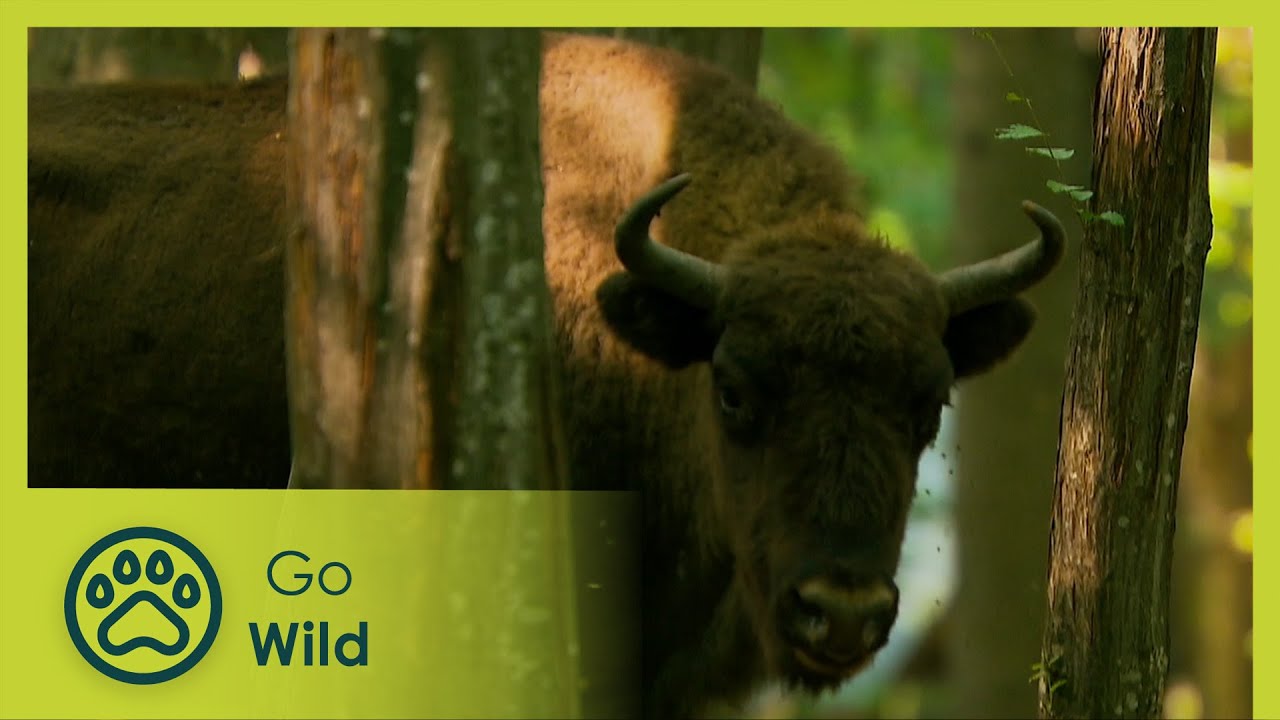
In Maramureș, Romania, traditional artisan skills thrive alongside wolves, bears, and bison, with local customs and historic wooden churches showcasing the region's rich heritage.