From over 100,000 films, discover the handful you'll love.
Free or premium access to the world's largest documentary library.
7951 films(Page 37 of 166)
In the wilds of North America, two wolf packs demonstrate their hunting strategies as one targets a swift hare while the other pursues a weakened elk.
In Yellowstone National Park, Common Ravens exhibit remarkable intelligence and survival strategies, including their unique partnership with wolves in the Lamar River Valley.
Over 1.2 million wildebeests migrate from the Serengeti into Kenya's Masai Mara, creating one of the largest wildlife spectacles on Earth.
A black stork pair successfully raised three chicks in the forests of Germany, marking a significant return of the species to its natural habitat.
Only 3,200 tigers remain in the wild today, down from 100,000 a century ago, primarily due to habitat loss and poaching.
In the unspoiled rainforests of Guyana, Rainer Bergomaz and his Amerindian colleagues search for the elusive harpy eagle while encountering rare species like tayras and giant armadillos.
In the Mediterranean Basin, the arrival of spring brings a vibrant re-emergence of life, showcasing the intricate relationships among forest inhabitants.
A team of researchers conducts health checks on 40 Swedish flower hens at Klaus Hoffmann's chicken coop to detect zoonotic pathogens.
A lion's roar can reach 114 decibels, making it 25 times louder than a gas-powered lawnmower and audible from eight kilometers away.
The Mississippi River, renowned for its cultural significance and biodiversity, is explored from its Gulf Coast mouth to its northern source, highlighting its wildlife and historical encounters.
In northern Germany's Wendland, filmmakers Klaus Weißmann and Wilma Kock document the region's unique wildlife and traditional rural life amid climate challenges.
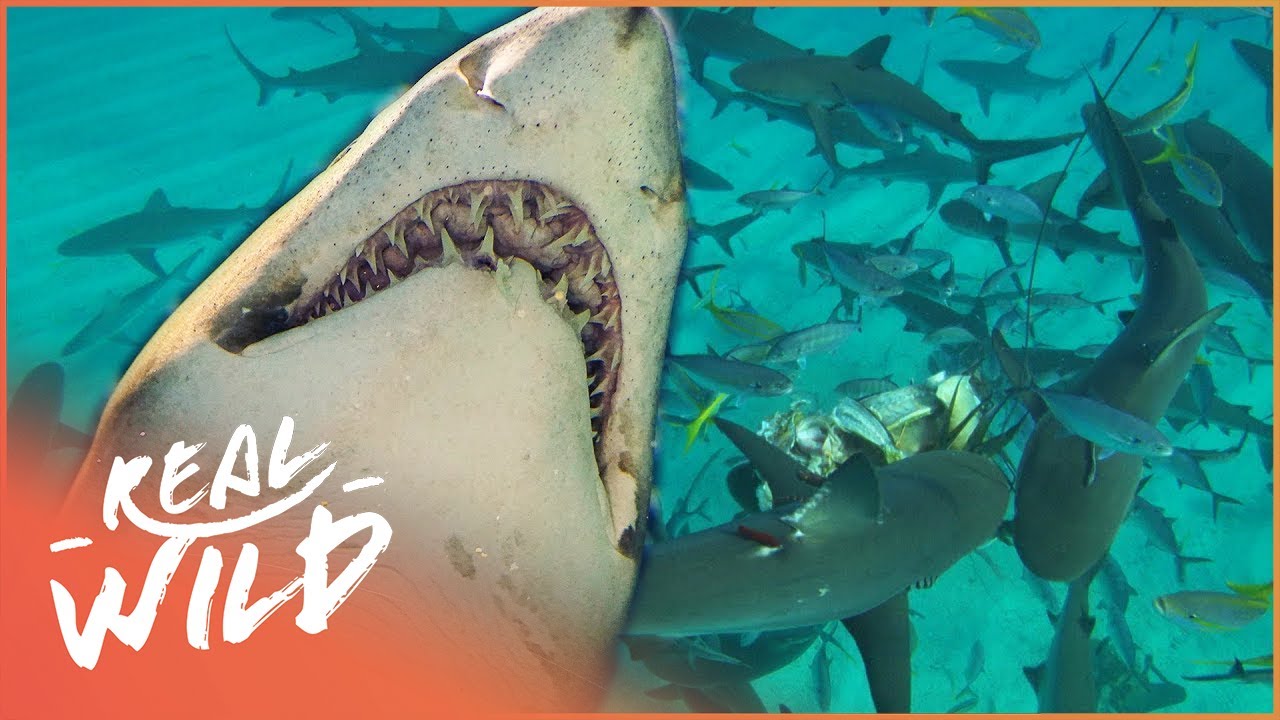
The trend of shark diving without protective cages raises significant safety concerns, culminating in the first recorded death in this extreme sport.
A white-tailed eagle, once nearly extinct in Europe due to hunting and habitat loss, is followed from its birth in Central Europe through its migrations and recovery from lead poisoning.
Bipin and the Galta Gang, a group of monkeys banished from their temple home, face new challenges on the streets of Jaipur as law enforcement targets them.
In Katmai National Park, wildlife enthusiast Casey Anderson and his team observe brown bear behavior while implementing safety measures in their remote camp.
The Drava River, flowing through Slovenia, Austria, and Croatia, serves as a vital ecosystem and a symbol of peace in the region.
Cape Verde's stunning landscapes and rich culture are captured through the lenses of renowned photographers in the series 'Over the Islands of Africa.
Earth's rotation significantly influences climate patterns and weather systems, playing a crucial role in sustaining life over the past 4 billion years.
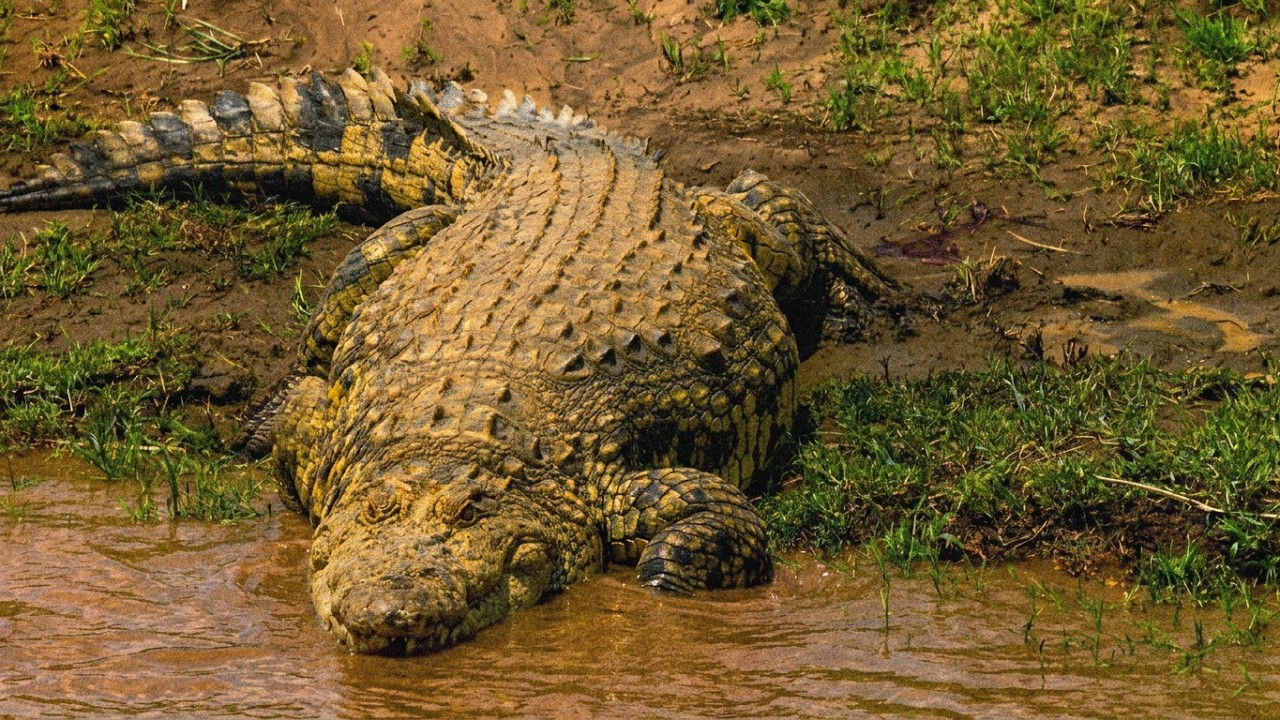
Along the Zambezi River, Ivan Carter investigates the increasing frequency of Nile crocodile attacks on humans amid rising local populations.
Idaho has more than a dozen named wilderness areas totaling nearly 5 million acres, where nature remains untouched by modern life.
In South Africa's Timbavati region, two rare white lion cubs, Inani and Shinga, face survival challenges from predators and harsh environmental conditions.
At 70 kg and 1.7 m long, the aardvark is considered one of Africa's most elusive animals, rarely seen even by expert trackers.
Pronghorn antelope, native to North America's Western prairies, exhibit remarkable speed and unique survival strategies, including annual horn shedding and vital ecosystem roles.
Sierra Morena's semi-arid Mediterranean climate, with summer temperatures exceeding 30Celsius and limited rainfall, supports a surprising diversity of adapted flora and fauna.
In Lüsche, Germany, head surgeon Dr. Jan Hein Swagemakers leads a luxury veterinary clinic that attracts horse owners worldwide seeking advanced equine care.
In Utah, Australia, and Spain, modern-day cave dwellers illustrate the deep human connection to subterranean environments and their role in coping with heat.
Mating moose, massive grey seals, and the great golden eagle thrive among the hundreds of islands nestled between Estonia, Sweden, and Finland.
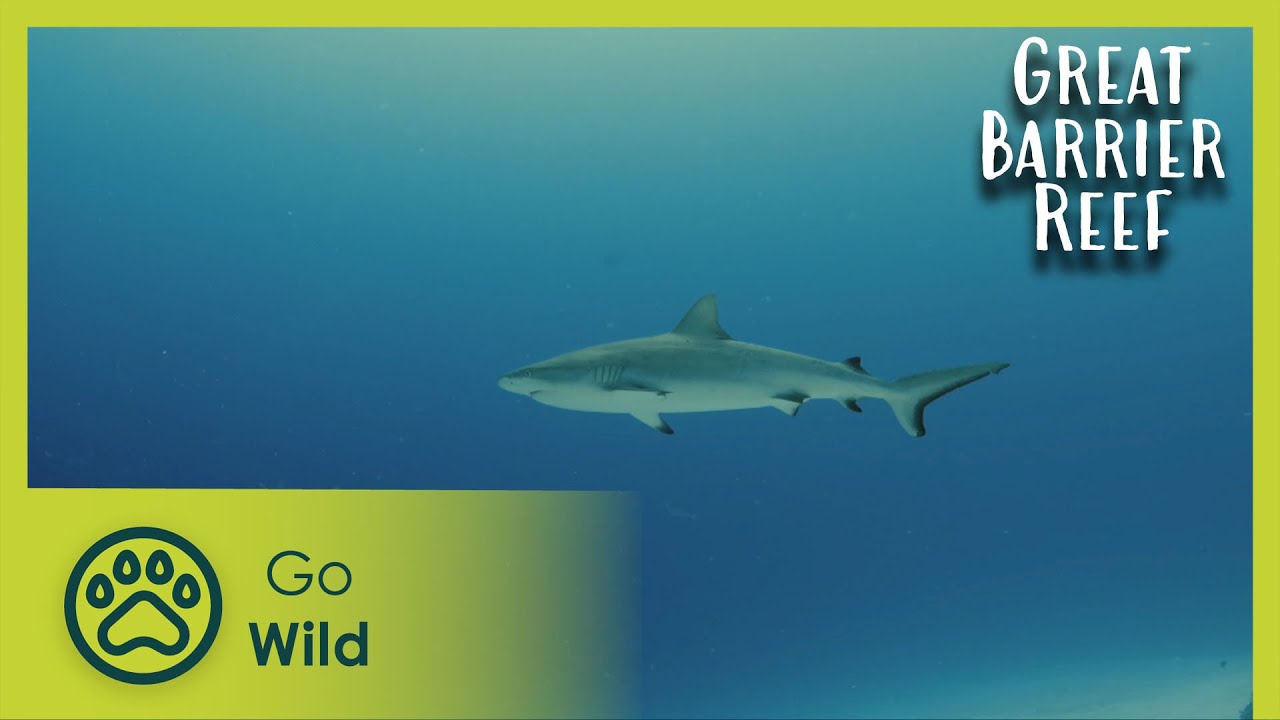
The Great Barrier Reef, a UNESCO World Heritage site, is a vital ecosystem that supports diverse marine life and faces significant environmental threats.
A horizontal mile in the Sơn Đoòng cave system can take an entire day to traverse due to sharp rocks and rugged terrain.
In the High Tatra Mountains, the life cycle of Golden Eagles is explored, highlighting the hatching and development of two chicks amidst their natural behaviors.
In the African savanna, the intricate balance of life and death among species like elephants and cheetahs faces critical threats from habitat loss and climate change.
Innovations like the Hyperloop and solar-powered planes highlight advancements in green technology aimed at addressing environmental challenges and reducing carbon footprints.
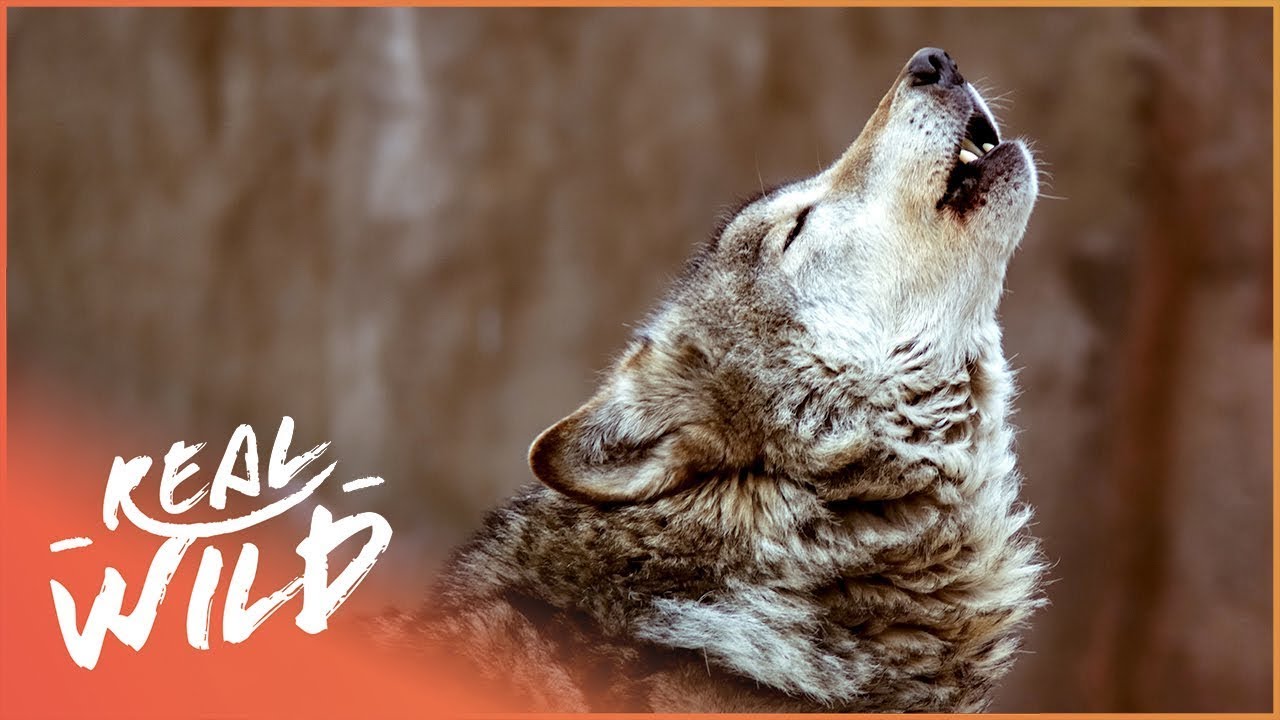
Three leading experts, John and Mary Theberge and Michael Runtz, analyze the significance of howling in wolf packs and their intricate communication methods.
Denali can drop two feet of snow in a day, creating life-threatening conditions for climbers like Max Lowe and his team during a thunder snowstorm.
Belmarsh prison, built in 1991, houses Britain's most violent criminals and is marked by intense gang rivalries over a destructive drug trade.
Bears exhibit unique features, diverse diets, complex social lives, and significant interactions with humans, highlighting their vital role in the ecosystem.
In the mountains of Chile, a mountain lion mother teaches her cubs survival skills, showcasing the species' vital role in the Andean ecosystem.
El Toron, a notorious fighting bull from Old Mexico, became infamous for goring two matadors before being ultimately defeated by a celebrated matador.
In the inaugural episode of the BBC Earth Podcast, presenters Rutendo and Sebastian explore how to enjoy a safari experience from home, featuring actor Eric Stonestreet.
Controversial behaviorist Dr. Erich Ritter explores shark-human interactions with lemon, bull, and great white sharks, challenging conventional perceptions of these predators.
The Collision Zone highlights the tectonic forces that shaped the Himalayas and the volcanic activity of Indonesia over millions of years.
Ancient upland forests in Western Europe serve as vital ecosystems, supporting diverse plant and animal species influenced by the daylight cycle.
Over half of Africa's large wild animals have disappeared in the last four decades, prompting urgent conservation efforts in South Africa.
In stunning 4K video, a mother bear protects her cubs while bull elephant seals fend off intruders in their natural habitats.
The Western Hoolock Gibbon, Bangladesh's only native ape species, is rapidly declining due to habitat destruction, prompting urgent conservation efforts.
Six months of no rain on Santa Cruz Island force giant tortoises to migrate in search of food, pushing them to their limits.
Costa Rica, covering only 0.03% of the world's landmass, is home to 5% of global biodiversity and has achieved nearly zero deforestation since 2005.
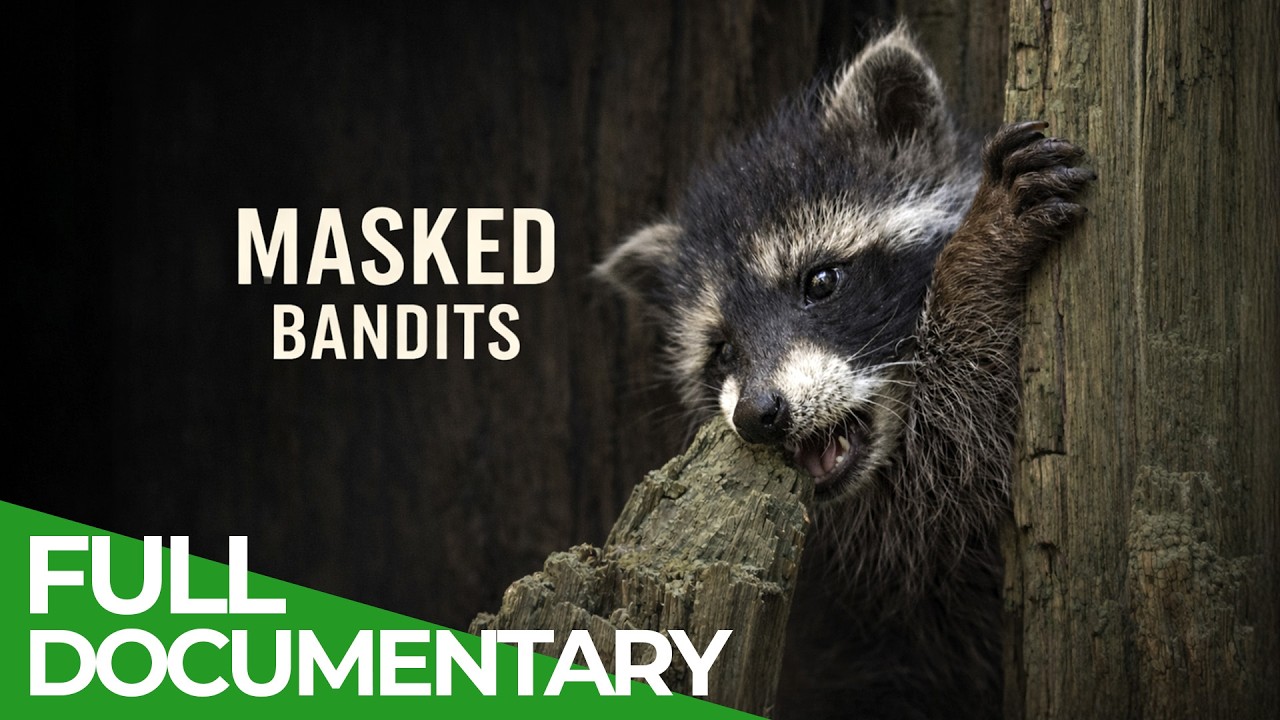
Masked mammals such as raccoons, badgers, and red pandas showcase their intelligence and adaptability while navigating diverse environments from European forests to the Amazon.