From over 100,000 films, discover the handful you'll love.
Free or premium access to the world's largest documentary library.
7945 films(Page 58 of 166)
Freshwater ecosystems host unique wildlife, including the platypus, hippopotamus, and specialized crocodiles, each adapted to their specific habitats.
Three endangered cheetah cubs are born at Longleat Safari Park, marking the first successful births of their kind in the park's 50-year history.
More than 100 astronauts have lived and worked on the International Space Station since 2000, conducting research under unique conditions.
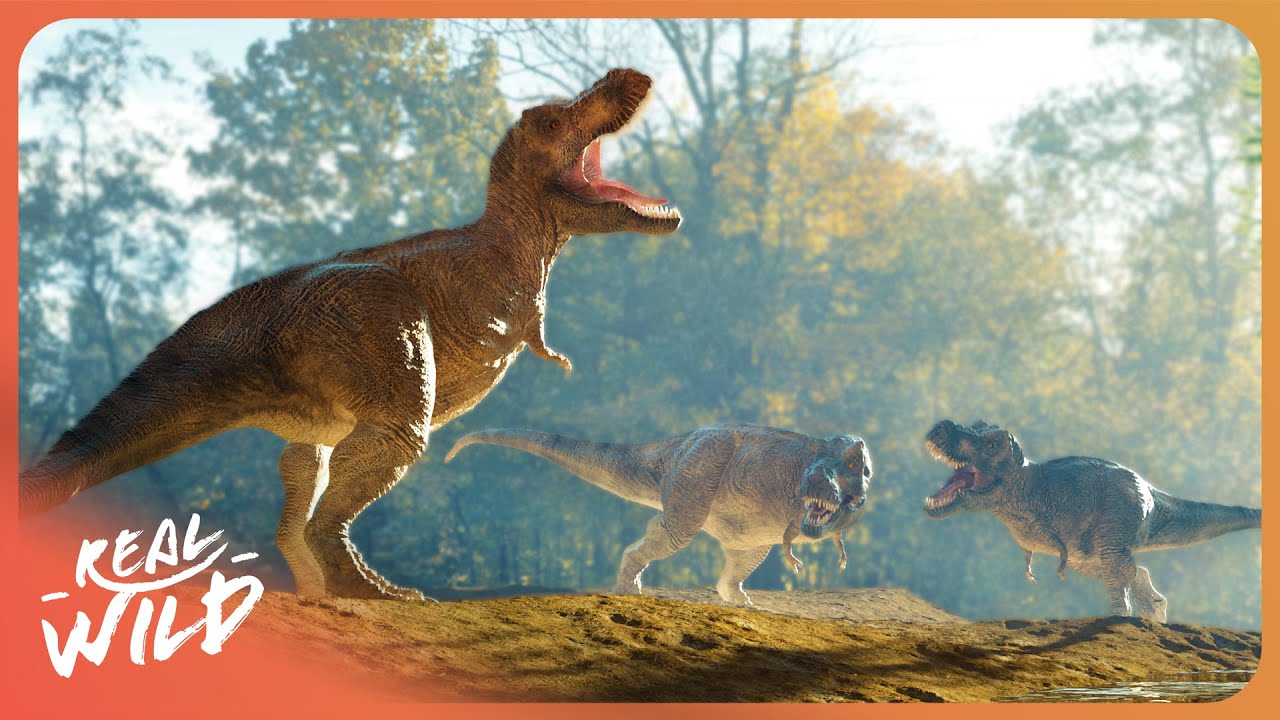
Paleontologists from McGill University and the Tier team investigate fossil sites in Saskatchewan and Alberta to understand the mass extinction that killed the dinosaurs.
Sunda Islands, a rugged archipelago of 17,000 islands, showcases unique cultures, including ancestor worship on Sumba and a fisherman’s life in Bali.
Dingoes, as a keystone species in Australia, present a complex dilemma for farmers and conservationists amid rising native animal extinctions.
In eastern China, a dense population of seven hundred million people coexists with diverse wildlife, including rare white dolphins and unique bird-filled wetlands.
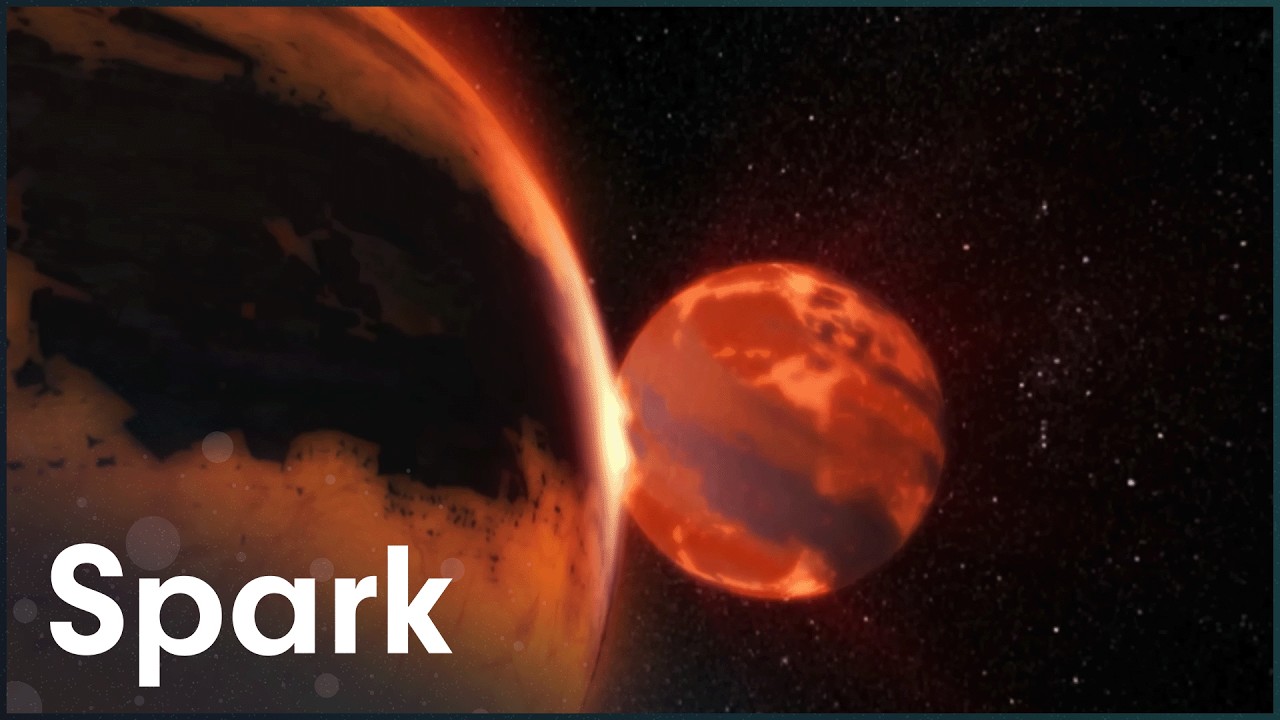
A Mars-sized planet named Thea collided with Earth 4.5 billion years ago, leading to the formation of the Moon and enabling life to thrive.
In Mossel Bay, scientist Ryan Johnson's six-year study reveals the great white shark's secretive life, including its nighttime hunting of seals.
Burmese pythons in Florida's Everglades pose a significant threat to native wildlife, prompting biologist Sean Heflick and python experts Greg Graziani and Michael Cole to implement eradication efforts.
In the African Bushveld, one of the planet's most perilous ecosystems, wildlife thrives alongside the continent's largest and most formidable species.
The Mediterranean has a surface area of around 2½ million square kilometres and is among the most ravaged sea regions in the world.
More than 70,000 parrots live wild in urban areas, adapting to city life while their populations in the wild face significant decline.
Mountain gorillas in the Virunga Mountains face threats from poaching, habitat loss, and the Rwandan refugee crisis, highlighting the urgent need for conservation efforts.
The equatorial ecosystem, spanning three continents, showcases how animals and plants adapt to extreme solar energy and seasonal changes, including the African monsoon.
A 165-meter waterfall in Umbria is home to an invasive species of crayfish that is disrupting the ecological balance of Italy's freshwater systems.
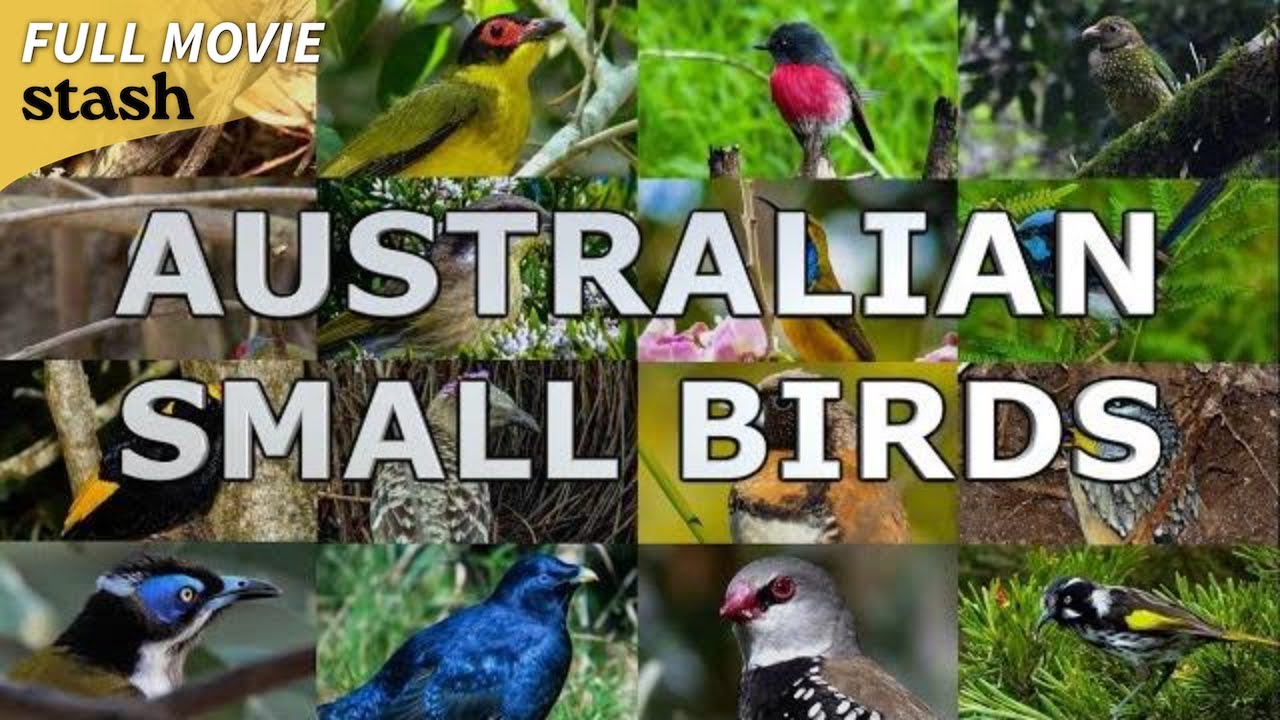
Male Bowerbirds build elaborate bowers, where they perform intricate dances to attract females in the warm temperate rainforests of eastern Australia.
Cuba's environmental policies are critically examined as stakeholders debate the future of the island's unique ecosystems and biodiversity.
North America's wild Mustangs face extinction due to human expansion, while beavers play a crucial role in shaping ecosystems through their dam-building activities.
Australia's diverse ecosystems are home to a range of lethal creatures, including monstrous raptors and cunning death adders, each with unique survival strategies.
In the South Atlantic, the Falkland Islands provide a crucial refuge for various sea creatures from November to April, allowing them to raise their young safely.
In rural Tanzania, travelers navigate challenging roads from the Indian Ocean to Lake Victoria, encountering wildlife and the lives of local communities along the way.
Wild horses in Australia’s Snowy Alps, introduced in 1788, face survival challenges from predators and environmental impact, leading to the controversial "Brumby Run."
A morrocoy tortoise escapes from danger and travels across 300,000 square kilometers of harsh plains to find safety in the jungle.
Robson Green catches half-ton sharks in Ascension Island during his fishing adventures.
The African Plains are inhabited by a wide variety of wildlife, each exhibiting distinct adaptations and behaviors essential for survival in their ecosystems.
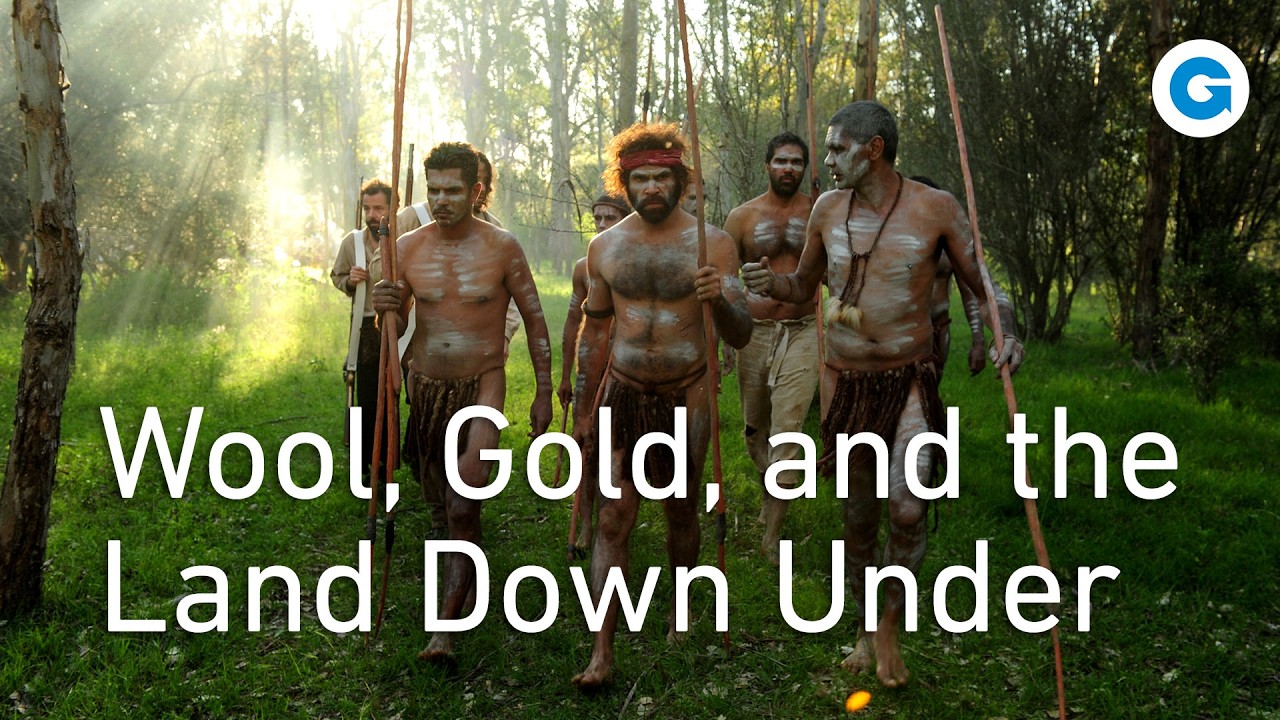
This Extra Long Documentary details Australia's history from Aboriginal Australians to gold rushes.
In southern Italy, the ravines connecting Lucania and Puglia host unique wildlife, including endangered Red Kites, wolves, and endemic amphibians.
Sumba is home to one of the last megalithic civilizations on Earth, where residents entomb their dead in dolmens and practice ancestor worship.
Schladming, Austria, showcases its unique alpine ecosystem, featuring diverse wildlife such as chamois, red deer, and capercaillie amidst stunning limestone and granite landscapes.
Killer Jellyfish, the most venomous creature, are spreading across oceans and posing dangers.
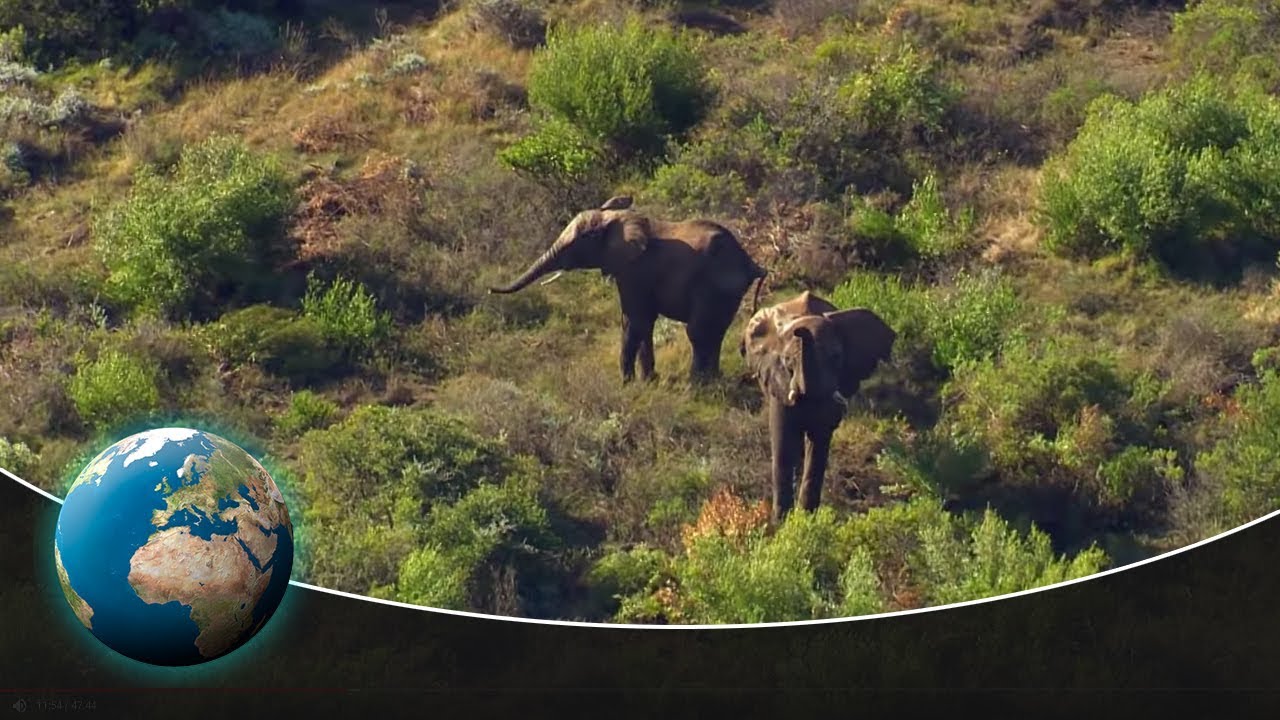
Two elephant bulls, Moya and Salah T, undergo daily clicker training to improve their behavior and facilitate veterinary care at a South African game reserve.
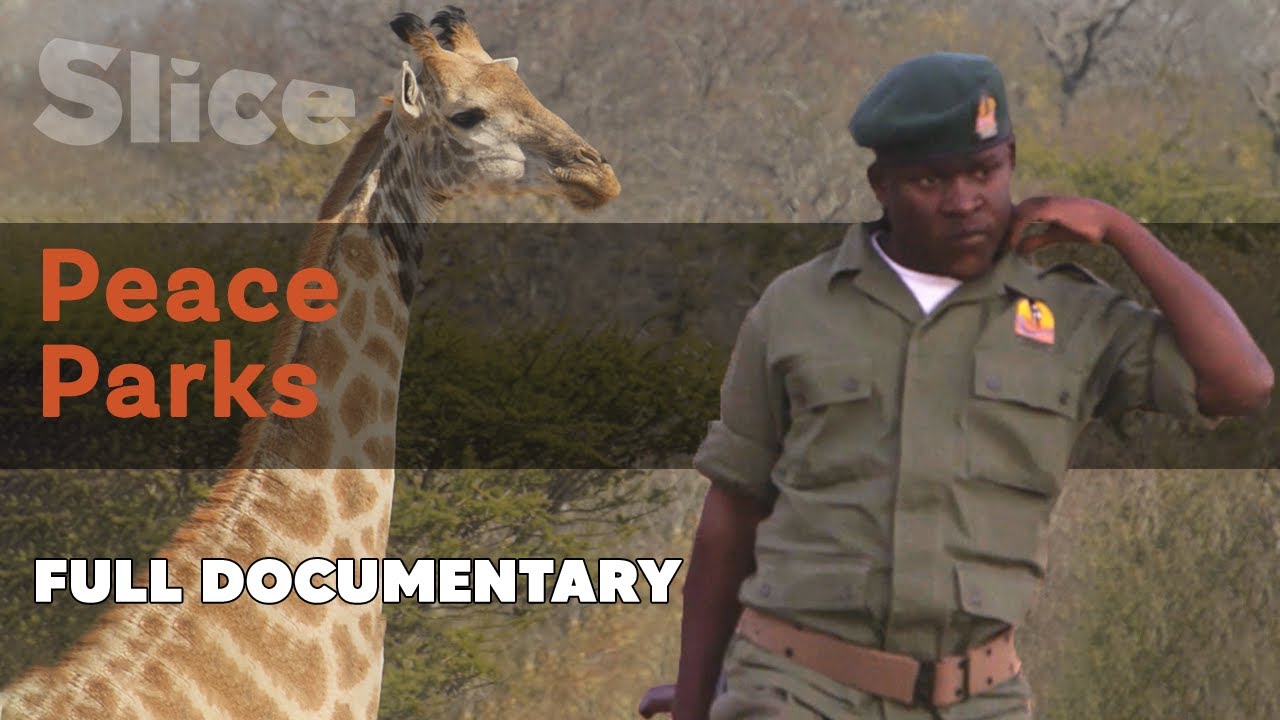
Sixty peace parks have been established worldwide, with more than half located in Africa, aiming to promote cooperation and protect nature across borders.
Insects can determine the time of death within a 20-day window, providing critical evidence in homicide investigations.
Freediver Frederic Buyle and marine biologist Professor Serge Planes study the coral reefs of Moorea, French Polynesia, documenting marine species and conservation challenges.
Kaieteur Falls, with its enormous drop, is one of the great natural wonders in the river system of the Essequibo, which stretches 1,000 kilometers.
The giant anaconda of Guyana, alongside its diverse wildlife cohabitants, is explored through expert insights and breathtaking encounters in this captivating documentary.
At Hamburg Zoo, various animal babies engage in playful adventures while being cared for by dedicated keepers, highlighting their unique bonds and challenges.
Mark O'Shea navigates the dangers of Brazil's Snake Island to study the critically endangered golden lancehead viper and a newly identified species.
Baby animals from various natural, domestic, and cultural environments around the world are highlighted for their daily lives and charming behaviors.
Vienna's residents consume around 370,000 cubic metres of water daily, sourced entirely from alpine springs rather than the nearby River Danube.
Mark Moffett describes finding an entire ecosystem within an acorn, revealing the complex interactions of life that often go unnoticed in nature.
Underwater photographer Brian Skerry has spent over 10 years with National Geographic, capturing images that reveal the threats facing the world's oceans.
In various natural and domestic environments, baby animals display their daily routines, highlighting their charm and playful behaviors.
Courtship rituals and competitive behaviors in the animal kingdom reveal how attraction and reproduction drive the legacy of future generations.
Oceans, covering 71% of the Earth's surface, are home to diverse life forms, from massive whales to tiny crustaceans, revealing their ecological significance.
In the animal kingdom, various species such as Puffins, Cheetahs, and Dolphins exhibit unique survival strategies and behaviors essential for their existence.
Lake Manyara National Park spans 330 square kilometers, with the lake itself covering 390 square kilometers and supporting a variety of ecosystems.