From over 100,000 films, discover the handful you'll love.
Free or premium access to the world's largest documentary library.
7945 films(Page 27 of 166)
Crocodile populations in the Northern Territory now outnumber humans, leading to increased conflicts as urban development expands into their habitats.
In the wild, a lion confronts a clan of over twenty hyenas while monkeys engage in fierce competition over pinecones for survival and territory.
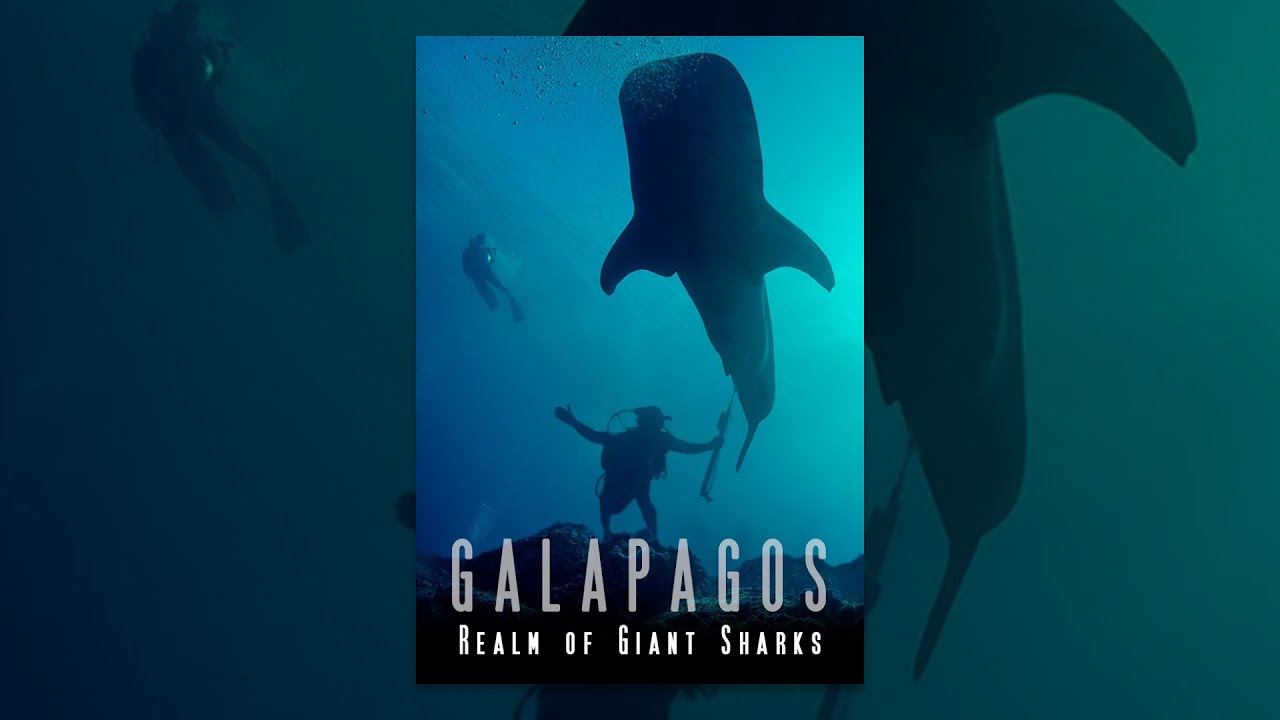
In the Galapagos archipelago, researchers track pregnant female whale sharks at Darwin Island to understand their migration patterns and ecological significance.
Box jellyfish, found in tropical waters, possess venom that can cause severe injury or death, prompting scientists and marine expert Ben Cropp to study their behavior.
Wildlife behaviors are showcased in ten chapters, highlighting survival tactics, communication, and unique skills of various species across land and sea.
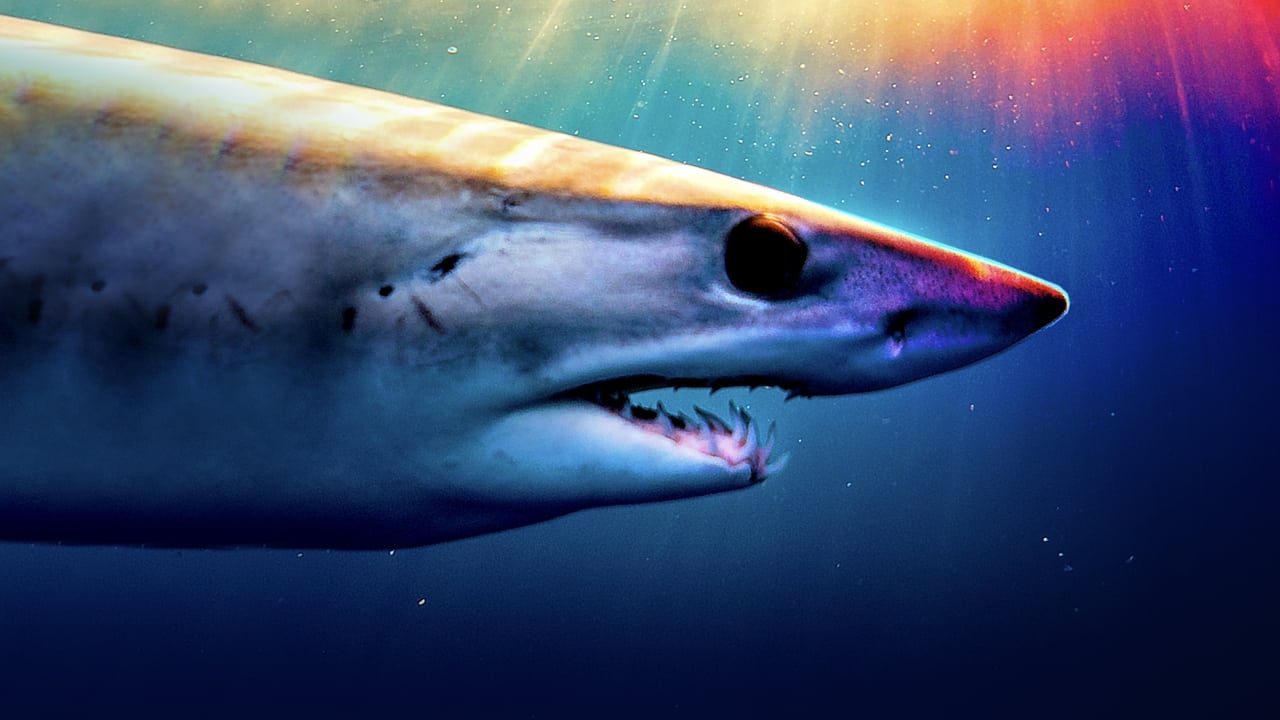
Two teams of experts investigate the speed and bite force of sharks in a 44-minute documentary that takes shark science into the wild.
Marmots in the Austrian Alps adapt to climate change and emerge from hibernation in spring.
A bobcat with two kittens hunts for food, demonstrating the survival strategies of North America's natural predators in their ecosystems.
Great white sharks can grow up to 20 feet long and weigh 5,000 pounds, and new research suggests they may manipulate their skin color for camouflage.
Asia's extreme landscapes, from fiery volcanoes and vast deserts to ancient civilizations, reveal the continent's untamed beauty and hidden wonders.
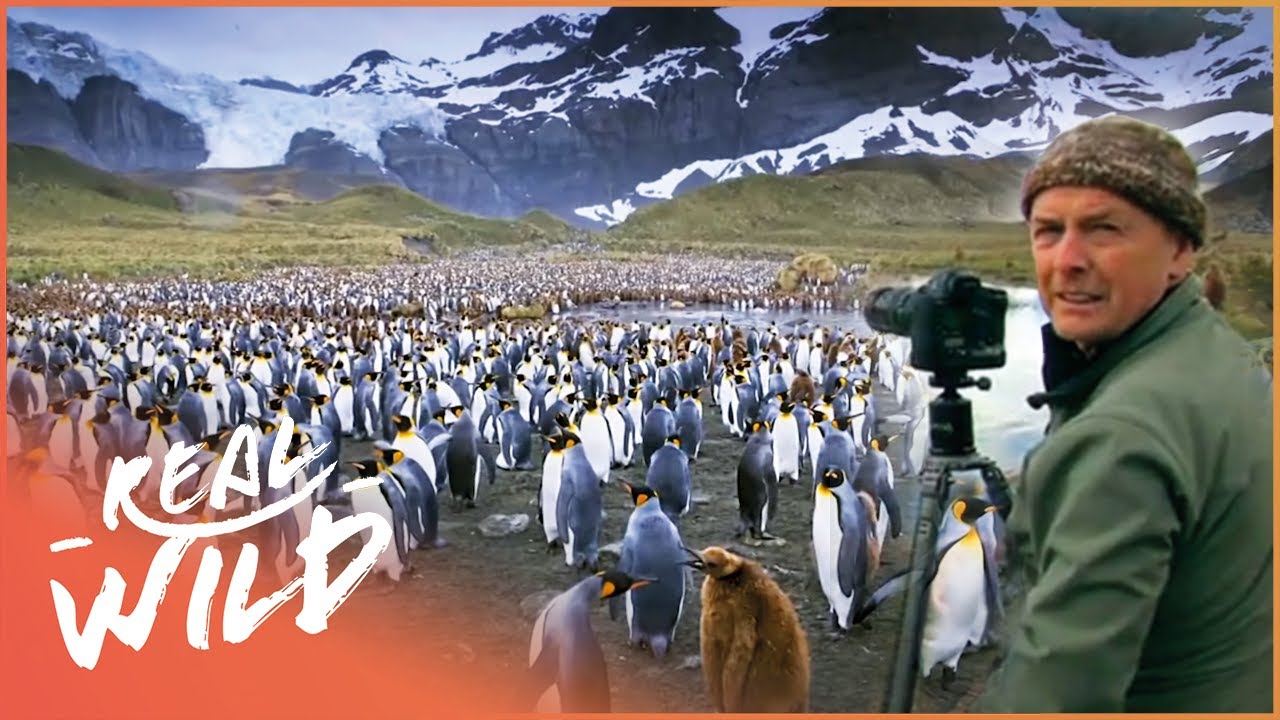
In the Southern Hemisphere and the Galapagos Islands, penguins exhibit unique behaviors as devoted partners and skilled hunters within their large colonies.
Newfoundland features dramatic landscapes and seabirds, including newborn puffins in Witless Bay.
Only one in a thousand streams in Germany remains intact, as 94% of flowing waters have lost their native animal species.
Viral videos of sharks attacking boats prompt Dr.
Zanzibar, an exotic island chain in the Indian Ocean, is home to unique wildlife such as giant tortoises, red colobus monkeys, and coconut crabs.
In Niger and Mauritania, French entomologist Antoine Foucard investigates the life phases and collective behavior of locusts, known for devastating agricultural swarms.
Japan's diverse archipelago, now counted at over 14,000 islands, hosts a unique mix of Asian and Arctic wildlife shaped by varying climatic zones.
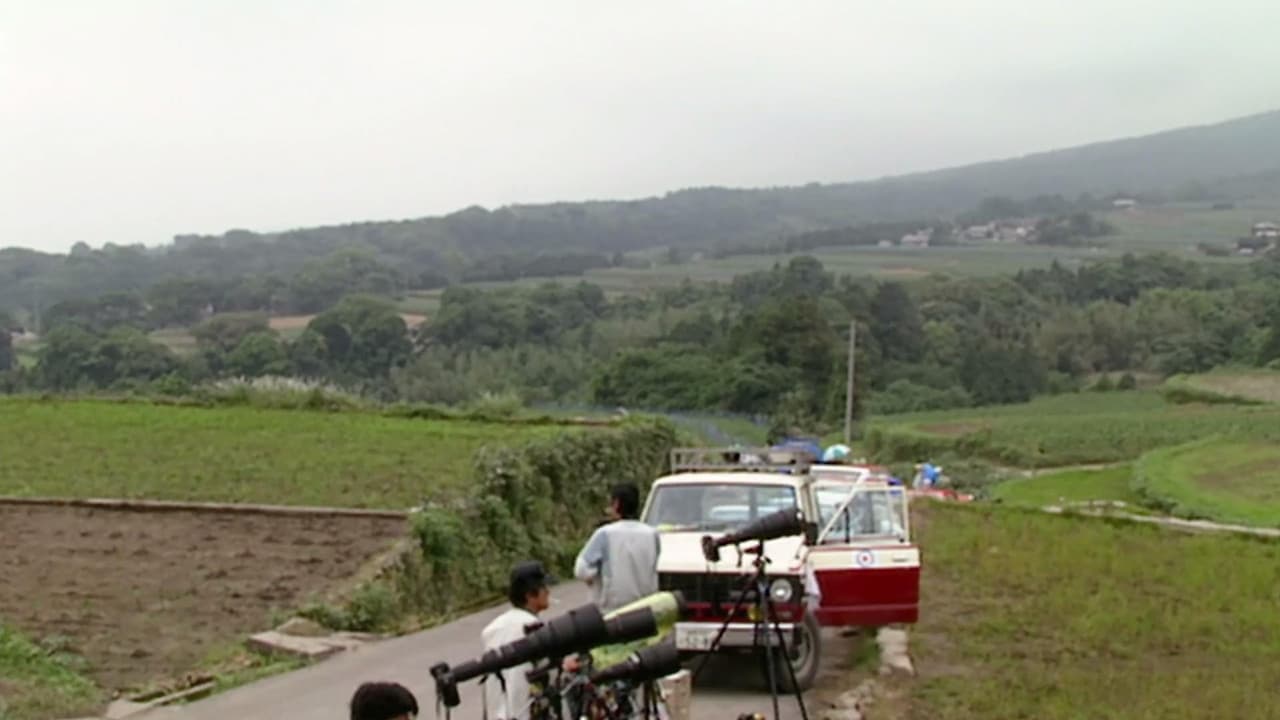
After 200 years of dormancy, the Fugen-Dake volcano erupts in June 1991, leading to a crisis that claims several lives among those documenting the event.
In a secluded Mediterranean forest, three young common genet cubs explore their environment, facing both the beauty and challenges of their habitat.
In the Table Mountain region, baboons have become notorious for car break-ins and restaurant raids, prompting intervention from local authorities and scientists.
Cheetahs, known as the fastest land animals, exhibit complex social dynamics, dedicated parenting techniques, and unique hunting skills in a compilation of their top moments.
The Teutoburg Forest covers an area of some 100 kilometres and is home to diverse wildlife, including wild boars and reindeer.
In Namibia's Hoanib Valley, desert elephants like alpha cow Clarissa and old bull One Tusk navigate extreme conditions in search of scarce water sources.
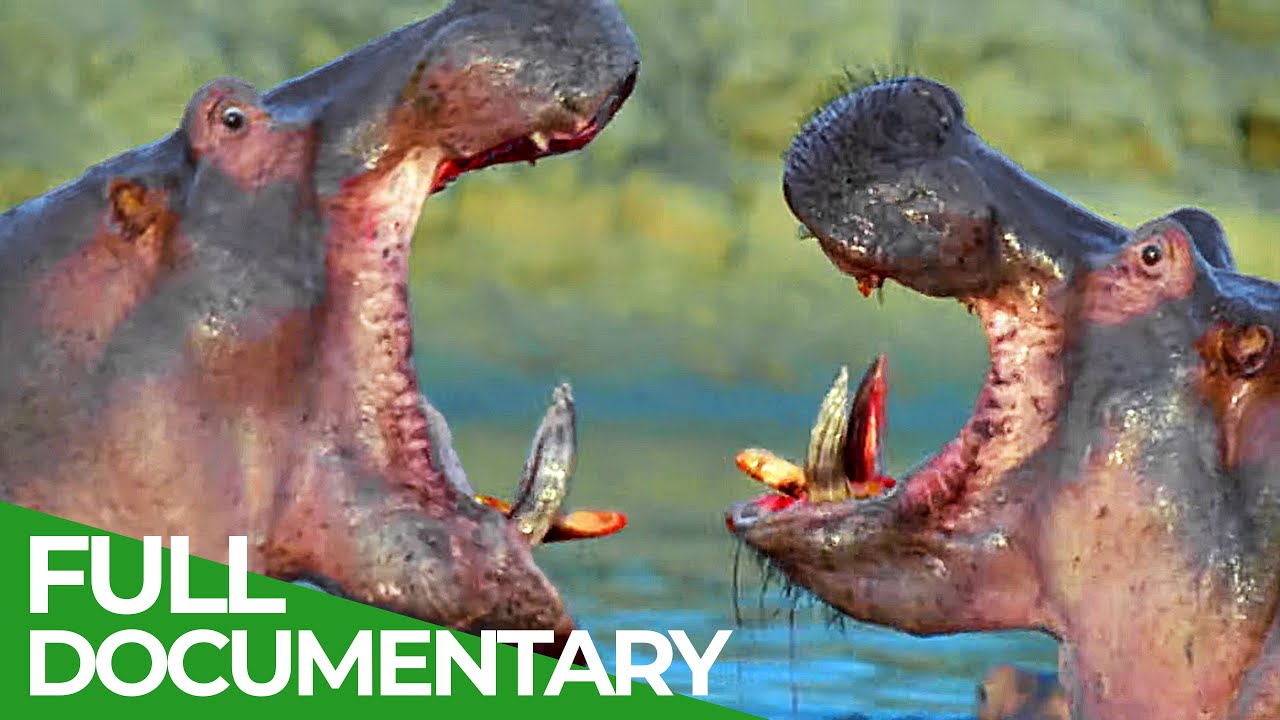
In the African Savannah, elephants, rhinos, and hippos navigate a perilous existence, facing threats from predators and human activity while competing for survival.
Colors of Nature shows how living beings use colors to communicate with their environment.
The Bissagos Islands consist of 88 islands spread over roughly 100 kilometers, forming a labyrinth of sandbanks and mangrove swamps in West Africa.
During the dry season, elephant families migrate from Hwange National Park to Victoria Falls, swimming through the Zambezi River in a stunning natural spectacle.
Germany’s mountain regions, including Saxonian Switzerland, the Palatinate Forest, and the Harz, shape local culture and showcase diverse ecosystems and historical significance.
Hawaii is 5 million years old and is home to volcanic landscapes, dense rainforests, and the fourth-largest island, Kauai, known as the Garden Island.
Kevin McLean uses motion sensor cameras to track wildlife behaviors in rainforest canopies, studying species like three-toed sloths and anteaters.
Cornfields in western industrial nations serve as vital habitats, revealing a diverse ecosystem through the seasonal adventures of a hamster family.
A snow leopard must patrol a territory of 80 square miles in search of food as rising temperatures threaten its survival in the Himalayas.
A storm surge of 10 meters above normal inundated Gulfport, Mississippi, during Hurricane Katrina, one of the deadliest storms in U.S. history.
On the Falkland Islands, albatrosses and Rockhopper penguins face contrasting fates for their offspring during the critical summer mating season.
Around 20 female rock hyraxes and their clan chief live in a rocky cliff colony along South Africa's rugged coastline.
In the Arctic, residents living off-grid face the challenges of obtaining essential resources as winter conditions intensify in Alaska's remote wilderness.
Explore Hallstatt's stunning landscapes and rich Celtic history.
Art Wolfe travels through Glacier Bay, the Katmai Coast, and remote regions of Antarctica to document endangered wildlife, including humpback whales and Grizzly Bears.
Kigali, Rwanda's capital, sits 1,400 meters above sea level and is home to a million inhabitants, known for its cleanliness and vibrant atmosphere.
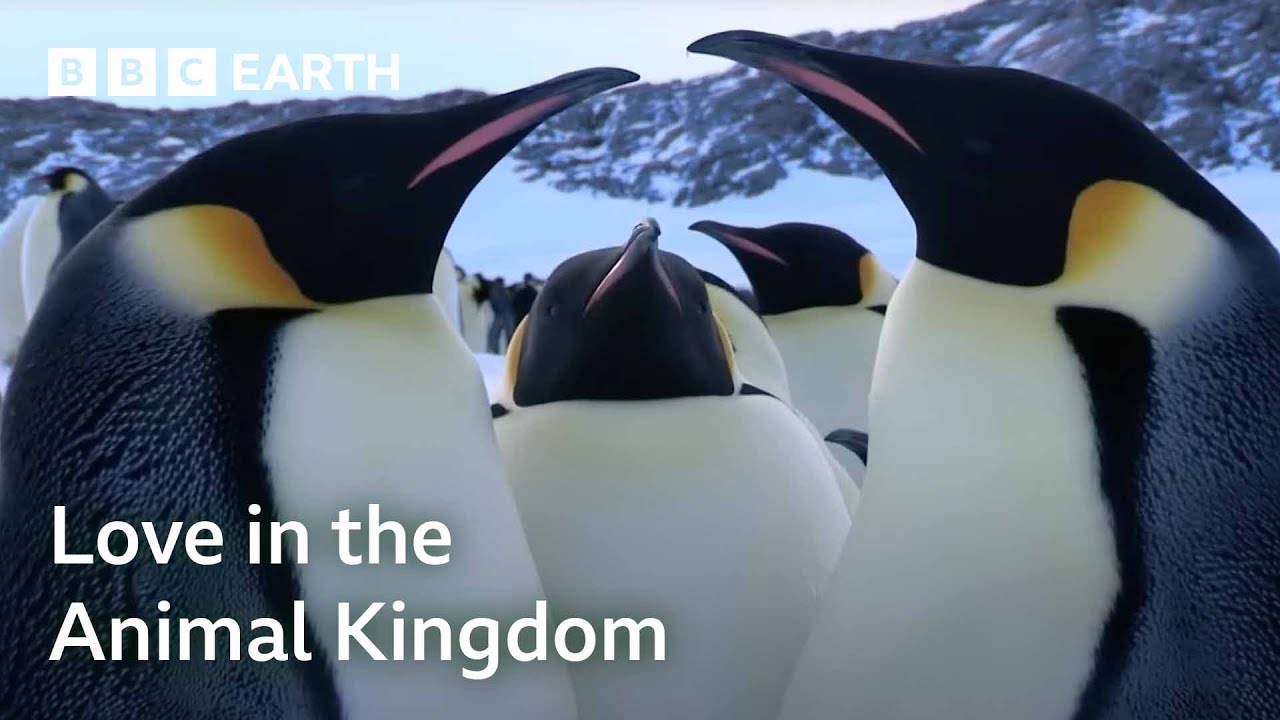
In extreme environments like deserts and polar regions, animals such as the Nubian ibex, polar bears, and emperor penguins exhibit remarkable adaptations for survival.
Botswana is home to the largest elephant population in the world, with 130,000 elephants, representing more than a quarter of Africa's total.
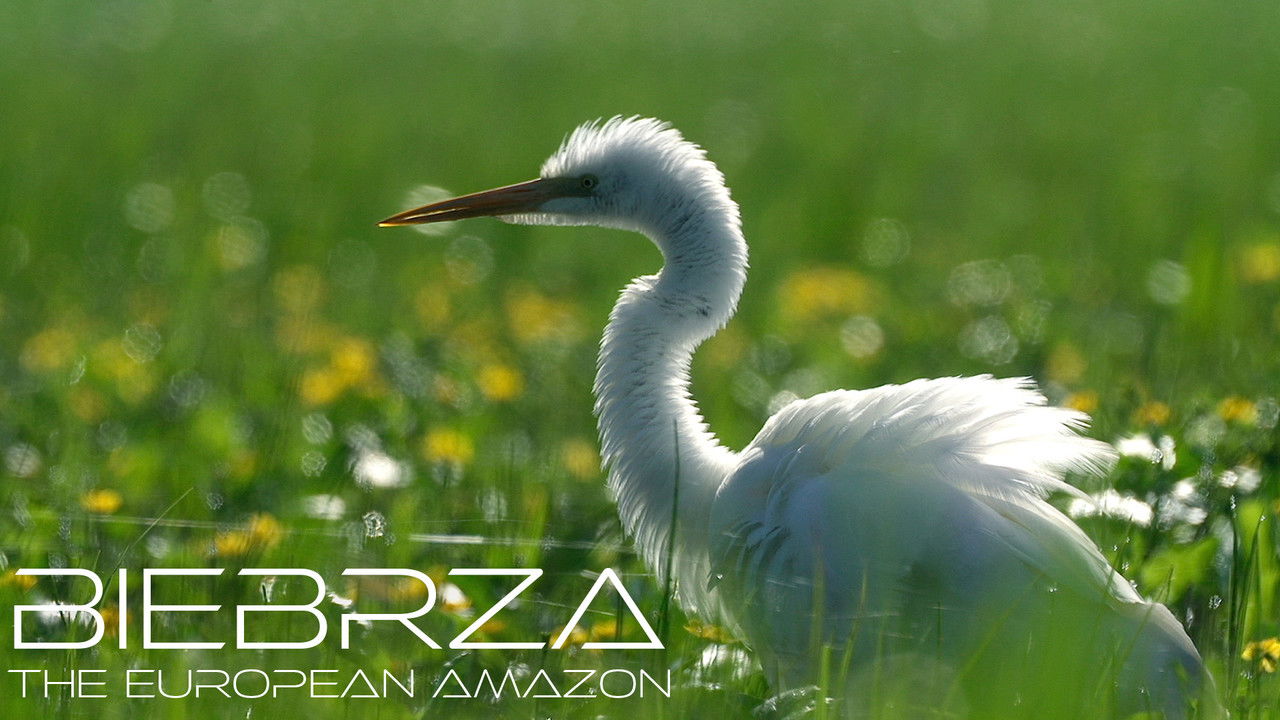
Experience the breathtaking wildlife and seasons of Biebrza Valley.
Only 10% of Olive Ridley turtle hatchlings on the Costa Rican coast will survive after emerging from their nests.
In South Texas's Lower Rio Grande Valley, Patrick McMillan explores its unique wildlife, including ocelots, wild parrots, and Aplomado falcons.
Sama-Bajau and Moken families in the Coral Triangle of Southeast Asia continue their traditional nomadic lives at sea, facing challenges from industrial fishing encroachment.
Over 100,000 male giant cuttlefish compete to mate in a single bay as summer ends, using color changes to communicate and attract females.
After a century of absence, sea otters have been reintroduced to Canada's West Coast, creating new ecological interactions in their marine environment.
In the United States, approximately 5,000 privately owned tigers exist, raising concerns about the ethics and regulations surrounding the captive tiger trade.